Can I Rent Out a Property I Buy in Serbia?
So, you’ve taken the plunge and bought a piece of Serbia – maybe a cozy apartment in Belgrade, a charming house in Novi Sad, or a tranquil retreat in the countryside. Congratulations! It’s a fantastic feeling to own property here. Now, naturally, your mind turns to the practical side: "Can I rent this out and make some income?" The short answer is a resounding yes, but like most things in Serbia, it’s not always a straightforward path. This guide will walk you through the nitty-gritty of renting out your Serbian property, covering everything from the legalities to the everyday realities, so you can make informed decisions and navigate the local landscape with confidence.
The Legal Framework for Renting Out Property in Serbia
Understanding the legal side of renting out your property in Serbia as a foreigner is paramount. It’s not just about collecting rent; it’s about adhering to local laws, protecting your investment, and ensuring a smooth relationship with your tenants. Serbia's legal system, while generally clear, can sometimes feel a bit like a maze, especially with language barriers and different administrative processes.
Foreigner Property Ownership and Rental Rights
First things first, let's clarify your right to own and, subsequently, rent out property. As a foreigner, you absolutely can own property in Serbia, with a few caveats depending on your nationality and the type of property. Generally, if your home country has a reciprocity agreement with Serbia (which many do, especially EU countries, the US, UK, Canada, and Australia), you can purchase real estate, often on the same terms as Serbian citizens. Once you own it, the right to derive income from it, including renting it out, is typically implied and protected by law. This is a huge relief for many expats who might have faced more restrictive ownership rules elsewhere. For a more detailed look at the initial steps, you might want to revisit How to Buy Property in Serbia as a Foreigner: The Full Guide (2027).
However, owning property doesn't automatically mean you can bypass all other local regulations related to renting. You are effectively becoming a landlord in Serbia, and that comes with responsibilities. For instance, you will need to register your rental activity with the appropriate tax authorities, which we'll delve into later. Also, if you’re planning on short-term rentals (like AirBnB), there might be additional tourism-specific registrations required with the local tourism organization or municipality, especially concerning the prijava or registration of guests, which is a big deal here. Failing to register guests can lead to hefty fines, so it’s something you absolutely cannot overlook. This commitment to transparency is a crucial aspect of Understanding Property Ownership and the Market in Serbia (2027).
Navigating Rental Contracts and Tenant Protection
When it comes to renting out your place, a well-drafted rental contract is your best friend. Serbian law is generally tenant-friendly, meaning that while you have rights as a landlord, tenants also have significant protections, particularly concerning eviction and the duration of their stay. Most standard rental agreements are for a fixed term, often one year, with an option to renew. It's common practice to require a security deposit, typically one or two months' rent, to cover potential damages or unpaid utilities.
The contract should be in writing and ideally bilingual (Serbian and English) to ensure both parties fully understand their obligations. It should clearly stipulate:
- The rental period and terms of renewal.
- The monthly rent amount and payment due dates.
- The amount of the security deposit and conditions for its return.
- Responsibilities for utility payments (usually tenants, but specify if any are included).
- Maintenance responsibilities (who fixes what).
- Conditions under which the contract can be terminated by either party.
- Rules regarding pets, smoking, or sub-letting.
It's highly advisable to use a local lawyer or a reputable real estate agent to draft or review your contract. They can ensure it complies with current Serbian laws and covers common pitfalls. This is not the place to cut corners. A good lawyer can save you a lot of heartache (and money) down the line if a dispute arises. Remember, while you might be fluent in English, Serbian legal terminology has its own nuances.
Marketing Your Rental Property and Finding Tenants
Once the legal groundwork is solid, your next big challenge is attracting the right tenants. The Serbian rental market has its own dynamics, and understanding them is key to successful long-term or short-term rentals.
Understanding the Serbian Rental Market Landscape
The rental market in Serbia, particularly in major cities like Belgrade and Novi Sad, is quite active and diverse. You'll find a mix of local and expat tenants, students, and young professionals. Rental prices vary significantly based on location, size, and amenities. For example, a modern, fully furnished apartment in a prime Belgrade neighborhood like Vračar or Stari Grad will command much higher rent than an older, unfurnished unit in a residential area further from the city center. You can get a sense of local market rates by looking at How Much Does It Cost to Rent an Apartment in Belgrade in 2026?.
Many tenants, especially expats, prefer fully furnished apartments that are move-in ready. This often includes everything from kitchen appliances and furniture to basic linens. If your property is unfurnished, your potential tenant pool might be smaller, but you might also attract long-term residents who want to bring their own belongings. When considering furnishings, think about durability and practicality. Good quality, neutral furniture tends to appeal to a broader audience. If you're furnishing from scratch, services like Sirelo might be useful for comparing options if you need to bring in larger items or if you're coordinating a move of your own belongings while setting up the rental.
The demand for rentals tends to peak before the academic year starts (late summer/early autumn) and also in spring. Short-term rentals (AirBnB style) are popular in tourist hotspots and often yield higher daily rates, but they come with increased management complexity (cleaning, check-ins/check-outs, constant guest communication) and potentially higher operating costs. Long-term rentals offer more stability but generally lower monthly returns. Decide which model suits your goals and lifestyle best.
Strategies for Advertising and Tenant Screening
Effective advertising is crucial to finding good tenants. Online portals are the most common way to list properties in Serbia. Popular platforms include:
- Nekretnine.rs: A widely used Serbian real estate portal.
- Halo Oglasi Nekretnine: Another significant local platform.
- Facebook Groups: Many expat and local rental groups are active, especially for Belgrade and Novi Sad.
- Specialized short-term rental sites: If you're going the AirBnB route, these are obvious choices.
High-quality photos are non-negotiable, and if possible, a virtual tour can significantly boost interest, especially for international tenants. Be honest and descriptive about your property's features, location, and any quirks it might have.
Tenant screening is equally important. This is where a good real estate agent can be invaluable. Many agents offer services specifically for landlords, including advertising, tenant screening, contract drafting, and even ongoing property management. You might find a reliable partner through services like How to Find a Reliable Real Estate Agent in Serbia. They can conduct background checks, verify employment, and check references, helping you avoid problematic tenants. Trust me, a bad tenant can turn your landlord dream into a nightmare faster than you can say "računi" (bills).
When you're interviewing potential tenants, trust your gut, but also ask clear, consistent questions. Understand their reason for moving, their employment situation, and their expected duration of stay. For expats, ensure they have proper residency status in Serbia, particularly if they are planning a longer stay. A stable tenant who pays on time and respects your property is worth more than a slightly higher rent from a questionable applicant.
The Financial Realities: Taxes, Costs, and Profitability
Now for the part that can often feel like wrestling an octopus – the finances. Rental income is taxable in Serbia, and there are other costs you need to factor in to truly understand your property's profitability.
Income Tax on Rental Earnings and Associated Contributions
In Serbia, rental income is generally subject to personal income tax. The standard flat tax rate for personal income is 10%, which sounds straightforward, but there are nuances. For rental income, the taxable base is usually determined after deducting certain expenses. For example, if you rent out your property to a natural person (an individual), you can typically deduct a lump sum of 25% of the gross income for expenses, meaning tax is paid on 75% of your rental income. This can be a significant benefit, as you don't need to meticulously track and prove every single small expense.
In addition to income tax, you might also be liable for social security contributions, especially if renting out property is considered a regular activity or your primary source of income. This area can be complex, and it’s critical to consult with a local tax advisor or accountant. They can help you determine your specific obligations based on your residency status in Serbia, whether you’re renting to individuals or legal entities, and the frequency of your rental activities. Remember, being upfront and compliant with the Poreska Uprava (Tax Administration) from the start will save you from potential headaches and penalties down the line. A deep dive into all tax-related matters can be found in The Complete Guide to Taxes in Serbia for Expats (2027) and Understanding Income Tax and the Flat 10% Rate in Serbia (2026).
Here's a simplified breakdown of typical tax considerations for rental income:
| Income Type | Tax Rate (Approx.) | Basis for Tax Calculation | Notes |
|---|---|---|---|
| Rental Income (individuals) | 10% PIT | 75% of gross rental income (25% lump-sum deduction) | Plus mandatory social contributions (health, pension) in some cases |
| Rental Income (companies) | 10% PIT | Actual gross rental income | Company usually withholds tax; social contributions might apply |
| Property Tax (Annual) | 0.4% – 2% | Assessed value of property | Varies by municipality and property type, paid annually/quarterly |
| Property Transfer Tax (Sale) | 2.5% | Market value of property | Paid by buyer when property is sold |
Note: This table is for general informational purposes and tax laws can change. Always consult a qualified Serbian tax advisor for personalized advice.
Other Costs of Property Ownership and Management
Beyond income tax, there are several other costs associated with owning and renting out property in Serbia:
- Annual Property Tax: This is a recurring expense paid to the local municipality. The rate varies depending on the property's location, size, and assessed value, typically ranging from 0.4% to 2%. It’s usually paid in quarterly installments. For more on this, check out Understanding Property Tax for Homeowners in Serbia.
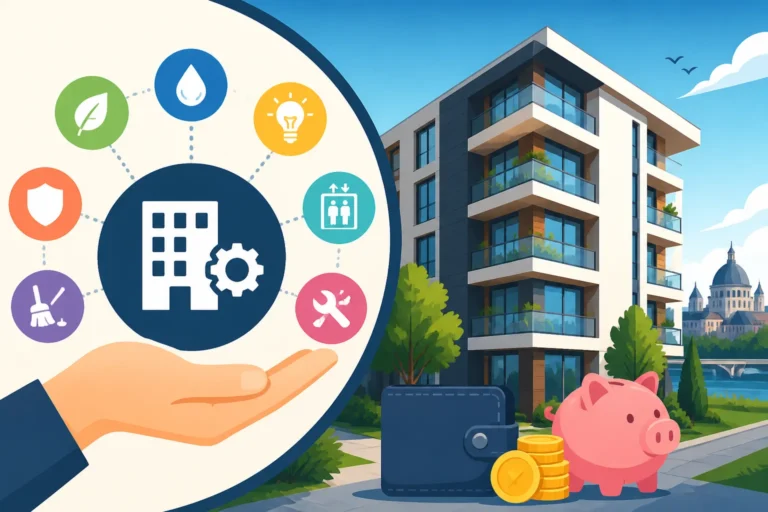
- Building Maintenance Fees (Zajednička Rezervna Sredstva): If your property is an apartment in a building with shared spaces, you'll contribute to these fees, which cover maintenance of common areas, elevators, and sometimes minor repairs to the building's exterior. These are usually not very high but are mandatory.
- Insurance: Property insurance (for fire, flood, etc.) is highly recommended. While not always legally mandatory for ownership, it’s a wise investment to protect your asset. You might also consider landlord insurance, which covers risks specific to renting.
- Maintenance and Repairs: Even with a good tenant, things break. Budget for routine maintenance and unforeseen repairs. This includes everything from a leaky faucet to a malfunctioning boiler. Keeping your property in good condition will attract better tenants and reduce turnover.
- Utilities (if included): If you choose to include utilities in the rent (less common for long-term, more so for short-term), you'll bear these costs. Even if tenants pay, you might be responsible for ensuring they are set up correctly. See The Expat Guide to Setting Up Utilities (Electricity, Water, Heating) in Serbia for more on this.
- Agent Fees: If you use a real estate agent for finding tenants or for full property management, their fees will be a significant operational cost. Typically, a tenant-finding fee is equivalent to one month's rent (paid either by landlord, tenant, or split). Property management fees can be a percentage of the monthly rent.
- Accounting Fees: A local accountant will be essential for ensuring tax compliance and proper record-keeping, especially if you're not physically present in Serbia.
When calculating your potential profitability, be realistic. Don't just look at the gross rent; subtract all these costs to arrive at a true net income. Serbia's lower cost of living can make rental income attractive, but managing expenses is key.
Practicalities of Being a Landlord in Serbia
Being a landlord is a commitment, whether you’re living next door or on another continent. When you're an expat, especially if you're not in Serbia full-time, these practicalities require extra attention.
Property Management: DIY vs. Hiring Help
Deciding whether to manage your property yourself or hire a professional is a critical choice, heavily influenced by your personal circumstances.
- DIY Management: This is certainly possible if you live locally, speak Serbian, and have the time and inclination to handle everything. You'll be responsible for advertising, screening tenants, signing contracts, collecting rent, arranging repairs, and dealing with tenant queries and issues. The upside is saving on management fees. The downside is that it can be incredibly time-consuming, stressful, and demanding, especially if you encounter a difficult tenant or unexpected emergencies. You need to be readily available, which means being connected. While back in your home country, an eSIM from a provider like Airalo can be a lifesaver for staying in touch with potential tenants or your property manager in Serbia.
- Hiring a Property Manager: For most expat landlords, this is the most sensible option. A good property manager will handle virtually everything: marketing the property, vetting tenants, drafting and executing contracts, collecting rent, overseeing maintenance and repairs, and acting as the primary point of contact for your tenants. They usually charge a percentage of the monthly rent (typically 8-15%, sometimes more depending on services). While an added expense, the peace of mind, time saved, and expert local knowledge they provide can be invaluable. They will often have a network of trusted handymen and contractors, ensuring that issues are resolved efficiently and at a fair price. This is particularly useful if you're trying to keep up with your property from afar. For example, if you reside in a completely different time zone, relying on a local manager for immediate issues like a burst pipe at 2 AM is crucial.
Finding a trustworthy and competent property manager requires due diligence. Ask for references, check their experience, and ensure their contract clearly outlines their responsibilities and fees. A good real estate agency often offers property management as an additional service.
Handling Maintenance, Utilities, and Tenant Relations
Even with a property manager, it’s good to understand how these aspects typically work.
- Maintenance: For long-term rentals, minor maintenance and everyday wear-and-tear (like changing lightbulbs) are usually the tenant's responsibility. Larger issues, structural problems, or appliance breakdowns fall to the landlord. Your contract should clearly delineate these responsibilities. Having a reliable list of plumbers, electricians, and general handymen on speed dial (or your property manager's speed dial) is essential. Tenants will expect timely repairs, and delaying them can lead to frustration and potential legal issues.
- Utilities: For long-term rentals, it’s standard for tenants to put electricity (EPS), water, heating, internet, and sometimes even building maintenance fees in their name and pay them directly. This streamlines the process and avoids arguments over consumption. However, as the property owner, you remain ultimately responsible if a tenant defaults on payments. Ensure your property manager monitors these payments or that you have a system in place to check periodically. For short-term rentals, utilities are always included in the price, and you manage payment.
- Tenant Relations: Good communication is key. Be responsive, fair, and professional. While a property manager will handle most direct interactions, you should still be kept informed. Regular inspections (with proper notice) can help catch issues early and ensure the property is being cared for. Should disputes arise, refer back to your contract and, if necessary, seek legal counsel. Patience and a willingness to understand cultural nuances can go a long way in Serbia. Things might not always move at the pace you're used to, but a calm, persistent approach is often the most effective. Keep in mind that building a positive reputation as a fair landlord can make it easier to find good tenants in the future.
Renting out your property in Serbia can be a rewarding experience, providing both income and a connection to your chosen country. Just be prepared to put in the groundwork, understand the local rules, and, when in doubt, lean on local professionals.
Disclaimer
Please note that the information provided in this article is for general guidance only and does not constitute legal, tax, or financial advice. Laws and regulations in Serbia can change and their application may vary depending on individual circumstances. It is strongly recommended to consult with a qualified local legal professional, tax advisor, or real estate expert for personalized advice regarding your specific situation before making any decisions related to property ownership or rental in Serbia.