How Do I Choose Between an Apartment and a House in Serbia?
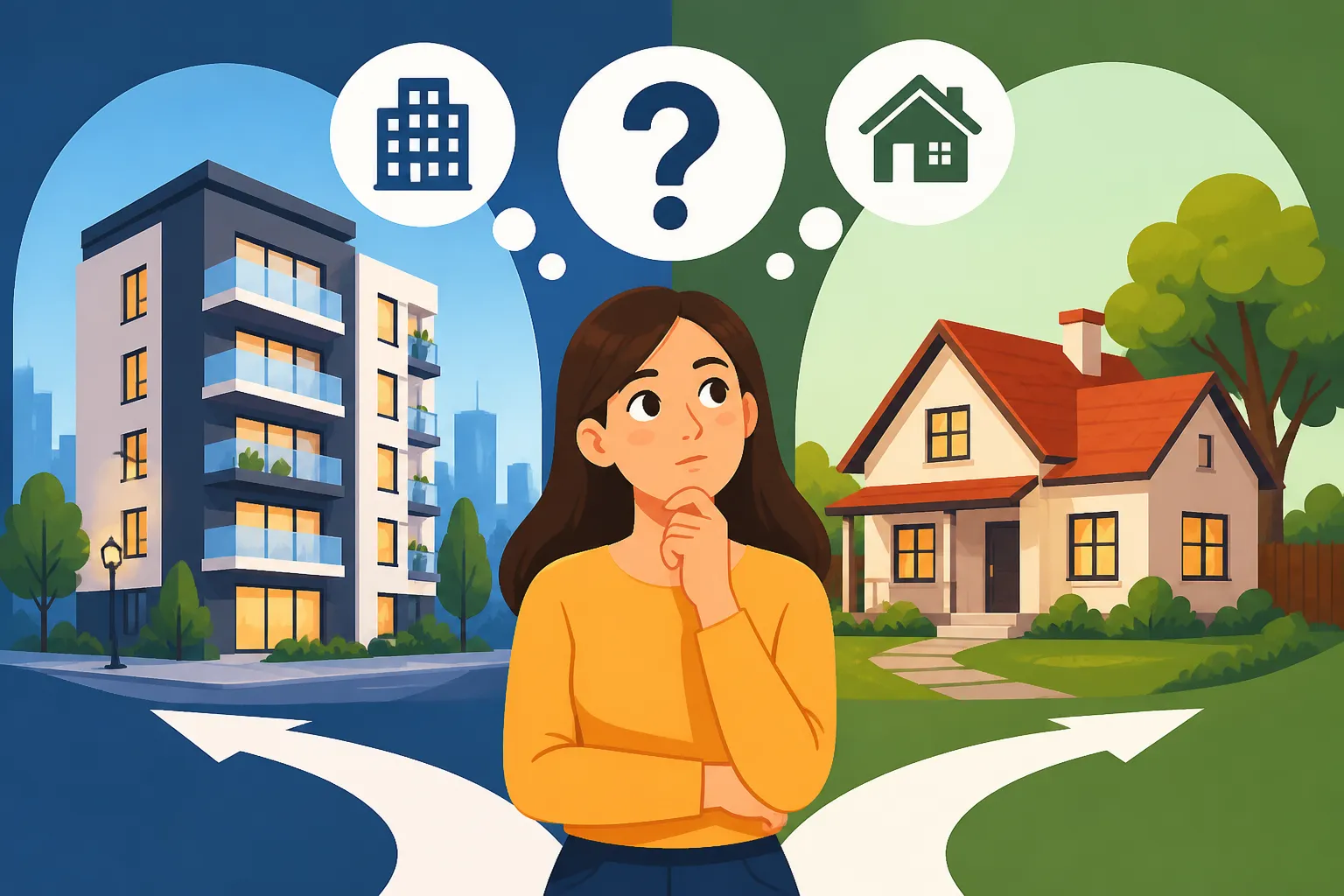
Deciding whether to rent or buy an apartment or a house in Serbia is one of those big, foundational choices that can really shape your expat experience here. It’s not just about square footage or the number of rooms; it’s about lifestyle, budget, integration, and what kind of daily rhythm you want to settle into. This guide will walk you through the nuances of both options, from the bustling city flats to the tranquil suburban homes, helping you weigh the pros and cons through the lens of an expat.
Understanding the Serbian Housing Landscape for Expats
Serbia offers a diverse housing market, ranging from sleek, modern apartments in the heart of its vibrant cities to charming, often more traditional houses in the quieter suburbs and surrounding countryside. As an expat, your choice will likely hinge on what kind of life you envision for yourself and your family here, and how you want to interact with your new environment.
The Allure of City Living: Apartments in Urban Hubs
When most expats first arrive, especially if they're moving to Belgrade, Novi Sad, or Niš for work or studies, their first thought is usually an apartment. And for good reason! City living in Serbia, particularly in Belgrade, places you right in the thick of things.
Imagine waking up in a comfortable flat in Dorćol, walking to your favourite pekara for breakfast, and having all the shops, cafes, and cultural spots within easy reach. This is the everyday reality for many apartment dwellers. You're typically closer to your workplace, to international schools if you have children, and to the main public transport arteries. Apartments come in all shapes and sizes, from newly built high-rises with sleek finishes to charming, older buildings with character, often with high ceilings and a story to tell. Many modern buildings now offer amenities like underground parking, security, and sometimes even a small gym. The density means you're part of a dynamic, lively community, albeit one where your personal space is a bit more compact. You'll likely find central heating common in these buildings, often included in your monthly "infostan" bill, which bundles various utility costs. However, this also means less control over your heating. Privacy might be a concern for some, as neighbours are often closer than you might be used to, and city noise is an undeniable part of the experience. Parking, if not provided, can be a daily struggle in popular areas. To get a handle on what you might expect, check out How Much Does It Cost to Rent an Apartment in Belgrade in 2026?.
The Charm of Suburban and Rural Life: Houses Beyond the City Limits
On the other hand, the idea of a house in Serbia conjures up images of more space, a garden, and a quieter pace of life. Many expats eventually gravitate towards houses once they settle in, especially those with families or pets, or simply a desire for more elbow room. These homes are typically found in the suburbs of major cities, like Borča or Pančevo outside Belgrade, or in smaller towns and villages.
The biggest draw here is undeniably the space – both indoors and out. A garden means room for kids to play, pets to roam, or for you to indulge in some gardening. Privacy is significantly enhanced compared to apartment living, and the neighbourhood vibe is often more traditional and community-oriented, with neighbours knowing each other and perhaps even sharing garden produce. You might find a wider variety of heating solutions in houses, from wood-burning stoves and pellet burners (which are common and can be cost-effective) to gas heating or electric radiators, giving you more control over your energy consumption. However, this also means more responsibility for maintenance, from tending the garden to arranging for heating fuel. The commute into the city will be longer, often requiring a car, and access to certain amenities like large supermarkets or specialised healthcare might involve a drive. While the purchase price of a house outside the city might initially seem more attractive, don't forget the potential for renovation costs if you buy an older property, and the ongoing expenses of property maintenance. For those interested in potentially buying, understanding How to Buy Property in Serbia as a Foreigner: The Full Guide (2027) is a must.
Key Factors to Consider When Making Your Choice
Making this decision isn't just about what's available; it's deeply personal and should align with your core needs and aspirations for your time in Serbia.
Lifestyle and Family Needs
Your personal lifestyle and family situation will be paramount in this decision. Are you a single professional who values convenience and proximity to nightlife and cultural events? An apartment in the city center might be your ideal. You'll appreciate being able to walk to Belgrade's many museums, theatres, or restaurants, or having a short tram ride home after a night out. If you have pets, consider whether the apartment building has restrictions, and how much outdoor space you'll need for them. A small balcony might suffice for a cat, but a dog will certainly appreciate a garden.
If you’re moving with a family, especially with young children, a house often provides the much-needed space and a safer, more private environment. Gardens are gold for kids to burn off energy, and you won't have to worry as much about noise complaints from downstairs neighbours. Proximity to good local schools or international schools is also a major factor. For many expat families, the trade-off of a longer commute for a more spacious home life is entirely worth it. Think about your hobbies too: do you love to entertain? A house with a garden offers fantastic opportunities for barbecues and gatherings in warmer months. Do you work from home? A house might offer a dedicated office space, free from the distractions of city street noise. Consider whether you want to live in one of The Best Places to Live in Serbia for Expats: A Complete Guide (2027).
Budget and Long-Term Costs
Ah, the budget – the eternal gatekeeper of dreams! It’s crucial to look beyond just the initial rent or purchase price. In apartments, you'll typically face monthly utility bills (electricity, water, communal building maintenance, and often heating, bundled into that "infostan" payment) and internet/mobile costs. These are usually quite predictable. For houses, while you might escape the building maintenance fees, you’ll be solely responsible for all utilities, potentially higher heating costs (especially if you choose wood or gas, which require regular purchasing), and all property maintenance.
Let’s talk specifics. Central heating, common in apartments, provides consistent warmth but offers little personal control over temperature or timing. In a house, you might have an individual gas boiler, a wood-burning stove, or electric heaters. While these give you control, they demand more management and can be surprisingly costly if not managed efficiently, especially during the long Serbian winters. Property tax is also a consideration; while modest in Serbia, it's an annual cost for homeowners. If you're buying, factor in closing costs, notary fees, and potential renovation expenses for older properties. Don't forget that if you live further out, increased fuel costs for commuting will also impact your overall budget. For a broader understanding of expenses, consider The Complete Guide to Cost of Living in Serbia for Expats (2026).
Commute and Accessibility
Serbia's urban transport infrastructure is decent, particularly in Belgrade, but it has its quirks. If you rely on public transport, an apartment near tram or bus lines will be invaluable. Belgrade's bus and tram network, while extensive, can be crowded and subject to traffic. Commuting from a suburban house into Belgrade city center during peak hours can easily add an hour or more to your daily travel. This is where having your own vehicle becomes almost essential for house dwellers, which then brings in the costs of fuel, car insurance, and parking.
On the other hand, if your work is remote, or located outside the city center, then accessibility within the city becomes less of a concern. However, you'll still need to consider how you'll access services, grocery stores, and social activities. For families, think about school runs. Is there a reliable school bus service from your desired suburban location, or will you be driving every day? Understanding The Expat Guide to Public Transport in Serbia can help if you plan on relying on city buses and trams. Also, if you plan to drive, make sure you're familiar with Driving in Serbia: Licences, Registration and Rules for Expats (2027).
Practical Considerations: The Nitty-Gritty Details
Moving to a new country always involves a dose of realism, and housing is no exception. Beyond the romantic notions, there are very practical aspects that can make or break your living situation.
Maintenance, Upkeep, and Responsibilities
This is a big one. Living in an apartment, especially a newer one, means much of the exterior and common area maintenance is handled by a building management company, paid for through your "infostan" bill. If the elevator breaks or the hallway needs painting, it's not directly your problem to fix or organize. Inside your apartment, you're responsible for your own space, but you're typically not dealing with roof repairs or external plumbing.
With a house, all maintenance is on you. The garden needs tending, the roof might need repairs, the heating system requires servicing, and general upkeep of the exterior falls to you. This can be a significant time commitment, or a financial one if you hire help. Finding reliable handymen or garden services in Serbia is possible, but it takes time, trust, and often a good grasp of the local language (or a trusted Serbian friend to help translate). Don’t underestimate the effort required to manage these aspects, especially when you’re still getting used to life in Serbia.
Cultural Integration and Community
The type of housing you choose can subtly influence your social integration. In apartment buildings, especially older ones, you might find a strong sense of community with neighbours sharing resources or having casual chats in the hallways. However, in modern, larger blocks, the anonymity can be higher, similar to many Western cities. For expats, this can be a double-edged sword: privacy is good, but forming connections might require more effort.
In a suburban or rural house, the community dynamic is often more immediate and visible. Neighbours are typically closer-knit, and you might find yourself quickly integrated into local life, perhaps sharing coffee or helping each other out. This can be incredibly rewarding but also requires a willingness to engage, and potentially grapple with the language barrier head-on. If you're looking for a deeper immersion into Serbian culture, a house in a residential area might offer more direct opportunities for interaction.
The Rental vs. Purchase Dilemma
While this guide focuses on choosing between an apartment and a house, the decision to rent or buy heavily intertwines with that choice. Many expats choose to rent initially, regardless of property type, to truly get a feel for the area, the market, and their own needs. Renting an apartment is generally simpler administratively and offers flexibility. You sign a rental contract, pay a deposit, and you're set. You can find more details on this process in The Complete Guide to Renting an Apartment in Serbia (2027).
Purchasing, whether an apartment or a house, is a more significant commitment. While foreign ownership of property in Serbia is generally permitted, the process involves legal intricacies, notaries, and significant upfront costs. Buying a house often means investing in a specific community for the long haul. Buying an apartment might be a faster process in some cases, especially newer builds, but both require due diligence. Deciding whether you want to settle down long-term or remain flexible will greatly influence this aspect. If you are considering buying, a thorough read of How to Buy Property in Serbia as a Foreigner: The Full Guide (2027) is highly recommended.
Making the Move: Resources and Tips
Once you've wrestled with the big decision and are leaning one way or the other, the next hurdle is actually finding and securing your perfect Serbian home and then getting settled.
Navigating the Serbian Property Market
Finding property in Serbia can be an adventure. For apartments, particularly in Belgrade or Novi Sad, online portals like Nekretnine.rs or 4zida.rs are popular starting points. Local real estate agents (agencije za nekretnine) are also invaluable, as they have access to listings not always advertised publicly and can navigate the sometimes opaque local market. Be prepared for viewings where English might not be universally spoken, so having a translator or a Serbian-speaking friend can be a huge asset. Don't be shy about asking questions about heating systems, utility costs, and neighbourhood specifics.
For houses, especially those further afield, the market can be even more localised. Word-of-mouth and smaller, regional agencies might be more effective. If you're seeking a specific kind of community feel or a particular type of garden, be very clear with your agent. Regardless of your choice, a good agent can help you understand Understanding Property Ownership and the Market in Serbia (2027) and negotiate rental terms or purchase prices.
Settling In and Staying Connected
Once you've made your decision, whether it's a cozy flat in Dorćol or a spacious house in Srem, the next step is settling in. You'll need to sort out utilities, internet, and a local phone number pretty quickly. For immediate connectivity upon arrival, an eSIM from providers like Airalo can be a lifesaver, ensuring you have mobile data to navigate, communicate, and sort out arrangements without the immediate stress of finding a physical SIM card. Once you're settled, you can look into local providers for longer-term mobile and internet plans.
Setting up electricity with EPS, water, and heating (if not central) will be high on your list. Make sure you understand The Expat Guide to Setting Up Utilities Electricity, Water, Heating in Serbia as soon as you move in. If you're bringing a lot of belongings, a reliable moving service, perhaps found through platforms like Sirelo, can really take the stress out of international relocation, handling customs and transport. Remember to register your address (prijava boravka) with the police within 24 hours of arrival if you're a foreigner, which your landlord or property owner can often help with.
It's also worth connecting with other expats through social media groups (e.g., "Expats in Belgrade" on Facebook) or local meetups. They can offer a wealth of practical advice, from where to find English-speaking doctors to recommendations for reliable tradespeople.
Here's a quick overview to help you compare:
| Feature | Apartment Living in Serbia | House Living in Serbia |
|---|---|---|
| Location | Primarily urban centers (Belgrade, Novi Sad, Niš) | Suburban areas, smaller towns, rural countryside |
| Space | Generally more compact, less outdoor space (balcony possible) | More spacious, often includes a garden/yard |
| Privacy | Lower, shared walls, potential for noise from neighbours | Higher, more personal space, less direct neighbour interaction |
| Maintenance | Common areas managed by building; interior is your responsibility | Entire property (interior & exterior, garden, roof) is your responsibility |
| Utilities/Heating | Often central heating (part of "infostan"); predictable bills; less control | Diverse heating options (gas, wood, electric); more control, but direct cost/management |
| Commute | Shorter, easier access to public transport; traffic can be an issue | Longer, often requires a car; quieter roads outside city |
| Amenities | Close proximity to shops, restaurants, cultural sites, healthcare, international schools | Might require travel for certain amenities; local shops/markets available in smaller towns |
| Community | Can be anonymous in larger blocks; neighbourly in older buildings | Often more direct, traditional, and close-knit with neighbours |
| Initial Cost (Rent/Buy) | Varies greatly; can be high in prime city locations | Potentially lower purchase price outside cities, but consider renovation costs |
| Long-Term Costs | Predictable utility bills, infostan, internet | Higher potential for maintenance costs, fuel, diverse heating expenses |
| Suitability | Singles, couples, those prioritizing city life, convenience, minimal upkeep | Families, pet owners, those desiring space, garden, quiet, hands-on home management |
Ultimately, the choice between an apartment and a house in Serbia boils down to your priorities. Do you crave the buzz and convenience of city life, or the tranquility and space of a suburban or rural home? Both offer unique advantages and challenges for expats. Take your time, visit different areas, talk to other expats, and truly envision your daily life in each scenario before making your final decision. Srećno!
Disclaimer
The information provided in this guide is intended for general informational purposes only and does not constitute legal, financial, or professional advice. While we strive to ensure the accuracy and timeliness of the information, regulations and market conditions in Serbia can change rapidly. It is highly recommended that you consult with relevant professionals, such as real estate agents, lawyers, or financial advisors, for advice tailored to your specific situation before making any housing decisions.