How Do I Renew My Temporary Residence in Serbia?
Navigating the bureaucracy of a new country is rarely straightforward, and if you're an expat in Serbia, you’ve probably experienced that unique blend of frustration and perseverance that comes with administrative tasks. Renewing your temporary residence permit, or privremeni boravak, can feel like a daunting re-run of your initial application, sometimes with new twists and turns. This comprehensive guide is here to walk you through the entire process, sharing insights from years of expat life in Serbia, to help make your renewal as smooth and stress-free as possible.
Understanding the Renewal Process for Temporary Residence in Serbia
Alright, let's talk about the dreaded "R" word: renewal. It's not just a formality; it's a critical step to maintaining your legal status here in Serbia. Many of us have been there, watching the expiry date on our boravak card creep closer, triggering that familiar knot of anxiety. The good news is, once you’ve done it once, you pretty much know the drill – and this time, you'll be even more prepared.
When and Where to Renew Your Temporary Residence
The golden rule for renewing your temporary residence in Serbia is do not wait until the last minute. The law technically states you should apply for renewal at least 30 days before your current permit expires. However, as any seasoned expat will tell you, at least 30 days actually means "as soon as humanly possible" in Serbian bureaucratic terms. Seriously, start gathering your documents two to three months out. You never know what unexpected hurdle might pop up, like a document needing an extra stamp, or an appointment being hard to get.
Your application for renewal needs to be submitted to the Ministry of Internal Affairs (MUP) – specifically, the Foreigners' Department (Odeljenje za strance) in the city where you are registered. For most expats in Belgrade, this means heading to the MUP building on Savska ulica. If you're in Novi Sad, it'll be a different local MUP office, and similarly for Nis or other cities. It's always best to check their exact working hours and any specific departmental instructions online or by calling ahead, though getting through on the phone can be an Olympic sport in itself. Remember, showing up early, often before they even open, is usually your best bet for a shorter wait.
Key Changes and Updates to Be Aware Of
Serbia's immigration landscape has seen quite a few shifts lately, and staying informed is crucial. One of the biggest changes in recent years has been the introduction of the Single Permit for work and residence. If you initially obtained your temporary residence based on employment, you likely went through this combined process. When it comes to renewal, the good news is that for most cases, the process remains integrated. You'll generally renew both your work permit and residence permit simultaneously under this single permit umbrella. However, the specific documentation required will depend on whether you’re still with the same employer, if your contract terms have changed, or if you’ve moved into self-employment.
It’s completely normal to feel like the rules are a moving target. Policies can change with little fanfare, and what was true last year might have a slight tweak this year. This is why always double-checking the most up-to-date requirements directly on the MUP website or consulting with an experienced local lawyer or agency is smart. Don't rely solely on what a friend did six months ago, or even what you did yourself for your initial How to Get Temporary Residence (Boravak) in Serbia (2027). Always approach the process assuming there might be something new you need to account for.
Essential Documents for Temporary Residence Renewal in Serbia
This is where the real work begins, my friends. The MUP loves its paperwork, and they love it to be perfect. Missing even a single obscure document or having an incorrect stamp can send you back to square one. Trust me, you want to get this right the first time. Having a clear checklist and meticulously preparing each item will save you immense headaches down the line.
Core Documents You Absolutely Need
Regardless of your grounds for residence, there are a few standard documents that every expat needs for their temporary residence renewal application:
- Valid Passport: This is non-negotiable. Your passport must be valid for at least three months beyond the expiry date of the new residence permit you are applying for. So, if you're applying for a one-year renewal, your passport should be valid for at least 15 months from your application date. If it’s nearing expiry, renew your passport first!
- Current Temporary Residence Permit (Boravak) Card: The physical card itself, and usually a photocopy of both sides.
- Completed Application Form: This is the Zahtev za izdavanje/produženje privremenog boravka. You can usually download it from the MUP website, or pick one up at the MUP office. Fill it out clearly, preferably in Serbian if you can, or in block capitals in English if you must. Make sure all information matches your passport and previous application exactly.
- Two Passport-Sized Photos: These need to be recent (not older than 6 months), in color, with a white background, and meeting standard biometric photo specifications. There are photo studios all over Belgrade and other cities that are very familiar with these requirements; just tell them it's for lična karta (ID card) or pasoš (passport).
- Proof of Funds: You need to show you have sufficient means to support yourself in Serbia. This is typically a bank statement from a Serbian bank, showing a consistent balance over the last few months, or a lump sum covering your anticipated stay. The amount isn't fixed in stone but generally aims to cover basic living costs. A rough guide is usually around €50-€100 per month of your requested stay.
- Proof of Accommodation: This usually means a certified rental contract (over 30 days) if you're renting, or a copy of your property title deed (list nepokretnosti) if you own property. If you’re staying with someone, you’ll need a statement from the property owner, often notarized, confirming you reside there. Don't forget your current beli karton (white card) registration from the police, which proves your address. Make sure your beli karton is current and covers the full period of your previous residence. Keeping up with your How to Register Your Address (Prijava) with the Police in Serbia is crucial!
- Proof of Health Insurance: This is absolutely mandatory. For many, this will be proof of registration with the Republic Health Insurance Fund (RFZO) if you're employed or self-employed and paying contributions. If you're not covered by the RFZO, you'll need private health insurance that covers your entire requested stay in Serbia. Companies like Cigna Global offer comprehensive international plans that can work, but make sure it's explicitly valid in Serbia and provides adequate coverage. For more details on this, you might find Health Insurance in Serbia: RFZO, Private and International Options Explained incredibly helpful.
- Receipts for Paid Administrative Fees: There are usually two or three fees (takse) that need to be paid at the post office or bank. These are for the application itself, the plastic card, and sometimes another administrative fee. The specific amounts are published by the MUP and can change, so check current rates. You’ll need the uplatnica (payment slips) for each.
Supporting Documentation Based on Your Grounds for Residence
Beyond the core documents, you’ll need specific papers that justify why you are renewing your stay. This will depend on the basis of your original temporary residence.
For Employment (Most Common):
If you’re renewing based on employment, especially under the new Single Permit system:
- New or Extended Employment Contract / Annex: This is key. It needs to clearly state your position, duration of employment, and salary. If your original contract simply rolls over, an annex extending it is usually sufficient.
- Employer's Letter: A formal letter from your employer confirming your continued employment, position, and the necessity of your stay in Serbia.
- Proof of Paid Contributions: Documentation from your employer showing that social and health contributions have been regularly paid on your behalf. This is handled by the employer, but you might need to provide a statement from the relevant tax authority (Poreska Uprava). This connects directly to Understanding Mandatory Health Insurance Contributions in Serbia.
- Proof of Education/Qualifications: Sometimes, especially if you changed roles or if it's your first work permit renewal, they might ask for your diploma or professional qualifications (translated and apostilled/legalized, if foreign).
For Self-Employment (Pausal Entrepreneur):
If you're a paušalac or registered as an entrepreneur:
- Proof of Business Registration: A certificate from the Business Registers Agency (APR) showing your active registration.
- Proof of Paid Taxes and Contributions: Evidence of regular payment of your flat-rate taxes and social contributions. This is usually obtained from the Poreska Uprava.
- Business Activity Proof: This could be invoices, contracts with clients, or a statement from your accountant confirming ongoing business activity and income.
For Study:
- University/School Enrollment Certificate: A letter from your educational institution confirming your continued enrollment for the upcoming academic year.
- Proof of Funds: Similar to the general requirement, but often needs to cover tuition fees as well as living expenses.
- Proof of Accommodation: As mentioned above, a rental agreement or dormitory confirmation.
For Family Reunification:
- Sponsor's Residence Permit: The original and a copy of your spouse's or parent's valid temporary or permanent residence permit in Serbia.
- Marriage Certificate / Birth Certificate: Original and copy, often translated and apostilled/legalized if issued outside Serbia.
- Proof of Funds: Your sponsor's bank statements or proof of income showing they can support you.
- Proof of Accommodation: As above, showing you reside together.
For Property Ownership:
- Property Title Deed (List nepokretnosti): Original and copy, proving you still own the property.
- Proof of Funds: Your bank statements.
- Proof of Residence at Property: Beli karton or utility bills in your name linked to that address.
It's vital that all foreign documents are officially translated into Serbian by a sworn court translator (sudski tumač) and, depending on the country of origin, bear an apostille stamp or are fully legalized. This is a common requirement for Understanding Document and Translation Requirements for Serbia Immigration.
Here’s a quick overview table to help you keep track of the main documents:
| Document Type | General Requirement | For Work | For Study | For Family Reunification | For Property Ownership |
|---|---|---|---|---|---|
| Personal Docs | Passport, Old Boravak Card, Application Form, Photos | Same | Same | Same | Same |
| Financial Proof | Bank Statement (Serbian Bank) | Bank Statement / Employer Salary Slip | Bank Statement (covering tuition/living) | Sponsor's Bank Statement / Income Proof | Bank Statement |
| Accommodation | Certified Rental Contract / Property Title / Beli Karton | Same | Dormitory/Rental Contract / Beli Karton | Sponsor's Rental Contract / Property Title / Beli | Property Title / Beli Karton |
| Health Insurance | RFZO Proof / Private Insurance | RFZO Proof (Employer Paid) | RFZO Proof (if applicable) / Private Insurance | RFZO Proof (if applicable) / Private Insurance | RFZO Proof (if applicable) / Private Insurance |
| Fees | Paid MUP Administrative Fees (Uplatnica) | Same | Same | Same | Same |
| Specific Proof | N/A | New/Extended Employment Contract, Employer Letter, Proof of Contributions | Enrollment Certificate | Sponsor's Residence Permit, Marriage/Birth Cert. | Current Property Title Deed |
| Translations/Legalization | (If foreign documents) | (If foreign documents) | (If foreign documents) | (If foreign documents) | (If foreign documents) |
The Application Submission and Waiting Game
Once you’ve painstakingly gathered all your documents, checked them twice, had them translated and apostilled, it’s time for the grand submission. This part can be a test of patience, but knowing what to expect can ease some of the tension.
Step-by-Step Guide to Submitting Your Renewal Application
- Fill out the Application Form: Make sure it’s completely and accurately filled out. Don't leave any blanks.
- Pay the Fees: Head to a post office (Pošta) or bank with your uplatnice (payment slips). The MUP staff will usually tell you the exact amounts and payment codes if you ask, or you can find them online. It's usually three separate payments.
- Visit the MUP Foreigners' Department: As mentioned, go early. Bring all your original documents, plus photocopies. It’s always good practice to have an extra set of copies, just in case. When your number is called (or if you simply wait your turn, depending on the MUP office system), you'll present your documents to an officer.
- Fingerprints and Signature: If your application is accepted, you’ll typically be sent to another window or room to have your fingerprints taken and provide your signature for the new card. This confirms your identity for the biometric card.
- Confirmation and Receipt: You should receive a receipt confirming your application submission. This receipt is incredibly important, as it serves as proof that your application is pending and allows you to legally remain in Serbia while awaiting a decision, even if your old card expires. Don't lose it!
This is where having a Serbian-speaking friend or a translator can really make a difference. While some MUP officers speak English, many do not, and navigating questions or clarifying requirements in a foreign language under pressure is no fun. This is also where the option to How to Apply for Residence from Inside Serbia becomes very relevant for those already here.
What to Expect While Your Application is Being Processed
After submission, it's the waiting game. Processing times for temporary residence renewals in Serbia can vary wildly. Sometimes it’s a few weeks, sometimes it’s a couple of months, and sometimes, well, it feels like an eternity. Factors like the volume of applications, the complexity of your case, and even the time of year can influence how long it takes.
During this waiting period, your receipt (the potvrda o podnetom zahtevu) is your lifeline. If your previous temporary residence card expires while your renewal is pending, this receipt serves as proof that you are legally in the country. However, be aware that travelling outside Serbia on an expired boravak card, even with the receipt, can be problematic. While it might be fine for re-entry, some border agents in other countries or airlines might not fully understand the Serbian system. If you absolutely must travel, it's advisable to check with the MUP or seek legal counsel beforehand.
You might be able to check the status of your application online via the eUprava portal, but this isn't always comprehensive or up-to-date for foreigners' residence permits. More often than not, you'll simply wait for a call or SMS telling you your card is ready for collection.
When thinking about your financial situation during this period, remember that a new residence permit often means an updated bank account status and ensuring continuity of services. Don't forget that consistent health insurance coverage is a must. If you’re covered by the RFZO, your contributions should continue seamlessly through your employer. If you have private insurance, make sure your policy covers the entire waiting period and beyond. For a deep dive into your healthcare options, check out The Complete Guide to Healthcare in Serbia for Expats (2027) and How Serbia's Health System Works: The RFZO and Private Care Explained (2027).
Common Pitfalls and How to Avoid Them
You’ve made it this far, so let’s talk about how to sidestep some of the most common issues that trip up expats during the renewal process. Forewarned is forearmed, especially when dealing with Serbian bureaucracy.
Avoiding Last-Minute Stress and Incomplete Applications
The biggest mistake you can make is procrastinating. As I mentioned, start preparing your documents at least two to three months before your permit expires. This gives you ample time to:
- Renew your passport if it’s expiring soon.
- Request new documents from your employer, university, or bank.
- Get translations and apostilles for any foreign documents. Reputable sworn court translators (sudski tumači) are plentiful, but they need time. Don’t rush this, as errors can lead to rejection.
- Check the current MUP requirements: These can change, so a quick verification online or with a local expert is worth the effort.
- Secure new health insurance if your current private policy is ending, or ensure your RFZO coverage is confirmed. Companies like Cigna Global can simplify obtaining an international policy valid for Serbia.
- Address your beli karton status: Make sure your address registration is current and correctly reflects your actual residence.
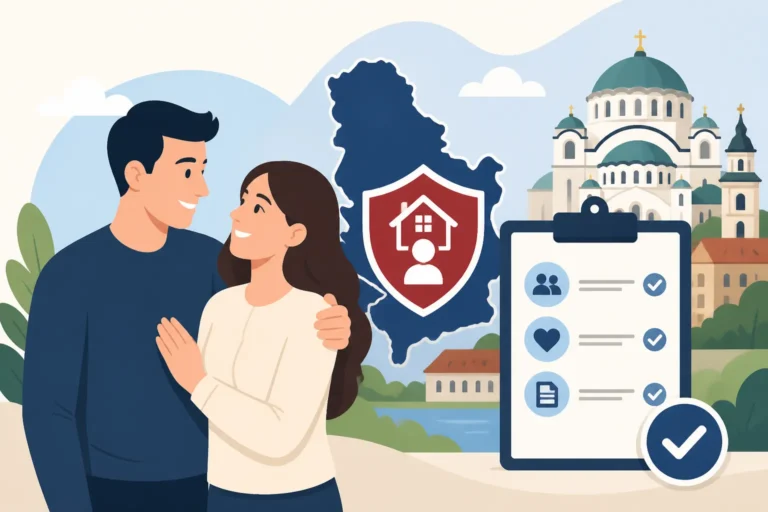
Creating a physical checklist and ticking off each item as it's prepared is an old-school but highly effective strategy. Imagine doing all this under a tight deadline – it’s a recipe for sleepless nights and missed documents. Remember, the MUP is unlikely to make exceptions for your tight schedule.
Navigating Communication Barriers and Bureaucracy
Ah, the language barrier. It's a tale as old as time for expats. While Belgrade, especially, has more English speakers, relying on an MUP officer to speak fluent English can be a gamble. This is why having a Serbian friend, colleague, or a professional translator accompany you can be a game-changer. They can help clarify instructions, ask questions on your behalf, and ensure there are no misunderstandings.
Beyond language, the sheer bureaucracy can be frustrating. The MUP system, like many government agencies, can feel slow, opaque, and at times, inconsistent. You might get slightly different advice from different officers on different days. The key here is patience and politeness. Getting visibly frustrated rarely helps your cause. Approach each interaction with a calm demeanor, clear questions, and all your documents meticulously organized. It also helps to remember that the officers are just doing their job, often under immense pressure themselves.
Understanding Your Rights and Obligations During Renewal
While your application is being processed and you hold that precious receipt, you are legally entitled to remain in Serbia. However, this period is generally for processing, not for extensive international travel. If you have an urgent need to travel, consult with the MUP directly about whether you can obtain a travel document or a special exit/re-entry visa. Otherwise, you might face complications at borders.
Your obligation is to provide accurate information and respond to any requests from the MUP in a timely manner. If they ask for additional documents or clarifications, provide them as quickly as possible. Failure to do so could lead to delays or even a rejection of your application. While rare, a rejection means you would need to leave Serbia or appeal the decision, which is a far more complicated process. Understanding the Cost and Timeline of the Serbia Residence Process can help you manage expectations.
Life Beyond Renewal: What Comes Next?
Congratulations, you've survived another round of Serbian immigration bureaucracy! Now that you’re (hopefully) holding your shiny new residence card, there are a few things to keep in mind.
Receiving Your New Residence Card
Once your application is approved, you’ll usually receive an SMS or a phone call informing you that your new biometric boravak card is ready for collection. This usually happens at the same MUP office where you submitted your application. You’ll need to bring your old card (if it hasn't expired), your passport, and often the receipt you received during submission. There might be one final fee to pay for the card issuance, so be prepared for that.
Once you have your new card in hand, take a moment to double-check all the details: your name, date of birth, passport number, and crucially, the validity dates. Any errors, no matter how small, should be reported immediately.
After successfully renewing your residence, remember to update any institutions that require your valid residence information. This includes your bank, your employer (if applicable), and any other service providers. For instance, if you’re using a Serbian mobile network, you might need to show your new boravak card to ensure uninterrupted service.
Planning for Future Renewals or Permanent Residence
Each temporary residence renewal brings you one step closer to potentially applying for permanent residence (stalni boravak) in Serbia. Generally, after five years of continuous temporary residence on specific grounds (like work, family reunification, or property ownership), you become eligible to apply for permanent residence. The rules can be nuanced, so it's wise to start understanding How to Get Permanent Residence in Serbia as you approach the five-year mark. Keep all your old residence permits and receipts; these are crucial for proving your continuous stay.
Even if permanent residence isn't on your radar yet, maintaining a meticulous record of all your immigration documents, application dates, and expiry dates is invaluable. Think of it as your personal immigration archive. This makes future renewals significantly easier, as you'll have a clear paper trail of your journey in Serbia.
Remember, living as an expat in Serbia means embracing the adventure, but also navigating the practicalities. The administrative side can be frustrating, but with careful preparation and a bit of patience, renewing your temporary residence doesn’t have to be a major ordeal.
Disclaimer
The information provided in this guide is intended for general informational purposes only and does not constitute legal advice. While we strive to keep the information accurate and up-to-date, immigration laws and procedures in Serbia can change frequently. Always consult with the official Serbian Ministry of Internal Affairs (MUP) or a qualified immigration lawyer for personalized advice regarding your specific situation. Reliance on any information provided in this article is solely at your own risk.