What Is the Fastest Route to Live in Serbia?
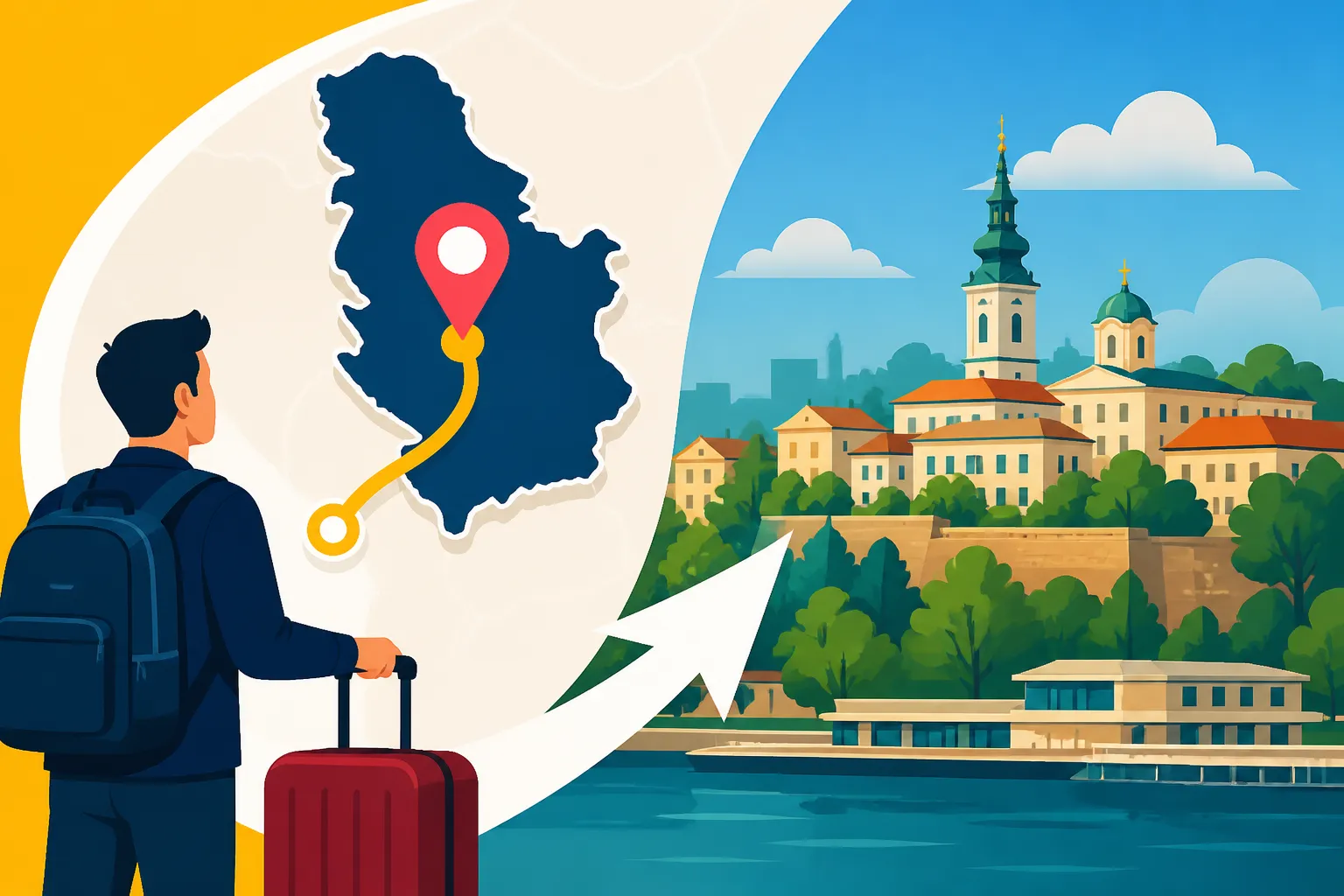
Moving to a new country like Serbia can feel like navigating a dense, unfamiliar forest, especially when you're eager to get settled and start your new life. The bureaucratic hurdles, the endless forms, the back-and-forth with various government offices – it's enough to make anyone's head spin. This guide is designed to cut through the confusion and pinpoint the most efficient and common pathways to securing your temporary residence in Serbia, helping you understand what steps you need to take and what to expect on your journey to calling this beautiful country home.
Understanding the Landscape of Serbian Residence Permits
Before we dive into the specifics of the "fastest" routes, it’s crucial to understand the general framework of how temporary residence, or privremeni boravak, works in Serbia. Unlike some countries where a simple tourist visa can be extended indefinitely, Serbia requires a clear legal basis for your extended stay. This is usually tied to a specific purpose, such as work, self-employment, study, or family reunification. The Serbian Ministry of Interior (MUP) is the main authority for all things immigration, and they process applications based on the Law on Foreigners.
The term "fastest" is a bit subjective here. What's fast for one person might not be for another, depending on their individual circumstances, nationality, and the completeness of their documentation. However, certain routes are generally more straightforward and have clearer requirements, leading to quicker processing times if all conditions are met. Often, having all your ducks in a row – translated documents, apostilles where required, and a clear understanding of the process – can shave weeks off your waiting time. Many expats find the initial application process daunting, but with the right preparation, it’s definitely manageable. For a broader overview of the entire process, you might want to look into The Complete Guide to Serbia Visas and Immigration for Expats (2027).
The Single Permit System: A Game Changer
In recent years, Serbia has introduced a "single permit" system, which combines the work permit and temporary residence permit into one application. This was a welcome change, as previously you often had to apply for residence first, then a separate work permit, which added layers of bureaucracy and delays. The single permit streamlines the process significantly for those coming to Serbia for employment or to start their own business. It’s an effort to make Serbia more appealing to foreign talent and entrepreneurs, and for many, it represents the most direct route to establishing legal residency here. This unified approach really simplifies things compared to the old days.
Key Factors Influencing Processing Times
Several elements can dramatically affect how quickly your residence permit is processed. The most significant one is having a complete and accurate application package. Missing documents, incorrect translations, or errors on forms will almost certainly lead to delays as the MUP requests additional information. Another factor is the current workload at the MUP offices; sometimes there are peak seasons when applications might take a bit longer. Your nationality and whether you initially entered Serbia on a visa-free stay or a Type D long-stay visa can also play a role. Those entering visa-free typically apply from within Serbia, while others might need a Type D visa from a Serbian consulate abroad before applying for residence here. To understand the different types, you can explore Understanding Serbian Residence Permits: Work, Study and Investment (2027).
Route 1: Employment-Based Residence (The Single Permit)
For many expats, securing a job with a Serbian employer is arguably the fastest and most straightforward path to legal residency. This is largely thanks to the aforementioned single permit system. When you have a legitimate job offer, your employer typically takes an active role in the application process, which can be a huge relief given the language barrier and administrative complexities.
How it Works: The Employer's Role
Once you receive a job offer, your Serbian employer will initiate the process for your single permit. They typically submit documentation to the National Employment Service (NES) to prove that there isn't a qualified Serbian national available for your position. This is often a formality, especially for specialized roles in growing sectors like IT, but it's a necessary step. My own experience, and that of many friends, has been that good employers are very proactive here. They understand the system and have staff dedicated to handling these processes. They truly become your first point of contact and support network in the administrative maze.
After the NES gives their approval, your employer then works with you to gather all the necessary personal documents for the single permit application, which combines both your work authorization and your temporary residence. This streamlined approach means less running around for you. They’ll also ensure you have a valid employment contract, which is a cornerstone of this application.
Required Documents and Preparation
Even with an employer’s help, you'll need to prepare a host of personal documents. This usually includes:
- Valid Passport: With at least six months of validity remaining beyond your intended stay.
- Proof of Funds: Bank statements showing you can support yourself (though your salary will usually cover this).
- Proof of Accommodation: A rental contract or statement from your landlord is essential. If you’re using a moving service like Sirelo, they can often advise on documentation for your initial rental agreement.
- Health Insurance: This is non-negotiable. You'll need valid health insurance coverage for the duration of your stay. Many expats opt for international providers like Cigna Global to ensure comprehensive coverage both in Serbia and abroad.
- Police Clearance Certificate: From your home country and any other country you’ve lived in for more than six months in the last five years. This often needs to be apostilled and officially translated.
- Application Forms: Duly completed and signed.
- Biometric Photo: Recent passport-style photo.
- Proof of Payment of Administrative Fees: There are several fees involved, and these can change, so always check the latest amounts.
Getting your police certificate apostilled and translated can be one of the more time-consuming parts, especially if you’re doing it from abroad. It's often recommended to start this process well in advance. For a deeper dive into the specific documentation needed, consider reading Understanding Document and Translation Requirements for Serbia Immigration.
Estimated Timeline
Under the single permit system, once all documents are submitted, the processing time can be relatively quick, often within 15-30 days. However, this is after all documents are collected and confirmed as correct. The entire process, from getting the job offer to receiving your permit, could take anywhere from 1 to 3 months, largely depending on how quickly you and your employer can gather and submit everything. Patience is key, but having an employer pushing things along definitely helps speed things up.
Route 2: Self-Employment/Entrepreneurship (Paušal Regime)
If you're an independent professional, freelancer, or planning to start a small business, registering as an entrepreneur (preduzetnik) under the Paušal (lump-sum tax) regime is an incredibly popular and generally efficient route for residence in Serbia. It’s particularly appealing to digital nomads and those who want flexibility, and it's a path many expats, including myself, have taken or considered. This route combines your business registration with your residence application, similar to the single permit for employed individuals.
The Appeal of the Paušal Regime
The Paušal regime is designed for small businesses and freelancers, offering a simplified tax system where you pay a fixed monthly tax amount based on your activity, location, and other factors, rather than tracking every single expense and income. This significantly reduces the administrative burden of running a business and makes it very attractive for those looking to work independently. It allows you to operate legitimately, contribute to the Serbian economy, and use this as your basis for temporary residence. It's truly a fantastic option for those seeking entrepreneurial freedom without overwhelming paperwork. To learn more about this, check out How to Register as an Entrepreneur (Preduzetnik) in Serbia.
Step-by-Step Registration and Residence Application
- Business Registration: The first step is to register your business activity (e.g., IT consulting, graphic design, language teaching) with the Serbian Business Registers Agency (APR). This can often be done quite quickly, sometimes within a few days, especially if you use a local accountant or legal service to assist you. You’ll need a local address and a Serbian bank account for this.
- Tax Administration: Once registered with the APR, you then need to register with the Tax Administration (Poreska Uprava) to be classified under the Paušal regime. This is where your lump-sum tax amount will be determined.
- Temporary Residence Application: With your registered business and tax status, you can then apply for temporary residence based on performing an independent activity. The required documents are largely similar to the employment-based route, with the addition of your business registration papers and proof of sufficient funds to support yourself (as you won't have an employer's salary statement initially). You’ll still need that valid health insurance, with providers like Cigna Global being a popular choice.
Key Documents for Self-Employment Residence
Beyond the standard passport, accommodation proof, and health insurance, you will need:
- APR Registration Certificate: Proof of your business registration.
- Confirmation from Tax Administration: Showing your Paušal status and the assessed lump-sum tax.
- Business Plan (sometimes requested): A brief outline of your business activity and how it will operate in Serbia. This isn't always strictly mandatory but can strengthen your application.
- Proof of Sufficient Funds: To demonstrate you can support yourself without being a burden on the state, especially until your business generates income.
Estimated Timeline
Registering the business can take as little as a week or two with good preparation and local assistance. The subsequent residence permit application, once all business registration documents are in hand, usually takes 15-45 days. Overall, this route can see you with your business registered and your residence permit approved within 1.5 to 4 months, making it one of the quickest if you're entrepreneurial. The beauty of it is the control you have over the timeline; the faster you get your business sorted, the faster your residence application can move.
Route 3: Family Reunification (Joining a Resident Spouse/Parent)
For those with a direct family member (spouse, child, parent) who already holds legal temporary or permanent residence in Serbia, family reunification is a well-defined and often efficient pathway. This route acknowledges the importance of keeping families together and streamlines the process for dependents.
Eligibility and Relationship Proof
The primary applicant for family reunification must be a direct relative of a foreign national who already has a valid Serbian residence permit. The most common scenarios are:
- Spouse: If your spouse has a temporary or permanent residence permit, you can apply to join them.
- Children: Minor children can apply to join their parent(s) who hold residence.
- Parents: In some cases, dependent parents can join their children who are residents.
The key here is providing irrefutable proof of your relationship. This means marriage certificates, birth certificates, and other official documents, all properly apostilled and translated into Serbian. I’ve seen cases where families were separated for longer than necessary due to a misplaced apostille or an incorrectly translated name – these details really matter. You'll want to avoid these common pitfalls by double-checking everything.
Documentation Requirements
In addition to the standard documents (passport, accommodation, health insurance), you’ll need:
- Proof of Relationship: Original marriage certificate, birth certificate, etc., with official Serbian translations and apostilles.
- Copy of the Main Applicant’s Residence Permit: The permit of the family member you are joining.
- Statement from Main Applicant: Confirming your relationship and willingness to support you during your stay.
- Proof of Funds: From the main applicant, demonstrating their ability to support the entire family.
- Health Insurance: For all family members applying. Again, providers like Cigna Global are often preferred for their international coverage and ease of use.
Ensuring that all family members have current health insurance is vital. It’s not just a bureaucratic requirement; it's peace of mind for everyone. You can learn more about how to add dependents to existing coverage by looking at How to Add Dependents to Your Health Coverage in Serbia.
Estimated Timeline
Once all documents are submitted and verified, family reunification applications are usually processed efficiently. Expect a timeline of 20-45 days. The main variable here is how quickly you can gather and prepare the relationship-proving documents, especially if they need to be sourced from different countries and then apostilled. If these are ready, it's a very clear and typically quicker path. For a complete guide on this process, check out Family and Dependent Residence in Serbia: Bringing Your Loved Ones (2027).
Route 4: Property Ownership-Based Residence
While not always the "fastest" route due to the complexities of property acquisition, owning property in Serbia does provide a legitimate and well-established ground for temporary residence. For those planning a long-term stay and looking to invest in real estate, this can be a very secure foundation for residency.
The Process of Property Acquisition
Buying property in Serbia as a foreigner is generally straightforward, though it involves legal processes and due diligence. You will need to:
- Find a Property: This can take time, whether you're looking for an apartment in Belgrade, a house in Novi Sad, or a rural retreat.
- Legal Checks: Engage a local lawyer to perform title checks and ensure there are no encumbrances on the property.
- Purchase Agreement: Sign a pre-contract and then the main purchase agreement, typically notarized.
- Payment and Registration: Transfer funds and register the property in your name at the Cadastre.
This entire process, from finding the right place to final registration, can easily take several months. It's not a quick fix for residency if your primary goal is speed, but rather a solid long-term strategy. You can read more about this in How to Buy Property in Serbia as a Foreigner: The Full Guide (2027).
Leveraging Property for Residence
Once you are the official owner of a property in Serbia, you can use this as your basis for applying for temporary residence. The rationale is that you have a significant connection and investment in the country.
Documentation for Property Ownership Residence
In addition to the standard documents, you will need:
- Proof of Property Ownership: An extract from the Cadastre proving you are the registered owner.
- Proof of Sufficient Funds: To demonstrate you can maintain yourself financially without working, or your plans to work (e.g., as an entrepreneur).
- Health Insurance: As with all other routes, valid health insurance is a must.
Estimated Timeline
The property purchase itself can take 2-4 months, or even longer depending on your search and the legal complexities. Once you have the ownership documents, the residence permit application generally takes 15-45 days. Therefore, the overall timeline for this route is typically 4-6 months, making it less "fast" but very stable.
Comparing the Fastest Routes to Serbian Residence
To give you a clearer picture, here’s a quick comparison of the main routes we've discussed, focusing on the key requirements and estimated minimum timelines. Remember, these are estimates, and individual circumstances can always affect the actual duration.
| Route to Residence | Primary Requirement | Key Documents (Beyond Standard) | Estimated Minimum Total Time (Months) | Pros | Cons |
|---|---|---|---|---|---|
| Employment (Single Permit) | Job Offer from Serbian Employer | Employment Contract, NES Approval | 1.5 – 3 | Employer assistance, streamlined process | Dependent on job market, employer willingness to sponsor |
| Self-Employment (Paušal) | Registered Serbian Business (APR) | APR Certificate, Tax Admin Confirmation | 1.5 – 4 | Flexibility, low administrative burden, full control | Initial setup costs, self-reliance for paperwork |
| Family Reunification | Resident Family Member (Spouse/Child) | Proof of Relationship (Certificates), Sponsor's Permit | 1 – 2.5 | Straightforward if relations are direct, family focus | Requires existing resident family member |
| Property Ownership | Registered Property in Your Name | Cadastre Extract (Title Deed) | 4 – 6+ | Secure long-term basis, investment opportunity | Significant upfront capital, longer acquisition process |
(Note: "Standard documents" generally include valid passport, accommodation proof, health insurance, police certificate, and application forms.)
Essential Steps Common to All Routes
Regardless of which path you choose, there are a few universal steps and considerations that can significantly impact the speed and success of your application. These are the details that often trip up newcomers and extend waiting times.
The Importance of Document Preparation
I cannot stress this enough: accurate and complete documentation is paramount. This means ensuring every document is precisely as requested, translated by an official Serbian court translator, and apostilled if it’s an international document. For instance, your police certificate from your home country will almost certainly need an apostille, and then an official translation into Serbian. Neglecting these steps means your application will be returned or delayed. It's often worth investing in a good local lawyer or agency to review your documents before submission. Many expats use services like Sirelo for assistance with document relocation and related services.
Health Insurance: A Non-Negotiable Requirement
Every temporary residence application in Serbia requires proof of valid health insurance. This isn't just a formality; it's a legal requirement to ensure you won't become a burden on the state healthcare system. You can opt for local Serbian insurance, but many expats prefer international health insurance plans from reputable providers like Cigna Global. These plans often offer more comprehensive coverage, including emergency medical evacuation and portability if you travel outside Serbia. Make sure your chosen policy covers the entire period of your requested residence. For more detailed information, consider reading Health Insurance in Serbia: RFZO, Private and International Options Explained.
Registering Your Address (Beli Karton)
Upon your arrival in Serbia, or if you change accommodation, you are legally required to register your address with the local police within 24 hours of entering the country or changing residence. This is known as obtaining a "Beli Karton" (white card). While it may seem like a minor detail, it’s absolutely essential for your residence permit application. The MUP will check if you have a valid registration. Your landlord is often responsible for helping you with this, but it’s ultimately your responsibility to ensure it’s done. If you're relocating your entire life, sometimes even moving services can guide you on such local customs.
Dealing with the MUP: Patience and Politeness
The Ministry of Interior (MUP) handles all residence applications. Their offices can be busy, and the process can sometimes feel slow or opaque. My best advice, from years of navigating Serbian bureaucracy, is to bring all required documents, dress professionally, and be polite and patient. A little patience goes a long way. If you don't speak Serbian, bring a Serbian-speaking friend or an interpreter. The staff are generally helpful, but they appreciate preparedness and respect for their processes.
Making Your Decision: Which Route is Right for You?
Choosing the "fastest" route truly depends on your personal circumstances and goals.
- If you have a job offer: The employment-based single permit is likely your quickest and most supported option.
- If you are a freelancer or entrepreneur: The Paušal regime offers significant flexibility and a clear path, often handled efficiently with local assistance.
- If you have a spouse or direct family member already residing in Serbia: Family reunification is the most logical and typically efficient route.
- If you are looking for a long-term investment and a solid basis for residency: Property ownership, while slower upfront, offers stability.
Each route has its nuances, but with proper planning, meticulous document preparation, and a good understanding of the requirements, you can significantly streamline your journey to living legally in Serbia. Remember that bureaucracy is a part of life everywhere, but here, a proactive and well-informed approach makes all the difference. For a comprehensive roadmap to navigating the system, you might want to read Navigating the Serbian Healthcare System: An Expat's Roadmap (2027).
Disclaimer
The information provided in this guide is for general informational purposes only and does not constitute legal, financial, or immigration advice. While we strive to provide accurate and up-to-date information, laws and procedures in Serbia are subject to change. It is essential to consult with relevant Serbian authorities, legal professionals, or immigration experts for advice tailored to your specific situation. We are not responsible for any actions taken based on the information presented herein.