What Vaccinations Do I Need Before Moving to Serbia?
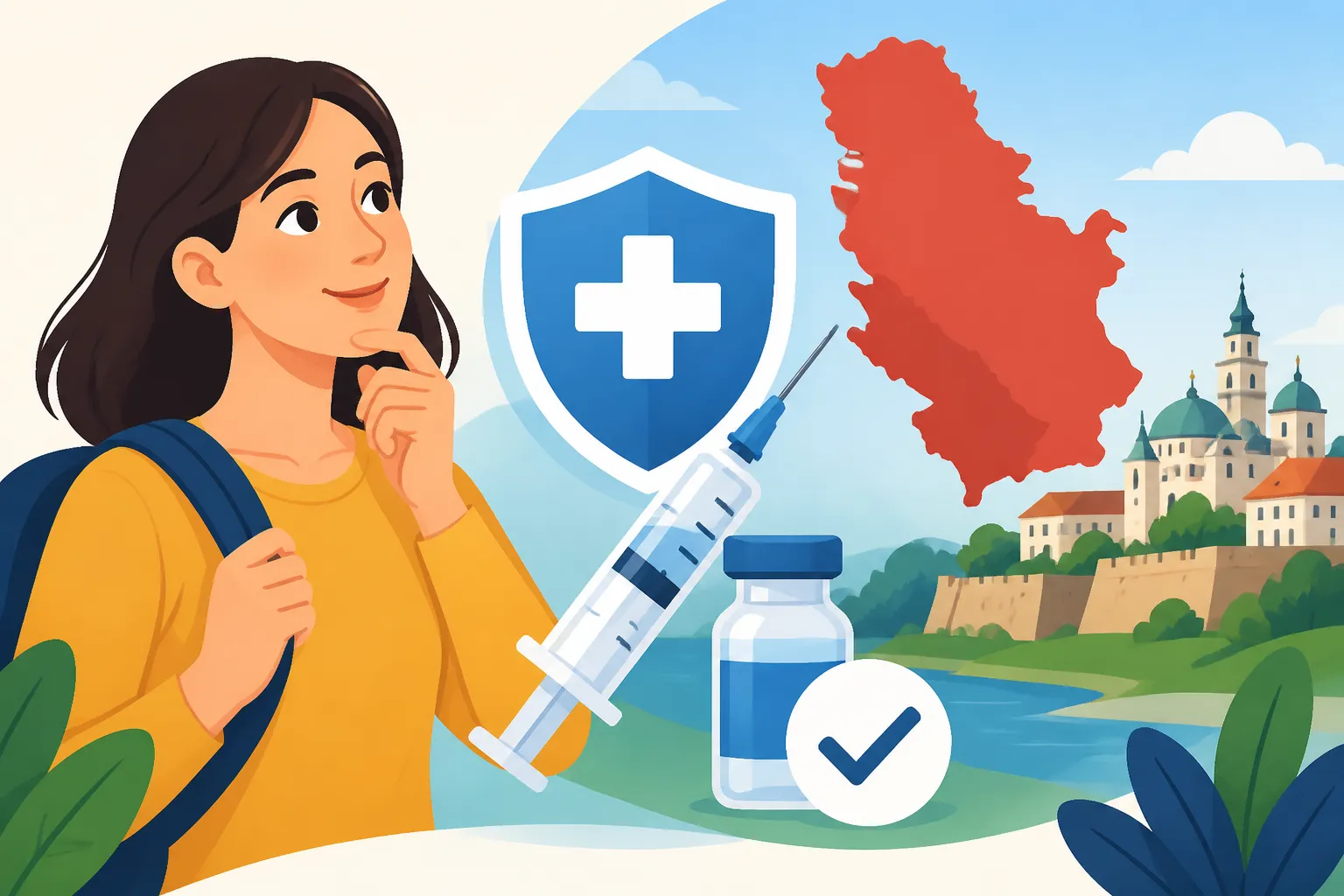
Moving to a new country like Serbia is an adventure, but let's be honest, it also comes with a truckload of questions, especially when it concerns something as vital as your health. One of the first things that often pops into an expat's mind, after the initial excitement wears off, is: "What about vaccinations?" Navigating different healthcare systems and figuring out which jabs you need can feel like a complex puzzle, but this guide is here to simplify that, helping you understand what vaccinations are recommended before you pack your bags and head to beautiful Serbia.
Standard Vaccinations You Should Be Up-to-Date On
Before we even dive into Serbia-specific recommendations, let's talk about the basics. No matter where you're from or where you're going, certain vaccinations are considered standard for good reason. They protect you and those around you from common, yet serious, infectious diseases. Think of them as your health foundation.
Routine Vaccinations
These are the vaccinations you likely received as a child, or perhaps updated as an adult, and they form the bedrock of your immunity. When preparing to move to Serbia, it’s absolutely crucial to ensure you are up-to-date on all your routine vaccinations. This includes the Measles, Mumps, and Rubella (MMR) vaccine, which protects against highly contagious viral diseases. Then there's the Tetanus, Diphtheria, and Pertussis (Tdap) vaccine – pertussis, or whooping cough, can be particularly nasty for adults, not just children. Polio is another one that might seem like a relic of the past in some countries, but maintaining immunity is always wise. And don't forget about chickenpox (Varicella) if you haven't had the disease or been vaccinated, especially if you'll be around children.
It’s not just about protecting yourself; it's also about community health. When you move to a new place, you're becoming part of a new population, and contributing to herd immunity is a responsible step. Having your routine vaccinations in order means one less thing to worry about when you're settling in and facing all the other administrative hurdles.
Catch-Up and Booster Doses
Life happens, and sometimes, booster shots get missed, or perhaps you didn't complete a full vaccination series for one reason or another. Before your move to Serbia, it's the perfect time to review your immunization record with your current doctor. Many adult expats find they need a booster for Tdap, for instance, or realize they never completed their Hepatitis B series. Women might need to ensure their MMR is current, especially if they are of child-bearing age.
This isn't just a suggestion; it’s a vital preparatory step. Trying to sort out catch-up vaccinations in a new country, possibly with a language barrier, can be far more complicated and stressful than getting it done back home where your medical history is readily available. Remember, the Serbian healthcare system, like any other, has its own processes, and being proactive can save you a lot of hassle. If you're wondering What Vaccinations Are Required for Children in Serbia?, you'll find that their schedule often aligns, but small differences can mean you need to catch up.
Recommended Vaccinations for Serbia
Beyond the routine jabs, there are specific vaccinations that are highly recommended for anyone planning to live in Serbia, especially if your lifestyle involves exploring the country's beautiful outdoors or engaging with the local community in different ways.
Hepatitis A and B
Hepatitis A and Hepatitis B are two diseases you definitely want to protect yourself against. Hepatitis A is typically transmitted through contaminated food or water, or close contact with an infected person. While sanitation standards in urban areas of Serbia are generally good, travel to more rural areas or eating at smaller, traditional establishments could slightly increase your exposure risk. It's a two-dose vaccine, and completing the series before you move is ideal.
Hepatitis B, on the other hand, is spread through contact with infected blood or other bodily fluids. This could happen through medical procedures, dental work, shared needles, or sexual contact. For expats who might need medical attention or dental work while in Serbia, or simply want comprehensive protection, the Hepatitis B vaccine is a sensible choice. It's usually a three-dose series, so plan this well in advance of your move. If you're just starting to understand How Serbia's Health System Works: The RFZO and Private Care Explained (2027), you'll appreciate having these protections in place.
Tick-Borne Encephalitis TBE
This one often catches people off guard. If you’re an outdoor enthusiast, planning to hike, camp, or spend significant time in wooded or grassy areas, particularly in spring, summer, or autumn, then Tick-Borne Encephalitis (TBE) vaccination should be high on your list. TBE is a viral infection transmitted by ticks, and it can cause severe neurological problems. While not as widespread as some other tick-borne diseases, it is present in certain parts of Central and Eastern Europe, including Serbia.
The vaccine is given in a series of doses, typically two doses given 1-3 months apart, with a booster after 5-12 months for full protection. This again emphasizes the need for planning ahead. Getting these shots done before you arrive means you can jump right into exploring Serbia’s national parks and countryside without this particular worry looming over you.
Rabies
While rabies is rare in humans, it's a nearly 100% fatal disease once symptoms appear. It's transmitted through the bite or scratch of an infected animal. In Serbia, as in many parts of the world, wildlife such as foxes, bats, and stray dogs can carry the virus. If your plans involve extensive outdoor activities, especially in rural or forested areas, or if you will be working with animals, considering the rabies vaccine (pre-exposure prophylaxis) is a very good idea.
The pre-exposure series typically involves three doses over 28 days. This doesn't mean you can skip medical attention after an animal bite, but it provides a critical buffer, simplifying post-exposure treatment and giving you more time to seek help. This is particularly relevant if you're in a more remote area where immediate access to specialized medical care might be limited.
Seasonal Flu
The seasonal flu vaccine is a global recommendation, and Serbia is no different. The flu can hit hard, and getting vaccinated annually is the best way to protect yourself and reduce the severity of the illness if you do get infected. While you can certainly get your annual flu shot once you’re in Serbia – many local pharmacies and clinics offer it – if you're moving during the flu season, getting it before you travel is a sensible precaution. It's often one of the first things people seek once settled, alongside understanding Prescription Medications and Pharmacies in Serbia: The Complete Guide.
Vaccinations for Specific Expat Situations
Not every expat is the same, and your personal circumstances, such as whether you're moving with family or pursuing certain professions, will influence your vaccination needs.
For Families with Children
If you’re relocating to Serbia with children, this section is for you. Serbia has a mandatory childhood vaccination schedule that covers diseases like tuberculosis (BCG), Hepatitis B, Diphtheria, Tetanus, Pertussis, Polio, Haemophilus influenzae type b (Hib), Pneumococcal disease, Measles, Mumps, Rubella (MMR), and Human Papillomavirus (HPV) for adolescents. When you arrive, you’ll need to register your child with a local GP, and part of that process will involve reviewing their vaccination records.
It’s absolutely critical to bring detailed, official vaccination records for your children. If there are any discrepancies or if your child needs catch-up doses according to the Serbian schedule, these will need to be administered. While the schedules are often quite similar to those in Western countries, there can be minor differences in timing or specific vaccines. A good resource for understanding this further is Understanding Childhood Vaccination Schedules in Serbia. Schools, both public and private, will also require proof of vaccination upon enrollment. This means getting your children vaccinated before you move will make their transition smoother.
Occupational Risks
Certain professions carry higher risks of exposure to infectious diseases, making specific vaccinations non-negotiable. If you're a healthcare worker, veterinarian, or involved in any field that brings you into direct contact with bodily fluids, animals, or patients, you’ll need to ensure your Hepatitis B, MMR, and Tdap are not just up-to-date, but optimally protected. Some employers might even require proof of specific immunizations. For example, medical professionals might need additional boosters or even tuberculosis screenings. Always check with your prospective employer in Serbia regarding any specific health requirements for your role. It’s also wise to know How to Register with the RFZO and a GP in Serbia (2027) for ongoing health needs.
Travellers and Rural Explorers
Serbia is a country of diverse landscapes, from vibrant cities to tranquil national parks and picturesque villages. If your expat life in Serbia involves a lot of travel within the country, exploring the countryside, or engaging in outdoor activities like hiking, camping, or agri-tourism, then re-emphasizing the TBE and Rabies vaccinations is important. Areas like Fruška Gora National Park, Tara National Park, and the numerous smaller mountain ranges are stunning but also home to wildlife and ticks.
Similarly, if you plan to visit neighboring countries frequently, you might want to check their specific recommendations too. While the TBE vaccine provides excellent protection against tick-borne encephalitis, it doesn't protect against other tick-borne illnesses like Lyme disease, so continue to practice tick bite prevention strategies such as wearing long sleeves and using repellents. Having comprehensive health coverage, perhaps through an international provider like SafetyWing, can also provide peace of mind for any unexpected medical needs that arise during your travels.
Planning Your Vaccination Strategy and Where to Get Them
Getting your vaccinations sorted is a proactive step that will save you headaches down the line. It’s all about strategy and timing.
Before You Move
The best advice I can give, based on years of living abroad, is to get as many of your vaccinations as possible before you move to Serbia. Why? Because you’re in your home country, you understand the healthcare system, there's no language barrier, and your existing doctor has your complete medical history. They can advise you on what you might be missing and help you create a vaccination plan.
Start this process several months before your planned move, especially for multi-dose vaccines like Hepatitis A, Hepatitis B, or TBE, which require a series of shots spread out over weeks or months. Get a copy of your complete immunization record – translated into Serbian or English, and ideally notarized or apostilled if required for official purposes, especially for children entering school. This document will be invaluable when you set up your healthcare in Serbia. Don't forget to ensure your general health insurance is in order. Whether it's the RFZO (Serbian public health insurance) or a private plan, understanding Health Insurance in Serbia: RFZO, Private and International Options Explained is key.
Here’s a simple table to help you visualize common vaccination recommendations:
| Vaccination Type | Key Diseases Protected Against | Recommended For Expats in Serbia | Dosing Schedule Example | Notes for Expats |
|---|---|---|---|---|
| Routine Vaccinations | ||||
| MMR | Measles, Mumps, Rubella | Highly Recommended | 2 doses | Essential, especially for those born after 1957. |
| Tdap | Tetanus, Diphtheria, Pertussis | Highly Recommended | Booster every 10 years | Critical for all adults, especially parents. |
| Polio | Poliomyelitis | Recommended | Booster (if needed) | Ensure full primary series completed. |
| Varicella (Chickenpox) | Chickenpox | Recommended (if not immune) | 2 doses | If you haven't had the disease or vaccine. |
| Serbia-Specific / Travel | ||||
| Hepatitis A | Hepatitis A | Highly Recommended | 2 doses (6-12 months apart) | Food/waterborne; important for travelers/explorers. |
| Hepatitis B | Hepatitis B | Highly Recommended | 3 doses (0, 1, 6 months) | Protects against blood/fluid transmission. |
| Tick-Borne Encephalitis | TBE | Recommended (outdoor activity) | 2-3 doses | Essential for hikers, campers, rural residents. |
| Rabies | Rabies | Recommended (high-risk) | 3 doses | For animal handlers, remote explorers. |
| Seasonal Flu | Influenza | Annually Recommended | 1 dose (annual) | General health, can be done in Serbia. |
Upon Arrival in Serbia
Even if you’ve been super proactive and gotten most of your shots, you might still need a booster or a new annual flu shot once you’re in Serbia. The good news is that Serbia has a well-developed healthcare system, with both public domovi zdravlja (health centers) and numerous private clinics. Once you’ve sorted out your residence permit and ideally registered with the Republic Health Insurance Fund (RFZO), you can choose a GP (izabrani lekar) who will be your primary point of contact for healthcare, including vaccination advice. For details on this, check out The Complete Guide to Healthcare in Serbia for Expats (2027).
Many private clinics in larger cities like Belgrade and Novi Sad offer vaccinations, often with English-speaking staff, making the process much smoother. These clinics can also provide advice on any additional vaccines you might need based on your lifestyle in Serbia. When choosing between public and private options, consider convenience, language support, and cost. Public vs Private Healthcare in Serbia: What Expats Need to Know delves into these differences.
Keeping Records and Insurance Considerations
Beyond just getting the jabs, keeping meticulous records of your vaccinations is vital. You’ll need these records for school enrollment, certain job requirements, and for any future medical consultations. Store them digitally and keep a physical copy in a safe place.
Regarding costs, while some routine childhood vaccinations are covered by the RFZO, adult vaccinations, especially those like TBE or Rabies, might require out-of-pocket payment, even if you are registered with the RFZO. The cost can vary, but generally, How Much Does a Vaccine Cost in Serbia? will give you a good idea. This is where your health insurance comes into play. Many international health insurance plans, like those offered by SafetyWing, include coverage for vaccinations, particularly those recommended for travel or residing in specific regions. Always check the terms and conditions of your policy to understand what is covered. Even if you have local health insurance, it's a good idea to research Understanding Private Health Insurance Plans in Serbia to see if it might cover additional costs or services.
Having a robust health insurance policy, whether it’s through the RFZO or a private provider, ensures that if you do encounter any health issues, vaccination-related or otherwise, you’re covered. It’s an investment in your peace of mind while navigating life in a new country. And if you ever need to find an English-speaking doctor in Serbia, there are resources available to help with that too.
Disclaimer
The information provided in this guide is for general informational purposes only and does not constitute medical advice. It is essential to consult with a qualified healthcare professional, ideally your current doctor and then a doctor in Serbia, to discuss your specific vaccination needs based on your personal health history, travel plans, and intended activities in Serbia. Vaccination recommendations can change, so always seek the most current advice from health authorities.