How Much Does an Emergency Room Visit Cost in Serbia?
The stomach-dropping panic of a sudden medical emergency in a foreign country is a feeling no expat or tourist ever wants to experience. Beyond the immediate health concerns, the question of "How much is this going to cost?" can loom large, especially when you're navigating an unfamiliar healthcare system. This guide is here to shed light on what you can expect financially when facing an emergency room visit in Serbia, helping you understand the costs and how your insurance or lack thereof plays a vital role.
Understanding the Serbian Emergency Healthcare Landscape
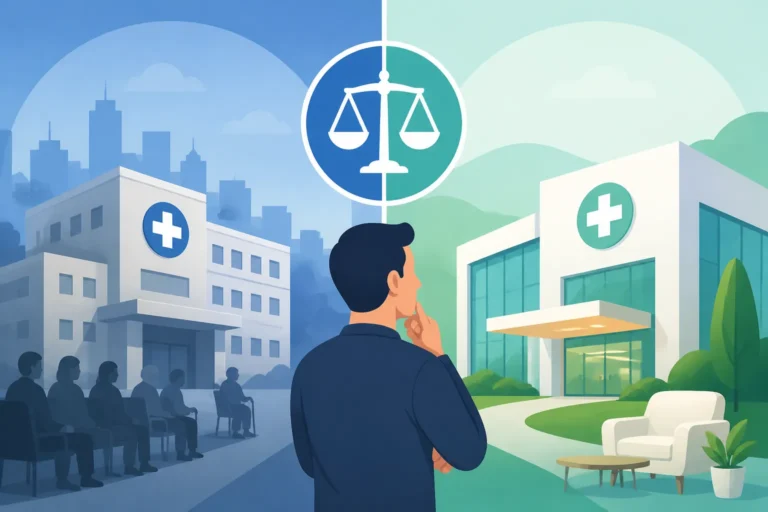
When a crisis strikes, your first port of call in Serbia will likely be an emergency room, known locally as an Urgentni Centar (Urgent Centre) or a Dom Zdravlja's (Health Centre's) emergency service for less critical issues. It’s a bit of a two-tiered system, with significant differences depending on whether you’re in a public or private facility, and crucially, your insurance status. Many expats arrive here feeling a bit lost in the bureaucratic maze, and a medical emergency only amplifies that sense of confusion.
Public Hospitals: Where RFZO Coverage Matters
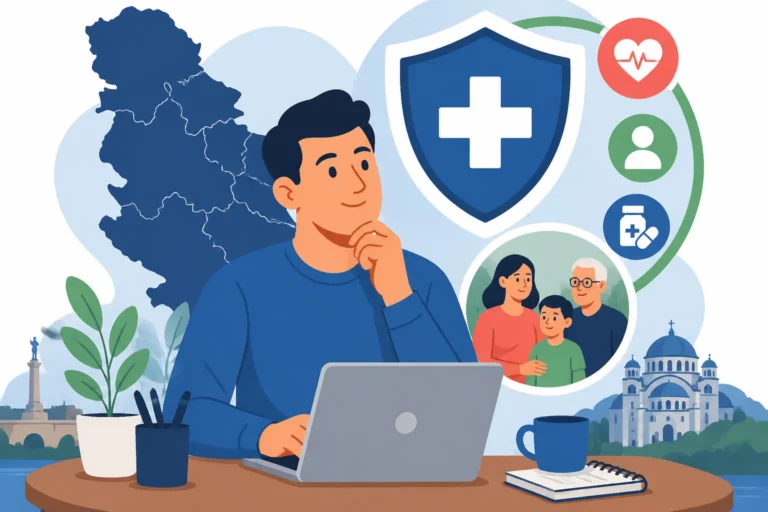
If you're a legal resident in Serbia and have successfully registered with the Republic Health Insurance Fund (RFZO), your emergency medical care at a public hospital is largely covered. This is the cornerstone of the Serbian public healthcare system. Once you're properly enrolled, much like a local, you'll benefit from the state-subsidised care.
However, "largely covered" doesn't mean entirely free. You’ll still encounter co-payments (participacija) for certain services, diagnostics, and medications, though these amounts are typically quite nominal. For instance, a basic blood test might have a small co-pay, or a prescription filled at the hospital pharmacy would require you to pay a portion of its cost. The key here is having your valid RFZO health card (zdravstvena kartica) with you. Without it, even as a resident, you might face delays or be asked to pay upfront and seek reimbursement later, which can be a real headache. Belgrade's main public emergency hub is the Urgentni Centar within the Clinical Centre of Serbia, a massive complex that handles the most serious cases. Navigating it can be overwhelming, especially if you don't speak Serbian. For a broader overview, you might want to read our article on How Serbia's Health System Works: The RFZO and Private Care Explained (2027).
Private Clinics and Hospitals: Speed and Upfront Costs
For those who prioritize speed, potentially better language support, and a more streamlined experience – often at a higher cost – private clinics and hospitals offer their own emergency services. These facilities, like Acibadem Bel Medic, MediGroup, or Euromedik, are popular among expats for routine care, but many also have emergency departments or urgent care centres.
The major difference here is that you're almost always expected to pay upfront for services, unless your private health insurance has a direct billing agreement with the facility. Costs are significantly higher than the co-pays at public institutions, and they are usually transparently listed, either online or at their reception desks. While you avoid the often long waits and potential language barriers of the public system, you are essentially paying for that privilege. For tourists or those new to Serbia who haven't yet secured public or adequate private insurance, a private emergency room visit will be an entirely out-of-pocket expense.
Factors Influencing Emergency Room Costs in Serbia
The question of "how much" is rarely a simple answer because so many variables come into play. It's not just about the type of facility; your personal status and the severity of your situation weigh heavily on the final bill. This is where many expats get caught off guard, assuming a flat fee or expecting coverage they simply don't have yet.
Your Residency Status and Insurance Coverage
This is, without a doubt, the most significant factor.
- RFZO-Insured Residents: As discussed, if you're covered by the RFZO, most emergency care in public hospitals will be covered, with minor co-payments. This includes everything from initial assessment and diagnostics (blood tests, X-rays) to emergency procedures and even short hospital stays. This is why getting your RFZO sorted is paramount for any long-term expat. Learn more about How to Register with the Republic Health Insurance Fund (RFZO) in Serbia to ensure you're covered.
- Foreigners Without RFZO (Tourists, Newcomers, etc.): This category faces the highest costs. If you haven't yet obtained your temporary residence permit and subsequently, your RFZO coverage, you are essentially treated as a private patient in public hospitals, or you'll head directly to a private clinic.
- Public Hospitals for the Uninsured: While public hospitals won't turn away a true emergency, they will expect payment. A basic consultation might be manageable, but complex diagnostics, treatments, or an overnight stay can quickly rack up a bill in the hundreds or even thousands of euros. They will usually provide you with an invoice for services rendered, which you would then try to claim back from your travel or international health insurance. The initial shock of being asked to pay for an ambulance ride or a simple test can be a rude awakening.
- Travel Insurance: This is absolutely critical for tourists and new arrivals. A good travel insurance policy, such as SafetyWing, is designed specifically for these kinds of unexpected medical emergencies abroad. SafetyWing, for example, offers coverage that kicks in for sudden illnesses or injuries, which an ER visit certainly qualifies as. You’d typically pay upfront and then submit a claim for reimbursement, so always keep all receipts, medical reports, and contact details. For comprehensive guidance on emergency care, check out Emergency Medical Care in Serbia: What Every Expat Needs to Know.
- Private International Health Insurance: Many expats opt for private international health insurance to bridge the gap before RFZO coverage, or to supplement it. These plans often allow for direct billing with certain private clinics or offer easier reimbursement processes than standard travel insurance. They also tend to cover a broader range of services, including non-emergency doctor visits and specialist care, which RFZO might have longer wait times for. If you're considering this, our guide on How to Buy Private Health Insurance as a Newcomer in Serbia can be very helpful.
Nature of the Emergency and Required Treatment
Naturally, the more complex and extensive the medical care, the higher the cost.
- Minor Injuries/Illnesses: A visit for a sprained ankle, a sudden fever, or a deep cut that requires stitches. In a public hospital with RFZO, this might just be a nominal co-pay. In a private clinic, a basic consultation could range from €30-€70, plus additional costs for any procedures (e.g., stitching €50-€100), medication, or X-rays (€20-€50).
- Moderate Conditions: Suspected fractures, appendicitis, kidney stones, or a more serious infection. This involves more diagnostics (blood tests €15-€30 per panel, ultrasound €50-€100, CT scan €100-€200, MRI €150-€300), specialist consultations, and potentially a short hospital stay. These costs quickly escalate into several hundreds, or even thousands, of euros if you're paying out-of-pocket at a private facility or an uninsured patient in a public one.
- Severe Life-Threatening Emergencies: Heart attack, stroke, major trauma, or complex surgery. These are the scenarios where costs can become astronomical for the uninsured. Public hospitals will always treat these cases, but the bills for diagnostics, surgical interventions, intensive care, and extended hospital stays can run into the tens of thousands of euros. This is precisely why having robust insurance, be it RFZO or a comprehensive private plan like those offered by SafetyWing, is non-negotiable.
Example Cost Ranges for Emergency Services (Out-of-Pocket, estimated in EUR)
It’s difficult to give exact figures, as prices fluctuate and vary between institutions, but here’s a general idea for an uninsured patient at a private clinic or paying full price at a public one:
| Service/Condition | Public Hospital (RFZO covered) | Public Hospital (Uninsured) | Private Clinic/Hospital (Uninsured) |
|---|---|---|---|
| Basic ER Consultation | ~€5-€10 (co-pay) | ~€30-€80 | ~€50-€120 |
| X-ray (per area) | ~€2-€5 (co-pay) | ~€20-€40 | ~€30-€70 |
| Blood Tests (basic panel) | ~€1-€3 (co-pay) | ~€15-€30 | ~€25-€60 |
| Ultrasound Scan | ~€5-€10 (co-pay) | ~€40-€80 | ~€60-€150 |
| CT Scan | ~€10-€20 (co-pay) | ~€150-€300 | ~€200-€450 |
| MRI Scan | ~€15-€30 (co-pay) | ~€250-€450 | ~€350-€700 |
| Minor Sutures/Stitches | ~€5-€10 (co-pay) | ~€50-€100 | ~€70-€150 |
| Ambulance Service (non-emergency transfer) | Often covered | ~€50-€150 (depends on distance) | Varies, can be ~€100-€250 for private ambulances |
| Hospital Stay (per day, general ward) | Covered (co-pays for meals/meds) | ~€80-€200+ | ~€150-€400+ |
| Appendectomy (simple) | Largely covered | ~€2,000-€5,000+ | ~€3,000-€8,000+ |
Note: These are rough estimates and can vary significantly based on the facility, exact procedures, time of day, and specific medication. Always confirm pricing if possible.
Unexpected Costs and Administrative Fees
Beyond the core medical services, there can be other charges that add up:
- Ambulance Fees: While calling 194 for an emergency ambulance service in public system is generally covered if you have RFZO, if you use a private ambulance or require non-emergency medical transport, you will be billed. These can range from €50 to €250, depending on the service and distance.
- Medications: Any prescriptions given at the ER or after discharge will have a cost. If you have RFZO, these are subsidized. If not, you pay the full pharmacy price. You can learn more about Prescription Medications and Pharmacies in Serbia: The Complete Guide.
- Follow-up Visits: An ER visit often necessitates follow-up appointments with a GP or a specialist. These will incur their own costs based on your insurance status and whether you choose public or private care. For a deeper understanding of costs, check out The Cost of Healthcare in Serbia: A Complete Breakdown for Foreigners (2026).
- Administrative Fees: Sometimes there are small administrative fees, particularly in private clinics, for processing paperwork.
Navigating an Emergency: What to Expect and How to Prepare
Having a basic understanding of what happens when you arrive at an emergency room can help reduce some of the stress. Both public and private systems have their quirks, and knowing how to best navigate them is half the battle. This is where personal preparedness truly makes a difference.
The Public System Experience: Patience and Perseverance
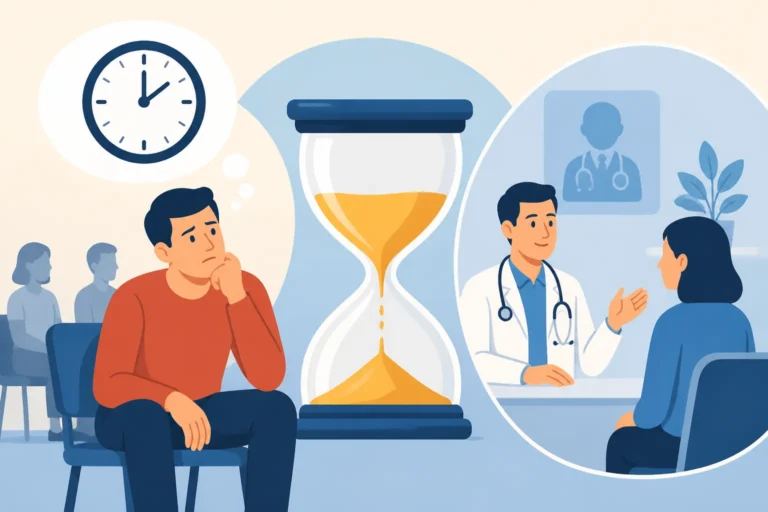
If you find yourself in a public Urgentni Centar, especially in Belgrade, prepare for a potentially lengthy experience. These facilities are often busy, and wait times can be significant, particularly for non-life-threatening conditions. The triage system will prioritize the most critical cases, so if your injury isn't immediately life-threatening, you might be waiting for several hours.
- Language Barrier: While some staff may speak basic English, relying on it for complex medical discussions can be risky. It's incredibly helpful to have a Serbian-speaking friend or a translation app on your phone. Don't be shy about asking for someone who speaks English, but also understand that it might not always be available.
- Process: You'll likely first be seen by a triage nurse or doctor who assesses your condition. You'll then be directed to the appropriate department (trauma, internal medicine, etc.) for further examination, diagnostics, and treatment. The system can feel a bit chaotic compared to what you might be used to, with patients often moving between different examination rooms or waiting areas. Keep all your documents – passport, residence permit, and especially your RFZO card – easily accessible.
- Payment for Uninsured: If you don't have RFZO, be ready to discuss payment options early on. They might ask for immediate payment for certain tests or treatments. Keep all receipts diligently so you can submit them to your insurance later.
The Private System Experience: Efficiency at a Premium
Private emergency or urgent care centres offer a different experience. They are generally less crowded, wait times are shorter, and English-speaking staff are more common.
- Appointments (Sometimes Possible): For less severe urgent issues, you might even be able to call ahead and get an approximate appointment time, reducing your wait. For true emergencies, you'd just show up.
- Direct Billing vs. Reimbursement: If you have private international health insurance, inquire if they have a direct billing arrangement with the private clinic. If not, you'll pay upfront and then file a claim with your insurer. This is where brands like SafetyWing can be very helpful, as their process for submitting claims is generally straightforward, but you must have all your documentation.
- Costs: As noted, costs are higher, but the transparency is often better. You'll typically be informed of costs for diagnostics and procedures before they happen, allowing you to make informed decisions if your condition allows.
Essential Documents and Communication
Regardless of where you go, a few things are absolutely crucial:
- Identification: Always carry your passport and Serbian residence permit (if you have one). These are fundamental for any medical registration.
- Insurance Documents: Your RFZO card (if applicable) or your private health insurance details (policy number, emergency contact, proof of coverage). For transient expats or digital nomads, a travel insurance like SafetyWing is a lifesaver here, so make sure you have all the necessary information readily available.
- Medical History: A brief summary of your medical history, any chronic conditions, allergies, and current medications can be incredibly helpful, especially if you're struggling with a language barrier.
- Emergency Contacts: Have local emergency contacts (a friend, a colleague) who can communicate in Serbian if needed.
- Local Emergency Numbers: You must know What Is the Emergency Phone Number in Serbia? – it's 194 for ambulance services. For a general European emergency number, dial 112.
Strategies for Expats and Tourists
As an expat who’s seen it all, I can tell you that being proactive is your best defense against medical emergencies here. Don't wait until you're in a crisis to figure things out.
The Indispensable Role of Travel and Private Health Insurance
For anyone who doesn't have RFZO coverage – whether you're a tourist, a new arrival, or on a temporary visa not eligible for state insurance – comprehensive travel health insurance is absolutely non-negotiable. Don't skimp on this.
- Coverage for Emergencies: Policies like those offered by SafetyWing are specifically designed to cover unexpected medical emergencies, including ER visits, hospitalisation, and even medical evacuation if necessary. This peace of mind is invaluable. Imagine breaking your leg or coming down with a severe infection, and then being faced with a multi-thousand-euro bill. Your travel insurance is your safety net.
- Claim Process: Understand your policy's claim process before you need it. Know what documents you need to collect (receipts, medical reports, doctor's notes) and how to submit them.
- Bridging the Gap: Even if you plan to get RFZO coverage, there will be a period between your arrival and when your RFZO card is active. During this time, private or travel insurance is your only real protection. You can explore Public vs Private Healthcare in Serbia: What Expats Need to Know for a more detailed comparison.
- Higher-End Private Plans: For those seeking more extensive coverage, potentially faster access to specialists, and greater comfort in private facilities, a dedicated international private health insurance plan can be worthwhile. The costs vary significantly based on coverage levels and your age, but it can grant you access to a broader network of private hospitals and clinics. Our article How Much Does Private Health Insurance Cost in Serbia in 2026? gives you a good idea of typical expenses.
Proactive Measures and Local Knowledge
Being prepared also means understanding your surroundings and having a plan.
- Know Your Hospitals: Research the nearest public and private emergency facilities to your home or accommodation. In Belgrade, the Urgentni Centar is central, but knowing about private urgent care options like Acibadem Bel Medic's emergency services can save precious time.
- Emergency Contacts List: Create a physical and digital list of emergency numbers, your local Serbian-speaking contacts, and your insurance provider's helpline.
- Medical Translation App: Download a reliable translation app on your phone. Google Translate or similar tools can be incredibly helpful for basic communication in a pinch.
- First-Aid Kit: Have a well-stocked first-aid kit at home for minor cuts, burns, and common ailments, reducing the need for an ER visit for trivial issues. This might seem basic, but it’s often overlooked in the chaos of moving.
- Understand Out-of-Pocket Costs: Even with RFZO, understanding the concept of Understanding Out-of-Pocket Healthcare Costs and Co-Payments in Serbia is vital, so you’re not surprised by small charges.
- Can Tourists Access Emergency Care in Serbia? Yes, absolutely, but they will be paying out-of-pocket unless they have travel insurance. No one will be denied life-saving care, but the financial implications can be substantial. For a full picture of the Serbian health system, dive into The Complete Guide to Healthcare in Serbia for Expats (2027).
While the cost of an emergency room visit in Serbia can range from a nominal co-payment for RFZO-insured residents to thousands of euros for complex care for the uninsured, preparedness is your greatest asset. With the right insurance and a bit of local knowledge, you can navigate these situations with much greater confidence, allowing you to focus on what truly matters: your health and recovery.
Disclaimer
The information provided in this article is intended for general informational purposes only and does not constitute medical, legal, or financial advice. Healthcare costs and regulations in Serbia can change frequently. It is always recommended to consult with relevant Serbian authorities, insurance providers, and medical professionals for the most accurate and up-to-date information regarding your specific situation.