How Much Does Dental Treatment Cost in Serbia?
One of the questions that invariably pops up for any expat or long-term visitor to Serbia, often right after figuring out how to get a residence permit or open a bank account, is about healthcare. And let's be honest, it’s not always the grand, complex surgeries that weigh on our minds, but the very real, very common fear of a toothache. So, if you’re wondering exactly how much a trip to the dentist in Serbia is going to set you back, you’ve come to the right place. This guide will meticulously break down the costs of various dental treatments, offering you a realistic financial roadmap for keeping your smile healthy here in Serbia.
Understanding the Landscape of Dental Care in Serbia
Before we dive into the nitty-gritty of prices, it’s really important to grasp how dental care typically operates for foreigners in Serbia. Unlike some aspects of the healthcare system here, where you might navigate the public RFZO system, dental care, especially for expats, largely falls into the private sector. Yes, there are public dental clinics attached to the domovi zdravlja (health centres), but for routine check-ups, cleanings, and more complex procedures, the private route is almost universally preferred due to shorter wait times, often better equipment, and frequently, English-speaking staff.
Public vs. Private Dental Care: An Expat Perspective
When you first arrive, it’s easy to assume the public system will cover everything, especially if you’ve managed to get your RFZO registration sorted. However, dental care through the public system in Serbia for adults is quite limited. Generally, it only covers basic emergency treatments, extractions, and some preventative care for children and students. For anything else – fillings, root canals, crowns, cosmetic work – you’ll be paying out-of-pocket, even with RFZO. This is a common point of confusion and frustration for newcomers, so it’s best to manage expectations early.
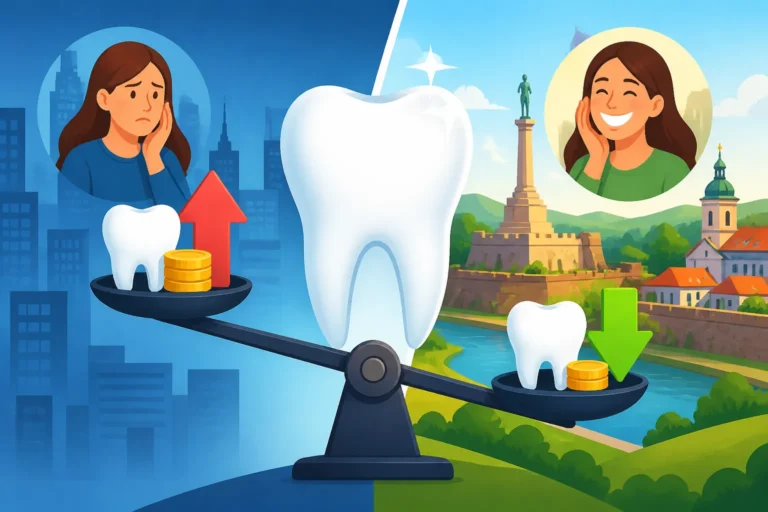
The private dental clinics are where most expats, myself included, find themselves. Belgrade, Novi Sad, and even smaller cities like Niš are absolutely brimming with modern, well-equipped private dental practices. Many of these clinics actively cater to international patients, offering services in English and boasting state-of-the-art technology that rivals clinics in Western Europe or North America, but at a fraction of the cost. This is why Serbia has become a bit of a hub for dental tourism, with people flying in specifically for major dental work.
Factors Influencing Dental Costs
You’ll quickly notice that prices aren't uniform across all clinics, and there are several key factors that play into how much you'll ultimately pay for your dental treatment in Serbia. Understanding these can help you make more informed choices and even save some dinars.
Firstly, location matters. Just like with rent, a dental clinic smack dab in the centre of Belgrade, say in Dorćol or Vračar, will generally have higher prices than one located in a less central neighbourhood or in a smaller city. For instance, a clinic on Knez Mihailova is likely to charge more than one in Žarkovo. Secondly, the reputation and specialization of the clinic and its dentists also play a significant role. Highly specialized clinics, particularly those focusing on complex procedures like implantology or orthodontics, might have a premium price tag. Clinics with glowing reviews and long-standing reputations also tend to be on the higher end, but often for good reason – quality work and patient satisfaction. Finally, the materials used can greatly influence the cost. For instance, a ceramic crown will cost more than a metal-ceramic one, and composite fillings have different price points than amalgam (though amalgam is less common now). Don't be shy about asking about the materials and the difference in cost and longevity; a good dentist will explain it clearly.
Common Dental Procedures and Their Costs
Let's get down to the numbers, because that's what you're really here for, right? I've put together a realistic overview of what you can expect to pay for the most common dental treatments in Serbia. Keep in mind these are average ranges, and as discussed, actual prices can vary.
Routine Check-ups and Preventative Care
Keeping up with regular dental hygiene is key, and thankfully, these basic services are quite affordable in Serbia. It’s always a good idea to find a dentist you like for these routine visits, as it builds a relationship and helps prevent bigger issues down the line.
- Initial Consultation/Examination: This usually involves the dentist checking your teeth, gums, and overall oral health. Some clinics might offer a free initial consultation, especially if you’re planning more extensive work, but generally, expect to pay between 1,500 to 3,000 RSD. This is roughly 13 to 25 EUR.
- Professional Cleaning (Scaling and Polishing): This is a must for removing plaque and tartar build-up. A thorough cleaning typically costs between 3,000 to 6,000 RSD (25-50 EUR). Some clinics might offer packages that include a check-up and cleaning for a slightly reduced price.
- Fluoride Application: Often recommended after cleaning to strengthen enamel, this is usually an additional, small cost, ranging from 1,000 to 2,000 RSD (8-17 EUR).
These prices are incredibly competitive compared to Western countries, making regular dental check-ups very accessible here. If you're looking for an affordable way to stay on top of your oral health, Serbia is a fantastic place for it.
Fillings and Restorations
When cavities strike, fillings are the usual fix. The cost largely depends on the material chosen and the size of the cavity.
- Composite (White) Fillings: These are the most common and aesthetically pleasing option. Prices range from 3,000 RSD for smaller fillings (e.g., in the anterior teeth) to 7,000 RSD or more for larger, more complex ones (e.g., molars). That's approximately 25 to 60 EUR.
- Amalgam (Silver) Fillings: While less common now due to aesthetic concerns and mercury content, some older clinics might still offer them. They are generally cheaper, around 2,000 to 4,000 RSD (17-35 EUR). Most modern clinics, however, primarily use composite.
It’s worth noting that if an old amalgam filling needs to be replaced with a composite one, the cost might be slightly higher due to the removal process. Always discuss the best material for your specific tooth with your dentist.
Extractions and Root Canals
Sometimes, a tooth can’t be saved with a simple filling, leading to either an extraction or a root canal, often referred to as endodontic treatment. These procedures are naturally more involved and thus, more expensive.
- Simple Tooth Extraction: For a straightforward extraction of a visible tooth, expect to pay between 3,000 to 6,000 RSD (25-50 EUR).
- Surgical Extraction (e.g., wisdom tooth): This can be a more complex procedure, especially if the tooth is impacted or partially erupted. Prices range from 8,000 to 20,000 RSD (70-170 EUR), depending on the complexity and whether it requires sectioning or bone removal.
- Root Canal Treatment: This is a multi-stage procedure to remove infected pulp from inside the tooth. The cost varies significantly based on the number of canals in the tooth.
- Single-canal tooth (e.g., incisor): 5,000 – 10,000 RSD (40-85 EUR)
- Two-canal tooth (e.g., premolar): 8,000 – 15,000 RSD (70-130 EUR)
- Three or more canals (e.g., molar): 12,000 – 25,000 RSD (100-210 EUR)
Keep in mind these prices are usually per canal or for the initial treatment. A final filling or crown will be an additional cost. When comparing these costs to what you might pay in North America or Western Europe, the savings are truly substantial.
Crowns, Bridges, and Implants
For more extensive restorative work, such as replacing missing teeth or protecting a weakened tooth, Serbia offers fantastic value. This is where many people consider "dental tourism" to make significant savings.
- Dental Crowns: A crown covers the entire tooth, strengthening it and improving its appearance.
- Metal-ceramic crown: These are durable and a common choice. Prices are typically 10,000 – 18,000 RSD per crown (85-150 EUR).
- All-ceramic (porcelain) crown: These offer superior aesthetics, especially for front teeth. Expect to pay 20,000 – 35,000 RSD per crown (170-300 EUR).
- Zirconia crown: Known for its strength and natural appearance, zirconia crowns are at the higher end, often 25,000 – 45,000 RSD per crown (210-380 EUR).
- Dental Bridges: Used to replace one or more missing teeth by anchoring to adjacent healthy teeth. The cost is essentially the price per crown multiplied by the number of units in the bridge. For example, a three-unit bridge (two crowns and one false tooth) with metal-ceramic would be around 30,000 – 54,000 RSD (250-460 EUR).
- Dental Implants: This is a more permanent solution for missing teeth, involving a titanium screw surgically placed into the jawbone, followed by an abutment and a crown. This is often where the biggest savings can be found compared to other countries.
- Implant (titanium screw only): Prices vary greatly depending on the brand of implant (e.g., Straumann, Nobel Biocare, local brands). Expect to pay 30,000 – 70,000 RSD (250-600 EUR) for the implant itself.
- Abutment and Crown on Implant: This is an additional cost after the implant has integrated with the bone. This part can range from 25,000 – 50,000 RSD (210-420 EUR), depending on the material of the crown (metal-ceramic, all-ceramic, zirconia).
So, a complete single implant from start to finish could range from 55,000 RSD up to 120,000 RSD (roughly 460-1,000 EUR). This is a monumental saving for a life-changing procedure!
Cosmetic Dentistry
Beyond essential restorative work, many expats also explore the cosmetic options available in Serbia due to the attractive pricing.
- Teeth Whitening:
- In-office (laser or lamp): A professional whitening session at the clinic typically costs between 15,000 to 30,000 RSD (130-250 EUR).
- Home whitening kits (custom trays): Your dentist can prepare custom trays and provide whitening gel for at-home use, usually costing 10,000 to 20,000 RSD (85-170 EUR).
- Dental Veneers: Thin shells placed on the front surface of teeth to improve appearance.
- Composite veneers: Applied directly by the dentist, 10,000 – 20,000 RSD per tooth (85-170 EUR).
- Ceramic veneers: Custom-made in a lab, offering better aesthetics and durability, 25,000 – 50,000 RSD per tooth (210-420 EUR).
- Orthodontics (Braces):
- Traditional Metal Braces: A full treatment, including consultation, braces, adjustments, and retainers, can cost from 150,000 to 300,000 RSD (1,280-2,500 EUR) for both arches, but this is a long-term commitment.
- Invisible Aligners (e.g., Invisalign-like systems): These are significantly more expensive, often starting from 350,000 RSD (3,000 EUR) and going upwards, but still less than in many Western countries.
Example Cost Comparison Table
To give you a clearer picture, here's a table comparing some common dental procedures and their approximate costs in Serbia versus what you might expect in Western Europe or North America. Please remember these are rough estimates and can vary widely.
| Procedure | Average Cost in Serbia (RSD) | Average Cost in Serbia (EUR) | Average Cost in Western Europe/North America (EUR/USD) | Potential Savings |
|---|---|---|---|---|
| Dental Check-up & Cleaning | 4,000 – 7,000 | 35 – 60 | 80 – 150 | 50-70% |
| Composite Filling (Medium) | 4,000 – 7,000 | 35 – 60 | 100 – 250 | 60-75% |
| Simple Tooth Extraction | 3,000 – 6,000 | 25 – 50 | 80 – 200 | 70-80% |
| Root Canal (Molar, 3 canals) | 15,000 – 25,000 | 130 – 210 | 400 – 1,000 | 65-80% |
| Metal-Ceramic Crown | 10,000 – 18,000 | 85 – 150 | 400 – 1,000 | 75-85% |
| Zirconia Crown | 25,000 – 45,000 | 210 – 380 | 700 – 1,500+ | 60-70% |
| Dental Implant (Full process) | 55,000 – 120,000 | 460 – 1,000 | 1,500 – 5,000+ | 70-80%+ |
| Professional Teeth Whitening | 15,000 – 30,000 | 130 – 250 | 300 – 700 | 55-65% |
(Exchange Rate: 1 EUR ≈ 117 RSD, as of late 2024 for estimation purposes)
As you can clearly see, the savings on major dental work in Serbia can be truly astounding, often making it worth the travel even if you don't live here permanently.
Finding a Reputable Dentist and Managing Costs
So, now you have an idea of the costs, but how do you actually find a good dentist and manage your budget effectively? It’s not just about the cheapest price; it’s about quality care that fits your needs.
How to Choose a Dentist in Serbia
This is probably one of the most critical decisions, especially if you're planning extensive work. Don't just pick the first clinic you see on Google Maps.
- Ask for Recommendations: This is always my number one tip for anything in Serbia. Talk to other expats! They’ve been through it and will gladly share their experiences. Facebook groups for expats in Belgrade or Novi Sad are goldmines for this kind of information. You can often find recommendations for clinics with English-speaking staff and good patient care.
- Check Online Reviews: Websites like Google Maps often have plenty of reviews, which can give you a sense of a clinic's reputation, professionalism, and pricing. Look for consistent positive feedback regarding hygiene, pain management, and communication.
- Initial Consultation: Many clinics offer an initial consultation. Use this opportunity to meet the dentist, discuss your needs, ask about their experience, and get a detailed treatment plan with a clear breakdown of costs. Don't feel pressured to commit on the spot. Take the time to compare a few options. When you’re looking to find and register with a doctor in Serbia, the process is similar – ask around and gather information.
- English-Speaking Staff: For clear communication, especially during complex procedures, an English-speaking dentist or assistant is invaluable. Most clinics catering to international patients will highlight this.
Payment Options and Insurance Considerations
Most private dental clinics in Serbia operate on a pay-as-you-go basis. You'll typically pay for each appointment or procedure as it happens, rather than a lump sum upfront for a multi-stage treatment.
- Cash and Cards: Serbian dinars (RSD) are king, and paying in cash might sometimes get you a small discount, though this is less common with modern clinics. Most clinics also accept major credit and debit cards (Visa, Mastercard).
- Installment Plans: For very expensive treatments, some clinics might offer installment plans, but this is usually on a case-by-case basis and not universally advertised. It’s worth asking if it’s an option for you.
- Health Insurance: This is where things can get a bit tricky. Your mandatory RFZO health insurance, which covers many aspects of public healthcare, generally doesn't cover private dental treatment. If you have private health insurance in Serbia, you'll need to check your specific policy. Many comprehensive private plans do include some dental coverage, but often with limits on procedures, annual caps, or specific networks of dentists you can use. So, make sure to read the fine print or call your insurer to understand your Understanding Dental Care Costs in Serbia benefits.
- International Travel/Expat Insurance: If you're using an international travel insurance like SafetyWing, it's crucial to understand its limitations. While such policies are excellent for medical emergencies, they typically offer very minimal, if any, coverage for routine dental check-ups, cleanings, or elective procedures. They might cover emergency dental work needed due to an accident or sudden, severe pain that requires immediate attention (e.g., a broken tooth from a fall), but definitely not planned treatments. Always check the policy details or contact SafetyWing directly before assuming coverage.
Potential Pitfalls and How to Avoid Them
While dental care in Serbia is generally excellent and affordable, there are a few things to be mindful of.
- Over-treatment: As with any medical field, there's always a risk of being recommended more work than is strictly necessary. This is why getting a second opinion, especially for major work like multiple implants or extensive crown work, is a smart move. A good dentist will present options and explain the pros and cons of each, without pressuring you.
- Hygiene Standards: While most clinics are very modern and uphold high hygiene standards, it's always good to observe. Do they use sterile instruments? Is the clinic clean? If anything feels off, trust your gut.
- Communication Barriers: Even with English-speaking staff, sometimes nuances can be lost. Don't hesitate to ask for clarification, ask them to re-explain, or even bring a Serbian-speaking friend if you're feeling uncertain about a complex discussion. Misunderstandings can lead to unexpected outcomes.
Navigating the Serbian healthcare system can feel like a maze at times, and dental care is no exception. However, with a little research and an understanding of how things work, you'll find that excellent and affordable dental care is very much within reach here. For broader information on the system, you might find The Complete Guide to Healthcare in Serbia for Expats (2027) helpful, and specifically for insurance, check out Health Insurance in Serbia: RFZO, Private and International Options Explained. If you ever need to access specialist care, understanding How Specialist and Hospital Referrals Work in Serbia can be useful, although for private dental, referrals are often self-initiated.
Maximizing Value: Dental Tourism and Long-Term Care
Many foreigners specifically travel to Serbia for dental treatment because of the value proposition. It’s not uncommon for people from Western Europe or the US to save thousands, even tens of thousands, of Euros or dollars on extensive procedures like full mouth restorations or multiple implants, even after factoring in travel and accommodation costs.
If you’re planning long-term care, like orthodontics or multiple stages of implant treatment, establishing a good relationship with a clinic is paramount. These treatments require regular follow-ups, so proximity and trust become even more important. Understanding the total The Cost of Healthcare in Serbia: A Complete Breakdown for Foreigners (2026) can help you budget for not just dental, but all potential health needs.
For routine care, once you find a dentist you like, stick with them. Consistent preventative care, as affordable as it is here, will save you money and discomfort in the long run. If you are struggling with out-of-pocket expenses for other medical needs, read Understanding Out-of-Pocket Healthcare Costs and Co-Payments in Serbia to ensure you are fully informed. And remember, for urgent but non-life-threatening issues, knowing Emergency Medical Care in Serbia: What Every Expat Needs to Know is always wise.
All in all, dental treatment in Serbia offers an excellent balance of quality and affordability. Do your homework, ask around, and don't be afraid to compare clinics. Your smile (and your wallet) will thank you for it!
Disclaimer
The information provided in this article is for general informational purposes only and does not constitute professional medical, financial, or legal advice. While we strive to keep the information accurate and up-to-date, dental costs and regulations in Serbia can change. Always consult with a qualified dental professional for personalized advice and current pricing. It is recommended to verify all information with official sources or relevant authorities before making any decisions.