How Do I Access My Medical Records in Serbia?
Navigating the healthcare system in a foreign country is challenging enough, but when you need to access your own medical history, it can feel like trying to find a needle in a haystack – especially here in Serbia. Many of us expats arrive used to digital portals, unified systems, and easy online access to our health information. The reality in Serbia, however, is often a more manual, fragmented process that requires a good dose of patience and persistence. This guide is designed to cut through the confusion and provide you with a clear roadmap for accessing your medical records, whether you’ve been treated in public or private facilities across Serbia.
The Serbian Healthcare System and Your Data: A Quick Overview
Before we dive into the nitty-gritty of getting your hands on specific documents, it’s important to understand the landscape of healthcare data here. Serbia’s medical record-keeping system is a blend of traditional paper files and gradually evolving digital platforms. It's not uncommon to find that even within the same public health center (Dom Zdravlja), different departments might have varying levels of digitalization, or might still rely primarily on physical patient cards.
Public vs. Private Records: Different Roads to the Same Goal
One of the first things you'll notice is the difference in how public and private institutions manage your data. The public healthcare system, primarily overseen by the Republic Health Insurance Fund (RFZO), often operates with more bureaucracy and a reliance on physical documentation. This isn't to say there's no digitalization, but it’s certainly not as integrated or user-friendly as what many expats might be accustomed to in their home countries. You might find that records from a general practitioner at a Dom Zdravlja are separate from those at a public hospital, requiring distinct requests.
On the flip side, private clinics and hospitals tend to have more modern, often fully digital systems. They are generally quicker and more efficient when it comes to providing you with copies of your records. This contrast can be a source of frustration, making you wish for a single, unified patient portal. However, understanding this distinction from the outset will help you manage your expectations and approach each type of institution appropriately. For a deeper understanding of the overall system, you might want to read The Complete Guide to Healthcare in Serbia for Expats (2027).
The Importance of Your "Karton" and "Izveštaji"
In Serbia, you'll often hear terms like "karton" (patient card/file) and "izveštaji" (reports). Your "karton" is essentially your primary medical file at your chosen Dom Zdravlja, held by your izabrani lekar (chosen doctor or GP). This file contains your medical history, diagnoses, prescriptions, and referrals. It's the central hub for your public healthcare journey, and your GP relies heavily on it to understand your health needs.
"Izveštaji" are the reports you receive after specialist consultations, hospital visits, or diagnostic tests. These are crucial documents detailing the findings, recommendations, and prescribed treatments from specific medical encounters. While your GP might receive copies of these for your "karton," it’s often your responsibility to ensure they are filed there or to keep your own copies. These pieces of paper are your lifeline in the Serbian system, acting as proof of your medical history. Losing them can set you back significantly, necessitating repeat tests or consultations.
Accessing Records from Public Healthcare Institutions (RFZO)
The public system is where many expats first encounter the traditional approach to medical records. Accessing these requires a bit more legwork, but it’s definitely doable with the right approach.
Your Local Dom Zdravlja: The First Port of Call
If you're registered with the RFZO and have an izabrani lekar, your local Dom Zdravlja is where most of your primary care records reside. Think of it as your medical home base.
Step-by-Step Guide to Requesting Records from Your GP:
- Visit Your GP: The most straightforward way to request records from your Dom Zdravlja is to simply visit your
izabrani lekarduring their office hours. Explain clearly what records you need – perhaps copies of specific reports, a summary of your history, or a list of past diagnoses. - State Your Purpose: Be specific. Do you need records for a new doctor, for an insurance claim, or just for your personal keeping? This can sometimes influence the speed and format of the provided documents.
- Be Prepared for Paper: While some Dom Zdravlja facilities are slowly digitizing, many records, especially older ones, are still primarily kept on paper. Your GP or their nurse will likely need to physically locate your "karton" and make photocopies of the relevant pages.
- Have Your Health Card/JMBG Ready: Always bring your Serbian health card (issued by the RFZO) or at least know your JMBG (unique citizen identification number). This is essential for them to locate your file. If you’re still in the process of getting this sorted, our guide on How to Register with the RFZO and a GP in Serbia (2027) can help.
- Patience is Key: Don't expect immediate digital transfers. This process can take a little time, especially if your doctor is busy. You might be asked to come back in a day or two to pick up the copies.
- Language Assistance: If your Serbian isn't strong, bring a Serbian-speaking friend or colleague. While some medical staff might speak English, it’s not guaranteed, and medical terminology can be tricky to translate on the fly.
Hospital and Specialist Clinic Records (Public System)
Records from public hospitals or specialist clinics (like the Clinical Centre of Serbia or dedicated institutes) are typically maintained separately from your Dom Zdravlja file. This means you’ll need to approach the specific institution where you received treatment.
The Process of Requesting Records from Public Hospitals/Specialist Clinics:
- Identify the Department: Pinpoint the exact department or clinic within the hospital where you were treated (e.g., Cardiology, Orthopedics, Emergency Room).
- Contact the Archives/Administration: Most larger hospitals have a central medical archive or administrative office that handles record requests. You might need to call ahead to understand their specific procedure and opening hours. Sometimes, the department itself will handle it directly.
- Formal Request: Be prepared to fill out a formal request form. This form will usually ask for your personal details (name, JMBG, contact information), the dates of your treatment, the specific type of records you need (e.g., discharge summary, test results, consultation reports), and the reason for the request.
- Proof of Identity: You'll almost certainly need to show a valid ID (passport, Serbian ID card) and your RFZO health card.
- Potential Fees and Waiting Times: There might be a small administrative fee for photocopying or preparing the documents. Waiting times can vary significantly, from a few days to a couple of weeks, depending on the hospital’s internal processes and the volume of requests. It’s always best to ask for an estimated timeframe.
- Collecting the Records: You will usually have to pick up the copies in person. Ensure you verify that all the requested documents are present before you leave. These separate departmental records are why Understanding the Difference Between Public and Private Hospitals in Serbia is so important for expats.
Retrieving Records from Private Healthcare Providers
When it comes to accessing your medical history, private healthcare providers generally offer a more modern and expedited experience. This is often a huge relief for expats.
The More Streamlined Private Clinic Approach
Private clinics and hospitals like MediGroup, Euromedik, or Acibadem Bel Medic typically invest in more robust digital infrastructure, which translates into easier access for patients.
How to Request Records from Private Clinics:
- Contact Reception or Administration: Your first step is usually to contact the main reception or the administrative department of the specific private clinic or hospital where you received treatment. This can often be done via phone, email, or by visiting in person.
- State Your Needs Clearly: Inform them that you require copies of your medical records. Be specific about the dates of your visits, the type of consultation (e.g., general check-up, specialist appointment), and what documents you need (e.g., lab results, imaging reports, doctor’s notes).
- Digital Delivery is Common: Many private clinics can provide your records electronically, usually as PDF files sent via email or through a secure online patient portal if they have one. This is a huge advantage, as it makes it easy to keep digital copies for your own records.
- In-Person Collection: If digital delivery isn't an option, or if you prefer a physical copy, you can usually pick them up directly from the clinic. They might print them out for you on the spot or ask you to return later.
- Minimal Fees: While there might be a small fee for extensive printing, it’s often included in the service, or significantly less bureaucratic than in the public system.
- Brand Specifics: Major private groups like MediGroup, for example, have well-established procedures for patients to request their records, often with dedicated staff to assist you. Don't hesitate to ask them directly about their process.
Data Protection and Your Rights in Private Care
Private healthcare providers in Serbia generally have a better understanding and implementation of data protection principles, aligning more closely with international standards. This means your personal medical information is handled with more attention to privacy and security.
It's still paramount for you, the patient, to be proactive. Even if they provide digital copies, always save them to a secure location (cloud storage, external hard drive). Consider scanning any physical reports you receive as well. This creates a personal backup and ensures you have access to your full medical history regardless of what happens to the clinic's records or if you switch providers. This personal archive is invaluable, especially when you need to understand your Out-of-Pocket Healthcare Costs and Co-Payments in Serbia or if you're dealing with insurance claims, potentially even for international travel insurance like SafetyWing, where comprehensive documentation is always a must.
Practical Tips for Managing Your Medical Records in Serbia
Living abroad means taking extra responsibility for your administrative tasks, and your medical records are no exception. Here are some seasoned expat tips to help you manage this crucial aspect of your life in Serbia.
Be Proactive: Keep Your Own Digital and Physical Copies
This cannot be stressed enough. Given the often-fragmented nature of record-keeping, especially between different public institutions, you need to be your own medical archivist.
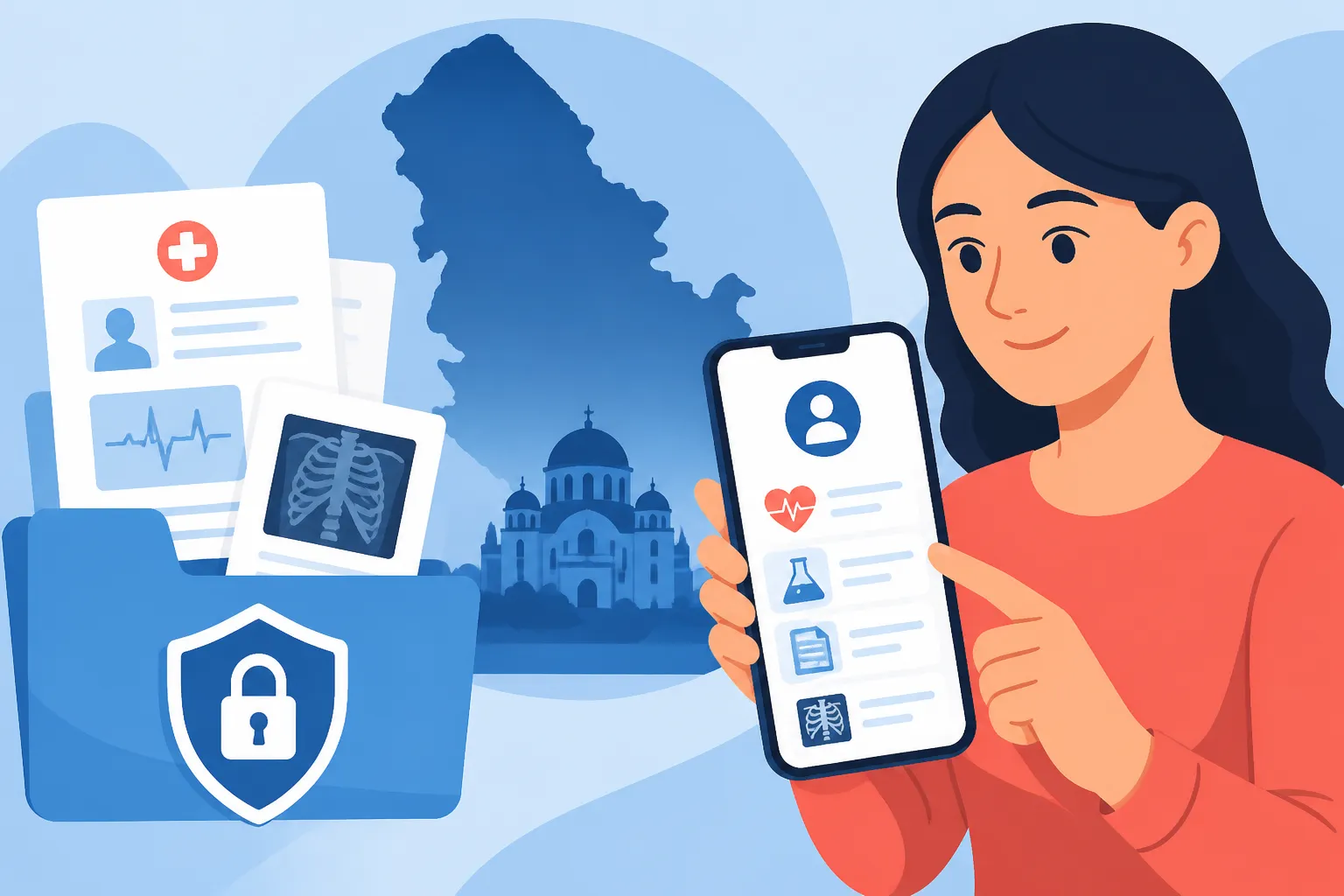
- Scan Everything: As soon as you receive any medical report, lab result, or discharge summary – whether it's a piece of paper from your Dom Zdravlja or a printed report from a private clinic – scan it immediately. Your smartphone can be a powerful scanner with the right app.
- Create a Personal Medical File: Establish a dedicated digital folder on your computer or cloud storage (e.g., Google Drive, Dropbox, OneDrive). Organize it logically by date, type of document, or medical specialty. For instance,
[Year] - [Month] - [Doctor/Clinic] - [Type of document]. - Maintain a Physical Backup: Keep a well-organized physical binder or folder with hard copies of all important documents. Sometimes a physical copy is still required, or simply easier to reference during a consultation.
- Consider Translations: If you anticipate needing your records for future medical care outside of Serbia, or for insurance purposes in your home country, it’s wise to get critical documents translated by a certified translator. While this incurs an additional cost, it can save you significant headaches down the line, especially when dealing with complex medical histories.
Navigating Language Barriers and Bureaucracy
The official language of medical documentation in Serbia is Serbian, which can be a significant hurdle for many expats.
- Bring a Serbian Speaker: For any significant interaction at public institutions, especially when requesting records or clarifying complex medical information, bring a Serbian-speaking friend, colleague, or even a professional interpreter. Their assistance can be invaluable in ensuring your request is understood and processed correctly.
- Use Translation Apps (with caution): For simple terms or basic communication, translation apps on your phone can be helpful. However, for nuanced medical explanations or legal documents, do not rely solely on machine translation. Misinterpretations can have serious consequences.
- Patience and Persistence: Bureaucracy is a fact of life in many countries, and Serbia is no different. You might encounter queues, multiple visits, or slightly different instructions from various staff members. Remain polite, patient, but also persistent. Clearly stating your request and following up as needed is part of the game. Our guide on Navigating the Serbian Healthcare System: An Expat's Roadmap (2026) offers more tips on this.
When to Seek Professional Help (Lawyers, Patient Advocates)
While rare for simple record access, there might be situations where you need more formal assistance.
- Withheld Records: If a medical institution refuses to provide you with your records without valid legal reason, or charges exorbitant fees, you might consider consulting a patient advocate or a local lawyer specializing in administrative or healthcare law. They can advise you on your rights and help you submit formal complaints or legal requests.
- Insurance Claims or Legal Disputes: In cases involving significant insurance claims (e.g., private health insurance or a travel insurance provider like SafetyWing) or potential legal disputes, having a lawyer assist with record collection and verification is highly recommended. They can ensure all necessary documentation is obtained and presented correctly.
- Complex Medical Needs: For expats with very complex or ongoing medical conditions, a local patient advocate can sometimes help streamline communication and ensure continuity of care, including proactive management of your records.
Common Challenges and Solutions for Expats
Even with the best intentions and preparation, you might still encounter some common roadblocks specific to the Serbian healthcare environment.
Records Transfer Between Public and Private or Different Public Institutions
One of the biggest frustrations for expats is the lack of a universally integrated digital system that allows seamless transfer of records between different facilities.
- The Manual Hand-Off: Don't expect your records to be digitally beamed from your Dom Zdravlja to a public hospital, or from a private clinic to a specialist in the public system. It’s a largely manual process.
- Bring Your Own Copies: The best solution is to always carry your own set of relevant medical records (either physical or digital on a USB/phone) when you visit a new doctor, specialist, or hospital. This allows them to quickly review your history without waiting for official transfers, which might not even happen. When you are referred to a specialist, understanding How Specialist and Hospital Referrals Work in Serbia becomes crucial for coordinating your care.
- RFZO Silos: Within the RFZO system itself, records often stay within their primary institution. Your Dom Zdravlja will have your GP’s notes, but a public hospital you visited for surgery will have its own separate file. Proactively collecting copies from each point of care is the most reliable strategy.
What If My Doctor Leaves or the Clinic Closes?
This is a valid concern, especially if you’ve developed a long-standing relationship with a particular doctor or clinic.
- Public System (Dom Zdravlja): If your
izabrani lekarleaves the Dom Zdravlja, your "karton" remains at the health center. You will simply be assigned a new GP, or you can choose one from the available doctors. Your medical history should still be accessible within the facility. - Private Clinics: If a specific private doctor leaves a clinic, their notes on your file should remain with the clinic. If the clinic itself closes, they are legally obligated to transfer patient records to another facility or hold them securely for a specified period. It's always a good idea to inquire about their policy on record retention and access if you hear a clinic is closing. Again, having your own comprehensive digital and physical copies protects you against these scenarios.
- Be Proactive: The best defense is a good offense. Don't wait until a problem arises. Periodically request copies of your records, especially after significant treatments or changes to your health.
Understanding Medical Terminology in Serbian
Medical jargon is tough enough in your native language, let alone in Serbian. While many doctors might speak English, the written reports will be in Serbian.
- Common Terms: Familiarize yourself with some basic medical terms in Serbian, such as
dijagnoza(diagnosis),terapija(therapy/treatment),nalazi(results),lekar opšte prakse(general practitioner),specijalista(specialist),hitna pomoć(emergency aid),bolnica(hospital), andapoteka(pharmacy). - Ask for Clarification: Never hesitate to ask your doctor or nurse to explain terms you don't understand, even if it takes a moment for them to translate. It's your health, and you have a right to full comprehension.
- Online Resources: Use reliable online medical dictionaries or translation tools specifically for medical terms if you need to decipher a report at home. However, for critical interpretations, always seek professional medical advice or a certified translator. For information about pharmacies and getting your prescriptions, check out our guide on Prescription Medications and Pharmacies in Serbia: The Complete Guide.
Overview of Medical Record Access in Serbia
To give you a clearer picture, here's a comparative overview of accessing medical records in public versus private institutions in Serbia:
| Feature | Public Healthcare (RFZO) | Private Healthcare (e.g., MediGroup, Euromedik) |
|---|---|---|
| Ease of Access | Generally more bureaucratic, requires physical visits. | Generally more straightforward, often digital or quick printouts. |
| Digitalization | Varying, often a mix of paper and some digital. | Predominantly digital, with secure patient portals common. |
| Cost | Usually free for basic copies, small admin fee for extensive requests. | Often included in service, or minimal fee for extensive printing. |
| Typical Process | Visit GP/hospital archives, fill forms, wait for copies. | Request at reception/online, often receive via email/portal or same-day pickup. |
| Data Integration | Fragmented; records often stay within specific institution/department. | More centralized within the clinic group, but still not across all providers. |
| Language Support | Varies, can be limited. Bring a translator if needed. | More likely to have English-speaking staff. |
| Proactivity Needed | High – absolutely essential to keep your own copies. | Still high – crucial for your own centralized health history. |
Disclaimer
The information provided in this guide is intended for general informational purposes only and does not constitute medical, legal, or professional advice. While we strive to provide accurate and up-to-date information based on our expat experience and available public resources, policies and procedures within the Serbian healthcare system can change. We recommend verifying any specific requirements with the relevant medical institutions or official authorities. Always consult with a qualified healthcare professional for medical advice regarding your individual health needs.