Where Is the Nearest Dom Zdravlja to Me in Belgrade?
Moving to Belgrade, you quickly realize that even something as fundamental as healthcare can feel like navigating a maze. One of the most common questions from new arrivals is "Where in the world is my Dom Zdravlja?" It’s a completely understandable frustration when you're feeling under the weather and don't know where to turn for local public medical care. This guide is here to demystify the process, help you locate your nearest primary health center, and prepare you for your first visit.
Understanding the Dom Zdravlja System in Belgrade
When you first arrive in Serbia, the healthcare system can feel like a labyrinth, especially if you're used to a different model. The concept of a Dom Zdravlja (Дом здравља) is central to public primary care here, and understanding its role is your first step to navigating medical needs in Belgrade.
What is a Dom Zdravlja Anyway?
Think of a Dom Zdravlja as your local community health center, but it’s more comprehensive than just a doctor’s office. It's the primary point of contact for the vast majority of your public healthcare needs in Serbia. These institutions are the cornerstone of the Republic Health Insurance Fund (RFZO) system, designed to provide accessible and standardized care across the country.
A Dom Zdravlja houses general practitioners, often referred to as family doctors, but they also have specialists for various primary care services. This usually includes pediatricians for children, gynaecologists for women's health, dentists for basic dental care, and nurses who handle vaccinations, injections, and basic lab work. You’ll find internal medicine specialists, often a polyclinic for minor procedures, and sometimes even physical therapy units. It’s truly a one-stop shop for non-emergency medical issues that don’t require hospital-level intervention. For more detailed information on how these centres fit into the larger picture, you might want to consult our comprehensive guide, The Complete Guide to Healthcare in Serbia for Expats (2027).
For many expats, this setup can be a bit of a culture shock. In some countries, you might go directly to a specialist or a private clinic for anything beyond a common cold. Here, the Dom Zdravlja acts as the gatekeeper and coordinator of your public health journey. It’s where your medical records are primarily kept within the public system, and where referrals to hospitals or more specialized secondary care are initiated.
Why Finding Your Local Dom Zdravlja Matters
The reason it’s so important to identify your specific Dom Zdravlja isn't just about geographical proximity; it's about the way the public healthcare system is structured around a "territorial principle." Essentially, your registered address – the prijava you make when you get your temporary residence permit – typically determines which Dom Zdravlja serves your area.
Once you’ve successfully registered with the RFZO, you'll need to choose an Izabrani Lekar (chosen doctor) from the list of available GPs at your designated Dom Zdravlja. This chosen doctor becomes your primary healthcare provider within the public system. They are the ones who will issue prescriptions, grant sick leave, and, crucially, provide referrals if you need to see a specialist or receive hospital treatment. Without a registered Izabrani Lekar, accessing specialist care through the public system can become significantly more complicated, if not impossible. Our article on How to Choose a GP (Izabrani Lekar) at a Dom Zdravlja in Serbia delves deeper into this process.
While you can technically visit any Dom Zdravlja for acute emergencies, particularly if you’re a tourist or haven't yet registered with the RFZO, for ongoing care, preventative medicine, or anything requiring a referral, being properly registered with your local center and chosen doctor is paramount. It ensures continuity of care and streamlines your interaction with the Serbian public healthcare network. If you find yourself in a situation where you fall ill before you've managed to get your RFZO registration sorted, our guide on What Happens If I Get Sick Before I Register with the RFZO in Serbia? offers vital advice. In such scenarios, having international health coverage, like a plan from SafetyWing, can provide a much-needed safety net, allowing you to access private care without significant out-of-pocket expenses while you navigate the public system.
How to Pinpoint Your Nearest Dom Zdravlja in Belgrade
Finding the nearest Dom Zdravlja isn't always as simple as looking up the closest building on a map. As mentioned, the Serbian public healthcare system operates on a territorial principle, meaning you’re assigned a specific Dom Zdravlja based on your registered address (your prijava). However, for practical purposes, especially when you're just starting out or need general information, knowing how to locate these centers in your vicinity is incredibly useful.
The Official Approach: Your Registered Address (Prijava)
The most definitive way to know your assigned Dom Zdravlja is through your official residence registration. When you go through the process of obtaining your temporary residence permit (privremeni boravak) and subsequently register with the RFZO, they will inform you which primary healthcare center serves your specific address. This is the Dom Zdravlja where you are expected to register your Izabrani Lekar (chosen doctor).
For example, if your registered address is in Novi Beograd, you'll likely be directed to one of the major Dom Zdravlja centers there, such as Dom Zdravlja Novi Beograd. Similarly, if you live in the central Vračar municipality, your default Dom Zdravlja will be Dom Zdravlja Vračar. This official assignment is crucial for seamless long-term public healthcare access, including everything from routine check-ups to specialist referrals. Understanding How Your Residence Status Affects RFZO Enrolment in Serbia is a key part of this process.
It’s important to remember that while another Dom Zdravlja might be closer to your workplace or a different area you frequent, your official one is tied to your home address. While you can sometimes get an emergency appointment at a different location, for consistent, registered care, stick to your assigned center.
Using Online Resources and Local Knowledge
Even with an assigned Dom Zdravlja, you might want to know about other locations, or you might not have completed your RFZO registration yet. Here's how to find Dom Zdravlja centers across Belgrade:
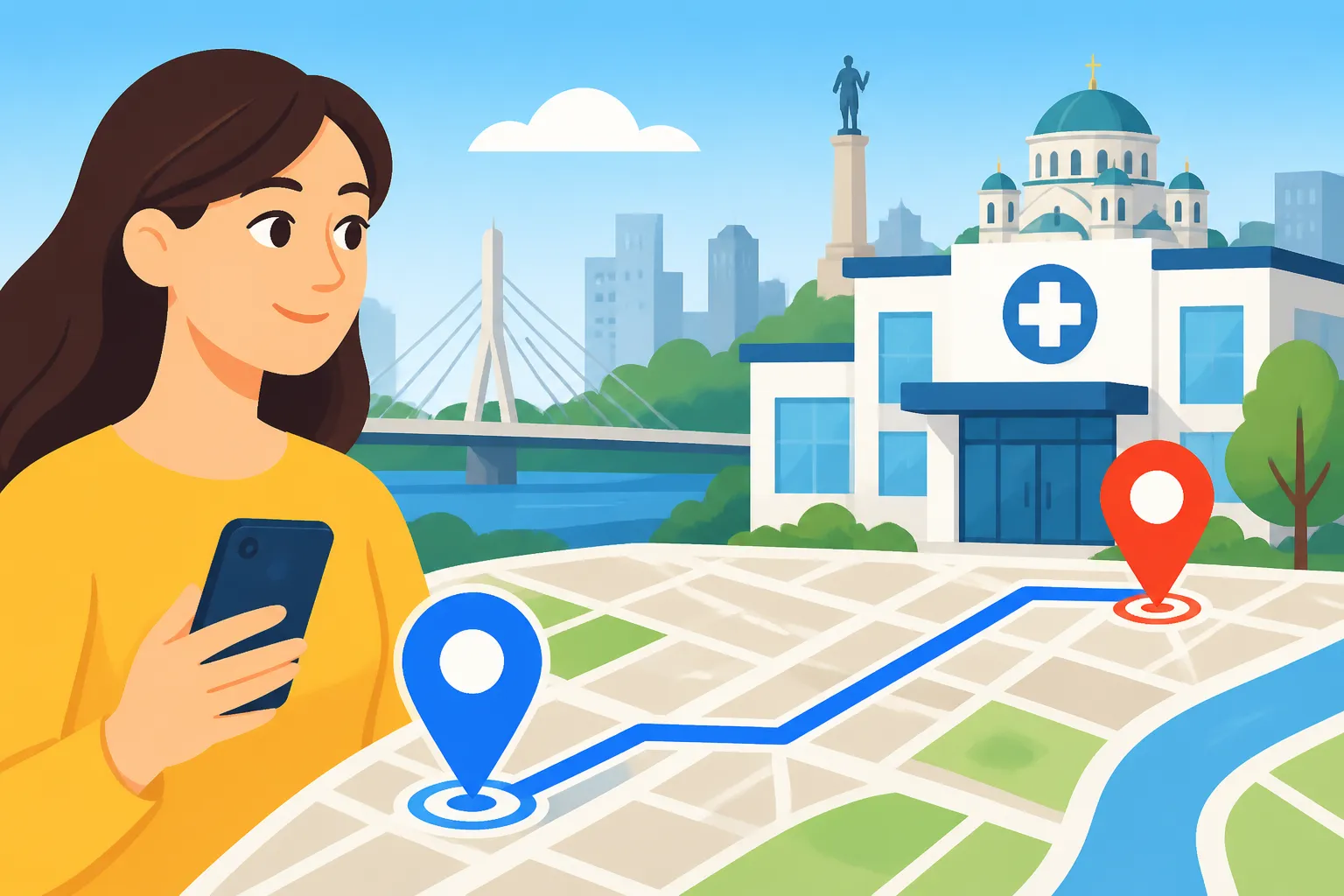
- Google Maps / Online Search: This is your go-to for immediate geographical proximity. Simply open Google Maps and type "Dom Zdravlja" followed by the name of your municipality or a nearby landmark in Belgrade. For instance, "Dom Zdravlja Vračar," "Dom Zdravlja Zvezdara," or "Dom Zdravlja Zemun" will bring up the main centers in those areas, along with their locations, operating hours, and contact details. This is particularly useful for finding the nearest physical location, even if it's not your officially assigned one for registration.
- Official Websites: The websites of the Ministry of Health (
Ministarstvo zdravlja) or the City of Belgrade’s Secretariat for Health (Sekretarijat za zdravstvo) often have lists or directories ofDom Zdravljacenters. Be warned, though, that these sites are primarily in Serbian, and navigation can be a challenge even with translation tools. - Expat Groups and Local Friends: Never underestimate the power of local knowledge! Expat Facebook groups like "Expats in Belgrade" are treasure troves of practical advice. You can post your specific address (or just the neighborhood) and ask other expats which
Dom Zdravljathey are registered with or which one serves that area. Your landlord, colleagues, or Serbian friends can also provide invaluable insights and even help you make calls if there's a language barrier. This is often the quickest way to get a human-verified answer. - Visit in Person: Sometimes, the old-fashioned way is best. If you're unsure, a quick visit to the information desk of what you think is your local
Dom Zdravljacan clarify things. Bring your residence permit (boravišna dozvola) andprijava(address registration slip), and they can confirm if you fall within their catchment area.
To give you a head start, here's a table listing some of the main Dom Zdravlja centers in Belgrade’s most populated municipalities. Remember, this isn't an exhaustive list, but it covers the primary centers you’re most likely to encounter:
| Municipality (Opština) | Primary Dom Zdravlja (Main Location) | Key Areas Served |
|---|---|---|
| Stari Grad | Dom Zdravlja Stari Grad | Dorćol, Centar, Kalemegdan |
| Savski Venac | Dom Zdravlja Savski Venac | Dedinje, Senjak, Belgrade Waterfront |
| Vračar | Dom Zdravlja Vračar | Čubura, Neimar, Crveni Krst |
| Palilula | Dom Zdravlja Palilula | Borča, Krnjača, Karaburma, Višnjica |
| Zvezdara | Dom Zdravlja Zvezdara | Mirijevo, Bulbuder, Mali Mokri Lug |
| Novi Beograd | Dom Zdravlja Novi Beograd | Blocks (Blokovi), Airport City, Ledine |
| Zemun | Dom Zdravlja Zemun | Gornji Grad, Donji Grad, Galenika |
| Voždovac | Dom Zdravlja Voždovac | Banjica, Braće Jerković, Konjarnik |
| Čukarica | Dom Zdravlja Čukarica | Banovo Brdo, Žarkovo, Ada Ciganlija |
| Rakovica | Dom Zdravlja Rakovica | Vidikovac, Kanarevo Brdo |
This table serves as a general guide. Many municipalities, especially larger ones like Palilula and Novi Beograd, might have multiple smaller clinics or branches under their main Dom Zdravlja umbrella.
Navigating Your First Visit and What to Expect
Once you've identified your nearest or assigned Dom Zdravlja, the next step is actually going there. This can be intimidating, especially if you’re new to the country and perhaps don't speak Serbian fluently. Knowing what to bring and what to expect can significantly reduce your stress.
Documents and Registration for Expats
When you walk into a Dom Zdravlja, whether for an urgent issue or to register, having the correct documents ready will save you a lot of time and potential headaches. Here’s what you’ll typically need:
- Passport or National ID Card: Always carry a valid form of identification.
- Residence Permit (Privremeni Boravak): Your temporary residence card proves your legal status in Serbia.
- RFZO Health Card (
Zdravstvena KnjižicaorKartica Zdravstvenog Osiguranja): If you are already registered with the Republic Health Insurance Fund (RFZO) and have received your card, this is your golden ticket. It confirms your entitlement to public healthcare services. If you haven't received the physical card yet but have a confirmation of registration, bring that. You can read more about this in How to Register with the Republic Health Insurance Fund (RFZO) in Serbia. - Proof of Address (
Prijava Boravka): The little white slip from the police confirming your address registration is essential, as it ties you to your specificDom Zdravlja. - Serbian-Speaking Friend or Translation App: This isn't a document, but it's arguably the most crucial "tool" you can bring. While some medical staff, especially younger doctors, might speak English, it’s not guaranteed, particularly at the front desk or with older staff. Having someone to translate, or relying on a reliable translation app, can make a world of difference in accurately explaining your symptoms and understanding instructions.
If you are not yet registered with the RFZO, or if you’re a tourist, you will likely be treated as a private patient, meaning you’ll pay out-of-pocket for services. In this scenario, showing proof of international health insurance, such as SafetyWing, is essential. They might not process direct billing, but you'll need the documentation for reimbursement later. For unexpected situations before your RFZO coverage kicks in, international health insurance truly provides peace of mind.
Common Services and What to Expect Inside
Once you’re in, the environment inside a Dom Zdravlja can be bustling. Here’s a rundown of what to typically expect:
- Arrival and Information Desk: Your first stop will usually be the main information desk or reception area. Here, you'll present your documents. Explain clearly whether you are coming for an emergency, to register with a GP, or for a specific type of appointment (e.g., pediatrician for your child). They will direct you to the correct department or doctor's office.
- Waiting Times: Be prepared for waiting. The public healthcare system, while affordable, often comes with longer wait times, especially for non-urgent appointments or if you walk in without one. This is a reality of many public systems, and Serbia is no exception. Our guide on How Long Are Wait Times to See a Specialist in Serbia? provides more context. Sometimes, you might wait an hour or more even with an appointment, so bring a book or something to occupy yourself.
- General Practitioners (GPs): This is where you’ll see your chosen doctor (
Izabrani Lekar) for routine check-ups, common illnesses (colds, flu, minor infections), chronic disease management, and initial diagnoses. They are the gatekeepers for referrals to specialists if needed. - Specialized Clinics (within the
Dom Zdravlja): ManyDom Zdravljacenters also house smaller, primary-level specialist clinics. These can include:- Pediatrics: For children's health, vaccinations (Understanding Childhood Vaccination Schedules in Serbia), and developmental checks.
- Gynaecology: For women's reproductive health, prenatal care, and routine check-ups.
- Dental: For basic dental care like fillings, extractions, and check-ups. Complex procedures might require referral to a specialized dental clinic or private dentist.
- Laboratory: For blood tests, urine tests, and other basic diagnostics. You'll typically get a referral from your GP.
- Vaccination Clinic: For routine immunizations for both children and adults.
- Prescriptions: If your GP prescribes medication, you'll receive a paper prescription that you can take to any pharmacy. With your RFZO card, many medications will be partially or fully covered, though you might still have a co-payment (
participacija). Our article on Prescription Medications and Pharmacies in Serbia: The Complete Guide details this further. - Language Barrier: Reiterate, the language barrier is real. While medical professionals are often dedicated and capable, their English proficiency can vary wildly. Don't be shy about asking for help or using translation tools. A little patience and a friendly smile go a long way.
- Co-payments: Even with RFZO insurance, certain services or medications may require a small co-payment. These are usually minimal, but it’s good to be aware. Our guide Understanding Out-of-Pocket Healthcare Costs and Co-Payments in Serbia explains this in detail.
While the Dom Zdravlja system is designed to provide comprehensive care, for situations requiring rapid access to English-speaking doctors, or if you prefer a more private and streamlined experience, private clinics are also an option. Many expats choose to use a combination of both the public system for routine matters and private care for more complex or urgent needs, especially when supported by robust international health insurance like SafetyWing. You can explore the pros and cons of this approach in Public vs Private Healthcare in Serbia: What Expats Need to Know. Ultimately, knowing where your Dom Zdravlja is and how to use it is a fundamental step in truly settling into life in Belgrade and taking charge of your health in your new home.
Disclaimer
The information provided in this guide is for general informational purposes only and does not constitute medical, legal, or professional advice. While we strive to keep the information up-to-date and accurate, healthcare systems and regulations can change. Always consult with qualified medical professionals or legal experts for advice tailored to your specific situation. We are not responsible for any actions taken based on the information presented here.