What Is the Difference Between Temporary Residence and a Tourist Visa in Serbia?
Ah, the age-old question that trips up so many of us when we first land in Serbia, trying to figure out if we’re here for a quick visit or to plant roots. It’s easy to get tangled in the administrative jargon, confusing a short-term stamp in your passport with a proper permit to live and work. This guide is here to untangle that knot, walking you through the distinct differences between a simple tourist visa and the more substantial temporary residence, so you know exactly where you stand and what to expect.
The Fleeting Visitor: Understanding the Serbian Tourist Visa
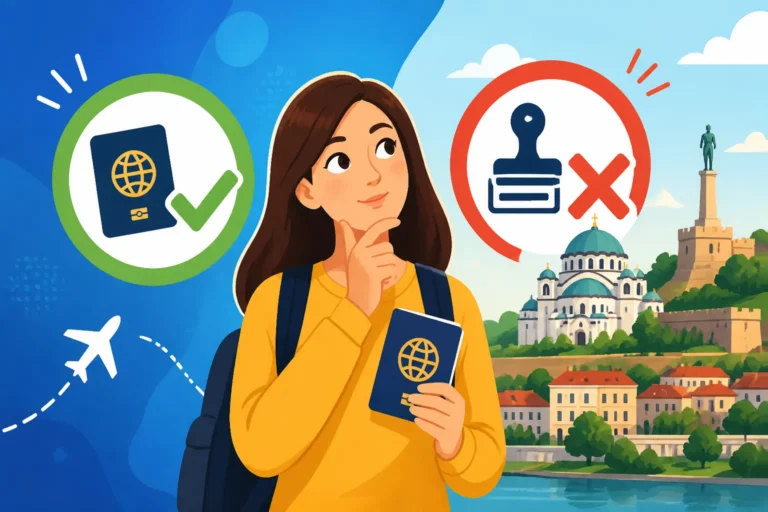
When you first arrive in Serbia, often without needing a pre-arranged visa, it feels wonderfully free, doesn't it? Many nationalities, including those from the EU, USA, Canada, UK, Australia, and many others, can enter Serbia without a visa for short stays. This is the realm of the "tourist visa," though for most, it's actually a visa-free entry period, not a stamped visa. It grants you the privilege of enjoying Serbia's vibrant cities, stunning nature, and delicious food for a limited time, but it comes with very clear boundaries.
Visa-Free Entry and the 90/180 Day Rule
For citizens of many countries, you can enter Serbia without needing to apply for a visa in advance. The most common allowance is 90 days within any 180-day period. This means you can stay for up to three months, but then you must leave for another three months before you can re-enter for another tourist stay. It’s not a rolling 90 days; it’s a strict window. Imagine a metaphorical clock that starts ticking the moment you cross the border. It doesn't reset until 180 days from your first entry have passed, effectively meaning you can't just pop out to Bosnia for a day and come back to restart your 90 days. This rule is often a source of immense frustration for newcomers who misinterpret it, leading to uncomfortable situations at border control.
This period is purely for tourism, visiting friends or family, or exploring the country. It explicitly does not grant you the right to work, establish a business, or engage in any paid activity within Serbia. Trying to work under the table or start a business while on a tourist stay can lead to severe penalties, including fines, deportation, and a ban from re-entering Serbia for a significant period.
The Mandatory Address Registration Prijava Boravka
Even as a tourist enjoying a visa-free stay, you have a crucial obligation: registering your address with the local police, known as a prijava boravka. This is often overlooked by first-time visitors, but it's legally required for all foreign nationals staying in Serbia for more than 24 hours. If you're staying in a hotel, hostel, or registered Airbnb, they will typically handle this for you. However, if you’re staying with friends, family, or in an unregistered private rental, it becomes your responsibility, along with your host, to complete this.
You and your host must visit the local police station (MUP) within 24 hours of your arrival. It's a simple form, but it requires your host to accompany you as they are confirming your stay at their address. Failing to do this can lead to fines, difficulties when exiting the country, or even issues if you later try to apply for a longer-term residence permit. Think of it as Serbia wanting to know who is in the country and where they are. It’s not overly intrusive once you understand the system, but it definitely adds a bureaucratic step that many tourists from other countries aren't used to. If you’re unsure, always check with your accommodation provider or a local friend immediately upon arrival. You can learn more about this crucial step in How to Register Your Address (Prijava) with the Police in Serbia.
Embracing Long-Term Life: Serbia's Temporary Residence (Privremeni Boravak)
Now, if your heart has been captured by the charm of Belgrade or the tranquility of Fruška Gora, and you envision a life here beyond a few months, you’re stepping into the world of temporary residence, or privremeni boravak. This is a whole different ballgame. A temporary residence permit is a legal document, usually in the form of a small plastic card, that grants you the right to live in Serbia for an extended period, typically one year, with the possibility of renewal. It’s not a mere stamp; it’s a formal approval to integrate into Serbian society for a specific purpose.
Grounds for Obtaining Temporary Residence
Unlike a tourist visa, which is broadly granted for short visits, temporary residence is always issued based on a specific, justifiable reason. The Serbian government needs to know why you want to stay long-term. Common grounds include:
- Employment: This is one of the most common paths for expats. If you have a job offer from a Serbian company, you can apply for temporary residence based on employment. This process has been streamlined recently with the introduction of the Single Permit for Work and Residence. This permit consolidates both your work permit and your residence permit into one application, simplifying a once-complex process. You can dive deeper into this via The Expat Guide to the Single Permit for Work and Residence in Serbia (2027).
- Education/Study: If you're enrolling in a Serbian university, language school, or any accredited educational institution, you can apply for a student residence permit. This is a fantastic way for younger expats to experience Serbia. For more details, check out How to Get a Student Residence Permit and Study in Serbia: The Full Guide (2027).
- Family Reunification: If your spouse, parent, or child is a Serbian citizen or already holds a valid residence permit, you can apply to join them. This is a crucial pathway for keeping families together.
- Property Ownership: Owning property in Serbia, such as an apartment or a house, can also be a basis for temporary residence. While it might sound like a 'Golden Visa' on paper, it's not quite that simple. You still need to demonstrate sufficient funds to support yourself.
- Starting a Business/Entrepreneurship: Many expats choose to open their own company or register as an entrepreneur (preduzetnik) in Serbia. This not only allows you to work for yourself but also provides a legitimate ground for temporary residence. The
pausalregime for entrepreneurs is particularly popular due to its simplicity. Explore How to Register as an Entrepreneur (Preduzetnik) in Serbia for more information. - Digital Nomad Status: Serbia has introduced specific provisions for digital nomads, offering a clearer path for those working remotely for foreign companies.
- Other Justifiable Reasons: There are other categories, such as scientific research, humanitarian grounds, or participation in international exchange programs.
The Application Process and Bureaucracy
Applying for temporary residence is a more involved process than registering a prijava boravka. It requires a comprehensive set of documents, which often include your passport, proof of funds, health insurance, a criminal background check, proof of accommodation, and documents related to your specific ground for residence (e.g., employment contract, university acceptance letter). All foreign documents usually need to be apostilled and officially translated into Serbian by a sworn court translator. The application is submitted to the Ministry of Interior (MUP), specifically the Foreigners' Department.
Expect paperwork, multiple visits, and patience. My own experience, and that of countless others, can attest that the Serbian bureaucracy, while often well-intentioned, operates at its own pace. Sometimes it feels like you need a special kind of zen to navigate it all. Preparing all your documents meticulously upfront, often with the help of a local lawyer or agency, can save you a lot of headaches. For a detailed walkthrough of the general application, see How to Apply for Temporary Residence (Privremeni Boravak) in Serbia.
Rights and Obligations of a Temporary Resident
With great privilege comes great responsibility, and temporary residence in Serbia is no different. As a temporary resident, you gain significant rights:
- Right to Work: If your permit is based on employment, you have the legal right to work for your registered employer or as your own entrepreneur.
- Access to Public Healthcare: Once registered for temporary residence and paying social contributions, you typically gain access to the public health insurance system (RFZO). This is a huge benefit, as The Complete Guide to Healthcare in Serbia for Expats (2027) explains, though many still opt for private insurance like Cigna Global for added peace of mind or quicker access to specialists. Understanding Mandatory Health Insurance Contributions in Serbia is key here.
- Extended Stay: You can live in Serbia legally for the duration of your permit, usually one year, with the possibility of renewal.
- Freedom of Movement: You can travel in and out of Serbia more freely without constantly worrying about the 90/180-day rule.
However, you also have obligations:
- Maintain Your Grounds: You must continue to meet the conditions under which your residence was granted. If you got it for work, you need to maintain that employment.
- Renew on Time: Renewing your permit before it expires is critical.
- Inform MUP of Changes: Any significant changes, like a new address or employer, must be reported to the MUP.
- Pay Taxes and Contributions: You're generally subject to Serbian tax laws and social contributions.
Apples and Oranges: A Direct Comparison of Tourist vs. Temporary Residence
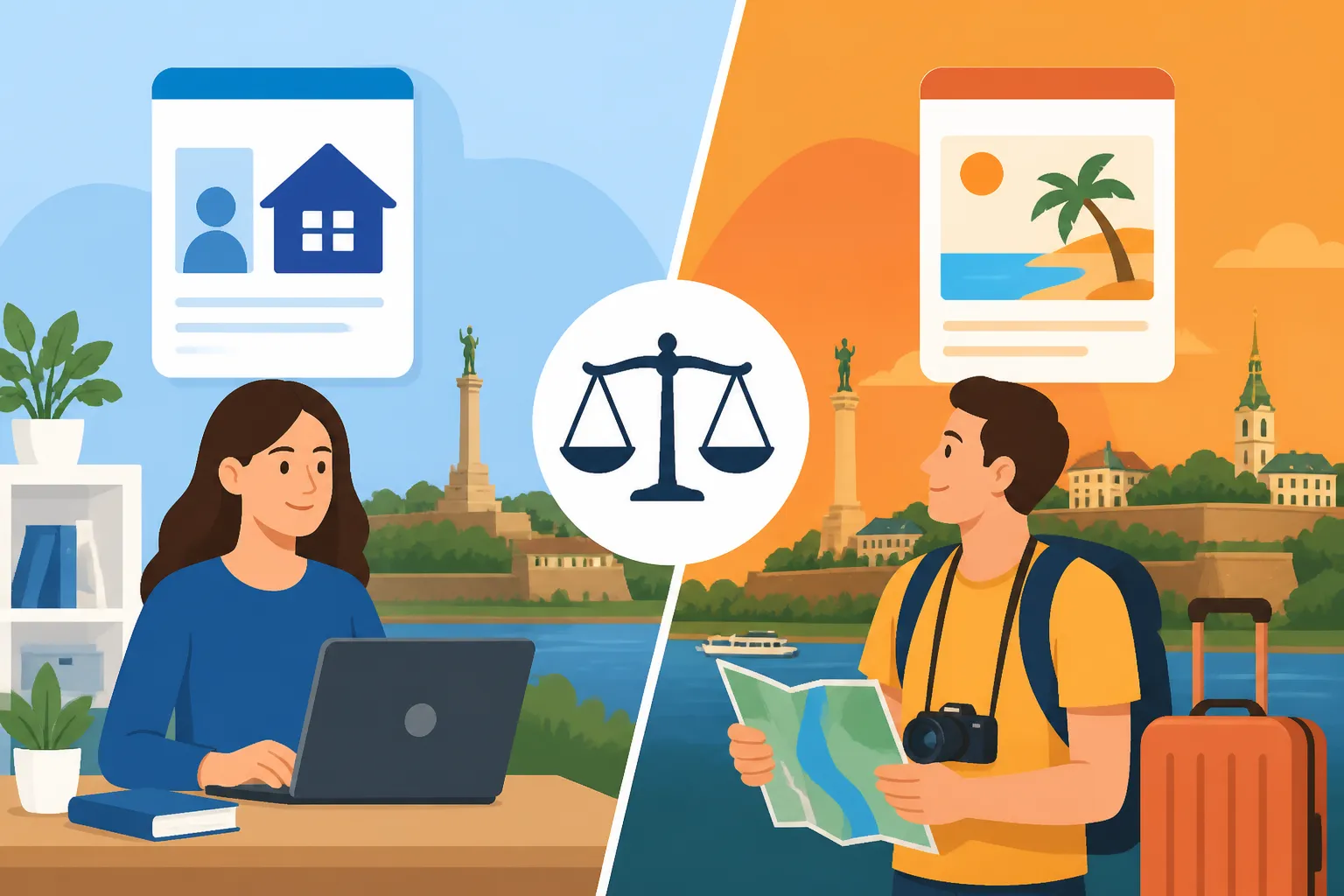
Let’s be honest, the administrative labyrinth here can feel like a game of Snakes and Ladders where all the ladders lead to more paperwork. But understanding the fundamental differences between a tourist stay and temporary residence is your first step to navigating it successfully. It's not just about how long you can stay, but how you can live while you're here.
Duration and Legality of Stay
This is the most obvious difference. A tourist visa (or visa-free entry) is a short-term affair, typically up to 90 days within a 180-day period. It’s fleeting. Temporary residence, on the other hand, is designed for long-term stays, usually a year at a time, and it's renewable. It means you are a recognized resident, not just a visitor passing through. You are telling the state you plan to make a life here, for a defined period. This is why when you hear someone asking How Long Does Temporary Residence Last in Serbia?, they are thinking long-term.
Purpose of Stay
The purpose dictates everything. A tourist stay is for non-remunerated activities: sightseeing, visiting family, enjoying cultural events. You are there to consume, not to contribute economically beyond your tourist spending. Temporary residence, however, is granted for specific, legally recognized reasons that often involve economic activity (work, business), education, or family ties. This distinction is paramount, as attempting to blur these lines is where foreigners often run into trouble.
Work Rights and Economic Activity
This is a critical divergence. With a tourist visa, you absolutely cannot work or engage in any profit-making activity in Serbia. Your funds must come from outside the country. A temporary residence permit, especially one based on employment or entrepreneurship, grants you the legal right to work and earn income within Serbia. This means you can legally be employed by a local company, set up your own business, or work as a freelancer. This access to the Serbian job market is a game-changer for many expats looking to integrate economically.
Access to Public Services and Social Security
As a tourist, your access to Serbian public services is limited. In a medical emergency, you'll be treated, but you'll likely pay out-of-pocket, and your foreign travel insurance (which you should absolutely have!) would be your primary cover. For minor ailments, you'd rely on private clinics or pay for prescriptions. You won't be paying into the national health insurance fund (RFZO), nor will you be covered by it.
As a temporary resident, particularly if your permit is work-based or you're a registered entrepreneur, you’ll be making mandatory social and health contributions. This usually grants you access to Serbia’s public healthcare system, which, while it has its quirks and waiting times, is significantly more affordable than paying for everything privately. It also contributes to your pension and unemployment benefits, tying you more deeply into the Serbian social safety net. This is where Understanding How to Choose a GP (Izabrani Lekar) at a Dom Zdravlja in Serbia becomes relevant.
Administrative Burden and Documentation
Think of it like this: a tourist visa requires minimal interaction with the authorities beyond your initial prijava boravka. A temporary residence permit involves a much higher administrative load. This includes compiling extensive documentation, dealing with translations, apostilles, regular visits to the MUP, and annual renewals. This is where assistance from a local expert can be invaluable, similar to how moving specialists like Sirelo help streamline the physical relocation process. The ongoing commitment to documentation and compliance is a significant difference.
Here’s a quick overview to help clarify:
| Feature | Tourist Visa / Visa-Free Entry (Short-Term) | Temporary Residence (Privremeni Boravak – Long-Term) |
|---|---|---|
| Duration of Stay | Max 90 days within any 180-day period | Typically 1 year, renewable annually |
| Purpose | Tourism, visiting, non-remunerated activities | Work, study, family, property, business, digital nomad |
| Work Rights | Absolutely none | Yes, if the permit is based on employment/business |
| Health Insurance | Relies on private travel insurance, pay-as-you-go | Access to RFZO (public healthcare) upon contribution |
| Social Security | None | Contributions to pension, unemployment, health funds |
| Required Registration | Mandatory prijava boravka (address registration) within 24 hours |
Mandatory prijava boravka and formal application to MUP |
| Documentation for Entry | Passport (sometimes return ticket, proof of funds) | Extensive: Passport, proof of funds, accommodation, specific reason docs, criminal check, health insurance, etc. |
| Renewal | Not renewable (must leave and re-enter after 90/180 rule) | Yes, typically annually, provided grounds are met |
| Integration | Minimal | Full legal integration into Serbian society for duration of permit |
Making the Leap: From Tourist to Temporary Resident in Serbia
So, you came for a visit, fell in love, and now you want to make Serbia your temporary home. It’s a common story, and it’s entirely possible to transition from a tourist stay to temporary residence, but it requires careful planning and execution. This isn't just about a change of status; it's a shift in mindset and commitment.
The "In-Country" vs. "Out-of-Country" Dilemma
One of the trickiest aspects can be where you submit your application for temporary residence. While it's generally preferred that you apply for a Type D long-stay visa (which then converts to temporary residence) from your home country or a country where you hold long-term residence, in many cases, it is possible to apply for temporary residence from within Serbia.
However, this depends on your nationality and the specific grounds for your residence. For instance, if you're from a visa-free country, you might be able to submit your application while still in Serbia. But be warned: the MUP might still request that you exit the country and re-enter on a specific long-stay visa if your initial entry was purely on a tourist basis and your new grounds for residence require it. This is why understanding How Do I Move to Serbia? is so crucial from the outset. Don't assume you can just seamlessly switch statuses without any border runs; always verify the latest requirements with the MUP or a local legal advisor.
Navigating the Document Trail
Regardless of where you apply, the documentation is key. This is where you really need to be on top of things. You’ll need a valid passport (with plenty of validity left), proof of sufficient funds in a Serbian bank account (or income proof from employment), local health insurance, a criminal background check from your home country (and sometimes from Serbia too), and proof of your accommodation in Serbia. On top of that, you’ll need all the specific documents for your chosen ground of residence, be it an employment contract, university enrollment, marriage certificate, or company registration documents.
Don't underestimate the need for official translations by a sworn court translator in Serbia. Every foreign document will need this. Also, many documents, especially those from outside Serbia, will require an apostille stamp to be legally recognized. This step often takes time to arrange from your home country, so plan well in advance. Gathering all this can feel like a full-time job, but trust me, it's worth it to avoid delays. If you're overwhelmed, remember that services exist to help; for instance, some expats hire a local lawyer to navigate Understanding Document and Translation Requirements for Serbia Immigration.
The Importance of Health Insurance During Transition
During the period between your tourist stay and obtaining temporary residence (and thus, potentially, public RFZO coverage), having robust private health insurance is non-negotiable. While public care can be very affordable, accessing it requires you to be registered with the RFZO. Until that paperwork is finalized, you’re on your own. Many expats find peace of mind with international providers like Cigna Global, ensuring they have comprehensive coverage for any unforeseen medical needs. Even when you are covered by RFZO, some prefer private options for quicker appointments or access to English-speaking doctors. This is definitely a hot topic covered in Health Insurance in Serbia: RFZO, Private and International Options Explained.
The Mindset Shift: From Visitor to Settler
Beyond the paperwork, transitioning from a tourist to a resident is a significant personal shift. As a tourist, you experience Serbia from the outside, often focused on its beauty and novelty. As a resident, you start to navigate its everyday realities: the bureaucracy, the local customs, the language barrier, the challenges of setting up a new life. It’s a deeper, more immersive experience that requires patience, adaptability, and a willingness to embrace the good with the less-than-perfect. This transformation is part of The Complete Guide to Moving to Serbia: Your First 90 Days (2027), where you really start to feel the difference. It's a journey, not a sprint, and understanding these initial legal distinctions is the first, crucial step.
Disclaimer
The information provided in this article is intended for general guidance and informational purposes only, and does not constitute legal, financial, or professional advice. Immigration laws and procedures in Serbia are subject to change. While we strive to keep the information up-to-date and accurate, we recommend consulting with a qualified immigration lawyer or the official Serbian Ministry of Interior (MUP) for the most current and specific advice pertaining to your individual circumstances.