Understanding Water and Central Heating Bills in Serbia
Moving to Serbia is an adventure, but let's be honest, figuring out the local utility bills can feel like trying to solve a Rubik's Cube blindfolded, especially when you're grappling with water and central heating charges. The systems here often operate on principles that are quite distinct from what many of us expats are accustomed to, leading to a fair bit of head-scratching, unexpected costs, and moments where you just want to throw your hands up in exasperation. This comprehensive guide aims to shine a bright light on the intricacies of your water and central heating bills in Serbia, helping you understand precisely what you're paying for, how those figures are calculated, and how to stay on top of it all without getting too stressed out.
The Serbian Utility Landscape: An Overview for Newcomers
When you first land in Serbia, you quickly realise that setting up your home goes beyond just unpacking boxes and finding the best local shops. It involves diving into the local way of paying for essential services. The utility system, while efficient in its own unique Serbian way, can often appear quite opaque to those of us coming from different regulatory environments. You’ll frequently encounter a single, consolidated bill from your local public utility company for various services, and trust me, the breakdown isn't always as clear as you might hope.
Understanding the Consolidated Bill (Infostan)
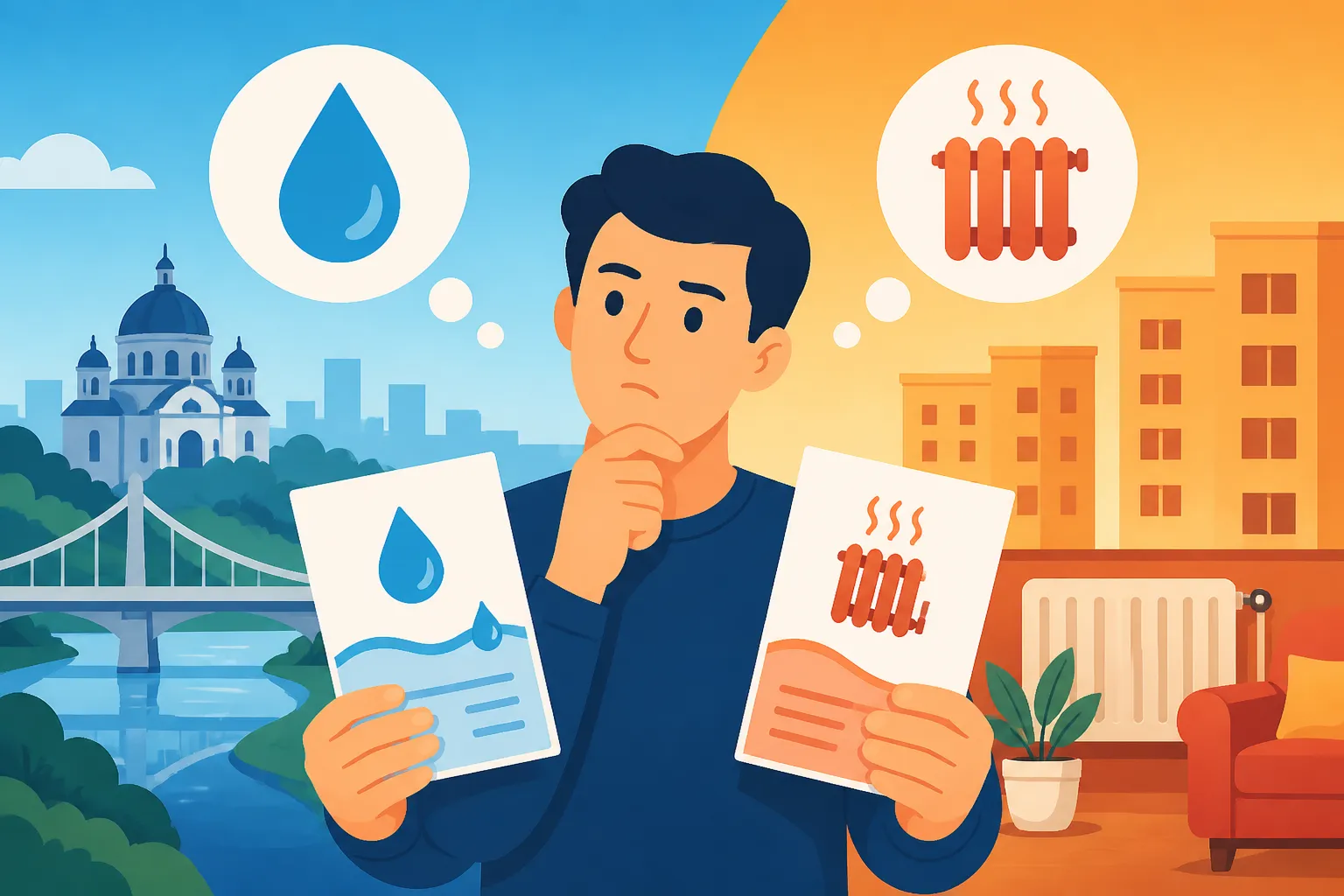
For most apartment residents, particularly in bustling cities like Belgrade or Novi Sad, your water and central heating costs won't arrive as individual bills from separate entities. Instead, they will typically be bundled together as part of a monthly "Infostan" bill. Infostan serves as the public utility service that centralises the collection of payments for an array of communal services. This can include water, central heating, shared building maintenance, garbage collection, and sometimes even hot water or general upkeep for common areas within the apartment block. It’s essentially a catch-all statement, designed for administrative convenience, but it often becomes a major source of confusion for expats trying to get their footing. Think of it as a single piece of paper covering diverse services, each with its own underlying calculation method. For a broader picture, you might want to delve into The Expat Guide to Setting Up Utilities (Electricity, Water, Heating) in Serbia.
- What Infostan Actually Is: It’s crucial to understand that Infostan itself isn't a direct utility provider. Rather, it's an administrative body whose primary function is to aggregate billing and streamline collections for several distinct municipal services. Each line item on your Infostan bill originates from a separate actual provider – the company managing the water supply, the company providing the heating, the waste management service, and so on. Infostan merely condenses these disparate charges into one monthly statement. This system is intended to simplify payment processes for residents, consolidating numerous bills into one, though the initial deciphering can be quite a task.
- Learning to Read Your Statement: The biggest hurdle for many expats is the sheer act of interpreting this consolidated statement. It’s almost always presented entirely in Serbian, and the itemised list can be surprisingly lengthy, filled with acronyms and terms that don't readily translate or make immediate sense. You’ll see charges labelled "Voda" (Water), "Grejanje" (Heating), "Održavanje zgrade" (Building maintenance), "Iznošenje smeća" (Garbage collection), and often a specific line for "Zajednička el. energija" (Shared electricity), which covers the electricity consumption in communal spaces like hallways and stairwells. My advice: make sure your landlord or a kind Serbian friend walks you through your first few bills, line by painstaking line, until you grasp what each charge truly represents.
The Impact of Residence Status and Property Type
Your individual experience with utility billing in Serbia can also significantly depend on whether you are renting or have purchased property, as well as the specific type of dwelling you inhabit. If you're a renter, your landlord will typically manage the initial utility setup, and you'll either reimburse them directly or be responsible for paying the bills yourself. Always ensure this arrangement is explicitly detailed in your rental contract. If you've taken the plunge and bought property, you'll shoulder the responsibility for registering all utilities in your name, a process that involves a bit more paperwork and administrative navigation.
- Renting vs. Owning: When you're renting, it's a common practice for landlords to maintain utility accounts in their name, then either incorporate the costs into your monthly rent or forward the bills to you for direct payment. It’s absolutely essential that your rental agreement clearly spells out how utilities are handled, including whether the Infostan charges are part of your rent or separate. If you're paying directly, your landlord should ideally provide you with copies of previous bills so you can get a realistic estimate of average monthly costs. For those considering property ownership, understanding the nuances of property taxes and the utility transfer process is a critical first step. This is a good opportunity to review Understanding Property Ownership and the Market in Serbia (2027) for a broader context.
- Apartment vs. House: Most expats residing in Serbian cities tend to live in apartments. These units are almost universally connected to the central city water supply and, very often, to a district central heating system. However, if you opt for a house, your utility setup could be quite different. You might have your own well and septic tank, or individual heating solutions such as a wood furnace, pellet stove, or a private gas boiler. This decentralisation means your bills won't be part of the Infostan aggregate; instead, they’ll come directly from the individual service providers. Always make thorough inquiries about the utility connections and the specific heating system when you're viewing a property to avoid any unpleasant surprises down the line.
Demystifying Your Water Bill in Serbia
Water is, without a doubt, a fundamental utility, and while the concept might seem universally simple, its billing in Serbia possesses its own set of unique characteristics. You'll typically be paying for both the water you consume and the sewage services, often combined into a single charge. While pricing can exhibit minor variations across different municipalities, the overarching billing structure tends to remain consistent. Grasping the individual components of your water bill will significantly aid you in tracking your expenses and in identifying any potential discrepancies.
How Water Consumption is Measured and Billed
The majority of apartments in Serbia are hooked up to the municipal water supply, which is managed by local public utility companies. In Belgrade, for instance, this is JKP Beogradski vodovod i kanalizacija. The most crucial factor determining your water bill is how your actual consumption is measured.
- Central Meters vs. Individual Meters: In many older apartment buildings across Serbia, it’s not at all uncommon for a single, central water meter to serve the entire building. In such scenarios, the total water consumed by the building is then divided amongst all the apartments, frequently based on factors like apartment size or the number of declared residents. This particular system can be a major source of frustration, as your bill might not accurately reflect your personal, individual usage. You could be meticulously conserving water, but if your neighbours are less prudent, you’re still contributing to a share of their higher consumption. Newer buildings, or those that have undergone significant renovations, are much more likely to feature individual water meters for each apartment, which is always the preferred setup for fair and transparent billing.
- The Specific Components of Your Water Bill: Beyond just the sheer volume of water you've used (which is measured in cubic meters, or m³), your water bill will almost always include charges for sewage services, referred to as "kanalizacija." This charge is typically calculated either as a percentage of your water consumption or as a fixed ratio. You might also find a small, fixed monthly fee that covers meter maintenance or network access, irrespective of your actual usage. Furthermore, for shared living spaces, there can be a tiny charge for communal water usage, such as for cleaning stairwells or common areas. It’s worth noting that the actual price per cubic meter of water in Serbia is relatively modest when compared to many Western European countries, which contributes to the overall Why Serbia Has Affordable Healthcare: The Expat Guide (2027) picture of living expenses.
- Real-Life Scenario: The Unexpectedly High Bill: Picture this: you’ve just moved into a charming, albeit older, apartment in the historic Dorćol district of Belgrade. You’re scrupulously careful with your water, taking quick showers and only running the dishwasher when it's absolutely packed. Yet, your water bill consistently seems disproportionately high. After some digging, you discover that your building only has one central water meter. Your landlord patiently explains that the building's total consumption is simply split according to apartment size. This means your next-door neighbour, who cherishes long, indulgent baths and meticulously waters their balcony garden every single day, is inadvertently inflating your bill. In these situations, while politely encouraging responsible water usage among your neighbours might help, it’s fundamentally a structural issue tied to the building's original infrastructure.
Dealing with Leaks and High Consumption
Uncovering a leak can be a significant headache anywhere in the world, but in Serbia, it can be particularly vexing, especially with those communal metering systems. Even with individual meters, promptly identifying and repairing leaks is absolutely critical to prevent your bills from skyrocketing unexpectedly.
- How to Pinpoint a Leak: If your individual water bill experiences a sudden, inexplicable jump without any corresponding change in your water usage habits, a leak should be your primary suspect. Methodically check all visible taps, toilets, and pipe connections within your apartment. If you have an individual meter, take a reading, then refrain from using any water for a few hours (or even overnight), and then take another reading. If the numbers on the meter have changed, you almost certainly have a leak somewhere within your apartment’s plumbing. With communal meters, identifying the source of a leak is considerably more challenging, often necessitating building-wide investigations, which can be both slow and prone to communal disagreements.
- Determining Responsibility for Repairs: In a rented property, minor leaks within your apartment, such as a persistently dripping tap or a constantly running toilet, are typically the landlord's responsibility to fix, given that they own the fixtures. However, if the leak can be directly attributed to negligence or misuse on your part, you might find yourself liable for the repair costs. Leaks that occur in communal pipes or outside the confines of your specific apartment are the responsibility of the building management (known as the stambena zajednica) or the public utility company, depending on precisely where the leak originates within the network. Always meticulously document everything with photographs and maintain clear, prompt communication with your landlord or building manager.
Navigating Central Heating Bills in Serbia
Ah, heating! This invariably stands as one of the largest utility expenses during Serbia's often-chilly winter months. Many urban apartments predominantly rely on district central heating systems, which, while offering considerable convenience, can sometimes lead to a frustrating lack of individual control over your specific consumption and, consequently, your costs. A thorough understanding of how these systems function and how they are billed is absolutely essential for effectively managing your winter household budget.
District Heating Systems: How They Work and are Billed
Serbia, much like many other countries situated in the wider Balkan region, boasts extensive district heating networks. These sophisticated systems are designed to deliver heat, and often hot water, to entire neighbourhoods from a centralised plant, distributing it efficiently through a labyrinth of underground pipes.
- The "Heating Season" and Fixed Charges: The official heating season in Serbia typically commences around mid-October and concludes in mid-April, though these dates can fluctuate slightly based on the prevailing actual outdoor temperatures. During this designated period, your central heating will be activated, and critically, there is often no individual control over the specific timing or intensity of the heating within your own apartment. For many expats, the most significant aspect of this system lies in its billing structure. Historically, central heating bills were frequently calculated as a fixed monthly charge, evenly distributed over a full 12-month period, entirely irrespective of your actual usage. This system, while offering predictable monthly payments, unfortunately provided absolutely no incentive for energy conservation.
- The Advent of Caloriemeters and Consumption-Based Billing: In more recent years, there has been a significant push and considerable investment in installing kalorimetri (which are effectively caloriemeters or heat meters) within apartment buildings. These advanced devices meticulously measure the precise amount of heat actually consumed by each individual apartment, thereby enabling a much fairer, consumption-based billing model. If your building is equipped with caloriemeters, your heating bill during the active season will directly fluctuate based on your personal usage. You will still incur a smaller, year-round fixed fee to cover network maintenance, but the substantial portion of your cost will be directly tied to the heat you actually consume. This development is a game-changer, offering much greater control, but it also means you need to be consciously mindful of your thermostat settings. Understanding how this contrasts with older systems is pivotal for managing The Cost of Healthcare in Serbia: A Complete Breakdown for Foreigners (2026) and other major living expenses.
- Real-Life Scenario: The Apartment Heating Lottery: My friend, an expat hailing from Canada, secured an apartment in the charming Dorćol neighbourhood of Belgrade. He was initially delighted to learn that central heating was included. However, when winter truly set in, his apartment became uncomfortably stifling, even after he manually turned down the radiators. He soon discovered that his building lacked caloriemeters and was billed on a flat-rate basis, regardless of actual usage. His neighbours, perfectly accustomed to simply opening windows to cool down their overheated apartments, thought nothing of it. Conversely, another expat I know, living in a more modern building in New Belgrade, benefits from caloriemeters and diligently manages to keep her heating costs commendably low by maintaining her thermostat at a sensible level and dressing warmly indoors. This stark contrast vividly illustrates the significant disparity in heating control and billing experiences across the city.
Alternative Heating Methods and Their Costs
It's important to remember that not every apartment or home in Serbia is fortunate enough to be connected to a district central heating system. Many residences rely on individual heating solutions, a common sight especially outside the immediate city centres or in older buildings that have simply not been retrofitted with central heating infrastructure.
- Electric Heating: This is an exceedingly common alternative. It encompasses a range of solutions, from straightforward electric storage heaters (known as TA peći) that accumulate heat during off-peak, cheaper night rates, to modern electric panel radiators, or even air conditioning units that can function in reverse for heating purposes. While electric heating offers unparalleled control over your indoor climate, direct electric heating can become remarkably expensive if not managed with care, particularly given Serbia's electricity pricing structure. The clear advantage is that you only pay for what you explicitly use, and these charges appear on your separate electricity bill from EPS. Always remember to factor in your electricity bill when you're calculating your overall Cost of Living in Serbia for Expats.
- Gas Heating: Certain buildings or individual houses possess natural gas connections. Gas boilers efficiently provide both heat and hot water on demand. This option is frequently more energy-efficient and often proves cheaper for heating larger spaces compared to direct electric heating. Billing for gas heating is based on the cubic meters of gas consumed, with bills issued directly from Srbijagas or its local distributors. It represents a popular choice for those seeking greater control and potentially reduced running costs compared to central heating, provided the initial installation has been successfully managed.
- Wood and Pellet Stoves: Particularly prevalent in more rural regions or within older city homes, traditional wood-burning stoves (referred to as šporeti na drva) or more contemporary pellet stoves remain in active use. These offer a certain rustic charm and can be quite cost-effective if you have reliable access to affordable fuel sources. However, they inherently demand manual labour for loading and cleaning. The cost associated with these methods isn't a utility bill in the conventional sense but rather the upfront purchase of wood or pellets, whose prices can fluctuate with market dynamics.
| Heating Type | Pros | Cons | Billing Method | Commonality in Urban Apartments |
|---|---|---|---|---|
| District Central Heating | Convenient, no personal maintenance required | Limited control over temperature/timing, potentially high fixed costs | Infostan (fixed or caloriemeter-based) | High |
| Electric Heaters | Full individual control, flexible installation | Can be very expensive with heavy usage, reliant on electricity grid | EPS (electricity bill) | Moderate (older buildings, smaller units) |
| Natural Gas | Efficient, excellent control, often more economical | Requires gas connection, significant initial installation costs | Srbijagas/local distributor | Low to Moderate (newer buildings, houses) |
| Wood/Pellet Stoves | Potentially very cost-effective for fuel, energy independent | Manual loading/cleaning, requires fuel storage, potential air quality issues | Fuel purchase (no utility bill) | Low (primarily in houses) |
Paying Your Utility Bills: Methods and Challenges
Once you’ve finally managed to decipher the various charges on your bills, the next crucial step is payment. Serbia offers several common payment methods, but for expats, this stage can often present a new learning curve. From traditional post offices to increasingly modern online banking solutions, understanding all your available options and anticipating potential snags will undoubtedly save you a considerable amount of hassle. And while you're busy sorting out these local payments, it's always wise to stay connected – perhaps with an Airalo eSIM during your initial settling-in period for seamless data on the go. This allows you to effortlessly access banking applications or even translate complex payment instructions on the fly.
Traditional Payment Methods
For many decades, and indeed still quite commonly today, the act of paying bills in Serbia typically involves a physical visit to a designated location.
- Post Office (Pošta): The Serbian Post Office (Pošta Srbije) is a truly ubiquitous institution across the country, and it remains perhaps the most popular and straightforward place to pay your utility bills. The process is simple: you merely bring your printed bill (or, even simpler, just the payment slip that features the barcode) to any post office counter, hand over the exact cash amount, and the attendant will process the payment. You will, of course, receive a stamped receipt as official proof of payment. Be aware that queues can sometimes be quite long, especially as the end of the month approaches, but it is undeniably a reliable and widely accessible method.
- Banks (Banke): The majority of commercial banks operating in Serbia also provide comprehensive bill payment services at their various branches. The procedure is quite similar to that at the post office: you present your bill, pay either in cash or directly from your bank account, and receive a payment receipt. It's worth noting that some banks might levy a small commission fee for this service, which is occasionally a fraction higher than the charges at the post office. It's always a good idea to check with your specific bank regarding their current fees. For example, if you've already opened an account with one of the expat-friendly banks that you learned about in The Expat Guide to Opening a Bank Account in Serbia, they will almost certainly offer this convenient service.
- "Menjačnice" (Exchange Offices) with Payment Services: You might notice that many exchange offices, particularly in urban centres, prominently advertise "plata računa" (bill payment) services. These can prove to be extremely convenient alternatives, as they often boast shorter queues and extended opening hours compared to traditional banks or post offices. They typically charge a small, flat commission per bill processed. Just ensure you choose a reputable establishment to conduct your payments.
Digital and Online Payment Solutions
Serbia is increasingly embracing digital solutions, a trend that is gradually making life a little easier for those who prefer to sidestep physical queues entirely.
- Online Banking: Most reputable Serbian banks now offer robust and user-friendly online banking platforms and mobile applications that enable you to pay your utility bills directly from your device. This is, by far, the most convenient and time-efficient method. You generally need to input the recipient's account number (which is clearly printed on your bill), the specific reference number (known as poziv na broj), and the exact amount to be paid. Many modern bank apps also feature a "skeniraj i plati" (scan and pay) function, where you can simply scan the QR code displayed on your bill, and all the relevant payment details will auto-populate, saving you considerable time and reducing errors. This is a tremendous time-saver! Furthermore, setting up automatic payments (trajnim nalogom) for recurring bills like Infostan is also widely available, providing invaluable peace of mind that you'll never accidentally miss a payment deadline.
- E-Government Portal (eUprava): Serbia's eUprava portal stands as an impressive digital platform offering access to a multitude of administrative services. While its primary target audience is Serbian citizens, some expat-friendly services are gradually being integrated. For direct utility payments, the portal typically guides you towards using online banking or other secure payment gateways, but its existence is indicative of Serbia's broader digital transformation efforts. As you navigate various administrative requirements, it might be beneficial to explore topics like Filing Your Tax Return with the Poreska Uprava in Serbia: The Complete Walkthrough (2027) on this portal.
- Direct Debit / Standing Orders: Once you have successfully established a local Serbian bank account, you can often arrange for direct debits or recurring standing orders specifically for your Infostan bills directly through your bank. This option completely automates the payment process, ensuring that the necessary funds are drawn from your account each month on the due date. It offers the ultimate in convenience and peace of mind, guaranteeing that your bills are paid punctually. Just be sure to consistently maintain sufficient funds in your account to cover these debits.
Common Payment Pitfalls for Expats
Even with the array of available payment methods, expats frequently encounter a few common stumbling blocks that can cause unnecessary stress.
- Missed Deadlines and Penalties: Utility bills in Serbia typically carry a designated due date (datum dospeća) which usually falls around the 20th of each month. Failing to meet this deadline will almost certainly incur late payment interest charges. While a single late payment might not cause significant financial hardship, a consistent pattern of tardiness can lead to accumulating penalties. Moreover, persistent non-payment could, in extreme cases, result in service disconnection (though this is more common for electricity than for a single missed water or heating bill) or even a visit from a debt collection agency.
- The Language Barrier: One of the most significant challenges is that bills are almost exclusively issued in Serbian. Even some online banking interfaces may feature certain Serbian-only terminology. This linguistic hurdle can make the accurate input of payment details a considerable challenge. Always double-check the recipient's account number, the reference number, and the exact payment amount. A simple typo in the reference number can lead to your payment not being correctly allocated, which can cause considerable headaches and bureaucratic delays later on. Utilising reliable translation applications or enlisting the help of a Serbian-speaking friend for your initial payments is highly recommended. For those looking at broader moving services, like from Sirelo, they might offer general resources to help with initial administrative hurdles, but managing the specifics of utility bills will ultimately be your responsibility.
Managing and Reducing Your Water and Heating Costs
While living in Serbia can indeed be quite affordable, as comprehensively detailed in The Complete Guide to Cost of Living in Serbia for Expats (2026), utility costs can still represent a notable portion of your budget, especially during the long, cold winter months. Being actively mindful of your consumption habits and understanding effective strategies to reduce them can lead to significant financial savings. Moreover, it's not just about saving money; it's also about fostering a more environmentally conscious lifestyle.
Practical Tips for Lowering Water Consumption
Even if you reside in a building with a central water meter, every small effort to conserve water contributes positively. If you are fortunate enough to have an individual meter, these tips will directly translate into tangible monetary savings.
- Practice Mindful Usage: This might seem like an obvious piece of advice, but consistently making small changes can accumulate into substantial savings over time. Always remember to turn off the tap while you are brushing your teeth or vigorously scrubbing dishes. Opt for shorter showers instead of indulging in baths. Only operate your washing machine and dishwasher when they are filled to their maximum capacity. These universal habits, when applied consistently, become even more impactful when you are directly paying for every single drop.
- Regularly Check for and Promptly Fix Leaks: We touched upon this earlier, but it’s a point that absolutely bears repeating. A persistently dripping tap, silently leaking away, can waste hundreds of litres of precious water over the course of a single month, and a constantly running toilet can be even worse. Make it a routine to regularly inspect all your plumbing fixtures for any signs of leakage. If you detect a leak, immediately inform your landlord (if you’re renting) or contact a qualified plumber without delay. Many minor repairs are relatively inexpensive, especially when juxtaposed with the cumulative financial cost of wasted water.
- Consider Water-Saving Devices: If you are the owner of your apartment, or if your landlord is receptive to the idea, installing modern low-flow showerheads and aerators on your taps can considerably reduce your overall water consumption without noticeably compromising water pressure. These devices are readily available in local hardware stores (such as Uradi Sam or Okov) and are generally quite straightforward to install.
Strategies for Efficient Heating and Energy Saving
Heating costs frequently emerge as the single largest utility expense. With central heating systems, your individual options for control might be somewhat constrained, but if you have an independent heating solution, you possess much greater agency over your consumption.
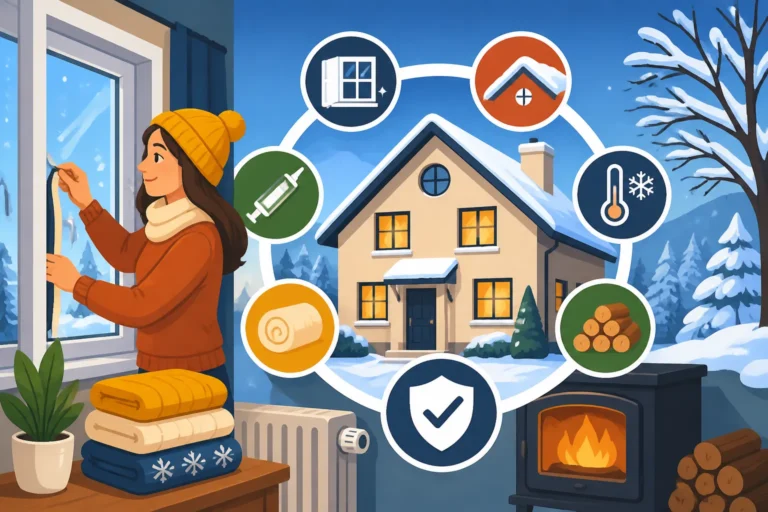
- Maximise Natural Heat and Insulation: During daylight hours, make it a habit to fully open your curtains and blinds to allow abundant sunlight to stream in and naturally warm your apartment. As evening approaches, close them completely to effectively trap the accumulated heat indoors. Diligently check for any drafts around your windows and doors; simple weather stripping or draft stoppers (often referred to locally as "izolacione trake" or "zaptivne trake") can make a remarkable difference in preventing heat loss. Old, poorly sealed windows are a very common culprit for heat escaping from older Serbian buildings.
- Optimise Your Thermostat Settings (if applicable): If your apartment features individual heating (whether electric, gas, or if your central heating is equipped with caloriemeters), it’s crucial to learn how to utilise your thermostat effectively. Set it to a comfortable yet reasonable temperature – for example, between 20-22°C during the day, and slightly lower at night or when you are away from the apartment. Avoid the temptation to drastically crank up the heat when you feel a chill; maintaining a steady, slightly lower temperature is far more energy-efficient than intermittent blasts of very high heat. Programmable thermostats, though less common in older rental properties, are an excellent investment if you have the option to install one, allowing you to automate temperature adjustments based on your daily schedule. For more insights on how these systems operate, delve into How Do I Set Up Central Heating for My Serbia Apartment?.
- Smart Use of Radiators: Ensure that you do not block your radiators with large pieces of furniture or heavy, floor-length curtains, as this significantly impedes the effective circulation of heat throughout the room. If your central heating system allows for individual radiator valves (known as termostatski ventili), make use of them to fine-tune the heat output in different rooms. Close the valves in rooms you rarely use, and keep them set to a slightly lower level in bedrooms. Annually bleeding your radiators (odvazdušivanje radijatora) can also markedly improve their efficiency by expelling trapped air that prevents uniform heating.
- Dressing Appropriately for the Season: This might seem like a trivial suggestion, but simply choosing to wear warmer clothing indoors during the winter months can empower you to lower your thermostat by a degree or two, which can lead to noticeable and consistent savings on your heating bill. While Serbian homes are often kept quite warm, adopting an "indoor sweater weather" mindset can be both cosy and surprisingly cost-effective.
Troubleshooting and Addressing Utility Bill Discrepancies
Despite your most diligent efforts, sometimes things will inevitably go awry. You might receive an inexplicably high bill, or you could spot an obvious error. Navigating customer service in a foreign language can be a genuinely daunting prospect, but knowing the precise steps to take will empower you to resolve these issues effectively and with greater confidence.
What to Do When Your Bill Seems Wrong
A sudden and unexplained spike in your monthly bill, or charges that simply defy logic, can be quite alarming. However, it's crucial to resist the urge to panic, but equally important not to simply ignore the issue.
- Thoroughly Review Your Bill: First and foremost, take a deep breath and methodically go through your bill, line by painstaking line. Compare the current month's meter reading (if applicable) with the reading from the previous month. Actively look for any glaring errors in calculations or, indeed, in the meter readings themselves. If you have an individual meter, personally compare the reading printed on the bill with the actual reading displayed on your meter. Occasionally, an estimated reading might have been used, which could be inaccurate. This might involve a bit of document scrutiny, similar to how you would review terms for How to Sign a Rental Contract and Pay a Deposit in Serbia.
- Contact Your Landlord (if renting): If you are renting your property, your landlord should always be your very first point of contact. They possess invaluable experience with the local utility system, are almost certainly fluent in Serbian, and ultimately bear responsibility for the property. They can provide crucial assistance in understanding the bill, contacting the utility company on your behalf, or clarifying any questionable charges. Make sure to document all communications, keeping a clear record of dates, times, and what was discussed.
- Contact the Utility Company Directly: Should you own the property, or if your landlord proves to be unhelpful or unresponsive, you will need to directly contact the specific utility company responsible for the service in question (e.g., JKP Beogradski vodovod i kanalizacija for water, or Beogradske elektrane for central heating). Before making contact, ensure you have your bill readily available, any relevant meter readings, and a clear, concise explanation of your concern. While English-speaking customer service representatives might be a rarity, it is always worth inquiring. If one is not available, bring along a Serbian-speaking friend or consider hiring a local assistant to facilitate communication. Maintain a polite yet firm demeanour throughout the interaction.
Understanding the Dispute Resolution Process
Should direct communication fail to yield a satisfactory outcome, there are more formal avenues available for dispute resolution, though it’s important to manage expectations regarding their speed.
- Submitting a Formal Written Complaint: Most utility companies in Serbia have a structured formal complaint procedure. You will likely be required to submit a written complaint (pismena žalba) meticulously detailing the issue, attaching clear copies of your bills, all relevant payment receipts, and any other supporting evidence you possess (e.g., photographs of your meter). Crucially, retain a personal copy of your complaint and ensure you obtain proof of its submission (e.g., a stamped receipt if submitting in person, or a confirmation email if online). This process mirrors the approach you would take for any official communication in Serbia, much like with tax matters covered in How to Register with the Tax Administration (Poreska Uprava) in Serbia.
- Consumer Protection Agencies: Serbia does have consumer protection laws and dedicated agencies designed to mediate disputes between consumers and service providers. While engaging these bodies might be considered a last resort due to potential language barriers and procedural complexities, they exist for serious, unresolved issues. For general concerns related to communal services, the local municipal inspectorate (komunalna inspekcija) can also be a valuable resource, particularly for issues affecting shared areas within buildings.
- Legal Action (Extreme Cases): In extreme, intractable disputes involving substantial monetary amounts, initiating legal action through a local court remains an option. However, it is imperative to recognise that this path is inherently costly, incredibly time-consuming, and will almost certainly necessitate the retention of a Serbian lawyer. The vast majority of expats would rarely, if ever, reach this stage for typical utility bill disputes, as resolution is usually found through more direct communication or the landlord’s intervention.
The Future of Serbian Utility Bills: Trends and Digitalisation
Serbia's utility sector, much like various other facets of its public services, is currently undergoing a significant process of modernisation. While the pace of change can sometimes feel rather deliberate, there is an unmistakable and clear trajectory towards enhanced transparency and greater digital integration. For expats, this signals the potential for a smoother, more streamlined experience in the years to come, but it also underscores the importance of staying informed and updated on these evolving systems.
Increasing Transparency and Digitalisation Efforts
Both the Serbian government and the country's utility companies are actively working towards making billing processes more accessible, comprehensible, and user-friendly. This drive is partly fuelled by ongoing EU harmonisation efforts and, increasingly, by the demands of a more digitally-savvy populace.
- Online Portals and Dedicated Apps: An increasing number of utility companies are launching their own sophisticated online portals and mobile applications. These platforms frequently allow you to conveniently view your current and historical bills, meticulously track your consumption patterns, and make payments directly. Some even offer direct communication channels for submitting queries or lodging complaints. While not all of these digital tools are available with English language interfaces, their growing prevalence is a highly positive indicator for greater individual control and self-management of your utilities. This progressive shift towards electronic billing is also contributing to reduced paper waste and significantly simplifying personal record-keeping.
- Smart Meter Rollouts: The installation of smart meters for electricity is already actively underway in numerous areas across Serbia, and the underlying concept is slowly but surely expanding to encompass water and heat meters. Smart meters are designed to provide real-time consumption data, which can empower consumers to more effectively manage their usage and rapidly identify any unusual anomalies. Imagine the convenience of being able to check your precise water consumption directly from your smartphone – a far cry from the era of estimated bills! This movement aligns with broader European trends and will ultimately grant expats a greater degree of control over their utility expenditure.
- Improvements in Customer Service: As these utility systems become increasingly digitalised, there is also a discernible, albeit gradual, effort being made to enhance the quality of customer service. Some of the larger utility providers, particularly in major cities, might begin to offer basic support services in English. This would represent a significant reduction in the language barrier frustration frequently encountered by expats attempting to resolve their utility-related issues.
The Role of Technology in Expat Utility Management
For expats, leveraging the myriad of available technological tools becomes even more critically important for effectively navigating the Serbian utility landscape.
- Translation Applications and Tools: Until such a time as English-language bills become a standard offering, reliable translation applications (such as Google Translate or DeepL) will be your invaluable companions. They can assist you in deciphering complex bills, comprehending official communications, and even help with basic conversations at post offices or banks. However, it's essential to remember that automated translations are not infallible, so cross-referencing information whenever possible is always a prudent approach.
- Financial Management Applications: Employing personal finance applications can be immensely helpful for tracking your utility expenses over extended periods, monitoring fluctuations, and budgeting effectively. Integrating your Serbian bank account with such apps can provide a clear and insightful overview of your spending patterns. This proactive approach ensures you are never caught off guard by an unexpectedly high bill. If you're a freelancer, these tools can be invaluable for Understanding Health Coverage for the Self-Employed in Serbia and other business-related costs.
- Staying Informed and Connected: The expat community in Serbia is a truly fantastic and invaluable resource. Online forums, various social media groups (e.g., "Expats in Belgrade" or "Expats in Novi Sad"), and local expat meetups are phenomenal platforms for asking questions, sharing your personal experiences, and seeking expert advice on a wide array of utility-related matters. Remaining connected, whether through your reliable home Wi-Fi or a robust mobile data plan, ensures you always have access to these critical resources. This is precisely where an eSIM from a provider like Airalo can genuinely shine, providing you with immediate connectivity the moment you touch down, without the hassle of locating a local SIM card store. It offers undeniable peace of mind when you're already juggling the multitude of other tasks associated with moving to a new country.
Practical Steps for Setting Up and Maintaining Utilities
Moving into a new residence in Serbia frequently necessitates dealing with the often-complex process of utility setup. Whether you are renting or purchasing property, possessing a clear understanding of the practical steps involved will save you valuable time and alleviate unnecessary stress. This process seamlessly integrates with the broader journey of The Complete Guide to Moving to Serbia: Your First 90 Days (2027).
Initial Setup and Registration
The initial days following your arrival can be quite chaotic, but getting your utilities properly squared away stands as a paramount priority.
- For Renters: In the vast majority of rental scenarios, particularly for apartments, the utilities will typically already be registered in your landlord's name. Your primary responsibility will then usually involve the payment of the monthly bills, either directly to the utility companies (via the consolidated Infostan bill or separate individual bills) or by simply reimbursing your landlord for the costs incurred. Critically important: ensure your rental contract explicitly details this arrangement. It should clearly stipulate whether utility costs are subsumed within the monthly rent or are to be paid separately, and precisely how meter readings (if individual meters are present) will be communicated and verified. Do not sign any rental agreement until these points are unequivocally clear.
- For Buyers/Owners: If you have recently purchased a property, you will be obligated to transfer all existing utility accounts into your own name. This process entails physically visiting the respective utility companies (e.g., JKP Vodovod i Kanalizacija for water, Beogradske Elektrane for central heating, EPS Snabdevanje for electricity) armed with your proof of ownership (the title deed or list nepokretnosti), your identification document, and your valid residence permit. Be prepared for a fair amount of paperwork and potentially extended waiting times. It is very often advisable to engage the services of a local lawyer or a competent real estate agent to assist with this process, as it can be quite intricate and typically requires proficient Serbian language skills. This procedure aligns with how you would manage other property-related administrative tasks, as outlined in Understanding Property Tax for Homeowners in Serbia.
Maintaining Good Standing and Avoiding Disconnection
Once your utilities are successfully set up, consistent and timely payment, coupled with vigilant monitoring, become absolutely critical.
- Regular Payment: As previously emphasised, timely payment is paramount. Make sure you fully understand the specific due dates for your Infostan bill and any other separate utility bills you might receive. Setting up online banking and automating your payments through direct debits or standing orders is undoubtedly the most straightforward and reliable way to ensure you never miss a deadline. This becomes even more vital if you are prone to frequent international travel.
- Monitoring Consumption: Particularly if your property is equipped with individual meters, cultivate the habit of periodically checking your meter readings yourself. This practice serves a dual purpose: it helps you to verify the accuracy of the billed amounts and also provides valuable insights into your own consumption patterns. If you observe an unexpected or sudden increase, you can proactively investigate potential leaks or inefficient appliance usage at an early stage, before costs escalate significantly.
- Updating Information: Should there be any changes within your household (e.g., a change in the number of residents, which can impact certain communal water calculations), or if you decide to relocate, remember to promptly update this critical information with Infostan or the relevant utility company. This diligence ensures that your billing remains accurate and reflects your current situation. If you’re considering moving to a different city within Serbia, you might also find assistance for the transition by comparing services through platforms like Sirelo for moving companies.
Common Questions and Expert Insights
By now, you've probably still got a few nagging questions bouncing around in your head. As an expat who has personally navigated these waters, I can assure you I've heard them all! Let's tackle some of the most frequently asked queries and offer some final, hard-earned insights.
Frequently Asked Questions about Utilities
Gaining clarity on even the smallest details can profoundly impact your overall peace of mind and significantly reduce stress.
- "Is hot water always included with central heating?": Not necessarily, and this is a common misconception. In some older apartment buildings with central heating systems, the district heating network does indeed also provide hot water. However, in many other cases, you might have an individual electric water heater (bojler) installed within your apartment. If this is the case, your hot water consumption will contribute directly to your electricity bill, not your central heating bill. Always make sure to clarify this specific detail when you are viewing an apartment or signing a rental agreement.
- "What if I don't use much water or heating, but my bill is still high?": If you genuinely suspect an issue, and you are fortunate enough to have individual meters, make sure to re-read your meters and carefully compare those readings against your bill. If the bill remains inexplicably high, diligently follow the dispute resolution steps outlined earlier. However, if your building relies on a central meter for water, or if it charges a fixed central heating rate without individual caloriemeters, then unfortunately, your personal frugal habits might not directly translate into lower bills. This is a prevalent frustration among expats and a factor you will have to consider when selecting an apartment.
- "Can I request a bill in English?": In the vast majority of cases, no. Utility bills in Serbia are almost exclusively issued in Serbian. This is precisely where your landlord, a trusted Serbian friend, or reliable translation applications become absolutely indispensable. Do not anticipate receiving English versions; instead, prepare yourself to translate or seek assistance.
- "What is the average utility bill in Serbia?": This is an incredibly challenging question to answer with precision because the costs fluctuate wildly based on numerous variables: apartment size, the quality of insulation, the specific heating method employed, the number of residents, and individual consumption habits. However, for a mid-sized apartment (let's say 50-70m²) with central heating and reasonable water/electricity usage, a typical Infostan bill during the harsh winter months (which encompasses heating, water, waste removal, and building maintenance) could realistically range from 8,000 to 15,000 RSD per month, sometimes even more for larger, less insulated spaces or particularly high consumption. Your electricity bill would be an additional expense on top of that. For a general indicative figure, you can refer to What Is the Average Utility Bill for an Apartment in Serbia?.
The Importance of Communication and Local Support
Being an expat inherently means that you will frequently rely on your immediate community and cultivate a proactive approach to seeking assistance.
- Lean Heavily on Your Landlord: For those renting, your landlord is undoubtedly your primary and most valuable resource for any and all utility-related questions. A conscientious landlord will be more than willing to explain bills, assist in resolving issues, and ensure that you are being billed correctly. Therefore, choose your landlord wisely and endeavour to foster a positive and communicative relationship with them from the outset.
- Tap into Expat Networks: Make it a point to join various expat groups on social media platforms like Facebook (e.g., "Expats in Belgrade" or "Expats in Novi Sad"). These communities are veritable goldmines of practical advice, recommendations for reliable plumbers or electricians, and shared experiences on navigating the often-labyrinthine Serbian bureaucracy. Chances are, someone else has already faced – and hopefully overcome – the very same utility headache you are currently experiencing.
- Cultivate Patience and Persistence: Dealing with administrative tasks and public services in any new country demands a substantial dose of both patience and persistence. Things might not always operate in the precise manner you anticipate, and reaching a resolution could very well take considerably longer than you are accustomed to. Remain calm, always be polite, but critically, do not give up until your issue has been satisfactorily resolved.
Ultimately, while understanding your water and central heating bills in Serbia can certainly present an initial challenge, it genuinely becomes second nature with a bit of dedicated effort. With some upfront groundwork, open and clear communication, and a willingness to adapt to and learn the local systems, you will soon be managing your household expenses with the confidence and ease of a seasoned local.
Disclaimer
The information presented within this guide is provided for general informational purposes only and should not, under any circumstances, be construed as legal, financial, or professional advice. While we endeavour to ensure that all information is accurate and current, utility policies, regulations, and associated costs in Serbia are subject to frequent changes. Expats are strongly advised to always verify the most up-to-date information directly with official sources, relevant utility providers, or to seek professional assistance tailored to their specific individual circumstances. We explicitly disclaim any liability for actions taken or not taken based on the information provided herein.