Public vs Private Healthcare in Serbia: What Expats Need to Know
One of the biggest anxieties for anyone moving to a new country is how on earth they’re going to deal with getting sick or needing medical attention. Serbia is no different, and the healthcare system here can feel like a labyrinth, especially when you’re trying to figure out if you should brave the public system or invest in private care. This comprehensive guide is here to walk you through the ins and outs of both public and private healthcare options in Serbia, helping you understand what to expect, the costs involved, and how to make the best choices for your well-being as an expat.
Understanding the Serbian Healthcare Landscape
Moving to a new country, you quickly realise that something as fundamental as healthcare, which you might have taken for granted back home, is now a complex puzzle. In Serbia, you’re looking at a dual system: public and private. It’s not quite as straightforward as some Western countries, nor as entirely privatised as others. Many expats find themselves initially overwhelmed, trying to parse through regulations, local customs, and the ever-present language barrier.
The Serbian healthcare system is funded primarily through contributions to the Republic Health Insurance Fund (RFZO), which is the public arm. This is designed to provide universal coverage for those who contribute. However, alongside this, there's a thriving and increasingly popular private sector that offers an alternative for those seeking different standards, reduced wait times, or simply a more familiar experience. It's a landscape you'll need to learn to navigate, often through trial and error, but with a bit of guidance, it becomes far less daunting.
The Dual System: Public and Private
At its core, Serbia operates with both a public and a private healthcare system, existing in parallel. The public system is managed by the RFZO, or Republički Fond za Zdravstveno Osiguranje, which is the national health insurance fund. If you're employed in Serbia, self-employed and registered, or otherwise legally covered, you'll be contributing to this fund. This system primarily involves domovi zdravlja (health centres) for primary care and public hospitals for secondary and tertiary care.
The private sector, on the other hand, consists of numerous private clinics, hospitals, and specialist practices, particularly concentrated in larger cities like Belgrade and Novi Sad. These operate independently of the RFZO, and while they may employ doctors who also work in the public system, their services are paid for directly, either out-of-pocket or through private health insurance. For many expats, understanding How Serbia's Health System Works: The RFZO and Private Care Explained (2027) is a crucial first step in settling in.
Initial Culture Shock and Expectations
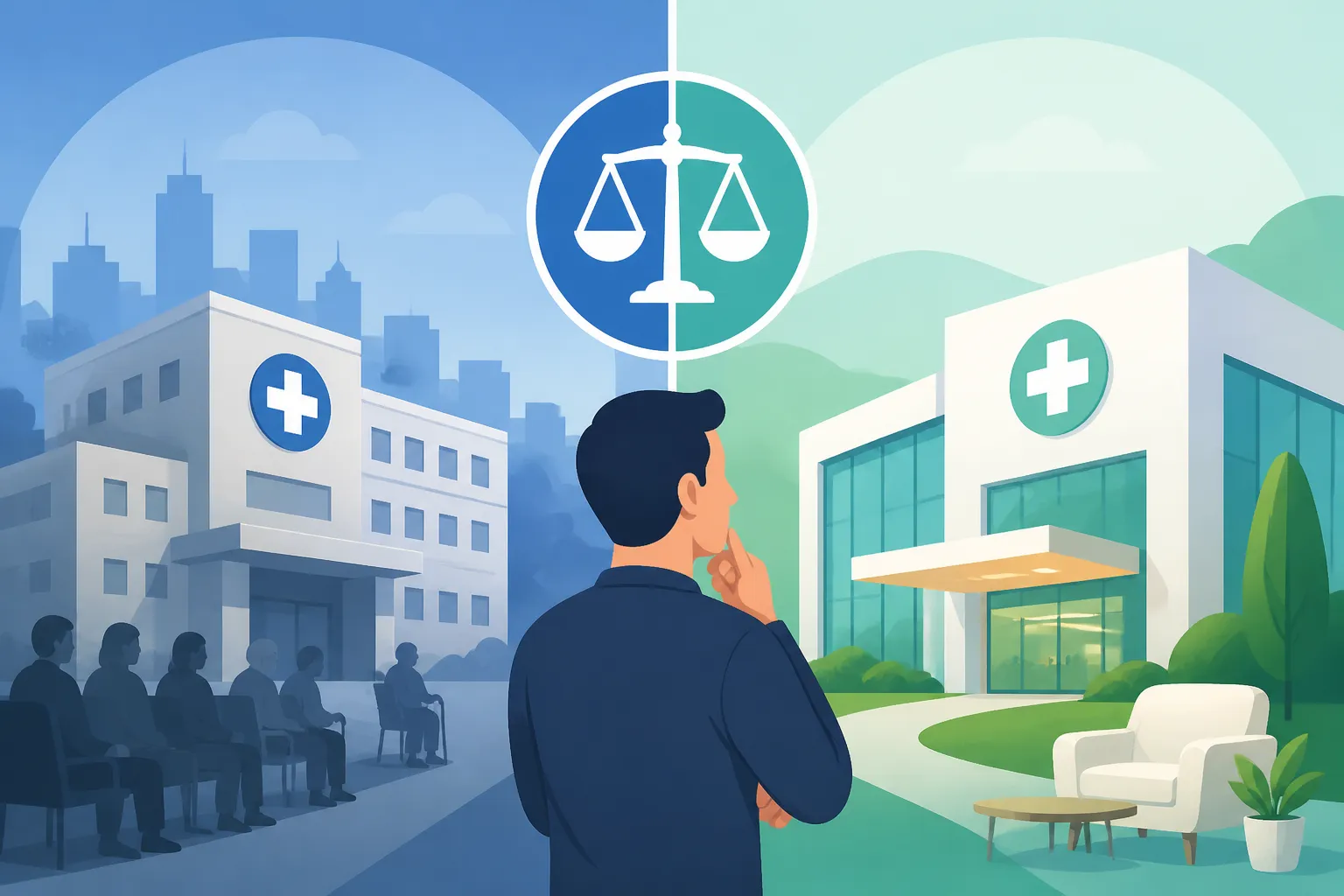
Let’s be honest, for many of us coming from countries with highly streamlined or different healthcare models, the Serbian system can feel like a culture shock. The administrative hurdles, the paperwork, the often crowded public waiting rooms, and the occasional need for personal connections to navigate the system effectively can be frustrating. You might walk into a public clinic expecting one thing and find another entirely. This is why managing your expectations is key.
Public facilities, while staffed by highly competent doctors and nurses, might not always boast the shiny, modern aesthetics you're accustomed to. Equipment can sometimes be older, and the processes can feel bureaucratic and slow. Don't be surprised if you're asked to bring your own tissues or even some basic medical supplies for certain procedures in public hospitals. It’s not a reflection of a lack of care, but rather a different operational reality. The private sector, however, often provides a stark contrast, offering facilities and services that align more closely with Western standards, often at a fraction of the cost you'd pay in Western Europe or North America.
The Public Healthcare System (RFZO): A Deep Dive
If you're legally working in Serbia, you’ll automatically be part of the public health insurance system, contributing a portion of your salary to the RFZO. This system aims to cover a wide range of medical services, from general practitioner visits to hospital stays and prescription medications. However, relying solely on the public system requires a bit of patience and an understanding of its unique processes. It's not always a smooth ride, but it provides essential coverage.
Who is Covered by RFZO and How to Register
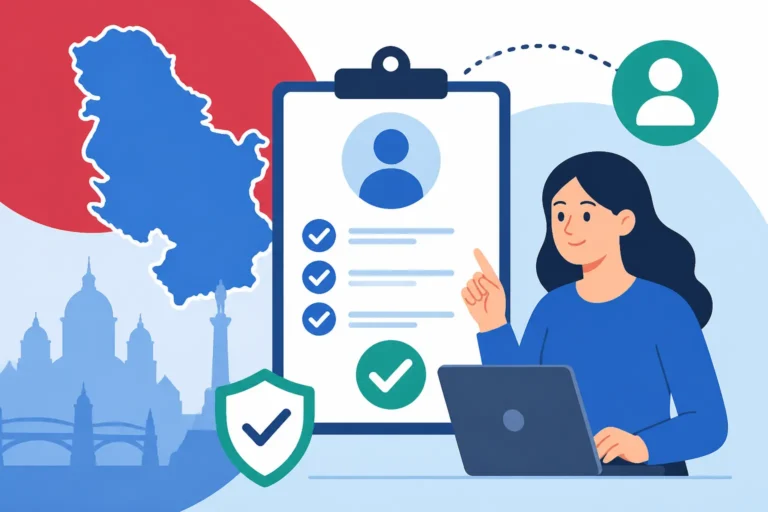
Generally, if you are employed in Serbia, you and your dependents (spouse and children, in most cases) will be covered by the RFZO. This also extends to registered self-employed individuals and those with specific residence statuses. Your employer is usually responsible for registering you with the RFZO and making the necessary contributions on your behalf. However, as an expat, it's always wise to confirm this directly with your HR department and follow up to ensure your zdravstvena knjižica (health booklet) or card is issued.
The process to register can be detailed, involving visits to various administrative offices, but it’s a non-negotiable step to access public services. For a detailed walkthrough, I highly recommend checking out How to Register with the Republic Health Insurance Fund (RFZO) in Serbia. Without proper registration and a valid health card, you'll likely be treated as a private patient in public institutions, meaning you'll pay out-of-pocket for everything. This is where many expats initially stumble, not realising the importance of proper documentation.
Services Covered by RFZO and Co-Payments
The RFZO typically covers a broad spectrum of services, including primary healthcare, specialist consultations (with a referral), hospitalisation, emergency care, and a significant portion of prescription medication costs. It’s designed to be comprehensive for essential medical needs. However, it's crucial to understand that "covered" doesn't always mean "free." Many services in the public system come with a co-payment (participacija), which is a small fee you pay at the point of service.
These co-payments can range from a few hundred dinars for a doctor's visit to a percentage of the cost for certain procedures or medications. While these amounts are usually quite low, they can add up, and it's essential to be aware of them. For instance, dental care is generally not fully covered by the RFZO for adults, with only emergency interventions or specific procedures being subsidised. For a full breakdown of these costs, refer to Understanding Out-of-Pocket Healthcare Costs and Co-Payments in Serbia.
The Role of the Dom Zdravlja and Your Chosen Doctor (Izabrani Lekar)
The dom zdravlja (health centre) is your gateway to public healthcare in Serbia. This is where you'll register with an izabrani lekar (chosen doctor), who acts as your primary care physician. This chosen doctor is incredibly important; they are your first point of contact for most health issues, responsible for general examinations, issuing sick notes, and most crucially, providing referrals to specialists or hospitals. Without a referral from your izabrani lekar, you generally cannot access specialist care within the public system.
Choosing your izabrani lekar is a personal decision, and it’s a step that often requires physically visiting several domovi zdravlja to see who has availability and who you feel comfortable with. There's an administrative process to follow for this, which can be explored in detail in our guide on How to Choose a GP (Izabrani Lekar) at a Dom Zdravlja in Serbia. It's not uncommon for expats to initially struggle with finding an English-speaking doctor in the public system, though some larger domovi zdravlja in expat-heavy areas of Belgrade might have staff with some English proficiency.
Navigating Private Healthcare in Serbia: Options and Benefits
For many expats, the private healthcare sector in Serbia offers a more comfortable and predictable experience. It often boasts modern facilities, shorter wait times, and direct access to specialists without the need for referrals. While it comes with a higher price tag, the convenience and quality of service often make it a worthwhile investment for those who can afford it.
Why Expats Often Choose Private Clinics
The reasons why expats frequently gravitate towards private clinics are numerous and quite understandable. First and foremost is the issue of convenience and efficiency. You can usually book appointments directly with specialists, often with minimal waiting times, sometimes even for the same day. This is a stark contrast to the public system, where securing a specialist appointment can take weeks or even months for non-urgent matters.
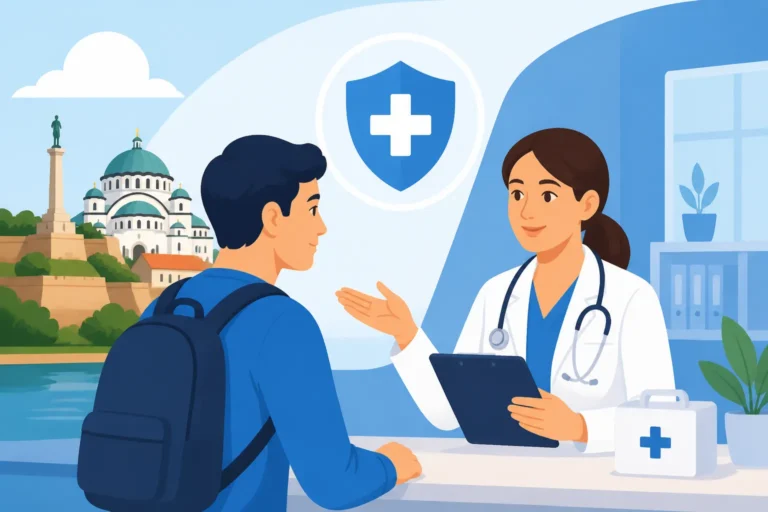
Secondly, private clinics often offer a level of comfort and service that is more familiar to expats from Western countries. This includes modern, clean facilities, state-of-the-art equipment, and a strong emphasis on patient experience. English-speaking staff are far more prevalent, which greatly eases communication and reduces the stress of medical appointments. For many, the ability to communicate clearly about their health concerns without a language barrier is invaluable. This is particularly true if you are still learning the Serbian language.
Major Private Healthcare Providers and Services
Serbia, especially Belgrade and Novi Sad, has a robust and growing private healthcare sector. You'll find a wide array of private clinics, hospitals, and specialised centres offering everything from general medicine and diagnostics to advanced surgical procedures. Some of the more well-known private groups include Medigroup, Euromedik, and Acibadem Bel Medic. These facilities often have multiple locations throughout the city, making them quite accessible.
These providers typically offer a full spectrum of services: general practice, pediatrics, gynecology, cardiology, dentistry, laboratory diagnostics, radiology, and even small surgical interventions. They operate on a fee-for-service model, meaning you pay for each consultation, procedure, or test as you go. You can walk in, register, and receive care, much like a private clinic back home. Many expats find these services to be of excellent quality, often comparable to what they'd find in their home countries, but at a significantly lower cost.
Private Health Insurance: Your Safety Net
While you can pay for private healthcare services out-of-pocket, many expats opt for private health insurance to mitigate the costs, especially for more serious or unexpected medical needs. This is particularly relevant if you're a freelancer, a digital nomad, or if your employer doesn't provide comprehensive private coverage. Private health insurance in Serbia comes in various forms, from local Serbian providers to international plans.
A good private health insurance policy can cover a wide range of services, including GP visits, specialist consultations, diagnostic tests, prescription medications, and hospital stays, often without the co-payments found in the public system. It offers peace of mind and allows you to access the best private facilities without worrying about the immediate financial burden. Companies like SafetyWing offer flexible travel medical insurance options that can be particularly useful for digital nomads or those in Serbia for shorter, undefined periods, providing a safety net for unexpected medical emergencies while allowing you the flexibility to choose private care when needed. For those weighing their options, our guide on Health Insurance in Serbia: RFZO, Private and International Options Explained offers a comprehensive overview.
Cost Comparison: Public vs. Private Healthcare
The financial aspect is often the deciding factor for expats when choosing between public and private healthcare in Serbia. While the public system is largely subsidised by mandatory contributions, the private sector operates on direct payments. Understanding the nuances of these costs is essential for budgeting and making informed decisions about your healthcare strategy.
Out-of-Pocket Expenses in the Public System
Even with RFZO coverage, you'll encounter various out-of-pocket expenses in the public system. As mentioned earlier, co-payments (participacija) are standard for many services, including doctor visits, lab tests, and certain procedures. While individually small, these fees can accumulate, especially if you have chronic conditions or require frequent medical attention. Medications, even those on the RFZO's subsidised list, often require a co-payment, with the full cost of non-subsidised drugs falling entirely on you.
Furthermore, if you need a specialist consultation or a specific diagnostic test within the public system, and you wish to bypass potentially long waiting lists, you might find yourself opting to pay for these services privately, even if you are an RFZO contributor. This hybrid approach is quite common among expats: they rely on the public system for routine matters or emergencies, but turn to private clinics for speed and convenience when specialist care is needed. This means that even with public coverage, you should anticipate some level of direct expenditure.
Understanding Private Consultation and Treatment Costs
Private healthcare in Serbia operates on a clear fee-for-service basis. A basic general practitioner consultation might cost anywhere from 2,000 to 4,000 RSD (around €17-€34), while a specialist visit could range from 3,500 to 7,000 RSD (around €30-€60) or more, depending on the specialty and the clinic's reputation. Diagnostic tests, such as blood work, ultrasounds, or MRI scans, also have set prices that are significantly higher than the co-payments in the public system, but often still much lower than in Western countries.
For example, a routine blood test panel in a private lab might cost 3,000-5,000 RSD, while an MRI could be 15,000-30,000 RSD or higher. Surgical procedures in private hospitals are considerably more expensive, potentially running into hundreds or thousands of euros. While these costs might seem high compared to public co-pays, they reflect the investment in modern equipment, comfortable facilities, and often, the direct access and shorter wait times. It’s a trade-off many expats are willing to make for convenience and perceived quality. Our article on The Cost of Healthcare in Serbia: A Complete Breakdown for Foreigners (2026) delves deeper into these figures.
The Investment in Private Health Insurance
For those who rely primarily on private healthcare, investing in a robust private health insurance plan is often the most financially prudent choice. Instead of paying large sums out-of-pocket for every visit or procedure, an insurance plan spreads that risk and can significantly reduce your direct costs. The cost of private health insurance in Serbia varies widely based on age, coverage level, and the provider. Expect to pay anywhere from €30-€100+ per month for a decent comprehensive plan, though high-end international plans can be much more.
When considering private insurance, look closely at what's included:
- GP and Specialist Visits: Are direct consultations covered, or do you need a referral?
- Diagnostics: Are lab tests, X-rays, and scans included?
- Hospitalisation: What is the coverage for inpatient care, including surgery?
- Medication: What percentage of prescription costs are reimbursed?
- Dental and Optical: Are these included, or are they add-ons?
For digital nomads or those seeking a flexible, short-term solution, international providers like SafetyWing can be a lifeline. Their plans are designed for global citizens, offering medical coverage that bridges the gap when local public systems aren't accessible or sufficient. This flexibility allows expats to maintain coverage as they move between countries or navigate the early stages of settling in Serbia. Knowing How Much Does Private Health Insurance Cost in Serbia in 2026? will help you budget effectively.
Here's a simplified comparison of general costs and features:
| Feature/Service | Public Healthcare (RFZO) | Private Healthcare |
|---|---|---|
| Funding | Mandatory social security contributions | Out-of-pocket payments or private insurance |
| GP Visit | Low co-payment (e.g., 50-150 RSD) | ~2,000-4,000 RSD (€17-€34) |
| Specialist Visit | Low co-payment with GP referral; sometimes long waits | ~3,500-7,000+ RSD (€30-€60+) without referral; short waits |
| Hospitalisation | Covered with co-payments | Covered by private insurance or high out-of-pocket |
| Prescription Meds | Partially covered with co-payment, specific lists | Covered by private insurance or full out-of-pocket |
| Dental Care | Limited (emergencies only for adults) | Full range of services, various costs |
| Wait Times | Can be significant, especially for specialists | Minimal to short |
| Facility Modernity | Varies, often older infrastructure | Generally modern and well-equipped |
| English Speaking Staff | Less common | More common |
Accessibility and Wait Times: A Crucial Factor
When you're feeling unwell, the last thing you want to do is navigate endless bureaucracy or face agonizingly long waits. For many expats, the difference in accessibility and wait times between Serbia's public and private healthcare systems is a critical factor in their choice. This contrast can dramatically impact your experience and your overall health outcomes.
Public Sector Appointment Realities
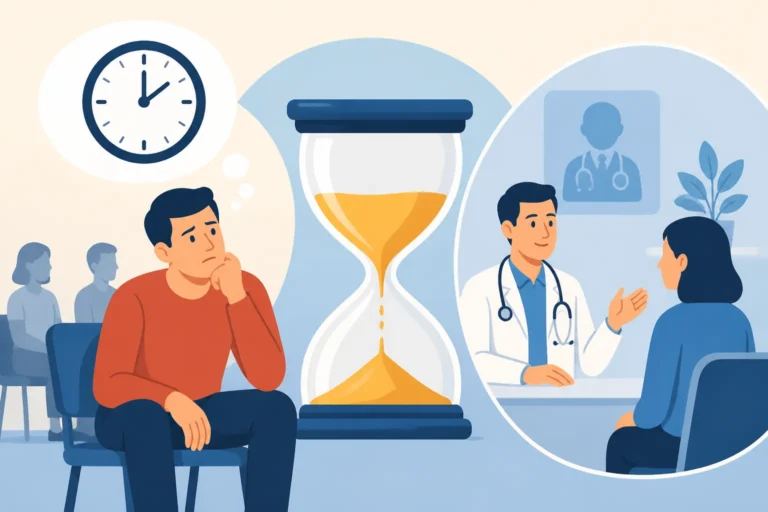
Accessing care in the public system often requires a degree of patience and persistence. For a routine check-up or a non-urgent issue, you'll first need to see your izabrani lekar at your dom zdravlja. Getting an appointment with them might be relatively quick, perhaps within a few days. However, the real challenge often begins when you need a referral to a specialist. Public specialist clinics and hospitals are frequently understaffed and overburdened, leading to substantial wait times for appointments.
It's not uncommon to hear stories from expats (and locals, for that matter) about waiting several weeks or even months for an appointment with an ophthalmologist, dermatologist, or certain diagnostic procedures like an MRI, unless the case is deemed an acute emergency. This can be particularly frustrating if you're experiencing ongoing symptoms and need timely diagnosis and treatment. While the care itself is generally competent, the journey to actually receiving it can be protracted and demanding.
The Speed and Convenience of Private Care
This is where the private sector truly shines for many expats. The hallmark of private clinics is their efficiency and patient-centric approach to scheduling. You can often call a private clinic in the morning and get an appointment with a specialist in the afternoon or the next day. Walk-in appointments for general practitioners or urgent (but not emergency) needs are also widely available. This quick access is a huge relief when you're dealing with health concerns, especially those that might require prompt attention but aren't life-threatening.
Private clinics invest heavily in administrative efficiency, using modern booking systems and employing staff specifically to ensure a smooth patient flow. This means less time spent in waiting rooms and more direct interaction with healthcare professionals. For expats who value their time or simply cannot afford to wait due to work commitments or personal anxiety, the speed and convenience of private healthcare can be a major draw. For urgent but non-emergency situations, knowing you can easily find an English-speaking doctor in Serbia at a private clinic can be immensely reassuring.
Emergency Services: A Shared Resource
It's important to clarify that in a true medical emergency, both public and private systems largely converge. The emergency number in Serbia is 194 (for ambulance) or the general emergency number 112. Public ambulance services and public emergency rooms (Urgentni Centar in Belgrade, for example) are equipped to handle critical situations regardless of your insurance status. While you may be asked for ID and insurance information upon arrival, treatment for life-threatening conditions will not be delayed.
However, once stabilised, if you are not covered by the RFZO or a valid private insurance policy, you will be liable for the costs of treatment received in a public emergency room or hospital. For this reason, even if you primarily use the public system for routine care, having some form of private medical insurance (like SafetyWing) that covers emergency medical evacuation or treatment in a private hospital after stabilisation can be invaluable. It ensures you have options beyond the public system even in critical situations. Make sure you understand Emergency Medical Care in Serbia: What Every Expat Needs to Know.
Quality of Care and Facilities: What to Expect
The perception of "quality" in healthcare can be subjective, often influenced by previous experiences and cultural norms. In Serbia, both public and private sectors boast highly qualified medical professionals, but the environment in which they work, and the resources available to them, can differ significantly. Understanding these differences is key to setting realistic expectations.
Public Hospitals and Clinics: Strengths and Weaknesses
Serbia's public healthcare system is staffed by doctors and nurses who are, by and large, very well-trained and dedicated. Many public hospital doctors are also academics, involved in research and teaching, bringing a high level of expertise. You'll find specialists in public institutions who are truly excellent in their fields. The strength of the public system lies in its foundational medical knowledge and the dedication of its practitioners.
However, the facilities themselves often tell a different story. Public hospitals and domovi zdravlja can often feel dated, with older equipment, shared rooms, and a general lack of modern amenities. Cleanliness standards are generally acceptable, but the overall aesthetic might not inspire confidence if you're used to gleaming private hospitals. The system can be underfunded, leading to resource constraints, which can impact the availability of certain medications, advanced diagnostic tools, or even basic comforts. While the medical care itself can be top-notch, the patient experience, including privacy and comfort, might not meet Western expectations. This is the candid reality that many expats face.
The Modernity of Private Medical Facilities
Stepping into a private clinic or hospital in Serbia is often like entering a different world. These facilities are generally modern, clean, and well-maintained, often resembling private clinics in Western Europe or the US. They feature contemporary interior design, comfortable waiting areas, and state-of-the-art medical equipment. The emphasis here is on providing a comfortable, efficient, and technologically advanced environment for patients.
Private hospitals, such as Acibadem Bel Medic in Belgrade, pride themselves on their modern infrastructure, private patient rooms, and advanced diagnostic capabilities. This significant investment in facilities and technology is a major draw for expats seeking a more upscale medical experience. These clinics often proactively adopt newer medical technologies and practices, ensuring patients have access to the latest treatments and diagnostics. For expats, this often translates to a greater sense of security and familiarity.
Language Barriers and Communication
One of the most significant challenges for expats navigating any healthcare system is the language barrier. In the public sector, while some younger doctors or those in urban centres might have a basic grasp of English, it is far from guaranteed. You might often find yourself needing to rely on a Serbian-speaking friend, colleague, or a professional translator, especially for complex medical discussions. This can be stressful and lead to misunderstandings, which are the last thing you want when your health is on the line.
The private sector, on the other hand, is generally much better equipped to handle international patients. Most reputable private clinics and hospitals in major cities actively employ English-speaking doctors, nurses, and administrative staff. Many even have international patient departments specifically designed to assist non-Serbian speakers. This ease of communication is a massive advantage and often cited as a primary reason why expats choose private healthcare, even if it means higher costs. When you're trying to describe your symptoms or understand a diagnosis, being able to do so in your native tongue (or a common international language) is truly invaluable. This is why many expats seek out How to Find an English-Speaking Doctor in Serbia.
Choosing Your Path: Factors to Consider as an Expat
Deciding between public and private healthcare in Serbia isn't a one-size-fits-all answer. It's a deeply personal choice that depends on a combination of your individual circumstances, health needs, financial situation, and how long you plan to stay in the country. There are several key factors that every expat should weigh carefully.
Your Residence Status and Employment Type
Your legal status in Serbia plays a significant role in determining your access to the public healthcare system. If you are employed by a Serbian company, you (and often your family) will be automatically covered by the RFZO as part of your social security contributions. This provides a baseline level of care, and for many, it's sufficient for routine needs and emergencies.
However, if you are a freelancer, a digital nomad working remotely for a foreign company, or simply a tourist, your situation is different. While you can opt to register as a self-employed person (preduzetnik) and contribute to the RFZO, this involves administrative steps and ongoing payments. For those without formal employment in Serbia, or for shorter stays, private health insurance becomes not just an option, but often a necessity. International plans like those offered by SafetyWing are specifically tailored for this demographic, providing coverage without requiring local employment or residency. Understanding How Your Residence Status Affects RFZO Enrolment in Serbia is crucial.
Health Needs and Personal Preferences
Consider your personal health profile and preferences. Do you have any pre-existing conditions that require regular specialist visits or ongoing medication? Are you generally healthy and only anticipate needing care for minor ailments or emergencies? If you have complex medical needs, the ability to quickly access specialists and receive prompt diagnostics in the private sector might be paramount.
Furthermore, think about your comfort levels. Are you comfortable with potentially longer waits and more basic facilities in exchange for lower direct costs? Or do you prioritise modern facilities, quicker appointments, and English-speaking staff, even if it means a higher financial outlay? For families with young children, consistent and accessible pediatric care is often a top priority, which private clinics can typically provide with greater ease. Your personal experience and what makes you feel secure will heavily influence your decision.
Budgetary Considerations and Peace of Mind
Ultimately, finances are a significant determinant. While the public system is "cheaper" at the point of service due to subsidisation, the hidden costs of time lost waiting, the need for private translation, or out-of-pocket payments for specific treatments can add up. The private system, while requiring direct payment or private insurance premiums, offers predictable costs and often a higher degree of transparency regarding pricing.
Many expats find that a hybrid approach offers the best of both worlds: contributing to the RFZO for baseline coverage, but also maintaining private health insurance (or setting aside funds) to access private clinics for specialist care, diagnostics, or when prompt attention is needed. This strategy can provide an optimal balance between affordability and peace of mind. Deciding if Do I Need Private Health Insurance in Serbia? is a key question many ask themselves. It’s about weighing the tangible costs against the intangible benefits of convenience, speed, and comfort.
Practical Tips for Expats Navigating Healthcare in Serbia
Navigating a foreign healthcare system can be challenging, but with a few practical tips and a proactive approach, you can make the process much smoother. As an expat who has been through it, I can tell you that preparation is your best friend here.
Document Preparation and Organisation
This cannot be stressed enough: keep all your health-related documents meticulously organised. This includes your RFZO health card (if applicable), your private insurance policy details, a list of any allergies, current medications, past medical history, and contact information for your doctors. Have both digital and physical copies. When visiting a doctor, always bring your ID and health card.
In Serbia, paperwork is still very much a part of the administrative landscape. You might need to carry your RFZO card, a paper referral, or previous test results between departments or clinics. A small folder dedicated to your medical documents will save you immense frustration. If you're using private insurance, always have your policy number and the contact details for claims readily available, as you'll likely need to submit invoices for reimbursement. SafetyWing, for example, makes it relatively straightforward to access policy details and submit claims digitally, which is a huge convenience.
Finding English-Speaking Professionals
As previously mentioned, finding English-speaking medical professionals is considerably easier in the private sector, especially in Belgrade and Novi Sad. When searching for a clinic, don't hesitate to call ahead and ask if they have English-speaking staff. Many private clinics actively advertise this service to attract international patients. Websites of major private providers like Medigroup or Euromedik often list doctors' profiles, sometimes indicating languages spoken.
For public healthcare, this can be trickier. Your best bet is to inquire at the reception of larger domovi zdravlja in expat-heavy neighbourhoods (e.g., Vračar or Stari Grad in Belgrade). You might also ask other expats in online forums or social media groups for recommendations for English-speaking izabrani lekari. Sometimes, even if the doctor doesn't speak perfect English, a nurse or a colleague might be able to help translate the essentials. If you're truly struggling, consider hiring a medical translator for your initial appointments.
What to Do in an Emergency
Knowing what to do in a medical emergency is paramount. The primary emergency number for an ambulance in Serbia is 194. For a broader range of emergencies, 112 is the general European emergency number that also works in Serbia. These numbers should be called for immediate, life-threatening situations. Be prepared to provide your location, the nature of the emergency, and ideally, have someone who can speak Serbian with you to facilitate communication with the operator.
For less severe but urgent situations (e.g., a high fever, sudden severe pain that's not life-threatening), you can either go to the nearest Dom Zdravlja (if it's during working hours and you're registered) or head straight to a private clinic that offers urgent care. Many private clinics have extended hours or even 24/7 urgent care departments that can handle immediate needs without requiring a visit to a chaotic public emergency room. Again, having private insurance, even a flexible plan like SafetyWing, ensures that you have options and financial protection in these unpredictable moments. For a complete guide, check out Emergency Medical Care in Serbia: What Every Expat Needs to Know.
Disclaimer
The information provided in this guide is for general informational purposes only and does not constitute medical, legal, or financial advice. Healthcare regulations and costs in Serbia can change, and individual situations may vary. Always consult with qualified medical professionals, legal advisors, or insurance experts for advice tailored to your specific circumstances.