What Is the Cheapest Way to Commute in Belgrade?
Navigating Belgrade's bustling streets can feel like a maze when you first arrive, especially if you’re trying to keep a tight rein on your wallet. The thought of daily commutes, figuring out transport, and understanding local payment systems can be genuinely overwhelming. This guide is designed to cut through that confusion, giving you the lowdown on the absolute cheapest and most practical ways to get around Belgrade, ensuring you save both time and money.
The Unbeatable Champion: Belgrade's Public Transport System
When it comes to stretching your dinars, Belgrade's public transport system is by far your most reliable and economical friend. Forget taxis for daily commutes, or even your own car if you're living centrally – the sheer cost of fuel, parking, and maintenance just doesn't compare. The city's network of buses, trams, and trolleybuses might seem a bit chaotic at first glance, but once you get the hang of it, it’s incredibly efficient and budget-friendly.
Navigating the Integrated Network
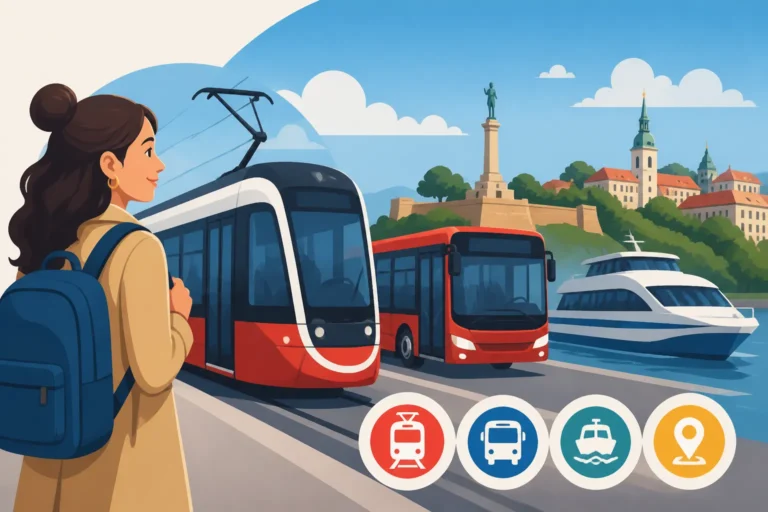
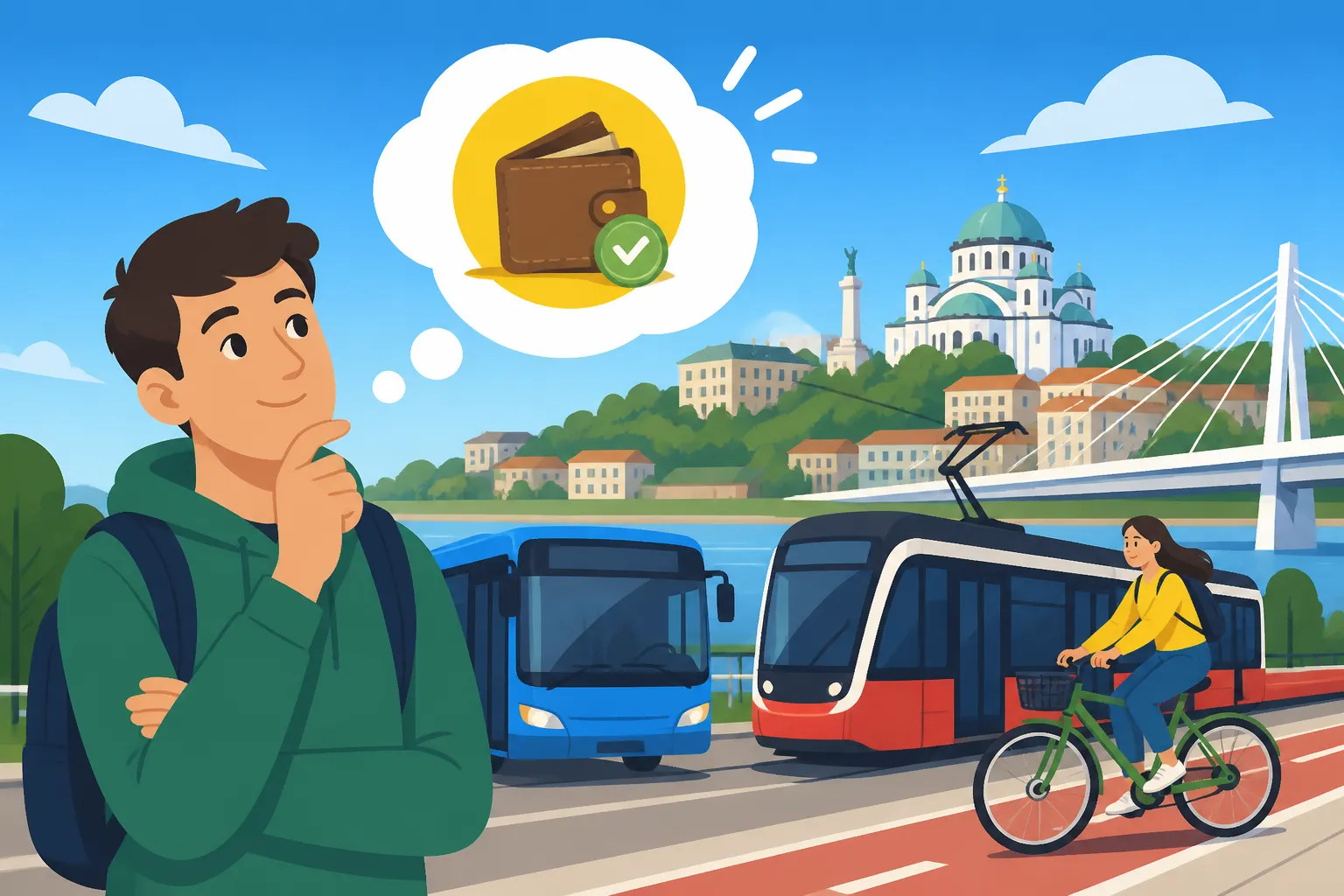
Belgrade’s public transport is an extensive web that connects virtually every corner of the city. You've got your buses, which cover the widest array of routes, including those stretching out to the farthest suburbs. Then there are the trams, which predominantly run through the older parts of the city and along the river, offering a somewhat more scenic (and often less traffic-snarled) ride. Finally, the trolleybuses cover specific, often hilly, central routes. The beauty of it all is that it’s an integrated system, meaning your single ticket or pass works across all three modes of transport within the same zones.
For newcomers, the initial experience can be a bit bewildering. Buses are often crowded, especially during peak hours, and navigating the rush can be an art form. Trams, while charming, can also get packed. But the sheer volume of routes means you’re rarely left stranded, and a little patience goes a long way. For instance, if you're living in New Belgrade and need to get to the city center, you'll likely hop on one of the many bus lines that cross the bridges, often route 95 or 16, which are direct. If your destination is a bit off the main drag, a quick transfer to a tram or another bus line is usually seamless. Learning the key arteries like Slavija Square, Terazije, or Studentski Trg as central hubs for transfers will significantly ease your journey planning. To truly get a handle on the specifics, I highly recommend diving into Understanding the Belgrade Bus, Tram and Trolleybus Networks The more you understand the backbone, the easier your daily travels will become.
The Cost-Effective Ticket to Ride: Beogradska Kartica and Payment Methods
Gone are the days of the old BusPlus card in its original form. Belgrade has transitioned to the "Beogradska Kartica" (Belgrade Card) system, which streamlines payments and makes commuting even easier. This card is your gateway to affordable public transport. You can get different types: a personalised one, which offers the best value for regular commuters, or a non-personalised one for occasional use.
To get a personalised card, you'll need to visit one of the dedicated sales points, typically at larger kiosks or the main public transport office (GSP). You'll need your ID and proof of address (if you’re an expat, this will be your "bela karta" or temporary residence document). This personalised card is crucial because it allows you to load monthly passes, which are the most cost-effective option for anyone using public transport regularly. For those just visiting or using public transport sporadically, the non-personalised card works just like a debit card – you load credit onto it and tap for each ride. This can be topped up at kiosks (trafika) all over the city.
The single-ride cost, if paying with your card by tapping, is quite affordable. However, the real savings come from the monthly passes. Imagine trying to figure out which tram to take from Slavija to Kalemegdan without reliable data on your phone – it's a nightmare! That's why getting connected quickly with an eSIM from a provider like Airalo can be a real lifesaver when you first arrive and are getting to grips with ticket validation and route planning. Being able to quickly check your balance, routes, or even top up via an app (if available for your card type) is invaluable. Always remember to validate your ticket by tapping your card on the reader inside the vehicle when you board, even if you have a monthly pass. Controllers are frequent, and fines are hefty.
Maximising Savings with Monthly Passes
If you're going to be in Belgrade for more than a few days and plan on using public transport for your daily commute, a monthly pass on your personalised Beogradska Kartica is an absolute no-brainer. This is, without a doubt, the cheapest way to commute in Belgrade. The cost of a monthly pass is incredibly low when you consider unlimited rides across all public transport modes for an entire month.
There are different categories of monthly passes designed to offer even greater savings for specific groups. The general monthly pass is for everyone, but if you're a student, a pensioner, or even have certain disabilities, you might qualify for significantly discounted passes. For example, students (with a valid student ID from a Serbian institution) and pensioners (over a certain age, usually 65 for men and 60 for women, and registered with the Serbian pension fund) can often get passes for a fraction of the regular price. To obtain these, you usually need to provide additional documentation at the GSP office. The process involves showing your relevant identification, and sometimes filling out a form. Once loaded, the monthly pass eliminates the worry of carrying small change or constantly topping up your card, giving you peace of mind and predictable, low commuting costs. This approach to budgeting for your commute is a major component of The Complete Guide to Cost of Living in Serbia for Expats (2026)
| Commuting Method | Average Daily Cost (RSD) | Average Monthly Cost (RSD) | Pros | Cons |
|---|---|---|---|---|
| Public Transport (Monthly Pass) | ~150-200 | ~3,000-4,000 | Very cheap, extensive network, unlimited rides | Can be crowded, requires understanding routes, potential for delays |
| Public Transport (Single Ride) | 250-300 (per ride) | Varies (dependent on usage) | Flexible for occasional use | More expensive per ride than monthly pass, need to top up often |
| Walking | 0 | 0 | Free, healthy, great for short distances, experience the city | Time-consuming for long distances, weather dependent, challenging hills |
| Cycling | 0-100 (bike rental) | 0-500 (maintenance) | Free (if you own bike), healthy, faster than walking, eco-friendly | Limited infrastructure, traffic concerns, weather dependent, hills |
| CarGo/Taxi | 500-1,500+ (per ride) | Varies (very high) | Convenient, door-to-door, good for emergencies or late nights | Most expensive, subject to traffic, surge pricing |
| Private Car | 500-1,000+ (fuel/parking) | 15,000-30,000+ (monthly) | Convenience, comfort, freedom | Very expensive (fuel, parking, maintenance, insurance), traffic, parking difficulty |
Note: Costs are approximate and subject to change based on fuel prices, specific routes, and public transport tariff updates.
Beyond Public Transport: Other Commuting Realities in Belgrade
While public transport reigns supreme for cost-effectiveness, it’s certainly not the only way to get around Belgrade. Depending on your specific needs, where you live, and how often you commute, other options might occasionally make sense, though they generally come with a higher price tag. Understanding these alternatives will help you make informed decisions when public transport isn’t quite right for your situation.
Walking and Cycling: The Free (and Fulfilling) Options
For many expats, especially those living in central areas, walking becomes a significant part of their daily commute. Belgrade is a city best explored on foot, and for shorter distances, it’s completely free, healthy, and allows you to soak in the vibrant atmosphere. Imagine a leisurely stroll from Dorćol to Kalemegdan Park on a sunny morning – it's invigorating and costs nothing. However, Belgrade is not flat. There are plenty of hills, particularly around the city center, which can turn a casual walk into a serious workout. Distances can also be deceiving, and what looks like a short walk on a map might turn into a 45-minute trek uphill.
Cycling is another fantastic, nearly free option. With the beautiful riverfront paths along the Danube and Sava, cycling is incredibly popular for recreation and increasingly for commuting. Many companies in the New Belgrade business district encourage cycling, and you'll see dedicated bike lanes appearing more frequently. Renting a city bike for a small fee is an option if you don't own one. However, Belgrade's general traffic infrastructure isn't always bike-friendly outside of these dedicated paths, and navigating busy streets can be daunting for less experienced cyclists. While it’s cheap, it requires a certain level of confidence and awareness. Plus, Serbian weather can be extreme, making cycling or walking less appealing during scorching summers or icy winters.
Ride-Sharing and Taxis: Convenience at a Cost
There will inevitably be times when public transport simply won't cut it. Maybe you're out late at night, laden with groceries, or facing a sudden downpour. This is when ride-sharing apps like CarGo (a popular local option that functions much like Uber or Bolt) and Yandex Go become incredibly convenient. Traditional taxis are also readily available, though it’s always wise to use reputable companies or order through an app to avoid potential scams, especially for foreigners.
These services offer door-to-door convenience and can be a lifesaver, but they are significantly more expensive than public transport. A typical ride across town could cost anywhere from 500 to 1500 RSD, depending on distance, time of day, and traffic conditions. During peak hours or bad weather, surge pricing can drive costs even higher. While an occasional ride is perfectly fine for your budget, relying on these for daily commutes would quickly negate any savings you make elsewhere. For instance, if you're trying to figure out How Much Does It Cost to Rent an Apartment in Belgrade in 2026? and find yourself a bit further from the city center for a cheaper rental, remember to factor in these higher occasional transport costs.
Private Vehicles: The Most Expensive Way to Go
Owning a private car in Belgrade is, without a doubt, the most expensive way to commute, both in direct and indirect costs. While it offers unparalleled freedom and comfort, the financial burden is substantial. Fuel prices in Serbia, while perhaps lower than some Western European countries, are still a significant monthly expense. Parking is another major headache and cost. In central Belgrade, finding a free spot is like finding a needle in a haystack, and paid parking zones (often marked by different colors: red for 1-hour limit, yellow for 2-hour, green for 3-hour) add up quickly. Monthly garage rentals, if you can find them, are also expensive.
Beyond fuel and parking, you have the initial cost of the vehicle itself, registration fees, mandatory annual technical inspections, and car insurance, which can be quite hefty. Maintenance and repairs, while often cheaper than in Western Europe, still contribute to the overall running costs. Add to this the stress of navigating heavy traffic, especially during rush hour, and the aggressive driving style that can be common, and you quickly see why a private car is not the "cheapest" option for daily city commuting. For most expats, unless their work explicitly requires it or they live far outside the city center, relying on public transport or other alternatives is the financially prudent choice. For those considering buying a car, it's wise to review How Do I Register a Car in Serbia? to understand the full process and costs involved.
Practical Tips for a Budget-Friendly Belgrade Commute
Living in a new city, especially one with its own unique transport quirks like Belgrade, requires a bit of savvy to truly master cost-effective commuting. Beyond just knowing which bus to take, there are strategies you can employ to make your daily travels smoother and lighter on your wallet.
Planning Your Routes Like a Pro
The key to efficient and cheap commuting in Belgrade lies in smart planning. Gone are the days of relying solely on paper maps or trying to decipher cryptic bus schedules at the stop. Modern technology is your best friend here. Apps like Moovit and Google Maps are invaluable for real-time public transport information. They can show you the fastest routes, upcoming bus arrivals, and even provide alerts about delays. These apps will become your daily companion, helping you navigate the complex web of routes and ensuring you don't miss a connection.
Having reliable mobile data is absolutely crucial for this. Imagine trying to find your way home from a new part of the city late at night, only to find your data plan has run out. It's a frustrating situation that can easily lead to unnecessary taxi fares. That's why I always recommend sorting out your mobile connectivity as soon as you arrive. Getting a local SIM card or, even better, an eSIM from a provider like Airalo, can ensure you’re always connected. This allows you to check routes, translate signs, and communicate, all without worrying about exorbitant roaming charges. Learning about the How Do I Set Up a Mobile Phone Plan in Serbia? process will be a crucial first step. Furthermore, understand the zones for public transport; Belgrade is generally divided into zones, and your pass or ticket needs to be valid for the zones you travel through, although most central city travel falls within one main zone.
Choosing Your Neighbourhood Wisely
Your choice of where to live in Belgrade will have a profound impact on your daily commute costs and time. It’s a classic expat dilemma: do you pay higher rent for a central apartment within walking distance of work and amenities, or do you opt for a cheaper place further out and commute daily? If your primary goal is to minimize commuting costs, living close to your workplace, your children’s school, or key public transport hubs is paramount.
For example, living in areas like Dorćol, Vračar, or Stari Grad means you can often walk to many central locations, significantly reducing your reliance on public transport. If you choose New Belgrade, consider its excellent bus connections to the old town, but also factor in travel time across the bridges. When you're first moving to Serbia, especially if you’re using services to help with the logistics, like those found through Sirelo, it’s easy to focus on the big-picture relocation expenses. But don't forget to factor in the long-term, recurring cost of your daily commute into your overall budget. A slightly higher rent for a strategic location might actually save you money (and sanity) in the long run. Thinking about The Best Places to Live in Serbia for Expats: A Complete Guide (2027) definitely includes considering commute efficiency.
Essential Mobile Apps and Connectivity
Beyond just navigation, having the right mobile apps can truly revolutionize your commuting experience and help you stick to your budget. Many Serbian banks offer excellent mobile banking apps that allow you to quickly top up your public transport card or pay other bills, avoiding queues and ensuring you always have a valid ticket. Some local news apps might even offer real-time traffic updates or public transport disruption notices, which can be incredibly useful for planning alternative routes.
As mentioned earlier, consistent internet access is non-negotiable for a smooth, budget-friendly commute. It’s not just about Google Maps. You might need to check the weather, look up opening hours, or even translate a sign at a bus stop. With an eSIM, you can easily switch between data plans or top up on the go, ensuring you’re never caught without connectivity. This digital reliance is a reality of modern expat life, and embracing it can save you both money and a considerable amount of stress. Getting your address officially registered, or "Prijava", is also important for many administrative tasks, including obtaining a personalized public transport card or a local phone contract, so don’t forget How Do I Register My Address (Prijava) in Serbia?.
Disclaimer
The information provided in this guide is for general informational purposes only and is based on current regulations and practices in Serbia. While every effort has been made to ensure accuracy, regulations regarding public transport, payment systems, and expat residency can change. It is always advisable to verify information with official sources or local authorities, such as the GSP (Gradsko Saobraćajno Preduzeće) Belgrade for public transport, for the most up-to-date details.