What Are the Best Neighbourhoods for Expats in Serbia?
Deciding where to lay down roots in a new country can feel like trying to solve a Rubik's Cube blindfolded, especially when you're an expat venturing into a place like Serbia. With its rich history, vibrant culture, and diverse landscapes, Serbia offers a plethora of choices, but understanding which neighborhood truly fits your expat lifestyle, whether you're seeking a bustling city vibe or a quieter, family-friendly haven, requires insider knowledge. This comprehensive guide will walk you through Serbia's top expat-friendly neighborhoods, giving you the realistic insights you need to find your perfect Serbian home.
Belgrade: Navigating the Capital's Expat-Friendly Neighbourhoods
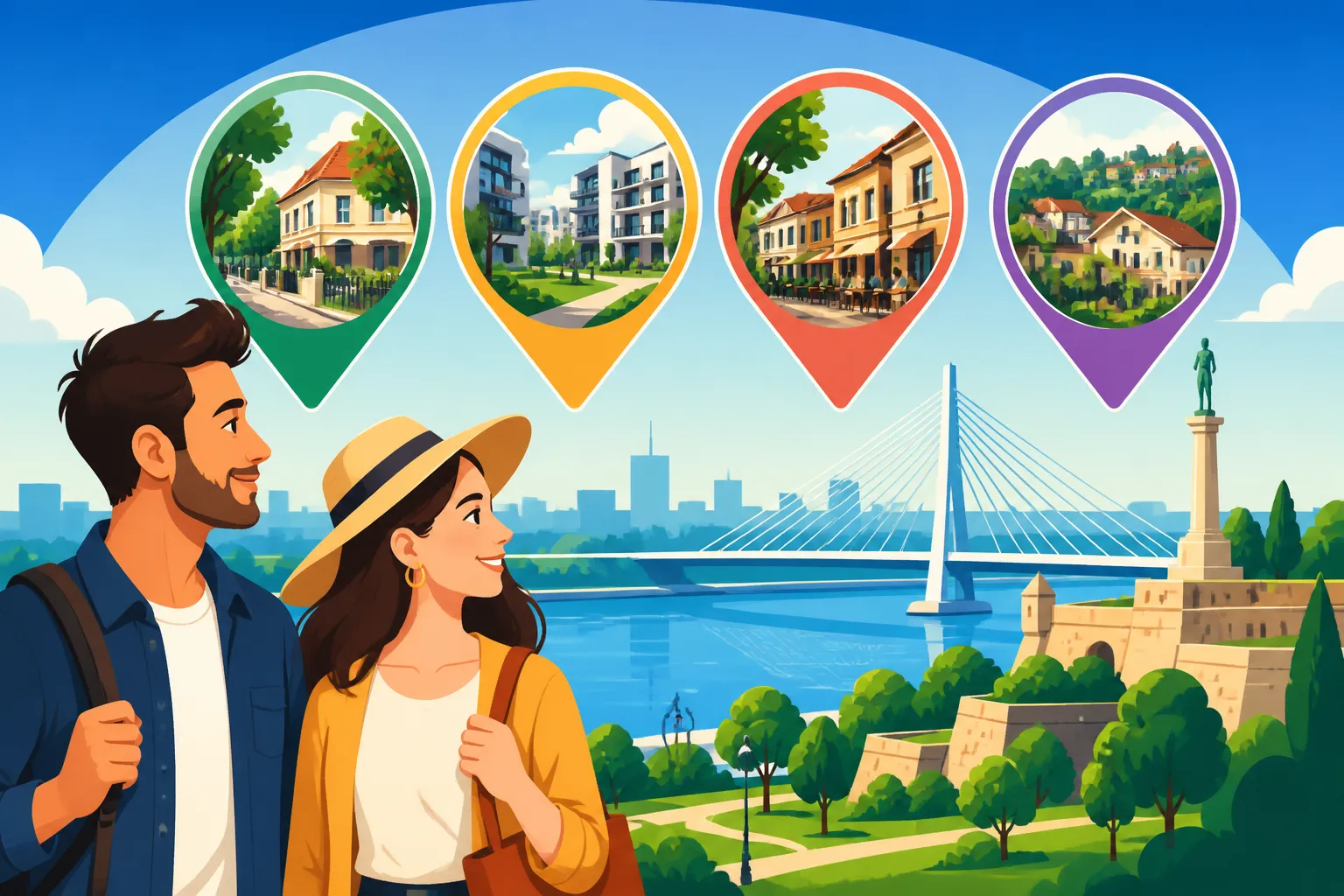
Belgrade, or Beograd as the locals call it, is undeniably the beating heart of Serbia. As the capital, it’s often the first stop for most expats, and for good reason. It offers the most job opportunities, the largest international community, and the widest array of amenities that cater to a global audience. But Belgrade isn't just one monolithic city; it's a collection of distinct neighborhoods, each with its own character and charm. The sheer scale can be daunting, but once you break it down, you'll find pockets that feel like home.
Stari Grad: The Historic Core and Modern Buzz
If you crave to be in the absolute center of everything, Stari Grad (Old Town) is where it's at. This district encompasses some of Belgrade’s most iconic landmarks, like Kalemegdan Fortress, Republic Square, and Knez Mihailova Street. Living here means you're literally steps away from museums, theaters, and a never-ending parade of cafes and restaurants. The energy is palpable, a mix of old-world charm and contemporary urban life.
However, this prime location comes with its trade-offs. Rents in Stari Grad are among the highest in the city, reflecting its desirability. Apartments here tend to be older, often with beautiful high ceilings and classic architecture, but sometimes lacking modern amenities or parking spaces – a real headache in Belgrade! Despite this, the convenience is unparalleled. You can walk almost anywhere, and public transport links are excellent. You'll find a decent expat presence, especially among those who prefer immediate access to cultural events and nightlife. For those just arriving and trying to understand How to Register Your Address (Prijava) with the Police in Serbia, living centrally in Stari Grad can simplify initial logistics, as many administrative offices are nearby.
Vračar: The Chic and Residential Favourite
Just south of Stari Grad lies Vračar, often considered Belgrade's most prestigious and sought-after residential area, particularly among expats and affluent locals. It's home to the magnificent Saint Sava Temple, one of the largest Orthodox churches in the world, which serves as a landmark. Vračar strikes a beautiful balance: it's central enough to be well-connected, yet it feels more residential, greener, and quieter than Stari Grad.
The streets of Vračar are lined with beautiful, often renovated, apartment buildings, charming cafes, excellent restaurants, and boutique shops. There's a strong sense of community, and the parks, especially Karađorđev Park, offer lovely green spaces. Families often gravitate here because of the good schools and slightly more relaxed pace. While still pricey, especially for larger apartments, many expats feel the quality of life justifies the cost. If you’re trying to figure out How Much Does It Cost to Rent an Apartment in Belgrade in 2026?, Vračar will certainly be at the higher end of the spectrum, but often provides better value in terms of space and neighbourhood amenities compared to the immediate city centre.
Novi Beograd: Modern Living Across the Sava
Crossing the Sava River brings you to Novi Beograd (New Belgrade), a stark contrast to the historic charm of the older parts of the city. Built primarily after World War II, Novi Beograd is characterized by its wide boulevards, large apartment blocks (often referred to as 'blokovi'), and modern business districts. In recent years, it has undergone significant development, attracting many international companies and, consequently, a growing expat population.
Here, you'll find newer, more spacious apartments, often with amenities like underground parking, which is a rare luxury in Stari Grad. Shopping centers like Ušće and Delta City, along with numerous hypermarkets, make everyday life incredibly convenient. The Sava promenade offers fantastic walking and cycling paths, and Ada Ciganlija, Belgrade’s "sea," is easily accessible. While some find the architecture a bit brutalist for their taste, others appreciate the practicality and modern infrastructure. It’s generally more affordable than Stari Grad or Vračar, offering a better bang for your buck, especially for families or those seeking contemporary living spaces. Given its modern infrastructure, it's also a good place to consider when thinking about The Expat Guide to Setting Up Utilities Electricity, Water, Heating in Serbia, as newer buildings often have more efficient systems.
Zemun: A Quaint Town Within the City
For those who desire a slightly slower pace and a distinct, almost village-like atmosphere, Zemun is an absolute gem. Once a separate town within the Austro-Hungarian Empire, it retains much of its unique identity, with cobblestone streets, charming architecture, and a beautiful promenade along the Danube. The Gardoš Tower offers panoramic views, and the riverside boasts countless excellent fish restaurants.
Zemun provides a strong sense of local community, making it easier to integrate if you're keen to immerse yourself in Serbian life. It’s generally more affordable than central Belgrade, and you can often find larger apartments or even houses with gardens. The commute to central Belgrade is manageable, though it does involve relying on public transport, which is generally quite efficient in Belgrade. Many expats who prefer a more tranquil environment, perhaps with children, find Zemun to be an ideal compromise between city access and a relaxed lifestyle. If you're looking for a specific vibe that feels distinct from the typical capital, Zemun offers a refreshing change.
Novi Sad: The Charms of Serbia's Second City
Moving north from Belgrade, we arrive at Novi Sad, often hailed as Serbia's cultural capital. It's significantly smaller and more laid-back than Belgrade, yet still offers a vibrant city life with plenty to see and do. For expats seeking a high quality of life without the overwhelming intensity of a huge metropolis, Novi Sad is a fantastic choice. The city is renowned for its friendly atmosphere, beautiful architecture, and the annual EXIT festival at the iconic Petrovaradin Fortress.
The city centre is compact and walkable, filled with pedestrian streets, cafes, and historic buildings. The Danube River flows majestically past, offering picturesque views and recreational opportunities. Novi Sad has a growing expat community, though it's smaller and perhaps a bit more integrated into local life than in Belgrade.
Liman: Riverside Living and Green Spaces
The Liman neighbourhood in Novi Sad is incredibly popular, especially among young professionals and families. It comprises several sub-districts (Liman 1, 2, 3, 4) and is characterized by its proximity to the Danube, the sprawling Štrand beach, and numerous parks. It’s a well-planned area with good infrastructure, offering a mix of older, well-maintained apartment blocks and some newer constructions.
Liman is known for its relaxed vibe and abundance of green spaces, including the University Campus area which brings a youthful energy. You'll find plenty of shops, cafes, and easy access to cycling paths along the river. The cost of living here is moderate for Novi Sad, making it an attractive option for many. It’s also close to the city centre, ensuring you’re never too far from the action. If you're pondering How to Find an Apartment to Rent in Novi Sad?, Liman is often high on expats' lists due to its amenities and reputation.
Grbavica: Bustling and Convenient
Grbavica is another highly desirable residential area in Novi Sad, known for its central location and vibrant atmosphere. It’s a bit denser and more bustling than Liman, offering a wide range of amenities right at your doorstep. You’ll find countless supermarkets, bakeries, pharmacies, and small businesses, making daily errands a breeze.
The architecture in Grbavica is a mix of older and newer buildings, giving you various options depending on your preference and budget. While it might not have the expansive green spaces of Liman, it compensates with sheer convenience and a lively urban feel. Many expats appreciate Grbavica for its accessibility to the city center and its dynamic street life. It's a great choice if you prefer to be amidst the urban hustle, with everything you need just a short walk away.
Niš: Discovering Southern Serbia's Welcoming Vibe
Further south, about a two-hour drive from Belgrade, lies Niš, one of Serbia's oldest and most historically significant cities. While often overlooked by expats who flock to Belgrade or Novi Sad, Niš offers a genuinely authentic Serbian experience at an even more affordable cost of living. It's a city with a warm, welcoming atmosphere, known for its delicious food, passionate locals, and impressive historical sites like Niš Fortress and the Skull Tower.
The expat community in Niš is smaller, which means you'll have more opportunities for full immersion into Serbian culture and language. This can be incredibly rewarding, though it might require a bit more effort in navigating bureaucracy or finding specific English-speaking services. However, the friendliness of the locals often makes up for any initial hurdles.
Medijana: Modern Comforts and Greenery
Medijana is one of the larger and more developed municipalities within Niš, offering a good blend of modern living spaces and access to green areas. It's home to some of the city's newer residential complexes, which can be appealing for expats seeking contemporary apartments with amenities like balconies and sometimes even parking. The area around the Nišava River also provides lovely walking paths and parks.
You'll find all the necessary infrastructure in Medijana, including shopping centres, supermarkets, and restaurants. The overall vibe is relaxed and family-friendly, without being too far from the city centre’s attractions. The rents here are significantly lower than in Belgrade or Novi Sad, making Niš an excellent option for those on a tighter budget who still want a comfortable urban lifestyle. When considering The Complete Guide to Cost of Living in Serbia for Expats (2026), Niš often stands out as one of the most budget-friendly major cities.
Central Niš: History and Everyday Life Hand-in-Hand
Living in the immediate city center of Niš means you are surrounded by history, culture, and the everyday rhythm of Serbian life. The main pedestrian zone, Obrenovićeva Street, is always bustling, and the area around the fortress and the Tinkers Alley (Kazandžijsko sokače) offers a charming blend of traditional and modern cafes and eateries. Apartments in the center tend to be older, but many have been renovated, offering a cozy and authentic living experience.
The biggest advantage of living centrally is convenience. Everything is within walking distance, from markets to banks to entertainment. While not as internationally diverse as Belgrade, the central areas are where you'll find the most concentrated activity and resources, including language schools and local services that might be able to assist foreigners. It's a fantastic place to truly experience Serbian urban life firsthand, and the locals are incredibly welcoming, often eager to practice their English with foreigners.
How to Pinpoint Your Perfect Serbian Neighbourhood
Choosing a neighbourhood isn't just about finding a pretty street; it’s about aligning your lifestyle, budget, and priorities with what the area offers. As an expat, you have unique considerations that locals might not.
Proximity to Work or International Schools
For many expat families, the location of international schools is a primary driver. In Belgrade, schools like the International School of Belgrade (ISB) or the British International School are factors for parents. Commute times in Belgrade can be surprisingly long, so living near your workplace or your children's school can save you hours each week. Consider testing out routes during peak hours before committing to a rental. When planning your family's move, reviewing resources like Schools and Education in Serbia: A Complete Guide for Expat Families is crucial, as school locations often dictate neighbourhood choice.
Cost of Living and Budget
Serbia is generally more affordable than Western Europe or North America, but costs can vary significantly between cities and even within neighbourhoods. Belgrade, especially central areas like Vračar or Stari Grad, will be the most expensive for rent, groceries, and dining out. Novi Sad offers a slightly more moderate cost, while Niš provides excellent value. Create a realistic budget, including rent, utilities, transport, and daily expenses, to guide your search. Remember, navigating the initial setup, from getting your residence permit via How to Get Temporary Residence (Boravak) in Serbia (2027) to budgeting for your first few months, is key.
Expat Community and Social Life
Do you want to be surrounded by other expats, or are you eager to immerse yourself completely in local life? Larger cities like Belgrade and Novi Sad have more established expat communities, offering social groups, events, and a network of support. In smaller cities or more local neighbourhoods, you might find yourself relying more on local connections and potentially facing a greater language barrier. Think about your comfort level and social preferences. You can often find expat groups on social media platforms that can provide real-time advice on What Are the Best Cities to Live in Serbia? and specific neighbourhoods.
Connectivity and Transport
Evaluate the public transport options. Belgrade has an extensive bus, tram, and trolleybus network, which is generally efficient, though navigating it initially can be a challenge. If you're not planning to have a car, ensure your chosen neighbourhood is well-served by public transport. When you first land, using a data-only eSIM from a provider like Airalo can be incredibly helpful for navigating apps like Moovit or Google Maps to figure out routes before you even get a local SIM. For those who opt for a car, check for parking availability, especially in older parts of the city. Understanding How Do I Use Public Transport in Belgrade? will be essential for daily commutes.
Practical Considerations
Before you sign any rental agreement, make sure you understand the nuances of How to Sign a Rental Contract and Pay a Deposit in Serbia. Also, consider the physical move itself. If you're bringing a lot of belongings, using an international moving service like Sirelo can simplify the process, helping you manage everything from customs to finding reputable movers. Don't forget to factor in the practical aspects of daily life, like proximity to pharmacies, grocery stores, and any specific services you might need.
Neighbourhood Comparison Table
To give you a quick overview, here's a comparison of some key expat-friendly neighbourhoods in Serbia:
| Neighbourhood / City | Vibe & Atmosphere | Expat Community | Average Rent (1-bed) | Transport & Connectivity | Pros | Cons |
|---|---|---|---|---|---|---|
| Stari Grad, Belgrade | Historic, Bustling, Urban | High | High (500-900 EUR) | Excellent public transport, walkable | Central, cultural hub, lively | High cost, older buildings, parking issues |
| Vračar, Belgrade | Chic, Residential, Elegant | High | High (450-800 EUR) | Good public transport, walkable | Prestigious, green, good schools, cafes | High cost, can be crowded |
| Novi Beograd, Belgrade | Modern, Practical, Business-oriented | Moderate | Moderate (400-700 EUR) | Good public transport, wider roads | New buildings, spacious, amenities | Less historic charm, can feel sterile |
| Zemun, Belgrade | Quaint, Village-like, Riverside | Moderate | Moderate (350-600 EUR) | Good public transport, scenic walks | Charming, relaxed, more affordable | Longer commute to central Belgrade |
| Liman, Novi Sad | Relaxed, Green, Riverside | Moderate | Moderate (300-550 EUR) | Good public transport, walkable, cycling | Parks, Danube access, family-friendly | Can be busy, limited nightlife |
| Grbavica, Novi Sad | Bustling, Convenient, Urban | Moderate | Moderate (300-550 EUR) | Excellent public transport, walkable | Central, amenities, lively | Can be dense, less green space |
| Medijana, Niš | Modern, Residential, Quiet | Low | Low (200-400 EUR) | Good public transport, car-friendly | Affordable, new buildings, green spaces | Smaller expat community, less central |
| Central Niš, Niš | Historic, Authentic, Lively | Low | Low (200-400 EUR) | Walkable, good public transport | Cultural, authentic, very affordable | Smaller expat community, older buildings |
Note: Rent prices are indicative and can vary greatly based on size, condition, and specific location within the neighbourhood.
Ultimately, the "best" neighbourhood in Serbia for you will depend entirely on your personal circumstances, preferences, and priorities. Take the time to visit different areas, talk to locals and other expats, and get a feel for the rhythm of life before making your decision. Serbia is a country that truly rewards those who explore beyond the obvious, and finding your perfect spot will be a huge part of your expat adventure.
Disclaimer
The information provided in this guide is intended for general informational purposes only and does not constitute professional advice. While we strive to ensure accuracy, conditions and regulations in Serbia can change rapidly. Always consult with relevant authorities, legal professionals, or real estate experts for the most current and specific advice pertaining to your individual situation.