How Do I Set Up Water and Heating in Serbia?
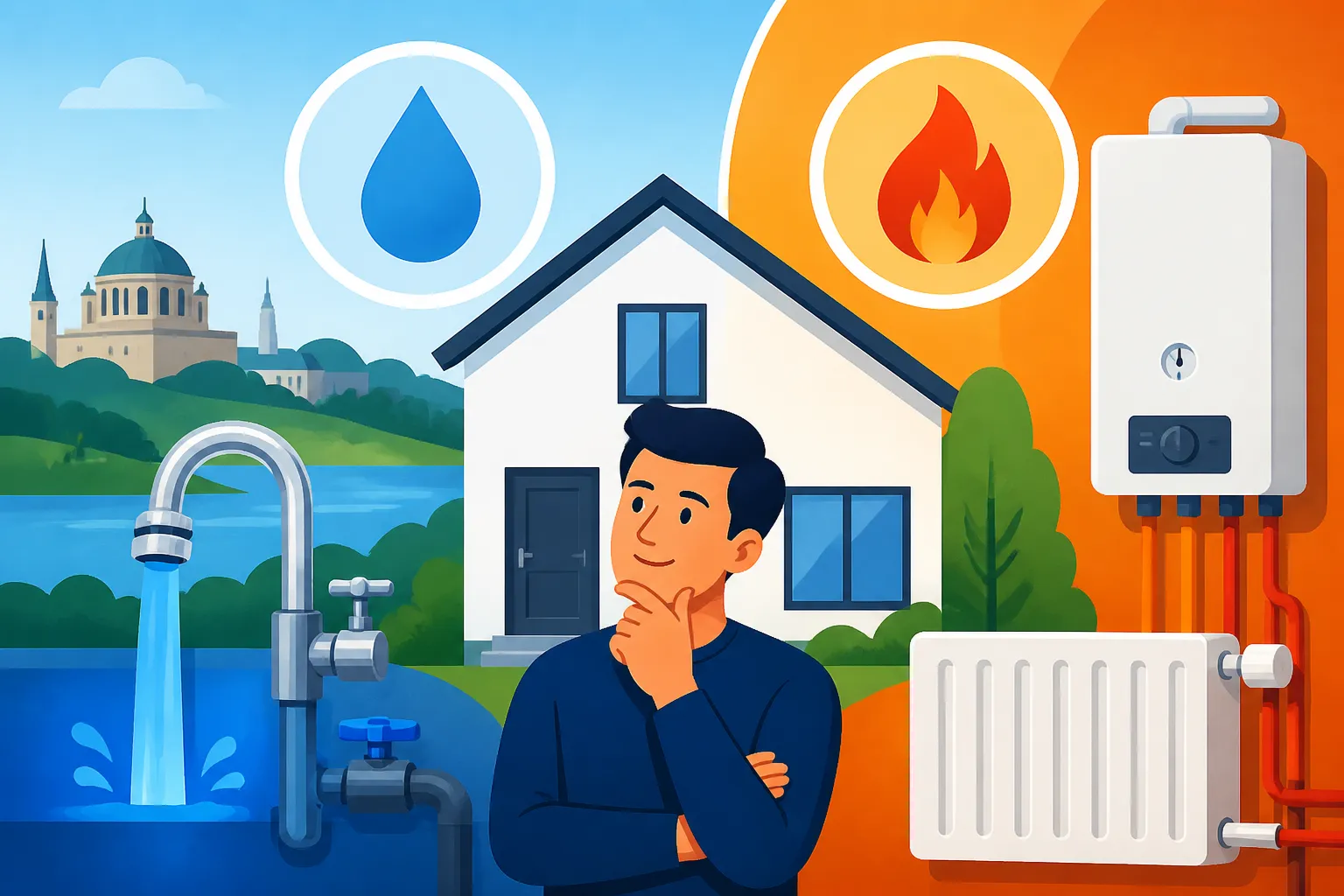
Just arrived in Serbia, got your apartment keys, and now you're staring at the fuse box or a radiator, wondering where to even begin with setting up water and heating? You're not alone. It's one of those initial administrative hurdles that can feel utterly overwhelming, especially when you're still grappling with a new language and a different system. This guide is here to walk you through exactly how to set up water and heating in your new Serbian home, making sure you stay warm and well-hydrated without a bureaucratic meltdown.
Deciphering Serbia's Utility Scene What You Need to Know First
Stepping into the world of Serbian utilities can feel a bit like learning a new language itself, even if you’re perfectly fluent in Serbian. The systems are established, sometimes a little old-school, and definitely have their own quirks. It’s not always as straightforward as just calling one number and getting everything connected. You really need to understand the lay of the land to avoid unnecessary headaches.
The Local Reality Central Heating vs Individual Solutions
One of the biggest differences you’ll encounter, especially if you’re coming from a country where central heating is standard across the board or individual heating is always tenant-controlled, is Serbia's mixed approach.
In major cities like Belgrade or Novi Sad, particularly in apartments built from the mid-20th century onwards, you'll most likely find yourself in a building connected to the city's district heating system. This means your heating is centrally managed by a public utility company, like Beogradske Elektrane for Belgrade. You don't have individual control over turning it on or off for the entire building, though you can adjust radiators in your own flat. The heating season typically runs from mid-October to mid-April, depending on outside temperatures. While this sounds convenient because you don't have to worry about maintenance, it also means you're paying for heating even if you're away, and you have no say in when it starts or ends. It's a system designed for urban density, and it generally works well, providing consistent warmth during the chilly Serbian winters. Your monthly heating bill will often be a fixed component of your "Infostan" bill, which we'll dive into shortly.
However, it's not universal. Many newer buildings, particularly those constructed in the last 15-20 years, and certainly older detached houses, will have individual heating solutions. This is where things get a bit more varied:
- Gas Heating: If your property is connected to the gas grid, you might have a gas boiler providing both heating and hot water. This offers much more control over your consumption and temperature, which is a huge plus for many expats. You pay for what you use, and you can set your thermostat exactly how you like it. However, setting up a new gas connection or transferring an existing one involves dealing with the local gas distributor (e.g., JP Srbijagas or local subsidiaries), which can involve paperwork, inspections, and a bit of a wait.
- Electric Heating: This is very common, especially in apartments not on central heating or in older homes. Options include:
- Storage Heaters (TA peći): These old-school heaters charge up using cheaper night-time electricity tariffs and release heat during the day. They’re effective but can be bulky and require a bit of planning to use efficiently.
- Inverter Air Conditioners (Inverter klime): Many Serbians use modern inverter AC units for heating during colder months, especially in shoulder seasons, because they are energy-efficient. You'll often see one or two in key rooms.
- Electric Panel Heaters: These are straightforward electric radiators, offering instant heat but can be more expensive to run than inverters if used constantly.
- Underfloor Heating: Less common, but some luxury new builds might have electric underfloor heating.
- Wood/Pellet Stoves: Predominantly found in houses, especially outside city centres. This offers independence but requires sourcing fuel and managing the stove. It's less relevant for city apartment dwellers, but important to note if you're looking at a house.
The key takeaway here is to clarify exactly what type of heating your potential rental or purchased property has before you even sign a contract. Don't assume anything. If you've just moved to Serbia and are still unpacking boxes from a big international move, perhaps managed with the help of services like Sirelo, setting up utilities is probably low on your list of fun activities. But it's essential, and understanding how it works before the cold weather hits, or you desperately need a hot shower, will save you a lot of stress.
Water Supply and Billing The Basics
Unlike heating, water supply across Serbia is fairly consistent: it's managed by local public utility companies. In Belgrade, that's JKP Beogradski Vodovod i Kanalizacija. In Novi Sad, it's JKP Vodovod i Kanalizacija Novi Sad, and so on. These public companies are responsible for supplying clean drinking water to your tap and managing wastewater.
For apartments, your water consumption is almost always included in your monthly "Infostan" bill. This means you won't have a separate bill from the water company directly. The building usually has a main water meter, and the total consumption is then divided among apartments, sometimes based on individual sub-meters if installed, or more commonly, based on apartment size or number of residents. This is another reason why clarifying your living situation and understanding the "Infostan" system is so critical.
If you live in a detached house, or occasionally in some smaller apartment buildings, you might have an individual water meter and receive a separate bill directly from the local water utility company. In this scenario, you'd typically be responsible for transferring the contract into your name and providing regular meter readings.
The good news is that Serbian tap water is generally safe to drink in most areas, especially in cities. So, you won't have to factor in bottled water costs unless you prefer it for taste or specific health reasons.
Your Step-by-Step Playbook for Water and Heating Connections
Alright, let's get down to brass tacks. How do you actually get these things sorted once you've found your new pad? The process differs quite a bit depending on whether you're in an apartment with central services or a house with individual setups.
For Apartments with Central Heating and Public Water
This is the most common scenario for expats in cities. The magic word you need to learn is "Infostan."
Understanding the Infostan System and Its Role
"Infostan" (pronounced In-fo-stahn) is a fascinating beast. It's the integrated billing system for communal services, primarily used in larger municipalities like Belgrade. Instead of getting separate bills for water, central heating, building maintenance, waste collection, and land usage fees, you get one consolidated bill from JKP Infostan Tehnologije. This simplifies things immensely, but it also means you can't easily opt out of certain services. Your water and central heating charges will be listed as separate line items on this single bill.
The beauty of Infostan for a new tenant is that the infrastructure is already there. You're not "setting up" a new connection in the way you would be with, say, a brand-new internet line. Instead, you're transferring the responsibility for paying the existing services from the previous occupant (or landlord) to your name.
The Transfer Process: Your Landlord's Role and Your Contribution
This is where your landlord becomes your best friend (or sometimes, your biggest hurdle). In nearly all cases, your landlord is the one who initiates and handles the transfer of the Infostan account into your name. This is because the Infostan account is tied to the property, not solely to the individual resident.
Here's the general process:
- Rental Agreement and Beli Karton: First things first, you need a properly drafted and often notarized rental agreement. This is non-negotiable for proving your right to reside at the address. Also, ensure your landlord has registered your address with the police, providing you with a beli karton (white card) or confirmation of residence registration. This document is essential for almost any administrative task in Serbia, including utility transfers. You can read more about it in our guide on How to Register Your Address (Prijava) with the Police in Serbia.
- Landlord Initiates Transfer: Your landlord will typically go to a local Infostan office or, increasingly, use the online portal if they are registered for it, to register you as the new tenant. They will need:
- Your personal details (name, passport number, potentially your Serbian tax ID – PIB if you have one).
- The rental agreement.
- Proof of ownership for the apartment.
- Sometimes, your beli karton or a copy of your residence registration.
- Your Confirmation: While the landlord does the heavy lifting, you might need to accompany them, or provide signed authorizations. It's rare for an expat to manage this solo from start to finish without significant Serbian language skills and local knowledge. Your main role is to ensure it gets done and that your name appears on future bills, which helps prevent disputes later.
- First Bill in Your Name: Once the transfer is complete, future Infostan bills will arrive either physically at the apartment or electronically, with your name on them (or sometimes both the landlord's and yours, depending on how it's registered). It's crucial that you receive these bills. If you’ve moved in recently and no bills have arrived, proactively ask your landlord to follow up with Infostan. Don't let unpaid bills accumulate. You can find more comprehensive details on general utility setup in The Expat Guide to Setting Up Utilities (Electricity, Water, Heating) in Serbia.
Paying Your Infostan Bill
Once you have the bill, paying it is relatively simple:
- Post Office (Pošta): The most traditional and still widely used method. Just take your bill to any Serbian Post Office branch.
- Banks: Most banks will process utility payments, often with lower fees than the post office. You can do this at the counter or via their mobile banking apps if you have a Serbian bank account.
- Online Banking: If you have a Serbian bank account with online banking, you can usually pay Infostan directly through your app, often by scanning the QR code on the bill. This is by far the most convenient method once you're set up. For information on setting up your finances, refer to The Expat Guide to Opening a Bank Account in Serbia.
For Homes with Individual Heating and/or Separate Water Bills
This scenario gives you more control but also more responsibility. It's more common for houses or newer, individually-heated apartments.
Gas Connection and Contracts
If your home uses gas for heating and/or hot water, you’ll be dealing with a local gas distribution company.
- Identify Your Provider: While Srbijagas is the national gas company, local distribution is handled by various regional entities (e.g., JP Novi Sad Gas for Novi Sad). Your landlord or previous owner should be able to tell you who the specific provider is for your address.
- Application for Transfer/New Connection:
- Transfer: If gas is already connected, you'll need to transfer the contract into your name. This typically involves submitting an application, your personal ID (passport), your residence permit (boravišna dozvola), the property title deed (or rental agreement), and the previous owner/tenant's details. You might also need to provide a recent meter reading.
- New Connection: If there's no gas connection, this is a much bigger undertaking, likely involving site visits, technical approvals, and significant installation costs. As a renter, this is almost certainly your landlord's responsibility and not something you'd tackle yourself.
- Signing the Contract: Once the application is approved, you'll sign a contract with the gas company. They'll explain the billing cycles (usually monthly, based on consumption) and payment methods.
- Meter Reading: You'll be responsible for providing meter readings, often monthly, either online, via phone, or sometimes a representative will visit. Make sure you understand how to read your gas meter accurately.
Electricity-Based Heating Management
If your heating is electric (storage heaters, inverter ACs, panel heaters), then your primary utility concern will be your electricity bill, issued by Elektroprivreda Srbije (EPS). While your landlord should ensure the electricity connection is in order, understanding your consumption is key to managing costs.
- Verify Connection and Capacity: Ensure the electrical installation is adequate for the heating appliances. Old buildings might have less robust wiring.
- Understand Tariffs: Serbia has a tiered electricity tariff system, with different prices for "peak" (daytime) and "off-peak" (nighttime) hours, and increasing prices as your consumption goes up. Using storage heaters to charge during off-peak hours can save money.
- Bill Transfer: Similar to Infostan, your landlord will typically arrange the transfer of the EPS account into your name. You'll need your ID, residence permit, and rental agreement.
- Payment: EPS bills can be paid at post offices, banks, or via online banking. Understanding your monthly electricity consumption and costs is vital, as electric heating can significantly impact your budget. Our guide on How Much Does Electricity Cost per Month in Serbia? can offer more insights.
Separate Water Contracts
If you're in a house, or an apartment not covered by Infostan for water, you'll have a direct relationship with the local water utility.
- Contact Local Water Utility: Find the contact information for your city's water and sewage company (e.g., JKP Beogradski Vodovod i Kanalizacija).
- Transfer/New Contract: You’ll need to apply to transfer the existing contract or establish a new one. Required documents will be similar to gas or electricity: ID, residence permit, rental/property ownership documents, and potentially the last meter reading.
- Meter Reading and Billing: You'll have an individual water meter, and you'll typically be responsible for submitting monthly readings. Bills will then be generated based on your actual consumption.
Practical Tips and Common Pitfalls for Expats
Navigating Serbian bureaucracy, especially when it comes to utilities, can be a test of patience. But armed with the right approach and a few insider tips, you can make the process much smoother.
Navigating Bureaucracy and Language Barriers
This is often where the real challenge lies. Serbian administrative procedures can be less digitized and more reliant on physical presence and paper documents than you might be used to.
- Patience is a Virtue (and a Necessity): Things might take longer than expected. Embrace the Serbian pace. Don't go to any government office expecting a quick, seamless process. Go prepared for a wait.
- Bring a Serbian Speaker: Unless your Serbian is fluent, always try to bring a Serbian friend, colleague, or a professional translator/assistant with you to any utility office. The staff, while often helpful, may not speak English, and miscommunication can lead to significant delays. Even if you're quite proficient, the specific jargon used in official contexts can be tricky.
- Document, Document, Document: Keep copies of everything – your rental agreement, beli karton, any applications, receipts, and especially previous utility bills. If there's a dispute, having a paper trail is invaluable. This also applies to internal communication within your household, particularly if you are considering bringing in external services. You might be relying on your mobile phone for communication during this period, and an eSIM from providers like Airalo can ensure you stay connected without roaming charges while you sort out local SIMs and home internet.
- Verify Information: If you're told something in an office, try to get it in writing or confirm it with another source if possible. Verbal instructions can sometimes be misinterpreted or change.
- Understanding Your Bill: The Infostan bill, or any individual utility bill, can look daunting. Take the time to understand each line item. If your landlord is helping, ask them to explain it to you. Knowing what you're paying for prevents surprises.
Understanding Costs and Bill Management
Understanding the costs associated with utilities in Serbia is crucial for budgeting your monthly expenses. The Complete Guide to Cost of Living in Serbia for Expats (2026) provides a broader overview, but here's a utility-specific breakdown.
Typical Costs
- Central Heating: For apartments, this is usually the most significant portion of your winter Infostan bill. It’s a fixed cost, regardless of how much you personally use your radiators (unless you have calorimeters installed, which is rare in older buildings). Expect it to be substantial in winter.
- Water: For Infostan-covered apartments, water is generally a smaller, manageable part of the bill. For houses with individual meters, it depends entirely on your usage.
- Gas: If you have individual gas heating, your costs will vary wildly based on usage, insulation, and the size of your home. Gas can be cheaper than electricity for heating large spaces if used efficiently.
- Electricity: Besides heating, electricity covers all your other appliances, lighting, and hot water if you have an electric boiler (bojler). As mentioned, Serbia has tiered tariffs. Your electricity bill will have multiple lines for "high tariff" (viša tarifa) and "low tariff" (niža tarifa) consumption, indicating peak and off-peak usage. Managing electric heating wisely by utilizing off-peak hours can make a huge difference. You can read more in depth on How to Set Up Electricity (EPS) in Your Serbia Home.
Optimizing Usage
For individual heating systems (gas or electric), smart usage is key:
- Insulation: Good window and door seals, and general insulation, are your best friends for reducing heating costs.
- Thermostats: Use programmable thermostats to heat your home only when you need it.
- Inverter ACs: If you have them, use modern inverter AC units for heating. They are significantly more efficient than standard electric radiators for mid-range temperatures.
- Night Tariffs: For electric heating, try to maximize heating during the cheaper night tariff hours (typically 11 PM to 7 AM).
Bill Management and Online Portals
While physical payments at the post office or bank are common, most utility companies are slowly improving their online portals for checking balances and paying bills. However, these portals can be clunky, often only available in Serbian, and require registration with a local tax ID (PIB) or social security number (JMBG). If your landlord has set up online access for you, it's a huge convenience. Otherwise, keep track of due dates and pay promptly to avoid penalties.
What to Do in Case of Problems
Even with everything set up, issues can arise. Knowing who to call and what to do can save you a lot of stress.
- First Point of Contact: Your Landlord: For any utility issue in a rental property – a leak, no heating, electricity outage – your very first call should always be to your landlord. They are ultimately responsible for the property's infrastructure and will know the specific contacts for the building or utility company. They might also have a maintenance person they regularly use.
- Reporting to Utility Companies: If your landlord is unresponsive or you live in your own home, you'll need to contact the relevant utility company directly.
- Water Leaks/Issues: For major water main breaks or issues affecting multiple properties, call JKP Beogradski Vodovod i Kanalizacija (or your local equivalent). Their emergency numbers are usually 24/7. For internal leaks within your apartment, a plumber is needed (again, your landlord usually arranges this).
- Heating Problems (Central): For issues with central heating in winter, contact Beogradske Elektrane (or your local equivalent). If only your radiator isn't working, it might be a building-specific issue, and your landlord or building manager (upravnik zgrade) should be informed.
- Electricity Outages: For widespread power outages, check the EPS website or local news for announcements. For issues specific to your apartment (e.g., tripping breakers), first check your fuse box. If the problem persists, you'll need an electrician, which your landlord will typically arrange.
- Gas Leaks: This is an emergency. If you smell gas, evacuate immediately and call your local gas distribution company's emergency line.
- Emergency Numbers: While Serbia uses the general European 112 emergency number, direct lines for specific emergencies are often quicker for utility problems. For example, for a general medical emergency, you'd call 194 for an ambulance. For a water emergency, you'd call the specific water utility. Always ask your landlord for a list of relevant emergency numbers for your area and utilities.
- Documenting Problems: Take photos or videos of any damage or malfunction. Keep a log of whom you called, when, and what was discussed. This creates a solid record if further action is needed.
Remember, the goal isn't just to get the utilities working, but to understand the system well enough to manage them effectively and confidently. It's a learning curve, but one that every expat in Serbia has navigated.
Here's a quick comparison of heating types:
| Feature | Central Heating (Infostan) | Individual Gas Heating | Individual Electric Heating (AC/Panel) |
|---|---|---|---|
| Control | Limited; building-wide schedule | High; thermostat control | High; direct control per unit |
| Cost Basis | Fixed monthly fee (part of Infostan) | Variable; based on consumption | Variable; based on consumption & tariff |
| Setup Process | Transfer name on Infostan bill (landlord) | Transfer/new contract with gas distributor | Transfer electricity bill (landlord/EPS) |
| Maintenance | Handled by utility company | User/landlord responsible for boiler | User/landlord responsible for units |
| Availability | Common in city apartments | Common in houses, some new apartments | Widespread, especially outside central heating |
| Fuel Source | City-supplied hot water/steam | Natural gas | Electricity (EPS) |
| Pros | Consistent warmth, no personal maintenance | Full control, often efficient for larger spaces | Flexible, easy to install, spot heating |
| Cons | No off-season heating, fixed cost | Installation cost, requires gas connection | Can be expensive if not used efficiently |
Disclaimer
The information provided in this guide is for general informational purposes only and does not constitute professional advice. While we strive to keep the information accurate and up-to-date, utility procedures and regulations in Serbia can change. Always consult with your landlord, a local real estate agent, or the relevant utility companies directly for the most current and specific advice pertaining to your situation.