How Do I Find a Pediatrician in Belgrade?
Moving to a new country like Serbia with children brings a whole new layer of administrative challenges, and one of the most pressing concerns for any expat parent is ensuring their little ones have access to quality healthcare. Finding a pediatrician in a foreign city, especially Belgrade, can feel like navigating a maze of unfamiliar systems, language barriers, and differing medical practices. This guide aims to demystify the process, walking you through everything you need to know to secure excellent pediatric care for your child in Serbia's capital.
Understanding the Serbian Pediatric Care Landscape in Belgrade
When you first arrive in Belgrade with your family, the healthcare system can seem a bit opaque. It’s not just about finding a doctor; it’s about understanding the underlying structure that dictates how you access medical services for your children. Serbia operates on a two-tiered system: public and private healthcare. Both offer pediatric services, but they come with very different experiences and implications for expats.
Public vs. Private Pediatric Care: What to Expect
The public health system in Serbia is primarily run through the Republic Health Insurance Fund (RFZO) and is often your first point of contact for routine medical care. For children, this means visiting a Dom Zdravlja, which is a community health center. Within each Dom Zdravlja, there's a dedicated children's department with pediatricians, nurses, and vaccination services. The public system, while comprehensive in its coverage if you're registered with the RFZO, can sometimes feel bureaucratic. You might encounter longer wait times for appointments, less flexible scheduling, and staff who may not always speak English, especially outside of central Belgrade. However, for those fully integrated into the Serbian social security system, public pediatric care is incredibly cost-effective, with most services being covered or requiring only minimal co-payments.
On the other hand, Belgrade also boasts a thriving private healthcare sector. Private clinics and hospitals, such as Medigroup, Bel Medic, and Euromedik, often offer a more streamlined experience. You'll typically find shorter wait times, state-of-the-art facilities, and a higher probability of encountering English-speaking medical professionals. This can be a huge relief for expat parents trying to communicate complex medical information about their child in a non-native language. Of course, this convenience comes at a higher cost, and you'll either be paying out-of-pocket or relying on a private health insurance plan to cover these expenses. Many expats, especially those initially settling in or those whose employers provide comprehensive private insurance, find the private route offers immediate peace of mind and accessibility.
It's completely normal to feel a bit overwhelmed when trying to decide between these two options. Many expat parents find themselves weighing the benefits of lower costs in the public system against the comfort and ease of access offered by private clinics. Your decision will likely depend on your residence status, your health insurance coverage, and your personal priorities.
Navigating the Dom Zdravlja System for Children
If you decide to go the public route – which is often necessary if you're employed and contributing to the Serbian social security system – understanding the Dom Zdravlja is crucial. A Dom Zdravlja is essentially your local polyclinic, designed to provide primary healthcare services to residents in a specific area. For children, you'll be looking for the pedijatrija (pediatrics) department.
The cornerstone of public pediatric care is selecting an "izabrani lekar," or chosen doctor, for your child. This will be their primary pediatrician within the Dom Zdravlja system, responsible for everything from routine check-ups and vaccinations to managing illnesses and providing referrals to specialists. To get this set up, your child first needs to be registered with the RFZO. This process usually goes hand-in-hand with the parents' RFZO registration, particularly if one parent is employed in Serbia. Once registered, you can visit the chosen Dom Zdravlja in your neighborhood and inquire about available pediatricians who are accepting new patients. Often, recommendations from local expat groups can be invaluable here, helping you find a pediatrician with a good reputation or at least a kindly disposition, even if they don't speak perfect English.
Appointments at a Dom Zdravlja are typically made in advance, either in person or over the phone. While most centers operate during standard weekday hours, some may have extended shifts or weekend coverage for urgent cases, known as a dežurna služba. Be prepared for potentially longer waiting times, even with an appointment, as the public system can get very busy. While some larger Dom Zdravlja branches in central Belgrade might have a few English-speaking staff members, it's not guaranteed. Bringing a friend who speaks Serbian or having a translation app ready can make a world of difference during these visits. The public system forms the backbone of The Complete Guide to Healthcare in Serbia for Expats (2027) and is an essential part of understanding How Serbia's Health System Works: The RFZO and Private Care Explained (2027).
Step-by-Step Guide to Finding a Pediatrician in Belgrade
The thought of finding a doctor for your child in a new country can trigger immediate panic. However, by breaking it down into manageable steps, you'll find the process becomes much clearer. Whether you opt for public or private care, a structured approach will save you time and alleviate stress.
Initial Steps: RFZO Registration and Required Documents
If you plan to utilize Serbia's public healthcare system for your child, registering with the RFZO is your absolute first port of call. This critical step ensures that your child is recognized within the national health insurance scheme, granting them access to most public pediatric services. Generally, children's RFZO registration is linked to one of the parents' registrations. This means that if you, as a parent, are already registered with the RFZO through your employment, adding your child should be a subsequent, albeit sometimes equally bureaucratic, step.
To register your child, you'll typically need a few key documents. The child's birth certificate is paramount, and if it's not issued in Serbia, it will need to be apostilled (if your home country is a signatory to the Hague Apostille Convention) and officially translated into Serbian by a sworn court translator. You'll also need copies of the parents' residence permits (or the Single Permit for Work and Residence in Serbia), proof of address in Belgrade, and the RFZO cards of the parents. Navigating this can feel like a marathon of paperwork, and many expats validate the frustration of juggling documents. It’s worth noting that securing your child’s RFZO registration is part of the broader process of How to Register with the Republic Health Insurance Fund (RFZO) in Serbia and then How to Register with the RFZO and a GP in Serbia (2027).
While you're working through the RFZO paperwork, or if you're not yet eligible for public healthcare, having a robust international health insurance plan can be a lifesaver. Many expats choose providers like SafetyWing for their flexibility and comprehensive coverage, which can bridge the gap or serve as a primary insurance for private clinic visits. This ensures your child is covered for any unforeseen medical needs while you're getting settled.
Researching and Choosing Your Pediatrician
Once the administrative groundwork is laid (or you've decided to go fully private), the real search for a pediatrician begins. This stage requires a bit of detective work and relying on resources available to the expat community.
For those pursuing public healthcare through a Dom Zdravlja, your research will be slightly different. First, identify the Dom Zdravlja closest to your Belgrade residence. For example, if you live in New Belgrade, you might look at the Dom Zdravlja Novi Beograd. If you're in the city center, options like Dom Zdravlja Stari Grad or Vračar might be suitable. Once you've identified a few options, you can visit in person or call to inquire about which pediatricians are currently accepting new patients. This is where the invaluable resource of word-of-mouth comes in: connect with other expat parents in Belgrade. Facebook groups like "Expats in Belgrade" or "Belgrade Mums" are treasure troves of personal recommendations and shared experiences, helping you find a doctor who is known to be empathetic and thorough.
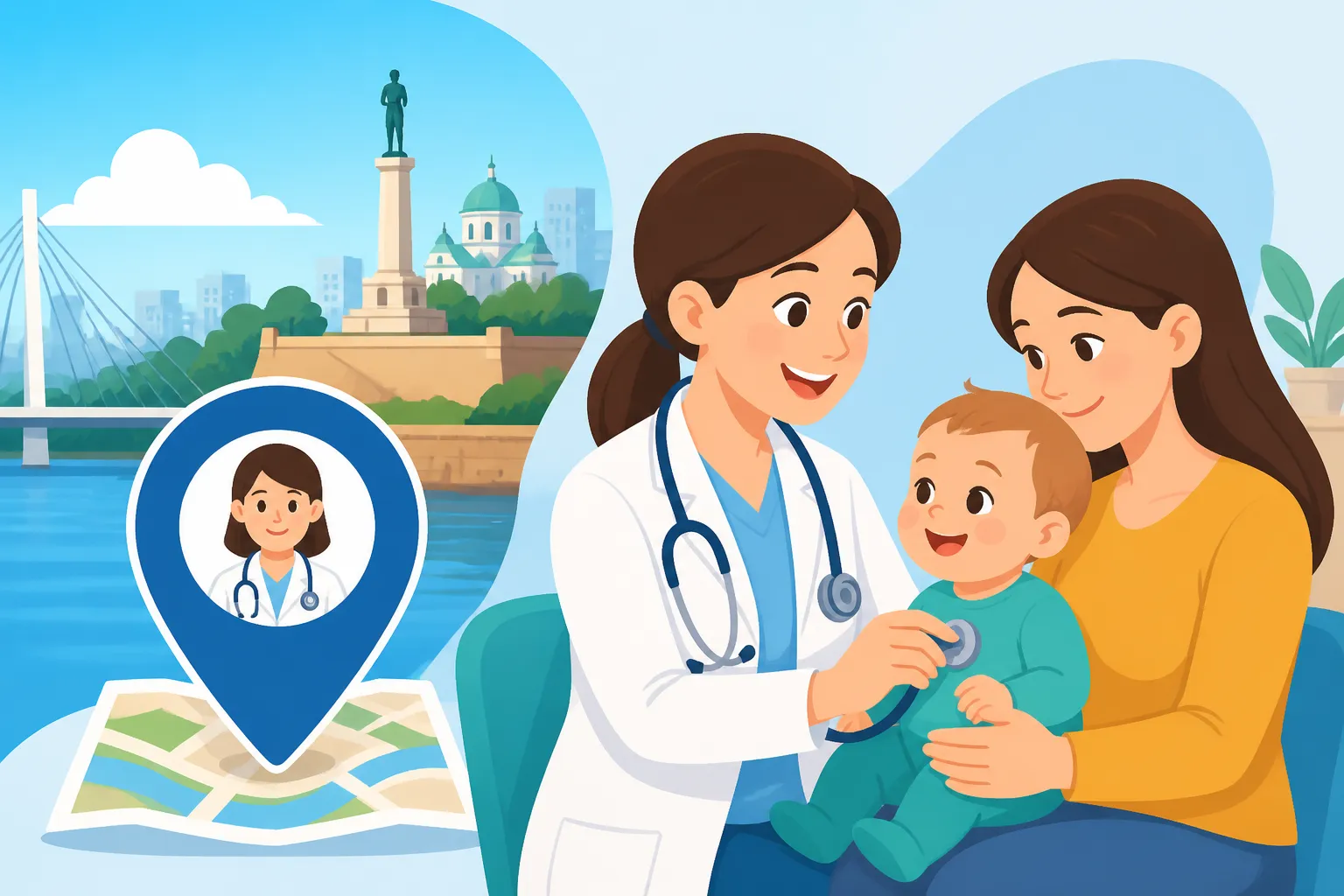
If you're leaning towards private care, your options widen significantly. Belgrade has several well-regarded private medical institutions with excellent pediatric departments. Clinics like Bel Medic, Medigroup, Euromedik, and Analife are frequently mentioned by expats for their modern facilities and often English-speaking staff. A simple online search on Google Maps for "pedijatar Beograd" or "pediatrician Belgrade" will yield numerous results. Dive into their websites to see doctor profiles, services offered, and patient testimonials. Again, expat forums and personal recommendations are gold. You might hear positive reviews about Dr. [Specific Doctor Name] at [Specific Clinic Name] for their gentle approach or their ability to communicate clearly in English. When making your choice, consider factors like the clinic's location relative to your home or work, the pediatrician's specific areas of expertise, their reputation, and, critically for expats, their language proficiency.
The First Appointment and What to Ask
So, you've narrowed down your choices and booked that crucial first appointment. This is your opportunity to not only introduce your child to their new doctor but also to gather vital information and ensure the pediatrician's approach aligns with your family's needs and values.
When you go for the first visit, make sure to bring all of your child's existing health records. This includes their previous vaccination history, any records of chronic conditions, past illnesses, allergies, and growth charts. If these documents are not in Serbian or English, try to get them translated beforehand. This will give the new pediatrician a comprehensive overview of your child's medical background and help them understand their health journey so far. This is important for Understanding Childhood Vaccination Schedules in Serbia as well.
This initial consultation is also your chance to ask some crucial questions. Don't be shy – this is about your child's health and your peace of mind. Here are some key things you might want to inquire about:
- Philosophy of Care: What is their general approach to pediatric care? Are they more conservative or open to discussing alternative treatments?
- Emergency Procedures: What should you do in a pediatric emergency outside of regular office hours? Do they have an after-hours line, or do they recommend a specific emergency clinic? Knowing about Emergency Medical Care in Serbia: What Every Expat Needs to Know is vital here.
- Communication Methods: How can you contact them with non-urgent questions? Do they use email, a portal, or prefer phone calls?
- Availability for Consultations: How easy is it to get a same-day or urgent appointment if your child suddenly falls ill?
- Vaccination Schedule: How do they align with international vaccination schedules, especially if your child started their vaccinations abroad?
- Referral Process: How do referrals to specialists work within their system? (This is especially pertinent for the public system, as explained in How Specialist and Hospital Referrals Work in Serbia).
This initial meeting is not just about the child; it’s about establishing trust and a good rapport with the person who will be a key figure in your child’s health in Serbia.
Practicalities and Common Concerns for Expat Parents
Beyond simply finding a doctor, expat parents often face a unique set of challenges related to language, emergencies, and documentation in a new healthcare system. Addressing these practicalities upfront can significantly reduce stress in the long run.
Language Barriers and Communication
Let's be honest: the language barrier is probably one of the biggest anxieties for expat parents in Serbia. Explaining a child's symptoms, understanding medical instructions, and asking probing questions can be incredibly difficult when you're not fluent in Serbian. In the public Dom Zdravlja system, while staff are generally kind, English proficiency can be hit or miss. This often leads to situations where you're relying on gestures, simple words, or desperately hoping for a younger staff member to help translate.
One strategy to overcome this is to learn some basic medical phrases in Serbian. Even a few key words can make a difference. Using translation apps on your phone during appointments can also be a helpful tool, though they are not always perfect for nuanced medical discussions. However, your best bet, especially for more serious concerns, is to seek out an English-speaking doctor. This is where private clinics truly shine. Many private pediatricians in Belgrade are well-educated and have often had international training or experience, meaning they are much more likely to be fluent in English. When you're researching potential pediatricians, don't hesitate to ask directly about their English proficiency. Finding an English-speaking doctor in Serbia, particularly in Belgrade, is an increasingly common request among the expat community, and resources exist to help you find them, as discussed in How to Find an English-Speaking Doctor in Serbia. This ensures clear communication, which is absolutely essential when your child's health is on the line.
Emergency Pediatric Care and After-Hours Options
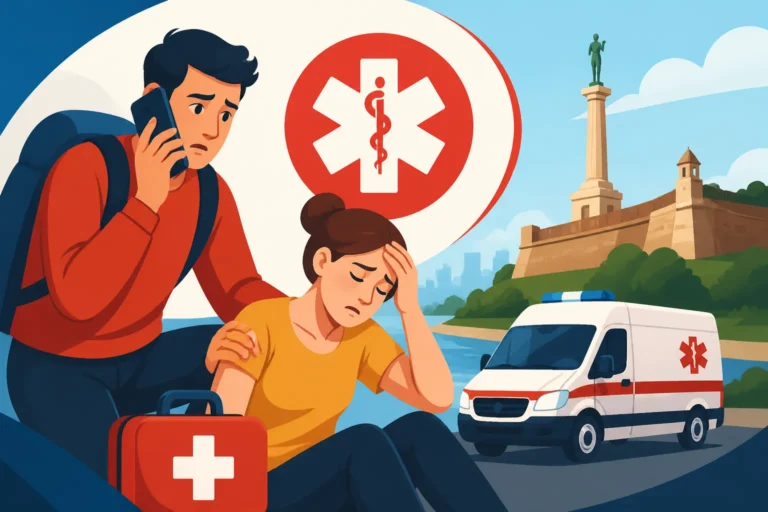
No parent wants to think about a medical emergency involving their child, but it's crucial to know what to do if one arises in Belgrade. For immediate, life-threatening emergencies, the primary number to call is 194 for an ambulance or 112 for general emergencies, which is the European standard. These services are equipped to handle urgent pediatric cases and will transport your child to the appropriate hospital, such as the University Children's Hospital in Tiršova or the Institute for Mother and Child Health "Dr Vukan Čupić."
For less severe but still urgent situations that occur after your pediatrician's regular hours, you have a couple of options. Public Dom Zdravlja centers usually have a dežurna služba (on-call service) that operates outside regular hours for urgent, non-life-threatening conditions. These are walk-in services, and while you might face longer waits, your child will be seen. Many private clinics also offer extended hours or have their own urgent care pediatric services. Some, like Bel Medic, have a dedicated emergency room or an on-call pediatrician available 24/7. It’s a good idea to clarify these emergency procedures with your chosen pediatrician during your first visit, so you’re not scrambling for information in a moment of panic. Having international travel health insurance, such as SafetyWing, can also be incredibly reassuring during emergencies, especially if you're still navigating the RFZO or need access to private emergency care.
Vaccination Schedules and Medical Records
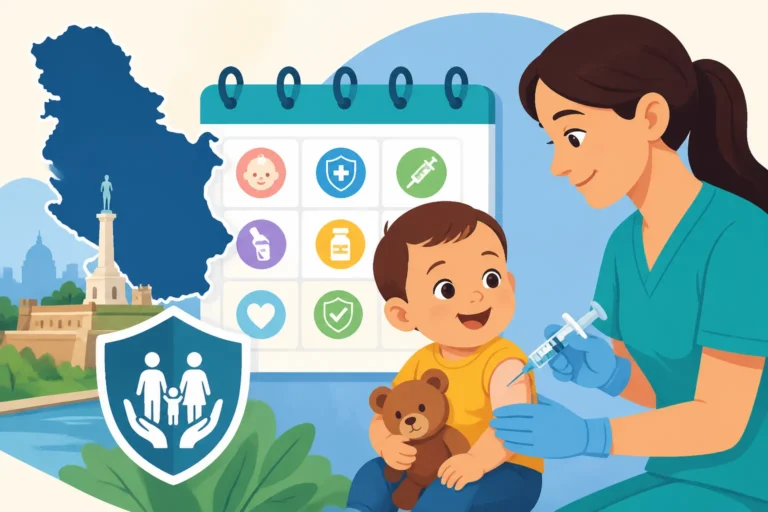
Keeping track of your child's vaccinations is a global concern, and Serbia is no exception. The country has its own mandated childhood vaccination schedule, which generally aligns with international standards but might have slight differences in timing or specific vaccines compared to your home country. When you move to Serbia, it's vital to present your child's complete vaccination records to their new pediatrician. If these records are not in English or Serbian, get them officially translated to ensure there's no confusion and that your child continues their immunization journey seamlessly. The pediatrician will review these records and advise you on any necessary catch-up vaccines or adjustments to the Serbian schedule.
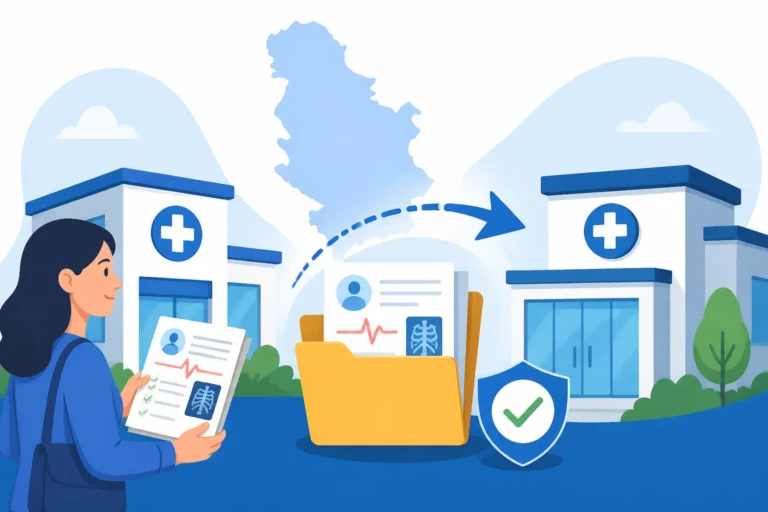
Regarding medical records, the public system in Serbia traditionally relies on physical "kartons" – paper medical folders kept at the Dom Zdravlja. While some digitalization is happening, be prepared for a paper-based system. Private clinics, however, are much more likely to use modern digital record-keeping systems, which can make accessing your child's history and sharing information between specialists much easier. Regardless of the system, always request copies of important reports, test results, and vaccination updates for your own records. This proactive approach can prevent future headaches, especially if you move again or need to share information with other healthcare providers.
Costs and Insurance Considerations
Understanding the financial aspects of pediatric care is as important as finding a good doctor. Serbia offers a unique blend of affordability in its public system and higher costs in the private sector, all of which are influenced by your insurance status.
Public Healthcare Costs for Pediatric Services
If your child is successfully registered with the RFZO, the good news is that the vast majority of essential pediatric services in the public system are covered. This includes routine check-ups, most vaccinations (which are mandatory and free for residents), basic consultations for common illnesses, and necessary prescriptions that are on the RFZO's approved list. You might encounter small co-payments (participacija) for certain services or medications, but these are typically nominal, usually a few hundred dinars. For example, a basic doctor's visit or a prescription might cost a symbolic amount if you are employed and contributing to social security.
However, it's important to understand that while the RFZO covers a broad spectrum, not everything is "free." Certain specialized tests, specific medications not on the RFZO list, or alternative therapies might require out-of-pocket payment, even within the public system. For a complete understanding of these nuances, delve into Understanding Out-of-Pocket Healthcare Costs and Co-Payments in Serbia. Still, for families on a budget, accessing care through the public Dom Zdravlja, once you've navigated the initial registration, can be incredibly cost-effective.
Private Healthcare Costs and Insurance Options
Private pediatric care in Belgrade offers convenience and often a higher level of service, but it comes with a significantly different price tag. A single consultation with a private pediatrician can range from 3,000 RSD to 6,000 RSD (approximately €25-€50), depending on the clinic and the doctor's experience. Specialized consultations or specific tests will naturally incur higher fees. Vaccinations, if not covered by public health or if you choose to get them privately, will also add up. For example, a specific vaccine not covered by the RFZO might cost several thousand dinars.
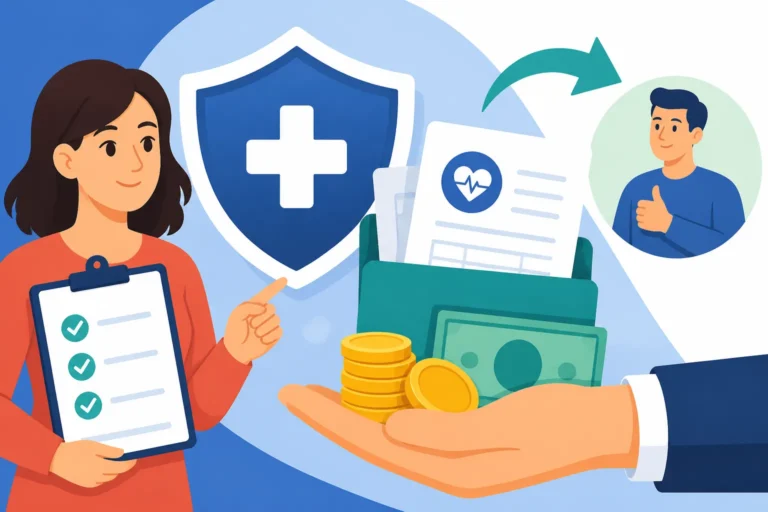
This is where private health insurance becomes incredibly important for many expat families. Several local and international providers offer plans tailored for individuals and families in Serbia. International plans like SafetyWing are popular among expats for their portability and comprehensive coverage, which can often include outpatient consultations, diagnostic tests, and even emergency care at private clinics. Some employers in Serbia also provide private health insurance as part of their benefits package, which is a huge bonus. Always check what your plan covers: does it include routine check-ups, vaccinations, specialist referrals, and emergency services? Understanding your policy in detail will prevent unexpected bills. More details on options can be found in Health Insurance in Serbia: RFZO, Private and International Options Explained.
Comparing Costs: A Quick Overview
To give you a clearer picture, here's a general comparison of common pediatric services between public and private systems, assuming you are fully registered with the RFZO for public care:
| Service | Public System (with RFZO) | Private System (out-of-pocket, without private insurance) |
|---|---|---|
| Routine Pediatric Check-up | Minimal co-payment (e.g., 50-200 RSD) | 3,000 – 6,000 RSD |
| Standard Childhood Vaccinations | Free | 4,000 – 10,000 RSD per vaccine (plus consultation fee) |
| Specialist Referral/Visit | Covered (after pediatrician referral, might have co-payment for specialist) | 4,000 – 8,000 RSD (per specialist visit) |
| Blood Test / Lab Work | Minimal co-payment or free (with referral) | 1,500 – 5,000+ RSD (depending on tests) |
| Emergency Pediatric Visit | Free at Dom Zdravlja dežurna služba / Hospital ER | 5,000 – 15,000+ RSD (depending on complexity) |
| Prescription Medications | Mostly covered/subsidized (RFZO list) | Full price (can be cheaper than in some Western countries) |
Note: These are estimated costs and can vary significantly based on clinic, location, and specific medical needs. RFZO coverage requires valid health insurance contributions.
The overall The Cost of Healthcare in Serbia: A Complete Breakdown for Foreigners (2026) illustrates that even private care here can be more affordable than in many Western countries, but the public system still offers the most budget-friendly option for routine care. Many families choose a hybrid approach, using the public system for regular check-ups and vaccinations while utilizing private clinics for urgent needs, second opinions, or when an English-speaking doctor is a priority. Ultimately, the best choice for your family will depend on your individual circumstances and financial planning.
Disclaimer
Please note that the information provided in this guide is for general informational purposes only and does not constitute medical, legal, or financial advice. Healthcare regulations, costs, and procedures in Serbia can change. Always consult with a qualified medical professional, legal expert, or financial advisor for advice tailored to your specific situation. While efforts have been made to ensure accuracy, we recommend verifying all critical information with official Serbian institutions or trusted local resources.