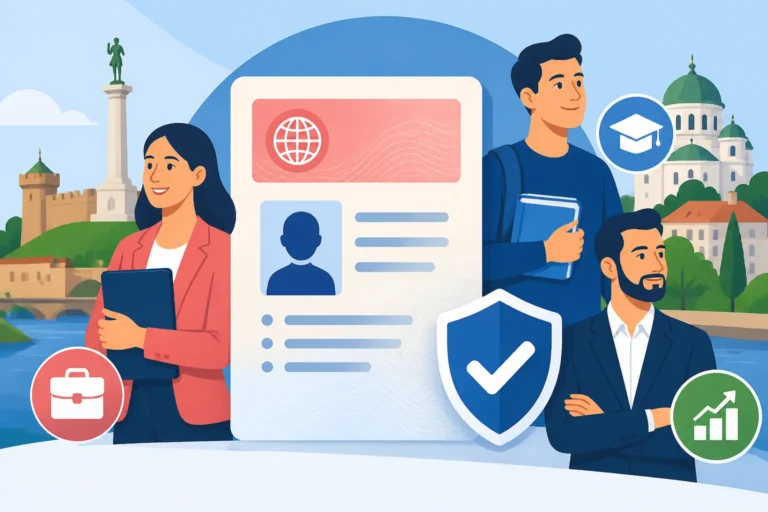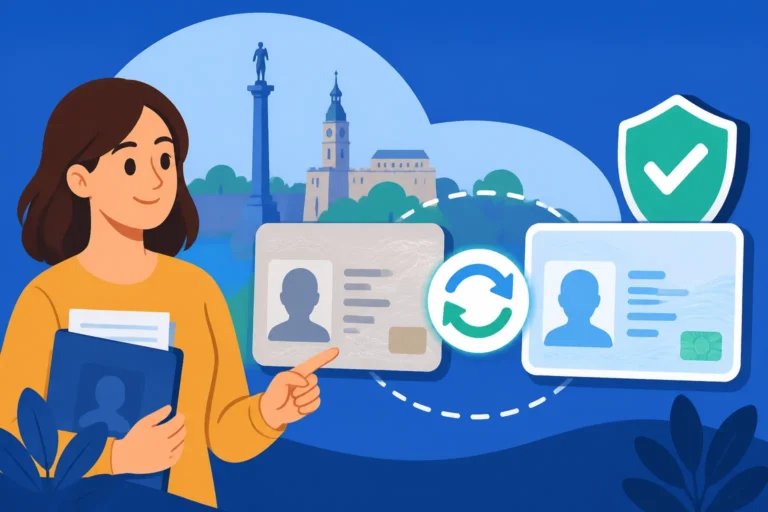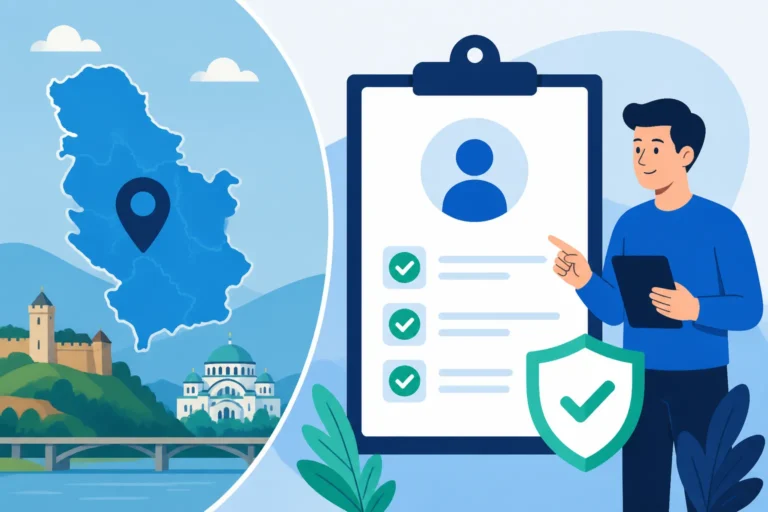
How Do I Get a Long-Term Residence in Serbia?
Navigating the Serbian immigration system to secure your long-term stay can feel like a daunting marathon, filled with paperwork, queues, and moments of utter confusion. This guide aims to demystify the process of obtaining an extended residence in Serbia, offering a clear, step-by-step roadmap for foreigners looking to build a life in this wonderful country.
Understanding Long-Term Residence in Serbia: Temporary vs. Permanent
When you first start researching "long-term residence" in Serbia, you might find yourself a bit perplexed by the terminology. In most countries, long-term residence often implies a single, extended status. Here in Serbia, however, it’s generally a two-stage process: you begin with Temporary Residence (Privremeni Boravak), which is then your pathway to Permanent Residence (Stalni Boravak). Think of temporary residence as your initial visa to truly live here, typically granted for one year and renewable, while permanent residence is the ultimate status for those committed to making Serbia their enduring home.
It’s crucial to understand this distinction from the outset, as the requirements, processes, and rights associated with each differ significantly. Many expats arrive with the hope of settling down for years, and while the initial temporary permit allows for that, the true security and integration come with permanent status. This staged approach allows both you and the Serbian authorities to establish your presence and commitment to the country over time.
What is Temporary Residence (Privremeni Boravak)?
Temporary residence, or Privremeni Boravak, is your first official step towards living in Serbia beyond the standard tourist visa-free period (usually 90 days within any 180-day period). It’s granted for a specific purpose, which forms the "grounds" for your stay. This permit is typically valid for one year and must be renewed annually, generally for the same duration. The key here is "temporary" – it means you have a legal right to reside, but it's not yet considered permanent integration.
The Privremeni Boravak is essential for everything from opening a bank account as a foreigner and signing long-term rental agreements to registering your children in school. Without it, you're essentially a tourist, limited in your ability to establish roots or conduct many day-to-day administrative tasks. For instance, to get certain utilities in your name or even sometimes to properly register at a local clinic, this permit is often a prerequisite. It’s the foundational document that unlocks your life here.
What is Permanent Residence (Stalni Boravak)?
Stalni Boravak, or permanent residence, is the ultimate goal for most expats planning a truly long-term future in Serbia. This status grants you significantly more rights and stability, akin to those of a Serbian citizen, though without the right to vote or hold public office. Once you have permanent residence, you no longer need to renew your permit annually (though your physical ID card will still have an expiry date and needs to be updated). It removes a huge administrative burden and provides a sense of security and belonging.
The path to permanent residence is earned through sustained temporary residence. This isn’t a quick win; it requires demonstrating a consistent presence and integration into Serbian society. It’s a testament to your commitment to the country and a recognition by the authorities that you are indeed a part of the fabric of life here. This includes showing financial stability and adherence to Serbian laws throughout your temporary residence period.
| Feature | Temporary Residence (Privremeni Boravak) | Permanent Residence (Stalni Boravak) |
|---|---|---|
| Duration | Typically 1 year, renewable annually | Indefinite, no annual renewal (card must be updated) |
| Eligibility | Specific grounds (work, study, property, family, etc.) | Requires prior continuous temporary residence (3 or 5 years) |
| Rights | Limited (e.g., requires annual renewal, specific purpose) | Enhanced (e.g., no annual permit renewal, broader rights) |
| Travel | Can travel, but continuous presence in Serbia required for renewal | Easier travel, less stringent presence requirements |
| Administrative Burden | High (annual renewals, document gathering) | Low (occasional card updates) |
| Integration Level | Initial phase of living in Serbia | Full integration into Serbian society |
The Foundation: Getting Your Initial Temporary Residence (Boravak)
Before you can even dream of permanent residence, you absolutely must secure your initial temporary residence permit. This is where everyone starts, and the specific route you take depends entirely on your reason for being in Serbia. The Ministry of Interior (MUP) is the main authority you’ll be dealing with for these applications. Trust me, the Serbian administrative system can sometimes feel like trying to solve a Rubik's Cube blindfolded, but with the right guidance, it's absolutely manageable.
Common Grounds for Temporary Residence
There are several pathways to obtaining your Privremeni Boravak, and understanding which one applies to you is the first critical step. Each ground has its own set of specific documents and conditions.
Employment (Work Permit/Single Permit)
This is by far the most common ground for expats. If you've landed a job with a Serbian company, your employer will typically assist in securing your work permit, which is now integrated into a "Single Permit for Work and Residence." This simplifies things considerably, as you no longer have to apply for two separate documents. The employer usually initiates the process through the National Employment Service. Once that's approved, you can apply for your residence permit. The documents generally include your passport, a copy of the Single Permit approval, proof of your address, and health insurance. For more detailed information, I highly recommend checking out How Do I Get a Residence Permit for Work in Serbia?.
Studying at a Serbian University
Serbia has become an increasingly popular destination for international students, thanks to its affordable education and vibrant culture. If you're enrolled in an accredited educational institution here, you can apply for temporary residence based on your studies. You'll need an acceptance letter from your university, proof of sufficient funds to cover your living expenses (usually a bank statement), and confirmation of your accommodation. This is a fantastic way to experience the country deeply, and you can learn more by reading How to Apply for a Student Residence Permit in Serbia.
Property Ownership
This is a route many foreign investors and retirees consider. Owning property in Serbia can be a basis for temporary residence, but it's not as simple as just buying an apartment. You need to demonstrate that the property is genuinely for your residence and that you intend to live in it. This usually means presenting your ownership deeds, proof of address registration at that property, and showing you have sufficient funds for living. It's a more passive way to secure residence compared to employment, but still requires fulfilling all other general criteria.
Family Reunification
For those joining a spouse, parent, or child who is already a Serbian citizen or holds a valid temporary/permanent residence permit, family reunification is the pathway. You'll need to provide documents proving your relationship (marriage certificate, birth certificate), the residence status of your family member, and often, their statement of support. This category is designed to keep families together, which is something I deeply appreciate about the Serbian system. Understanding How to Sponsor Your Spouse and Children for Residence in Serbia can make this process much smoother.
Entrepreneurship (Opening a Business)
Serbia actively encourages foreign investment and entrepreneurship. If you're looking to start your own business or register as a freelancer (like a preduzetnik operating under the pausal regime), you can apply for temporary residence based on your business activities. This requires registering your company or entrepreneurial activity with the Serbian Business Registers Agency, providing a business plan, and demonstrating financial viability. This route often leads to How to Register as an Entrepreneur (Preduzetnik) in Serbia which is a vital first step.
Essential Documents for Your Application
Regardless of your specific ground, there's a common set of documents you’ll need for almost any temporary residence application. Preparation is key here; don't leave anything to the last minute!
- Valid Passport: The original and a copy of the main page, plus any pages with entry stamps. Ensure it has at least six months validity beyond your intended stay.
- Completed Application Form: These are available at the MUP or can sometimes be downloaded online. Fill it out in Serbian.
- "White Card" (Prijava Boravka): This is your official registration of address with the local police, typically done within 24 hours of entering Serbia or changing address. It's an absolute must-have. Missing this step can cause major headaches. More details can be found in How to Register Your Address (Prijava) with the Police in Serbia.
- Proof of Accommodation: This could be a rental agreement, property ownership deeds, or a statement from your host.
- Proof of Sufficient Funds: Usually a bank statement from a Serbian bank or an international bank showing you have enough money to support yourself (around €250-300 per month). You’ll likely need to know How to Open a Bank Account at a Serbian Bank as a Foreigner for this.
- Health Insurance: This is mandatory. You'll need proof of private health insurance (many expats choose international providers like Cigna Global for comprehensive coverage) or, if you're employed, proof of registration with the Republic Health Insurance Fund (RFZO). Check out Health Insurance in Serbia: RFZO, Private and International Options Explained for a deeper dive into options.
- Reason for Stay: The specific documents proving your grounds (e.g., employment contract, university acceptance, property deeds, marriage certificate).
- Application Fee: Paid at a post office or bank, usually around 19,000 RSD for the application and biometric card.
- Photographs: Two recent passport-sized photos.
- Translated Documents: Any documents not in Serbian (like birth certificates or marriage certificates from your home country) must be officially translated into Serbian by a certified court interpreter. They often need to be apostilled in your home country first.
Gathering these documents can be tedious, but it’s a non-negotiable part of the process. One practical tip: make several copies of everything. You never know when you might need an extra!
The Application Process at the MUP
Once you have all your documents in order, you'll submit your application to the foreigner's department of the MUP (Ministry of Interior) in your city. In Belgrade, this is typically at Savska Street. Be prepared for potential queues and remember that patience is a virtue here. The officials are generally helpful, but they operate within a strict bureaucratic framework.
The MUP will review your application and documents. If everything is in order, they will issue you a receipt and inform you of the expected processing time, which can vary from a few weeks to a couple of months. While your application is pending, you are legally allowed to remain in Serbia, but you cannot typically leave and re-enter without issues unless you have a valid multi-entry visa. This interim period can be nerve-wracking, but it’s part of the journey. Once approved, you’ll be notified to pick up your biometric residence card.
The Path to Permanent Residence (Stalni Boravak)
Securing your temporary residence is just the beginning of your long-term journey. The real prize, for many, is Stalni Boravak – permanent residence. This offers unparalleled stability and simplifies your life immensely, removing the annual renewal hurdle. It’s a testament to your commitment to Serbia, and the authorities want to see that you’ve truly made this country your home.
The 3-Year and 5-Year Rules
Serbia has specific rules regarding how long you need to hold temporary residence before you can apply for permanent residence. This isn't a "one size fits all" situation, so pay close attention to your category:
- Three-Year Rule: This accelerated path is primarily for those married to a Serbian citizen. If you have been continuously married to a Serbian national and have held temporary residence for at least three consecutive years based on family reunification, you may be eligible to apply for permanent residence. This acknowledges the deep integration that comes with family ties.
- Five-Year Rule: For most other categories – including those on work permits, student permits (though student years often count differently or partially), property owners, and entrepreneurs – you will generally need to have held continuous temporary residence for a minimum of five years. "Continuous" is key here; significant breaks in your residence status can reset the clock.
It's vital to maintain your temporary residence without interruption during these periods. Any lapse, even a short one, could complicate your application for permanent status or force you to restart the countdown. For a thorough understanding of this timeline, I strongly recommend reading Understanding the 3-Year Requirement for Permanent Residence in Serbia.
Proving Your Integration and Stability
Applying for permanent residence isn't just about ticking off the years. The MUP wants to see evidence of your genuine integration into Serbian society and your financial stability. They are essentially looking for proof that you are a contributing member of the community and not a burden.
Financial Stability
You’ll need to demonstrate that you can financially support yourself and any dependents without relying on social assistance. This typically means providing bank statements, proof of employment (ongoing work contracts, pay slips), or evidence of a stable income from your business if you're an entrepreneur. They want to see consistent income over your years of temporary residence. If you've been working, they'll want to see your contributions to the national pension and health insurance funds, usually via your employer.
Accommodation
Proof of stable housing is another crucial factor. This could be your property ownership documents or a long-term rental agreement. The idea is to show you have a fixed address and aren't moving around constantly. It signifies a settled life here.
Language and Culture (Unofficial but Helpful)
While there isn't a mandatory Serbian language test for permanent residence, demonstrating an effort to learn the language and engage with local culture can significantly strengthen your case. Being able to communicate, understand local customs, and participate in community life shows genuine integration. I’ve found that even a few words of Serbian go a long way with the officials and locals alike!
Clean Record
Just like with temporary residence, you'll need a clean criminal record, both from Serbia and your home country (or any country you've lived in for an extended period). Any serious offenses will likely disqualify you from obtaining permanent residence.
The Permanent Residence Application Process
The application for Stalni Boravak is submitted to the MUP, similar to your temporary residence applications. The list of documents will be more extensive and scrutinised more carefully. You can expect to provide:
- Application Form: Again, in Serbian.
- Valid Passport: Original and copies.
- Current Temporary Residence Card: To prove your continuous stay.
- Evidence of Continuous Stay: Records of your previous temporary residence approvals.
- Proof of Financial Means: Bank statements, employment contracts, pay slips for the required period.
- Proof of Accommodation: Property deeds or rental agreements.
- Criminal Record Checks: From Serbia and your home country (and any country you lived in for more than 6 months during your temporary residence). These will need to be translated and apostilled.
- Birth Certificate, Marriage Certificate: If applicable, translated and apostilled.
- Application Fee: Again, paid at a post office or bank.
- Photographs: Recent passport-sized photos.
This process can be detailed, so preparing well in advance is essential. It’s also wise to consult with an immigration lawyer or specialist if you have any complex aspects to your case. The waiting period can be longer than for temporary residence, as the review is more thorough. Once approved, you will receive a permanent residence card, a momentous achievement after years of dedication. This is a big step towards potentially even pursuing How to Apply for Serbian Citizenship by Naturalisation down the line.
Maintaining Your Long-Term Status and Beyond
Congratulations, you've secured your Stalni Boravak! This is a huge milestone, but it's not entirely "set it and forget it." While you no longer face annual permit renewals, there are still a few things to keep in mind to maintain your hard-earned status and ensure your life in Serbia continues smoothly.
Renewing Your Permanent Residence Card
It's a common misconception that "permanent residence" means your card never expires. While your status is permanent, the physical biometric card itself has an expiry date, typically 5 or 10 years. You will need to renew this card before it expires. This process is much simpler than applying for the initial permit or even permanent residence itself. It primarily involves submitting an application, new photos, your old card, and paying a fee. It’s more of an administrative update than a full re-assessment of your eligibility. Just make sure to mark the expiry date in your calendar!
Travel and Absences from Serbia
One of the great advantages of permanent residence is increased flexibility with travel. Unlike temporary residence, where long absences could complicate renewals, permanent residents have more leeway. However, there are still limits. Generally, to maintain your Stalni Boravak, you should not be absent from Serbia for more than six consecutive months or twelve months cumulatively within a five-year period without prior notification and approval from the MUP. If you anticipate needing to be away for longer periods, it's crucial to inform the MUP in advance and seek specific permission to avoid jeopardising your status. They might grant this for valid reasons like extended work assignments, medical treatment, or study abroad.
Changing Personal Details
If your personal details change – such as your name (due to marriage or other legal reasons), passport number (when you get a new passport), or your address within Serbia – you are legally obligated to inform the MUP and update your residence card. This ensures their records are current and avoids potential issues down the line. For example, if you move from one apartment to another in Belgrade, you’ll need to register your new address (the "white card" process) and then update your permanent residence card to reflect the change.
The Role of Your Personal Tax ID (PIB) and Bank Account
Throughout your long-term stay, your Serbian Tax Identification Number (PIB) and your Serbian bank account will remain critical. Your PIB is necessary for all financial transactions, taxes, and often for interactions with government bodies. Your bank account is essential for managing your finances, receiving income, and paying bills. These elements are intertwined with your residency, proving your financial footprint and integration. You can find more information about these crucial aspects in How to Get a Tax ID (PIB) as a Foreigner in Serbia and How to Open a Bank Account at a Serbian Bank as a Foreigner.
Planning for the Future
Having permanent residence gives you a strong foundation to plan your future in Serbia. Whether that means continued employment, expanding your business, raising a family, or enjoying retirement, the administrative hurdle of residency is largely behind you. It also opens up the possibility of applying for Serbian citizenship after a certain number of years, typically after holding permanent residence for at least three years, provided you meet other criteria like language proficiency and renouncing your previous citizenship (if your home country doesn't allow dual citizenship).
Remember, life in Serbia, while incredibly rewarding, sometimes comes with its own unique set of administrative challenges. Don't be afraid to seek local advice, engage with expat communities, and use available resources. For instance, when you're planning for the long haul, logistics like moving your entire household often come into play. Companies like Sirelo can be invaluable in helping you compare moving services to get your life comfortably established here. Also, even with the public health system, many choose to supplement with private options, and providers like Cigna Global offer comprehensive plans that give expats peace of mind during their long-term stay. The journey to long-term residence is a significant one, but the rewards of a stable and fulfilling life in Serbia are well worth the effort.
Disclaimer
The information provided in this guide is for general informational purposes only and does not constitute legal, financial, or immigration advice. While we strive to keep the information accurate and up-to-date, laws and regulations in Serbia can change frequently. It is highly recommended that you consult with a qualified legal professional, immigration expert, or the relevant Serbian authorities (such as the Ministry of Interior – MUP) for advice tailored to your specific situation. Reliance on any information in this guide is solely at your own risk.