How to Sponsor Your Spouse and Children for Residence in Serbia
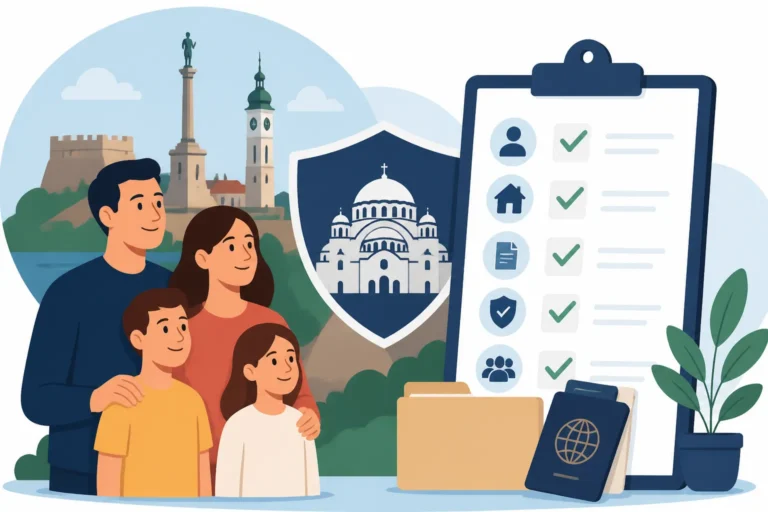
One of the biggest anxieties for any expat settling into a new country is often the thought of being separated from their loved ones. You’ve managed to navigate the initial hurdles of getting your own residence here in Serbia, and now you’re probably wondering, "Okay, how do I bring my spouse and children to join me?" It can feel like an overwhelming mountain of paperwork and processes, but trust me, it’s a path many of us have walked. This guide will meticulously break down how to sponsor your spouse and children for residence in Serbia, covering everything from eligibility to paperwork and what to expect after approval, so you can focus on building your new life together.
Understanding Family Reunification in Serbia
Bringing your family to Serbia under a residence permit is a deeply personal and often complex journey, but it’s a recognized and supported process under Serbian law. The concept of family reunification is designed to allow individuals who have already established their legal residence in Serbia to extend that privilege to their immediate family members. It’s about more than just paperwork; it’s about making a home here.
Who Qualifies as a Family Member for Sponsorship?
The Serbian Law on Foreigners clearly defines who is considered an eligible family member for the purpose of residence sponsorship. This isn't just about blood relatives; it's about immediate, nuclear family ties that form the core of a household.
Firstly, your spouse is typically the primary candidate for family reunification. This means your husband or wife with whom you have a legally recognized marriage, either performed in Serbia or abroad. If your marriage was performed outside Serbia, you'll need to ensure it's properly registered and recognized here, which usually involves apostilled certificates and certified translations. Common-law partnerships, while increasingly recognized in many places, often require additional proof of a long-term, stable relationship akin to marriage under Serbian law, though a formal marriage certificate is always the most straightforward path. This aspect can sometimes be a bit of a bureaucratic dance, requiring patience and meticulous attention to detail.
Secondly, your minor children are also eligible for sponsorship. This includes biological children, adopted children, and even step-children, provided you have legal custody or parental rights. The key here is "minor," generally meaning under 18 years of age. For children who are above 18 but still financially dependent on you, such as those pursuing higher education, there might be provisions for extending their residence, but this usually requires additional evidence of their continued dependence and student status. It's not uncommon for children nearing adulthood to transition from a dependent residence permit to a student one if they plan to enroll in a Serbian university. You can learn more about How to Add Dependents to Your Health Coverage in Serbia once they are here.
The Legal Basis: Serbian Law on Foreigners
The foundation for all residence matters for non-Serbian citizens lies within the Law on Foreigners (Zakon o strancima). This comprehensive legal framework outlines all the conditions, procedures, and rights pertaining to foreigners residing in Serbia, including specific provisions for family reunification.
Under Article 43, for instance, it details the grounds for approving temporary residence for family reunification. It essentially states that a temporary residence permit can be granted to a family member of a foreign national who already holds a temporary or permanent residence permit in Serbia. This is critical because it means you must first have a valid residence status – be it for work, study, property ownership, or other legitimate grounds – before you can sponsor your family.
The law is designed to ensure that family members joining a foreign resident are doing so under stable conditions. This is why aspects like adequate financial means and suitable accommodation (which we'll discuss shortly) are not just suggestions, but legal requirements. While the law might seem rigid and a bit dry, its purpose is to create a structured and fair process for everyone involved, though navigating its nuances can certainly test your patience. Understanding the legal framework is your first step in successfully navigating the immigration process for your family.
Eligibility Requirements for the Sponsor (You) and Dependents (Your Family)
The Serbian authorities, like those in any country, want to ensure that any family joining a resident here will be able to live comfortably and legally without becoming a burden on the state. This means both you, as the sponsor, and your family members, as the dependents, need to meet specific criteria. It's not just about showing up; it's about demonstrating stability and genuine family ties.
Sponsor's Residence Status and Financial Stability
As the primary expat already living in Serbia, your status is the linchpin of your family’s application. You must possess a valid temporary residence permit (privremeni boravak) or permanent residence (stalni boravak) in Serbia. This isn’t a theoretical requirement; you'll need to provide copies of your current residence card and possibly the decision that granted it. If your residence permit is nearing expiration, it’s wise to renew your own status before initiating your family’s application, as this can avoid unnecessary complications and delays. The Ministry of Interior (MUP) tends to prefer dealing with stable applications.
Beyond your residence status, your financial stability is paramount. You need to prove that you have sufficient funds to support yourself and your family members without them requiring social assistance. While there isn't always a rigidly defined monthly amount published by the MUP, general guidance often points to a minimum income per person that is at least equal to the average net salary in Serbia, or a certain percentage above it, to demonstrate comfortable living. This can be proven through:
- Bank statements: Showing a consistent income or a substantial balance in a Serbian bank account. Many expats find opening a bank account at a Serbian Bank as a Foreigner to be a smooth process, especially with banks like UniCredit Bank or Raiffeisen Bank, which are generally familiar with expat needs.
- Employment contracts and salary slips: If you're employed in Serbia, these documents clearly indicate your income.
- Proof of pension or other regular foreign income: If you're retired or have income from abroad, you'll need official documentation, often translated and apostilled.
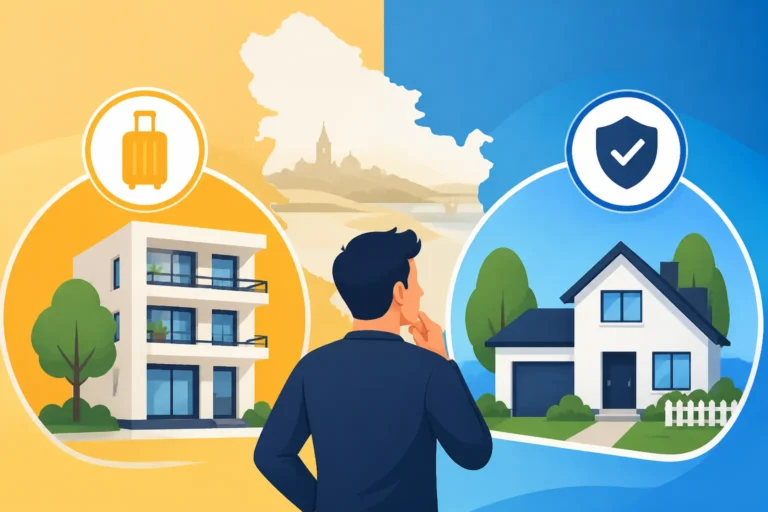
Additionally, you must demonstrate that you have adequate accommodation for your family. This means a rental contract for an apartment or house that is large enough to comfortably house everyone. The size requirement isn't always strictly defined by square meters, but rather by the number of rooms and sleeping arrangements. A studio apartment, for example, would likely be deemed insufficient for a family of three. You’ll need to provide your registered address, often a copy of your rental agreement (overen ugovor o zakupu) or proof of property ownership if you've purchased a home here. This is a crucial detail, as authorities want to ensure your family will have a proper place to live.
Dependents' Personal Requirements
Your spouse and children also have their own set of requirements, primarily focused on their identity, legal status, and overall suitability for residence in Serbia.
- Valid Passports: This seems obvious, but it’s the cornerstone. Each family member must hold a valid passport that is valid for at least six months beyond their intended stay in Serbia.
- Birth and Marriage Certificates: These are fundamental for proving the family relationship. Your marriage certificate (for your spouse) and birth certificates (for your children), especially if issued outside Serbia, must be apostilled (or super-legalized, depending on the issuing country’s agreement with Serbia) and officially translated into Serbian by a sworn court translator. This step can often take time and money, so plan for it early.
- Clean Criminal Record: Generally, applicants over a certain age (usually 16 or 18) will be required to provide a certificate of no criminal record from their country of origin and any other country where they have resided for more than six months in recent years. Again, apostille and translation will be necessary. This is a standard procedure to ensure public safety.
- Health Insurance: While you, as the sponsor, might already be enrolled in the public health insurance fund (RFZO) or a private plan, your dependents will also need proof of health insurance coverage for the duration of their requested residence. This can be through the RFZO if they are added to your policy (which happens after residence is granted and you start paying contributions for them), or via private health insurance. Many expats choose international private health insurance plans, like those offered by Cigna Global, especially for the initial period or if they prefer broader coverage. This ensures that any medical needs can be met without burdening the Serbian healthcare system. Remember, understanding Health Insurance in Serbia: RFZO, Private and International Options Explained is vital.
- Proof of Funds for Dependents: While your financial stability as the sponsor is primary, sometimes dependents (especially adult children) might need to show their own proof of funds, or you might need to provide a notarized statement of support, explicitly declaring your financial responsibility for them.
Meeting these requirements meticulously is key. Any missing or improperly authenticated document can lead to significant delays or even rejection, adding to the frustration of the already lengthy process.
The Application Process for Family Reunification Residence
Alright, you’ve gathered your thoughts, understood the requirements, and mentally prepared for what’s ahead. Now comes the nitty-gritty: the actual application process. This is where most expats feel the full force of Serbian bureaucracy, but with a clear plan, you can navigate it successfully.
Gathering Essential Documentation
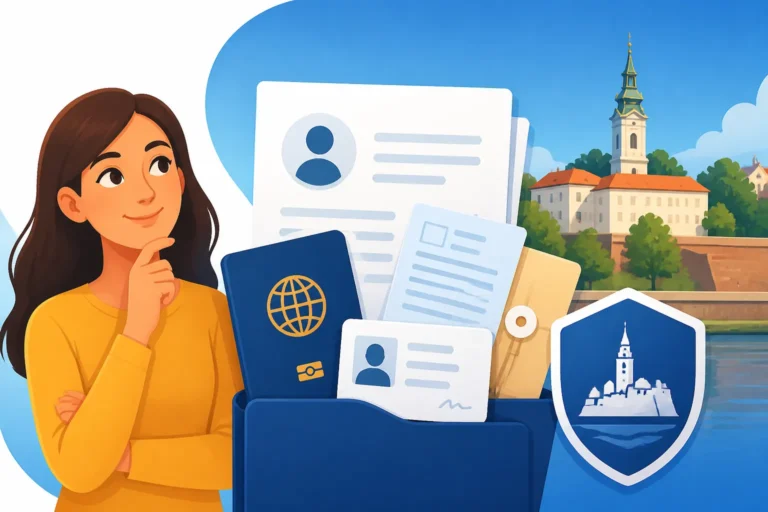
This stage is all about meticulous preparation. A single missing document can send you back to square one, so it’s crucial to get this right. I always advise making a checklist and ticking off each item as you acquire it.
For the Sponsor (You):
- Valid Passport: Original and a copy of all pages with stamps and personal data.
- Current Serbian Temporary or Permanent Residence Card: Original and copy.
- Proof of Accommodation: A notarized rental agreement (overen ugovor o zakupu) or proof of property ownership (title deed). If it's a rental, ensure the landlord's prijava boravka (address registration) is also valid, as authorities often cross-check.
- Proof of Financial Means: Recent bank statements (from a Serbian bank, showing consistent income or a lump sum), employment contract, payslips, or a certificate of income from your employer. If self-employed or a pausal entrepreneur, your registration certificate and recent tax payments will be needed. You can find more information on Understanding Mandatory Health Insurance Contributions in Serbia.
- Health Insurance: Proof of your existing health insurance (RFZO card or private policy).
- Birth Certificate: Your own, translated and apostilled if from abroad, to establish your origin if needed for certain checks.
For Each Dependent (Spouse and Children):
- Valid Passport: Original and a copy of all pages.
- Birth Certificate: Original, apostilled (or super-legalized) and officially translated into Serbian. For children, this is essential to prove parentage.
- Marriage Certificate (for spouse): Original, apostilled (or super-legalized) and officially translated into Serbian.
- Proof of No Criminal Record: For adults and potentially older minors (usually 16+). This must be from their home country and any other country they’ve resided in for over six months in the past few years. Apostilled and translated.
- Health Insurance: Proof of travel health insurance for the initial entry, and later, a plan covering their stay in Serbia. This can be a private international policy or proof of their eventual inclusion in your RFZO coverage once their residence is approved.
- Photos: Usually 2 passport-sized photos, 3.5×4.5 cm, on a white background. Check current specifications.
- Application Form: The official temporary residence application form, filled out in Serbian. These are available at the MUP or can sometimes be downloaded online.
- Proof of Fee Payment: The administrative fees for the application, usually paid at the post office or bank.
Important Note on Translations and Apostilles: This is where many people stumble. Any document issued outside Serbia MUST be apostilled (if your home country is part of the Hague Apostille Convention) or super-legalized (if not), and then officially translated into Serbian by a sworn court translator (sudski tumač). Do not skip this step or try to use unofficial translations; they will be rejected. I highly recommend finding a reputable court translator early in the process. You can often find lists of them on embassy websites or through expat groups.
Navigating the MUP and Filing the Application
The Ministry of Interior (MUP) – specifically the Foreigners’ Department (Odeljenje za strance) – is where you’ll submit your application. In Belgrade, this is typically located at Savska 35. Be prepared for potentially long queues, especially during peak hours. My advice? Go early, take a book, and pack some snacks.
Here’s a step-by-step breakdown:
- Preparation is Key: Double-check every single document against your checklist. Ensure all copies are clear, and originals are readily available for inspection.
- Visit the MUP: Head to the Foreigners’ Department. Take a number and wait. This is often the most time-consuming part.
- Submission: When your number is called, present your complete set of documents to the officer. They will review everything. If anything is missing or incorrect, they will inform you, and you'll have to rectify it and return. This is why thorough preparation saves you immense headaches.
- Payment of Fees: You will be given a payment slip (or several) for administrative fees (taksa) which you then pay at a nearby post office (pošta) or bank. Keep the stamped receipt as proof of payment and return to the MUP to show it to the officer. The total cost will vary depending on the number of applicants and current fees.
- Biometrics (Sometimes): For the first application, your dependents may need to provide fingerprints and a digital photo.
- Confirmation and Follow-up: You should receive a confirmation that your application has been accepted. You might also be given a timeframe for when to expect a decision, or instructions on how to check the status of your application. Sometimes they will give you a phone number, but often you just wait for a call or email, or you check online.
A common pain point here is the language barrier. While some MUP officers speak English, it's not guaranteed. If your Serbian isn't strong, consider bringing a Serbian-speaking friend or a professional assistant to help you articulate your needs and understand instructions. This can significantly reduce stress and miscommunication. Remember, How to Apply for Temporary Residence Privremeni Boravak in Serbia has some useful insights.
The Interview and Waiting Game
Once your application is submitted, it enters the "waiting game" phase. This can be agonizing, as processing times vary widely. Officially, the MUP has a legal deadline for processing applications (often around 30 days for temporary residence), but in reality, it can take anywhere from a few weeks to several months, especially for first-time family reunification applications. Factors like the completeness of your dossier, the current workload at the MUP, and even the time of year can influence the speed.
During this period, your dependents might be required to attend an interview. This is usually a straightforward conversation, aimed at confirming the details in your application and verifying the genuineness of your family relationship. Questions might include:
- How long have you been married?
- Where did you meet?
- What are your plans in Serbia?
- How do you support yourselves financially?
For children, interviews are less common but might happen for older minors. The key is to be honest, consistent with the information in your documents, and relaxed. They are simply trying to ensure there's no fraud or misrepresentation.
While you wait, resist the urge to constantly call or visit the MUP unless specifically instructed. This rarely speeds up the process and can sometimes be counterproductive. Instead, use this time to finalize other aspects of your family’s move. If you're planning a full relocation, consider services like Sirelo, which can help compare quotes from international moving companies, taking some of the logistical stress off your plate.
Once a decision is made, you will typically be notified to collect the residence permits. This is a moment of great relief and joy, marking the official start of your family's life together in Serbia!
| Document Type | Sponsor (You) | Spouse | Children (Minor) |
|---|---|---|---|
| Passport | Original + copy (all pages) | Original + copy (all pages) | Original + copy (all pages) |
| Residence Card | Original + copy (Serbian) | N/A | N/A |
| Proof of Accom. | Notarized rental/ownership | N/A | N/A |
| Proof of Finances | Bank statements, job contract | N/A (covered by sponsor) | N/A (covered by sponsor) |
| Health Insurance | Current RFZO/Private | Private policy (initial) | Private policy (initial) |
| Birth Certificate | (Optional, translated/apost.) | Translated & apostilled | Translated & apostilled |
| Marriage Cert. | N/A | Translated & apostilled | N/A |
| Criminal Record | N/A | Translated & apostilled (if 16+) | (If 16+, translated & apost.) |
| Photos | N/A | 2 passport-sized | 2 passport-sized |
| Application Form | N/A | Filled out (Serbian) | Filled out (Serbian, for each) |
| Fee Payment Proof | N/A | Yes | Yes (for each child) |
Note: All foreign-issued documents must be apostilled (or super-legalized) and officially translated into Serbian.
After Approval: Life as a Family in Serbia
Congratulations! You’ve received the joyous news that your family’s residence permits have been approved. This is a massive milestone and the beginning of a new chapter for all of you. But the administrative journey doesn't quite end there. There are still a few crucial steps to take to fully integrate your family into life in Serbia.
Registering Your Address Prijava Boravka and Obtaining Residence Cards
The first thing your family members need to do upon receiving their residence approval is to register their address (prijava boravka) with the police. This is a legal requirement for all foreign residents in Serbia, and it must be done within 24 hours of their arrival or approval of their residence if they applied from within Serbia. This registration effectively links their new residence permit to a physical address in Serbia.
You'll take the approval decision and their passports to the local police station responsible for foreigners (often the same MUP department where you applied, or a local station for prijava boravka). The process is usually quick: they’ll stamp their passports or issue a white card (beli karton) with their registered address. This step is incredibly important, as the prijava boravka is often required for other administrative tasks, such as opening a bank account or enrolling children in school. Failure to register can lead to fines or complications in future renewals.
Following the address registration, your family members will be issued their physical residence cards (lična karta za strance). This is the plastic card that serves as their official proof of temporary residence in Serbia. You'll typically be notified to collect these cards a week or two after the approval. These cards are essential for identification, travel within Serbia, and proving their legal status, so they should always carry them. This is explicitly covered in How to Register Your Address Prijava with the Police in Serbia.
Accessing Services: Healthcare, Education, and More
Once your family has their official residence cards and registered addresses, they can start accessing the various services available to residents in Serbia.
Healthcare: This is a big one. As the sponsor, if you are working and contributing to the Republic Health Insurance Fund (RFZO), you can typically add your spouse and children to your public health insurance coverage. This involves visiting the local RFZO office with their residence cards, birth/marriage certificates, and your RFZO documents. Once registered, they will receive their own RFZO health cards, granting them access to public healthcare services, including choosing a GP at a Dom Zdravlja. However, as noted before, many expats also opt for private health insurance, especially for a broader range of services or shorter wait times. Companies like Cigna Global offer comprehensive international plans that can be particularly useful for expat families who want more flexibility or access to private clinics. It’s worth exploring all options, as the nuances of Public vs Private Healthcare in Serbia: What Expats Need to Know can be significant.
Education: If you have school-aged children, enrolling them in a school is a priority. Serbia has a robust public education system, but many expat families choose international schools in larger cities like Belgrade and Novi Sad, particularly if they plan to eventually move to another country or prefer an English-language curriculum. Enrolling in public schools usually requires translated birth certificates, proof of residence, and sometimes vaccination records. International schools will have their own admissions processes, which often include entrance exams and interviews. Be prepared for potential waiting lists and significant tuition fees at international schools.
Banking: Once your family members have their residence cards and prijava boravka, they can open their own bank accounts in Serbia if they wish. This is useful for personal finances, receiving funds, or simply having a local debit card. Most Serbian banks are accustomed to onboarding foreigners, but requirements can still vary slightly.
Other Services: They can also register for mobile phone plans, internet services, and access other municipal services, just like any other resident. Having an official residence card streamlines these processes considerably.
Renewing Residence and Path to Permanent Status
Temporary residence permits in Serbia are typically issued for one year at a time. This means you will need to apply for renewal before your family’s permits expire. The renewal process is similar to the initial application, requiring updated documents, proof of continued financial stability, accommodation, and valid health insurance. It’s essential to start the renewal process well in advance of the expiry date (usually 30-60 days prior) to avoid any gaps in their legal status.
The long-term goal for many families is permanent residence (stalni boravak). After five years of continuous temporary residence in Serbia (with some allowances for short absences), your family members may become eligible to apply for permanent residence. This is a significant step that offers greater stability and fewer administrative burdens. The application for permanent residence is more stringent, often requiring proof of integration into Serbian society, continuous legal residence, and a clean record. This path to long-term settlement is detailed in The Complete Guide to Permanent Residence in Serbia. Successfully renewing temporary residence year after year is the stepping stone to achieving this more secure status.
Common Challenges and Tips for Expats Sponsoring Family
Bringing your family to a new country is an adventure, but like any adventure, it comes with its share of challenges. As an expat who's been through the wringer, I can tell you that understanding these common hurdles upfront can save you a lot of grief.
Navigating Bureaucracy and Language Barriers
This is, without a doubt, the number one source of frustration for almost every expat in Serbia. The administrative processes can feel opaque, slow, and sometimes inconsistent. You might get slightly different information from different officials, or find that a rule you understood to be flexible is suddenly rigid. This isn't unique to Serbia, but it's a common reality here.
- Patience is a Virtue (and a Necessity): Seriously, practice deep breathing. Things will take longer than you expect. Documents might need to be re-submitted. You might be sent from one office to another. Just accept it as part of the process, rather than fighting against it. Getting stressed or angry won't help; a calm, polite demeanor often yields better results.
- Language Barrier: While many younger Serbians speak English, especially in Belgrade, don't expect it in all administrative offices, particularly in smaller towns or with older officials. The application forms are in Serbian, and official communications will be in Serbian.
- Tip 1: Learn Basic Serbian Phrases: Even a few polite phrases like "Dobar dan" (Good day), "Molim vas" (Please), "Hvala" (Thank you), and "Ne razumem" (I don't understand) can go a long way in showing respect and breaking the ice.
- Tip 2: Bring a Translator/Assistant: For crucial appointments at the MUP or other government offices, it's invaluable to bring a Serbian-speaking friend, colleague, or hire a professional assistant/translator. They can clarify instructions, fill out forms correctly, and advocate on your behalf.
- Tip 3: Use Official Translators: As mentioned, any non-Serbian document needs a certified translation by a sworn court translator (sudski tumač). Don't try to cut corners here; unofficial translations will be rejected, costing you time and money.
- Documentation Obsession: Serbian bureaucracy loves paper. Always bring original documents AND multiple copies. Keep everything organized in folders, so you can quickly pull out what’s needed.
It's a marathon, not a sprint. Every successful expat I know has a story of a bureaucratic ordeal that eventually got resolved. Yours will too.
Financial Planning for Your Family's Move
Beyond the direct fees for applications and translations, there are many financial considerations when bringing your family to Serbia. Underestimating these costs can lead to significant stress down the line.
- Initial Setup Costs: Think beyond the first month's rent. You'll likely need a security deposit (usually one to two months' rent), potentially agent fees, and the cost of furnishing an apartment if it’s unfurnished.
- Cost of Living: While Serbia is generally more affordable than many Western countries, the Cost of Living in Serbia for Expats can still add up, especially for a family. Factor in groceries, utilities, transportation, schooling (especially if international), and leisure activities. Belgrade, for example, is pricier than Nis or Novi Sad.
- Health Insurance: If you opt for private health insurance, factor in the monthly or annual premiums. Even with RFZO coverage, there might be co-payments for certain services or medications.
- Relocation Expenses: The actual move itself can be costly. Shipping belongings from your home country to Serbia, flights, temporary accommodation upon arrival – these are all significant expenses. This is where services like Sirelo can be incredibly useful. They allow you to compare quotes from various international moving companies, ensuring you get a competitive price and reliable service for transporting your family's possessions to your new Serbian home. They simplify a complex logistical challenge, giving you one less thing to worry about.
- Emergency Fund: Always, always have an emergency fund. Unforeseen medical expenses, job changes, or sudden travel needs can arise, and having a financial cushion will provide peace of mind.
Creating a detailed budget before your family arrives will give you a clear picture of what to expect and help you plan your finances effectively. Speak to other expat families already living here to get realistic estimates on day-to-day expenses.
Moving your family is a big step, but with careful planning, clear communication, and a good dose of patience, you'll soon be enjoying your new life together in Serbia.
Disclaimer
The information provided in this guide is for general informational purposes only and does not constitute legal, financial, or immigration advice. While every effort has been made to ensure accuracy, laws and procedures in Serbia can change frequently. Therefore, it is strongly recommended that you consult with a qualified Serbian immigration lawyer or a registered expert on foreign affairs for personalized advice regarding your specific situation before making any decisions. The author and publisher are not responsible for any actions taken based on the information contained herein.