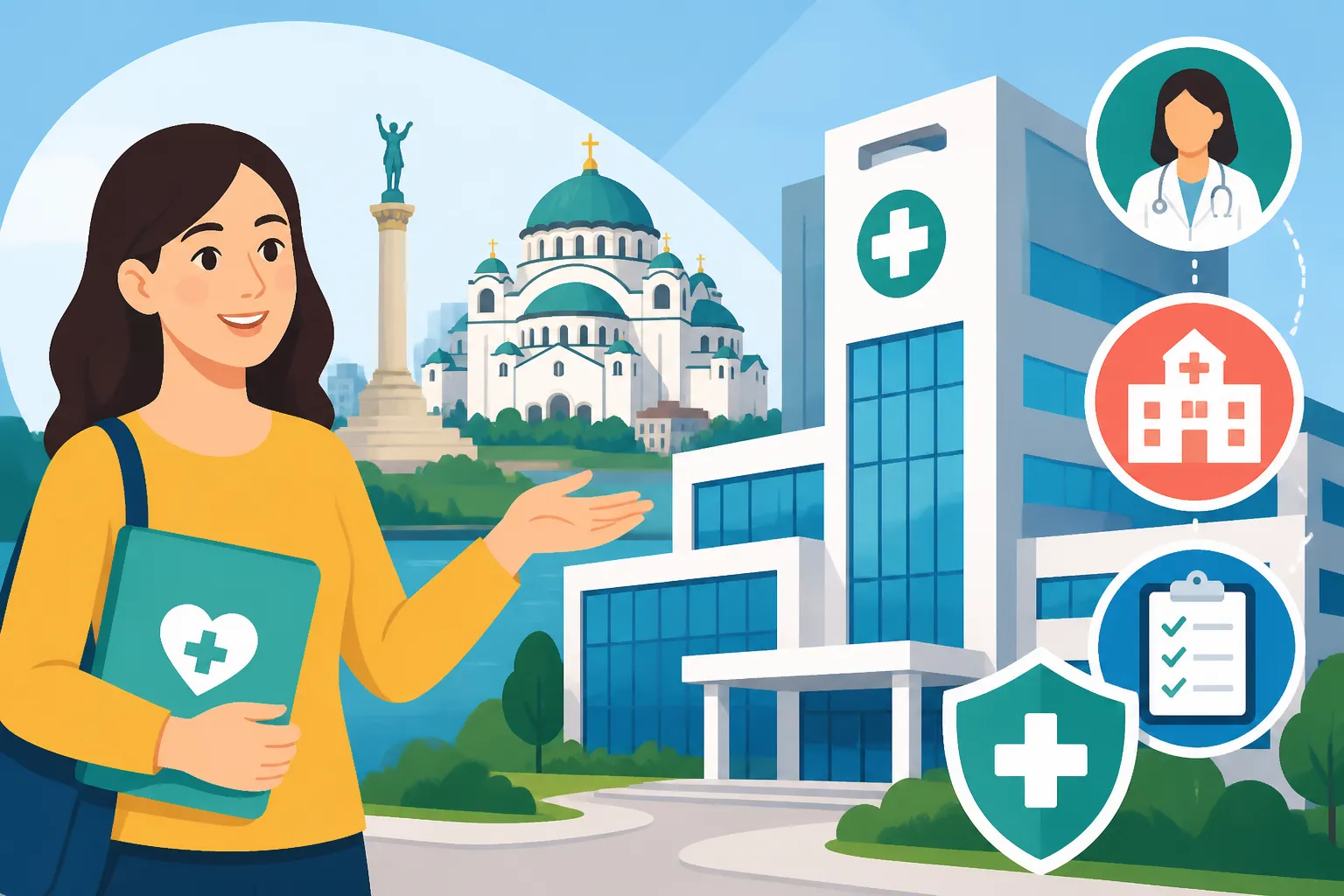
How to Use Major Hospitals and Clinics in Belgrade
Moving to a new city, especially one as vibrant and unique as Belgrade, comes with its own set of exhilarating challenges. But let's be honest, few things trigger more anxiety than thinking about getting sick or needing medical attention in a foreign healthcare system. The language barrier, the unfamiliar procedures, the sheer uncertainty of where to even begin – it can feel utterly overwhelming. This guide is here to walk you through how to use the major hospitals and clinics in Belgrade, demystifying the process and giving you the practical insights you need to navigate your healthcare with confidence, just like a seasoned expat.
Understanding Belgrade's Hospital Landscape: Public vs. Private
When you first arrive in Belgrade and start thinking about healthcare, one of the biggest distinctions you'll encounter is the clear division between public and private medical facilities. It's not just a matter of price; it’s a whole different experience, from how you access care to the speed and comfort of your treatment. Understanding this fundamental difference is crucial for any expat trying to figure out where to go when they need a doctor or a hospital.
The Public System: Domovi Zdravlja and Clinical Centers
Serbia's public healthcare system is largely managed by the Republic Health Insurance Fund, or RFZO. If you're officially employed and registered in Serbia, or meet other specific criteria, you’ll typically be enrolled in this system. The entry point for most day-to-day medical needs is the Dom Zdravlja, which are local community health centres. These are where you register with a GP (izabrani lekar), see paediatricians, or get basic diagnostic services. Think of them as your primary care hub. From there, if needed, your GP will refer you to specialists or public hospitals for more advanced care or emergencies.
Belgrade is home to several massive public hospitals and clinical centres. The Clinical Centre of Serbia (Klinički centar Srbije or KCS) is one of the largest in Europe, a sprawling complex that houses numerous clinics specializing in everything from cardiology to neurosurgery. Then there's the Military Medical Academy (Vojnomedicinska akademija or VMA), which, despite its name, also serves civilians and is highly regarded for its comprehensive services and often, slightly better facilities compared to some older public clinics. For children, the University Children's Hospital Tiršova is a key institution. These public centres offer a vast range of services, and while the quality of medical professionals is generally high, expats often report challenges with lengthy wait times, outdated infrastructure in some departments, and a significant language barrier. It's a system designed for the local population, and it can take some getting used to. For a deeper dive, check out our guide on How Serbia's Health System Works: The RFZO and Private Care Explained (2027).
The Rise of Private Healthcare: Comfort and Convenience
In recent years, Belgrade has seen a significant boom in private healthcare, offering a stark contrast to the public system. These private clinics and hospitals are modern, often boast state-of-the-art equipment, and crucially for many expats, frequently have English-speaking staff. They prioritize patient comfort and efficiency, often meaning shorter wait times, more personalized care, and a generally more streamlined experience. You don't usually need a referral to see a specialist in the private system – you can simply call and make an appointment.
This sector has grown to fill gaps in the public system, particularly concerning accessibility and patient-centric services. You’ll find everything from small, specialized clinics focusing on dermatology or dental care, to full-fledged private hospitals offering everything from general check-ups to complex surgeries. Brands like Acibadem Bel Medic, Euromedik, and Medigroup (which is actually a network of several clinics and hospitals) are prominent players in this space. While this convenience comes with a higher price tag, for many foreigners living here, the ease of access and the diminished language barrier are worth the investment. For expats looking into options, understanding Public vs Private Healthcare in Serbia: What Expats Need to Know is a must.
Deciding Between Public and Private Options
The choice between public and private healthcare in Belgrade really boils down to your personal circumstances, budget, and priorities. If you are officially employed and contributing to the RFZO, the public system is your "free" (pre-paid through contributions) option, but be prepared for potential bureaucracy and language issues. Many expats who are new to the country or not yet enrolled in the RFZO will likely start with private clinics, especially for non-emergency situations, simply because it’s easier to navigate.
For minor ailments, diagnostics, or specialist consultations that aren't urgent, a private clinic might be your best bet for convenience and English-speaking staff. For serious, long-term conditions or complex surgeries, the public system's clinical centers, despite their challenges, often have extensive resources and highly specialized departments. However, if you have private health insurance, whether a local plan or an international one like SafetyWing, using private facilities can be a much smoother and more comfortable experience. It's definitely not a one-size-fits-all answer, and many expats use a hybrid approach, leveraging private care for speed and convenience, and understanding the public system for emergencies or when cost is a major factor.
Navigating Public Hospitals in Belgrade: What to Expect
Venturing into Belgrade's public hospital system can feel like stepping back in time for some, or simply into a maze of unfamiliar procedures for others. It's a system that serves millions, and while it might lack the polished facade of private institutions, it's the backbone of healthcare for most Serbian residents. For expats, understanding how to navigate it is essential, especially for situations that might require its vast resources.
Getting a Referral and Making Appointments
Unlike private clinics where you can often just walk in or call for an appointment, accessing specialist care or public hospitals in Serbia almost always requires a referral. Your first port of call will be your izabrani lekar (chosen doctor) at your local Dom Zdravlja. This GP acts as a gatekeeper, assessing your condition and issuing a referral (uput) if they deem specialist consultation or hospital treatment necessary. This referral system is fundamental to how the public healthcare works, ensuring that only cases requiring advanced care reach the specialists, theoretically easing the burden on hospitals.
Once you have your referral, making an appointment at a public hospital or specialist clinic can be a bureaucratic dance. You might need to physically go to the hospital's appointment desk, often early in the morning, or call a dedicated line which can sometimes be busy. Patience is key here. Make sure you have your health insurance card (your RFZO card or zdravstvena knjižica) and your referral document ready. Keep in mind that securing an appointment with highly sought-after specialists, particularly in fields like endocrinology or orthopaedics, can lead to significant How Long Are Wait Times to See a Specialist in Serbia?. This is where the public system's efficiency can sometimes falter, making early planning crucial if your condition isn't urgent.
Understanding the Bureaucracy and Wait Times
"Bureaucracy" is a word you'll hear often from expats discussing Serbian public services, and healthcare is no exception. Be prepared for a fair bit of paperwork, stamp collecting, and potentially being directed from one office to another. Each step, from registering at the Dom Zdravlja to checking in at a hospital department, will involve verifying your identity and insurance status. Having all your documents neatly organized – passport, residence permit, RFZO card, referral – will save you headaches.
Wait times are another common challenge. While emergencies are attended to promptly, non-urgent specialist appointments or elective procedures in public hospitals can involve waits of several weeks or even months. This is a reality of a publicly funded system with high demand. For diagnostic tests like MRI scans or certain surgeries, waitlists are common. It's important to set your expectations accordingly and understand that while the care itself is good, the journey to receiving it can test your patience. This is often the point where many expats with private insurance start considering private options to bypass the queues. To understand the financial aspect, consult Understanding Out-of-Pocket Healthcare Costs and Co-Payments in Serbia.
Key Public Hospitals in Belgrade
Belgrade's public hospitals are numerous and varied, each with its own specialties and reputation.
- Clinical Centre of Serbia (KCS): Located in the heart of Belgrade, KCS is a massive complex comprising over 30 clinics, offering services across virtually every medical specialty. It's the largest hospital in Serbia and a major teaching hospital. If you need highly specialized care or surgery, chances are it will be here.
- Military Medical Academy (VMA): While historically a military institution, VMA is open to civilians and is widely respected for its facilities and expertise, often perceived as more efficient than some other public hospitals. It’s known for its broad range of services, modern equipment, and rigorous standards.
- University Children's Hospital Tiršova: This is the primary hospital for specialized paediatric care in Belgrade and beyond. If your child needs anything beyond basic GP services, this is where they'll likely be referred.
- Institute for Mother and Child Healthcare of Serbia "Dr. Vukan Čupić": Another vital institution focusing on paediatric and maternal health, offering comprehensive care for children and pregnant women.
- Clinic for Infectious and Tropical Diseases: Part of the KCS, this clinic is where you’d be directed for highly contagious diseases or specialized infectious disease treatment.
These institutions, while sometimes challenging to navigate, represent the peak of public medical expertise in Serbia and are crucial resources, especially for complex or critical conditions. For general guidance on the public system, our How to Register with the RFZO and a GP in Serbia (2027) article can be helpful.
Exploring Private Clinics and Hospitals in Belgrade
The private healthcare sector in Belgrade offers a different kind of experience – one that often appeals more to expats seeking efficiency, comfort, and the convenience of direct access. With modern facilities and a strong focus on patient service, these institutions have become a popular choice for routine check-ups, specialist consultations, and even more complex procedures for those who can afford it or have appropriate insurance.
Leading Private Healthcare Institutions
Belgrade's private healthcare landscape is quite competitive, with several well-established institutions that are popular among expats. These facilities invest heavily in modern medical equipment, comfortable waiting areas, and ensuring a professional, patient-friendly environment.
- Acibadem Bel Medic: Often cited as one of the premier private hospitals in Belgrade, Bel Medic offers a wide array of services from diagnostics and specialist consultations to complex surgeries and maternity care. They have multiple locations across the city, including a large general hospital. They are particularly known for having English-speaking staff and catering to international patients. Their website is often a good starting point for exploring services and making appointments.
- Euromedik: This is another major player with numerous clinics strategically located throughout Belgrade. Euromedik offers a comprehensive range of medical services, including polyclinics, diagnostic centres, and a hospital. They are known for their modern equipment and accessibility, providing everything from general practice to various specialist fields.
- Medigroup: Rather than a single large hospital, Medigroup operates a network of specialized clinics and a general hospital (Jevremovac Hospital) under one umbrella. This allows them to offer a vast spectrum of medical services across different locations, from dental care to sophisticated diagnostic imaging. Their integrated approach aims to provide seamless care.
- Atlas General Hospital: A more recent addition to the private hospital scene, Atlas General Hospital has quickly gained a reputation for its focus on surgical procedures, particularly in orthopaedics, general surgery, and plastic surgery. They emphasize personalized care and modern surgical techniques.
These institutions often have dedicated international patient departments or staff accustomed to assisting foreigners, which significantly smooths the experience for expats.
Services Offered and Costs Involved
The range of services in private clinics and hospitals is incredibly broad, often mirroring and even exceeding what’s available in the public system, with the added benefits of speed and often, higher comfort levels. You can expect to find:
- General Practice and Specialist Consultations: From internal medicine to cardiology, gynaecology, dermatology, ophthalmology, and more – you can usually book appointments directly without a referral.
- Diagnostic Services: State-of-the-art MRI, CT scans, ultrasound, X-rays, and extensive laboratory testing are readily available, usually with quick turnaround times for results.
- Surgical Procedures: Many private hospitals offer a wide range of elective and emergency surgeries, from minor interventions to more complex operations, often with private rooms and enhanced post-operative care.
- Preventative Care and Check-ups: Comprehensive health packages and annual check-ups are common, allowing for proactive health management.
- Maternity and Paediatric Care: Dedicated departments offer prenatal care, delivery services, and specialist care for children.
The costs, naturally, are higher than the co-payments in the public system. A basic GP consultation might range from 2,000 to 5,000 RSD (€17-€43), while specialist consultations can be anywhere from 4,000 to 10,000+ RSD (€34-€85+). Diagnostic tests like an MRI can run into tens of thousands of RSD. While this might seem steep, many expats find it comparable to or even more affordable than private healthcare in Western Europe or North America. It’s essential to ask for a price list or an estimate before undergoing any procedure. For a full breakdown, see The Cost of Healthcare in Serbia: A Complete Breakdown for Foreigners (2026).
How Private Insurance Works with Local Clinics
For many expats, private health insurance is the key to comfortably accessing Belgrade's private healthcare facilities. Whether you have an international plan or a local Serbian private insurance policy, these typically cover a significant portion, if not all, of your costs at private clinics and hospitals.
When considering private insurance, it’s important to understand your policy's specifics:
- Direct Billing: Many private clinics and hospitals have direct billing agreements with major international and local insurance providers. This means the clinic bills your insurer directly, and you only pay any deductible or co-payment. This is by far the most convenient option.
- Reimbursement: If there's no direct billing agreement, you'll pay upfront and then submit a claim to your insurance company for reimbursement. Always keep original invoices and detailed medical reports.
- Network Providers: Some insurance plans, particularly local ones, might have a network of preferred providers. Using these clinics can often simplify the process and reduce out-of-pocket expenses.
It's always a good idea to contact your insurance provider before a planned visit to confirm coverage and inquire about the billing process. Providers like SafetyWing, popular with digital nomads and long-term travellers, offer flexible plans that can cover emergencies and some outpatient care in Serbia, making access to private clinics much more feasible. Before your visit, you might even call the clinic to ask if they accept your specific insurance, or if they have direct billing arrangements. Understanding Private Health Insurance Plans in Serbia can help you choose the right policy.
Emergency Medical Care in Belgrade
Medical emergencies are stressful enough without the added layer of being in a foreign country. Knowing exactly what to do and who to call in Belgrade can make a significant difference. Serbia has a functional emergency system, but like other aspects of healthcare, it has its nuances for expats.
Public Emergency Services: Call 194 or 112
In Serbia, the primary number for medical emergencies and ambulances is 194. This connects you directly to the emergency medical service (Hitna Pomoć) in Belgrade. For a more general emergency number that covers police, fire, and ambulance, you can also dial 112, which is the European standard and will connect you to an operator who can dispatch the appropriate service.
When you call, try to stay calm and provide clear, concise information:
- Your exact location: Street name, building number, floor, and any landmarks. Belgrade streets can be confusing, so precision is key.
- The nature of the emergency: Briefly describe what happened and the patient's symptoms.
- Patient's condition: Are they conscious? Breathing? Bleeding?
- Your contact number: So they can call you back if needed.
Ambulances are dispatched to public hospitals. For adults, this often means the emergency department of the Clinical Centre of Serbia or VMA. For children, it would likely be Tiršova or the Institute for Mother and Child. While the response time can vary, once you are at a public emergency department, you will receive care regardless of your insurance status, though those without RFZO coverage will be billed later. Be prepared for potential waiting times in the emergency room, as priority is given to the most critical cases. For more details, consult Emergency Medical Care in Serbia: What Every Expat Needs to Know.
Private Emergency Options and Urgent Care
For non-life-threatening but urgent situations, or if you prefer the speed and comfort of private facilities, several private hospitals and clinics in Belgrade offer urgent care services. These typically operate 24/7 or have extended hours for acute issues that don't quite warrant an ambulance but can't wait for a regular appointment.
- Acibadem Bel Medic: Their main hospital often has a 24/7 urgent care department that can handle a range of conditions, from high fevers and minor injuries to sudden acute pains.
- Euromedik: Many of their larger polyclinics offer urgent care consultations during their operational hours, which can be useful for sudden illnesses.
- Medigroup's Jevremovac Hospital: Also provides emergency and urgent care services.
These private urgent care options can be a godsend for expats, especially if you have private insurance (e.g., from SafetyWing or a local provider). The benefits include shorter waiting times, English-speaking staff, and a generally more comfortable environment. However, for truly critical, life-threatening emergencies like a heart attack or severe trauma, the public emergency services (194/112) are usually the fastest and most equipped to handle immediate transport and stabilization. You might also find smaller private clinics that offer a walk-in service for immediate, less severe concerns.
What to Do in a Medical Emergency
Having a plan for emergencies is always smart. Here's a practical checklist:
- Know the Numbers: Memorize 194 and 112.
- Emergency Contact: Have a local friend or English-speaking contact ready to call on your behalf if you're struggling with the language.
- Medical Information: Carry a small card with essential medical information (blood type, allergies, current medications) in both English and Serbian, if possible.
- Insurance Details: Keep your health insurance card (RFZO or private) readily accessible.
- Location Details: Be prepared to clearly state your location. If calling from home, have your address written down. If out, note any prominent landmarks.
- Translation Apps: A translation app on your phone can be invaluable for basic communication with paramedics or hospital staff, though don't rely on it entirely for complex medical discussions.
Remember, in a true emergency, getting immediate medical attention is paramount, regardless of whether it's public or private. The system will prioritize saving your life or preventing serious harm. For tourists specifically, it’s worth noting that Can Tourists Access Emergency Care in Serbia? is generally yes, but payment will be expected, and travel insurance is highly recommended.
Preparing for Your Hospital or Clinic Visit
A little preparation can go a long way in making your medical appointments in Belgrade much smoother, whether you're heading to a bustling public hospital or a sleek private clinic. The goal is to minimize stress and ensure you get the most effective care possible.
Essential Documents and Translations
Navigating any bureaucratic system in a foreign country usually means paperwork, and healthcare in Serbia is no different. For any medical visit, you'll absolutely need to have certain documents on hand.
- Identification: Always carry your passport and your Serbian residence permit (boravak) or relevant visa. These are crucial for identification and verifying your legal status in the country.
- Health Insurance Card: If you're registered with the RFZO, you'll need your zdravstvena knjižica (health booklet/card). For private insurance, have your insurance card, policy number, and contact details for your insurer. It's smart to have a photo of these on your phone too, just in case.
- Referrals: If you're going to a public specialist or hospital, your GP's referral (uput) is non-negotiable. Without it, you might be turned away or asked to pay full private rates.
- Previous Medical Records: Especially if you have a pre-existing condition or are seeing a new specialist, bring any relevant medical history – recent test results, diagnostic reports, medication lists, or doctor's notes.
Regarding translations, while many private clinics and some departments in public hospitals will have English-speaking staff, it's not guaranteed. For important medical records or complex diagnoses, having key documents translated into Serbian can be incredibly helpful. You might not need full, notarized translations for every visit, but having a summary of your medical history or a list of your medications in Serbian can assist the doctor. For vital documents for residence, you might need How to Get Your Documents Apostilled for Serbia Immigration.
Communication: English-Speaking Staff and Interpreters
The language barrier is a common source of anxiety for expats in Belgrade's healthcare system. While Serbian is the official language, you'll find varying levels of English proficiency depending on the institution and the age of the medical staff.
- Private Clinics: Generally, private clinics and hospitals are much more likely to have English-speaking doctors, nurses, and administrative staff. When booking an appointment, you can specifically request an English-speaking doctor, and they will usually accommodate you. This is one of the biggest drawcards for expats choosing private care. Some even have dedicated international patient coordinators.
- Public Hospitals: English proficiency in public hospitals can be a mixed bag. Many younger doctors and those working in specialized fields or university hospitals often have good English. However, older staff or administrative personnel might not. Don't assume everyone will speak English. In these settings, it's highly recommended to bring a Serbian-speaking friend, colleague, or even a professional interpreter with you, especially for important consultations or when explaining complex symptoms.
- Using Technology: Simple translation apps can help with basic communication, but they are no substitute for a human interpreter when discussing your health. Be wary of miscommunications when using these for critical information.
If you know you'll need an interpreter, especially for a serious condition or surgery, consider hiring a professional. Some private hospitals might offer this service for an additional fee. Asking How to Find an English-Speaking Doctor in Serbia is a frequent query, and private clinics are often the answer.
Payment Methods and Insurance Considerations
Understanding how you'll pay for your care is crucial.
- RFZO Coverage: If you're registered with the RFZO, most services in public hospitals and Domovi Zdravlja are covered, though you might be subject to small co-payments (participacija) for certain services or medications. Always present your RFZO card.
- Private Insurance: For private clinics, your private insurance will be your primary payment method. Confirm beforehand if direct billing is possible. If not, be prepared to pay upfront and claim reimbursement. Keep all receipts and detailed medical reports. Some travel insurance policies, like SafetyWing, offer coverage for medical expenses during your stay, and understanding these can be vital. It's often helpful to call your insurance provider from the waiting room to confirm procedures, especially for larger expenses.
- Cash/Card: For services not covered by insurance or at private clinics where direct billing isn't available, you'll typically pay by cash (Serbian Dinars, RSD) or credit/debit card. Most modern private clinics accept major international cards. It's always wise to have some cash on hand for smaller fees or unexpected co-payments.
Before any significant procedure, especially in the private sector, don't hesitate to ask for a detailed cost estimate. This transparency allows you to understand the financial implications and liaise with your insurance provider effectively.
Post-Visit Care and Follow-up
Getting through a hospital or clinic visit is just one part of the journey. Effective post-visit care, from understanding prescriptions to scheduling follow-ups and accessing your records, is essential for a complete recovery and ongoing health management.
Prescriptions and Pharmacy Access
After your consultation, the doctor will likely provide you with a prescription (recept) for any necessary medications.
- Public System Prescriptions: If you've seen a public doctor, your prescription will typically be an electronic one linked to your RFZO health card. You'll simply take your RFZO card to any pharmacy (apoteka) across Serbia, and they can access your prescription. Medications covered by the RFZO will have a subsidized price, meaning you pay only a small portion, or sometimes nothing at all. Make sure the doctor clearly explains the dosage and how to take the medication, as pharmacists may not always have time for detailed explanations.
- Private Clinic Prescriptions: Doctors at private clinics can issue both paper and electronic prescriptions. For electronic prescriptions, they will need your RFZO card details. If you don't have RFZO coverage, they will issue a paper prescription, which you'll then take to a pharmacy and pay the full price for the medication. Pharmacists in Serbia are knowledgeable and can often provide advice on over-the-counter remedies for minor ailments. You'll find pharmacies virtually everywhere in Belgrade, with many operating 24/7. Our guide on Prescription Medications and Pharmacies in Serbia: The Complete Guide offers more in-depth information.
Follow-up Appointments and Specialist Referrals
Maintaining continuity of care is important, especially for ongoing conditions or after a procedure.
- Public System Follow-ups: If your initial visit was to a public specialist or hospital, your follow-up might also require a new referral from your GP, or the specialist themselves might schedule the next appointment. Always clarify the next steps with your doctor. Be mindful of potential wait times for follow-ups, similar to initial appointments.
- Private Clinic Follow-ups: In the private sector, scheduling a follow-up is usually straightforward. The clinic staff will help you book your next appointment directly, often on the spot or via a quick phone call. This streamlined process is another advantage for expats who prioritize convenience. If you need a referral to a different specialist (e.g., from a general practitioner to a cardiologist), private doctors can issue one, and you can then book that specialist appointment directly within the private system. This avoids the often-longer referral chain of the public system, though it means paying for each specialist visit. For more information on how referrals work, see How Specialist and Hospital Referrals Work in Serbia.
Accessing Medical Records
Having access to your medical records is your right and is crucial for your personal health management, especially if you plan to move between different healthcare providers or even countries.
- Public System Records: In the public system, your records are generally kept at the Dom Zdravlja where you are registered, and relevant hospital departments where you received treatment. Requesting copies can involve some bureaucracy and may take time. You usually need to make a formal request to the administrative office of the respective institution.
- Private Clinic Records: Private clinics usually maintain comprehensive digital records for their patients. Requesting copies of your test results, reports, or a summary of your visits is typically much easier and faster. They often have dedicated patient portals or can email you the documents directly. It’s always a good idea to proactively request copies of important diagnostic results or summaries of major consultations, especially if you’re using different clinics or might need to share information with doctors back home.
No matter which system you use, always keep your own copies of important medical documents. A digital folder on your computer or cloud storage for scanned reports and prescriptions can be incredibly useful for your health journey in Belgrade and beyond.
Public vs. Private Healthcare in Belgrade: A Quick Comparison
To help you quickly differentiate between your options, here's a brief overview of key characteristics for public and private healthcare in Belgrade:
| Feature | Public Healthcare (RFZO) | Private Healthcare (Paid or Private Insurance) |
|---|---|---|
| Access | Primarily through GP (Dom Zdravlja) referral; direct for emergencies | Direct access to specialists; walk-ins or scheduled appointments |
| Cost | Covered by mandatory contributions (RFZO); small co-payments for some services | Out-of-pocket or covered by private insurance (e.g., SafetyWing) |
| Wait Times | Can be significant for specialist appointments and non-urgent procedures | Generally much shorter for appointments and diagnostics |
| Facilities | Varies; some modern, some older infrastructure | Generally modern, clean, and well-maintained |
| Language Barrier | More likely to encounter staff with limited English; bringing interpreter recommended | High likelihood of English-speaking staff; international patient services |
| Bureaucracy | Higher levels of paperwork and multi-step processes | Streamlined processes, less paperwork |
| Emergency Care | Excellent for critical, life-threatening emergencies (call 194/112) | Urgent care for non-life-threatening issues; can stabilize and refer |
| Common Uses by Expats | Mandatory if employed, or for complex/critical care when private is too expensive | Routine check-ups, specialist consultations, faster diagnostics, urgent non-emergency care |
Ultimately, your choice will depend on your specific needs, insurance coverage, and personal preferences. Many expats find a balance, using private clinics for convenience and relying on the public system for emergencies or when cost is a primary concern.
Disclaimer
The information provided in this guide is intended for general informational purposes only and does not constitute medical advice. While we strive to provide accurate and up-to-date information, healthcare regulations and practices can change. Always consult with a qualified medical professional for any health concerns or before making any decisions related to your health or treatment. We recommend verifying specific details with official sources or medical institutions directly.