Understanding the Difference Between Public and Private Hospitals in Serbia
Moving to a new country like Serbia, one of the biggest anxieties often revolves around healthcare. You’re trying to figure out how things work, where to go if you get sick, and whether your existing insurance means anything here. It’s not always straightforward to understand the differences between the public and private hospital systems, and believe me, it’s a distinction you’ll want to grasp long before you actually need medical attention. This guide is here to untangle that for you, offering a deep dive into both options so you can make informed decisions about your health in Serbia.
The Serbian Healthcare Landscape: Public vs. Private
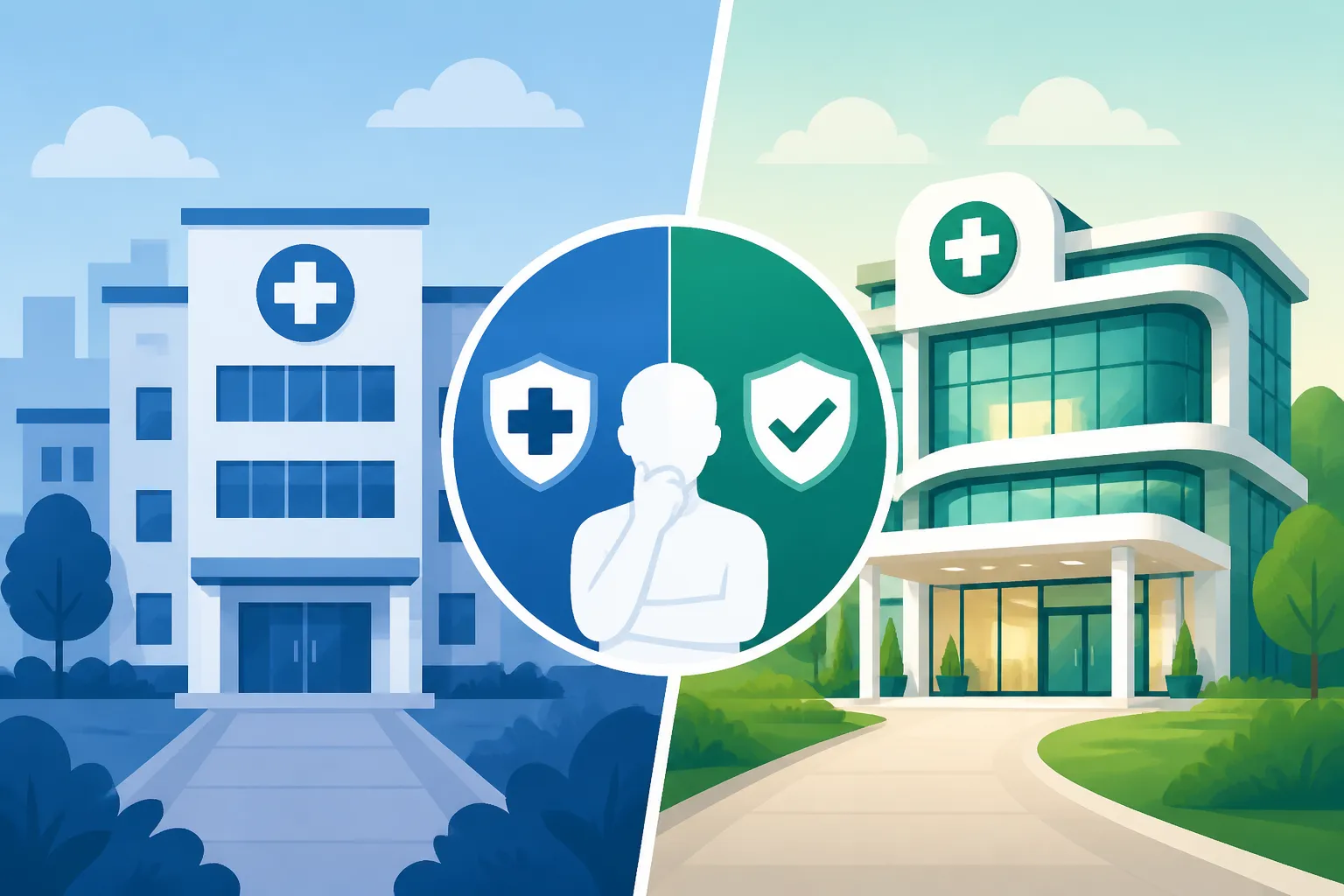
When you first arrive in Serbia, the sheer volume of new information can be overwhelming. One minute you're trying to figure out how to register your address, the next you're wondering what to do if you catch a nasty bug. The healthcare system here has two distinct paths: the public sector, primarily funded and managed by the state, and the private sector, which operates independently with a focus on patient-paid services. It's crucial to understand that these aren't just two sides of the same coin; they are fundamentally different experiences.
The Role of the RFZO in Public Healthcare
The Republic Health Insurance Fund, or RFZO (Republički fond za zdravstveno osiguranje), is the backbone of Serbia's public healthcare system. If you are legally employed or self-employed and paying social contributions in Serbia, you will be registered with the RFZO. This system is designed to provide comprehensive care for residents, from general practitioner visits to specialist consultations and hospital stays. It's the equivalent of a national health service, meaning that for those contributing, most services are either free at the point of use or require a very modest co-payment.
However, navigating this system as a foreigner can feel like deciphering an ancient scroll. There's a lot of paperwork, specific protocols, and often, a significant language barrier. You'll need to understand how to register with the Republic Health Insurance Fund (RFZO) in Serbia and then, crucially, how to choose a GP (Izabrani Lekar) at a Dom Zdravlja in Serbia, as they are your gateway to the public system. Without proper registration and a chosen GP, accessing public hospital services becomes incredibly difficult, if not impossible, unless it's a genuine emergency.
The Rise of Private Clinics and Hospitals
Parallel to the RFZO-funded system, Serbia has a thriving and ever-expanding private healthcare sector. These are independent clinics, diagnostic centres, and hospitals that operate on a fee-for-service basis. You pay directly for the services you receive, or your private health insurance covers it. The private sector has grown significantly over the past decade, largely due to demand for faster appointments, modern facilities, and often, English-speaking staff.
For many expats, especially those new to the country or those whose employers provide private insurance, this is the default choice. These private institutions often offer a more streamlined, patient-centric experience that can feel much more familiar to those coming from Western healthcare systems. While it comes at a cost, many find the peace of mind and convenience well worth the investment, particularly when facing a health concern in a foreign land.
Diving Deeper into Public Hospitals: The RFZO Experience
Stepping into a public hospital in Serbia, especially in larger cities like Belgrade, can be quite an experience. It's a world away from the gleaming private clinics, and it's essential to set your expectations accordingly.
The Bureaucratic Maze and Wait Times
One of the most common frustrations expats encounter in the public system is the bureaucracy. Getting an appointment with a specialist in a public hospital typically requires a referral from your chosen GP. This isn't usually a quick phone call; it often involves physically visiting your Dom Zdravlja, getting the referral, and then potentially waiting weeks or even months for the specialist appointment. Public hospitals are generally underfunded and overcrowded, leading to significant wait times, especially for non-urgent procedures or consultations.
For example, if you need an MRI or a specific diagnostic test, the waitlist in the public system can be extensive. This is where the initial charm of "free at the point of use" can wear thin, particularly if you are in discomfort or worried about a potential condition. The system is designed to serve a large population with limited resources, so efficiency, as we might define it in other countries, isn't always its strongest suit. This is a common pain point discussed in any guide to The Complete Guide to Healthcare in Serbia for Expats (2027).
Expectations and Realities of Public Facilities
Public hospitals in Serbia, such as Klinički Centar Srbije in Belgrade, or Klinički Centar Vojvodine in Novi Sad, are often older facilities. While many have undergone some renovations, you might still find infrastructure that feels dated compared to hospitals in Western Europe or North America. The equipment can be adequate, but perhaps not always state-of-the-art. Don't expect luxurious private rooms; shared wards are standard.
On the other hand, the medical professionals in public hospitals are generally well-trained and dedicated. Serbian medical education is highly regarded, and many doctors and specialists are incredibly skilled, having gained extensive experience through the sheer volume of patients they see. However, English proficiency can vary significantly. While younger doctors might have a decent grasp of English, many older staff members might not, which can create communication challenges during crucial medical discussions. This is why learning how to find an English-speaking doctor in Serbia is a frequently asked question among expats.
Exploring Private Healthcare in Serbia: Comfort and Convenience
The private sector offers a stark contrast to the public system, aiming to provide a more comfortable and efficient experience for those who can afford it.
The Appeal of Private Clinics and Hospitals
Private hospitals and clinics, like Acibadem Bel Medic, Euromedik, or Medigroup, are designed with the patient experience in mind. You'll typically find modern, clean facilities, often with a more hotel-like ambiance rather than a sterile hospital feel. Appointments are usually much easier and faster to schedule, often available within a day or two, sometimes even on the same day for urgent cases. This significantly reduces the stress and uncertainty associated with long wait times.
A major draw for expats is the higher likelihood of encountering English-speaking medical staff. Many private institutions actively recruit doctors and nurses who are proficient in English, or they have dedicated international patient departments. This eliminates the need for a translator and allows for clear, direct communication about your health concerns, diagnosis, and treatment plan. It’s a huge relief when you’re already feeling vulnerable.
Costs and Insurance Considerations
Of course, this convenience and comfort come with a price tag. Private healthcare in Serbia is paid for out-of-pocket, or through private health insurance. A standard consultation with a GP at a private clinic might cost anywhere from 3,000 to 6,000 RSD (approximately €25-€50), while specialist consultations can range from 5,000 RSD to over 10,000 RSD (€40-€85+). Procedures, diagnostic tests, and hospital stays naturally incur much higher costs.
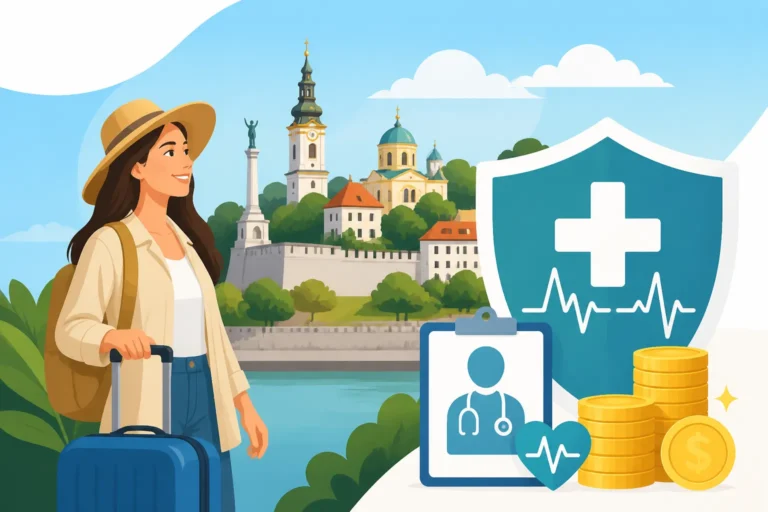
Many expats choose to invest in private health insurance plans in Serbia, either through their employer or independently. Companies like Generali, Uniqa, or DDOR offer local private insurance options, which can significantly offset these costs. For those who are still in the process of getting their long-term Serbian residency or are frequently traveling, international health insurance providers like SafetyWing can be a lifesaver, offering coverage that works both in Serbia and abroad. It’s vital to understand what your policy covers and what "Understanding Out-of-Pocket Healthcare Costs and Co-Payments in Serbia" might still entail, even with insurance.
Key Differences: Cost, Quality, and Accessibility
Let’s break down the core distinctions between public and private hospitals in Serbia. It’s not just about money; it’s about the overall experience and what you prioritize.
Financial Implications
The most obvious difference lies in the cost. If you are a legal resident paying into the RFZO system, public healthcare is largely covered. You'll pay minimal co-payments for prescriptions, certain procedures, or specialist visits. This makes it an incredibly affordable option for those who are fully integrated into the Serbian system. However, for those without RFZO coverage – such as tourists, digital nomads who haven't set up local contributions, or new arrivals awaiting residency – public healthcare is not accessible for routine care, and emergency services would be billed.
Private healthcare, on the other hand, is always paid. Whether it’s out of your pocket or through your private insurance, you or your insurer will be covering the full cost of every service. While the costs are significantly lower than in many Western countries, they can still add up quickly, especially for complex treatments or extended hospital stays. This is why having robust private health insurance is often a non-negotiable for expats who opt for the private route. To get a clear picture of the full spectrum, you might want to look at The Cost of Healthcare in Serbia: A Complete Breakdown for Foreigners (2026).
Perceived Quality and Service Standards
When it comes to the "quality" of medical care, it's a nuanced discussion. Serbian doctors, whether in public or private practice, are generally highly competent. The fundamental medical knowledge and skills are present in both sectors. However, the delivery of that care and the overall patient experience can differ significantly.
Private hospitals tend to offer a higher standard of comfort, modern amenities, and a more personalized approach. You might find a greater emphasis on customer service, shorter waiting times, and a more streamlined patient journey from admission to discharge. Staff might have more time to spend with each patient, and communication can be easier, especially with English-speaking professionals. Public hospitals, while providing essential and often life-saving care, are under immense pressure, and the patient experience can sometimes feel less personal, more rushed, and definitely less luxurious.
Accessibility and Convenience
Accessibility is another major differentiator. Public hospitals require navigating the RFZO system, getting referrals, and often facing long waitlists for non-urgent appointments. While you can access emergency care at a public hospital, for everything else, you need to be properly registered and follow the established protocol. This can be a significant barrier for those who are not yet fully integrated or simply prefer a more direct route to care.
Private healthcare offers superior accessibility and convenience. You can often book appointments online or by phone with minimal fuss, usually for the next day or even the same day. There's no need for referrals in many cases, and you can directly choose your specialist or clinic. This makes it incredibly appealing for busy expats, digital nomads, or anyone who values immediate access to medical services without the bureaucratic hurdles. For a deeper understanding of insurance options, check out Health Insurance in Serbia: RFZO, Private and International Options Explained.
Here's a quick comparison table to summarize the key differences:
| Feature | Public Hospitals (RFZO) | Private Hospitals & Clinics |
|---|---|---|
| Cost | Largely covered for RFZO contributors (low co-pays); full cost for non-RFZO. | Full cost borne by patient or private insurance. |
| Funding | State-funded (through social contributions). | Privately funded (patient fees, private insurance). |
| Accessibility | Requires RFZO registration, GP referral, long wait times for specialists. | Easy direct booking, short wait times, no referral often needed. |
| Facilities | Often older infrastructure, shared wards, functional. | Modern, clean, well-equipped, often private rooms available. |
| Language | Serbian primarily; English proficiency varies greatly. | Higher chance of English-speaking staff, often dedicated international departments. |
| Services | Comprehensive range, from primary to tertiary care. | Wide range of services, often more focus on specialized diagnostics and elective procedures. |
| Emergency | Accessible for true emergencies (billed if no RFZO). | Many have emergency departments; can be faster, but costly. |
| Patient Care | Can feel impersonal, rushed due to high patient volume. | More personalized, customer-service oriented. |
Making Your Choice: When to Go Public, When to Go Private
Deciding which system to use often boils down to your personal circumstances, financial situation, and what kind of experience you're looking for. There's no single "best" option; it's about what makes the most sense for you.
Leveraging the Public System
If you are legally employed in Serbia, paying into the RFZO system, and have your chosen GP (Izabrani Lekar) sorted out, then using the public system for routine care and non-urgent issues can be a smart, cost-effective choice. For example, if you need a regular check-up, a prescription refill for a chronic condition, or a referral for a specialist for a non-urgent matter, the public system is perfectly capable. It's an excellent resource for basic primary care, and for serious, life-threatening emergencies, the public hospitals are well-equipped to handle acute cases, irrespective of your RFZO status.
Just be prepared for the process. Bring a Serbian-speaking friend if your language skills aren't up to par, and be patient with the administrative steps. Remember, this system is for the long haul, offering extensive coverage once you’re fully integrated. It truly is the foundation of How Serbia's Health System Works: The RFZO and Private Care Explained (2026).
Opting for Private Convenience
For many expats, the private sector becomes the go-to, especially for anything beyond a simple cold. If you value speed, comfort, ease of communication, and modern facilities, private clinics are definitely the way to go. This is particularly true for:
- Urgent but non-life-threatening issues: A sudden illness that isn't an emergency but needs prompt attention.
- Specialist consultations: When you need to see a dermatologist, ophthalmologist, or gynaecologist quickly and without a referral hassle.
- Diagnostic tests: Blood tests, X-rays, ultrasounds, and MRIs can be arranged much faster in the private sector.
- Preventative care: Annual check-ups, vaccinations, and screenings are easily scheduled.
- English-speaking preference: If a language barrier is a major concern, private clinics are much more likely to accommodate.
Even if you have RFZO coverage, many expats will still use private clinics for these reasons, paying out-of-pocket or through their private insurance to avoid the queues and streamline the process. Understanding How Much Does a Specialist Consultation Cost in Serbia? will give you a good idea of the expenses involved.
Practical Advice for Expats: Navigating Both Systems
No matter which path you choose, or if you end up using a blend of both, there are some fundamental tips that will make your healthcare journey in Serbia smoother.
Essential Documents and Information
Always, always have your important documents ready. For public healthcare, this means your RFZO health card (zdravstvena knjižica or its digital equivalent), your personal ID (lična karta) or passport, and any referral documents from your GP. For private clinics, your passport or ID is usually sufficient, but if you're using private insurance, have your policy details and insurance card handy.
It's also a good idea to keep a basic medical history on your phone or in a small notebook, including any chronic conditions, medications you take, allergies, and past surgeries. This can be invaluable information, especially if you encounter a language barrier. This preparation is key to Navigating the Serbian Healthcare System: An Expat's Roadmap (2026).
The Value of Private Health Insurance
Even if you’re covered by RFZO, I can't stress enough the benefit of having a good private health insurance plan, especially as a newcomer. It provides a safety net and grants you access to the more convenient private sector without financial strain. Many expat-friendly insurance options exist. Consider comprehensive private plans from local providers, or look into international options like SafetyWing that offer global coverage, useful for both emergencies and general health, whether you're in Belgrade or travelling elsewhere.
Private insurance is particularly useful for covering specialist visits, faster diagnostics, and even procedures that might have long waiting lists in the public sector. If you’re self-employed or a digital nomad and not paying into the RFZO, private health insurance is absolutely essential. Don't leave it to chance; How to Buy Private Health Insurance as a Newcomer in Serbia is a great starting point for research.
Emergency Care Considerations
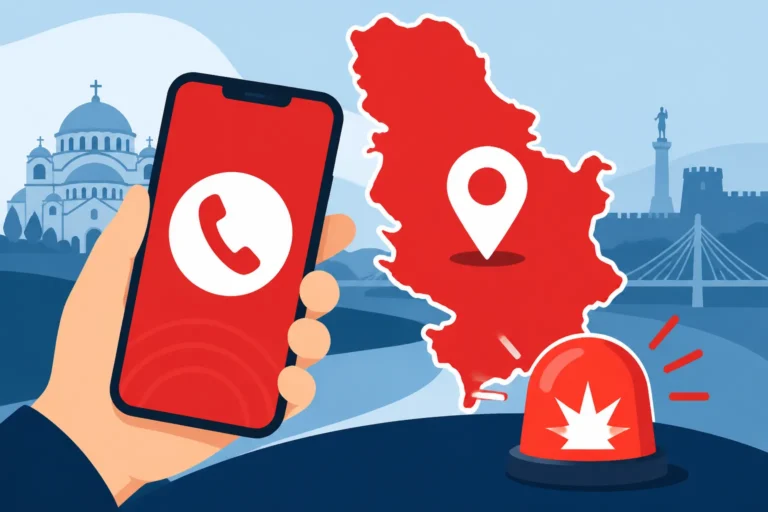
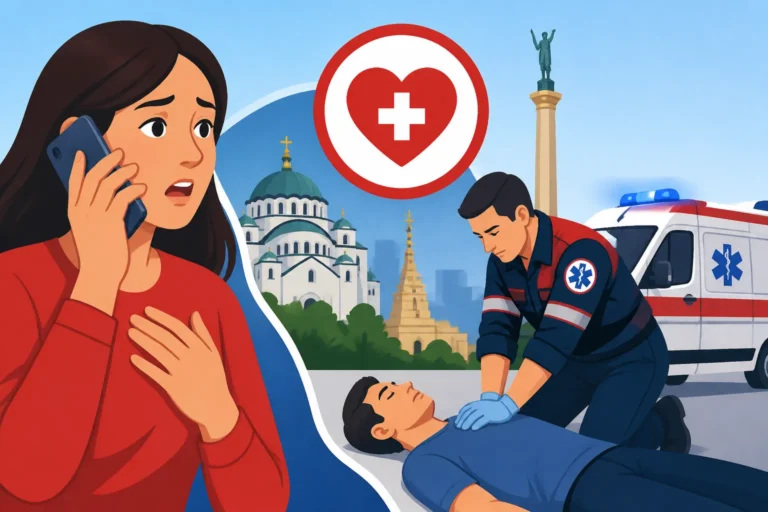
For genuine medical emergencies, such as a heart attack, serious accident, or stroke, you should dial 194 (ambulance) or 112 (general emergency number) immediately. Public hospitals are equipped with emergency departments (Urgentni Centar) that are legally obligated to treat anyone in critical condition, regardless of their insurance status. However, if you do not have RFZO coverage, you will be billed for the services received after stabilization.
For non-life-threatening emergencies that still require urgent attention, such as a broken bone or a deep cut, you might consider going to the emergency department of a private hospital if you have private insurance or are willing to pay. They often have shorter wait times and more direct access to diagnostic tools. However, always assess the severity. For anything truly life-threatening, the public emergency services are your first and best port of call. When asking "How to Use Major Hospitals and Clinics in Belgrade" for emergencies, it's critical to know the distinction.
Disclaimer
The information provided in this guide is for general informational purposes only and does not constitute medical, legal, or professional advice. While we strive to keep the information accurate and up-to-date, healthcare regulations and practices in Serbia can change. Always consult with a qualified medical professional, insurance provider, or legal expert for advice tailored to your specific situation. Reliance on any information in this article is solely at your own risk.