How Much Does It Cost to Live in Belgrade per Month?
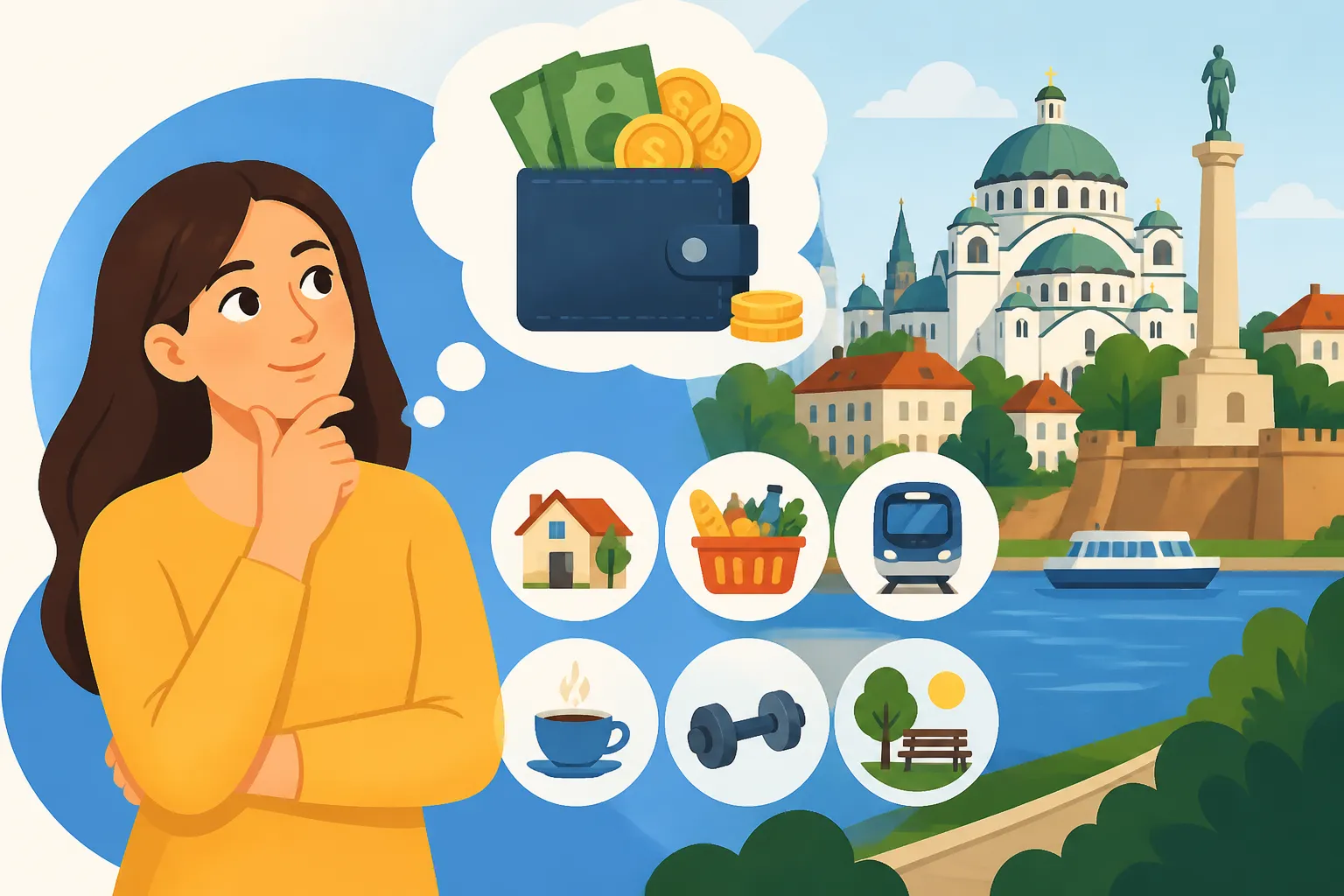
One of the most common questions I get from folks thinking about packing up their lives and moving to this vibrant corner of the Balkans is, "How much does it really cost to live in Belgrade per month?" It’s not just about the numbers; it’s about understanding the nuances, the pleasant surprises, and the occasional sticker shock that comes with expat life. This guide is here to give you a realistic breakdown, drawing on years of navigating Belgrade's unique rhythm and budgeting savvy.
The Reality of Renting in Belgrade: Your Biggest Monthly Expense
Alright, let's dive straight into the big one: accommodation. For most of us, this is where the bulk of our monthly budget goes, and Belgrade is no different. The cost of renting can swing wildly depending on where you want to live, the size of the place, and how modern it is. Unlike some cities where prices are fairly uniform, Belgrade has pockets of luxury right next to more affordable, albeit older, areas. You'll quickly find that Belgrade is generally much more affordable than major Western European capitals, but don't expect it to be dirt cheap either, especially for a decent spot.
Apartment Types and Neighbourhoods: Where Your Dinar Goes
Belgrade offers a pretty diverse range of rental properties. You'll find everything from charming, high-ceilinged apartments in old city centre buildings to sleek, modern units in newly constructed residential blocks. The price, as you can imagine, is heavily dictated by these factors.
If you're dreaming of living right in the heart of the action, say, in Stari Grad or Dorćol, expect to pay a premium. These areas are incredibly popular for their history, atmosphere, and proximity to everything. A modern, well-maintained one-bedroom apartment in Dorćol could easily set you back anywhere from 500 to 800 EUR, sometimes even more for something truly luxurious or with a river view. On the other hand, if you venture slightly further out to neighbourhoods like Vračar or New Belgrade (Novi Beograd), you might find more space for your money. Vračar offers a lovely blend of old-world charm and modern amenities, often with slightly larger apartments for a similar price to a smaller one in Stari Grad. Novi Beograd, with its more organised, block-style architecture, often has newer buildings and a different vibe, appealing to those who prefer modern conveniences and space. You can often find a good two-bedroom apartment here for 600-900 EUR.
For those on a tighter budget, exploring areas like Zvezdara or Voždovac can yield more affordable results, with one-bedroom apartments starting from around 350-450 EUR. These areas might require a bit more commuting to the absolute city centre, but they offer a more local feel and often better value. When you're looking, remember that photos can sometimes be deceiving, and it’s always best to view properties in person. You'll also want to understand the specifics of the rental agreement. For a deeper dive, check out our guide on How Much Does It Cost to Rent an Apartment in Belgrade in 2026?.
Understanding Utility Costs and Hidden Fees
Beyond the rent itself, utilities are a significant chunk of your monthly outgoings. This is one area where many expats moving to Serbia often have questions because the system can feel a little different from what they're used to. Generally, utility costs in Belgrade are quite reasonable compared to many Western countries, but they aren’t negligible.
Your utility bill will typically include electricity (EPS), central heating, water, garbage collection, and building maintenance. Electricity is a variable cost, heavily dependent on your consumption, especially if you rely on electric heaters or air conditioning. For a one-bedroom apartment, expect to pay anywhere from 30 to 70 EUR, but this can jump higher in winter if your central heating isn't particularly efficient or you're using supplementary heating. Speaking of heating, most older buildings have city-provided central heating, which is often included as a fixed monthly charge regardless of consumption. This can be a blessing or a curse, depending on how warm you like your apartment and how efficient the system is. However, many newer buildings, especially in Novi Beograd, have their own heating systems or individual meters, giving you more control over your usage and costs.
Water and garbage collection are usually minor costs, perhaps adding up to 10-20 EUR per month. Building maintenance fees (often called "infostan" in Serbia) cover communal area cleaning and minor repairs. These are generally quite low, usually between 5-20 EUR, but can be higher in luxury buildings with more amenities. Don't forget internet and mobile phone plans, which we'll cover later. It's crucial to clarify with your landlord what exactly is included in the rent and what you'll be paying for separately. Sometimes, landlords include basic utilities in the rent for a slightly higher overall price, offering peace of mind. For more details on this, you might find our article on How Do I Set Up Electricity After Moving to Serbia? really helpful.
Daily Expenses: Food, Transport, and Entertainment in the Serbian Capital
Once you've got a roof over your head, the next big question is how much it costs to fill your fridge, get around, and enjoy all that Belgrade has to offer. This is where Serbia truly shines for affordability, especially if you embrace local markets and public transport. However, it's also where you can easily overspend if you stick to expat-centric venues and imported goods.
Groceries and Eating Out: Balancing Your Budget
The beauty of Belgrade’s food scene is that you can eat incredibly well without breaking the bank. Local groceries, especially from pijaca (farmer's markets) like Kalenić or Bajloni, are fresh, seasonal, and significantly cheaper than supermarket alternatives. A week's worth of fresh fruits, vegetables, and some dairy from a market could cost you as little as 20-30 EUR for a single person. Supermarkets like Maxi, Idea, or Lidl offer a wider range of products, including imported goods, but prices will be higher. A typical weekly grocery bill for one person, mixing markets and supermarkets, might range from 40 to 60 EUR.
Eating out is also quite affordable. You can grab a delicious burek (a savoury pastry) and a yoghurt for breakfast for under 3 EUR. A casual lunch at a local kafana (traditional restaurant) will usually cost you between 7-12 EUR for a main dish and a drink. Even mid-range restaurants in popular areas often offer full meals for 15-25 EUR per person, which is excellent value compared to other European cities. If you're a coffee lover, a cappuccino in most cafes will be around 2-3 EUR. Fine dining, of course, exists and can be pricey, but it's an occasional treat rather than a daily expense for most. Balancing home cooking with casual dining is key to managing your food budget effectively.
Getting Around: Public Transport, Taxis, and Car Ownership
Belgrade's public transport system is extensive and incredibly affordable, though it can be a bit… chaotic at times. It consists of buses, trams, and trolleybuses, covering almost every corner of the city. Forget expensive subway systems; here, it's all above ground, offering a scenic, albeit sometimes slow, journey.
A monthly public transport pass (BusPlus card) costs around 20-25 EUR, offering unlimited rides. This is arguably the most budget-friendly way to get around the city. Individual paper tickets purchased on the bus are slightly more expensive per ride but still affordable. For more detailed information, I highly recommend checking out our comprehensive guide on How Do I Use Public Transport in Belgrade?. Taxis are also reasonably priced, especially compared to Western standards. A ride across the city centre might cost you anywhere from 5-10 EUR, depending on traffic and distance. Always make sure the meter is running, or agree on a price beforehand if you're taking an unofficial taxi (though licensed taxis are generally reliable).
Owning a car in Belgrade is a different beast. While the initial purchase of a used car can be affordable, you'll need to factor in petrol costs (which are comparable to EU averages), parking (which can be a nightmare and expensive in central zones), and mandatory car insurance and registration. For many expats, especially those living and working in the central areas, public transport, walking, and occasional taxis are more than sufficient and considerably cheaper than maintaining a car.
Leisure and Lifestyle: What to Expect for Fun
Belgrade truly comes alive when it comes to leisure and entertainment, and thankfully, it doesn't have to cost an arm and a leg. From vibrant nightlife to cultural events, there's always something happening.
Going out for a drink is relatively inexpensive. A domestic beer in a bar might cost 2-4 EUR, and a cocktail typically ranges from 6-10 EUR. Belgrade is famous for its splavovi (floating river clubs) in the summer, which offer a unique party experience, with drink prices often slightly higher than regular bars. Gym memberships vary, but you can find decent facilities for 30-50 EUR per month. Movie tickets are usually around 4-7 EUR. Theatre and concert tickets are also quite affordable, often ranging from 10-30 EUR for good seats, providing excellent cultural experiences without the hefty price tag you'd find elsewhere.
Exploring museums, galleries, and historical sites is often very budget-friendly, with many offering free entry on certain days or for minimal fees. Even a day trip out of the city, for example, to Novi Sad or Fruška Gora, can be done cheaply if you use public transport (trains or buses) and pack your own lunch. The key here is to embrace the local scene rather than seeking out exclusively international venues, which naturally come with higher prices.
Essential Services and Miscellaneous Costs for Expats
Beyond the daily grind and fun, there are other essential services and administrative costs that expats need to factor into their monthly budget. These are often the hidden expenses that newcomers forget, leading to unwelcome surprises down the line.
Internet, Mobile, and Communication Expenses
Staying connected is non-negotiable for most expats, and Serbia offers good value in this department. There are several major providers, including Telekom Srbija, Yettel (formerly Telenor), and A1 (formerly Vip mobile), all offering competitive packages.
For home internet, you can expect to pay between 20-35 EUR for a decent fibre optic connection with speeds that are more than adequate for streaming, working, and gaming. Many providers offer bundled packages that include internet, TV, and sometimes even landline, which can be more cost-effective. For mobile phones, a prepaid SIM card is easy to get, and you can top up as needed. Monthly plans with generous data allowances (e.g., 10-20 GB) typically cost 10-20 EUR. If you’re a heavy data user or need international calls, prices will naturally be higher. For new arrivals who need immediate connectivity, services like Airalo offer eSIMs for regional data, which can be super convenient until you sort out a local Serbian SIM. It’s always a good idea to compare offers, and you can generally find something that fits your needs without breaking the bank. If you're looking for guidance, our post on How Do I Set Up Internet in My Serbia Home? might be useful.
Healthcare and Insurance: Planning for the Unexpected
Healthcare is a crucial consideration. While Serbia has a public healthcare system (RFZO), many expats opt for private healthcare due to shorter wait times, English-speaking staff, and higher service standards.
If you are employed in Serbia and legally registered, you will contribute to the public health insurance fund (RFZO), which covers basic medical care. However, even with RFZO, there can be co-payments for certain services, and you'll experience the public system's bureaucracy, which can be a source of frustration. Many expats choose to supplement this with private health insurance or rely solely on private clinics for their needs. Private health insurance plans for expats can range from 30 EUR to over 100 EUR per month, depending on coverage levels, age, and pre-existing conditions. For comprehensive care, including specialist visits and hospital stays, a mid-range private plan is often recommended. A simple doctor's visit at a private clinic without insurance might cost 25-50 EUR. Understanding your options here is vital for peace of mind. Our article, The Complete Guide to Healthcare in Serbia for Expats (2026), provides a deep dive into this complex topic.
Visa, Residency, and Administrative Fees
For any expat, getting your legal ducks in a row is paramount, and there are costs associated with it. Obtaining temporary residence (boravak) in Serbia, whether for work, study, or other grounds, involves various fees.
When you apply for temporary residence, you'll encounter government administrative fees, which include application fees, biometric card fees, and potentially fees for translations and apostilles of your documents. These aren't monthly costs but significant upfront expenses. While fees can change, expect to pay around 150-250 EUR in total for the various government charges for your initial application. This doesn't include the cost of professional assistance if you choose to hire an agency, which many expats do to navigate the sometimes-confusing bureaucracy. Renewals also incur fees, though usually slightly less than the initial application. Factor these into your first few months’ budget. For a detailed breakdown of the process and associated costs, our article How to Get Temporary Residence (Boravak) in Serbia (2026) is an invaluable resource. Also, consider that some expats might need to pay for international removals when they first arrive. Companies listed on platforms like Sirelo can give you quotes for these larger, one-off expenses.
Crafting Your Belgrade Budget: A Monthly Overview
So, after all that detail, what does it actually boil down to? Creating a realistic monthly budget for Belgrade involves making choices and understanding where you can save and where you might need to splurge a little. There's no one-size-fits-all answer, but we can look at some typical scenarios.
Sample Monthly Budgets for Different Lifestyles
Let's break down some hypothetical monthly budgets for different expat lifestyles in Belgrade. Remember, these are estimates, and your personal spending habits will always be the biggest factor.
| Category | Budget-Friendly (EUR) | Mid-Range (EUR) | Comfortable (EUR) |
|---|---|---|---|
| Accommodation | |||
| Rent (1-bed) | 350 | 550 | 750 |
| Utilities (incl. heating) | 80 | 100 | 120 |
| Daily Living | |||
| Groceries | 150 | 200 | 300 |
| Eating Out / Coffee | 70 | 150 | 300 |
| Public Transport | 20 | 25 | 0 (Taxi/Car) |
| Services & Leisure | |||
| Internet & Mobile | 30 | 40 | 50 |
| Private Health Insurance | 0 (RFZO only) | 50 | 80 |
| Entertainment & Social | 50 | 100 | 250 |
| Miscellaneous / Buffer | 50 | 75 | 150 |
| Total Monthly Estimate | 800 | 1295 | 1950 |
Budget-Friendly (approx. 800 EUR): This budget assumes you're living in a smaller apartment further from the absolute centre, cooking most of your meals, relying heavily on public transport, and enjoying local, inexpensive entertainment options. You'd likely be on RFZO for healthcare. This is achievable for a single person who is mindful of their spending.
Mid-Range (approx. 1295 EUR): This budget allows for a well-located, comfortable one-bedroom apartment, a mix of home cooking and dining out, regular use of public transport with occasional taxis, and a decent private health insurance plan. You'll have more flexibility for social activities and exploring. This is a very common scenario for single expats.
Comfortable (approx. 1950 EUR): With this budget, you can afford a spacious, modern apartment in a desirable central neighbourhood, dine out frequently, take taxis often or even consider car ownership, and have plenty of disposable income for a vibrant social life, premium gym memberships, and perhaps a higher-tier private health insurance. This budget could also comfortably cover a couple living more frugally, or a single person living quite luxuriously.
These figures align broadly with the general insights provided in our guide to the overall Cost of Living in Serbia for Expats.
Tips for Saving Money Without Sacrificing Quality of Life
Living well in Belgrade doesn't mean spending a fortune, especially if you adopt a few local habits. Here are some seasoned expat tips:
- Embrace the Pijaca: As mentioned, farmer's markets are your best friend for fresh, affordable produce. It's not just about saving money; it's a fantastic cultural experience and a great way to practice your Serbian.
- Cook at Home: Eating out is cheap, but cooking at home is even cheaper. Serbian cuisine is delicious and relatively simple to prepare, using fresh, local ingredients.
- Use Public Transport: Invest in a monthly BusPlus card. It's efficient, covers most of the city, and is a fraction of the cost of running a car or taking daily taxis.
- Explore Local Eateries: Venture beyond the main tourist traps and expat bubbles. Neighbourhood kafanas and bakeries offer authentic, delicious, and incredibly affordable food.
- Look for Local Deals: Keep an eye out for daily menus (dnevni meni) at restaurants during lunchtime – these often offer great value. Many bars also have happy hour deals.
- Outdoor Activities: Belgrade offers plenty of free or low-cost entertainment: walking along the Sava and Danube rivers, exploring Kalemegdan Fortress, enjoying the many parks, or simply soaking up the atmosphere in a buzzing cafe with a cheap coffee.
- Choose Your Neighbourhood Wisely: As we discussed, a slightly longer commute can mean significantly lower rent. Areas like Zvezdara, Voždovac, or parts of Zemun can offer great value and a more authentic Serbian experience.
- Negotiate Rent (if possible): In some cases, especially for longer rental agreements or during quieter rental periods, there might be a little room for negotiation on rent prices. It never hurts to ask politely!
By being mindful of these aspects, you can enjoy a high quality of life in Belgrade without constantly worrying about your budget. It's a city that truly offers something for everyone, regardless of their financial situation.
Disclaimer
Please remember that all cost estimates and figures provided in this article are based on current market conditions and general information available at the time of writing (2024-2026 projections). Prices are subject to change due to inflation, economic fluctuations, and individual choices. This guide is intended for informational purposes only and should not be considered financial or legal advice. We recommend consulting with local experts for personalised guidance.