Can I Live in Belgrade on 1,200 Euros a Month?
One of the most pressing questions that hits every expat's mind when considering a move to a new country is, "Can I actually live there comfortably on my budget?" When it comes to Serbia, and specifically the vibrant, bustling capital of Belgrade, this question often revolves around a figure like 1,200 Euros a month. It’s a common benchmark, and frankly, it’s a tight one, but I'm here to tell you it's absolutely doable – with a few caveats and a lot of smart choices. This guide is going to break down the reality of living in Belgrade on that budget, giving you a veteran expat’s honest perspective on where your money will go and how you can stretch it further.
The Reality of Renting in Belgrade on a Budget
Let's be blunt: rent is usually the biggest slice of anyone's monthly pie, and Belgrade is no exception. While it's certainly more affordable than many Western European capitals, prices have been on the rise, especially in popular expat areas. Living on 1,200 Euros means you'll need to be savvy and potentially compromise on space or location.
Apartment Types and Neighbourhood Choices
When you’re looking at apartments in Belgrade, you’ll quickly notice a few distinctions. Older buildings, often without lifts and with slightly less modern interiors, tend to be cheaper. Newer builds, especially in developments like Belgrade Waterfront (Beograd na Vodi) or in freshly renovated buildings in central areas, will eat up a significant portion of your budget – likely too much if you're aiming for 1,200 Euros total.
Your choice of neighborhood is paramount. If you want to live in the absolute city center, like Dorćol, Stari Grad, or Vračar, 1,200 Euros for everything will mean a very small studio or a room in a shared apartment. These areas are fantastic for convenience, nightlife, and culture, but they come at a premium. You’ll find yourself paying anywhere from 400 to 700 Euros for a decent one-bedroom apartment here, sometimes even more, which immediately puts pressure on the rest of your budget.
However, if you're willing to venture a little further out, say to neighborhoods like Palilula, Zvezdara, or even parts of Novi Beograd (New Belgrade), your options open up considerably. Here, you can realistically find a comfortable one-bedroom or even a small two-bedroom apartment for 300 to 500 Euros. Novi Beograd, with its more modern, block-style buildings, wide boulevards, and excellent public transport links, offers a great balance of affordability and amenities. Just be prepared for a slightly different vibe than the historic center. For a deeper dive into rental costs, check out How Much Does It Cost to Rent an Apartment in Belgrade in 2026?.
Furnished vs. Unfurnished Rentals and Deposits
Most apartments available for rent in Belgrade, especially to foreigners, come fully furnished. This is generally a blessing, as it means you don't have to worry about the initial outlay of buying furniture. However, "fully furnished" can mean anything from stylish and modern to quite dated and basic. Always ask for recent photos or, better yet, arrange a video call walkthrough if you can't view it in person. The quality of the furniture can sometimes influence the price, so don't be afraid to factor that into your negotiations.
As for deposits, landlords typically ask for one month's rent as a security deposit, sometimes two. This is standard practice. Be sure to clarify the conditions for its return in your rental contract. It's crucial to have a clear, written rental contract (preferably in both Serbian and English) that outlines all terms, including the deposit, utilities, and notice periods. When moving in, it's wise to take photos or videos of the apartment's condition to avoid any disputes when you eventually move out. Remember, this initial outlay for the deposit will be on top of your first month's rent, so have that ready before you commit to anything.
Managing Monthly Utilities and Connectivity
Beyond rent, utilities and staying connected are non-negotiable expenses. These can fluctuate based on season, consumption, and your chosen provider, but there are definitely ways to keep them in check.
Electricity, Water, Heating, and Waste
Serbia's utility system can be a bit of a maze, especially if you're used to all-inclusive rents. In Belgrade, you'll typically pay for electricity, water, central heating, building maintenance, and waste collection separately. During the summer months, these costs are generally lower because heating, which is often centrally provided and thus quite costly, isn't active. You might expect to pay anywhere from 80 to 120 Euros for all utilities for a one-bedroom apartment.
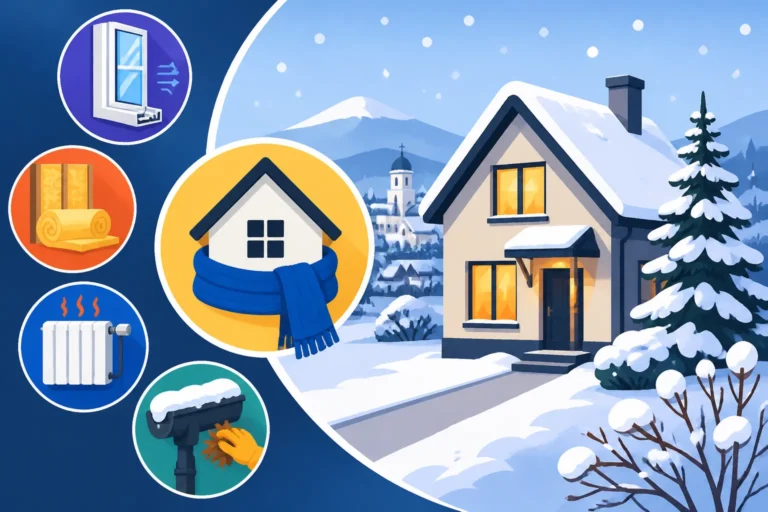
However, winter is a different story. If your apartment has central heating, expect your bills to jump significantly, easily reaching 150 to 250 Euros, or even more for larger spaces. Some older buildings might have individual electric heaters, which can give you more control but also lead to very high electricity bills if used constantly. Always ask the landlord about typical winter utility costs. Learning How Do I Set Up Electricity After Moving to Serbia? can provide further guidance on managing this essential service. For a general overview of these expenses, you might find What Is the Average Utility Bill for an Apartment in Serbia? helpful.
Internet, Mobile, and TV Subscriptions
In today's world, staying connected isn't a luxury, it's a necessity. Luckily, internet and mobile services in Serbia are quite good and relatively affordable. You’ll find several major providers like Telekom Srbija, Yettel, and SBB (now part of United Group). For home internet, you can expect to pay between 20 to 40 Euros for a decent fibre optic package. Many providers offer bundled deals that include internet, TV, and sometimes mobile services, which can save you a few Euros.
For your mobile phone, you have options for both pre-paid and post-paid plans. A basic post-paid plan with a decent amount of data and calls will set you back around 10-20 Euros per month. If you're someone who uses a lot of data or makes international calls, these costs can creep up, so choose wisely. For seamless connectivity right upon arrival, an eSIM from providers like Airalo can be a lifesaver, allowing you to have data access from day one without needing a local SIM card immediately. Once you're settled, exploring local options for How Do I Set Up Internet in My Serbia Home? will be crucial.
Daily Expenses: Groceries, Dining, and Social Life
This is where your 1,200 Euro budget will really be tested – balancing your need for food with your desire to experience Belgrade’s fantastic culinary scene and social atmosphere.
Grocery Shopping and Cooking at Home
If you’re determined to stay within budget, cooking at home will be your best friend. Grocery prices in Serbia are generally lower than in Western Europe, especially for fresh, seasonal produce bought at local markets (pijaca). Supermarkets like Maxi, Idea, Roda, and Lidl are widely available. You can expect to spend anywhere from 250 to 400 Euros a month on groceries for one person, depending heavily on your diet and where you shop.
Shopping at a local pijaca (like Kalenić or Bajloni in Belgrade) can significantly reduce your fruit and vegetable bill and is also a wonderful cultural experience. Meat and dairy are also relatively affordable. Imported goods or specialty items, however, can be pricier, so be mindful of your choices. For example, buying locally produced ajvar will be much cheaper and often tastier than an imported spread. If you're careful, and cook most of your meals, you can keep this cost on the lower end of the spectrum.
Dining Out, Coffee Culture, and Nightlife
Belgrade is renowned for its vibrant cafe culture, fantastic restaurants, and bustling nightlife. This is where many expats find themselves spending more than anticipated. A coffee in a nice cafe might cost 2-3 Euros, a beer 2-4 Euros, and a meal at a mid-range restaurant could be anywhere from 10-20 Euros per person, not including drinks. While this is still cheaper than many other European cities, these costs add up quickly.
If you’re sticking to 1,200 Euros, you’ll need to be selective about how often you dine out or hit the town. Enjoying a pljeskavica (Serbian burger) from a street vendor for 3-5 Euros or grabbing a slice of burek (savory pastry) for 2-3 Euros is a budget-friendly way to eat out. Limiting restaurant visits to once or twice a week and enjoying coffee at home or less expensive local spots will make a big difference. Nightlife, especially in popular clubs or bars in Beton Hala or Strahinjića Bana, can be pricey if you're ordering cocktails all night. Sticking to local beers and pre-drinking can help manage these expenses.
Transportation and Leisure Activities
Getting around Belgrade and enjoying its many attractions without breaking the bank is quite feasible. Public transport is comprehensive, and there are plenty of free or low-cost activities to keep you entertained.
Public Transportation Costs
Belgrade’s public transport system, consisting of buses, trams, and trolleys, is extensive and generally reliable, though it can get crowded. A monthly pass (BusPlus card) currently costs around 2,200 RSD (roughly 19-20 Euros), which is incredibly good value if you plan to use public transport regularly. Single tickets, bought on the bus via SMS or at kiosks, are around 1 Euro. Taxis are also available, and ride-hailing apps like Yandex Go and CarGo offer competitive rates. A typical taxi ride across central Belgrade might be 5-10 Euros.
For a budget of 1,200 Euros, a monthly public transport pass is definitely the way to go. It offers unlimited rides and keeps your travel costs predictable. If you live within walking distance of your workplace or preferred areas, you might even save more by walking or cycling. Learn more about navigating the city with How Do I Use Public Transport in Belgrade?.
Entertainment and Hobbies
Belgrade offers a wide array of entertainment options, many of which are very budget-friendly. Museums typically have entrance fees of a few Euros, with some offering free entry on specific days. Cinemas are affordable, with tickets ranging from 4-7 Euros. Live music events, theatre, and concerts can vary widely in price, from free performances in public squares to more expensive tickets for international acts.
Joining local sports clubs, language classes, or hobby groups can range from 20-50 Euros per month. There are also numerous parks and green spaces like Ada Ciganlija (Belgrade Sea) where you can enjoy outdoor activities for free. Exploring the city on foot, visiting historical sites, or simply enjoying the cafe culture with friends without excessive spending are all great ways to enjoy life in Belgrade without straining your wallet. Finding an English-speaking doctor in Belgrade, for instance, won't typically be a leisure cost, but knowing where to go for health needs is always important.
Financial Realities and Budgeting Tips for Expats
Living on 1,200 Euros in Belgrade requires discipline and a realistic understanding of what that budget allows. It’s certainly not a life of luxury, but it can be a comfortable and fulfilling one.
Budget Breakdown and Scenario Analysis
Let’s put it all together. Here’s a rough breakdown for a single expat living frugally in Belgrade on 1,200 Euros:
| Category | Estimated Monthly Cost (Euros) | Notes |
|---|---|---|
| Rent (1-bed, outside center) | 350 – 450 | This is for a modest apartment in a slightly less central but well-connected neighborhood like Palilula, Zvezdara, or Novi Beograd. Expect smaller space or older building. |
| Utilities (Winter Estimate) | 150 – 200 | Includes electricity, water, central heating, waste, building maintenance. This can fluctuate wildly; be prepared for higher in winter. |
| Internet & Mobile | 30 – 50 | A good internet package and a basic mobile plan. Bundles can save you money. |
| Groceries | 250 – 350 | Cooking at home predominantly, buying local, shopping at markets. |
| Public Transport | 20 | Monthly BusPlus card for unlimited travel. |
| Dining Out & Coffee | 100 – 150 | Occasional inexpensive meals, coffee, and drinks. Focus on street food and local kafanas. |
| Leisure & Entertainment | 50 – 100 | Museum visits, cinema, a few drinks out, cheap concerts, or social activities. Many free options are available. |
| Miscellaneous/Buffer | 50 – 80 | Unexpected expenses, toiletries, clothing, small household items, or an occasional splurge. |
| TOTAL | 1,000 – 1,400 | This range shows that 1,200 Euros is on the tighter side, particularly if you want to be slightly more comfortable with rent or enjoy dining out more often. Being disciplined is key. You might need to adjust downward on some categories to save for others. |
As you can see, 1,200 Euros puts you right in the middle, meaning you have to be vigilant. If your rent is on the higher end of the spectrum (say, 450 Euros), you’ll need to cut back significantly on dining out, leisure, or even groceries. Conversely, if you find a fantastic deal on rent (e.g., 300 Euros), you'll have a bit more breathing room for other activities. Many expats find a good balance by sharing an apartment, which can drastically cut down on rent and utility costs, making 1,200 Euros much more comfortable.
Saving Money and Stretching Your Budget
Living within a 1,200 Euro budget in Belgrade means embracing a more local lifestyle. Here are some seasoned expat tips:
- Embrace the Pijaca: Buy your fresh produce, dairy, and often meat directly from farmers at local markets. It’s cheaper and fresher.
- Cook at Home: Seriously, this is the biggest money-saver. Belgrade has incredible restaurants, but frequent dining out will drain your budget fast.
- Walk Everywhere You Can: Belgrade is a walkable city, especially the central areas. Not only does it save on transport, but it's also a great way to discover hidden gems.
- Look for Lunch Deals: Many restaurants offer dnevni meni (daily menu) or lunch specials that are much cheaper than dinner prices.
- Choose Local Brands: From groceries to cleaning supplies, opting for Serbian brands will almost always be more affordable than imported equivalents.
- Limit Imported Goods: That craving for a specific brand of cereal or cheese from home can be expensive. Try to find local alternatives.
- Be Mindful of Heating: If you have individual electric heating, be smart about how much you use it. Dress in layers, use blankets. If you have central heating, well, you're stuck with that bill, so factor it in.
- Consider a Roommate: If you're single, sharing an apartment is a fantastic way to halve your rent and utilities, giving you much more disposable income.
- Explore Free Entertainment: Belgrade has numerous parks, historical sites, and often free cultural events. Take advantage of them!
While 1,200 Euros a month might feel tight for some, it's absolutely a viable budget for a single person in Belgrade who is willing to make conscious choices. It won't be a life of extreme luxury, but it can certainly be a rich, engaging, and comfortable experience. Ultimately, the question What Salary Do I Need to Live Comfortably in Belgrade? depends on your definition of comfort, but with careful budgeting and a bit of local wisdom, Belgrade can be incredibly welcoming to your wallet. If you're planning a big move, consider exploring services like Sirelo to compare removal companies, which can help you save on those initial setup costs.
Final Thoughts: Is 1,200 Euros Realistic?
Based on my experience and observations, living on 1,200 Euros a month in Belgrade is definitely realistic for a single person, but it requires diligent budgeting and a willingness to embrace a local lifestyle. You won't be living lavishly, but you can certainly cover your essentials, enjoy the city's charm, and have a decent quality of life.
The biggest factor will be your rent. If you can secure a good deal on a modest one-bedroom apartment outside the absolute city center (say, 300-400 Euros), then your remaining 800-900 Euros will provide a comfortable cushion for utilities, food, transport, and some leisure. If your rent is higher, then other categories will feel the pinch.
For those earning 1,200 Euros, this journey might be about discovering the authentic, affordable side of Belgrade, enjoying simple pleasures, and becoming adept at local budgeting. It's a challenging but rewarding experience that many expats successfully navigate, finding joy in the city's vibrant culture without needing a massive income.
Disclaimer
The information provided in this guide is for general informational purposes only and does not constitute financial or legal advice. Rental prices, utility costs, and living expenses in Serbia can fluctuate due to market conditions, inflation, and individual choices. While efforts have been made to ensure accuracy based on current data, readers should conduct their own research and consult with appropriate professionals for personalized advice.