Understanding Car Insurance and Registration in Serbia
Oh, the joys of owning a car in Serbia! If you've just arrived or are contemplating buying a vehicle here, you're likely bracing yourself for what can feel like an endless loop of paperwork, queues, and head-scratching moments at various government offices. Trust me, I've been there, staring blankly at forms in Serbian, wondering if I'd ever get my wheels legally on the road. But don't despair – this comprehensive guide is here to demystify car insurance and registration in Serbia, breaking down each step so you can navigate the process with a bit more confidence and a lot less stress.
The Serbian Car Registration Maze: A First Look
Getting your car registered in Serbia isn't just a one-and-done deal; it's an annual pilgrimage through administrative processes. Whether you’re bringing your car from abroad, buying a used one locally, or just trying to renew your existing plates, understanding the system is half the battle. This isn't like some countries where you just update online; here, personal visits and stamped papers are still very much the norm.
Initial Steps for New Owners Local vs Imported Cars
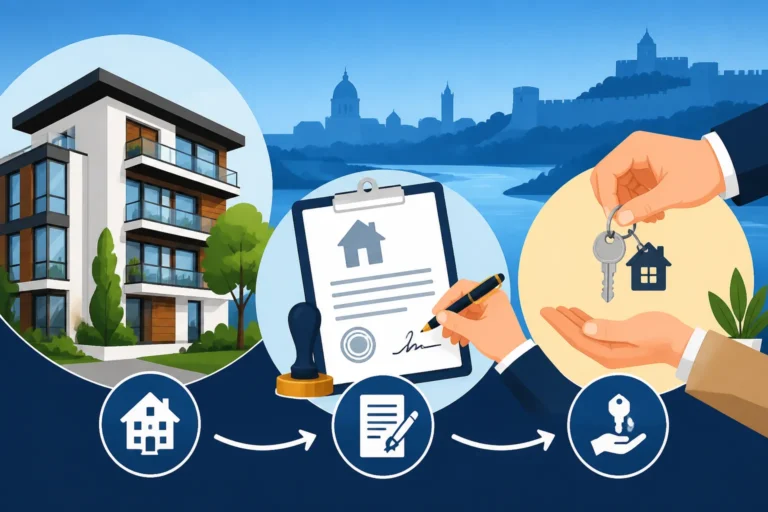
Let's talk about getting started. If you've just bought a car here in Serbia, say, a lovely second-hand Yugo or a more modern Škoda from a local seller, the process starts with transferring ownership. This involves a sales contract, typically certified by a public notary (javni beležnik). Once you have that legally binding document, proving you're the proud new owner, you'll then need to head to the Tax Administration (Poreska Uprava) to pay the property transfer tax. Yes, another tax! It's usually a percentage of the vehicle's market value, and without that stamp of approval, you can't proceed. This initial phase can feel a bit like a treasure hunt, going from one office to another, gathering stamps like they're golden tickets.
Now, if you're importing a car into Serbia, buckle up, because it's a whole different ball game. Before you even think about registration, you'll be dealing with customs duties and import regulations, followed by a mandatory homologation process to ensure your vehicle meets Serbian technical standards. This often means specialized checks at certified institutions. I remember a friend who brought his beloved classic car over, only to find out it needed modifications to pass homologation. It's not insurmountable, but it requires patience and often a good local agent to help. Once your imported car clears customs and homologation, you'll then be ready to tackle the initial registration, much like a local purchase, but with an extra layer of foundational paperwork. To learn more about bringing your vehicle from abroad, check out our guide on how you can Can I Import My Car to Serbia?.
Understanding the Annual Registration Process
Once your car is initially registered and you have your shiny Serbian plates and registration sticker, you'll quickly realize this isn't the end of your administrative journey. Car registration in Serbia is an annual affair. Every year, without fail, you'll need to renew your registration. This involves a few crucial steps that need to be completed in a specific order. The most important of these is the annual technical inspection (tehnički pregled), which your car must pass with flying colors. Without a valid technical inspection certificate, you absolutely cannot proceed with renewing your insurance or your registration.
After successfully passing the technical inspection, you'll then renew your mandatory third-party liability insurance. Only with these two prerequisites in hand—a fresh technical inspection report and proof of renewed insurance—can you head to the police department (MUP) or an authorized registration agency to complete the final paperwork and get your new registration sticker (registracijska nalepnica). This sticker, which you'll affix to your windshield, confirms your vehicle is legally allowed on Serbian roads for the next year. Missing any of these steps, or trying to do them out of order, will send you right back to square one, often with a polite but firm "dođite sutra" (come tomorrow) from the civil servant. It's a system that truly values order and documentation. For a deeper dive, consider reading How Do I Renew My Car Registration in Serbia?.
Key Documents You'll Always Need
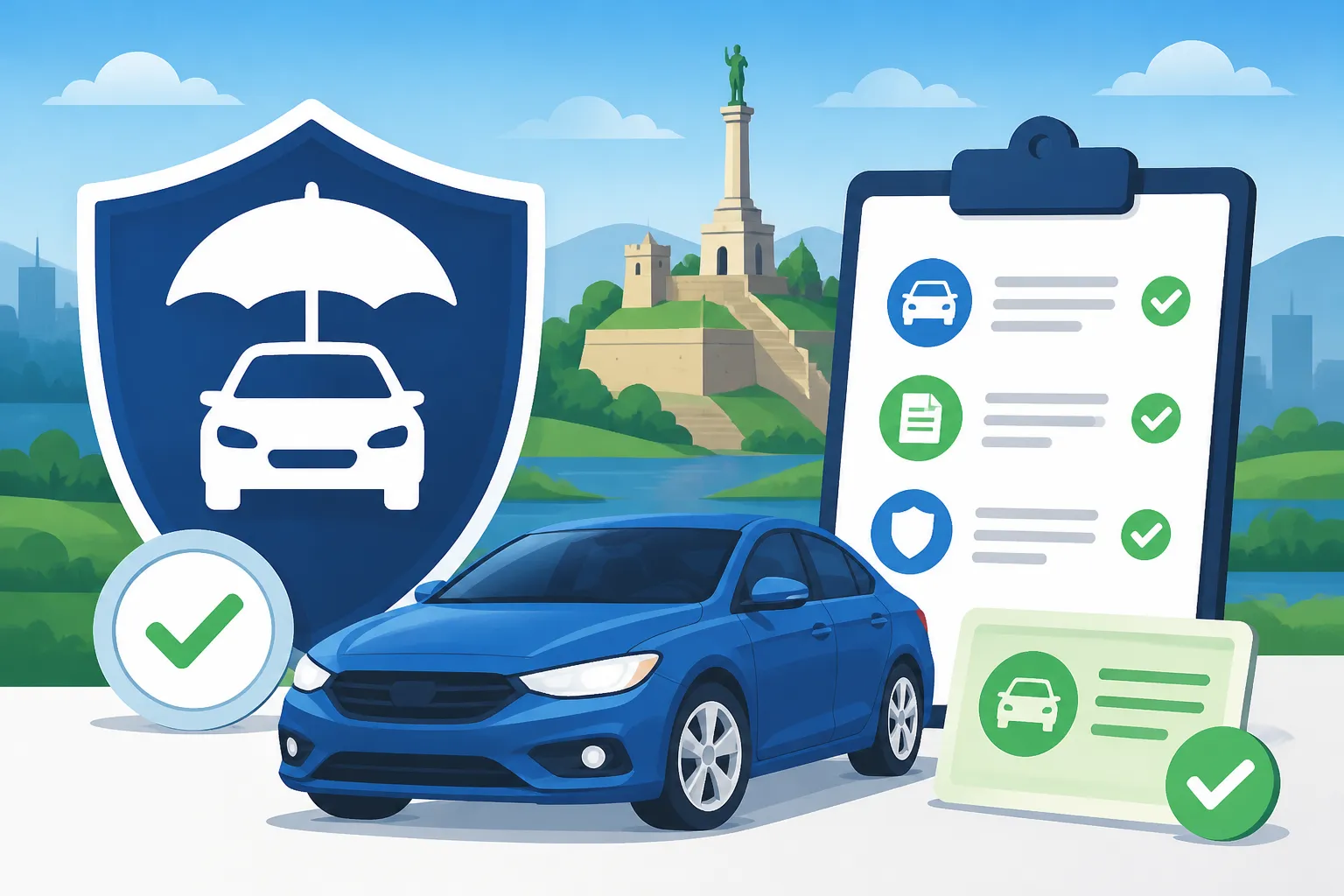
Navigating the Serbian car registration process, whether initial or annual, demands a very specific set of documents. Think of it as a checklist you absolutely cannot deviate from. First and foremost, you'll need your personal identification: your valid passport and your Serbian residence permit (boravišna dozvola). Without these, you're not even getting through the door. Next up is your Serbian driver's licence. If you're still using a foreign one, you'll often need to have it officially translated and certified by a notary, or better yet, get your Serbian licence sorted. We have a great resource on How Do I Get a Serbian Driver's Licence? to help with that.
Then comes the vehicle-specific paperwork: the vehicle registration certificate (saobraćajna dozvola), which is essentially the car's identity card, and the proof of ownership, whether it's the original sales contract or a previous registration document. For annual renewals, you must bring the technical inspection certificate (potvrda o tehničkoj ispravnosti), proving your car is roadworthy, and the proof of mandatory third-party liability insurance (polisa obaveznog osiguranja). Keep all these documents in a dedicated folder, because you'll be presenting them at multiple stops along the registration journey. Having copies, both physical and digital, is also a smart move, just in case.
Deciphering Car Insurance in Serbia: Obligatory vs. Optional
When it comes to car insurance in Serbia, much like anywhere else, it's about striking a balance between legal requirements and peace of mind. The system is designed to protect third parties, but you have the option to extend that protection to yourself and your vehicle too. It's not a place to skimp, as unexpected incidents can be costly, and navigating the aftermath in a foreign language is a headache nobody needs.
Mandatory Third-Party Liability Osnovno Osiguranje
The absolute cornerstone of car insurance in Serbia is the Mandatory Third-Party Liability Insurance, known as Osnovno Osiguranje. This is non-negotiable; every single vehicle on Serbian roads must have it. This insurance covers damages you might cause to other vehicles, property, or individuals in an accident. It does not cover damages to your own vehicle or injuries to yourself. Think of it as protecting everyone else from you and your car. The premiums for this type of insurance are largely standardized across all insurance companies in Serbia, though there might be slight variations. Factors like the vehicle's engine size and your claims history (bonus-malus system) will influence the final price.
When you go to renew your registration, the first stop after the technical inspection is usually the insurance company to get this policy sorted. They'll issue you a policy document which is then required for the final registration step. Without it, you cannot get your new registration sticker. It's a critical piece of the puzzle, ensuring that if you accidentally ding someone's bumper, they won't be left out of pocket. For more on the costs, take a look at our article, How Much Is Car Insurance in Serbia?.
Exploring Comprehensive Kasko Insurance Options
While Osnovno Osiguranje covers the basics, many expats, especially those with newer or more valuable vehicles, opt for Comprehensive Insurance, or Kasko Osiguranje. This is where your own vehicle gets protection. Kasko insurance covers a wide range of perils, including damages from accidents (even if you're at fault), theft, fire, natural disasters (like those rather intense Serbian hailstorms in summer!), and vandalism. It's essentially peace of mind for your investment.
Unlike mandatory third-party insurance, Kasko premiums vary significantly between insurance providers and depend on several factors: the market value of your car, its age, your driving history, the chosen deductible (franšiza), and any additional coverages you opt for. You can often tailor Kasko policies to include things like roadside assistance, replacement vehicle cover, or even coverage for specific accessories. Popular insurers in Serbia offering Kasko include Generali Osiguranje, DDOR Novi Sad, and Uniqa Osiguranje. It's worth getting quotes from a few different providers to compare coverage and prices. While it's an added expense, the thought of being stranded or having your car stolen without comprehensive cover in a foreign country is enough to make many foreigners consider it a necessary investment.
How Insurance Premiums Are Calculated
Understanding how car insurance premiums are calculated in Serbia can feel a bit opaque, but there are clear factors at play. For the mandatory third-party liability (Osnovno Osiguranje), the primary driver of the premium is the engine capacity (kubikaža) of your vehicle. Cars with larger engines generally incur higher premiums, as they are statistically associated with higher potential for damage in an accident. There's also the bonus-malus system: if you haven't made any claims in previous years, you build up a bonus, which translates to a discount. Conversely, if you've been involved in accidents and made claims, you accumulate a malus, leading to higher premiums. This system is designed to reward safe drivers and penalize those with a history of claims.
For comprehensive (Kasko) insurance, the calculation becomes more intricate. Beyond engine size and claims history, the market value of your vehicle is a huge factor. A brand new SUV will naturally have a much higher Kasko premium than an older, less valuable compact car. The age of the vehicle also plays a role, as older cars might be deemed riskier or more expensive to repair. Your chosen deductible (franšiza) – the amount you agree to pay out of pocket before the insurance kicks in – significantly impacts the premium; a higher deductible means a lower premium, and vice-versa. Finally, the specific coverages and add-ons you select for your Kasko policy will also contribute to the final cost. Insurers like Generali Osiguranje will assess these elements to give you a personalized quote. It’s always smart to ask for a detailed breakdown so you understand what you’re paying for.
The Vehicle Inspection (Tehnički Pregled) – More Than Just a Check-up
The technical inspection, or tehnički pregled, isn't merely a formality in Serbia; it's a rigorous annual check-up that your vehicle must pass to prove it's roadworthy. And believe me, they do check. This process can be daunting, especially if you're used to more relaxed inspections in other countries. Failing the technical inspection means you cannot register your car, period.
What the Technical Inspection Entails
The tehnički pregled is a comprehensive examination of your vehicle's safety and environmental compliance. It's incredibly thorough, often lasting 30 to 45 minutes, with several technicians meticulously scrutinizing every aspect of your car. They'll check your brakes (including handbrake), steering system, lights (headlights, tail lights, indicators, fog lights – all must be working and correctly aligned), and tires (tread depth, condition, and pressure). The exhaust system is examined for emissions, which is particularly important for environmental standards.
Beyond the basics, they'll inspect your windshield wipers, seatbelts, horn, windows (no cracks in the line of sight!), and even the functionality of your doors and mirrors. They'll also check for any visible signs of damage, corrosion, or leaks. They don't just kick the tires; they put the car through its paces on specialized equipment to measure brake efficiency and headlight aim. If anything, and I mean anything, is found to be non-compliant or faulty, your car will fail. It's not uncommon for minor issues, like a single non-working headlight bulb or a slightly worn tire, to lead to a failure. For more details on what to expect, read our guide on How Do I Get a Vehicle Inspection in Serbia?.
Finding a Certified Inspection Station
Finding a certified technical inspection station (stanica za tehnički pregled) is straightforward, as they are quite numerous throughout Serbia, particularly in larger cities like Belgrade and Novi Sad. You'll see signs for them everywhere. These are private companies licensed by the Ministry of Interior (MUP) to conduct these inspections. It's important to choose one that is well-regarded and efficient, as some can have longer wait times or be more particular than others. Word-of-mouth recommendations from other expats or trusted local friends can be invaluable here.
While many stations operate on a first-come, first-served basis, some allow you to book an appointment, which can save you precious time. You can usually identify them by clear signage indicating "Tehnički Pregled" or "Registracija Vozila". Before you commit, it's always a good idea to check their operating hours and confirm they are equipped to handle your specific type of vehicle. Some larger stations, often associated with car dealerships or repair shops, can even help with the insurance renewal right after the inspection, making it a convenient one-stop shop for parts of the process.
Common Issues and How to Prepare
In my experience, and that of many other expats, certain issues frequently crop up during the tehnički pregled. The most common culprits leading to a failed inspection are usually lighting system malfunctions (a burnt-out bulb, incorrect headlight alignment), worn-out tires (below the minimum tread depth), and brakes that don't meet efficiency standards. Less common but still present are issues with exhaust emissions (especially for older diesel cars), windshield damage, or minor structural rust that impacts safety.
To prepare, treat your car to a thorough check-up before the official inspection. Many local mechanics or even the inspection stations themselves offer pre-inspection checks for a small fee. This can be a wise investment, allowing you to address any red flags proactively. Make sure all your lights (high beams, low beams, fog lights, indicators, brake lights, reverse lights, license plate light) are working. Check your tire pressure and tread. Ensure your windshield wipers are functional and your fluid reservoir is full. Clean your car, too; while not strictly a pass/fail criterion, presenting a well-maintained vehicle can subtly influence the inspectors. It sends a message that you care about your car's condition, which can't hurt. By being proactive, you can avoid the frustration of a failed inspection and the subsequent scramble for repairs and re-inspection fees.
Navigating the Bureaucracy: Tips, Timelines, and Potential Pitfalls
Dealing with any bureaucracy in a foreign country can be a challenge, and Serbia is no exception. While things have become more streamlined over the years, there are still quirks to the system that require patience and local know-how. Understanding the players and the sequence of events is key.
The Police Department MUP and Registration Plates
The Ministry of Interior (Ministarstvo Unutrašnjih Poslova, or MUP) is the ultimate authority for vehicle registration in Serbia. While you might complete parts of the process at certified agencies or inspection stations, the MUP is where your application is officially processed, and your registration plates and sticker are issued. You'll typically visit a MUP office in your place of residence. This is where your personal data and vehicle details are logged into the central database.
When you go to the MUP, ensure you have all your documents in order: proof of ownership, valid technical inspection, renewed insurance policy, and your ID. The MUP processes your application, issues a new registration certificate (saobraćajna dozvola), and provides the all-important registration sticker (registracijska nalepnica). If you are getting new plates for the first time or if your old ones are damaged, they will be issued here as well. The staff, while generally professional, might not always speak English, so having a Serbian speaker with you or having your questions clearly written down can be a huge help.
Translators, Notaries, and Other Essential Services
When navigating car ownership in Serbia, you'll likely encounter the need for various ancillary services. Official translators are often crucial, especially if your initial vehicle documents (like a foreign title or sales agreement) are not in Serbian. These translations must be done by a certified court translator (sudski tumač) to be accepted by Serbian authorities. Simply having a friend translate it won't cut it. Their stamp is vital.
Public notaries (javni beležnik) play a central role in certifying sales contracts for local car purchases. They ensure the legality of the transaction and that signatures are genuine. Their services are also needed for verifying copies of documents if required. Beyond these, you might find yourself needing a local agent or lawyer if you're importing a vehicle with complex paperwork, or simply if you feel overwhelmed and need someone to guide you through the process, especially with customs or homologation. These individuals often have established relationships with various offices and can make the process smoother, though they come with a fee. Sometimes, paying for expert help to avoid headaches and multiple trips is a worthy investment.
Timelines and Avoiding Fines
Understanding the timelines is crucial to avoid unnecessary stress and, more importantly, fines. Your annual car registration must be renewed before its expiry date. There isn't a long grace period, and driving with an expired registration is illegal and can result in significant fines, having your vehicle impounded, and points on your driver's license. It’s a good habit to start the renewal process at least a week or two before the expiry date to account for any unforeseen delays, like needing repairs after a failed technical inspection or long queues at the MUP.
If you purchase a new vehicle, you have a limited time (usually 15 days) from the date of the sales contract to complete the ownership transfer and initial registration. Exceeding this period can also lead to penalties. The system in Serbia is quite strict on adherence to deadlines. Keep an eye on your registration sticker's expiry date and set reminders on your phone or calendar. A common pitfall is underestimating the time it takes if something goes wrong, like needing a repair or a document correction. Plan ahead, and you'll save yourself a lot of hassle.
Costs Involved: A Realistic Breakdown
Let's talk money, because car ownership in Serbia comes with its own set of financial obligations. Beyond the initial purchase price, there are recurring costs that every car owner, especially an expat, needs to be fully aware of. It's not just about what you see on the sticker price; it's the hidden and recurring fees that can catch you off guard.
Annual Registration Fees and Taxes
Each year, when you renew your car registration, you'll be faced with a handful of government-mandated fees and taxes. These include:
- Vehicle Registration Fee (Naknada za registraciju): This is a basic administrative fee for the renewal process itself.
- Road Tax (Porez na upotrebu motornih vozila): This tax is calculated based on the vehicle's engine capacity (kubikaža) and age. Older cars and those with smaller engines generally pay less, while newer, larger-engined vehicles incur higher road tax. This can be a significant chunk of your annual cost.
- Environmental Tax (Ekološka taksa): A smaller fee that contributes to environmental protection.
- Public Roads Usage Fee (Naknada za korišćenje javnih puteva): Another small contribution towards road maintenance.
- Administrative Stamp Duty (Administrativna taksa): Various small fees for stamps and processing at the MUP.
These fees are typically paid at the post office or bank before you finalize your registration at the MUP, and you'll need to present the proof of payment with your documents. The total amount can vary widely, but for an average family car, you might be looking at anywhere from €100 to €300+ annually, just for these government fees and taxes.
Insurance Costs: What to Expect
As we've discussed, car insurance in Serbia involves both mandatory and optional components. The Mandatory Third-Party Liability (Osnovno Osiguranje) is a fixed cost based on engine size and bonus-malus status, typically ranging from around €100 to €250 annually for most common vehicles. This is a non-negotiable expense that you'll pay every year before your registration.
The Comprehensive (Kasko) Insurance, on the other hand, is entirely optional but highly recommended by many expats, especially if your car is valuable or new. The cost here is much more variable, depending on the car's value, your chosen deductible, and the insurer. For a mid-range car, you might expect to pay anywhere from €300 to €800 or even more per year for a decent Kasko policy. While it adds a significant sum to your annual budget, the financial protection it offers against theft, damage, and natural disasters can be invaluable, sparing you huge out-of-pocket expenses should something unfortunate happen.
Other Unexpected Expenses for Car Owners
Beyond the obvious registration and insurance costs, car ownership in Serbia can come with a few unexpected financial surprises.
One significant cost is the technical inspection fee, which you'll pay annually. This typically ranges from €40-€60. If your car fails the inspection, you'll incur additional repair costs to fix any deficiencies before you can get a re-inspection, which might also have a small fee.
If you're buying a used car, don't forget the property transfer tax, which is around 2.5% of the vehicle's market value. This is a one-time upfront cost. Notary fees for certifying sales contracts or document translations can also add up, usually ranging from €20-€50 per document.
For expats, the initial process of getting a Serbian driver's licence might involve translation fees for your foreign license, and if you're importing a vehicle, you'll have customs duties, import taxes, and homologation fees which can run into several hundred or even a couple of thousand euros depending on the vehicle's origin and value.
Then there are the general maintenance costs that apply anywhere: fuel, regular servicing, parking fees (especially in cities like Belgrade, where parking can be a real challenge), and occasional repairs. Factor in a buffer for these, and you'll have a more realistic picture of what owning a car in Serbia truly entails.
| Expense Category | Description | Typical Annual Cost (EUR) | Notes |
|---|---|---|---|
| Mandatory Registration & Taxes | Registration fees, road tax, environmental tax, public roads usage fee, administrative stamps. | €100 – €300+ | Varies based on engine size, age of vehicle. |
| Technical Inspection | Annual vehicle safety and emissions check. | €40 – €60 | Mandatory for annual registration renewal. |
| Mandatory Third-Party Insurance | Covers damages to other parties in an accident. | €100 – €250 | Varies based on engine size and claims history (bonus-malus). |
| Optional Comprehensive (Kasko) Insurance | Covers damage/theft of your own vehicle. | €300 – €800+ | Highly variable, depends on car value, deductible, provider. |
| Fuel | Petrol/Diesel costs. | Variable | Depends entirely on usage and fuel prices. |
| Maintenance & Repairs | Regular servicing, unexpected repairs. | Variable | Highly dependent on vehicle age, make, and driving habits. |
| Parking | City parking fees. | Variable | Can be substantial in urban areas like Belgrade if no private parking. |
| Notary & Translation Fees | One-off costs for sales contracts, document translations for new purchases/imports. | €20 – €100+ | Per document or transaction. |
| Import & Homologation Fees | One-off costs for bringing a vehicle into Serbia. | €500 – €2000+ | Significant for imported vehicles. |
What If You're Importing a Vehicle?
For many expats, the idea of bringing their beloved car from home to Serbia is tempting. While it's certainly possible, it's a path laden with administrative complexities that go far beyond just local registration. It’s not just a matter of driving it across the border; there’s a whole system designed around controlling what vehicles enter the country and how they integrate into the Serbian legal framework.
Customs Duties and Import Regulations
Bringing a car into Serbia permanently means navigating the country's customs regime. This isn't a simple handshake at the border; you're looking at customs duties and VAT (Value Added Tax), which are calculated based on the vehicle's value, age, and country of origin. Vehicles imported from EU countries might benefit from preferential tariffs or exemptions, depending on existing agreements, but this requires specific documentation proving origin (e.g., EUR.1 certificate). Vehicles from other countries will generally incur higher duties.
The process typically involves declaring the vehicle at a designated customs office, submitting original ownership documents, a bill of sale, and often an official appraisal of the vehicle's value. I've seen friends get tripped up here by not having the correct valuation, leading to disputes and delays. It's not uncommon for customs officers to have their own valuation tools, so make sure your declared value is realistic. Once cleared, you'll pay the duties and VAT, receiving a customs declaration document that is essential for all subsequent steps. This initial phase can be lengthy and requires meticulous paperwork, so patience is key.
Vehicle Homologation and Documentation
After clearing customs, your imported vehicle must undergo homologation (homologacija). This critical step ensures that your car meets Serbian technical, safety, and environmental standards. It's essentially a conformity check, and it's notoriously thorough. You'll need to take your vehicle to a certified institution, such as the Automobile and Motorcycle Association of Serbia (AMSS) or a technical faculty, for a detailed inspection. They will verify everything from lights and emissions to safety features and even the presence of certain warning signs.
The required documentation for homologation includes all your customs papers, original foreign registration documents, proof of ownership, and potentially a Certificate of Conformity (COC) from the manufacturer. If your vehicle doesn't have a COC or if it's an older model, the homologation process might involve more extensive testing and potentially minor modifications to meet local standards. This can sometimes involve fitting different headlights or adjusting exhaust systems. Without a successful homologation certificate, your imported car cannot be registered in Serbia, full stop. It's a non-negotiable gateway.
The Initial Registration for Imported Cars
Once your imported vehicle has successfully cleared customs and received its homologation certificate, you can finally proceed with the initial registration process, much like a locally purchased car. However, there are a few extra steps and documents unique to imported vehicles. You'll need to gather all the original foreign documents, the customs clearance certificate, the homologation certificate, and your personal identification (passport, residence permit).
You will then take these documents to an authorized registration agency or directly to the MUP. This is where your foreign vehicle officially enters the Serbian vehicle registry. You'll pay the initial registration fees and taxes, just like any other new registration. At this point, you'll also purchase your mandatory third-party liability insurance. Finally, upon successful processing, you will be issued Serbian registration plates, a new Serbian registration certificate (saobraćajna dozvola), and the annual registration sticker. It's a lengthy journey, often taking weeks or even months from start to finish, but the reward is a fully legal, Serbian-registered vehicle. For comprehensive details on getting your car registered, our guide on How Do I Register a New Car in Serbia? can be very helpful.
Disclaimer
The information provided in this guide is for general informational purposes only and does not constitute legal, financial, or professional advice. While we strive to keep the information up-to-date and accurate, regulations and procedures in Serbia can change frequently. It is highly recommended to consult with official government sources, a legal professional, an insurance agent, or a qualified expert for advice tailored to your specific situation before making any decisions related to car insurance and registration in Serbia. The author and publisher are not responsible for any actions taken based on the information presented herein.