How to Buy a Car as a Foreigner in Serbia
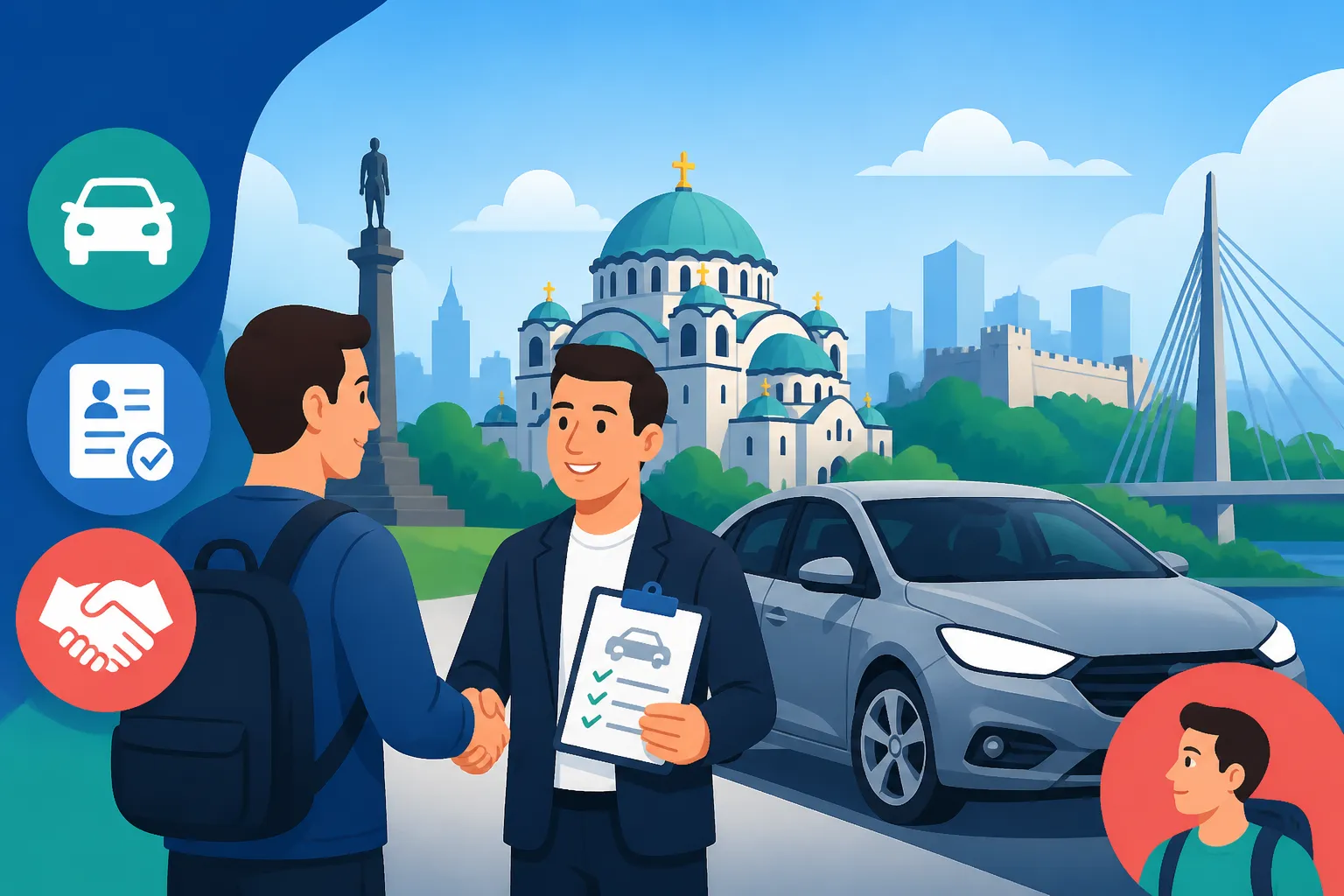
Alright, my fellow expat adventurer, let’s talk cars in Serbia. If you’ve landed here, you’re probably either tired of relying on public transport, taxis, or your endlessly patient Serbian friends, or you’re just eager for the freedom of your own set of wheels. Buying a car as a foreigner in a new country, especially one with its own unique bureaucratic quirks like Serbia, can feel like trying to solve a Rubik's Cube blindfolded. But don’t despair; this guide is here to walk you through every twist and turn, from understanding the local market to getting those coveted Serbian license plates on your new ride.
The Initial Hurdles: Why Buying a Car in Serbia Feels Like a Quest
When you first arrive in Serbia, everything feels new and exciting, but then the realities of daily life, like getting around efficiently, start to sink in. Public transport here, while often charmingly robust, isn't always the most convenient for every need, especially if you live outside the major city centers or plan weekend trips to explore this beautiful country. That's when the thought of buying a car really starts to take root. But then the initial excitement might give way to a sense of dread as you realize the process isn't exactly like back home.
Understanding the Local Market Nuances
The Serbian car market has its own rhythm and preferences, and it’s important to tune into them. Unlike some Western markets dominated by new car sales, here, the used car market is incredibly vibrant and a huge part of vehicle ownership. You’ll see a lot of older, robust models that have been well-maintained, largely because people here tend to fix things rather than replace them at the first sign of trouble. This can be a blessing and a curse. On one hand, you might find a great deal on a reliable older car. On the other, you need to be extra vigilant about its history and true condition.
Common car types often include brands like Volkswagen, Opel, Fiat, and Renault – cars known for their durability and affordability of parts. Diesel engines are still quite popular due to historical fuel prices, though petrol and even hybrid options are becoming more prevalent. You’ll also notice a general preference for smaller to mid-sized vehicles, especially if you’re navigating the sometimes-narrow city streets of Belgrade or Novi Sad. Prices can vary wildly depending on the age, model, and condition, but generally, cars here are more affordable than in many Western European countries. However, be wary of deals that seem too good to be true. Informal sales, especially with private sellers, are common, which means less consumer protection compared to a registered dealership. And let's not forget the language barrier – many private sellers may not speak English, making direct communication about car specifics a bit of a dance.
Navigating the Bureaucracy of Vehicle Ownership
Ah, bureaucracy. The bane of every expat’s existence, isn't it? Serbia has its own particular brand of administrative hurdles, and buying a car is no exception. The documents required might seem familiar at first glance – proof of ownership, ID, etc. – but the way they need to be processed, the specific order of operations, and the exact stamps and signatures required can feel like an elaborate puzzle.
For foreigners, the main differentiator is your residency status. You absolutely need a valid temporary residence permit (or permanent residence) to register a car in your name. Without it, you're essentially stuck. This immediately adds a layer of complexity compared to, say, just walking into a dealership back home with your driver's license and bank card. You'll likely encounter a notary public (javni beležnik) for the sales contract, which is a critical step, and then a visit to the local police station (MUP) for registration. Each of these steps has its own queues, forms, and potential for "come back tomorrow, the system is down" moments. It’s enough to make you want to just buy a bicycle and call it a day! But trust me, with patience and the right information, it’s entirely doable.
Essential Prerequisites: What You Need Before You Start Car Shopping
Before you even begin dreaming of cruising the scenic Serbian countryside in your new ride, there are a few foundational things you absolutely must have in place. Skipping these steps will lead to nothing but frustration, wasted time, and probably a few gray hairs.
Securing Your Residency and Personal ID
This cannot be stressed enough: your temporary residence permit (privremeni boravak) is your golden ticket for pretty much every significant administrative task in Serbia, including buying a car. You cannot legally register a car in your name without it. The moment you decide to put down roots, even temporarily, one of your first missions should be getting your residence permit sorted. You’ll also need your unique personal identification number, known as a JMBG (Jedinstveni Matični Broj Građana), which is usually issued once your temporary residence is approved. This number is used for everything from opening a bank account to registering for healthcare, and yes, it's indispensable for car ownership.
The process of getting your residency involves gathering a stack of documents – usually including proof of accommodation, sufficient funds, and a valid reason for your stay (work, study, family reunification, property ownership). These documents often need to be translated into Serbian by a certified court translator and sometimes apostilled if they're from another country. If you're still navigating that journey, our guide on How to Apply for Temporary Residence (Privremeni Boravak) in Serbia is an invaluable resource. Similarly, understanding How to Get Your Documents Apostilled for Serbia Immigration can save you a lot of headaches down the line. Without these fundamental pieces of identification, you'll hit a brick wall at the car registration office. So, prioritize this first and foremost.
Financial Preparations and Budgeting
Once your legal status is solid, it's time to get your finances in order. Buying a car involves more than just the sticker price. You need to factor in a whole host of associated costs that can quickly add up and catch you by surprise if you haven't budgeted properly. Think about:
- The Car Itself: This is obviously the biggest chunk. Used car prices in Serbia for a decent, reliable vehicle can range from around €3,000 to €8,000 for older models, and upwards of €10,000-€20,000 for newer used cars. New cars, of course, are significantly more.
- Registration Fees: These include administrative fees, road tax, and environmental fees. They vary based on engine size, age, and fuel type. Expect to pay anywhere from €150 to €500 or more annually, with older, larger engine cars being more expensive.
- Mandatory Insurance (AO): Third-party liability insurance is compulsory. The cost depends on your age, driving history, and vehicle specifications.
- Technical Inspection: An annual requirement for all vehicles in Serbia, costing around €30-€50.
- Notary Fees: For certifying the sales contract, typically a small percentage of the car's value, but usually less than €100.
- Potential Repair/Maintenance: Especially for used cars, it's wise to set aside some funds for initial servicing or unforeseen repairs.
- Fuel, Parking, Tolls: Ongoing costs that impact your monthly budget.
When it comes to payment, cash is still king in many private transactions, but for larger sums, a bank transfer is safer and provides a clear paper trail. You’ll want to have a local Serbian bank account set up for this, as well as for managing ongoing payments like insurance and future registrations. Our guide on How to Open a Bank Account at a Serbian Bank as a Foreigner will walk you through that process. Don’t forget to consider how you’ll transfer funds from your home country to Serbia if needed; banks here do have their own specific requirements for incoming international transfers, sometimes requiring proof of origin of funds for larger amounts.
Finding Your Wheels: Where and How to Search for a Car
With your paperwork in order and your budget planned, the fun part begins: searching for your next vehicle. Serbia offers various avenues for car shopping, each with its own advantages and disadvantages.
Exploring Online Marketplaces and Dealerships
For most expats, the journey begins online. The dominant platform for used cars in Serbia is unequivocally Polovni Automobili. Think of it as the AutoTrader or Mobile.de of Serbia. It’s an indispensable resource with thousands of listings from both private sellers and dealerships across the country. You can filter by make, model, year, price, fuel type, and even specific features. Many listings include extensive photos and descriptions, though you'll often need Google Translate if your Serbian isn't up to par. Another useful site is Sasomange, which is a general classifieds portal but also features a significant number of car listings. While these sites are incredibly useful, remember that you’re often dealing with private sellers directly, which means "buyer beware" is the name of the game.
Official dealerships are also an option, particularly if you're looking for a newer used car or even a brand-new one. Brands like Porsche Serbia (which handles Volkswagen, Audi, Skoda), Delta Automoto (Honda, BMW), and Grand Motors (Ford) have strong presences in major cities like Belgrade. The main advantage of buying from a dealership is the added layer of consumer protection, potential warranties, and often the convenience of handling all the paperwork for you. However, you'll generally pay a premium compared to private sales. Independent used car dealerships also exist, but their reliability can vary, so always do your homework and check reviews.
Here's a quick comparison:
| Feature | Private Seller (via Polovni Automobili, etc.) | Dealership (Official or Independent) |
|---|---|---|
| Price | Generally lower, more room for negotiation | Generally higher, less negotiation room |
| Selection | Vast, diverse range of models and ages | More curated, often newer models, sometimes limited stock |
| Warranty | None, "as is" sales common | Often some warranty (e.g., 6-12 months), more consumer protection |
| Paperwork | You'll handle more of it, potential for language issues | Often handled by the dealership, smoother process |
| Inspection | Crucial to arrange your own independent inspection | Vehicles usually pre-inspected, but still wise to verify |
| Payment | Cash or bank transfer (can be complicated for large sums) | Bank transfer, often finance options available (less for foreigners) |
| Trust/Risk | Higher risk, requires more due diligence | Lower risk, established reputation, more accountability |
The Role of Import and Customs for Foreign Vehicles
You might be thinking, "Why not just bring my car from home?" It's a valid question, and for some, it might seem simpler. However, importing a car into Serbia, especially from outside the Balkan region or EU, can be a bureaucratic odyssey of its own. Serbia has strict customs regulations, and you’ll be subject to import duties, VAT (PDV), and a homologation process to ensure your vehicle meets Serbian technical standards. These costs and procedures can quickly outweigh any perceived savings or convenience.
Generally, only newer vehicles (typically under 10 years old, though this can change) that meet specific Euro emission standards (Euro 5 or 6, depending on the current regulations) are permitted for import. The homologation process involves a technical inspection by an authorized institution to verify compliance, which can be time-consuming and costly. Unless you have a very specific, high-value, or sentimental vehicle, it’s almost always easier and more cost-effective to buy a car that is already registered in Serbia. This way, you bypass the entire import and customs headache. If you're planning a major move, and wondering about shipping your entire household, including potentially a car, services like Sirelo can give you quotes for international moving, but remember to specifically inquire about car import regulations and costs for Serbia, as they are a significant variable. For most expats, buying a car already "in the system" in Serbia is the path of least resistance.
The Buying Process: From Inspection to Payment
Once you've zeroed in on a potential vehicle, it's time to get serious. This stage is where your vigilance pays off, as rushing can lead to costly mistakes.
Due Diligence: What to Check Before You Buy
This is perhaps the most crucial stage of buying a used car anywhere, and especially so in Serbia. Never, ever buy a car without a thorough inspection. While you might be tempted to trust the seller, or your own mechanical eye, it’s always best to involve an independent professional.
- Mechanical Inspection: Arrange for a trusted mechanic to inspect the car. If you don't have one, ask expat groups or Serbian friends for recommendations. A good mechanic will check the engine, transmission, brakes, suspension, and overall structural integrity. They can often spot signs of previous accidents, poor repairs, or impending mechanical failures that you might miss. Many sellers will agree to take the car to your chosen mechanic for inspection – if they refuse, it's a major red flag.
- Service History: Ask for all available service records. While not as meticulously kept as in some countries, many Serbian car owners do keep receipts and service books. This can give you an idea of how well the car has been maintained.
- Odometer Tampering: Unfortunately, odometer rollback is not unheard of in the used car market globally, and Serbia is no exception. A mechanic might be able to detect this, or you can look for inconsistencies with the car's age, wear and tear, and service records.
- Checking for Liens/Debt: Before finalizing the purchase, ensure the car is free of any outstanding debts or liens. This can be checked through the MUP (Ministry of Interior) or by a notary public during the contract phase. You don't want to inherit someone else's financial problems!
- Test Drive: Always take the car for a decent test drive. Pay attention to how it handles, listens for unusual noises, checks all lights and electronics, and ensures the air conditioning and heating work. Drive it at various speeds and on different road conditions if possible.
Remember, this isn't just about finding an English-speaking mechanic in Serbia, though that's a bonus. It's about finding a reliable mechanic who knows the local vehicle types and common issues. Take your time with this step; a few hundred euros spent on an inspection now can save you thousands later.
Negotiation and Paperwork: The Sale Contract
Once you’re satisfied with the car’s condition, it’s time to negotiate the price. Negotiation is a common practice in Serbia, especially with private sellers. Don't be shy to make a reasonable offer below the asking price. Start a little lower than you’re willing to pay, and meet somewhere in the middle. Be polite but firm.
After agreeing on a price, the critical legal step is drawing up the sales contract (kupoprodajni ugovor). This contract must be certified by a notary public (javni beležnik) to be legally binding. This is a crucial step that protects both buyer and seller. The notary will ensure all the details are correct and legally sound. Make sure the contract includes:
- Full details of both buyer (your name, JMBG, address from your residence permit) and seller.
- Complete vehicle details (make, model, VIN, engine number, license plate number).
- The agreed-upon sales price in Serbian Dinars (RSD).
- A statement that the vehicle is free of liens or debts.
- Date of sale and signatures.
If your Serbian isn’t fluent, it’s highly advisable to bring a Serbian-speaking friend or a certified translator with you to the notary. While notaries often explain the basics, having someone on your side who understands the legal jargon is invaluable. The notary will calculate the applicable property transfer tax (porez na prenos apsolutnih prava), which is typically 2.5% of the market value of the vehicle, though sometimes a bit lower for older cars. This tax must be paid within a certain timeframe (usually 15 days) from the date of the contract certification, and proof of payment will be required for registration.
Registration and Insurance: Getting Your Car on the Road
You’ve found your car, you’ve paid for it, and the paperwork is signed. Now, for the final push: getting it legally registered and insured so you can actually drive it on Serbian roads. This is where many expats often hit a snag, so knowing the steps in advance is a massive advantage.
Navigating the Vehicle Registration Process
The vehicle registration process in Serbia involves a few key steps and a stack of documents. This is typically done at the local police station (MUP) branch that handles vehicle registration, often referred to as SUP (Sekretarijat unutrašnjih poslova).
Here’s a breakdown of what you'll typically need:
- Certified Sales Contract (Kupoprodajni Ugovor): The one you got from the notary.
- Proof of Payment of Property Transfer Tax: The receipt confirming you paid the 2.5% tax.
- Proof of Identity and Residence: Your passport and your temporary residence card (boravišna dozvoda) with your JMBG.
- Previous Registration Certificate: The original "saobraćajna dozvola" (traffic permit) from the previous owner.
- Technical Inspection Certificate: A valid certificate from an authorized technical inspection station (tehnički pregled) confirming the car is roadworthy. This is required annually. You can learn more about Understanding the Vehicle Inspection and Registration in Serbia.
- Mandatory Insurance Policy (AO): Proof of your newly purchased third-party liability insurance.
The exact order can sometimes feel a bit circular: you need insurance for registration, but you need some registration details for insurance. Typically, you'll get the technical inspection done, then purchase insurance, and then head to the MUP for final registration. At the MUP, you’ll submit all your documents, pay the administrative fees and road tax, and then (if all goes well!) you’ll receive a new registration certificate in your name and new license plates if the previous ones are expired or if the car is from a different city (plates are location-specific in Serbia). It’s not uncommon for this process to take a few hours, or even require multiple visits due to various small issues or system outages. Patience is truly a virtue here. For a deeper dive into this, check out our guide on How to Register and License a Car in Serbia.
Understanding Car Insurance and Annual Renewal
Car insurance in Serbia is split into mandatory and optional types. The essential one you must have is mandatory third-party liability insurance (AO – odgovornost prema trećim licima). This covers damages you might cause to another vehicle or property in an accident, as well as injuries to other parties. It does not cover damage to your own vehicle.
You can purchase this insurance from various providers. Some of the well-known insurance companies in Serbia that offer car insurance include DDOR Novi Sad, Generali Osiguranje, Dunav Osiguranje, Uniqa Osiguranje, and Wiener Städtische Osiguranje. Premiums are calculated based on several factors, including the car's engine size, age of the driver, and your claims history. As a new driver in Serbia (even if experienced elsewhere), you might start with a higher premium until you build up a local claims history. You’ll receive a policy document and a sticker to place on your windshield.
For additional protection, you can consider comprehensive insurance (kasko osiguranje). This is optional but highly recommended, especially for newer or more valuable cars. Kasko covers damage to your own vehicle, whether from an accident (regardless of fault), theft, fire, natural disasters, or vandalism. It’s significantly more expensive than basic AO but offers immense peace of mind.
Remember that your car insurance, like your registration, is typically renewed annually. You'll receive reminders, and it's your responsibility to ensure you don't drive with expired insurance. The costs of this are an important part of your ongoing budget, as detailed in How Much Is Car Insurance in Serbia?. For a complete picture of your obligations, our guide Understanding Car Insurance and Registration in Serbia has even more detail.
Post-Purchase Realities: Ownership and Maintenance in Serbia
Congratulations! You’ve successfully navigated the maze and now have your own car. But ownership in Serbia, much like anywhere else, comes with its own set of ongoing responsibilities and costs.
Ongoing Costs and Maintenance
Beyond the initial purchase, there are several recurring expenses to consider:
- Fuel Prices: These fluctuate, but you can always find the current average petrol (benzin) and diesel (dizel) prices at any gas station or through various online resources. Our How Much Is Petrol per Litre in Serbia in 2026? guide provides up-to-date information. Serbia uses Euro standards for fuel, and prices are generally competitive within the region.
- Parking: In major cities like Belgrade, parking can be a challenge. There are paid parking zones (zoned with colors like red, yellow, green, each with different time limits and prices) where you pay by SMS or app, public garages, and private parking lots. Parking fines are swiftly issued and best avoided!
- Toll Roads: Serbia has a growing network of modern highways (auto-put) that connect major cities. These are toll roads, and you pay either at toll booths (cash or card) or via an electronic toll collection device (TAG device), which offers a slight discount and faster passage.
- Regular Service and Maintenance: Just like any car, yours will need regular oil changes, filter replacements, and general check-ups. Finding a reliable mechanic is key. Many smaller, independent workshops offer excellent service at very reasonable prices compared to Western Europe. Ask for recommendations from locals or fellow expats.
- Seasonal Tyre Changes: This is mandatory in Serbia. Between November 1st and April 1st, all vehicles must be equipped with winter tires if there is snow, ice, or black ice on the roads. Many people just keep winter tires on during this entire period. The cost of buying two sets of tires (summer and winter) and having them swapped twice a year is another ongoing expense.
Managing these costs and maintaining your vehicle properly will ensure a smooth and enjoyable driving experience in Serbia.
Selling Your Car as a Foreigner
Life as an expat often means eventually moving on, and when that time comes, you might need to sell your Serbian car. The good news is that the process for selling a car as a foreigner is largely the same as for a local, provided all your documentation is in order.
You’ll typically advertise your car on the same platforms you used to buy it, like Polovni Automobili. Once you find a buyer, you’ll go through the same notary public process to certify the sales contract (kupoprodajni ugovor). As the seller, you’ll be responsible for informing the tax authorities (Poreska Uprava) about the sale, as there might be a capital gains tax implication if you sell the car for a significantly higher price than you bought it (though this is rare for depreciating assets like cars). More commonly, the buyer will be responsible for paying the 2.5% property transfer tax.
Ensure that all outstanding administrative obligations related to the car, such as unpaid parking fines or tolls, are settled before the sale. It’s always best to complete the transfer of ownership officially at the MUP with the buyer to ensure the car is fully out of your name and responsibility. This avoids any lingering liabilities after you’ve left the country. The buyer will then register the car in their name, just as you did when you bought it.
This whole journey, from searching to selling, can seem daunting at first glance. But remember, countless expats have done it before you, and with this detailed roadmap, you’re well-equipped to join their ranks. Happy driving!
Disclaimer
Please remember that while this guide aims to be as accurate and up-to-date as possible, laws and regulations in Serbia, particularly those related to vehicle registration, taxes, and immigration, can change. It is always advisable to consult with official sources, legal professionals, or the relevant Serbian authorities (MUP, Tax Administration, etc.) for the most current and personalized advice regarding your specific situation before making any major decisions. This content is for informational purposes only and does not constitute legal or financial advice.