How to Enrol Your Child in a School in Serbia
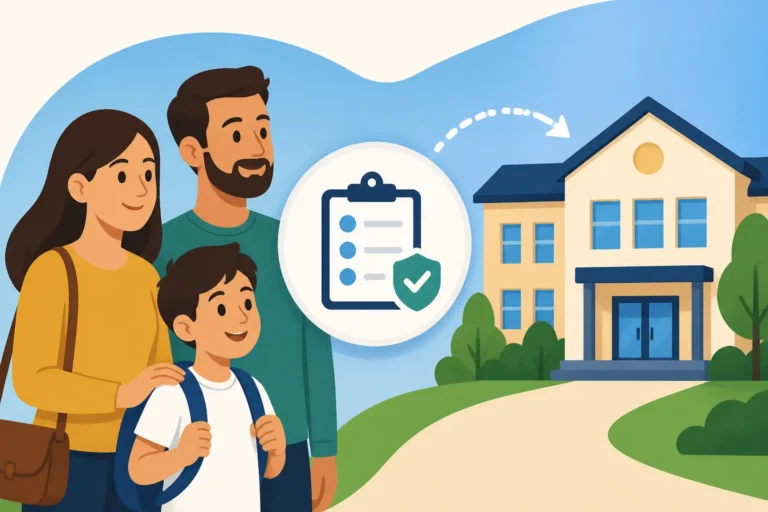
Moving your family to a new country like Serbia is an exhilarating adventure, but let's be honest, it comes with its fair share of headaches. One of the biggest worries for any expat parent is figuring out the schooling system, especially when facing language barriers and a completely unfamiliar administrative process. This comprehensive guide is here to demystify how to enrol your child in a school in Serbia, whether you're eyeing the local public system or considering international options, helping you navigate every step with confidence.
Understanding Serbia's Education System for Foreigners
First things first, let's get a handle on how education works here in Serbia. It’s pretty different from what many of us are used to, and understanding the basic structure will save you a lot of confusion down the line.
Overview of Primary and Secondary Education
The Serbian education system is structured into mandatory primary education, followed by secondary education. Primary school, or osnovna škola, typically runs for eight years, catering to children from age 7 to 14. This is compulsory for all children residing in Serbia, regardless of their nationality. After completing primary school, students move on to secondary school, or srednja škola, which usually lasts for four years. This can be a gymnasium (general high school), a vocational school, or an art school. The academic year generally kicks off on September 1st, so keep that in mind when you're planning your move and enrolment.
For many expat parents, the initial culture shock can be quite real. The system is often more traditional, with a strong emphasis on rote learning in public schools, and less of the progressive, child-centred approach you might find in Western educational models. Class sizes in public schools can be larger, and resources, while adequate, might not be as plentiful as you’re accustomed to. Knowing this upfront helps manage expectations and allows you to better prepare your child for the transition.
Public, Private, and International School Options
When it comes to enrolling your child, you essentially have a few distinct paths:
- Public Schools (Državne škole): These are government-funded schools, and if your child has a residence permit, they are entitled to attend. The primary language of instruction is Serbian. This option is fantastic for full immersion and truly integrating your child into Serbian society and culture. However, the language barrier can be a significant hurdle, especially for older children without prior Serbian knowledge.
- Private Schools (Privatne škole): There are an increasing number of private Serbian-language schools that often offer a more modern curriculum, smaller class sizes, and potentially better facilities than their public counterparts, while still adhering to the national curriculum. They might offer some English as a second language, but the primary language of instruction remains Serbian.
- International Schools (Međunarodne škole): These schools are tailored specifically for the international community, often following British, American, or International Baccalaureate (IB) curricula. English is typically the language of instruction, though some may offer other languages like German or French. They are designed to provide continuity for children moving between countries, making them a popular choice for expat families who don’t plan to stay in Serbia long-term, or for those prioritizing a familiar educational framework.
Each option comes with its own set of advantages and challenges, from cost implications to the level of cultural immersion. Your choice will largely depend on your family's long-term plans, budget, and your child's age and adaptability.
Navigating Public School Enrolment: The Traditional Serbian Route
Opting for a public school is a deep dive into Serbian life. It’s a rewarding experience for many, but it certainly demands patience and a good understanding of the local administrative maze.
Eligibility and Key Requirements for Public Schools
Before you even think about forms, remember that your child needs to be legally residing in Serbia. This means having a valid residence permit (privremeni boravak) – and yours too, of course! This is absolutely crucial. You can learn more about securing this essential document in our guide on How to Get Temporary Residence (Boravak) in Serbia (2027). Without proper residency status, the public school system simply isn’t an option.
Beyond that, you’ll need a few key documents: your child’s birth certificate (with a certified Serbian translation and apostille, if applicable), a copy of their passport, and crucially, an official certificate of their systematic health check (sistematski pregled) and vaccination records. We'll delve deeper into the health check shortly, but for now, know it's a non-negotiable step. For older children transferring from another country, their previous school records will be vital for grade placement. The biggest hurdle, as many expat parents will tell you, often isn't the paperwork itself, but the sheer effort required to navigate it all in a foreign language.
Step-by-Step Enrolment Process
Enrolling in a public school generally follows these steps, but be prepared for slight variations depending on the municipality and the individual school.
- Find Your Local School: Your child will typically attend the osnovna škola or srednja škola geographically assigned to your address. Sometimes you have options within a certain zone. It’s best to ask local parents or your landlord for guidance.
- Gather Documents: As mentioned, birth certificate, passport, residence permit, health certificate, vaccination records, and previous school reports. Ensure all foreign documents are officially translated into Serbian by a certified court interpreter and, if necessary, apostilled in your home country. For a broader understanding of what to expect, take a look at our guide on Understanding Document and Translation Requirements for Serbia Immigration.
- Initial Visit: Contact the school secretary (sekretarica) to inquire about their specific enrolment procedures and to get a list of required documents. This is where a Serbian-speaking friend or a hired translator becomes invaluable. Seriously, don't underestimate this step; it can make or break your sanity.
- Application and Assessment: You'll complete an application form. For first-grade primary schoolers, there’s typically a readiness assessment. For older children transferring, there might be interviews or tests to assess their academic level, and critically, their Serbian language proficiency. This assessment helps the school determine the appropriate grade level, particularly if there’s a significant gap in their language skills or curriculum.
- Health Check & Vaccinations: Submit the systematic health check certificate and vaccination card. Without these, enrolment won't proceed.
- Enrolment Confirmation: Once all documents are submitted and reviewed, and any assessments completed, the school will inform you of the enrolment status and your child’s assigned class.
This process can feel like a bureaucratic labyrinth, often involving multiple visits and a fair bit of waiting. Validation of frustration is key here – it's not you, it's the system, and many of us have been there!
The Reality of Public School Integration for Expats
Sending your child to a public Serbian school is probably the fastest way for them to become fluent in Serbian and truly integrate into the local culture. It's an intense language immersion program by default, which can be both incredibly beneficial and incredibly challenging. Initially, your child might struggle significantly, especially if they have no prior Serbian knowledge. Teachers, while generally supportive, are often not equipped to provide dedicated English as a Second Language (ESL) support. This means the onus is largely on the child and parents to bridge that gap.
Social integration can also be tough at first. Children are resilient, but navigating a new social dynamic in a new language takes time and courage. Many expat parents find that private Serbian tutors are essential in the first few months to help their children catch up with the curriculum and gain confidence in the language. Parental involvement might also feel different; communication often happens in Serbian, and there can be less formal, structured dialogue compared to international schools. However, once settled, children often thrive, forming deep friendships and gaining a profound understanding of Serbian life that few other experiences can provide.
Exploring International and Private School Alternatives
If the public school route feels too daunting, or if you have specific educational needs, international and private schools offer a different experience.
Why Choose an International School?
International schools in Serbia are primarily designed to cater to the transient expat community, offering a familiar educational environment that minimizes disruption. The most significant advantage is the curriculum continuity they provide. Whether your child is following the International Baccalaureate (IB) program, the British curriculum (IGCSE, A-Levels), or an American curriculum, these schools allow for a smoother transition between countries. The International School of Belgrade (ISB) and the British International School (BIS) are two prominent examples that follow internationally recognized curricula.
The language of instruction is almost always English, which immediately removes the language barrier for most expat children and parents. Class sizes are generally smaller, leading to more individualized attention from teachers. These schools also often boast excellent facilities, a wide range of extracurricular activities, and a diverse student body, which can be fantastic for fostering a global outlook. For families that might be moving again in a few years, an international school provides a consistent educational path, ensuring that transcripts and qualifications are easily transferable globally.
Admission Process and Costs for Private/International Schools
The admission process for international and private schools tends to be more structured and often more accommodating for expat families.
- Application Form: Usually available online, this will require basic details about your child and family.
- Required Documents: You’ll need previous academic records, school reports, sometimes recommendation letters from former teachers, and your child’s passport/birth certificate. While translations are usually not required for English-language documents, always double-check.
- Entrance Assessments: Many international schools will conduct entrance exams in English, covering subjects like English literacy and mathematics, especially for older students. This helps them gauge your child’s academic level and ensure they can cope with the curriculum.
- Interview: An interview with the admissions team or head of school is common, often including the child and parents. This is a chance for both sides to assess suitability.
- Offer and Enrolment: If successful, you’ll receive an offer, usually with a deadline for acceptance and payment of enrolment fees.
Now, for the elephant in the room: the cost. International schools in Serbia, much like anywhere else in the world, come with a hefty price tag. Annual tuition fees can range from €5,000 to well over €20,000, sometimes even higher, depending on the school and the child's grade level. This typically doesn't include additional costs such as application fees, enrolment fees (often non-refundable), school trips, uniforms, and bus services. While some schools may offer sibling discounts or limited scholarships, it's crucial to factor these significant expenses into your overall The Complete Guide to Cost of Living in Serbia for Expats (2026) budget. It's a stark contrast to the free public school system, but for many, the benefits justify the investment.
Benefits and Drawbacks of Private Education
Choosing a private or international school offers a different set of trade-offs compared to public education.
Benefits:
- Smoother Transition: The familiar curriculum and English-speaking environment make the move significantly easier for children, reducing initial academic and social stress.
- High-Quality Facilities & Resources: Often, these schools have state-of-the-art classrooms, sports facilities, and technology that can enhance the learning experience.
- Diverse Community: Your child will be exposed to a truly international peer group, fostering cross-cultural understanding and global friendships.
- Parental Communication: Communication with teachers and staff is typically in English, making it much easier for expat parents to stay informed and involved.
- Extracurricular Activities: A wider array of sports, arts, and clubs are usually available, enriching your child's overall development.
Drawbacks:
- Cost: This is undeniably the biggest barrier. The high tuition fees can be a significant financial strain for many families.
- Potential for "Expat Bubble": While a diverse community is a plus, it can sometimes lead to less interaction with local Serbian children and culture, potentially limiting true integration.
- Less Local Immersion: Children might not pick up Serbian as quickly or deeply as they would in a public school setting, and their understanding of local customs and daily life might remain superficial.
- Commute: Depending on where you live and the school's location, daily commutes can be long, especially in Belgrade traffic.
Ultimately, the choice hinges on your family's priorities. Do you value seamless academic continuity and ease of transition, or are you prioritizing deep cultural immersion and language acquisition?
Essential Documents and Practicalities for Enrolment
Regardless of whether you choose a public or international school, preparing your documents meticulously is key. This is where the Serbian administrative system can test your patience, but being prepared makes all the difference.
Required Documentation Checklist and Translations
To make your life easier, here’s a comprehensive checklist of documents you’ll likely need. Start gathering these well in advance, as some require time-consuming processes like apostilles or certified translations.
- Child’s Birth Certificate: Original, plus a certified Serbian translation. If issued in a foreign country, it may also need to be apostilled by the relevant authority in that country.
- Child’s Passport/ID: A copy of the child’s passport, showing their photo and personal data.
- Parent/Guardian Passports/IDs: Copies of the parents' or legal guardians' passports.
- Residence Permit (Privremeni Boravak): Your child’s valid Serbian temporary residence permit. This is non-negotiable for public schools and often required for private/international schools for legal residency proof.
- Previous School Records/Transcripts: Official reports or transcripts from the child’s last school, detailing their academic history, subjects studied, and grades. For public schools, these will definitely need certified Serbian translations.
- Vaccination Card/Records: An official record of your child’s immunizations. This will be required for the health check.
- Systematic Health Check Certificate (Uverenje o sistematskom pregledu): This document confirms your child has undergone a full health examination in Serbia and is fit for school. More on this below!
- Proof of Address: A rental contract or property ownership deed, sometimes with a utility bill, proving your current address in Serbia.
- Photos: Passport-sized photos of your child (check specific school requirements for quantity).
The mantra here is: "When in doubt, translate and apostille." Serbian authorities are strict about official translations by a court-certified interpreter. Don't try to get away with a Google Translate version – it won't fly! You can usually find lists of certified court interpreters at your embassy or through local legal services.
The Crucial "Sistematski Pregled" Systematic Health Check
This is one of those uniquely Serbian requirements that can catch expats off guard. For public school enrolment, every child must undergo a full systematic health check, known as sistematski pregled. This isn't just a quick doctor’s visit; it's a comprehensive medical examination to ensure your child is healthy and up-to-date on vaccinations before entering the school system.
The sistematski pregled typically involves:
- Paediatrician Check-up: General physical examination, growth and development assessment.
- Dental Check-up: Assessment of oral health.
- Eye and Ear Tests: Basic vision and hearing screenings.
- Laboratory Tests: Sometimes basic blood or urine tests, though this varies.
- Vaccination Review: Verification that your child has received all mandatory vaccinations according to Serbian schedules. If they are missing any, they will need to get them before the certificate is issued.
You can get this systematic check done at a public health centre (Dom Zdravlja) by registering your child with a local GP, which you can learn about in our guide on How to Register with the RFZO and a GP in Serbia (2027). Be prepared for potential language barriers and the public health system's slower pace. Alternatively, many private clinics in larger cities like Belgrade offer these systematic checks for a fee, often with English-speaking staff, which can be a more convenient option for expats. Remember, this certificate is paramount, and without it, your child cannot be officially enrolled in a public school. For more details on Serbia's healthcare system, consult The Complete Guide to Healthcare in Serbia for Expats (2027).
Managing Logistics: Transport and School Supplies
Once enrolment is sorted, the daily logistics kick in. How will your child get to school, and where do you buy all those notebooks?
Transport:
- Public Transport: In cities like Belgrade, public transport is generally robust. Children often use buses, trams, or trolleys. You can get a personalized public transport card (BusPlus) for them, often at a reduced student rate. Our guide on How to Use Public Transport in Belgrade has all the details.
- Walking/Cycling: Depending on your proximity to the school, walking or cycling might be an option, but always assess the safety of the routes, especially for younger children.
- School Buses: Some international and private schools offer dedicated school bus services, usually for an additional fee. This is a huge convenience for many expat families. Public schools rarely offer this.
- Parent Drop-off/Pick-up: Like anywhere else, many parents drive their children to school. Be aware that parking around schools during peak hours can be chaotic.
School Supplies:
Serbia has plenty of bookstores and stationery shops (knjižare) where you can find everything from notebooks and pens to art supplies. Larger supermarkets also carry a good range of basic school supplies, especially around the start of the academic year in August and September. Specific textbook lists are usually provided by the school, and you'll purchase these from designated bookstores or sometimes directly through the school. Don't stress too much about this – it's one of the easier logistical hurdles. And while you're sorting out your new home, don't forget that services like Sirelo can help make the entire moving process, including the big decisions about your children's schooling, feel a lot less overwhelming.
Integrating and Supporting Your Child in Serbian Schools
Beyond the paperwork, supporting your child through the actual transition and integration into a new school environment is paramount.
Overcoming Language Barriers
For children entering the public Serbian school system without prior Serbian language knowledge, the first few months, or even the entire first year, will be a steep learning curve. The good news is that children are incredibly adaptable and often pick up languages much faster than adults. However, it's not fair to expect them to do it alone.
- Private Tutors: Investing in regular private Serbian language lessons is highly recommended. A dedicated tutor can provide the personalized support your child needs to grasp grammar and vocabulary, helping them follow lessons and interact with peers.
- Language Apps: Encourage the use of language learning apps and resources at home.
- Immersion at Home: While challenging, try to incorporate Serbian into your home life, even if it's just listening to Serbian children's songs or watching cartoons.
- Patience and Empathy: Your child will get frustrated. They will feel isolated at times. Be their biggest cheerleader, validate their feelings, and celebrate every small victory, from understanding a new word to making a new friend.
For parents, staying connected is also crucial. Consider a local SIM card with a good data plan, and if you’re traveling, a reliable eSIM from a brand like Airalo can keep you connected, allowing you to quickly look up words or communicate with school staff.
Parental Involvement and Communication
Serbian schools, especially public ones, might have different approaches to parental involvement than you’re used to. Formal parent-teacher meetings (roditeljski sastanak) are common, usually held a few times a year. These are important opportunities to discuss your child's progress. Again, having a Serbian-speaking friend or a translator accompany you can be extremely helpful.
Beyond formal meetings, it's valuable to try and build informal relationships with your child's teachers. Showing interest and being polite goes a long way. Participate in school events if possible. Engaging with other parents at the school gate can also open doors to invaluable local insights and support networks. While there might be cultural differences in how parents and teachers interact, a genuine effort to connect will always be appreciated.
Dealing with Cultural Differences and Adjustment
Moving to a new school in a new country isn’t just about academics; it's a huge cultural adjustment. Your child will encounter different teaching styles, classroom dynamics, and social norms. In public Serbian schools, you might find a more teacher-centric approach, with less emphasis on individual expression or group work compared to some Western models. Discipline might also be handled differently.
Homework expectations can vary, and what seems like a simple assignment might require more parental guidance than anticipated, especially if there's a language barrier. Encourage your child to talk about their day, what they found confusing, and what they enjoyed. Help them understand that it's okay to feel different and that adapting takes time. Resilience, patience, and an open mind are your family's best tools during this period. Remember that cultural assimilation is a marathon, not a sprint.
Important Considerations and Tips for Expat Parents
A few final thoughts and crucial details to keep in mind as you embark on this educational journey in Serbia.
Age Cut-Offs and Grade Placement
Serbia's academic year officially begins on September 1st. For first grade in primary school, children typically need to be 6 or 7 years old by this date. For transfers to higher grades, placement is usually determined by your child’s age and their previous academic records.
For example, if your child turns 7 in October, they will generally start first grade the following September. However, if they are transferring from a system with a different cut-off, the school director, in consultation with a psychologist, might have some discretion for placement. International schools often have more flexibility in this regard, sometimes placing children based more on their academic ability and social maturity rather than strict age alone, especially when coming from vastly different educational systems. It’s always best to clarify these specifics directly with the school you’re targeting.
The Role of a Serbian Helper or Translator
I cannot stress this enough: for navigating the public school system, particularly if your Serbian is not fluent, having a local helper or translator is an absolute game-changer. This could be a trusted friend, a family member of a Serbian contact, or a professional administrative assistant. Their value goes beyond mere translation; they understand the nuances of the bureaucracy, the unspoken rules, and how to get things done efficiently.
They can help you make initial phone calls to schools, accompany you to enrolment meetings, and assist with understanding complex forms. This person will not only save you immense frustration but also ensure that you don't miss critical deadlines or requirements due to misunderstandings. They are an investment in your peace of mind during your initial The Complete Guide to Moving to Serbia: Your First 90 Days (2027) in the country.
Long-Term Educational Planning
When choosing a school, it's wise to consider your long-term plans. If you envision your child attending university in Serbia, the public school system or a private school following the national curriculum will best prepare them for the Serbian Matura (final exam) and the local university entrance exams. For those aiming for universities abroad, international schools with IB, British, or American curricula often provide a clearer pathway, as these qualifications are widely recognized globally. You can explore this further in our guide to The Complete Guide to Studying at a Serbian University (2027).
Regardless of the school type, maintaining clear and comprehensive academic records is essential. Ensure you receive official reports and transcripts regularly, and keep them organized. If you anticipate moving again, having these documents readily available and potentially pre-translated or apostilled can smooth the next transition. This forward-thinking approach will minimize future administrative headaches and ensure your child’s educational journey remains on track. For a general understanding of the choices, refer to Understanding the School System (Public, Private, International) in Serbia.
Comparison Table: Public vs. International Schools in Serbia
To help you visualize the key differences, here's a comparison table:
| Feature | Public Schools (Državne škole) | International Schools (Međunarodne škole) |
|---|---|---|
| Cost | Free (minor costs for books/supplies) | Very High (annual tuition €5,000 – €20,000+, plus fees) |
| Language | Serbian (primary language of instruction) | English (or other specific languages like German/French) |
| Curriculum | Serbian National Curriculum | IB, British (IGCSE/A-Levels), American, or other international curricula |
| Eligibility | Serbian residence permit required for child | Usually open to all nationalities; some may require residence permit |
| Language Support | Minimal to none for non-Serbian speakers | ESL support often available |
| Class Size | Can be larger (25-30+ students) | Generally smaller (15-20 students typical) |
| Facilities | Varies, generally basic, older infrastructure | Modern, well-equipped, extensive sports/arts facilities |
| Cultural Immersion | High, direct integration into Serbian society | Lower, expat community focus |
| Transferability | Local qualifications, may need recognition abroad for university | Globally recognized qualifications, easy transfer to other international schools |
| Health Check | Mandatory systematic sistematski pregled | May require general medical report, but not always specific Serbian check |
Ultimately, enrolling your child in school in Serbia, much like any aspect of expat life here, requires patience, preparation, and a healthy dose of adaptability. But with the right information and support, you can ensure your child not only gets a good education but also a truly unique and enriching experience in this wonderful country.
Disclaimer
The information provided in this guide is for general informational purposes only and does not constitute legal, financial, or medical advice. While we strive to keep the information up-to-date and accurate, regulations and procedures in Serbia can change frequently. Expats are strongly advised to consult with relevant Serbian authorities, legal professionals, and educational institutions for the most current and specific advice pertaining to their individual circumstances.