What Is the Penalty for Filing Taxes Late in Serbia?
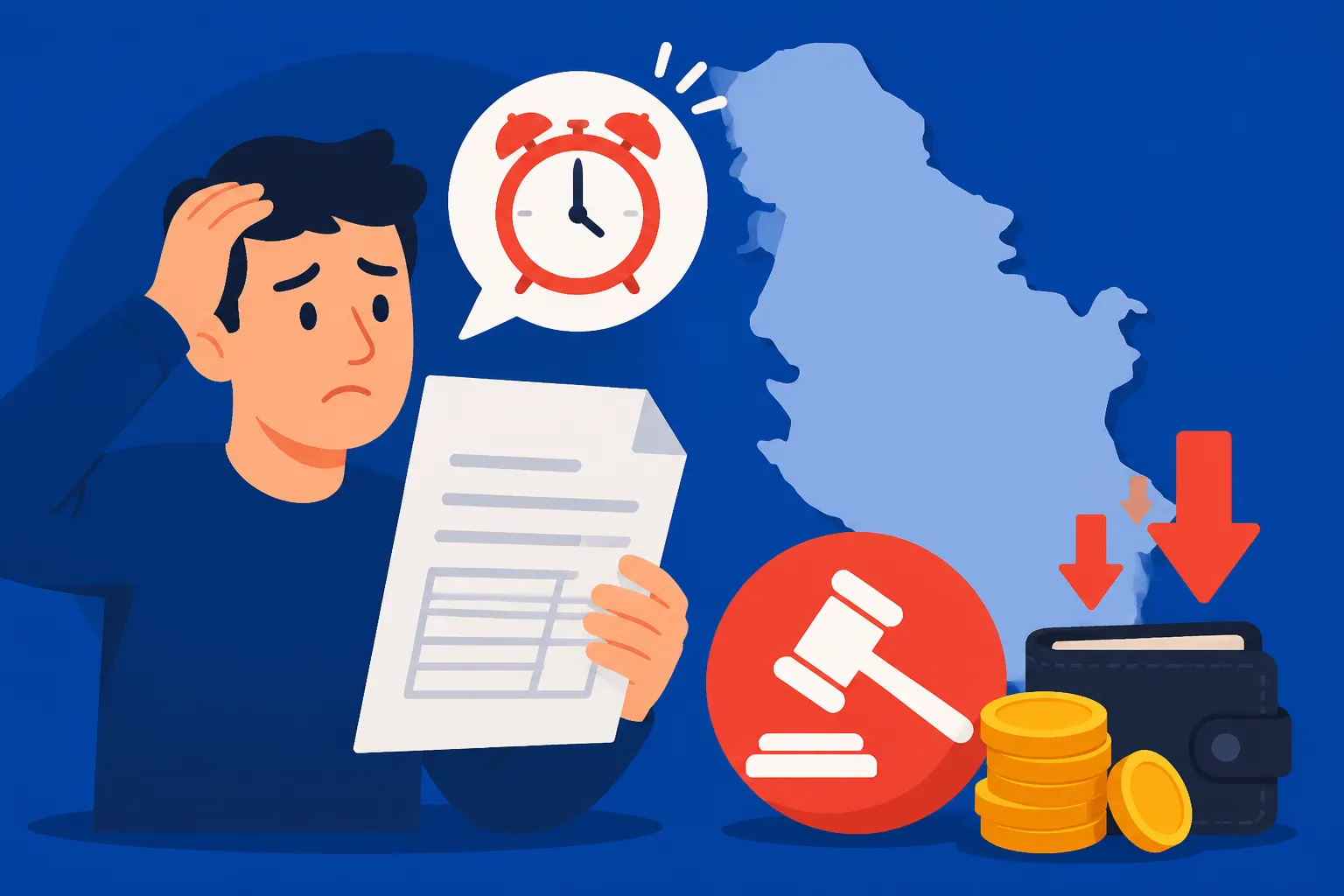
Oh, the joy of navigating tax systems in a foreign country! If you're an expat in Serbia, you’ve probably already felt that unique blend of confusion and dread when tax season rolls around. It's easy to miss a deadline, especially when you're still figuring out which end is up with all the local bureaucracy. This guide is here to walk you through the very real consequences of filing your taxes late in Serbia, and crucially, what you can do about it.
Understanding the Serbian Tax System's Demands on Expats
Let's be honest, the Serbian tax system isn't always intuitive, even for locals, let alone for us foreigners. We come from different systems, different languages, and sometimes, even different notions of what a "tax deadline" truly means. It's a journey, not a sprint, and there are definitely a few potholes to watch out for.
Why the Serbian Tax System Can Feel Opaque
The biggest challenge, I've found, isn't necessarily the complexity of the tax law itself – though there's plenty of that – but the way information is presented and accessed. Most official communications from the Poreska Uprava (Tax Administration) are, understandably, in Serbian. While Google Translate is a lifesaver for daily life, it's not something you want to rely on for crucial tax documents. Then there's the sheer volume of different forms, declarations, and payment slips, each with its own codes and instructions. For example, if you're trying to figure out how to Register with the Tax Administration (Poreska Uprava) in Serbia for the first time, it can feel like a maze with no clear signs. It’s enough to make you want to pull your hair out, or at least go for a very strong rakija. This lack of immediate, clear guidance in English often leaves expats feeling isolated and unsure if they've understood everything correctly.
Key Deadlines You Absolutely Cannot Miss
The Poreska Uprava is quite strict when it comes to deadlines. For most individuals, the big one is the annual personal income tax return, which is generally due by May 15th for the preceding calendar year. This applies if your total taxable income exceeds a certain threshold. For entrepreneurs, particularly those under the popular pausal regime (lump-sum tax), your tax obligations are typically paid monthly or quarterly, and these deadlines are rigid. If you're a freelancer, knowing How to Pay Tax as a Pausal Entrepreneur in Serbia is critical because these monthly or quarterly payments are non-negotiable. Missing one of these can trigger an immediate penalty. Beyond income tax, there are also deadlines for property tax, capital gains tax, and various social contributions, each with its own specific calendar. It’s not just one date to remember; it’s a whole constellation of them, depending on your income sources and residency status.
The Financial Repercussions: Penalties for Late Tax Filing
Alright, let's get down to brass tacks: what happens when you miss a deadline? The Serbian Tax Administration isn't known for its leniency when it comes to late filings or payments. They have a clear set of penalties designed to ensure compliance, and they don't hesitate to apply them.
Late Filing Penalties for Individuals Personal Income Tax
If you, as an individual, are required to file an annual personal income tax return and you miss the deadline (usually May 15th), you're looking at specific fines. The penalty typically ranges from a fixed amount for administrative infractions to a percentage of the unpaid tax, plus interest. For minor delays, you might receive a warning or a smaller administrative fine. However, if the delay is significant, or if it involves a substantial amount of undeclared or unpaid tax, the fines escalate.
For instance, if you've earned income that pushes you over the threshold for annual personal income tax (Understanding Income Tax and the Flat 10% Rate in Serbia is key here), and you simply forget to submit the form or submit it incomplete, the fines can be anywhere from 5,000 RSD to 150,000 RSD for an individual. These amounts can feel quite hefty, especially if you're not expecting them. Imagine you're just enjoying the Belgrade nightlife, only to receive a letter demanding a significant sum for a form you didn't even know existed! It happens.
Late Filing Penalties for Entrepreneurs Pausal or DOO
Now, if you're an entrepreneur, things get a bit more serious. The Serbian government heavily relies on small businesses and freelancers, but with that comes stricter adherence to tax laws. Whether you're a preduzetnik (sole trader) operating under the pausal regime or a DOO (limited liability company), missing tax deadlines can incur significantly higher penalties.
For pausalci (lump-sum entrepreneurs), the monthly or quarterly payment of your fixed tax and contributions is crucial. If you miss a payment, you'll be charged interest for every day of delay, plus a fine. The fines for failing to submit required tax declarations or failing to pay taxes on time for entrepreneurs are much higher than for individuals, often ranging from 20,000 RSD to 2,000,000 RSD for the legal entity, and 10,000 RSD to 150,000 RSD for the responsible person within the entity (i.e., you, as the entrepreneur). These are not insignificant sums and can seriously impact your business's cash flow. It’s a painful reminder that while the pausal regime offers simplicity, it demands punctuality. If you're interested in the setup, check out How to Register as an Entrepreneur (Preduzetnik) in Serbia.
Interest on Unpaid Tax Liabilities
On top of the fixed fines for late filing, you'll almost certainly incur interest on any unpaid tax amount. This interest accrues daily from the day the tax was due until the day it is finally paid. The interest rate is not a flat fee; it's typically tied to the reference rate of the National Bank of Serbia, plus a certain percentage, meaning it can fluctuate and add up surprisingly quickly. This can turn a seemingly small oversight into a much larger bill, especially if you let it slide for several months. Always remember: the longer you delay, the more you pay, thanks to that insidious daily interest.
Beyond Monetary Fines: Other Consequences
While the financial penalties are often the most immediate concern, a poor track record with the Poreska Uprava can have broader implications for your life as an expat in Serbia. This isn't just about money; it’s about your legal standing and peace of mind.
Administrative Hurdles and Future Implications
A history of late tax filings or unpaid taxes can throw a wrench into future administrative processes. When it comes time to renew your temporary residence permit (How to Renew Your Temporary Residence in Serbia), the authorities will often check your tax compliance. If you have outstanding tax debts or a history of non-compliance, your renewal application could be delayed, or in severe cases, even rejected. This is a huge stressor for expats, as our ability to stay in Serbia is tied to these permits. Imagine having your life in limbo just because you forgot to pay a small tax bill months ago!
Furthermore, if you plan to register another business, secure a loan, or even open a new bank account, a negative tax history could pop up. The Serbian system is becoming increasingly interconnected, and a red flag with one government body can ripple through others. Building a good reputation with the Poreska Uprava is, in essence, building good credit for your life as an expat.
Potential for More Serious Legal Action Though Rare
While most late filings result in fines and interest, it's important to understand that severe, intentional tax evasion can lead to more serious legal consequences. We're talking about criminal charges here. This is rare for simple oversight or accidental late filing, but if the tax authorities suspect deliberate attempts to hide income, falsify documents, or avoid significant tax liabilities, they can and will pursue criminal proceedings.
For example, if you've been working as a freelancer for years, earning substantial income, and have completely ignored your tax obligations, that's no longer just a "late filing." That's evasion. While most expats I know are simply trying to do things correctly, sometimes getting lost in translation or misunderstanding a rule can lead to significant problems. It's a stark reminder that ignorance of the law is generally not a valid defense, especially when dealing with finances. For a better overview of the entire system, take a look at The Complete Guide to Taxes in Serbia for Expats (2027).
What to Do If You've Missed a Deadline
Okay, so you've messed up. You've missed a deadline. Don't panic! The worst thing you can do is bury your head in the sand. Proactive action, even if late, is always better than doing nothing at all.
Step-by-Step Guide to Rectifying a Late Filing
- Don't Delay Further: The moment you realize you've missed a deadline, act immediately. Remember, interest accrues daily.
- Identify the Specific Obligation: Figure out exactly which tax or declaration you missed and for which period. Get all the details straight.
- Calculate the Unpaid Amount and Penalties: This can be tricky. You'll need to calculate the original tax amount due, plus the statutory interest for each day of delay. You might also need to determine the specific late filing fine. If you use a service like Taxes for Expats, they can assist with these calculations.
- Prepare and Submit the Late Declaration/Form: Fill out the correct tax declaration, marking it as a late submission ("naknadno podneta prijava"). If you're unsure how to use the ePorezi portal (Understanding the ePorezi Online Tax Portal in Serbia) for this, consider getting help.
- Make the Payment: Once you have the total amount (original tax + interest + fine), make the payment immediately. You'll need the correct payment slips (uplatnice) with the right codes for each type of payment (tax, interest, fine). Make sure the beneficiary account numbers are correct for the Poreska Uprava.
- Communicate (if necessary): If the situation is complex, or if you anticipate significant issues, it might be worth trying to contact the Poreska Uprava directly, though this can be challenging without fluent Serbian.
Taking these steps shows good faith and can sometimes lead to slightly reduced penalties, or at least prevent them from escalating further.
Seeking Professional Help: When to Call an Accountant
For most expats, navigating this alone is a recipe for headaches and potential errors. This is precisely when you need to call in the cavalry – a local Serbian accountant or tax consultant. They speak the language, understand the nuances of the system, and know exactly which forms to fill out and where to send them. They can also help you:
- Accurately calculate all outstanding amounts: Including tricky interest calculations.
- Communicate with the Poreska Uprava: Acting as your representative to clarify issues or negotiate.
- Ensure correct submission: Preventing further errors that could lead to more penalties.
- Provide peace of mind: Knowing a professional is handling it correctly is invaluable.
Brands like Taxes for Expats specialize in helping foreigners with their tax obligations across various countries, including Serbia. They can be an excellent resource, especially if your tax situation involves income from multiple countries. Don't try to save a few euros by attempting to do it yourself if you're unsure; the potential penalties far outweigh the cost of professional advice.
Prevention is Better Than Cure: Tips for Staying Compliant
As a veteran expat, I can tell you that a little bit of proactive planning goes a long, long way in avoiding tax headaches. It’s far less stressful to stay on top of things than to play catch-up with the Poreska Uprava.
Leverage Digital Tools and Professional Advice
The digital age offers many tools to help us stay organised. While the ePorezi portal is mandatory for some filings, its user-friendliness can vary. However, there are third-party accounting software solutions that can help track your income and expenses, making tax preparation less daunting.
For most expats, especially those who are self-employed or have complex income streams, hiring a local accountant is not a luxury; it's a necessity. Find one who has experience with foreign clients and ideally, speaks English. They can set up your accounting, remind you of deadlines, and handle all your submissions to the Poreska Uprava. This investment pays for itself by preventing penalties and ensuring you’re always compliant. They can also explain aspects like Understanding Mandatory Health Insurance Contributions in Serbia, which are linked to your tax status.
Mark Your Calendar and Understand Your Obligations
This might sound simple, but it’s incredibly effective. As soon as you establish your tax residency in Serbia (check out Tax Residency in Serbia: A Definitive Guide for Expats), create a detailed calendar of all your tax and contribution deadlines. Set multiple reminders on your phone, in your email, and even a physical calendar if that helps.
Beyond just the dates, truly understand what you need to file and why. Are you an employee? A freelancer under the pausal regime? Do you have rental income? Each scenario has different requirements. If you're new to the country, make it a priority to sit down with your chosen accountant right away and have them walk you through everything applicable to your situation. Knowing your specific obligations is the first step to ensuring you don't miss anything.
And speaking of payments, if you need to transfer funds to pay your taxes or for other expenses, using services like Wise can make the process simpler and more cost-effective compared to traditional bank transfers, especially for international payments.
Here’s a quick overview of some common penalties you might face:
| Scenario | Penalty Type | Approximate Fine Range (RSD) | Additional Consequences |
|---|---|---|---|
| Individual (late personal income tax filing) | Administrative fine | 5,000 – 150,000 | Accruing daily interest on unpaid tax. Potential delays in residence permit renewal. |
| Entrepreneur (Pausal/DOO) (late tax filing) | Administrative fine for entity | 20,000 – 2,000,000 | Accruing daily interest on unpaid tax. Fine for responsible person (you). Potential issues with business operations and banking. |
| Entrepreneur (Pausal/DOO) (late tax payment) | Administrative fine + Interest | 10,000 – 150,000 (for responsible person) | Daily interest on unpaid amount. |
| Undeclared/Underdeclared Income (Individuals/Entities) | Fine (percentage of undeclared tax) | Up to 100% of undeclared tax + Fixed fine | Significant daily interest, severe administrative hurdles, potential for criminal charges in extreme cases. Impacts on credit and future legal standing. |
Note: These are approximate ranges and can vary based on the specific infraction, the amount of tax involved, and changes in legislation. Always consult with a local tax professional for precise figures.
Staying on top of your tax obligations in Serbia can feel like a daunting task, but with the right information, a proactive approach, and perhaps a little professional help, you can avoid those dreaded late filing penalties and keep your expat life running smoothly.
Disclaimer
Please remember that I am an expat blogger sharing general advice based on personal experience and publicly available information. Tax laws in Serbia are complex and can change. This article is not intended as legal or financial advice. Always consult with a qualified Serbian tax professional or legal expert for advice tailored to your specific situation. They are the best resource for ensuring full compliance with local regulations.