How Do I Open a Savings Account for My Child in Serbia?
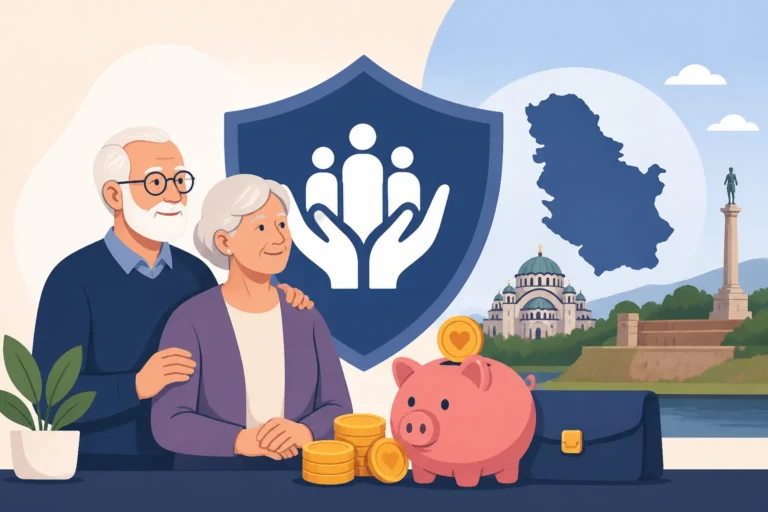
As expats, we pour so much energy into settling our own affairs in Serbia – getting our residence permits sorted, finding an apartment, understanding the public transport. But then, a thought strikes: what about our children's financial future in this new land? It might seem like a small detail in a sea of bureaucracy, but figuring out how to open a savings account for your child in Serbia can be a surprisingly daunting task. This guide is here to demystify the process, offering a realistic, step-by-step walkthrough so you can secure a financial foundation for your little ones without pulling out your hair.
Why Bother with a Serbian Savings Account for Your Child?
When you’re juggling life in a new country, adding another administrative task to your plate, especially one that involves banking in a foreign language, can feel like a Herculean effort. You might ask yourself, "Do I really need a separate savings account for my child here?" The answer, often, is a resounding yes, and for a multitude of reasons that go beyond mere convenience.
Laying Down Roots in Local Currency
If you’re planning on staying in Serbia for the foreseeable future, or if your children are growing up here and becoming integrated into the local school system and social fabric, having a savings account in Serbian Dinars (RSD) makes immense sense. It’s about more than just a place to stash birthday money. It helps them understand the local economy, the value of the currency they encounter daily, and makes it easier for grandparents or local friends to contribute small gifts without the hassle of foreign currency exchange. Imagine a child receiving a gift in dinars and being able to deposit it directly, rather than you needing to convert it from your home currency. It’s a small detail, but it normalises their financial experience in Serbia. Plus, if you’re managing your own finances primarily in RSD, it simplifies the whole picture. For a broader perspective on managing money here, you might want to read our guide on Understanding the Dinar (RSD) and Foreign Currency Accounts in Serbia.
Fostering Financial Literacy Early On
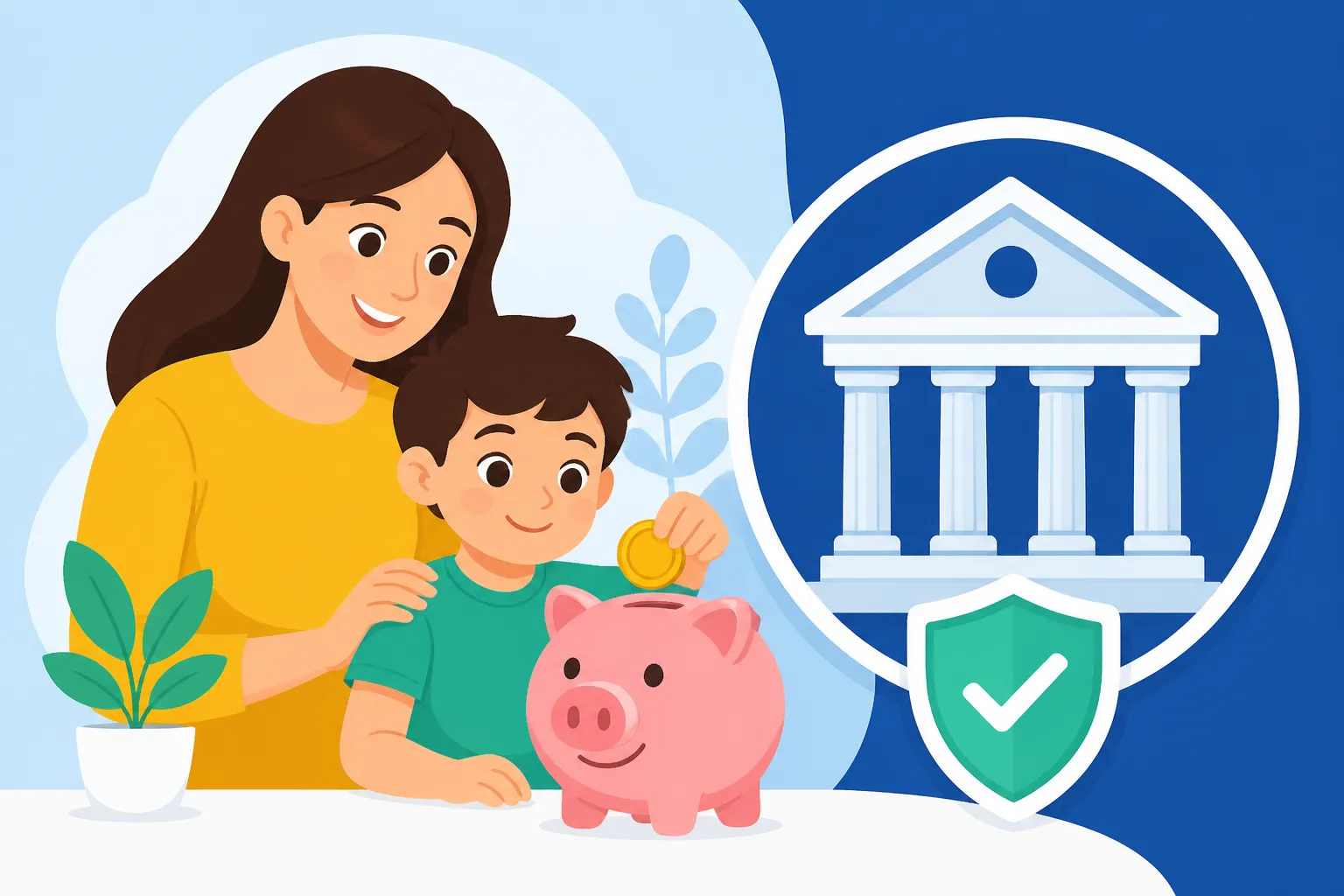
One of the greatest benefits of a dedicated child's savings account is the opportunity it presents for teaching financial literacy. Serbia, like many countries, offers basic savings products for minors that can be a fantastic educational tool. You can sit down with your child, show them their bankbook or online statement (if accessible to parents), and explain how money grows, how deposits work, and the concept of saving for a goal. This hands-on experience in a local context can be invaluable. It transforms abstract concepts of money into tangible lessons, preparing them for financial independence later in life. It's not just about the numbers; it's about instilling responsible habits from a young age, helping them to distinguish between wants and needs within a Serbian context.
Avoiding Complications with Foreign Accounts
While it might be tempting to keep all your child's savings in an account back in your home country, this can lead to its own set of complications, especially as your family establishes tax residency in Serbia. Holding foreign accounts might necessitate additional reporting requirements, and dealing with international transfers can incur fees and delays. While services like Wise can significantly ease international transfers for your own funds, having a local account for your child can streamline day-to-day financial activities and potential local income or gifts. Furthermore, if you’re concerned about long-term financial planning and how your income and assets are treated, understanding Tax Residency in Serbia: A Definitive Guide for Expats (2027) is crucial. A local account mitigates some of these cross-border complexities for your child's specific funds.
Navigating the Serbian Banking Maze for Minors
Alright, so you’re convinced. A Serbian savings account for your little one is a good idea. Now comes the fun part: actually navigating the Serbian banking system. It’s not always the most straightforward process for foreigners, and adding a minor into the mix adds another layer of specific requirements. But don’t worry, we’ll break it down.
Eligibility and Account Types for Children
In Serbia, generally, minors can have savings accounts, but the terms and conditions are strictly controlled by their legal guardians (usually parents). The specific age at which a child can start to have some level of independent access or a debit card linked to their account varies by bank, but typically, full independence isn't granted until they turn 18. Until then, it’s very much a parent-controlled affair.
Most Serbian banks offer simple savings accounts for minors. These are generally basic accounts designed for deposits and withdrawals, often with minimal or no fees, and sometimes a small interest rate. Don't expect sophisticated investment portfolios for children here; the focus is on straightforward saving. Some banks might market these as "junior accounts" or "children's savings." It’s worth checking with the major banks in Serbia like Banca Intesa, Raiffeisen Banka, OTP Banka, or Eurobank Direktna, as they often have dedicated departments or at least more experience dealing with expat clientele. These banks are typically more accustomed to the necessary documentation and translation requirements. Before diving in, it might be helpful to review our comprehensive guide on The Expat Guide to Opening a Bank Account in Serbia for general information.
Essential Documents You’ll Need
This is where things can get a bit specific and require some preparation. As an expat opening an account for your child, you'll need to provide documentation for both yourself (as the legal guardian) and the child.
Here's a breakdown of what you're typically expected to present:
-
For the Child:
- Birth Certificate: This is paramount. If it's not issued in Serbia, it will absolutely need to be apostilled (if your home country is a signatory to the Hague Convention) and officially translated into Serbian by a certified court translator. You’ll usually need the original and the translated copy.
- Child's Passport: If your child has their own passport, bring it. For younger children, this might be the only form of identification they possess.
-
For the Parent(s)/Legal Guardian(s) – You!
- Valid Passport: Your primary form of identification.
- Serbian Temporary Residence Permit (Privremeni Boravak) or Permanent Residence Card: Proof of your legal residency status in Serbia. This is crucial as banks are required to verify your right to reside in the country. If you're still navigating your own residency, our guide on How to Get Temporary Residence (Boravak) in Serbia (2027) can offer some clarity.
- Serbian Tax Identification Number (PIB): You, as the parent, will need your Serbian tax ID. If you're self-employed, you'll definitely have one. If you're employed, your employer typically handles this, but confirm you know it. This is your personal tax identification, not for the child directly, but for you as the account holder/guardian. Our article How to Get a Tax ID (PIB) as a Foreigner in Serbia can walk you through obtaining one if you don't have it.
- Proof of Address in Serbia: A utility bill (electricity, water, internet) in your name and showing your Serbian address is usually accepted. A rental contract might also work. This confirms where you legally reside.
- Proof of Income/Employment: While not always explicitly asked for a child's account, some banks might still request proof of your financial standing, such as an employment contract, salary slips, or a certificate of income, to comply with anti-money laundering regulations.
- Marriage Certificate (if applicable): If only one parent is present and both are legal guardians, or if there's any ambiguity, bringing a marriage certificate (apostilled and translated if foreign) can clarify parental rights. If you’re a single parent or have sole custody, relevant court documents (also translated and apostilled) will be necessary.
It’s always, always, always best to call the specific bank branch you plan to visit beforehand to confirm their exact document requirements. This can save you multiple trips and a lot of frustration. Serbian bureaucracy loves paper, and double-checking is key.
Here’s a handy checklist for your bank visit:
| Document Type | For Child | For Parent/Guardian | Notes |
|---|---|---|---|
| Original Birth Certificate | ✅ | ❌ | Must be apostilled & officially translated if foreign. |
| Child's Passport | ✅ | ❌ | Original required. |
| Parent's Passport | ❌ | ✅ | Original required. |
| Serbian Residence Permit/Card | ❌ | ✅ | Temporary (Boravak) or Permanent. Original required. |
| Serbian Tax ID (PIB) | ❌ | ✅ | Parent's PIB. |
| Proof of Address (Serbia) | ❌ | ✅ | Utility bill in parent's name, or rental contract. |
| Proof of Income/Employment | ❌ | ✅ | Employment contract, salary slips, or income certificate. |
| Marriage/Custody Certificate | ❌ | ✅ (if applicable) | Apostilled & officially translated if foreign. Only if clarity on parental rights is needed. |
The Nitty-Gritty: Step-by-Step Account Opening Process
So, you’ve gathered your documents, double-checked with the bank, and you're ready to take the plunge. Here’s what you can generally expect when you actually go to open that savings account for your child.
Making the Appointment and Initial Contact
While some smaller errands in Serbia can be done by simply walking in, for something as significant as opening a bank account as a foreigner, especially for a minor, making an appointment is highly advisable. This ensures that someone who can assist expats (often an English-speaking representative) will be available and that they have allotted enough time for the process. Call the specific branch you intend to visit. When you call, clearly state that you are a foreigner (stranac) and wish to open a savings account for your child (štedni račun za dete). Confirm the required documents one last time over the phone. You'll likely encounter a mix of friendly efficiency and moments where you feel like you're explaining your entire life story, but that's just part of the expat charm here.
At the Bank: Forms, Signatures, and Patience
When you arrive for your appointment, ensure you have all original documents, plus photocopies (some banks prefer to make their own, but it doesn't hurt to be prepared). You’ll be guided through a series of forms. These will include:
- Application Form for the Savings Account: This will detail the type of account, the child's information, and your information as the guardian.
- KYC (Know Your Customer) Forms: These are standard banking requirements to verify your identity and source of funds, crucial for anti-money laundering efforts. You’ll be asked about your profession, income, and possibly the purpose of the account. Don't be surprised by the level of detail; it’s standard procedure.
- Parental Consent Forms: Explicit consent from the legal guardian(s) is needed to open an account for a minor. If both parents are present and listed as legal guardians, both may need to sign. If only one parent is present, clarify with the bank if the other parent's notarised consent (with translation) is required. This is a common point of frustration, so be prepared.
- Declaration of Tax Residency: You will likely need to declare your tax residency for both yourself and your child. While your child is unlikely to have taxable income from a basic savings account, it’s a necessary formality. If you are ever unsure about your tax obligations as an expat, particularly concerning potential foreign income or assets, seeking advice from specialists like Taxes for Expats can be invaluable.
Expect the process to take some time, potentially an hour or two, even with an appointment. Be prepared to sign many documents, often in Serbian. Don’t hesitate to ask for clarification if you don't understand something. Most larger banks in Belgrade or Novi Sad will have English-speaking staff, but smaller branches might not, so consider bringing a Serbian-speaking friend if you're not confident in your language skills.
Initial Deposit and Account Activation
Once all the paperwork is completed and signed, you’ll typically be asked to make an initial deposit to activate the account. This amount is usually quite small, perhaps a few hundred or a thousand Dinars. You can do this at the counter immediately.
After the initial deposit, the account should be active. You might receive a physical bankbook (knjižica) which is a traditional way to track savings in Serbia, or access to an online banking portal where you can monitor the account. For most child accounts, the online banking access will be limited to the parent, allowing you to view statements and manage funds. You'll likely get confirmation of the account number, which is essential for any future deposits. If you are looking to transfer funds from an international account, services like Wise are often used by expats for their favourable exchange rates and lower fees compared to traditional bank transfers. This can be a practical way to top up your child's Serbian savings from your overseas funds.
Managing and Funding Your Child's Savings Account
Once the account is open, the next step is managing it and ensuring a steady flow of funds, whether it’s from pocket money, birthday gifts, or regular contributions from you.
Parental Control and Access
For minor accounts, full parental control is the norm. You, as the legal guardian, will have access to the account statements, be able to make deposits and withdrawals, and generally oversee all activity. Some banks might offer a linked debit card for older children (e.g., teenagers), but even then, limits and monitoring capabilities for parents are standard. It’s crucial to clarify these terms during the account opening process. Can you set spending limits on a card? Will you receive notifications for transactions? What age does the bank consider appropriate for a child to have even limited independent access?
Online banking is a lifesaver for managing finances from home, and most Serbian banks offer decent platforms. You'll likely be able to view your child's account alongside your own. This allows you to easily track savings, show your child their progress, and make internal transfers if needed.
Depositing Funds: Local and International
Depositing money into your child’s Serbian savings account is generally straightforward:
- Cash Deposits: You can always visit a bank branch and deposit cash directly. This is common for birthday money or pocket money given in dinars.
- Bank Transfers (Local): If you have your own Serbian bank account, you can easily transfer funds electronically to your child’s account. This is usually instant and free within the same bank.
- International Transfers: This is where many expats often face questions. If you wish to transfer money from an overseas account into your child's Serbian account, you'll need to use an international money transfer service. While traditional bank wire transfers are an option, they can be slow and come with high fees and unfavourable exchange rates. Many expats find services like Wise (formerly TransferWise) to be a much more cost-effective and efficient solution for sending money from their foreign bank accounts to Serbia. They offer competitive rates and transparent fees, making it simpler to get your funds into RSD. For further details on how to manage funds in and out of the country, our article How to Transfer Money Into and Out of Serbia as an Expat provides useful guidance.
Tax Implications for Child Savings
For a basic savings account with minimal interest, the tax implications for a child in Serbia are usually negligible, if any. Interest earned on savings might be subject to personal income tax, but for small amounts, this is often below the taxable threshold. However, as the legal guardian, you are responsible for ensuring any potential tax obligations are met.
If your child receives significant gifts or has other sources of income, or if you plan for more substantial investments in their name in the future, it's wise to consult with a tax advisor experienced in Serbian tax law for expats. Understanding How Serbia's Tax System Works: The Flat 10% Tax Explained (2027) can give you a baseline understanding, but personal circumstances always warrant professional advice, especially when cross-border financial activity is involved. It’s better to be informed and compliant from the start rather than facing surprises down the road.
Common Hurdles and How to Overcome Them
Let's be realistic, nothing in Serbia is ever completely smooth sailing when it involves bureaucracy. Opening a bank account for your child is no exception. Here are some common hurdles you might encounter and how to navigate them with grace (and a bit of persistence).
Language Barriers and Communication Gaps
Even in major cities like Belgrade or Novi Sad, not every bank employee will be fluent in English. This can lead to misunderstandings, especially when discussing legalistic banking terms.
- Solution:
- Call Ahead: Always try to schedule an appointment with an English-speaking representative.
- Bring a Friend: If you’re not confident in your Serbian, bring a trusted Serbian-speaking friend or colleague to help translate.
- Google Translate: While not perfect, a translation app on your phone can help with quick clarifications of terms on forms.
- Be Patient and Clear: Speak slowly and clearly, and don't be afraid to ask for explanations to be repeated or rephrased. A little patience goes a long way.
Inconsistent Information Across Branches or Banks
You might get slightly different information regarding required documents or procedures depending on which branch or even which employee you speak to. This isn't unique to Serbia, but it can be particularly frustrating when dealing with foreign documents.
- Solution:
- Get it in Writing (if possible): If you've been given specific instructions over the phone, try to get them confirmed via email.
- Document Everything: Keep a detailed record of who you spoke to, when, and what they told you.
- Prepare Excessively: Assume you'll need more documents than you think. Bring every piece of identification and proof of address you have. It's better to have too much than too little.
Apostille and Translation Requirements
The need for apostilled and officially translated documents (like birth certificates or marriage certificates) is a common hurdle. Finding a certified court translator can take time, and the costs can add up.
- Solution:
- Plan Ahead: Start the apostille and translation process well in advance of your bank appointment. This is not something you can rush.
- Official Translators: Use only court-certified translators (sudski tumač). Banks will not accept unofficial translations. You can usually find lists of these translators on local municipality websites or through recommendations from other expats.
- Keep Originals and Copies: Always keep the original apostilled documents and the original translated copies for your records, as you may need them for other administrative tasks in Serbia.
Opening a savings account for your child in Serbia, while requiring some effort and navigating the local way of doing things, is a completely achievable goal. It’s an important step in establishing your family's financial footprint in your new home, offering practical benefits and valuable lessons in financial literacy for your children. Remember to arm yourself with patience, persistence, and all the necessary documents, and you’ll be well on your way to securing a little financial nest egg for your child in Serbia.
Disclaimer
The information provided in this article is for general informational purposes only and does not constitute financial, legal, or tax advice. While we strive to provide accurate and up-to-date information, regulations and procedures in Serbia can change frequently. Expats should always consult with a qualified financial advisor, legal professional, or tax expert for advice tailored to their specific circumstances before making any financial decisions. We cannot be held responsible for any losses or damages incurred as a result of relying on the information presented herein.