Can I Pay My Utility Bills Through My Bank in Serbia?
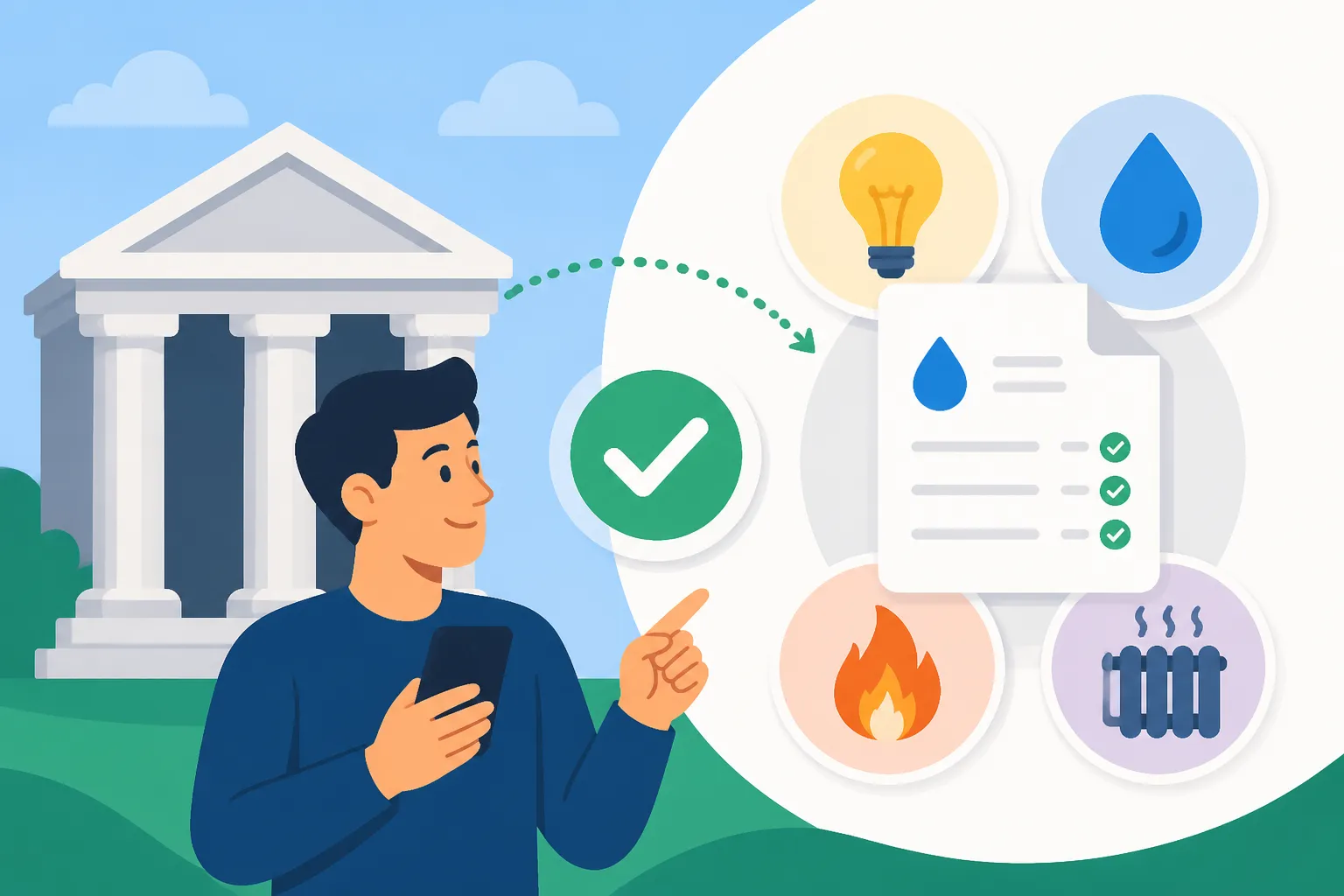
One of the first little administrative puzzles you face as an expat settling into Serbia is figuring out how to handle those inevitable monthly utility bills. The good news is, you absolutely can pay your utility bills through your bank in Serbia, and thankfully, there are several straightforward options available that can make this often-dreaded task much less of a headache. This guide will walk you through the various methods, share some insider tips, and highlight the common pitfalls so you can keep your lights on and your water running without breaking a sweat.
The Ease of Bank Payments: Your Serbian Financial Hub
When you first arrive, it might seem like everything requires a trip to the post office or a payment slip that looks like it was designed in the last century. While those options still exist, the digital age has certainly made its way to Serbian banking, offering expats convenient ways to manage their household finances. Once you've successfully managed to get your local bank account set up, which is a crucial first step for any expat, you'll unlock a suite of payment options. For a deeper dive into establishing your financial base, check out our guide on The Expat Guide to Opening a Bank Account in Serbia.
Online Banking and Mobile Apps
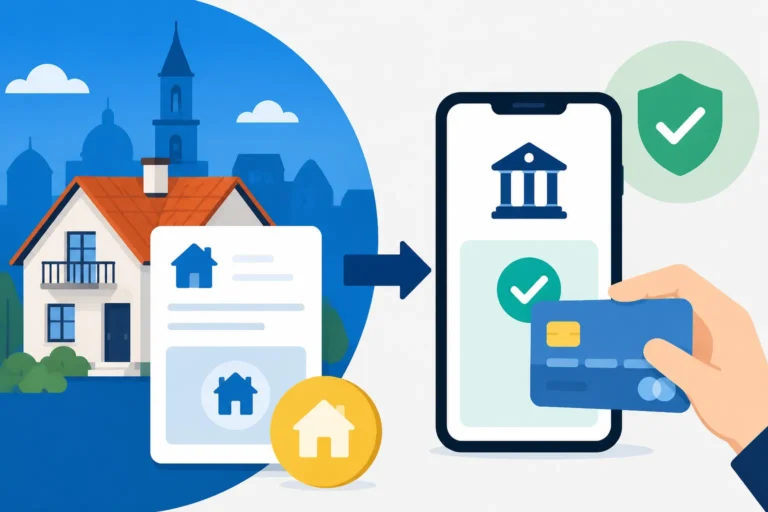
For most expats, the most convenient method for paying bills will be through their bank's online banking portal or mobile app. Nearly all major Serbian banks, such as Banca Intesa, Raiffeisen Bank, OTP Bank, and UniCredit Bank, offer robust digital platforms. Once you’re logged in, you’ll typically find a section dedicated to bill payments, often labelled something like "Plaćanja" (Payments) or "Komunalije" (Utilities).
The process usually involves selecting the utility provider, entering the specific reference number from your bill (often labelled "poziv na broj" or "broj uplate"), and the amount. You'll need to know which company corresponds to which bill – for example, EPS for electricity, Infostan for communal services in Belgrade, or Novi Sad Gas for gas in Novi Sad. It's a bit like learning a new language for your finances, but once you've done it a couple of times, it becomes second nature. Many banks even allow you to save these payment templates, so for recurring monthly bills, it’s just a few clicks. It really cuts down on the physical trips and queues, freeing you up to actually enjoy living here! To make the most of your digital banking experience, you might want to read our article on How to Set Up Online Banking with a Serbian Bank.
Direct Debit (Trajni Nalog)
For truly hands-off bill management, direct debit, known as "trajni nalog" in Serbian, is your best friend. This option allows you to authorize your bank to automatically pay recurring bills on their due date. This is fantastic for those regular, predictable expenses like rent, internet, electricity, and communal fees. You usually set this up directly at a bank branch with a representative, providing them with the necessary details from your utility bills.
The main advantage of a direct debit is peace of mind. No more missed deadlines, no late fees, and no frantic dashes to the bank on the last day of the month. It’s particularly useful for utilities that issue bills with variable amounts, as the bank will simply deduct the billed sum. This automation is a lifesaver when you're busy navigating other aspects of expat life. Imagine not having to think about your SBB internet bill every month – it just gets paid! If you're looking for more ways to streamline your finances, you could explore our guide on How to Set Up Auto-Pay for My Utility Bills in Serbia?.
Branch Payments and Payment Slips
While less convenient than digital methods, paying at a bank branch remains a popular option for many, especially for new expats still getting a handle on the banking system or for one-off payments. Every Serbian bank branch has tellers equipped to process utility payments. You simply present your payment slip (Uplatnica), which typically comes with your physical bill, to the teller. They will scan it, confirm the amount, and process the payment from your account.
This method can be a good starting point as it offers a chance to ask questions and ensures the payment is correctly processed with assistance. However, be prepared for potential queues, especially during peak hours or around the end of the month. It's also vital to always get and keep your payment receipt. In Serbia, receipts are king, and they are your only proof of payment should any dispute arise later. This is part of the charm of the system, I suppose – a reminder that not everything is fully digitalized yet, and sometimes a bit of old-school paper trail is reassuring.
Navigating the Serbian Utility Landscape: What Bills to Expect
Understanding how to pay is one thing, but knowing what you’re paying for is another. Serbian utility bills can sometimes feel like deciphering ancient hieroglyphs, especially with the language barrier. But don’t worry, it’s manageable once you get the hang of it. Your monthly expenses will vary based on your location and lifestyle, but typically you'll be looking at costs for electricity, water, heating, internet, and sometimes communal services bundled together. For a broader look at what you can expect financially, our article on The Complete Guide to Cost of Living in Serbia for Expats (2026) is a great resource.
Common Utility Providers and Bill Types
In Serbia, utility provision is often centralized or managed by public enterprises, depending on the service and the municipality. Here's a breakdown of the main ones you'll encounter:
- Electricity (Struja): Provided by Elektroprivreda Srbije (EPS). You’ll receive monthly bills based on your consumption. Remember, electricity prices vary based on consumption tiers and time of day (day/night tariffs). Paying attention to your usage can really save you some dinars. If you're wondering How Much Does Electricity Cost per Month in Serbia?, we have a detailed breakdown.
- Communal Services (Komunalije): In Belgrade, the notorious "Infostan" handles a consolidated bill for various services like water, sewage, garbage collection, building maintenance, and sometimes central heating. If you're living in an apartment, this is likely one of your biggest and most complex bills. Outside Belgrade, other municipal companies will handle these, so the bill structure might differ slightly.
- Water (Voda): Often part of the Infostan bill in Belgrade or handled by local public utility companies ("Vodovod i Kanalizacija") in other cities.
- Heating (Grejanje): If your building has central heating, this will be another significant monthly cost, especially during the long Serbian winter. In Belgrade, it's typically managed by Beogradske Elektrane and often included in your Infostan bill. Otherwise, you might be using electric heaters, gas, or wood. For more insights on this, read Understanding Water and Central Heating Bills in Serbia.
- Internet and TV (Internet i Televizija): You'll have various private providers to choose from, such as Telekom Srbija (MTS), SBB, or Yettel. These bills are usually separate and often managed directly through the provider's own app or online portal, though they can often be paid via your bank's online payment system too. For tips on getting connected, check out How to Set Up Internet and Mobile Service in Serbia.
- Gas (Gas): Less common in apartments in larger cities, but if you have gas heating or a gas stove, you'll have a bill from a local gas distribution company, e.g., "Novi Sad Gas" in Novi Sad.
Understanding Your Bill
Serbian utility bills can be dense, packed with codes and numbers. However, the most critical pieces of information you need are:
- Iznos za uplatu / Ukupno (Amount to Pay / Total): The grand total.
- Datum dospeća / Rok plaćanja (Due Date / Payment Deadline): The date by which you need to pay to avoid late fees.
- Poziv na broj / Broj uplate (Reference Number / Payment Number): This is crucial for online or bank payments. It links your payment to your specific account with the utility provider. Without it, your payment might not be properly registered.
- Uplatilac (Payer): Your name and address.
- Primalac (Recipient): The utility company's name and address.
- Svrha uplate (Purpose of Payment): Usually something like "Plaćanje računa za struju" (Electricity bill payment).
Many utility providers now offer electronic versions of their bills or access to your consumption data through their own web portals. This can be incredibly helpful for tracking and understanding your usage, especially if the Serbian post office is, shall we say, "leisurely" with its deliveries.
Practical Tips and Common Expat Hurdles
Moving to Serbia is an adventure, and like all adventures, it comes with its unique set of challenges. Dealing with bureaucracy, including bill payments, can sometimes feel like a quest of its own. But with a few practical tips and an understanding of common hurdles, you’ll be a pro in no time.
Setting Up Your Payments Smoothly
The golden rule for setting up any payment in Serbia, especially utilities, is to have your JMBG (Jedinstveni Matični Broj Građana), which is your unique personal identification number. You'll get this once you've secured your temporary residence permit. Your residence status significantly impacts how you interact with administrative services, so ensure you understand How Your Residence Status Affects RFZO Enrolment in Serbia or other administrative processes. Many utility accounts are tied to this number, and without it, setting up direct debits or even some online payments can be difficult.
Secondly, ensure the name on the utility bill matches the name on your bank account, or at least that your JMBG is correctly linked. Discrepancies can cause delays or misapplied payments. When setting up a direct debit at the bank, bring your latest utility bill for each service you want to automate. The bank staff will need all the recipient details and your specific reference numbers. Don't be shy about asking them to double-check everything; it's always better to be safe than sorry!
Overcoming Language Barriers and Payment Errors
Let's be honest, not everyone in Serbia speaks English, especially at local utility offices or smaller bank branches. This can be a source of genuine frustration when you're trying to resolve a payment issue or understand a complex bill. My advice?
- Bring a Serbian speaker: If you have a friend, colleague, or even a landlord who can help translate, especially for initial setups or troubleshooting, it will save you a lot of stress.
- Use online translation tools: For understanding bills, Google Translate's camera function can be a lifesaver.
- Keep all receipts: I cannot stress this enough. If you ever have a dispute, the physical or digital receipt from your bank is your undeniable proof of payment. Keep a dedicated folder, digital or physical, for all your utility payment confirmations.
- Call customer service: Many larger utility providers and all major banks have English-speaking customer service lines, though you might need to navigate an automated menu first. Be patient and polite.
Sometimes, errors happen. A payment might not be registered, or you might accidentally overpay. If you notice an issue, first check your bank statement to confirm the payment went through. Then, contact the utility provider directly with your proof of payment. Most issues can be resolved with a bit of persistence and the right documentation.
Managing Foreign Currency and Transfers
Living in Serbia often means managing your finances across different currencies, especially if your income originates from abroad. While utility bills must be paid in Serbian Dinars (RSD), the initial transfer of funds can be a concern for many expats. Services like Wise (formerly TransferWise) are incredibly popular among the expat community for their low fees and competitive exchange rates when transferring money from a foreign account into your Serbian bank account. This can significantly reduce the costs associated with international money transfers compared to traditional bank wire transfers.
Using such services ensures that you have enough local currency in your Serbian bank account to cover your utility payments and other living expenses. When considering your overall financial picture as an expat, including managing foreign income and local expenses, it's also wise to consult resources like Taxes for Expats, who specialize in navigating international tax obligations, ensuring you're compliant both in Serbia and your home country. Understanding these financial flows is key to a stress-free expat life.
Below is a quick overview of the payment methods you'll likely encounter for your Serbian utility bills:
| Payment Method | Pros | Cons | Best For Expats |
|---|---|---|---|
| Online Banking/App | Convenient, 24/7 access, saves payment templates | Requires initial setup, potential language barrier for first use | Tech-savvy expats, regular monthly bills |
| Direct Debit (Trajni Nalog) | Fully automated, no missed payments, peace of mind | Requires in-branch setup, needs JMBG, less flexible for one-offs | Set-and-forget regular bills (electricity, internet) |
| Bank Branch | Personal assistance, good for first-time payers | Can involve queues, less efficient, requires physical presence | Newcomers, complex payments, those preferring human interaction |
| Post Office (Pošta) | Widely available, often open longer hours | Can involve queues, cash payment only (often), limited English | Rural areas, cash payments, emergency payments |
It's clear that while the initial setup might require a bit of patience and perhaps a trip to your bank, the convenience of paying your utility bills through your Serbian bank account, particularly via online banking or direct debit, is invaluable. Welcome to the easier side of expat life in Serbia!
Disclaimer
Please note that while I strive to provide accurate and up-to-date information, regulations and banking procedures in Serbia can change. This guide is intended for informational purposes only and does not constitute financial or legal advice. Always consult with your specific bank or relevant utility provider for the most current and personalized information.