Can I Open an Account at a Digital Bank in Serbia?
Trying to manage your finances as an expat in Serbia can feel like navigating a maze, especially when you're used to the sleek, effortless experience of fully digital banks back home. Many of us arrive hoping to simply download an app and open an account in minutes, only to quickly realize that the Serbian banking landscape has its own unique rhythm. This guide will walk you through the current reality of digital banking in Serbia, clarify what's truly available, and help you set up your finances for a smooth expat life here.
The Reality of Digital Banking for Expats in Serbia
When you picture a "digital bank," you might envision companies like Revolut, N26, or Monzo – those fantastic neo-banks that allow you to set up an account entirely from your phone, often without ever stepping foot into a physical branch. They’re designed for instant gratification, low fees, and seamless international transactions. However, when you land in Serbia, you’ll soon find that the concept of a fully digital, native Serbian bank that operates entirely without a physical presence and an in-person verification process for new foreign residents is, well, still a bit of a futuristic dream for us expats.
What "Digital Bank" Really Means in the Serbian Context
In Serbia, the term "digital bank" or "online banking" usually refers to the robust digital services offered by traditional brick-and-mortar banks. These institutions have invested heavily in creating excellent mobile apps and online platforms that allow you to manage most of your day-to-day banking needs – paying bills, transferring money, checking balances, and even applying for certain services – all from your smartphone or computer.
So, while you might not find a Serbian equivalent of a Monzo, you will find that major banks like Banca Intesa, Raiffeisen Banka, and OTP Banka offer sophisticated digital tools once your account is open. This is a crucial distinction. It's not about being unable to do things digitally, but rather the initial hurdle of opening the account, which almost always involves an in-person visit for identity verification and signing documents. This can be a bit of a shock if you're coming from a country where digital-only onboarding is the norm, and it’s a common point of frustration for many newcomers.
Challenges of Opening an Account from Abroad
One of the biggest headaches for new arrivals is trying to sort out banking before you've fully settled in. The dream of opening a Serbian bank account while still in your home country is, unfortunately, largely impossible for most foreigners. Serbian banks are, understandably, quite strict about identity verification and require you to have a valid basis for residence here.
Typically, you'll need to have your temporary residence permit (known as privremeni boravak) or at least be in the process of obtaining one. You'll also need a registered local address, which often means you'll need your "white card" (confirmation of address registration with the police). Beyond that, banks will ask for your Serbian Tax Identification Number, or PIB, which can be another administrative hoop to jump through. All these steps usually mean you need to be physically present in Serbia, with your immigration paperwork already underway or completed, before a bank will even consider opening an account for you. This creates a chicken-and-egg situation that many expats find incredibly frustrating, especially when you need a local account for essential things like receiving a salary or setting up utilities.
Local Serbian Banks with Robust Digital Services
Once you’ve cleared the initial hurdle of being physically present and having your residency sorted, you'll find that Serbia's traditional banks offer surprisingly strong digital platforms. They might not be "digital-only" in the modern neo-bank sense, but their apps and online portals are more than capable for most expats' needs.
Key Players and Their Digital Offerings
Several major banks dominate the Serbian market, and many of them are international groups, which can sometimes mean better English-speaking support, especially in bigger cities like Belgrade or Novi Sad.
Raiffeisen Banka is a popular choice among expats. Their mobile banking app is user-friendly and offers a comprehensive range of services, from bill payments to instant transfers. They often have dedicated staff or even branches that are more accustomed to dealing with foreign clients.
Banca Intesa, part of the Italian Intesa Sanpaolo Group, also has a significant presence and a solid digital banking experience. Their app allows for easy management of accounts, payments, and foreign currency exchange within the app.
OTP Banka, a Hungarian group, has expanded significantly in Serbia and also offers strong online and mobile banking. They are known for competitive exchange rates and a decent range of services that are easily accessible digitally.
NLB Komercijalna banka, while having a slightly more traditional feel, also provides a full suite of digital banking services. Many expats find their customer service to be quite helpful, especially with the initial setup.
These banks provide functionalities like:
- Mobile apps: For checking balances, transactions, and making payments on the go.
- Online banking portals (e-banking): For more complex operations, statement downloads, and setting up standing orders.
- Instant transfers: Within Serbia, transfers between accounts at the same bank are instant, and interbank transfers usually process within a business day.
- Multi-currency accounts: Many offer accounts in EUR, USD, and other major currencies, which is incredibly useful for expats receiving foreign income.
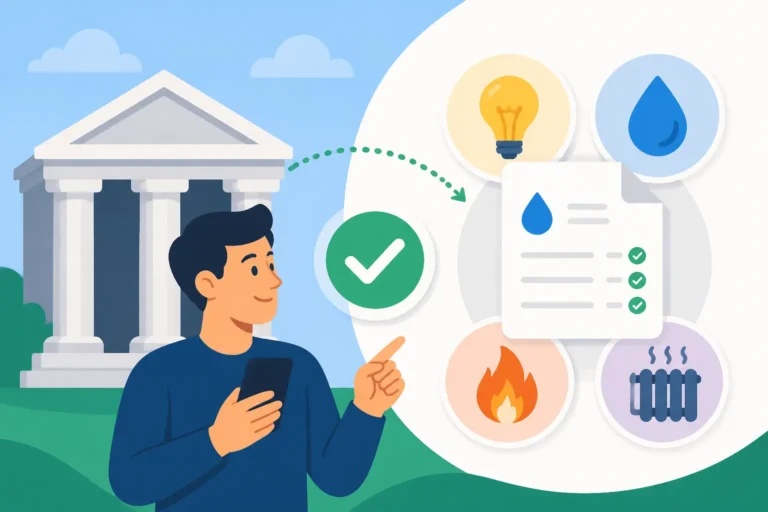
- Utility payments: You can easily pay your monthly bills for electricity, water, internet, and heating directly through the app, often by scanning a QR code on the bill. This streamlines your finances significantly. You can learn more about how to pay your utility bills in Serbia and avoid late fees.
The Process for Expats to Open an Account Still Requires In-Person
Even with all these modern digital offerings, the initial account opening process for expats in Serbia almost always requires an in-person visit to a bank branch. This is where the "digital bank" ideal hits a snag.
Here’s a general rundown of what you’ll typically need and the process:
- Required Documents:
- Valid Passport: Your primary form of identification.
- Temporary Residence Permit (Boravak Card): This is absolutely essential as it proves your legal right to reside in Serbia. Without it, most banks won't even start the process. For more information on securing this, see our guide on how to get temporary residence (Boravak) in Serbia (2026).
- White Card (Beli Karton) / Registered Address Confirmation: Proof that you have a registered address in Serbia. This confirms your physical presence and where you live.
- Serbian Tax Identification Number (PIB): This is your unique tax ID. You can find out more about how to get a tax ID (PIB) as a foreigner in Serbia. Sometimes, banks can help you apply for this as part of the account opening, but it’s better to have it beforehand to speed things up.
- Proof of Income/Employment (Optional but Recommended): Some banks might ask for an employment contract, proof of self-employment registration, or a letter from your employer. This helps them assess your financial standing and origin of funds. If you’re self-employed, bringing your company registration documents might be helpful.
- The In-Person Visit:
- You’ll need to visit a branch to present your original documents, fill out forms, and provide signatures. This is a non-negotiable step for initial identity verification and compliance checks.
- It’s highly recommended to choose a larger branch in city centers like Belgrade or Novi Sad, as they are more likely to have English-speaking staff who are experienced with foreign clients. If possible, call ahead to inquire about their services for expats and to ensure an English speaker will be available.
- You will typically be asked about the source of your funds, your purpose for opening the account, and your expected transaction activity. This is standard procedure for anti-money laundering regulations.
While the initial setup might feel like a step back in time, once it's done, you'll likely appreciate the convenience of managing your daily finances through their modern digital interfaces. The initial effort truly pays off in the long run.
International Digital Payment Services (Not True Banks, but Useful!)
So, while fully digital Serbian banks might not be a thing for expats (yet!), that doesn't mean you're stuck in the Stone Age. There are fantastic international digital payment services that complement local banking perfectly, especially for managing foreign currency and transfers.
How Services Like Wise Bridge the Gap
This is where services like Wise (formerly TransferWise) really shine for expats in Serbia. While Wise isn't a traditional bank and it won't give you a Serbian IBAN for direct salary deposits from a Serbian employer, it's an absolute game-changer for international money management.
Here's why Wise is so popular among the expat community:
- Multi-currency Accounts: You can hold balances in dozens of currencies, including Euros, US Dollars, British Pounds, and more. This is incredibly useful if you receive income in a foreign currency or travel frequently.
- Low-Cost International Transfers: Their core service is sending money across borders with transparent, low fees and real exchange rates. This means if you need to transfer funds from your home country to your Serbian bank account, Wise can save you a significant amount compared to traditional bank wire transfers. You can find more details in our guide on how to transfer money into and out of Serbia as an expat.
- Debit Card: Wise offers a debit card that you can use worldwide, automatically converting funds at the real exchange rate. This is fantastic for travel or for spending money you hold in foreign currencies without racking up hefty bank fees.
- Ease of Use: The platform is incredibly intuitive, making it simple to manage your money, convert currencies, and initiate transfers from anywhere with an internet connection.
It’s crucial to understand that Wise doesn't replace your need for a Serbian bank account. For things like receiving a local salary, paying Serbian utility bills, or handling direct debits for local services, you will still need an account with a Serbian bank. However, for getting money into Serbia cheaply, managing foreign currency, and handling international payments, Wise is an invaluable tool that bridges the gap between your international financial life and your new life here.
Integrating International Solutions with Local Banking
Many expats, myself included, adopt a hybrid approach to banking in Serbia. You'll typically have your main Serbian bank account for local transactions, salary, and bill payments, and then use an international service like Wise for everything else.
Here’s a common workflow:
- Receiving Foreign Income: If your employer is abroad or you freelance for international clients, you can have your income paid into your Wise multi-currency account. This allows you to hold it in the original currency, avoiding unnecessary conversions if you plan to send it elsewhere or if the exchange rate isn't favorable.
- Transferring to Serbia: When you need Serbian Dinars (RSD) for your living expenses, you initiate a transfer from your Wise account to your local Serbian bank account. Wise converts the money at the mid-market rate and sends it over, typically arriving within a day or two.
- Local Payments: Once the funds are in your Serbian bank account, you use your local bank's digital services to pay rent, utilities, and other daily expenses. You can learn more about how to pay your utility bills in Serbia.
- Tax Considerations: Remember, even if you’re using Wise for foreign income, you are likely a Serbian tax resident if you spend most of your time here. You’ll need to understand your obligations for reporting foreign income to the Serbian Tax Administration. This is where services like Taxes for Expats can be incredibly useful, providing specialized advice for your specific situation. Understanding income tax and the flat 10% rate in Serbia is essential, as are the tax residency rules and the 183-day test in Serbia.
This integrated approach gives you the best of both worlds: the convenience and low cost of international digital payment platforms, combined with the necessity and functionality of a local Serbian bank account for your day-to-day life.
Navigating the Nuances: Tips for Success
Navigating the Serbian banking system as a foreigner, even with the increasingly digital offerings, still requires a bit of preparation and patience. But with the right approach, it becomes much smoother.
Essential Documents and Preparation
The golden rule for anything administrative in Serbia is: have all your documents in order, and then some. For opening a bank account, this is paramount.
- Passport: Always bring your original, valid passport.
- Temporary Residence Permit (Boravak Card): This is your most critical document. Ensure it's valid and you have the physical card.
- White Card (Beli Karton): This certificate of residence registration proves your address. Make sure it's up-to-date.
- Serbian Tax ID (PIB): While some banks might assist, having your PIB already issued by the Poreska Uprava (Tax Administration) will significantly streamline the process. You can learn more about how to register with the Tax Administration (Poreska Uprava) in Serbia.
- Proof of Income/Employment: While not always strictly required for basic account opening, having an employment contract, salary slips, or proof of company registration (if self-employed) can smooth things over, especially if you plan to receive your salary into the account. It also helps demonstrate the legitimacy of your funds.
- Translated Documents: If any of your supporting documents (like an employment contract from a foreign company) are not in English or Serbian, it's wise to have them officially translated by a sworn court translator in Serbia. While banks might accept English, it's not guaranteed for all documents.
Always make copies of everything, but be prepared to show originals. It’s better to have too many documents than too few.
Language Barriers and Customer Service
While many banks in major cities are increasingly expat-friendly, language can still be a hurdle. Don't assume everyone will speak fluent English.
- Target Expat-Friendly Branches: In Belgrade, branches in areas like Stari Grad, Vračar, or New Belgrade (near business districts) are more likely to have staff accustomed to serving international clients and who speak English well.
- Bring a Translator: For your initial visit, if you're not confident in your Serbian or English isn't guaranteed, consider bringing a Serbian-speaking friend or hiring a professional translator. This ensures you understand all the terms and conditions, which are often provided in Serbian.
- Digital Support: Most bank mobile apps and online portals offer an English language option, which makes daily banking much easier once your account is set up. However, don't expect 24/7 English phone support from all banks. Many will have a dedicated international client desk or email support in English.
- Customer Service Culture: Be prepared for a slightly different customer service experience than you might be used to in Western countries. Patience and politeness go a long way. The staff are generally helpful, but the processes can sometimes feel a bit bureaucratic and slower.
By anticipating these nuances and coming prepared, you can significantly reduce the stress associated with setting up your financial life in Serbia. The system might not be "digital-first" in the way some expats are accustomed to, but with good planning, it's perfectly manageable and offers all the functionality you'll need.
Here's a quick comparison of digital features for some popular banks in Serbia:
| Bank Name | Mobile App Rating (Approx.) | Key Digital Features | Multi-Currency Accounts | English Language Support (App/Online) | Notes for Expats |
|---|---|---|---|---|---|
| Raiffeisen Banka | 4.5/5 stars | Bill payments, instant transfers, QR payments, e-banking | Yes | Excellent | Often recommended for expats, good branch network |
| Banca Intesa | 4.4/5 stars | Mobile payments, online transfers, savings management | Yes | Very Good | Widespread branches, solid mobile experience |
| OTP Banka | 4.3/5 stars | Fast transfers, online currency exchange, investment | Yes | Good | Competitive exchange rates for in-app currency conversions |
| NLB Komercijalna Banka | 4.0/5 stars | Standard online banking, mobile wallet features | Yes | Good | Reliable, slightly more traditional, helpful customer service |
Note: Mobile app ratings are approximate and can vary by platform (App Store/Google Play) and user reviews.
Disclaimer
The information provided in this article is for general guidance only and does not constitute financial, legal, or immigration advice. While we strive to keep the information up-to-date and accurate, banking regulations and procedures in Serbia can change without notice. Always consult with a qualified professional or the relevant Serbian authorities (such as the National Bank of Serbia or individual banks) for advice tailored to your specific situation before making any financial decisions. We cannot be held responsible for any errors or omissions.