Can I Get Serbian Citizenship Through Marriage?
Many of us expats arrive in Serbia, fall in love, and start building a life, often with a wonderful Serbian partner. Naturally, if you marry a Serbian citizen, the question of citizenship often comes up, hoping it might fast-track things. While marrying a local certainly opens doors and simplifies some aspects of long-term settlement, it’s crucial to understand that it’s not an instant passport. It's a dedicated path that still requires diligent navigation through the Serbian legal landscape, and this comprehensive guide will walk you through every step, outlining the requirements, the process, and what to expect.
The Reality of Serbian Citizenship Through Marriage
Let’s get one thing straight from the outset: marrying a Serbian citizen is absolutely a recognized ground for acquiring Serbian citizenship, but it’s not an automatic grant. There's no magical "I do" that immediately makes you a Serbian citizen. Instead, it’s a process of naturalization that is significantly facilitated by your marital status. You'll still need to meet several other conditions and diligently follow the administrative steps. Many expats initially assume it’s a quick fix, only to find themselves navigating paperwork and waiting periods, just like any other path to citizenship, albeit a more streamlined one.
Marriage Doesn't Guarantee Immediate Citizenship
The misconception that marriage instantly bestows citizenship is a common one, and it’s a source of much frustration for foreigners trying to make Serbia their permanent home. The Serbian Law on Citizenship outlines several ways to acquire citizenship, and marriage to a Serbian national falls under the category of naturalization, specifically Article 9. This means you’re essentially applying to become a citizen, and your marriage is a strong supporting factor, reducing some of the standard requirements for others. However, it doesn’t eliminate the need for a sustained period of legal residency, a demonstration of ties to Serbia, and a clean legal record.
Think of it this way: marriage opens the gate, but you still have to walk the path inside. The Serbian authorities want to ensure that your marriage is genuine and that you genuinely intend to integrate into Serbian society. This isn't just a formality; it's a safeguard to prevent marriages of convenience. They're looking for stability and genuine commitment to the country, not just to your spouse. This is a common approach in many countries, and Serbia is no different in its careful approach to granting citizenship.
Key Requirements for Citizenship by Marriage
So, what exactly are the key requirements if you're looking to acquire Serbian citizenship through marriage? The primary condition, as per Article 9, is that you must have been married to a Serbian citizen for at least three years by the time you submit your application. This isn't just any three years; it needs to be three continuous years of marriage. Furthermore, you must also hold permanent residence in Serbia for a period of at least one year immediately prior to submitting your citizenship application. This means you can't just get married, live abroad for two years, move to Serbia for a few months, and apply. The clock on permanent residency starts ticking after you’ve secured that status.
Beyond these timeframes, there are other crucial elements. You’ll need to make a written statement declaring Serbia as your own country, which is a formal commitment to the nation. This isn't merely signing a form; it's an affirmation of your intent to integrate and identify with Serbia. You will also need to submit proof of your marital status, obviously, which will be your Serbian marriage certificate, and evidence of your continuous legal residency. The process implicitly assumes that you have been living together and building a life in Serbia. This also often means demonstrating some level of integration, though a formal language test is generally not required for this specific pathway, unlike some other naturalization routes.
The Role of the Ministry of Interior MUP
The Ministry of Interior (Ministarstvo unutrašnjih poslova, or MUP) is the central authority you’ll be dealing with throughout this entire process. From your initial temporary residence permits to permanent residence and ultimately, your citizenship application, the MUP is the gatekeeper. Their departments handle all aspects of foreign nationals' status and citizenship matters. You won't be dealing with a single, dedicated citizenship office; rather, your journey will involve various police departments, particularly the Department for Foreigners. It can feel like a labyrinth at times, with different offices handling different stages, so patience and meticulous organization are your best friends.
When you submit your citizenship application, it goes through a rigorous review process by the MUP. They will verify all the documents, cross-reference your residency records, and ensure all conditions are met. This often includes checking that your marriage is indeed valid and registered in Serbia, and that there are no discrepancies in your immigration history. They might even conduct interviews to ascertain the genuineness of your marriage. Understanding the role of the MUP is key; they are not there to be obstructive, but rather to ensure due process and national security. Familiarizing yourself with how the MUP operates will save you a lot of headaches, especially since they are also the primary point of contact for matters like How to Register Your Address (Prijava) with the Police in Serbia.
The Application Process: Step-by-Step for Spousal Citizenship
Applying for citizenship, even through marriage, is a multi-step administrative marathon. It requires precision, patience, and often, a lot of back-and-forth. Trust me, I’ve been through enough Serbian bureaucracy to know that going in prepared is half the battle. Don’t expect to walk in, hand over a few papers, and walk out a citizen. It's a structured process designed to verify every detail of your life in Serbia.
Gathering Your Documents
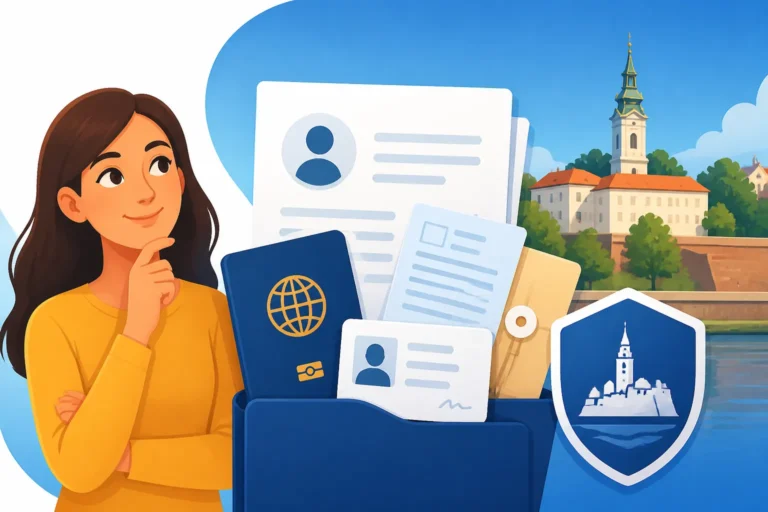
This is arguably the most critical and often the most frustrating part of the entire process. The list of documents required by the MUP can be extensive, and missing even one small item can send you back to square one. You'll need original documents, certified copies, and in many cases, official translations by a sworn court interpreter in Serbia, often accompanied by an apostille stamp if they're foreign-issued. This seemingly simple step can turn into a logistical nightmare if you're unprepared.
Here’s a typical list of documents you’ll need to prepare:
- Application Form: Officially known as the "Request for Admission to Citizenship," obtained from the MUP.
- Proof of Identity: Your valid foreign passport.
- Birth Certificate: Original, translated, and apostilled (if from abroad).
- Marriage Certificate: Your original Serbian marriage certificate, proving your union with a Serbian national. This is paramount.
- Proof of Spouse's Serbian Citizenship: Your spouse's Serbian ID card (lična karta) or passport.
- Proof of Permanent Residence: Your permanent residence permit (stalni boravak) card in Serbia. Remember, you need to have held this for at least one year.
- Proof of Residence Address: A document confirming your registered address in Serbia (prijava boravišta).
- Criminal Record Certificate: From your home country and any other country you've lived in for a significant period, translated and apostilled. You will also need one from Serbia, obtained locally.
- Statement of Serbia as Your Country: A notarized statement, often prepared by a lawyer or notary public.
- Tax Documents: Proof that you have no outstanding tax debts in Serbia.
- Fee Payment Slips: Administrative fees for the application.
It's vital to ensure all documents are current and correctly certified. Don't underestimate the time it takes to get translations and apostilles, especially if you have to coordinate with authorities in your home country. This phase alone can take weeks or even months. For navigating complex document requirements, you might find more guidance in understanding Document and Translation Requirements for Serbia Immigration. As you start envisioning your new life as a citizen, you might also consider the logistical aspects of truly settling down. Companies like Sirelo can assist you in comparing international moving services, making sure your cherished belongings join you in Serbia smoothly.
Submitting Your Application
Once you’ve meticulously gathered every single document, your next step is to submit the application to the relevant MUP office. In Belgrade, this would typically be the Department for Foreigners (Uprava za strance). It's always best to make an appointment if possible, or prepare for potential queues and a long wait. When you arrive, a MUP officer will review your documents. They are generally quite thorough and will check for any missing papers or inaccuracies.
During this stage, the officer might ask you questions about your marriage, your life in Serbia, and your intentions. This isn't meant to interrogate you, but rather to confirm the information in your application and assess your commitment. Your Serbian spouse might be asked to accompany you or provide additional information. Be prepared for a formal interview, where you should be honest and forthright. Remember, consistency in your answers and your documentation is key. Any perceived inconsistencies could lead to delays or even rejection. It’s a nerve-wracking experience, but maintaining a calm and organized demeanor will help.
Waiting Game and Potential Challenges
Ah, the waiting game – a rite of passage for almost every expat dealing with Serbian bureaucracy. Once you submit your application, it can take anywhere from six months to over a year, sometimes even longer, for a decision to be made. The MUP will conduct background checks, verify all information, and consult with other state bodies. During this period, you might be called back for additional information or clarification. Resist the urge to constantly call or visit; generally, they will contact you if they need something.
Common challenges include:
- Incomplete Documentation: The single biggest reason for delays. Double-check everything before submission.
- Translation/Apostille Issues: Incorrect or uncertified translations will stop your application dead in its tracks.
- Residency Gaps: Any period where your residency status was not continuous or legal could be problematic.
- Genuineness of Marriage: If the MUP suspects the marriage is not genuine, they will investigate further, leading to significant delays or rejection.
- Bureaucratic Backlogs: Sometimes, it’s simply a matter of the sheer volume of applications and the pace of the administrative system.
Patience is not just a virtue here; it's a necessity. This is a good time to ensure your personal affairs are in order, including your health insurance. Having robust coverage from a provider like Cigna Global can give you peace of mind, knowing you're protected during this potentially long and uncertain period. Keep copies of everything you submit, and maintain a log of all interactions and dates. This meticulous record-keeping will be invaluable if you need to follow up or address any issues that arise. You can get a sense of overall timelines by looking into Understanding the Cost and Timeline of the Serbia Residence Process, which often correlates with citizenship application speeds.
Maintaining Your Residency While Applying
It's absolutely critical that you maintain a valid and continuous legal residency status in Serbia throughout the entire citizenship application process. Your marriage to a Serbian citizen makes this much easier, as it provides a strong basis for both temporary and permanent residence. However, just because you’re married doesn’t mean you can let your residency permits lapse. Any gap in your legal status can jeopardize your citizenship application.
Renewing Your Temporary Residence
Before you even get to permanent residence, you will likely start with temporary residence, known as privremeni boravak. Marrying a Serbian citizen is one of the most common and straightforward grounds for obtaining and renewing this permit. Typically, this residence permit is granted for a year at a time. You will need to apply for renewal before your current permit expires. The documents for renewal are similar to the initial application, but you'll also show proof of your continued marriage and shared life, as well as your existing residence card.
The MUP will expect to see that you are genuinely living in Serbia with your spouse. This means having a registered address, a valid marriage certificate, and often, evidence of shared finances or household bills. This continuous renewal of your temporary residence is a crucial stepping stone. It's how you build up the legal presence required for the next big step: permanent residence. For detailed guidance on how to secure and renew this initial status, you should definitely read up on How to Get Temporary Residence (Boravak) in Serbia (2026).
The Path to Permanent Residence
To apply for Serbian citizenship through marriage, you first must obtain permanent residence (stalni boravak) and hold it for at least one year. This is a non-negotiable prerequisite. Generally, you can apply for permanent residence after living legally in Serbia for five continuous years on a temporary residence permit. However, here's where marriage makes a significant difference: if you are married to a Serbian citizen, this five-year requirement is often reduced to three years of continuous temporary residence. This is a huge advantage and truly accelerates your journey towards citizenship.
When applying for permanent residence based on marriage, you'll need to demonstrate not only your continuous temporary residence but also the ongoing nature of your marriage. The MUP will verify that your marriage is still valid and that you continue to reside together in Serbia. This stage also requires a declaration that you have sufficient means of support and health insurance coverage. Once granted, permanent residence means you no longer need to renew your permit annually, which is a massive relief, and it solidifies your legal status as a long-term resident. For a deeper dive into this vital step, check out The Complete Guide to Permanent Residence in Serbia (2026).
Life as a New Serbian Citizen: What Changes?
So, after all the paperwork, the waiting, and the administrative hurdles, you finally get that coveted document confirming your Serbian citizenship. What does it actually mean for your daily life and future in Serbia? It's more than just a piece of paper; it's a fundamental shift in your legal standing and opens up new opportunities and responsibilities.
Rights and Responsibilities
Becoming a Serbian citizen bestows upon you a full suite of rights that foreign residents, even permanent ones, do not have. The most significant of these include:
- Unrestricted Work and Business: You no longer need a work permit or a single permit. You can work anywhere, for anyone, or start any business without the administrative complexities tied to foreign employment.
- Voting Rights: You gain the right to vote in national and local elections and even run for public office, fully participating in Serbia's democratic process.
- Serbian Passport: You can apply for a Serbian passport, which facilitates international travel, offering visa-free access to a different set of countries than your original passport might.
- Access to Public Services: While permanent residents have good access, citizens often face fewer bureaucratic hurdles in various state services, education, and healthcare.
- Property Ownership: While foreigners can own property in Serbia, as a citizen, certain restrictions or complexities are entirely removed.
Along with these rights come responsibilities. You'll be subject to all Serbian laws, including military service obligations (though this is primarily for men and largely voluntary in practice today), and you'll have civic duties like paying taxes as a full citizen. Your ties to Serbia become legally absolute.
Dual Citizenship Considerations
One of the most common questions expats have when considering Serbian citizenship is about dual nationality. Does Serbia allow you to keep your original citizenship? The good news is, generally yes, Serbia does allow dual citizenship. This means that when you acquire Serbian citizenship, you typically do not have to renounce your original nationality, provided your home country also allows dual citizenship. This is a huge relief for many who wish to maintain ties and rights in their country of origin.
However, it's absolutely crucial to check the laws of your original country. Some countries have strict rules against dual nationality and might automatically revoke your citizenship if you acquire another. For example, some countries might require you to choose. If you are a citizen of such a country, you would have to make a difficult decision. It’s always best to consult with the embassy or consulate of your home country to understand their specific regulations regarding dual citizenship before you proceed with your Serbian citizenship application. This step is often overlooked but can have significant long-term implications. Understanding Does Serbia Allow Dual Citizenship? can provide further clarity.
Here's a quick summary of the citizenship by marriage process:
| Stage | Requirement | Key Documents | Estimated Timeframe |
|---|---|---|---|
| Initial Residency | Marry a Serbian citizen, apply for Temporary Residence (Boravak). | Passport, marriage certificate, proof of address, financial means, health ins. | ~1 year (renewable annually) |
| Path to PR | Maintain continuous Temporary Residence for 3 years (due to marriage). | All previous docs, proof of continued marriage/residency. | Min. 3 years (for temporary residency) |
| Permanent Residence | Apply for Permanent Residence (Stalni Boravak) after 3 years of temporary. | All previous docs, criminal record, proof of integration. | Application ~6 months, then 1 year hold |
| Citizenship App. | Married for 3+ years, held Permanent Residence for 1+ year. | All preceding docs, notarized statement, tax clearance, MUP application. | Application ~6-18 months |
| Approval | MUP decision, oath of allegiance. | Varies |
This journey might seem long and complex, but with a genuine marriage and persistent effort, becoming a Serbian citizen through this route is a very real possibility.
Disclaimer
The information provided in this article is intended for general guidance only and does not constitute legal advice. Immigration laws and procedures in Serbia can change frequently. It is highly recommended to consult with a qualified Serbian immigration lawyer or the Ministry of Interior (MUP) directly for the most accurate and up-to-date information pertaining to your specific situation.