How Do I Find a Pediatric Dentist in Serbia?
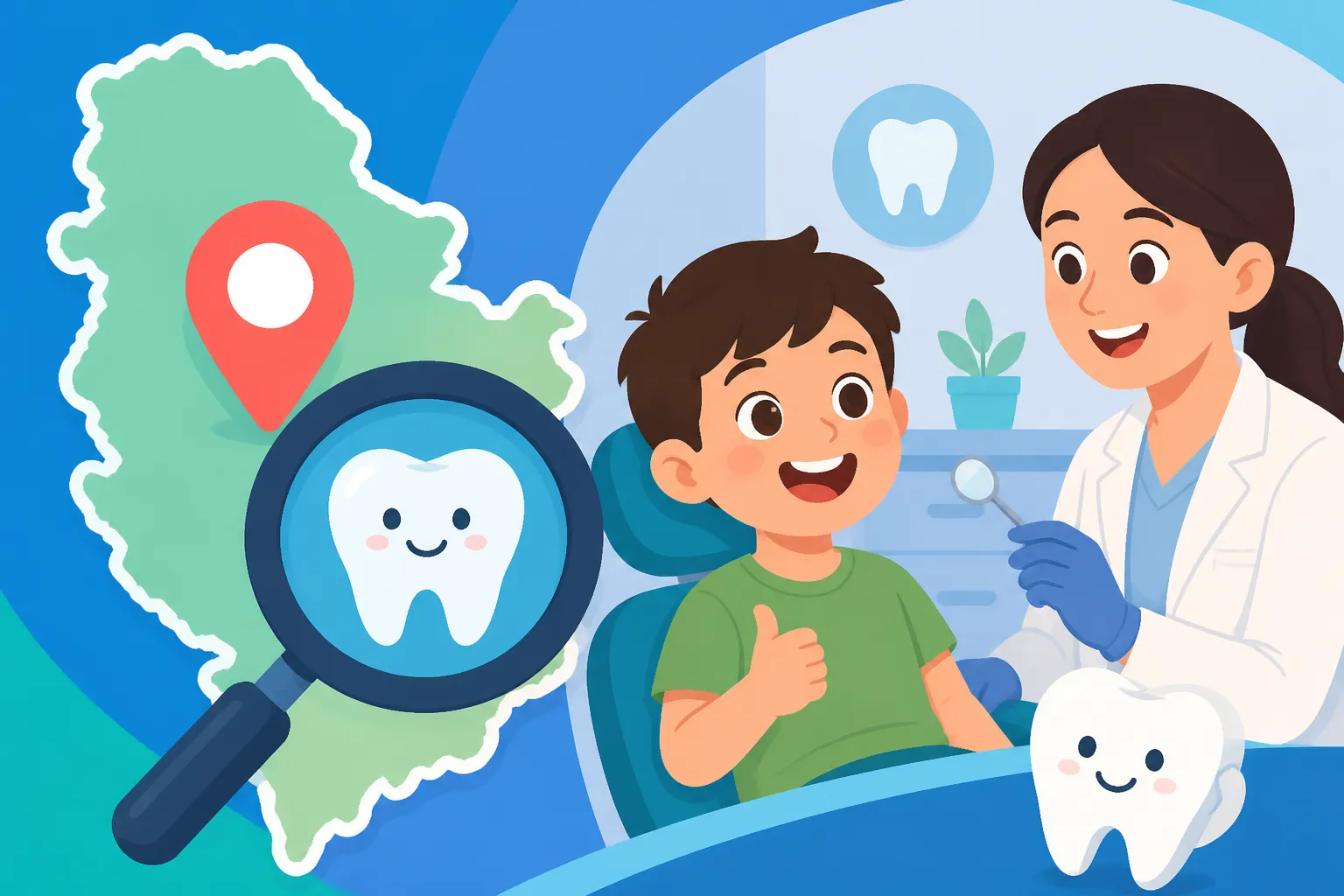
As an expat parent in Serbia, one of the anxieties that can creep in is when your little one has a toothache, or perhaps it's just time for a routine check-up, and you suddenly realize you need to find a pediatric dentist. It's not just about finding any dentist; it's about finding one who understands children, speaks your language, and makes a potentially scary experience as comfortable as possible. This guide is here to walk you through exactly how to navigate the Serbian dental landscape to find the best care for your child.
Why Finding a Dedicated Pediatric Dentist Matters for Your Child in Serbia
When your child needs dental care, it's natural to think a regular dentist might suffice. However, children are not just miniature adults, and their dental needs are vastly different. Finding a dentist specifically trained in pediatric dentistry in Serbia can make all the difference, both for their oral health and their overall experience.
Understanding the Specialized Needs of Children
Children's mouths are constantly changing. From the eruption of primary teeth to the loss of those teeth and the arrival of permanent ones, there's a dynamic process happening. A pediatric dentist understands these developmental stages inside and out. They are experts in guiding dental growth and development, monitoring for issues like malocclusion (bad bites) early on, and addressing common childhood problems such as cavities in baby teeth, thumb-sucking habits, or even minor dental injuries from playground tumbles. They use techniques and materials specifically designed for smaller, more sensitive mouths.
Moreover, a pediatric dentist is equipped to handle the unique psychological aspects of treating children. Many kids experience anxiety or fear when visiting the dentist, and a specialist knows how to communicate with them in a reassuring, age-appropriate manner. They might use techniques like "tell-show-do" (explaining what they're going to do, showing them with a mirror or on a model, then doing it) or positive reinforcement to build trust and cooperation. This specialized approach can prevent dental phobia from developing, setting your child up for a lifetime of positive dental habits. For an expat child, where language barriers and cultural differences can amplify fear, this empathetic approach is invaluable.
Language and Environment: Key Comfort Factors for Expat Kids
For expat families, language can be a significant hurdle when it comes to healthcare, and dental care for children is no exception. Imagine your child trying to communicate their pain or discomfort in a foreign language, or worse, being unable to understand what the dentist is doing. This scenario can be incredibly distressing for both the child and the parent. A pediatric dentist who speaks English, or ideally your native language, bridges this communication gap, allowing your child to express themselves and understand instructions, and enabling you to ask questions and receive clear explanations about treatment plans.
Beyond language, the clinical environment itself plays a crucial role in a child's comfort. Traditional dental clinics can feel sterile and intimidating. Pediatric dental clinics, on the other hand, are often designed with children in mind. Think colorful waiting rooms with toys and books, cheerful murals on the walls, and even treatment rooms that might feature a TV on the ceiling to distract little patients during procedures. The staff, from the receptionists to the dental assistants, are usually chosen for their patience and ability to interact kindly with children. They understand that a positive first impression is vital. This child-friendly atmosphere helps to reduce anxiety, making dental visits a less daunting experience and sometimes even something a child looks forward to. It's an investment in your child's emotional well-being as much as their physical health.
Where to Start Your Search for a Pediatric Dentist in Serbia
Finding the right pediatric dentist in a new country can feel like searching for a needle in a haystack. But don't worry, there are several reliable avenues you can explore, leveraging both online resources and the invaluable expat community here in Serbia.
Leveraging Online Resources and Expat Networks
One of the most immediate places to start your search is online. A quick Google search for "pediatric dentist Belgrade" or "dečiji stomatolog Novi Sad" (dečiji stomatolog means pediatric dentist in Serbian) will bring up a list of clinics. Pay close attention to their websites. Look for dedicated sections about pediatric dentistry, photos of their facilities, and bios of their dentists, specifically noting any mention of international training or English language proficiency. Many modern private clinics in larger cities like Belgrade and Novi Sad will have English versions of their websites or at least staff who can communicate in English.
However, the internet alone often doesn't give you the full picture. This is where the expat community becomes your best friend. Join local expat Facebook groups for Serbia, Belgrade, or Novi Sad. Post a query asking for recommendations for a pediatric dentist. You'll be amazed at how quickly fellow expat parents will share their personal experiences, names of specific dentists they trust, and even advice on what to expect. These recommendations are gold because they often come with insights into factors like bedside manner, waiting times, and how well the clinic handles anxious children – all things you can't easily glean from a website. You might even find recommendations for specific general practitioners who are exceptionally good with children, which can be a great starting point, though a specialist is always preferred. You can also explore local forums and parent groups if you're comfortable with Serbian, as they often have a wealth of information.
Public Health Centres (Domovi Zdravlja) vs. Private Clinics
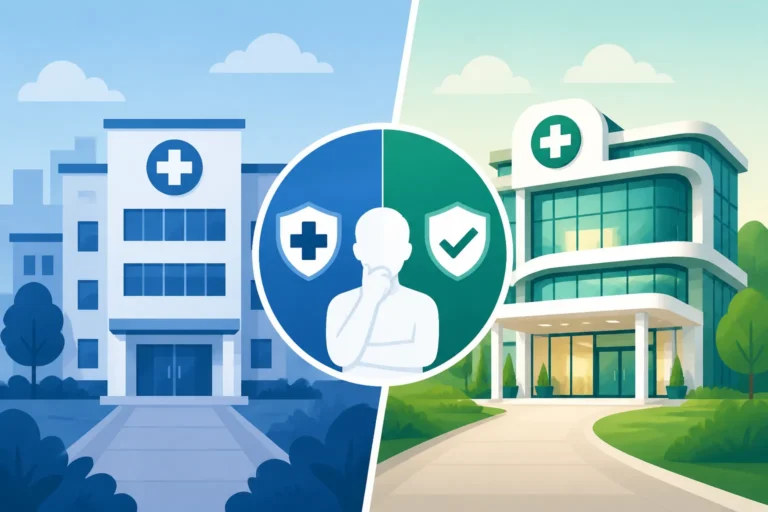
When it comes to dental care in Serbia, you primarily have two pathways: the public health system through Domovi Zdravlja (health centers) or private clinics. Understanding the differences is crucial when making a choice for your child.
Public health centers, or Domovi Zdravlja, are the backbone of the public healthcare system in Serbia. Many of them have dedicated dental departments, often with sections for children's dentistry. If you are formally registered with the Republic Health Insurance Fund (RFZO) through your work or residence permit, your child may be eligible for subsidized or free basic dental care here. The advantage is the lower cost, and sometimes, public health centers have excellent, experienced dentists. However, the potential downsides for expats can include longer waiting times for appointments, less flexible scheduling, and a higher likelihood of language barriers, as English-speaking staff are not guaranteed. The facilities might also be older and less child-friendly in their decor compared to private clinics. While the public system covers services like fillings, extractions, and preventive care, some more specialized procedures or cosmetic options might not be included or readily available. If you're looking into How to Register with the Republic Health Insurance Fund (RFZO) in Serbia, that article can provide more details.
Private dental clinics, on the other hand, offer a different experience. They are abundant in larger cities and typically boast modern equipment, a more comfortable and often child-centric environment, and a higher probability of English-speaking staff. You'll find a wider range of services, often with more flexible appointment times and shorter waits. Of course, the trade-off is the cost; private care is out-of-pocket, though many expats find the investment worth it for the convenience, quality of care, and reduced stress, especially for their children. Some private clinics specialize entirely in pediatric dentistry, providing an environment completely tailored to kids. When considering private options, it's a good idea to research Understanding Dental Care Costs in Serbia to get an idea of potential expenses. For those relying on private insurance, policies from providers like SafetyWing can offer peace of mind by potentially covering a portion of these costs, making private care more accessible.
Table: Public vs. Private Pediatric Dental Care in Serbia for Expats
| Feature | Public Dom Zdravlja Dental Clinic | Private Pediatric Dental Clinic |
|---|---|---|
| Cost | Subsidized or free (with RFZO) for basic services, co-payments apply | Out-of-pocket, higher cost, but transparent pricing |
| Language | Primarily Serbian, English not guaranteed | Often English-speaking staff, sometimes other languages |
| Appointments | Longer waiting times, less flexibility | Shorter waiting times, more flexible scheduling |
| Environment | Functional, often older facilities, less child-focused | Modern, child-friendly decor (toys, colorful rooms), welcoming |
| Equipment | Standard, may vary by location | State-of-the-art, digital X-rays, specialized tools |
| Services | Basic preventive, fillings, extractions | Comprehensive, including specialized procedures, orthodontics, cosmetic |
| Focus | General dental health | Child psychology, comfort, long-term oral development |
| Expat Experience | May require local assistance for communication, navigating system | Smoother communication, tailored to international clients |
Many expats choose a hybrid approach: using public health services for general medical needs, but opting for private for specialized care like pediatric dentistry, especially if their child is very young or anxious.
Key Considerations When Choosing Your Child's Dentist
Once you have a list of potential pediatric dentists or clinics, it's time to dig a little deeper and ask the right questions. Choosing the right one is about more than just proximity; it’s about finding a place where your child feels safe and understood.
Assessing Language Proficiency and Communication Style
As an expat, language proficiency is probably at the top of your list. When you first contact a clinic, whether by phone or email, explicitly ask if they have pediatric dentists or staff who speak fluent English, or your preferred language if it's common (e.g., Russian, German). Don't settle for "a little English" when it comes to your child's health. The ability to clearly explain procedures to you, and to your child in simple terms, is non-negotiable.
Beyond just speaking English, observe their communication style. A good pediatric dentist won't just talk at your child; they'll talk to them. Do they use playful language? Do they take the time to answer your child's curious questions, even silly ones? Do they explain what they're doing step-by-step, perhaps using analogies or child-friendly tools (like "Mr. Thirsty" for the suction hose)? For example, a great dentist might say, "We're going to count your teeth now, like we're looking for hidden treasure!" rather than "Open wide, I'm checking your molars." This kind of engaging and patient communication can turn a potentially scary experience into an adventure. Always trust your gut feeling during this initial assessment. If the staff seem rushed or impatient during your introductory call or visit, it's probably not the right fit for your child. Finding an English-speaking doctor in Serbia, whether for general or specialized care, is always a huge relief.
Child-Friendly Environment and Specialized Equipment
The physical environment of a dental clinic speaks volumes, especially when it's for children. When you're considering a clinic, try to visit in person or at least look for extensive photo galleries online. What do you see? A truly child-friendly environment will be welcoming and distracting in the best possible way. This could mean a waiting room with a play area, engaging toys, children's books, or even an interactive screen. The walls might be painted with cartoon characters or bright, cheerful colors. The treatment rooms themselves should feel less clinical; perhaps there's a television on the ceiling for distraction during procedures, or colorful dental chairs.
Furthermore, pediatric dentists often use specialized equipment designed for smaller mouths and bodies. This includes smaller dental tools, specialized X-ray equipment with lower radiation doses for children, and comfortable chairs. They might also have flavored fluoride treatments or smaller molds for impressions. The overall goal is to make the child feel as comfortable and at ease as possible. When you visit a clinic, observe how the staff interacts with children already there. Do they seem warm and patient? Does the clinic feel calm and inviting, or does it have a sterile, adult hospital vibe? For children, these small details contribute immensely to reducing fear and fostering a positive association with dental visits. This positive experience is crucial from the first check-up, shaping their attitudes towards oral hygiene for years to come.
Dentist's Approach to Anxious Children and Pain Management
It’s almost a given that children, especially young ones, might be anxious about visiting the dentist. A good pediatric dentist understands this and has a clear approach to managing fear and pain. During your initial inquiries, ask about their philosophy for treating anxious children. Do they offer conscious sedation (like nitrous oxide, often called "laughing gas") for more complex procedures or highly anxious kids? Do they focus on positive reinforcement and distraction techniques?
A skilled pediatric dentist will prioritize making the experience as pain-free and stress-free as possible. This includes using topical numbing gels before injections, administering local anesthesia slowly, and constantly checking in with the child about their comfort levels. They might also have strategies for dealing with uncooperative children, such as taking short breaks, using calm tones, or engaging them in conversation about their favorite things. For example, some clinics even allow parents to be present in the treatment room, which can be a huge comfort for both the child and the parent. Understand that sometimes, particularly for very young children or extensive work, some form of mild sedation might be recommended, and you'll want to be comfortable with their protocols. Knowing that your child’s pain and fear are taken seriously and that the dentist has a repertoire of techniques to address them will give you immense peace of mind. For general information on Navigating the Serbian Healthcare System: An Expat's Roadmap, it's a good idea to read up on how things typically work.
Practical Steps After Choosing a Pediatric Dentist
Once you've done your research and identified a potential pediatric dentist or clinic that feels like a good fit, there are a few practical steps to take to ensure a smooth first visit and ongoing care.
Scheduling the First Appointment and What to Bring
After narrowing down your choices, the next step is to contact the clinic to schedule an appointment. When you call or email, explicitly state that you are an expat and inquire about English-speaking staff if you haven't already confirmed this. Be prepared to provide some basic information about your child and their dental history if you have it. For younger children, often the first visit is a simple "meet and greet" or a very quick check-up, designed purely to familiarize the child with the environment and the dentist in a low-pressure setting.
For the actual appointment, you'll need to bring several documents. Always have your child’s passport, your own passport, and your Serbian residence permit (boravak) with you. If you have any medical records or previous dental records for your child, especially if they’ve had issues in the past, bring those along too. If you have private health insurance, like a policy from SafetyWing, make sure to bring your insurance card or policy details, as you might need to present it for direct billing or reimbursement purposes. It's also helpful to have a list of any questions or concerns you have written down, so you don't forget anything in the moment. Remember that in Serbia, especially in larger cities, it’s not uncommon for clinics to prefer cash payments for initial consultations, though card payments are becoming more widespread. For general information on what documents you might need for any medical appointment, How Do I Find and Register with a Doctor in Serbia can be a helpful read.
Understanding Costs and Insurance Coverage
Healthcare costs, even for dental work, can add up quickly, so it's essential to understand the financial aspect upfront. When you schedule the appointment, ask for a clear breakdown of consultation fees and common procedure costs. Don't be shy about inquiring if they have a price list for children's services. For instance, ask about the cost of a general check-up, fluoride treatment, or a simple filling for a child. This transparency helps you budget and avoids any surprises.
If you are covered by the RFZO, clarify what specific pediatric dental services are covered at a public Dom Zdravlja and what, if anything, would be an out-of-pocket co-payment. In private clinics, everything will be paid directly by you. If you have private health insurance, inquire if the clinic works directly with your insurance provider or if it's a "pay-and-claim" situation where you pay first and then seek reimbursement. Many international health insurance plans, including those designed for digital nomads and expats, do offer some level of dental coverage, but it often varies widely for routine vs. emergency care, and sometimes pediatric-specific treatments have different terms. Always double-check your policy details or contact your insurer directly before the appointment to understand your benefits and any limitations, such as deductibles or annual maximums for dental care. It will help to understand the overall picture of Health Insurance in Serbia: RFZO, Private and International Options Explained.
Follow-Up Care and Establishing a Long-Term Relationship
A dental visit shouldn't be a one-off event, especially for children. Regular check-ups and follow-up care are vital for maintaining good oral health. During your child's first appointment, discuss the recommended frequency for future check-ups – typically every six months for children, but it could be more frequent depending on their individual needs or any ongoing issues.
Establishing a good, long-term relationship with a pediatric dentist is incredibly beneficial. As your child grows, having a consistent dental professional who knows their history, personality, and potential anxieties can make future visits much easier. This continuity of care means the dentist is better equipped to spot subtle changes, address emerging issues proactively, and provide consistent, trusted advice on oral hygiene as your child develops. If your child has a positive experience from the outset, they are more likely to grow into an adult who values dental health and isn't fearful of dental visits. This long-term relationship, built on trust and consistent positive experiences, is truly an investment in your child's overall well-being in Serbia.
Disclaimer
The information provided in this guide is intended for general informational purposes only and does not constitute professional medical, financial, or legal advice. While we strive to provide accurate and up-to-date information, healthcare systems, regulations, and costs in Serbia can change. It is always recommended to consult with a qualified local professional or the relevant authorities for advice tailored to your specific situation. We are not responsible for any actions taken based on the information presented here.