Where Can I Get a Flu Shot in Belgrade?
Alright my fellow expats, you've made it to Belgrade, found your favourite kafana, maybe even wrestled with the bureaucracy of registering your address. But then autumn leaves start to fall, the air gets crisp, and that familiar dread of flu season creeps in. Where on earth do you even begin to get a flu shot in a foreign country? It's not as straightforward as popping into your local pharmacy back home, is it? This guide is here to unravel the mystery and show you exactly where and how to get that vital flu shot in Belgrade.
Understanding Flu Season and Why Vaccinate in Serbia
Before we dive into the 'where' and 'how,' let's talk about the 'why.' Flu season in Serbia is no joke, just like anywhere else in the Northern Hemisphere. And for us expats, being in a new environment, potentially with less robust immune systems due to travel or stress, or simply being unfamiliar with local strains, makes vaccination even more crucial. You don’t want to be laid up with a high fever and body aches, trying to explain your symptoms to a doctor in broken Serbian, trust me.
When to Get Your Flu Shot in Belgrade
The best time to get your flu shot in Belgrade, much like in many other parts of the world, is typically in the autumn. Think late September, October, and early November. This timing ensures that your body has enough time to develop a protective immune response before the peak of flu season hits, which usually runs from December through February.
Local health authorities, like the Institute of Public Health of Serbia "Dr Milan Jovanović Batut," often start their vaccination campaigns around this time, importing new batches of the vaccine specifically formulated for the circulating strains anticipated for the upcoming season. While you can technically get a flu shot later in the season, getting it early offers the best protection. Keep an eye on local news or health announcements from your local Dom Zdravlja (health centre) for specific dates, but generally, early autumn is your target window.
Why the Flu Shot is Particularly Important for Expats
Living abroad, even in a city as welcoming as Belgrade, means you’re often dealing with new stressors – cultural adjustments, language barriers, and figuring out basic services. Getting sick on top of all that can be incredibly isolating and frustrating. A flu shot significantly reduces your risk of contracting the flu, and if you do get it, it lessens the severity of symptoms, meaning a quicker recovery and less disruption to your expat life.
Furthermore, navigating the healthcare system when you're genuinely unwell is far more challenging than when you're simply going for a preventative appointment. If you haven't yet mastered the intricacies of How Serbia's Health System Works: The RFZO and Private Care Explained (2026), avoiding the flu altogether is definitely your best bet. Being vaccinated also contributes to herd immunity, protecting more vulnerable members of the community, which is a wonderful way to give back to your new home.
Where to Get Your Flu Shot in Belgrade
Now for the practical part: where do you actually go to get this magical shot? Belgrade offers a few options, each with its own set of pros and cons, depending on your residency status, insurance, and how much Serbian you've managed to pick up.
Public Health Institutions Domovi Zdravlja
Your first port of call, especially if you are officially registered with the Republic Health Insurance Fund (RFZO) and have a chosen general practitioner (GP), would be your local Dom Zdravlja. These are public health centres scattered throughout every municipality in Belgrade, and they are the backbone of primary healthcare here.
The good news is that if you are a registered RFZO user, flu shots are generally free of charge. The process usually involves making an appointment with your GP (izabrani lekar), who will assess your health and, if appropriate, administer the vaccine. Sometimes, during peak vaccination periods, Domovi Zdravlja might have dedicated vaccination clinics or extended hours. However, be prepared for potential language barriers and possibly longer wait times, even with an appointment. If you’re not yet familiar with the system, you might want to read up on How to Register with the RFZO and a GP in Serbia (2027) to streamline your experience.
Private Clinics and Hospitals
For many expats, private clinics offer a more convenient and often faster experience, especially if language is a concern. Belgrade has a number of excellent private healthcare providers that cater to international clients, with English-speaking staff and modern facilities. Popular options include Medigroup (which has several locations across the city), Euromedik, and Acibadem Bel Medic.
The advantage here is reduced bureaucracy, the ability to often book appointments online or by phone in English, and usually a more streamlined process from arrival to vaccination. The downside, of course, is the cost. Flu shots at private clinics are not free and typically range from 2,000 to 4,000 RSD, sometimes more, depending on the clinic and the specific vaccine brand. For those who prioritize efficiency and clear communication, this might be a worthwhile expense. You might find a detailed breakdown of these costs in The Cost of Healthcare in Serbia: A Complete Breakdown for Foreigners (2026).
Pharmacies and Pop-Up Vaccinations
Unlike some Western countries where you can often walk into a pharmacy for a flu shot, this is not a common practice in Serbia for the flu vaccine. Pharmacies are primarily for dispensing Prescription Medications and Pharmacies in Serbia: The Complete Guide, and while they are an excellent resource for over-the-counter remedies and advice, vaccinations typically require a visit to a medical professional at a clinic or Dom Zdravlja.
Occasionally, during widespread public health campaigns, there might be pop-up vaccination points in larger shopping malls or public spaces, but these are less frequent for the seasonal flu shot specifically, and more often used for widespread vaccination efforts like COVID-19. It's best not to rely on these for your annual flu shot and instead plan a visit to a public or private medical facility.
The Practicalities of Getting a Flu Shot in Belgrade
So, you know where to go, but what about the actual steps and what to expect? It's natural to feel a bit apprehensive about medical appointments in a foreign country, but with a little preparation, it can be quite smooth.
Navigating the Serbian Healthcare System for Vaccinations
If you’re going the public route, the first step is to ensure you are properly registered with the RFZO and have an izabrani lekar. You'll need your health card (or proof of health insurance) and your passport or ID. Call your Dom Zdravlja to make an appointment with your GP. When you arrive, be patient. The system can sometimes feel a bit antiquated compared to what you might be used to, with paper records and multi-stop processes.
For private clinics, the process is generally simpler. You can usually call their central number or check their website for available appointments. Many private clinics have online booking systems, and most have dedicated staff who speak excellent English. You’ll usually need your passport or ID, and if you have private health insurance, make sure to bring your policy details. Even if your current insurance is still primarily travel-focused, like SafetyWing, it's good to have all your details handy as some plans may cover preventative health measures or offer reimbursement.
Costs and Insurance Coverage
Let's talk about money, because that's always a concern, isn't it?
Public Sector (Dom Zdravlja):
As mentioned, if you are registered with the RFZO and have mandatory health insurance, the flu shot is typically free. This is one of the significant benefits of being part of the public system. However, ensure your contributions are up-to-date and your health card is valid.
Private Sector (Clinics and Hospitals):
Here, you'll be paying out of pocket. The cost, as noted, is usually in the range of 2,000 to 4,000 RSD. Always confirm the price when booking your appointment.
If you have private health insurance, whether a local Serbian plan or an international one, check if it covers preventative vaccinations. Many comprehensive private health insurance plans will cover the cost of a flu shot, or at least reimburse you for it. Providers like SafetyWing often offer flexible plans that can be very beneficial for expats, so it's always worth checking your policy or contacting their customer service to see if your flu shot is covered. It can be a huge relief to know you won't be hit with unexpected medical bills, even for something relatively minor. Understanding Private Health Insurance Plans in Serbia can really help here.
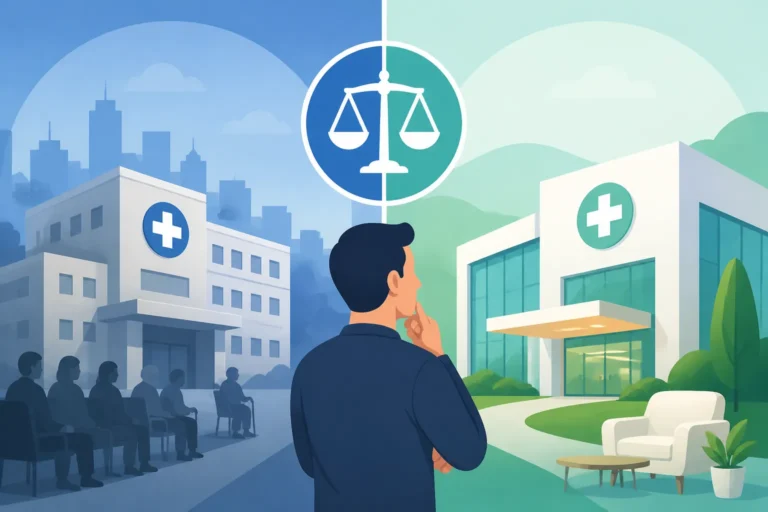
Here’s a quick comparison of the two main options:
| Feature | Public Healthcare (Dom Zdravlja) | Private Healthcare (e.g., Medigroup, Euromedik) |
|---|---|---|
| Cost | Free with valid RFZO insurance | 2,000 – 4,000 RSD (approx. €17-€34) out-of-pocket |
| Language | Primarily Serbian; English not guaranteed | Often English-speaking staff available |
| Appointment | With your registered GP; potentially longer waits | Easier to book, sometimes online; shorter waits |
| Documents | RFZO health card, ID/passport | ID/passport, private insurance details (optional) |
| Convenience | Tied to your local Dom Zdravlja; can be bureaucratic | More flexible locations, modern facilities |
| Flu Vaccine Availability | Generally good during official campaigns | Excellent, often throughout the season |
What to Expect During Your Flu Shot Appointment
Whether you choose a public or private facility, the basic procedure for getting a flu shot is quite similar. You'll typically have a brief consultation with a doctor or nurse to ensure you don't have any contraindications (like a severe allergy to eggs or a current fever). They'll ask about your medical history and any previous reactions to vaccines.
The vaccine itself is usually administered in your upper arm. It's a quick process, just a small prick. Afterward, you might be asked to wait for 10-15 minutes to ensure there's no immediate adverse reaction. Mild side effects like soreness, redness, or a low-grade fever are common and generally nothing to worry about. The staff will provide you with any necessary information or advice on aftercare. Remember, feeling a little under the weather for a day or two is far better than a full-blown flu!
If you're still weighing your options for overall medical care, you might find useful insights in Public vs Private Healthcare in Serbia: What Expats Need to Know. It really helps to understand the full picture before flu season sneaks up on you!
Disclaimer
Please remember that this guide provides general information based on common expat experiences and publicly available data. Healthcare regulations and availability can change. Always verify current procedures, costs, and requirements directly with the healthcare provider or relevant authorities in Serbia before making decisions. This information is not a substitute for professional medical advice.