How Do I Access Mental Health Support in English in Serbia?
Moving to Serbia, or any new country, can be an exhilarating adventure, but it often comes with a unique set of challenges – from navigating unfamiliar bureaucracy to simply missing the comforts of home. It’s completely normal for these pressures to take a toll on your mental well-being, yet finding accessible mental health support, especially in English, can feel like an impossible maze. This comprehensive guide is here to help you understand your options and connect with the care you need.
The Unseen Burdens: Why Finding English-Speaking Mental Health Support Is Tough
Living in a new country, even one as welcoming as Serbia, can quietly chip away at your mental resilience. The initial excitement often gives way to periods of loneliness, cultural confusion, and administrative headaches. When you finally decide to seek professional help, the journey itself can be fraught with unexpected obstacles, particularly if you're looking for support in English.
Language Barriers Beyond Basic Conversations
While many younger Serbians and those in service industries in larger cities like Belgrade and Novi Sad have a decent grasp of English, it’s a different story when it comes to specialized fields like healthcare, and particularly mental health. You might manage fine in a cafe or a shop, but discussing nuanced emotions, complex personal histories, and sensitive mental health issues requires a much deeper level of linguistic fluency and cultural understanding from your therapist.
The public healthcare system, including its mental health services, predominantly operates in Serbian. Expecting a doctor or a therapist in a public dom zdravlja (health centre) or hospital to be fluent in English for a detailed therapeutic conversation is generally unrealistic. This means that for many expats, the public system is simply not a viable option for ongoing mental health support, pushing them almost exclusively towards private care. This can be a significant point of frustration when you're already feeling vulnerable and just want to be understood.
Cultural Nuances and Stigma
Beyond the spoken language, there's the unspoken language of culture. Mental health is perceived and discussed differently across cultures. In Serbia, like in many parts of Eastern Europe, there can still be a notable stigma surrounding mental health issues. While attitudes are slowly evolving, particularly among younger generations and in urban centres, openly discussing depression, anxiety, or seeking therapy might not be as common or as readily accepted as it is in some Western countries.
This cultural backdrop can make it harder for expats to connect with local practitioners, even if they speak English. A therapist from a different cultural background might not fully grasp the specific nuances of the expat experience – the grief of leaving home, the identity shifts, or the unique stress of adapting to a new society. It's a double challenge: finding someone who speaks your language and understands your world. Many expats share stories of feeling misunderstood or having to constantly explain cultural contexts, which can be exhausting when you're already in a fragile state.
Navigating the Serbian Healthcare System for Specialized Care
The Serbian healthcare system, as a whole, can be quite complex to navigate for foreigners. If you've been relying on the public system for general medical needs, you've likely encountered the hurdles firsthand. The process of getting a referral from a general practitioner (GP) in the public system to a specialist, such as a psychiatrist or psychologist, is often bureaucratic and time-consuming, and as mentioned, the language barrier makes it even more challenging for mental health. You can learn more about this general process in our guide on Navigating the Serbian Healthcare System: An Expat's Roadmap (2027).
Most expats quickly realize that for specialized, English-speaking care, the private sector is the only practical route. However, even within the private sector, not all clinics or practitioners openly advertise English language services for mental health. It often requires diligent searching and direct inquiries. Understanding the general differences between Public vs Private Healthcare in Serbia: What Expats Need to Know can provide valuable context here, reinforcing why private is usually the go-to for mental health.
Finding Your Support System: Where to Access English-Speaking Mental Health Professionals
Given the unique challenges, finding a mental health professional in Serbia who speaks English and understands the expat experience requires a targeted approach. Thankfully, there are several avenues that have proven successful for many foreigners.
Private Clinics and Individual Therapists
For English-speaking mental health support in Serbia, your primary focus should be on the private sector. Major cities like Belgrade and Novi Sad have a growing number of private clinics and individual practitioners who cater to the international community.
- Dedicated Psychology & Psychiatry Practices: Search specifically for private psychological or psychiatric practices rather than general polyclinics. These are more likely to have therapists specializing in different areas, some of whom will explicitly offer sessions in English. Websites of these clinics often indicate the languages spoken by their team.
- Online Directories and Professional Associations: Websites like the Serbian Psychological Association or local directories can sometimes list practitioners. While these may not always specify English fluency, they can serve as a starting point for direct inquiries. You might need a local friend or a translator to help with initial calls if websites aren't fully bilingual. However, many therapists who work with expats often have their own websites in English.
- Specialized Centers: In Belgrade, for example, there are a few private practices that are more internationally oriented. While I can't endorse specific clinics, a quick online search for "English speaking therapist Belgrade" or "psychologist Belgrade expat" will often bring up individual practitioners or smaller practices that explicitly state they offer services in English. These might be individual psychologists with their own private practice, or a small team of therapists working together.
- Networking: Sometimes, the best way to find a good therapist is through word-of-mouth. Reach out to expat groups on social media platforms or local international communities. Someone else in your situation might have already gone through the search and can recommend a trusted professional.
When you do find a potential therapist, don't hesitate to ask about their experience working with expats or individuals from different cultural backgrounds. A good initial consultation should allow you to discuss your needs and assess if you feel a connection with the therapist – this "fit" is crucial for effective therapy.
Online Therapy and Telehealth Options
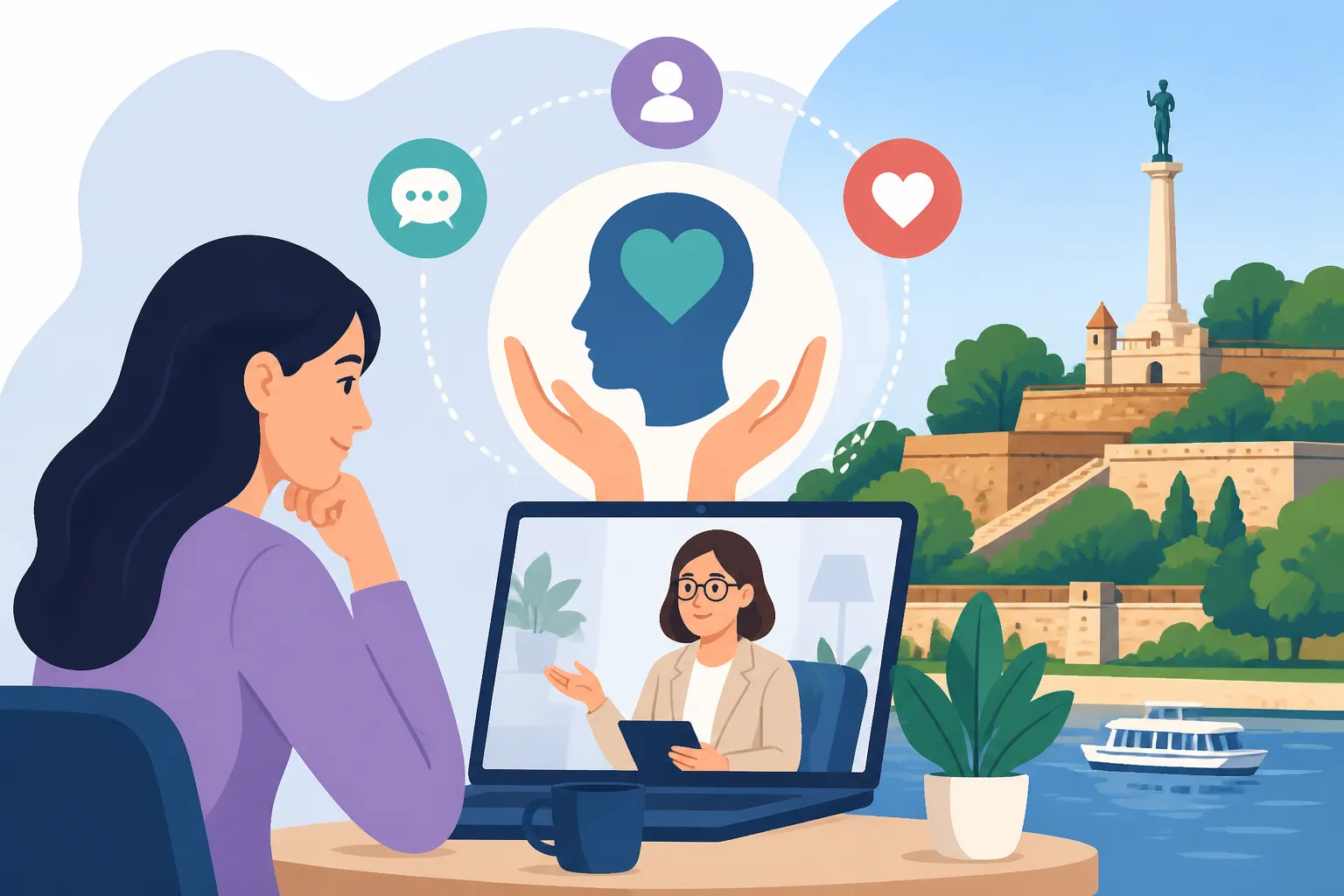
For many expats, online therapy has become an indispensable resource, bypassing many of the geographical and linguistic hurdles of finding local support. This option connects you with licensed therapists across the globe, often with a wider range of specialties and cultural competencies.
- International Telehealth Platforms: Platforms like BetterHelp, Talkspace, or local Serbian services that offer online consultations can be excellent starting points. These platforms often have a vast network of therapists, allowing you to filter by language, specialization, and even cultural background. The flexibility of scheduling sessions from the comfort of your home is a huge advantage, especially when dealing with a demanding expat schedule or living in a smaller town in Serbia where English-speaking therapists are scarce.
- Individual Practitioners Offering Online Sessions: Many private therapists, both within Serbia and abroad, have transitioned to offering online sessions. If you find a therapist you like, even if they're not physically located in Serbia, inquire about their telehealth options. Just be mindful of time zones!
- Benefits of Online Therapy: The privacy, convenience, and expanded choice of online therapy are undeniable. It allows you to maintain continuity of care even if you move within Serbia or travel frequently. For those with international health coverage, or even travel insurance plans that sometimes include telehealth access, this can be a very practical solution. For instance, if you have a travel and health insurance policy like those offered by SafetyWing, it's worth checking if their expat or nomad insurance plans offer any coverage for online mental health consultations or a telehealth benefit, as many globally-minded insurers are now incorporating these services.
Before committing to online therapy, verify the therapist's credentials and ensure they are licensed in their respective country. Also, check their privacy policy and how they handle sensitive information.
Expat Networks and Community Recommendations
Never underestimate the power of your fellow expats! They are often the best resource for navigating local intricacies and finding hidden gems when it comes to services.
- Facebook Groups and Online Forums: Search for "Expats in Belgrade," "Novi Sad Expats," or similar groups on platforms like Facebook. These communities are incredibly active, and members are usually eager to share their experiences and recommendations. Posting a query about English-speaking therapists will often yield several direct recommendations or at least point you in the right direction. Many therapists who work with expats rely on these networks for referrals.
- Embassy and Consulate Resources: Your country's embassy or consulate in Belgrade might maintain a list of English-speaking doctors and medical professionals, which sometimes includes mental health practitioners. It's not always a comprehensive list, but it can be a useful starting point for officially vetted contacts.
- International Schools and Organizations: If you have children attending international schools in Serbia, their administrative staff or parent networks might have recommendations for mental health support, as they frequently deal with expat families and their specific needs. Similarly, any international organizations or businesses you're involved with might have internal resources or recommendations.
Remember to exercise discretion when acting on personal recommendations. What works for one person might not work for another. Always schedule an initial consultation to determine if a therapist is the right fit for you.
The Financial Side: Understanding Costs and Insurance for Mental Health Support
Once you've identified potential avenues for support, the practicalities of cost and insurance quickly come into play. Mental health care, especially private, English-speaking therapy, is an investment, and it’s important to understand how to manage the financial aspect.
Private Session Costs in Serbia
The cost of private mental health sessions in Serbia can vary significantly depending on the practitioner's experience, their specialization, and the city you're in (Belgrade typically being more expensive than Novi Sad or other cities).
A typical session with a private psychologist or psychotherapist in Belgrade might range from 3,000 RSD to 7,000 RSD (approximately 25 EUR to 60 EUR) per session. Some highly sought-after or specialized psychiatrists might charge more. Sessions usually last between 45 to 60 minutes. It's always best to clarify the exact cost per session and any cancellation policies during your initial inquiry. While these costs might seem reasonable compared to Western European or North American prices, they can add up quickly if you require regular, long-term therapy.
Health Insurance Coverage for Mental Health
This is often where expats face the biggest challenge. The vast majority of mental health services sought in English will be in the private sector, and the public health insurance (RFZO) in Serbia generally does not cover these.
- Public RFZO Insurance: If you are registered with the Republic Health Insurance Fund (RFZO) in Serbia, your coverage will primarily be for public healthcare services. While the public system does have psychiatrists and psychologists, accessing them often involves navigating language barriers, long wait times, and a referral system that might not be geared towards ongoing talk therapy in English. For most expats, therefore, the RFZO is not a practical solution for mental health support.
- Private International Health Insurance: This is where good planning pays off. Private international health insurance often becomes an indispensable tool for expats seeking mental health care. Many comprehensive plans, especially those designed for long-term expat living, include coverage for outpatient mental health services, sometimes with a cap on the number of sessions or the total amount covered per year. It's crucial to check the specifics of your policy, including deductibles, co-payments, and whether they cover online therapy or only in-person sessions. Some forward-thinking insurance providers, including those like SafetyWing, offer expat health plans that might include some mental health benefits, acknowledging the unique needs of a transient lifestyle.
- For example, you might find that while your general travel insurance covers emergency medical incidents, a more robust expat health plan from the same provider could extend to therapy. Always read the fine print! Our guide on Understanding Private Health Insurance Plans in Serbia can give you a deeper insight into available options. For a breakdown of potential costs, check out How Much Does Private Health Insurance Cost in Serbia in 2026?.
It's vital to clarify with your insurance provider before you start therapy exactly what is covered and what isn't. Keep detailed records of your sessions, invoices, and any communication with your insurance company for reimbursement purposes.
Making it More Affordable
Even with insurance, mental health care can be a significant expense. Here are a few ways to potentially make it more manageable:
- Sliding Scale Fees: Some individual therapists might offer a sliding scale fee based on your income. It's always worth asking during your initial contact.
- Group Therapy: If available in English, group therapy can be a more cost-effective option than individual sessions and provides a different kind of peer support.
- Online Therapy from Lower-Cost Regions: If your international health insurance allows, seeking online therapy from a therapist based in a country with a lower cost of living might result in lower out-of-pocket expenses or more affordable co-pays.
- Employer Wellness Programs: If you work for an international company in Serbia, check if they offer an Employee Assistance Program (EAP) or other mental wellness benefits. These can sometimes provide a limited number of free therapy sessions.
Understanding The Cost of Healthcare in Serbia: A Complete Breakdown for Foreigners (2026) in general will help you contextualize mental health expenses within the broader healthcare landscape.
Practical Steps and What to Expect on Your Journey
Taking the step to seek mental health support is commendable, and knowing what to expect can ease some of the apprehension.
The Initial Consultation and Finding the Right Fit
Once you’ve identified a few potential therapists, the next step is usually an initial consultation. This is your opportunity to get a feel for the therapist, explain your reasons for seeking help, and ask any questions you have.
- What to Discuss: During this first meeting, you should be able to openly discuss what you're struggling with, what you hope to gain from therapy, and any concerns you might have. Don't be afraid to ask about their therapeutic approach, their experience with specific issues (like expat stress, anxiety, depression), and their general philosophy.
- Assessing Compatibility: The relationship with your therapist – often called the therapeutic alliance – is one of the most important factors for successful outcomes. Pay attention to how you feel during the session. Do you feel heard, understood, and comfortable? Does their style resonate with you? It's perfectly normal, and even encouraged, to "interview" a few therapists before committing. Finding the right fit is more important than simply finding any therapist.
- Logistics: Confirm practical details like session length, frequency, payment methods, and cancellation policies.
Privacy and Confidentiality
Confidentiality is a cornerstone of ethical mental health practice worldwide, and Serbia is no exception. Licensed professionals are bound by strict ethical codes to protect your privacy.
- Professional Ethics: Be assured that anything you discuss in therapy sessions is confidential. Therapists are not permitted to share your information without your explicit consent, except in very specific and rare circumstances (e.g., if there's a serious and imminent threat to your safety or the safety of others, or in cases of child abuse).
- Online Security: If opting for online therapy, ensure the platform used is secure and compliant with data protection regulations (like GDPR if the therapist is in the EU, or HIPAA if in the US). Ask your therapist about their security protocols for virtual sessions.
Knowing that your personal struggles will remain private can provide a great deal of comfort and allow you to open up more freely.
Emergency Situations and Crisis Support
While seeking ongoing therapy is about long-term well-being, it's vital to know what to do in an immediate mental health crisis. Although this article focuses on English-speaking support, in an emergency, your immediate priority should be safety and getting help, regardless of language.
- Emergency Numbers: If you or someone you know is experiencing a severe mental health crisis, such as suicidal ideation, psychosis, or an acute panic attack that requires immediate medical attention, call the emergency services:
- 194 for Ambulance: This is the direct line for medical emergencies.
- 112 for General Emergencies: This is the pan-European emergency number that can connect you to ambulance, police, or fire services.
When you call, try to explain the situation as clearly as possible. If you struggle with Serbian, ask for an English speaker immediately. Even if one isn't available, they can still dispatch help. You can read more about what to do in these situations in our guide on Emergency Medical Care in Serbia: What Every Expat Needs to Know and specifically What Is the Emergency Phone Number in Serbia?.
- Hospital Emergency Rooms: You can also go to the emergency room of a major hospital in Belgrade (like Urgentni Centar) or Novi Sad. While they will prioritize physical injuries, they can provide immediate psychiatric assessment if needed. Be prepared for potential language barriers and bring a friend who speaks Serbian if possible.
- Crisis Hotlines: While dedicated English-speaking mental health crisis hotlines within Serbia are scarce, some international online resources offer crisis support via chat or phone, and these can be accessed from Serbia. If you have international health insurance like SafetyWing, check if they offer any crisis support services as part of their benefits.
It’s always a good idea to have these emergency numbers readily available and to inform a trusted friend or family member in Serbia about your mental health status, so they can assist you if a crisis arises.
Disclaimer
The information provided in this article is intended for general informational purposes only and does not constitute medical advice. It is essential to consult with a qualified healthcare professional for any health concerns or before making any decisions related to your health or treatment. The availability of services, prices, and regulations can change, so always verify the latest information with official sources and service providers.