What Is the Emergency Phone Number in Serbia?
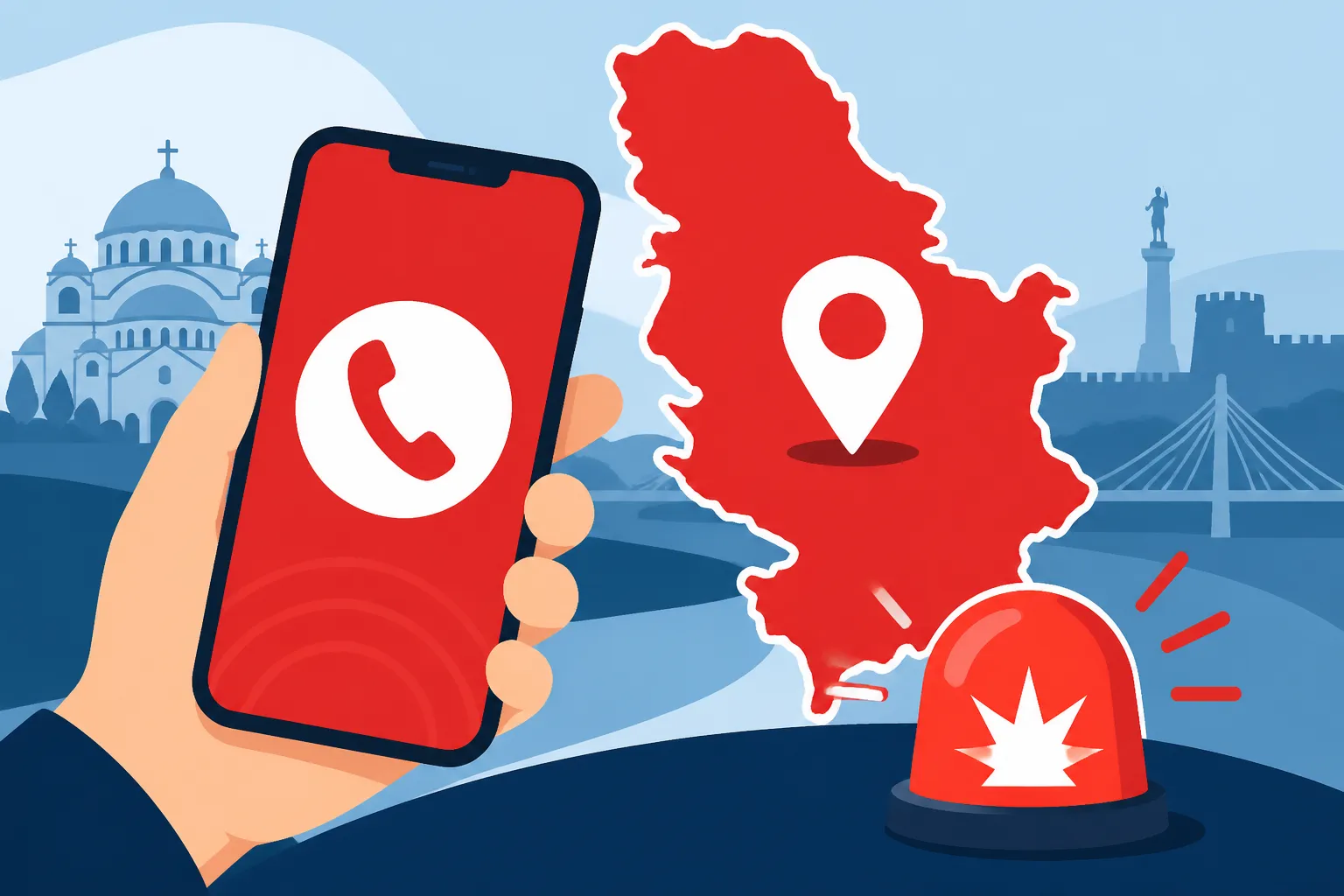
That heart-stopping moment when you face a real emergency in a foreign country can be terrifying. The confusion, the language barrier, the sheer panic of not knowing who to call or what to do is a feeling many expats in Serbia know all too well. This guide is here to cut through that anxiety, providing you with the exact emergency phone numbers in Serbia and a comprehensive roadmap on how to navigate those critical situations.
The Core Emergency Numbers in Serbia: It's Not Just One!
Unlike some countries where a single number handles everything, Serbia traditionally operates with separate, dedicated lines for different emergencies. While there's a growing awareness of a universal number, it's crucial for us expats to know the specifics. Trust me, you don't want to be fumbling for this information when every second counts.
194: Your Direct Line to Ambulance and Urgent Medical Help
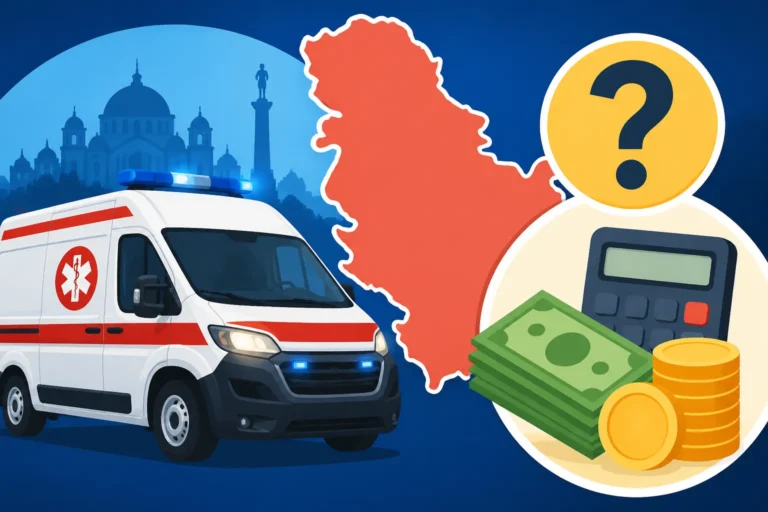
This is the number you dial for medical emergencies. If you or someone around you is experiencing a serious injury, sudden severe illness, or any life-threatening situation, 194 is your lifeline. Think heart attacks, strokes, severe accidents, unconsciousness, or any situation where immediate medical transport and intervention are necessary.
When you call 194, you'll be connected to the Hitna Pomoć (Emergency Aid) dispatcher. They are trained medical professionals who will quickly assess the situation. Be prepared to state clearly what happened, the patient's condition, and most importantly, your precise location. If you’re not fluent in Serbian, try to have a local friend, neighbour, or even a taxi driver available to help translate. Even just saying "Hitna pomoć! Engleski, molim!" (Emergency! English, please!) might prompt them to find an English-speaking operator, though it's not guaranteed.
192: The Police – When You Need Law Enforcement
When you're dealing with a crime, a public disturbance, a serious traffic accident (especially if there are injuries or significant damage), or any situation requiring the intervention of law enforcement, 192 is the number for the Policija. This could be anything from reporting a theft, a violent incident, to a missing person, or even a domestic dispute you might witness.
The police operators are there to gather information and dispatch the appropriate units. Again, precise location is paramount. Try to remain calm and provide as much detail as possible about the incident and any individuals involved. For vehicle accidents, even if they seem minor, it's often best to call the police, especially if you're a foreigner, to ensure proper documentation for insurance purposes. You can learn more about Understanding Emergency Numbers (194 and 112) and Ambulance Care in Serbia by being prepared.
193: Fire Department – For Fires and Other Hazards
The number 193 connects you to the Vatrogasci, Serbia's fire and rescue services. This isn't just for house fires! You should call 193 for any situation involving fire, smoke, gas leaks, chemical spills, or even situations where someone is trapped in a vehicle or a collapsed building. They are also the primary responders for many types of natural disasters and provide technical rescue.
For instance, if you smell gas in your apartment building, or if there's a serious car crash where people are trapped, 193 is the number to dial. Their role is to mitigate immediate dangers and perform rescues. As with other emergency services, clear communication of the type of emergency and your exact location is crucial for a rapid response.
The Pan-European 112: A Growing but Not Yet Universal Option
Many of us coming from EU countries, or just accustomed to the universal 911/999 equivalent, naturally think of 112. The good news is that 112 is operational in Serbia, but it's important to understand its current state. While you can dial 112 and it will connect you to an emergency call centre, it often acts as a redirector rather than a direct dispatch service like the specific numbers.
Currently, when you dial 112 in Serbia, the call is usually routed to the police or a general emergency coordination centre, which then forwards you to the relevant service (ambulance, police, fire). This adds an extra step and potentially a slight delay. For a true medical emergency, dialing 194 directly will likely get you help faster. However, 112 is an excellent fallback, especially if you're disoriented, unsure which specific service you need, or can't remember the exact local numbers. It ensures you'll reach someone who can assist.
Navigating a Medical Emergency: Beyond the Phone Call
Knowing the numbers is just the first step. Understanding what happens next, managing expectations, and preparing for potential hurdles can make a huge difference in an already stressful situation. Emergency medical care in Serbia can be a bit different from what you might be used to.
What to Expect When You Call 194
When you call 194, expect the dispatcher to ask a series of questions. They will need to know:
- What happened? (e.g., "Srčani udar" – heart attack, "Saobraćajna nesreća" – car accident, "Pad" – fall)
- Who is the patient? (Age, gender, conscious/unconscious, breathing, bleeding, etc.)
- Your exact address or location. If you're on a street, look for landmarks, street names, and building numbers. The more precise, the better. Giving a well-known intersection or monument can also help.
- Your name and phone number. They might need to call you back.
Language can be a significant barrier. While some dispatchers might speak English, it's not a guarantee. If you can't communicate effectively, politely ask "Da li govorite engleski?" (Do you speak English?). If not, try to pass the phone to someone nearby who can help, or use a translation app to convey critical information. Stay on the line until they tell you it's okay to hang up. Be aware that ambulance arrival times can vary depending on your location and the severity of the emergency, especially in rural areas compared to larger cities like Belgrade or Novi Sad.
Urgent Care and Dom Zdravlja – When It's Not Life-Threatening
Not every health issue requires an ambulance. Sometimes you need urgent care, but it's not a dire emergency. This is where Dom Zdravlja (health centres) come into play. These are public primary healthcare facilities that offer a range of services, including emergency rooms for less critical conditions, family doctors, and specialists. If you have a high fever, a nasty cut that needs stitches, or a sudden, severe pain that isn't immediately life-threatening, you might head to the nearest Dom Zdravlja.
For example, if your child wakes up with a severe ear infection that needs immediate attention but isn't an ambulance case, you'd go to the children's emergency department at a Dom Zdravlja. Wait times can sometimes be long, especially in bigger cities. If you are registered with the RFZO, your treatment here will be covered, though you might have co-payments. If you're still figuring out your public health insurance, understanding How to Register with the Republic Health Insurance Fund (RFZO) in Serbia is a crucial step for long-term residents.
The Role of Private Clinics in Emergencies
Private clinics in Serbia can also be a valuable resource for expats, especially for urgent but non-life-threatening situations. Many private clinics, particularly in Belgrade, like MediGroup or Euromedik, offer emergency departments or walk-in services where you can see a doctor relatively quickly. They often have English-speaking staff, which can be a huge relief.
However, private clinics typically have limitations when it comes to severe trauma, major surgical interventions, or intensive care. For true, critical medical emergencies, public hospitals and their emergency services (accessed via 194) are generally better equipped and staffed. But for things like sprains, minor fractures, severe colds, or sudden infections that require immediate attention but not an ambulance, a private clinic can be an excellent option if you're prepared to pay out of pocket or use your private health insurance. If you have private insurance, remember to check with them directly about how to claim reimbursement from private insurance in Serbia after an emergency visit.
Essential Preparation for Expats: Don't Get Caught Off Guard
Being proactive about emergency preparedness is probably one of the most reassuring things you can do as an expat. It lessens the panic significantly if you already have a plan.
Language Barriers and How to Overcome Them
As mentioned, language can be a hurdle. Don't assume everyone will speak English, especially outside of major expat hubs.
- Learn Key Phrases: Even a few basic Serbian phrases related to emergencies can make a difference: "Pomoć!" (Help!), "Boli me ovde" (It hurts here), "Ne mogu da dišem" (I can't breathe), "Govorite li engleski?" (Do you speak English?), "Adresa je…" (The address is…).
- Translation Apps: Have Google Translate or a similar app ready on your phone with Serbian downloaded for offline use.
- Local Contact: Keep the number of a trusted Serbian friend, neighbour, or even your landlord on speed dial. They can be invaluable for making calls or translating on your behalf.
- Written Information: Prepare a small card with your basic medical information (allergies, conditions, medications, blood type) and key phrases in Serbian.
Keeping Important Information Handy
In an emergency, your memory might fail you. Having crucial information readily accessible can be a lifesaver.
- Your Address: Write down your full Serbian address, including the street name, building number, and apartment number. Keep it in your wallet and on your phone.
- Medical Information: A small card in your wallet listing any chronic medical conditions, allergies, regular medications, and emergency contact details is incredibly important.
- Insurance Details: Keep your RFZO health card (if you have one) and your private health insurance policy number and emergency contact details easily accessible. If you're relying on international travel medical insurance like SafetyWing, make sure you know how to contact them for assistance. This ensures you understand your Health Insurance in Serbia: RFZO, Private and International Options Explained fully.
- Passport/ID Copy: A copy of your passport or Serbian ID can be useful to carry, though avoid carrying your original unless legally required, to prevent loss.
Understanding Your Health Insurance in an Emergency
How you're covered during an emergency depends on your residence status and insurance type.
- RFZO Coverage: If you are legally employed and registered with the Republic Health Insurance Fund (RFZO), your emergency care in public hospitals will largely be covered. However, there might be small co-payments (participacija) for certain services. It’s vital to have your RFZO health card (zdravstvena knjižica) or a confirmation of your insurance status with you.
- Private Health Insurance: Many expats opt for private health insurance, either as a supplement or an alternative to RFZO, especially if they are self-employed or not yet fully integrated into the public system. Policies from providers like Uniqa, Generali, or international options like SafetyWing can cover emergency room visits, ambulance transport, and hospital stays, often with direct billing or reimbursement options. Always know your policy details, especially the emergency contact number for your insurer. For instance, some private plans will cover an ambulance even if it's a non-critical issue if you prefer a smoother experience, but always confirm this beforehand.
- No Insurance: If you don't have RFZO or private insurance, you will be liable for the full cost of emergency treatment, which can be substantial. While public hospitals will not refuse life-saving care, they will bill you for it. This highlights why it's so important to Do I Need Private Health Insurance in Serbia? or register with the public system.
Localizing Your Emergency Plan
It's not just about the numbers; it's about the bigger picture.
- Know Your Area: Familiarize yourself with the closest Dom Zdravlja, public hospital, and 24/7 pharmacy to your home and workplace.
- Travel Plan: If you're traveling within Serbia, research emergency facilities in your destination beforehand. What's the closest hospital? What's the local Dom Zdravlja?
- Family Plan: If you have a family, ensure everyone knows what to do, who to call, and where important information is stored. This includes children who might be old enough to understand.
Other Important Contacts and Practical Advice
While the core emergency numbers are paramount, a few other contacts and tips can round out your preparedness.
Embassy/Consulate Information
Your country's embassy or consulate in Belgrade (or the nearest one) should be on your list of important contacts. While they cannot intervene directly in a medical emergency or legal situation, they can offer consular assistance, such as helping you contact family back home, providing a list of local English-speaking doctors or lawyers, or assisting if you lose your passport during a crisis. It's a safety net, not a primary emergency service, but invaluable nonetheless.
Taxi Services for Non-Emergency Transport
For urgent but non-emergency medical situations where an ambulance (194) isn't appropriate – perhaps you've twisted your ankle badly or have a raging fever but can still move – a taxi can be your quickest way to a Dom Zdravlja or a private clinic. Have a reliable local taxi app (like Pink Taxi or Naxis Taxi in Belgrade) on your phone, or the numbers of trusted taxi companies. In many cases, a taxi will be faster and more appropriate than calling an ambulance for non-critical transport needs.
Emergency Medical Kits
Having a well-stocked first-aid kit at home is crucial. Include essentials like pain relievers, bandages, antiseptic wipes, allergy medication, any personal prescription medications, and a thermometer. For minor cuts, scrapes, or headaches, a good home kit can save you a trip to an urgent care centre. Pharmacies (apoteke) are numerous and well-stocked in Serbia, but it's always better to have basic supplies readily available. You can find more details on Prescription Medications and Pharmacies in Serbia: The Complete Guide if you need to restock.
What to Pack in a Go-Bag
Consider having a "go-bag" ready, especially if you live in an apartment building. In it, you'd have essentials like a spare set of clothes, copies of important documents, some cash, a small first-aid kit, a phone charger, and any critical medications. This isn't just for fire emergencies but also for unexpected power outages or other events that might require you to leave your home quickly.
Emergency Numbers at a Glance
| Service | Number | When to Call | Notes for Expats |
|---|---|---|---|
| Ambulance | 194 | Life-threatening medical emergencies (heart attack, severe injury, unconsciousness, etc.) | Direct medical dispatch. Best for urgent medical needs. Language barrier possible. |
| Police | 192 | Crimes, serious accidents, public disturbances, reporting stolen items | Essential for documenting incidents for insurance/legal. |
| Fire Department | 193 | Fires, gas leaks, chemical spills, trapped persons, technical rescues | Not just for fires; covers a range of hazardous situations. |
| General Emergency | 112 | Universal EU emergency number. Currently redirects in Serbia to specific services. | Good fallback if you're unsure or can't remember the specific number, but might add a slight delay for direct dispatch. |
Being prepared for an emergency in Serbia boils down to knowing these crucial numbers and having a plan. It's about empowering yourself to act swiftly and confidently, even when facing the unexpected. With a little foresight, you can significantly reduce the stress and potential negative impact of an emergency situation in your new home.
Disclaimer
The information provided in this article is for general guidance and informational purposes only, and does not constitute professional advice. While we strive to keep the information up-to-date and correct, Serbia's laws and procedures can change. Always consult with relevant authorities, legal professionals, or healthcare providers for specific advice pertaining to your individual situation.