Understanding Emergency Numbers (194 and 112) and Ambulance Care in Serbia
Let's be honest, that knot in your stomach when you think about a medical emergency in a foreign country is real. We've all been there, wondering who to call, what to say, and how to even begin to explain what's happening, especially when the language feels like a labyrinth. This comprehensive guide is here to walk you through Serbia's emergency numbers and ambulance care system, demystifying the process so you can feel a little more prepared, just in case.
The Panic of an Emergency Abroad: Why Knowing the Numbers Matters
There’s a unique kind of dread that washes over you when someone you care about, or even yourself, experiences a sudden medical crisis in a country where you’re still finding your footing. It’s not just the medical concern itself, but the overwhelming feeling of helplessness that comes from not knowing the local procedures, the language, or even the basic emergency contacts. Believe me, I’ve seen it firsthand, and it’s a moment when having solid, practical information can make all the difference.
The Jitters of a New Environment
When you first arrive in Serbia, or any new country for that matter, your mind is usually buzzing with exciting new discoveries – the bustling markets, the historic sites, the incredible food. The last thing you want to dwell on is a medical emergency. Yet, beneath all that excitement, there’s often a quiet anxiety lurking, a small voice asking, "What if?" This isn't paranoia; it's a natural human response to being outside your comfort zone and familiar systems. You’re no longer just a phone call away from your trusted family doctor or the emergency services you grew up with. Here, everything feels a little different, and those differences can feel magnified tenfold when you’re under stress. It’s why taking the time now to understand how things work can seriously ease future worries.
Misconceptions and Language Barriers
One of the biggest hurdles for expats in Serbia, especially during an emergency, is the language barrier. While many younger Serbians and those in larger cities like Belgrade and Novi Sad speak English, you can’t always count on that being the case with every emergency dispatcher or medical professional, particularly in rural areas or during off-peak hours. There's a common misconception that 112, being the EU standard, automatically translates to English-speaking operators across the board. While many countries do offer multilingual support on 112, it's not always guaranteed to be immediate or universally available in Serbia. Furthermore, the local medical terminology can be incredibly specific, making it difficult to describe symptoms accurately if you’re relying solely on a phrasebook or a patchy translation app. These communication gaps can lead to misunderstandings, delays, and increased frustration, adding another layer of stress to an already critical situation.
Deciphering Serbia's Emergency Numbers: 194, 112, and Beyond
When seconds count, knowing which number to dial is paramount. Serbia, like many countries, has specific numbers for different emergency services, though there's also an internationally recognized option. It’s crucial to understand the nuances of each to ensure you get the right help as quickly as possible.
The Lifeline: Calling 194 for Medical Emergencies
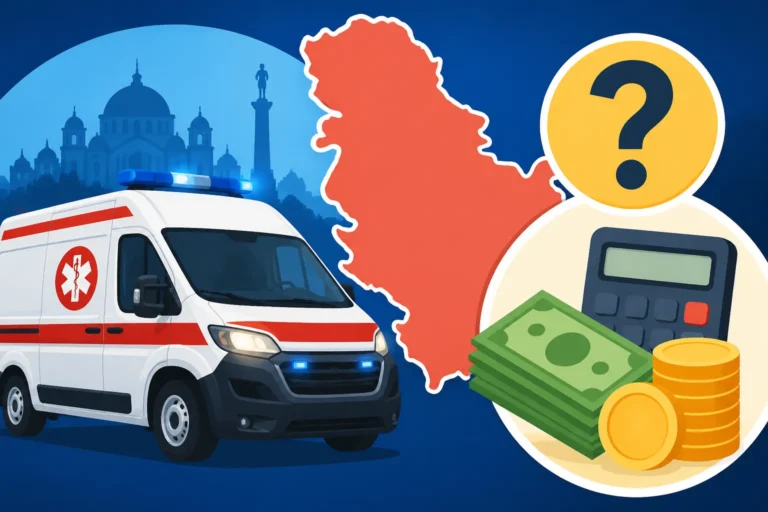
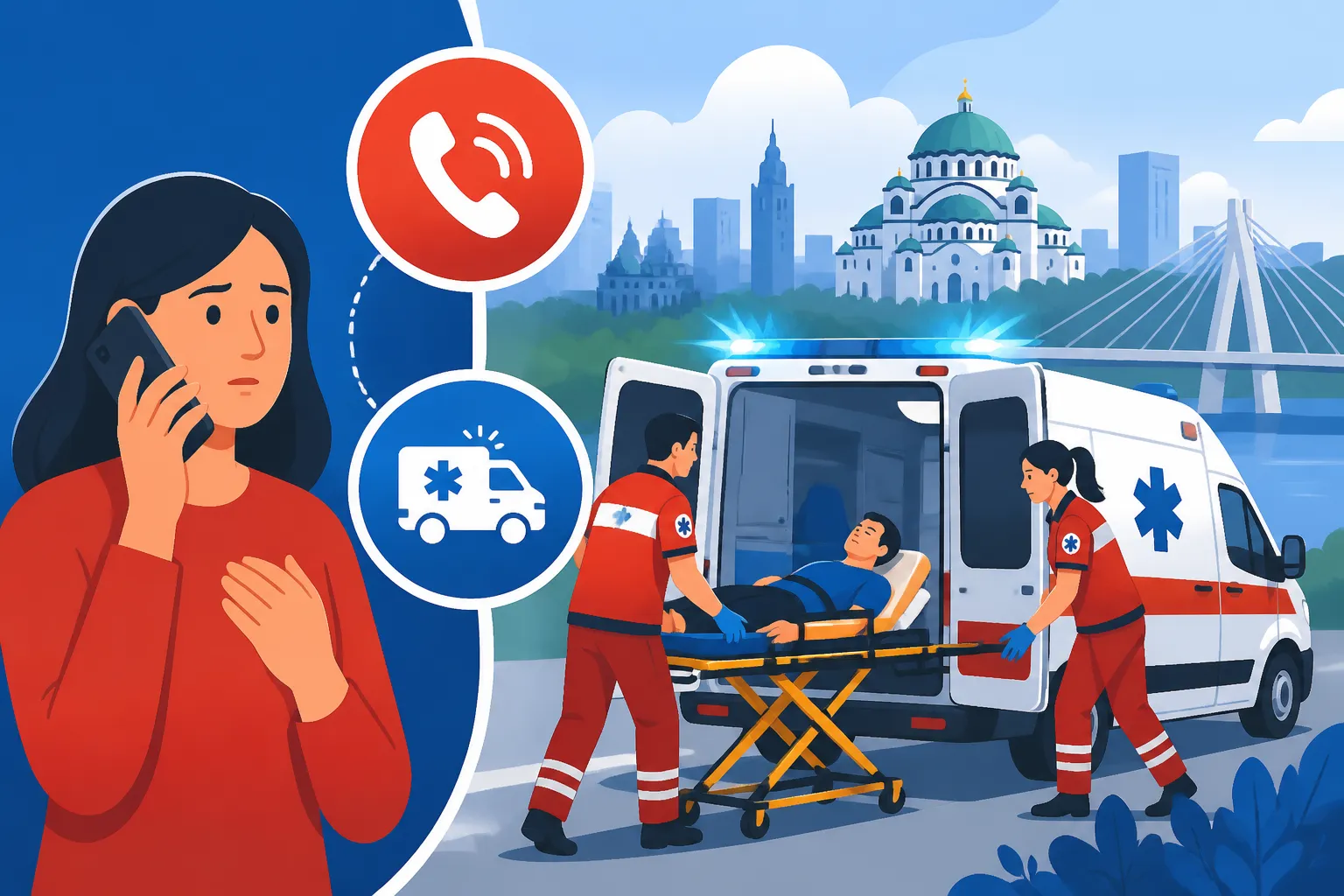
If you are experiencing a medical emergency in Serbia, the primary and most direct number to call for an ambulance is 194. This is the dedicated line for medical emergencies and will connect you directly to the medical dispatch center, known as Hitna Pomoć. When you dial 194, you are speaking to someone whose sole focus is assessing medical situations and deploying appropriate medical assistance. This is your go-to number if you or someone around you has a sudden illness, a severe injury, or any life-threatening condition that requires immediate professional medical intervention. Think heart attack, stroke, serious accident, choking, severe bleeding, unconsciousness, or any situation where time is of the essence. Don't hesitate to call 194 even if you're unsure; it's always better to be safe than sorry, and the dispatchers are trained to evaluate the severity over the phone.
The Pan-European 112: Is it Reliable in Serbia?
The number 112 is the pan-European emergency number, established to work across all EU member states and many other countries, including Serbia. It’s designed to be a universal safety net, allowing you to reach police, fire, and ambulance services from a single number. In Serbia, 112 does function, but it acts more as a centralized hub that then redirects your call to the relevant local emergency service. This means if you call 112 for a medical emergency, the operator will likely transfer you to 194. While 112 is a good number to remember as a backup, particularly if you're not sure which service you need, calling 194 directly for a medical emergency might save you a crucial few seconds by bypassing the additional transfer. It's especially useful if you find yourself unable to remember the specific local number, or if you're traveling across borders and want a single, familiar point of contact. However, don't rely on 112 exclusively if 194 is easily accessible for a clear medical emergency.
Other Important Numbers: Police, Fire, and Roadside
While 194 and 112 cover critical medical incidents, it's also worth having the other key emergency numbers handy, as situations can often overlap.
- 192: Police (Policija)
This is the number for all police-related emergencies, whether it's a crime, a public disturbance, or reporting an accident where no immediate life-threatening injuries are apparent but traffic control or investigation is needed. If you're involved in a car accident and there are no severe injuries, you'd typically call 192, and they might then coordinate with 194 if they determine medical attention is required. - 193: Fire Department (Vatrogasna Brigada)
For any fire-related incident, be it a building fire, a brush fire, or a chemical spill, 193 is the number to dial. Again, these situations can quickly escalate, so direct communication with the fire services is best. - AMSS (Auto-Moto Savez Srbije): Roadside Assistance
While not a direct emergency number, if you break down on the highway or have a minor car issue that doesn't involve an accident or injuries, the Automobile and Motorcycle Association of Serbia (AMSS) provides roadside assistance. Their main number is 1987, and they can be a lifesaver for mechanical troubles.
Knowing these numbers means you're not fumbling through your phone when time is of the essence. A good practice is to save them in your phone's contacts under "Emergency Serbia" or similar, so they're easily accessible.
What Happens When You Call 194: Navigating the Serbian Ambulance System
So, you’ve made the call to 194. What happens next? The process can feel chaotic when you're under pressure, but understanding the steps can help you remain calm and provide the necessary information efficiently. It’s not like in the movies; it's a real person, often busy, trying to help you.
Your Initial Call: Information You'll Need to Provide
When you call 194, the dispatcher will immediately pick up and their first priority is to assess the situation and your location. Be prepared to provide the following information clearly and concisely:
- What is the emergency? Briefly describe what happened or what the symptoms are. For example, "My friend has chest pain," or "There's been a car accident with injuries."
- Where is the emergency? This is crucial. Provide the exact address, including street name, building number, and apartment number if applicable. If you're outside, try to give landmarks, intersection names, or even GPS coordinates if you can quickly get them from your phone. Don't assume they know where you are just because you're calling from a Serbian phone number. For instance, saying "I'm near the Kalemegdan Fortress, on Cara Dušana street, by the tram stop" is much more helpful than "I'm in Belgrade, downtown."
- Who needs help? State the age and gender of the person in need. If there are multiple casualties, mention that.
- Is the person conscious and breathing? These are critical pieces of information for the dispatcher to prioritize and prepare the ambulance crew.
- Your phone number. They might need to call you back for more information or to guide the ambulance to your exact location. Keep your line free.
- Your name. While not always strictly necessary, it helps establish contact.
Speak slowly and clearly, even if you’re stressed. If you struggle with Serbian, try to say "English, please" or "Govorite li engleski?" immediately. If they can't switch, they might try to find an English speaker, or you might need to find a passerby to translate. This is where having a local friend's number on speed dial, or even a translation app ready, can be incredibly helpful.
The Dispatch Process and Response Times
Once the dispatcher has the essential information, they will typically dispatch an ambulance while continuing to ask you further questions. They might provide you with first-aid advice or instructions on how to keep the patient comfortable until help arrives. It’s important to stay on the line until they tell you it’s okay to hang up.
Response times for ambulances in Serbia can vary significantly depending on several factors:
- Location: Emergencies in densely populated urban areas like Belgrade or Novi Sad generally receive faster responses due to closer ambulance stations and higher resource availability. In more rural or remote areas, response times can be considerably longer.
- Severity of the emergency: Life-threatening situations are prioritized over less urgent calls.
- Traffic conditions: Belgrade traffic, especially during rush hour, can be notoriously bad and can significantly impact how quickly an ambulance can reach you.
- Availability of ambulances: The number of available ambulances can fluctuate, especially during peak times or major events.
While the official target response times are usually within 8-10 minutes for urban areas, it’s realistic to expect anything from 5 minutes to 30 minutes or more, depending on the circumstances. Don’t be disheartened if it feels like a long wait; the crew is on their way. While waiting, ensure the area is accessible for the ambulance and, if safe, send someone outside to flag them down.
Understanding the Ambulance Crew and Their Protocol
When the ambulance arrives, you'll typically see a team of two or three medical professionals, usually a doctor, a technician, and sometimes a driver. They will introduce themselves, though perhaps quickly in Serbian, and their immediate focus will be on assessing the patient's condition and stabilizing them. They usually come equipped with basic life support systems, defibrillators, oxygen, and a range of medications.
Their protocol generally involves:
- Rapid Assessment: They will quickly evaluate the patient's vital signs and the nature of the injury or illness.
- Stabilization: Administering immediate treatment to stabilize the patient, which might include pain relief, wound care, or resuscitation efforts.
- Information Gathering: They will ask you or the patient further questions about medical history, allergies, medications, and the events leading up to the emergency. If you have any medical documents or a list of medications, have them ready.
- Transport: Once the patient is stabilized, they will be carefully prepared for transport to the nearest appropriate hospital or clinic. In Serbia, public ambulances primarily take patients to public hospitals.
It's common for them to communicate primarily in Serbian, but they are highly professional and focused on patient care. Try to convey information as best as you can, even with gestures or a translator. Remember, they are there to help, and cooperating fully will ensure the best outcome.
Ambulance Care in Serbia: Public vs. Private Services
Understanding the distinction between public and private ambulance services in Serbia is critical, especially for expats and tourists. Your health insurance status, the urgency of the situation, and your personal preferences will all play a role in which option is most suitable.
Public Ambulance Services: What's Covered by RFZO?
The public ambulance service, Hitna Pomoć, is part of the state-run healthcare system in Serbia. If you are a registered resident with valid health insurance through the Republic Health Insurance Fund (RFZO), then public ambulance transport and emergency medical intervention are generally covered as part of your mandatory health insurance contributions in Serbia. This means you shouldn't face direct charges for the service at the point of care.
However, there are a few important considerations:
- RFZO Registration: You need to be properly registered with the RFZO to fully benefit from this coverage. If you're new to the country or haven't completed your registration, or if you're a tourist, you might be treated as a private patient, potentially incurring costs. Understanding how Serbia's health system works: The RFZO and Private Care Explained (2026) is crucial here. You can also learn How to Register with the RFZO and a GP in Serbia (2026) to ensure you're covered.
- Scope of Service: Public ambulances primarily respond to genuine medical emergencies. They are not intended for non-urgent transport or routine doctor visits. If your condition is deemed non-urgent after assessment, they might advise you to seek care at a Dom Zdravlja (health center) or make your own way to a hospital.
- Hospital Choice: Public ambulances will generally transport patients to the nearest suitable public hospital that has the capacity and specialties required for the patient's condition. You typically don't get to choose which public hospital you go to in an emergency. For example, if you're in Belgrade, they might take you to Urgentni Centar (Emergency Center) which is part of the Clinical Center of Serbia, or another specialized hospital depending on your issue.
- Wait Times for Less Urgent Cases: While severe emergencies are prioritized, if your case is less critical, you might experience longer waits for a public ambulance, especially during busy periods.
Private Ambulance Options for Expats
For those who prefer alternative options or want greater control over their emergency transport, private ambulance services are available in Serbia. These services are often associated with private clinics and hospitals, offering a potentially different experience.
- Key Private Providers: In larger cities like Belgrade, you'll find several private hospitals and clinics that offer their own ambulance services or have partnerships with private transport companies. Some prominent names include Medigroup and Acibadem Bel Medic, both of which have well-equipped emergency services and can often dispatch private ambulances.
- Benefits:
- Potentially Faster Response: Private services sometimes boast quicker response times, especially for non-life-threatening but still urgent situations, as they might have fewer calls to manage than the public system.
- Language Support: Many private providers are more likely to have English-speaking staff, both on the phone and in the ambulance, which can be a significant relief during a stressful time.
- Choice of Facility: If you have private health insurance that covers specific private hospitals, a private ambulance might be able to transport you directly to your preferred private facility, bypassing the public system entirely.
- Considerations:
- Cost: Private ambulance services are not covered by RFZO. You will either pay out-of-pocket or rely on your private health insurance. The cost can be substantial, often ranging from 100 EUR to several hundred EUR, depending on the distance, the services required, and the provider.
- Insurance Coverage: It is absolutely vital to check if your private health insurance plan, whether local or international, covers private ambulance transport. Some plans, especially basic ones, might only cover public services or have limitations. This is where options like SafetyWing can be incredibly valuable for digital nomads and expats, as they often include emergency medical evacuation and transport, which would cover private ambulance services if medically necessary. Always scrutinize your policy details to understand your coverage for emergency medical care in Serbia.
- Availability: While excellent in major cities, private ambulance options might be limited or nonexistent in smaller towns or rural areas.
Costs and Coverage: The Financial Side of Emergency Care
Navigating the financial aspect of emergency care in Serbia requires foresight.
- For RFZO-Insured Individuals: If you are legally employed or self-employed and contributing to the RFZO, your public ambulance care is covered. However, remember that there can still be Understanding Out-of-Pocket Healthcare Costs and Co-Payments in Serbia for subsequent hospital visits, medications, or specific procedures not fully covered by RFZO, even after an emergency.
- For Tourists and Uninsured Expats: If you are a tourist, or an expat who has not yet registered with the RFZO, or is simply not eligible, you will be expected to pay for any public ambulance services and subsequent medical treatment. This is where travel insurance or international private health insurance becomes your best friend. Even a basic doctor visit can incur costs, let alone an ambulance ride and emergency treatment. For instance, How Much Does an Ambulance Cost in Serbia? can range significantly.
- Private Health Insurance: This is your strongest shield against unexpected costs. Many expats opt for private health insurance in Serbia to ensure comprehensive coverage, including emergency services and the flexibility to choose private clinics. When looking for coverage, consider providers like SafetyWing, which offers global health insurance tailored for nomads and remote workers, often including emergency evacuation. Always read the fine print regarding emergency transport, hospital network, and direct billing versus reimbursement. It's important to understand Health Insurance in Serbia: RFZO, Private and International Options Explained to make an informed decision. For newcomers, learning How to Buy Private Health Insurance as a Newcomer in Serbia is a critical first step.
| Service Type | Primary Number | Eligibility/Coverage | Typical Cost (if not covered) | Key Advantages | Key Disadvantages |
|---|---|---|---|---|---|
| Public Ambulance | 194 | RFZO-insured residents (employees, self-employed, etc.) | Varies, usually lower/free | State-funded, readily available, covers critical cases | Limited hospital choice, potential language barrier |
| Private Ambulance | Private clinic lines | Private insurance holders, out-of-pocket payers | 100-500+ EUR | Faster response, English staff, hospital choice (with private insurance) | Higher cost, not covered by RFZO, less available outside major cities |
| 112 (General) | 112 | Redirects to relevant service | Same as direct service | Universal number, helpful if unsure | Potential for slight delay due to redirection |
Preparing for the Unexpected: Essential Tips for Expats
As an expat, proactive preparation isn't just about being organized; it's about safeguarding your well-being in a foreign land. When it comes to medical emergencies, a little foresight goes a long way.
Building Your Emergency Kit and Information Hub
Thinking ahead can dramatically reduce panic during a crisis. I always advise expats to create a physical and digital "emergency kit" for their home.
- Physical Kit: This isn't just a first-aid box (though that's important too; consider what should I pack in a home medical kit for Serbia?). It's a folder or small bag kept in an easily accessible, known location containing:
- Copies of your passport, residence permit, and health insurance card (both RFZO and private).
- A list of any chronic conditions or allergies for each family member, ideally translated into Serbian.
- A list of all current medications, including dosage, again with Serbian translations for the drug names.
- Contact information for your primary care doctor (Izabrani Lekar) if you have one, and any specialists.
- Emergency contacts: family members (both local and in your home country), a trusted Serbian friend, and your embassy.
- A small amount of local currency (dinars) for any immediate, minor expenses.
- Digital Hub: Keep the same information digitized on your phone, possibly in a cloud storage folder or a secure notes app, accessible even if you lose your physical documents. Consider a medical ID on your phone's lock screen.
Knowing where these vital pieces of information are can shave precious minutes off an emergency response. Imagine trying to find your insurance card while someone is in distress – it's a nightmare you can easily avoid.
Language Support and Communication Strategies
The language barrier is a real thing, and it can be terrifying during an emergency. While you can't become fluent overnight, you can develop strategies:
- Key Phrases: Learn essential Serbian phrases for emergencies:
- "Pomozite mi!" (Help me!)
- "Pozovite hitnu pomoć!" (Call an ambulance!)
- "Imam bol u grudima." (I have chest pain.)
- "Ne mogu da dišem." (I can't breathe.)
- "Pao je/pala je." (He/she fell.)
- "Govorite li engleski?" (Do you speak English?)
- "Adresa je…" (The address is…)
- Translation Apps: Have a reliable offline translation app downloaded on your phone (like Google Translate). While not perfect, it can help bridge basic communication gaps.
- Local Translator Contact: Identify a trusted Serbian-speaking friend or colleague who you can call at any hour to act as a translator if needed. Save their number with a clear identifier like "Serbian Translator" in your phone.
- Medical ID Tag: Consider wearing a medical alert bracelet or necklace if you have a serious medical condition. Ensure it's engraved with crucial information, ideally in both English and Serbian.
These small steps can make a huge difference when you need to quickly explain a situation or understand instructions from emergency personnel.
The Role of Travel and Health Insurance
This cannot be stressed enough: do not underestimate the importance of robust travel and health insurance. For tourists, travel insurance is non-negotiable. It protects you from the potentially crippling costs of emergency medical treatment, ambulance transport, and even medical evacuation back to your home country if necessary. If you are a tourist and are wondering Can Tourists Access Emergency Care in Serbia?, the answer is yes, but you will almost certainly be billed for it.
For long-term expats, a good private health insurance plan is an investment in peace of mind. While the RFZO system provides essential coverage, private insurance offers supplementary benefits, wider clinic choices, and often better English-language support. Providers like SafetyWing are specifically designed with the expat lifestyle in mind, offering comprehensive coverage that includes unexpected medical expenses, emergency dental care, and emergency medical evacuation. Such plans understand that you're not just on a short trip; you're building a life abroad, and your insurance needs to reflect that.
When choosing a plan, explicitly check for:
- Emergency ambulance coverage: Does it cover both public and private services?
- Hospital network: Does it include private hospitals you might prefer?
- Medical evacuation: In a severe crisis, will they cover transport to a country with more advanced facilities or back home?
- Direct billing: Will the insurance company pay the hospital directly, or will you have to pay upfront and claim reimbursement?
- Emergency hotline: Do they have a 24/7 English-speaking emergency hotline?
Having proper coverage means that in a moment of crisis, your primary concern can be recovery, not navigating an unexpected financial burden. Understanding Health Insurance in Serbia: RFZO, Private and International Options Explained will give you a comprehensive overview of your options.
Post-Emergency Care and Follow-Up: What Comes Next?
The ambulance ride and initial emergency treatment are often just the beginning of a medical journey. What happens after you're safely delivered to a hospital, and how do you navigate the subsequent steps in a foreign healthcare system? This phase can be just as daunting as the emergency itself.
Hospital Admissions and Initial Treatment
Once the ambulance brings you to a hospital, you will typically be taken to the Emergency Department (Urgentni Centar or Urgentna Služba). Here, you’ll undergo further assessment, diagnosis, and initial treatment. The process in public hospitals usually involves:
- Triage: A nurse or doctor will quickly evaluate your condition to determine the urgency of your case. Patients with life-threatening conditions are seen first, which means you might experience a wait if your condition is less critical, even after an ambulance ride. This is a common experience in public emergency rooms worldwide.
- Registration: Your personal details, including your ID (passport/residence permit) and health insurance information (RFZO card or private insurance details), will be registered. If you are not covered by RFZO or private insurance, you will likely be informed about potential costs.
- Diagnostic Tests: Depending on your symptoms, you'll undergo various tests such as blood work, X-rays, CT scans, or ultrasounds.
- Consultation with Specialists: If necessary, you'll be seen by relevant specialists, like a cardiologist, orthopedic surgeon, or neurologist, depending on your specific medical issue.
- Admission or Discharge: Based on the diagnosis and treatment, you’ll either be admitted to a hospital ward for further care or discharged with instructions for follow-up.
In private hospitals, the process might feel more streamlined, with shorter waiting times and potentially more English-speaking staff from the outset. However, the fundamental medical steps remain the same.
Navigating Hospital Bureaucracy as a Foreigner
This is where the real patience and persistence often come into play. Serbian public hospitals, while providing excellent medical care, can be a maze of bureaucracy, especially if you don't speak the language.
- Documents, Documents, Documents: Always have your ID, RFZO card (if applicable), and any relevant private insurance documents ready. You might be asked for them multiple times.
- Language Barrier Redux: Even if the initial emergency team spoke some English, don't assume everyone in the hospital will. Try to have a translation app handy, or better yet, a Serbian-speaking friend or family member with you for important conversations.
- Information Flow: Information might not always flow seamlessly between departments or even between shifts. Don't be afraid to politely ask for updates or explanations regarding your treatment plan.
- Hospital Environment: Public hospitals can be bustling and sometimes feel a bit dated compared to Western standards. Focus on the medical care, which is generally quite good, rather than the aesthetics.
- Visiting Hours: Be aware of strict visiting hours in public hospitals. Private hospitals usually have more flexible policies.
It’s an experience that can test your resilience, but knowing what to expect can help you manage it. Remember that Navigating the Serbian Healthcare System: An Expat's Roadmap (2026) can provide further guidance on how to move through the system.
Recovering and Follow-Up Appointments
Once you're discharged from the hospital, the journey isn't over. Recovery often involves follow-up care and potentially rehabilitation.
- Referrals: If you were treated in a public hospital, you'll typically be given a referral (uput) for follow-up appointments with specialists or your GP (Izabrani Lekar) at your local Dom Zdravlja. This is a crucial step to ensure continuity of care.
- Medications: You'll receive prescriptions for any necessary medications. Understanding Prescription Medications and Pharmacies in Serbia: The Complete Guide will help you navigate pharmacies and acquire your drugs.
- Physiotherapy/Rehabilitation: If your emergency involved an injury that requires physical therapy, the hospital will usually provide a referral for these services, which can be accessed through public Domovi Zdravlja or private clinics. You might find resources on How to Get Physiotherapy and Rehabilitation in Serbia.
- Private Clinic Follow-up: If you have private insurance or choose to pay out-of-pocket, you might prefer to do your follow-up at a private clinic, which often offers faster appointments and more personalized, English-speaking care. The Cost of Healthcare in Serbia: A Complete Breakdown for Foreigners (2026) can give you an idea of these expenses.
- Checking in with your GP: After any emergency, it's always a good idea to inform your chosen GP about what happened and present any discharge summaries or test results. They are your primary point of contact for ongoing health management.
Remember that recovering in a foreign country can be emotionally and physically challenging. Don't hesitate to reach out to your support network, whether it's family, friends, or expat groups. Preparing for the unexpected, understanding the system, and having good insurance are your strongest allies in ensuring a smoother journey through any medical crisis in Serbia.
Disclaimer
The information provided in this guide is intended for general informational purposes only and does not constitute professional medical, legal, or financial advice. While we strive to keep the information accurate and up-to-date, regulations and procedures in Serbia can change. Always consult with qualified professionals for advice tailored to your specific situation. In a medical emergency, always dial the appropriate emergency number immediately.