Can I Get Residence Through Buying Property in Serbia?
Ah, the dream scenario! Many of us expats arriving in Serbia, especially those of us who’ve seen the ease of residency through property in other parts of the world, often ask this exact question: "Can I just buy an apartment and get my residence permit that way?" It’s a very natural thought, and honestly, who wouldn’t want a straightforward path? However, the reality here in Serbia is a little more nuanced, and if you go in expecting a direct one-to-one exchange of property for boravak (temporary residence), you might find yourself hitting a bureaucratic wall. This guide will meticulously break down the actual situation, explain how property ownership can support your application, and give you the realistic steps to navigate the system.
The Common Misconception: Does Property Ownership Grant Residence in Serbia?
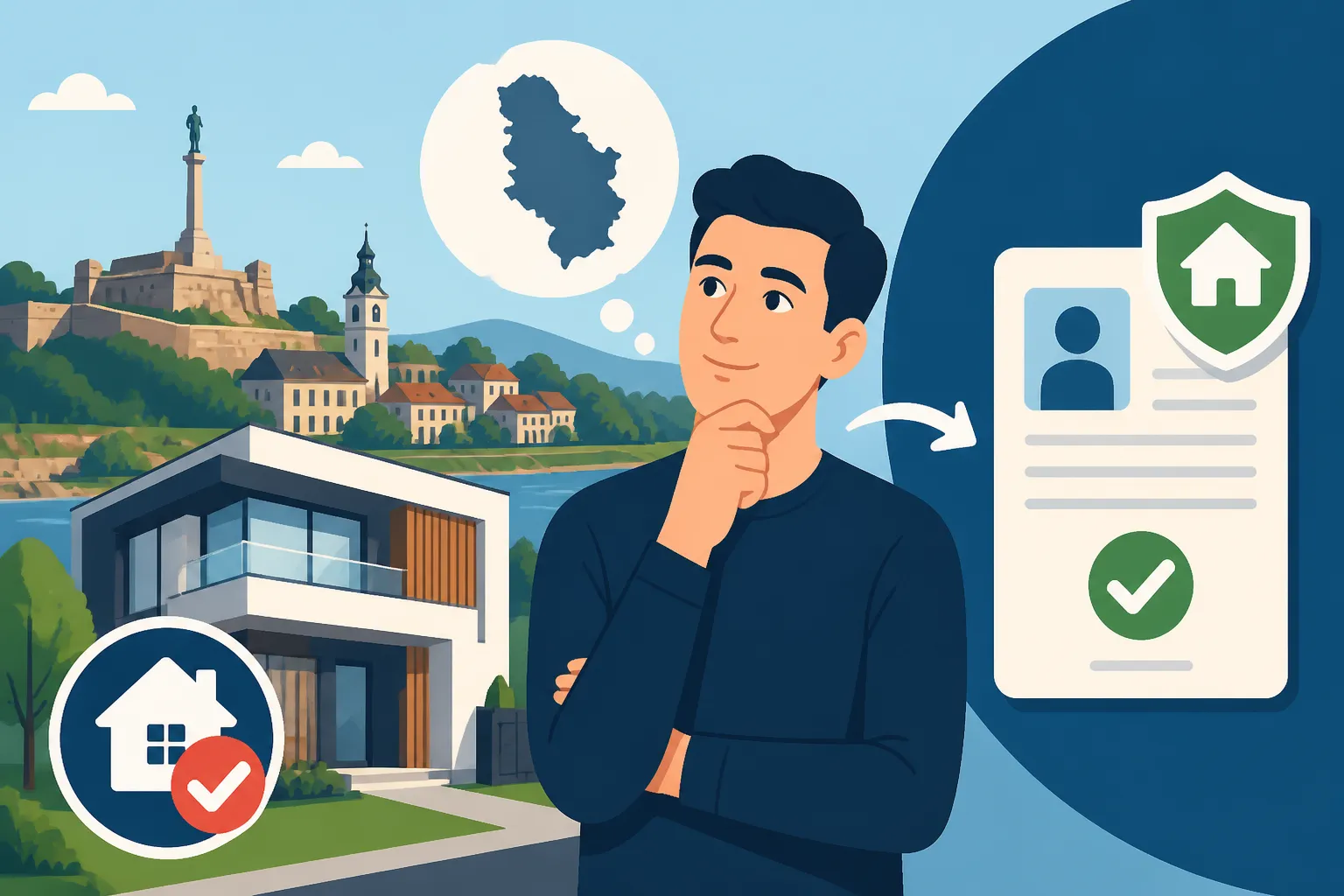
Let's clear the air right from the start, and believe me, many of us have wished this wasn't the case! The short answer to whether simply buying property in Serbia grants you automatic residency is, unfortunately, no. It's a common misconception, particularly for those coming from countries or regions where such a "golden visa" or property-for-residence scheme is standard. Here in Serbia, the regulations are structured differently, focusing on your purpose of stay rather than just your investment in real estate.
Why Buying Property Alone Won't Secure Your Boravak
The Serbian Law on Foreigners, which governs all residence permits, outlines specific categories and grounds for obtaining temporary residence. These grounds are quite explicit and are typically tied to your activity or familial connection within the country. We're talking about things like employment, self-employment, family reunification, education, or even missionary work. Simply put, owning a piece of real estate, whether it's a cozy apartment in Dorćol, a charming house in Petrovaradin, or a rural retreat in Šumadija, is not listed as a standalone ground for temporary residence.
I’ve met countless people who've bought property, feeling secure in their new home, only to be utterly baffled when their boravak application based solely on ownership gets rejected by the Ministry of Interior (MUP). It’s a frustrating experience, to say the least, and it highlights a significant difference in immigration philosophy compared to some other nations. The Serbian authorities want to see a clear, tangible purpose for your long-term stay that aligns with their established categories. They’re not just looking for an asset; they’re looking for a reason for you to be here that fits into their legal framework. Without that primary, legitimate ground, your property deed, as beautiful as it may be, won't open the door to residency on its own.
How Property Ownership Can Indirectly Help Your Application
Now, before you lose all hope and start eyeing a return ticket, there's a crucial distinction to make. While property ownership isn't a direct path, it can become an invaluable supporting factor in certain residence applications. Think of it as a powerful piece of evidence that strengthens your overall case, rather than being the case itself. When you apply for privremeni boravak on other grounds, like being financially independent or starting a business, your property shows a strong intent to integrate and establish your "centre of life" in Serbia.
For instance, if you're applying as a financially independent individual, owning property here demonstrates that you have a stable base and aren't just passing through. It shows you've made a significant commitment to the country, investing in its economy and infrastructure. This commitment can speak volumes to the MUP officers reviewing your file. Similarly, if you're registering as an entrepreneur (preduzetnik), having a physical address where your business operates, or at least a stable home base, adds a layer of credibility. It says, "I'm not just here for a fleeting business idea; I'm here to build something, and I've laid down roots." It’s a tangible anchor that confirms your long-term intentions, and in the often-opaque world of Serbian bureaucracy, any concrete proof of genuine intent is a huge plus.
Unpacking the Actual Pathways to Temporary Residence (Privremeni Boravak)
So, if property isn't the direct golden ticket, what are the actual, legitimate grounds for securing your temporary residence in Serbia? The law provides several avenues, and understanding these is paramount to a successful application. You need to align yourself with one of these categories, even if your property plays a supportive role.
Standard Grounds for Obtaining Temporary Residence
Most expats will fall into one of these well-defined categories when applying for their initial privremeni boravak. These are the bread and butter of Serbian immigration law:
- Employment (Zaposlenje): This is perhaps the most common route. If you have a job offer from a Serbian company, your employer will typically initiate the process for your work permit, which then forms the basis for your residence permit application. The Single Permit for Work and Residence in Serbia simplifies this process by combining both into one application.
- Self-Employment/Entrepreneurship (Samozapošljavanje/Preduzetništvo): For those looking to start their own business or work as a freelancer in Serbia, registering as an entrepreneur (preduzetnik) is a popular choice. This path, often via the "paušal" tax regime, allows you to legally operate your business and forms a strong basis for your residence. If this sounds like you, understanding How to Register as an Entrepreneur (Preduzetnik) in Serbia is a must.
- Study (Školovanje): If you're enrolling in a university or an accredited language program in Serbia, you can apply for a student residence permit. This requires proof of enrolment and sufficient funds.
- Family Reunification (Spajanje porodice): If your spouse, parent, or child already holds a Serbian residence permit or citizenship, you can apply to join them. This category requires demonstrating your familial ties.
- Other Legitimate Reasons (Ostali opravdani razlozi): This is where things get a bit more flexible and where property ownership can truly shine. It's often utilized by individuals who are financially independent, retirees, or those with significant personal ties to Serbia but without a formal job or business setup. This category specifically looks for a strong justification for your long-term stay.
Each of these categories has its own specific set of documentation and requirements, and it's essential to meticulously prepare your file according to the chosen ground. You can learn more about these pathways in Understanding Serbian Residence Permits: Work, Study and Investment (2027).
The "Other Legitimate Reasons" Clause: A Niche for the Financially Independent and Property Owners
The "other legitimate reasons" category, often referred to as residency based on financial independence, is where your property ownership becomes a truly powerful asset. This pathway is designed for individuals who aren't working for a Serbian entity or running a registered business but still wish to reside here long-term. This could be remote workers, retirees, or individuals living off investments.
To succeed with this type of application, you need to prove several things:
- Sufficient Funds: You must demonstrate a reliable, consistent source of income or substantial savings that are adequate to support yourself (and any dependents) without needing to work in Serbia. The exact amount isn't always fixed in stone and can fluctuate, but generally, authorities want to see proof of funds equivalent to several times the average Serbian salary. This usually means showing regular deposits into your Serbian bank account, pension statements, or investment income. It's not enough to just show money in a foreign bank; increasingly, the MUP prefers to see funds transferred into a Serbian account to demonstrate your financial commitment to the local economy.
- Health Insurance: A valid health insurance policy covering your stay in Serbia is mandatory. This could be a local private policy or an international one, like those offered by Cigna Global, which many expats find reassuring for comprehensive coverage. You absolutely cannot skip this step. The Complete Guide to Healthcare in Serbia for Expats (2026) can provide more details on options.
- Proof of Accommodation: This is where your property truly comes into its own. If you own property, your title deed (list nepokretnosti) serves as irrefutable proof of accommodation. This is far stronger than a rental contract, which needs to be renewed annually and might raise questions about long-term stability. Your own home demonstrates a deeper level of commitment and stability, which aligns perfectly with the "other legitimate reasons" category's focus on genuine long-term intent. It’s not the reason for residence, but it's exceptionally compelling evidence that your reason is genuine.
Therefore, while buying property doesn't directly grant residence, it massively strengthens an application under "other legitimate reasons," showing the MUP that you've firmly planted your feet here, have a stable place to live, and are not a burden on the state. It signals a serious, long-term commitment that immigration officers appreciate.
Strategically Leveraging Your Serbian Property for a Successful Application
So, you’ve understood that property ownership is a powerful supporting document rather than a standalone reason. Now, let’s talk strategy. How exactly do you best present your property and other relevant information to maximize your chances of success? This requires meticulous preparation and a clear understanding of what the MUP is looking for.
Essential Documents Related to Your Property
When you’re applying for temporary residence, regardless of your primary ground, demonstrating stable accommodation is always a key requirement. If you own property, you’re in a much stronger position than someone relying solely on a rental agreement. Here’s what you’ll need from your property acquisition:
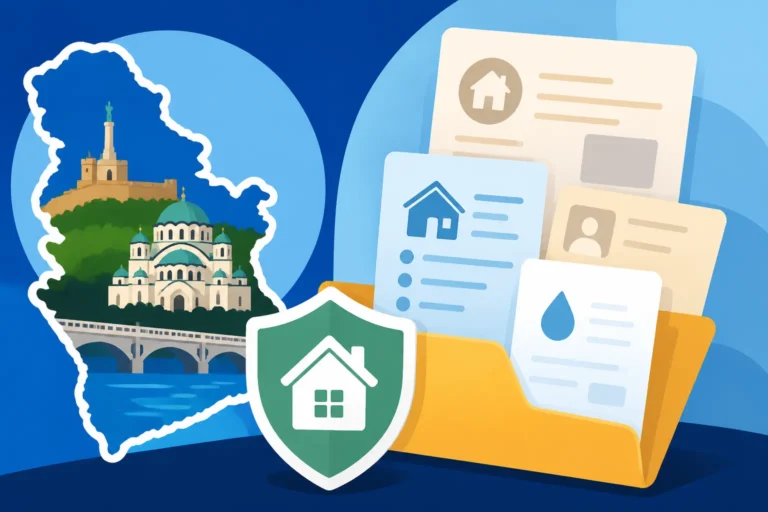
- Title Deed (List Nepokretnosti): This is the holy grail. It’s the official document from the Cadastre (Republic Geodetic Authority) proving your ownership of the property. Make sure it's up-to-date and clearly states your name as the owner.
- Sales/Purchase Agreement (Kupoprodajni Ugovor): The contract you signed when you bought the property. This shows the legal transaction and the date of purchase.
- Proof of Payment: Bank statements or other financial records showing the transaction for the property purchase. This adds further weight to the legitimacy of your ownership.
- Proof of Registration of Address (Prijava Boravišta): Even if you own the property, you still need to register your address with the local police department within 24 hours of your arrival if you're visa-exempt, or upon receiving your initial residence permit. This is a separate administrative step but is crucial for showing your presence at your owned address.
Remember, any documents that are not in Serbian will need to be officially translated by a certified court translator in Serbia. Often, if they are official documents from your home country, they might also require an Apostille stamp to be recognized internationally. This process can be fiddly, so understanding How Do I Get My Documents Apostilled for a Serbia Visa? can save you a lot of headaches.
Demonstrating Financial Stability and Genuine Intent to Reside
Beyond the property documents, the MUP wants to see that you are financially self-sufficient and genuinely intend to make Serbia your home, not just a temporary stopover. This is particularly crucial if you are applying under the "other legitimate reasons" category.
- Bank Statements: You'll need to provide recent bank statements, preferably from a Serbian bank, showing sufficient funds to support yourself and any family members. The rule of thumb often cited is enough funds for at least a year, at approximately the average net salary in Serbia (which currently hovers around 850-900 EUR per month, but always check for the latest figures). So, be prepared to show several thousand euros. Consistent transfers into your Serbian account from abroad can further demonstrate stable income.
- Proof of Income Source: If you're a retiree, provide pension statements. If you're a remote worker, supply your employment contract with your foreign company, bank statements showing salary deposits, or invoices if you're a freelancer for foreign clients. The key is demonstrating a reliable and ongoing source of income outside of Serbian employment.
- Health Insurance: As mentioned, robust health insurance is not optional. It shows you’re prepared for any medical eventualities and won’t be a burden on the public healthcare system.
- Long-Term Intent and Integration: Your property itself is a huge indicator of long-term intent. It signifies a significant investment and a desire to settle. Additionally, if you can show any efforts towards integration, such as enrolling in Serbian language classes, joining local clubs, or volunteering, these can implicitly strengthen your case. While not mandatory, they paint a picture of someone genuinely making Serbia their home. Even things like getting to know your neighbors or understanding How to Prepare Your Home for Winter in Serbia subtly contribute to demonstrating your long-term commitment to living here.
Remember, the immigration officers at the MUP are looking for a complete picture. They want reassurance that you are a responsible individual who will contribute positively to Serbia and not become a liability. Your property, combined with solid financial proof, paints a very compelling picture.
Navigating the Bureaucracy and Long-Term Considerations
Even with all your ducks in a row and a beautifully presented application, dealing with Serbian bureaucracy can be, let's just say, an experience. Patience is not just a virtue here; it's a necessity.
The Administrative Journey and Avoiding Common Pitfalls
The process of applying for temporary residence, even with the advantage of property ownership, can be protracted and filled with minor obstacles. You'll typically be dealing with the Foreigners' Department (Uprava za strance) of the MUP.
- Patience is Key: Don't expect things to move at lightning speed. Processing times can vary significantly, from a few weeks to several months. Following up politely and persistently is often necessary, but aggressive approaches will get you nowhere.
- Language Barrier: Unless you're fluent in Serbian, you'll likely need assistance. While some MUP officers may speak English, it's not guaranteed, especially outside of Belgrade. Bringing a Serbian speaker with you or hiring a local lawyer or consultant who specializes in immigration is often a wise investment. They can help you understand subtle nuances, ensure your paperwork is impeccable, and even pre-empt common issues.
- Incomplete Documentation: This is the most common reason for delays or rejections. Double-check everything, ensure all copies are correct, and that all necessary stamps and translations are present. It's always better to over-prepare than to face rejection for a missing document. Sometimes, even the smallest detail, like a missing stamp on a photo, can send you back to square one.
- The Interview: Be prepared for a brief interview. The officers might ask about your reasons for wanting to live in Serbia, your financial situation, and your future plans. Be honest and consistent with your application. Your property ownership will likely come up as a positive point.
For a broader understanding of the process, a good read would be Understanding How to Move to Serbia Legally from Abroad (2027). And when it comes to the nitty-gritty of paperwork, Understanding Document and Translation Requirements for Serbia Immigration is another excellent resource.
Ongoing Responsibilities and Maintaining Your Resident Status
Getting your first privremeni boravak is a victory, but it's not the end of the journey. Temporary residence permits are typically granted for one year and then need to be renewed. This means you’ll be repeating much of the application process annually, demonstrating continued compliance with the requirements.
- Annual Renewals: Each year, you’ll need to apply to renew your residence permit, providing updated documents, including proof of continued financial means, valid health insurance, and, of course, your stable accommodation (your property deed still stands strong here). It's wise to start the renewal process well in advance of your current permit's expiration. This is covered in more detail in How to Renew Your Temporary Residence in Serbia.
- Property Taxes and Utilities: Owning property comes with responsibilities. You'll be liable for annual property taxes (porez na imovinu) to your local municipality, as well as utility bills (electricity, water, heating, internet). Ensure these are paid on time, as outstanding debts can potentially complicate future residence renewals.
- Health Insurance: Keep your health insurance valid and up-to-date. Whether it's the national RFZO (if eligible through employment) or a private plan like those offered by Cigna Global, uninterrupted coverage is non-negotiable for residency.
- Travel and Absences: Be mindful of how long you spend outside of Serbia. While temporary residence allows travel, extended absences could raise questions about your genuine intent to reside in Serbia and potentially impact future renewals or your path to permanent residence.
- Future Steps: Permanent Residence and Citizenship: After a certain number of years (typically three to five, depending on your initial ground) on temporary residence, you might become eligible to apply for permanent residence. This is a significant step towards long-term security and potentially, Serbian citizenship.
While the process might seem daunting at times, especially when you encounter the unique quirks of Serbian administration, remember that thousands of expats have successfully navigated this path. Your property ownership, though not a magic key, is a very strong card to play in your hand.
Comparative Table: Residence Grounds and Property's Role
To make things clearer, here’s a quick overview of different residence grounds and how your owned property typically fits in:
| Residence Ground | Primary Requirement(s) | Role of Property Ownership | Level of Property's Influence |
|---|---|---|---|
| Employment | Valid work permit / Employment contract | Proof of stable accommodation; strengthens ties to Serbia. | Supportive |
| Self-Employment/Entrepreneur | Business registration; proof of funds for business & living | Proof of business address (if applicable); stable home address. | Supportive/Strongly Supportive |
| Study | University/school acceptance letter; sufficient funds | Proof of accommodation during studies. | Supportive |
| Family Reunification | Proof of familial ties to a Serbian resident/citizen | Proof of shared family accommodation. | Supportive |
| Other Legitimate Reasons (Financial Independence) | Proof of sufficient, stable income/savings; health insurance | Crucial proof of accommodation and genuine intent to reside. | Highly Influential/Crucial |
| Property Ownership (Standalone) | Not a recognized ground | Not applicable as a sole reason. | None (as a direct path) |
This table underscores that while property is not a standalone ground, its influence becomes significantly stronger when applying under "Other Legitimate Reasons," where demonstrating genuine intent and stable living arrangements are paramount. For other categories, it mainly serves as excellent proof of accommodation.
Disclaimer
The information provided in this guide is intended for general informational purposes only and does not constitute legal or immigration advice. While we strive to offer accurate and up-to-date information, immigration laws and procedures in Serbia can change. It is always recommended to consult with a qualified Serbian immigration lawyer or consultant for advice tailored to your specific situation. They can provide the most current and authoritative guidance.