How to Move from Temporary to Permanent Residence in Serbia
Getting your initial temporary residence in Serbia is a huge milestone, a true test of patience and bureaucratic navigation. But what happens next? Many expats arrive with the dream of building a long-term life here, only to realise that temporary residence (or privremeni boravak) is just that – temporary. The next logical step, and often the most daunting, is figuring out how to transition to permanent residence. This guide is designed to walk you through that often-murky process, shedding light on the requirements, the infamous waiting period, and what it truly means to make Serbia your permanent home.
Understanding the Foundation: Temporary Residence in Serbia
Before you can even dream of permanent residence, you’ve got to master the art of temporary residence. Think of it as your apprenticeship in Serbian bureaucracy. This is the crucial first step, the building block upon which your long-term future in Serbia will be constructed. Without a solid history of valid temporary residence, the path to permanent status remains firmly closed.
The Initial Step: Why You Need Temporary Residence (Privremeni Boravak)
When you first arrive in Serbia with the intention of staying longer than the standard visa-free period (usually 90 days within any 180-day period for many nationalities), your immediate goal is to secure a temporary residence permit. This permit, officially known as privremeni boravak, allows you to legally live, and in many cases, work or study in the country for an extended period, typically one year, which then needs to be renewed. It's the official stamp that says, "Yes, you're allowed to be here."
Many expats underestimate the importance of establishing and maintaining this initial temporary status meticulously. Any gaps, expired permits, or issues during this phase can severely complicate your future application for permanent residence. It's not just about having the permit, it's about building a continuous, documented history of legal residency in Serbia, which is what the Ministry of Interior (MUP) will scrutinise when you apply for your next big step. This really is the bedrock of your immigration journey here, so getting it right from the start is paramount.
Common Grounds for Temporary Residence That Lead to PR
There are several common reasons or "grounds" upon which you can obtain temporary residence in Serbia, and crucially, most of these can eventually lead to permanent residence if maintained correctly. The most frequent pathways for expats include employment, self-employment (often via the paušal regime for freelancers), studying, family reunification, or property ownership. Each of these categories has its own specific set of documentation and requirements, but the underlying principle is the same: you must prove a legitimate reason for your stay.
For instance, if you're here for work, your employer needs to have sponsored your work permit, which is now often integrated into a single permit for work and residence in Serbia. If you’re a freelancer, you’ll likely register as an entrepreneur (preduzetnik) and base your temporary residence on this economic activity. Students, on the other hand, will rely on their university enrollment. It’s vital to understand that simply being in the country is not enough; you need a valid, documented purpose that aligns with the Serbian immigration laws. Knowing How to Get Temporary Residence (Boravak) in Serbia (2026) is the absolute first guide you should consult.
Keeping Your Temporary Residence Valid
Maintaining your temporary residence in Serbia isn't a "set it and forget it" kind of deal. It requires diligent attention to renewal dates and adherence to the conditions of your permit. Typically, temporary residence permits are issued for one year, meaning you’ll need to apply for renewal annually, often starting 30-60 days before your current permit expires. This usually involves resubmitting updated versions of the same documents you used for your initial application, such as proof of financial means, accommodation, and the continued validity of your grounds for residence (e.g., employment contract, student enrollment, business registration).
Any lapse in your temporary residence, even a short one, can reset your "clock" towards permanent residence, forcing you to restart the entire waiting period. This is where many expats hit a snag, especially with the sometimes unpredictable processing times at the MUP. It’s a frustrating reality that the administrative wheels can turn slowly, but it’s your responsibility to anticipate this and apply for renewal well in advance. Keep meticulous records of all your applications and approvals, because this continuous history is exactly what they'll be looking for when you finally apply for the big one: permanent residence. You'll also want to make sure you know How to Renew Your Temporary Residence in Serbia thoroughly to avoid any missteps.
The Path to Permanent Residence: Key Requirements and the Waiting Game
So, you've survived the temporary residence merry-go-round for a few years. Congratulations! Now you're looking at the big prize: permanent residence (stalni boravak). This isn't just another stamp in your passport; it's a significant upgrade in your status, offering greater stability and fewer bureaucratic hurdles. However, getting there requires meeting specific criteria, most notably a continuous period of living in Serbia under temporary residence.
The Crucial 3-Year Rule: Counting Your Time
The cornerstone of any permanent residence application in Serbia for most expats is the "3-year rule." This regulation generally states that you must have resided continuously in Serbia for at least three years on the basis of temporary residence. "Continuously" is the key word here, and it’s where things can get tricky. While short trips out of the country are usually permitted, extended absences can break the continuity of your residence.
The law typically allows for absences of up to six months in total within the three-year period, or one single absence of not more than ten consecutive months. Exceeding these limits, even by a day, can effectively reset your three-year count, meaning you’ll have to start all over again. The MUP scrutinises this aspect rigorously, cross-referencing your entry and exit stamps, so keeping track of your travel dates is absolutely essential. Understanding the 3-Year Requirement for Permanent Residence in Serbia is not just a suggestion, it's a necessity if you want to apply successfully. Many expats find using a spreadsheet or a simple travel diary helpful for this.
Essential Documentation for Your Permanent Residence Application
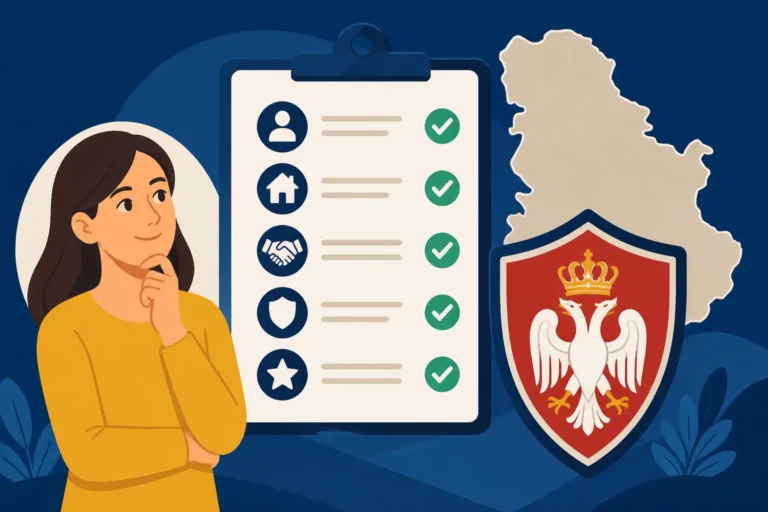
Just like with temporary residence, the permanent residence application demands a mountain of paperwork, and every single document needs to be in order. You’ll need to prove your identity, your legal residence history, your financial stability, and your ties to Serbia. Typically, this includes:
- Valid Passport: Original and copies of all pages with stamps.
- Proof of Continuous Temporary Residence: All your previous temporary residence approvals and cards.
- Proof of Accommodation: A notarised rental agreement or property ownership documents.
- Proof of Financial Means: Bank statements showing sufficient funds, employment contracts, or business registration documents if self-employed.
- Health Insurance: Proof of continuous health insurance coverage throughout your temporary residence period. While you'll eventually fall under the RFZO, having reliable private cover like Cigna Global during your temporary status can be a huge comfort and is often a requirement.
- Birth Certificate: Original, translated by a certified court interpreter, and often apostilled.
- Marriage Certificate (if applicable): Original, translated, and apostilled.
- Criminal Record Check: From your home country and any other country you've resided in for more than six months, translated and apostilled. A Serbian criminal record check will also be required.
- Proof of Tax Obligations Fulfilment: Certificate from the Tax Administration (Poreska Uprava) confirming you have no outstanding tax debts.
- A Statement on Reasons for Permanent Residence: A free-form letter explaining your intention to reside permanently in Serbia.
- Administrative Fees: Paid via bank slips (uplatnice).
The sheer volume and precision required for these documents can be overwhelming. Many expats experience significant frustration with the translation and apostille process, as rules can sometimes seem arbitrary. It’s always best to get official advice from the MUP or a reputable lawyer on the most current requirements, as they can change without much notice. For a deeper dive, Understanding Document and Translation Requirements for Serbia Immigration can save you a lot of headaches.
Financial Stability and Accommodation Proof
When applying for permanent residence, the Serbian authorities want to see that you are a self-sufficient individual who won't become a burden on the state. This means providing robust proof of financial stability. They'll be looking for evidence of a regular, sufficient income, whether through employment, self-employment, or other legal means. This isn't just about having money in your account today; it's about demonstrating a consistent ability to support yourself and any dependents you might have.
Your accommodation situation is equally important. You must show that you have a stable place to live. This can be a notarised rental contract that's been consistently renewed over your temporary residence period, or proof of property ownership if you've purchased a home. If you've moved residences multiple times, having all your previous rental agreements or property deeds in order, along with your registered addresses (prijava boravišta) at each location, becomes critical. The goal is to prove you're not just passing through, but genuinely establishing roots and a stable life here. Remember, your officially registered address needs to be consistent and documented, highlighting the importance of knowing How to Register Your Address (Prijava) with the Police in Serbia whenever you move.
Navigating the Application Process for Permanent Residence
You've got your ducks in a row – the three years are up, and your dossier of documents is thicker than a Tolstoy novel. Now comes the actual application. This stage is where your patience will truly be tested, as it involves direct interaction with the Serbian administrative system, which, while generally helpful, can sometimes feel like navigating a maze blindfolded.
Where and How to Submit Your Application
The application for permanent residence is typically submitted to the Ministry of Interior (MUP) office responsible for foreigners in your city or region. In Belgrade, this is often the Savska Street MUP building. It's crucial to confirm the exact office and opening hours, as these can sometimes vary. Unlike temporary residence renewals, which might sometimes allow for certain online submissions or appointments through your employer, permanent residence usually requires a personal visit and submission of your physical documents.
Prepare for a potentially long wait time, depending on the MUP office and the day you visit. It's advisable to go early, bring a book, and ensure you have all your original documents and their copies. A common expat experience is to be told you're missing one minor detail, only to return later and be told something else. While frustrating, a polite and persistent approach is usually the best strategy. Double-check everything, then check it again, and be prepared for the possibility of a polite request for an additional, seemingly obscure, document.
The Interview and Potential Additional Requirements
Once your application is submitted, you may be called for an interview. This is a standard part of the process where an immigration officer will ask questions to verify the information in your application and assess your genuine intent to reside permanently in Serbia. Questions might range from your reasons for wanting permanent residence, your family ties, your financial situation, your knowledge of Serbia, to details about your life here. The key is to be truthful, consistent, and confident in your answers.
During this stage, the MUP might also request additional documents or clarifications. This could be anything from a specific bank statement from a particular period, an updated rental agreement, or more detailed proof of your professional activity. Don't be alarmed by these requests; they are part of the due diligence process. Just ensure you respond promptly and provide the requested information accurately. It's their way of making sure all the pieces of your Serbian life puzzle fit together perfectly before granting you that coveted permanent status.
Processing Times and What to Expect
Let's be realistic: administrative processing in Serbia is not known for its speed. While official timelines might suggest a certain number of days or weeks, the reality can often stretch much longer. For permanent residence, it's not uncommon for the process to take several months, sometimes even up to a year or more in complex cases. This waiting period can be a source of significant anxiety for expats, particularly if travel plans or job opportunities hinge on your status.
During this time, it's essential to remain patient and avoid constantly calling the MUP, as this rarely speeds things up and can sometimes be counterproductive. You will receive an official notification once a decision has been made. If approved, you'll be instructed to collect your permanent residence card. If denied, you'll receive a written explanation and information on how to appeal the decision. Understanding the Cost and Timeline of the Serbia Residence Process helps manage expectations, but always factor in a little extra time for good measure.
Benefits and Responsibilities of Permanent Residence in Serbia
Achieving permanent residence in Serbia is a truly significant milestone. It's more than just a piece of plastic; it signifies a deeper integration into Serbian society and opens up a new world of opportunities and, of course, responsibilities. This is where your long-term commitment to Serbia truly begins to pay off.
What Changes When You Get Permanent Residence
With permanent residence, your life in Serbia becomes considerably simpler and more stable. The biggest change is freedom from the annual renewal cycle of temporary residence. No more scrambling for documents, no more anxiety about expiry dates, no more long waits at the MUP for annual approvals. This alone is a huge weight off many expats' shoulders. You'll typically receive a PR card that is valid for five years, after which you simply renew the card itself, not your status.
Beyond that, permanent residence grants you greater rights, almost on par with Serbian citizens, except for the right to vote or hold certain public offices. You have full access to the public healthcare system through the RFZO (Republic Health Insurance Fund), meaning you'll pay mandatory contributions and receive healthcare benefits, just like citizens. You can also work freely in Serbia without needing a separate work permit or employer sponsorship, opening up more career options. Furthermore, it simplifies travel, as your PR status is less scrutinised at borders than temporary residence. The Complete Guide to Permanent Residence in Serbia (2026) offers a comprehensive overview of all these benefits.
Maintaining Your Permanent Residence Status
Just like temporary residence, permanent residence comes with certain obligations to maintain its validity. While you don't need to renew it annually, there are conditions. The most important one relates to absences from Serbia. Generally, you can't be out of the country for more than one year continuously, or more than three years in total over any five-year period. Exceeding these limits can lead to the revocation of your permanent residence. This is designed to ensure that permanent residents genuinely reside in Serbia and don't just hold the status as a formality.
You're also expected to continue abiding by Serbian laws, just like any citizen or resident. Any serious criminal offences could jeopardise your status. Furthermore, you'll be integrated into the Serbian tax system as a full tax resident (if you meet the 183-day rule for tax residency in Serbia), meaning you'll declare your worldwide income and pay taxes accordingly. Maintaining your PR status is about demonstrating that Serbia remains your primary home and that you're an active, law-abiding member of its society.
Looking Ahead: Serbian Citizenship by Naturalisation
For many who achieve permanent residence, the ultimate goal is Serbian citizenship. Permanent residence is a mandatory prerequisite for naturalisation, acting as the final stepping stone. After a specific period of holding permanent residence (typically three years for those who have lived in Serbia for eight years, or less in certain special circumstances like marriage to a Serbian citizen), you can apply for Serbian citizenship by naturalisation.
This involves additional requirements, such as proving your integration into Serbian society, demonstrating a basic knowledge of the Serbian language, and renouncing your previous citizenship (unless an exception applies, as Serbia allows dual citizenship with certain countries). The path from temporary to permanent, and then to citizenship, is a long and winding one, but each stage brings you closer to full integration. If this is your long-term aim, you'll want to read Serbian Citizenship: How to Naturalise After Permanent Residence (2026) to understand all the nuances.
Common Challenges and Troubleshooting for PR Applicants
Let’s be honest, the road to permanent residence in Serbia is rarely a perfectly smooth, clear highway. It often feels more like a cobbled path with unexpected detours and a few potholes. Understanding these common challenges and having a strategy to troubleshoot them can make a world of difference in reducing stress and increasing your chances of success.
Dealing with Documentation Hurdles and Bureaucracy
Ah, the paperwork. This is often the biggest headache for expats in Serbia. You might have gathered every document meticulously, had them translated by a certified court interpreter, and even apostilled, only to be told at the MUP that one specific stamp is missing, or that a document needs to be "fresher" (issued within the last X days), or that the translation isn't quite right for this particular officer. This isn't necessarily malicious; it's often a combination of strict regulations, varying interpretations, and the occasional need to return to the relevant issuing authority.
One common frustration is the "apostille merry-go-round" where you’re sent back and forth between different offices trying to get the right certification. My advice? Be meticulously organised. Keep a master checklist. Make multiple copies of everything. And if a document is rejected, politely ask for specific reasons and try to get it in writing if possible, so you know exactly what to fix. Sometimes, simply visiting on a different day or at a different MUP office (if applicable and convenient) can yield a different, more favorable outcome. This is part of the "Serbian experience" that you learn to navigate with a deep breath and a dose of humor.
What Happens if Your Application Is Denied?
Receiving a rejection for your permanent residence application is, understandably, a disheartening blow. However, it’s not necessarily the end of the road. If your application is denied, the MUP is legally obligated to provide you with a written decision explaining the reasons for the denial. This document is crucial because it forms the basis of your next steps.
You typically have a limited timeframe (often 15 days) to appeal the decision. Your appeal should directly address the reasons for the denial, providing additional evidence or clarification to overcome the initial shortcomings. For instance, if denied due to insufficient funds, you might provide updated bank statements or a letter from your employer. If the issue was with an expired document, you'd resubmit a new, valid one. This is a situation where seeking legal advice immediately is highly recommended, as an experienced immigration lawyer can best assess the grounds for appeal and help you build a stronger case. They can help you understand the nuances of the law and strategise your best chance at success.
Seeking Professional Help: When to Hire an Immigration Lawyer
While many expats successfully navigate the temporary residence process on their own, the permanent residence application is often where professional help becomes invaluable. The stakes are higher, the documentation more complex, and the legal nuances can be difficult for a non-expert to grasp. An immigration lawyer who specialises in Serbian law can offer several crucial benefits:
- Expert Guidance: They know the latest laws, regulations, and common pitfalls.
- Document Review: They can ensure all your documents are correct, translated properly, and apostilled as required, saving you wasted trips to the MUP.
- Communication: They can communicate with the MUP on your behalf, navigating bureaucratic language and procedures.
- Troubleshooting: If issues arise or your application is denied, they can provide immediate, expert advice and represent you in appeals.
- Peace of Mind: Knowing you have a professional handling such a critical application can significantly reduce your stress.
While it's an added expense, the investment in a good lawyer can often save you time, frustration, and potential rejection in the long run. Especially for complex cases involving property ownership or specific business ventures, their expertise is almost a necessity.
Planning Your Future in Serbia with Permanent Residence
Earning permanent residence isn't just about an ID card; it's about cementing your future in Serbia. This allows you to think and plan on a much longer horizon, truly integrating into the fabric of life here. From personal finances to community engagement, PR changes the game.
Integrating into Serbian Society
With permanent residence, the opportunities for deeper integration multiply. No longer solely focused on renewing permits, you can now truly invest in your life here. This could mean buying property – knowing How to Buy Property in Serbia as a Foreigner: The Full Guide becomes much less stressful when your residency is secure. It means having the stability to immerse yourself more fully in the language, join local clubs, volunteer, or start a long-term business venture without the looming threat of residency issues.
Think about learning Serbian. While many people in Belgrade and Novi Sad speak English, truly understanding the language opens doors to deeper connections, navigating daily life with more ease, and appreciating the local culture on a richer level. Getting permanent residence often provides that psychological push to fully embrace your new home, knowing you're here to stay. It allows you to transform from a temporary visitor to a genuine part of the community.
Long-Term Financial and Healthcare Planning
Permanent residence fundamentally changes your approach to long-term planning in Serbia. Financially, you'll be treated much more like a citizen, which means access to certain banking products (like longer-term loans or mortgages) that might have been difficult to secure on temporary residence. Your tax obligations will be clearly defined as a tax resident, and you'll want to understand The Complete Guide to Taxes in Serbia for Expats (2026) thoroughly. This stability allows for better financial strategising, whether for retirement, investments, or starting a family.
From a healthcare perspective, as mentioned, you gain full access to the public RFZO system, paying contributions and receiving care like a citizen. This is a massive benefit, but it's still wise to understand The Complete Guide to Healthcare in Serbia for Expats (2026) to navigate the system effectively. Some expats with specific needs or who prefer shorter wait times might still consider supplementing with private health insurance, even with PR. Providers like Cigna Global offer comprehensive international plans that can cover you across borders, providing peace of mind for those who travel frequently or want additional options. It's all about making informed choices for your long-term well-being.
Travel and International Considerations
Permanent residence offers significant advantages for travel. While it doesn't grant you visa-free access to countries that Serbian citizens can visit (your passport still dictates that), it simplifies your re-entry into Serbia after international trips. Immigration officers will see you as a long-term resident, not a temporary visitor, which usually means smoother processing. This is particularly comforting if you need to leave Serbia for extended periods for work or family, as long as you adhere to the maximum absence rules to maintain your PR.
However, it's also important to consider the implications of permanent residence on your tax obligations in your home country, especially if you retain assets or income there. Double taxation agreements between Serbia and your country of origin can help prevent paying taxes twice on the same income, but understanding these complexities is vital. This is another area where professional advice, perhaps from a tax consultant specialising in international taxation, can be extremely beneficial to ensure full compliance and avoid any unwelcome surprises.
Comparison of Temporary vs. Permanent Residence in Serbia
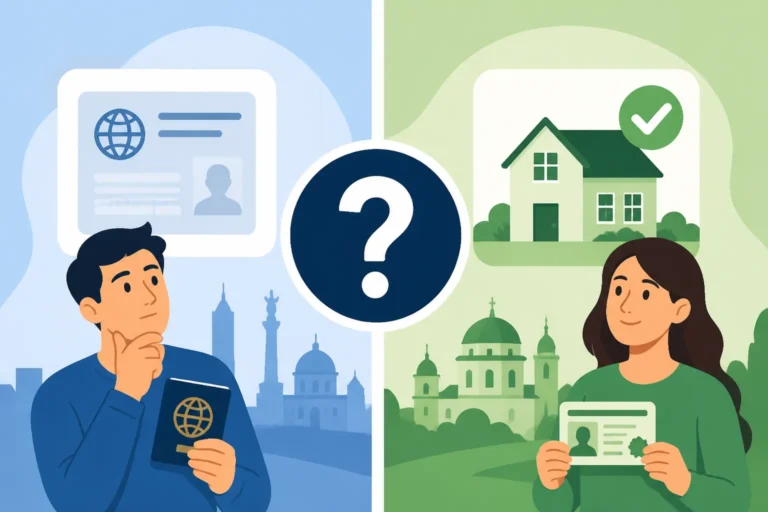
To help you visualise the key differences and benefits, here's a quick comparison of temporary versus permanent residence in Serbia:
| Feature | Temporary Residence (Privremeni Boravak) | Permanent Residence (Stalni Boravak) |
|---|---|---|
| Validity Period | Typically 1 year, requires annual renewal | Typically 5 years (card renewal), status is essentially indefinite |
| Renewal Process | Annual application with extensive documents, based on initial grounds | Renew card only (administrative process), no re-application of status |
| Travel Restrictions | Shorter permitted absences (e.g., up to 90 days out of 180 total) | Longer permitted absences (e.g., up to 1 year continuous, 3 years total in 5) |
| Work Rights | Requires work permit or single permit, tied to employer/self-employment | Free access to the labour market, no work permit needed |
| Healthcare Access | Usually private health insurance required for first permit, then RFZO upon employment/self-employment | Full access to public RFZO system (mandatory contributions apply) |
| Social Benefits | Limited access to social benefits | Broader access to social benefits, closer to citizens' rights |
| Property Ownership | Possible, but can be complex for certain nationalities without reciprocity | Simplified process for property acquisition |
| Path to Citizenship | Pre-requisite, but not counted towards time until PR is obtained | Direct path to naturalisation after meeting additional requirements (e.g., 3 years as PR) |
| Financial Services | May have limitations for loans, mortgages, etc. | More favourable conditions for financial products |
| Voting Rights | No | No (reserved for citizens) |
Disclaimer
The information provided in this guide is intended for general informational purposes only and does not constitute legal, financial, or immigration advice. While we strive to keep the information accurate and up-to-date, laws and regulations in Serbia can change frequently. It is highly recommended that you consult with a qualified Serbian immigration lawyer or the Ministry of Interior (MUP) for the most current and specific advice pertaining to your individual circumstances. We do not accept responsibility for any loss or inconvenience arising from reliance on the information contained in this article.