How Do I Prepare My Home for a Serbian Winter?
Moving to Serbia can be an exciting adventure, full of cultural discoveries and new experiences, but when that first chill of autumn bites, a common expat worry begins to set in: how on earth do you keep your home warm and cozy through the notoriously long and often brutally cold Serbian winter? Trust me, I've been there, shivering through my first December, convinced my windows were decorative rather than functional. This comprehensive guide is here to walk you through everything you need to know, from understanding local heating systems to practical tips for insulation and battling the inevitable drafts, ensuring you're well-prepared for the season.
Understanding Serbian Winter Realities and Your Home's Characteristics
Before you even think about buying a new blanket or cranking up the heat, it's crucial to understand what you're up against. Serbian winters aren't just a bit nippy; they're a full-on, bone-chilling experience that can last for months. Your comfort, and frankly, your sanity, will depend on how well you adapt and prepare your living space.
The Cold Truth: What to Expect from a Serbian Winter
Let's not sugarcoat it: Serbian winters are serious business. From late November or early December right through to March, you can expect average temperatures hovering around freezing, often dipping well below zero degrees Celsius, especially at night or during cold snaps. Snowfall is common, sometimes heavy, blanketing cities like Belgrade, Novi Sad, and Niš, and transforming the landscapes into winter wonderland scenes. However, it's not just the low temperatures that get you; it's the damp cold. That persistent, penetrating chill seems to seep into the very walls of your home, making it feel colder than the thermostat might suggest. This moisture can also lead to issues like condensation and mold if not managed properly.
Many expats arriving from countries with milder winters, or even those accustomed to drier cold, find this aspect particularly challenging. You'll quickly learn that a good pair of slippers and thermal underwear are not just for the outdoors. The wind can be fierce, especially the Košava wind in Belgrade, adding another layer of chill to the mix. Roads can become icy, and pavements treacherous, so the desire to hunker down in a warm home becomes paramount.
Assessing Your Home's Heating System and its Quirks
One of the biggest variables in your Serbian winter experience will be your home's heating system. There’s no one-size-fits-all solution here, and understanding what you have, and more importantly, how it actually works, is key. Many expats, myself included, have spent their first winter in a state of confusion or frustration with heating, so let’s demystify it a bit.
Central Heating (Centralno Grejanje) is the most common system in apartment buildings in larger cities. This is typically managed by the municipality or building association. The good news is that you don't have to worry about running out of fuel or managing a boiler. The bad news? You often have little to no control over the temperature or the schedule. Heating usually kicks in around mid-October and shuts off in mid-April, but this can vary depending on external temperatures. There are days when it feels like an oven, and others when you’re bundled up indoors because the central heating hasn't quite caught up with a sudden cold snap. While it can be wonderfully warm, the lack of individual thermostats in many older buildings means you can't adjust it to your personal preference or turn it off if you go away for a few days, leading to potential discomfort or wasted energy. Your monthly utility bills in Serbia will include a fixed charge for central heating, regardless of how much you use it or how warm your apartment is. You can learn more about this in Understanding Water and Central Heating Bills in Serbia.
Electric Heating is prevalent in houses and many older apartments, or even newer ones that aren't connected to the municipal central system. This category includes various types. TA peći (thermal accumulation heaters) are common; these large, brick-filled units heat up overnight when electricity is cheaper, then slowly release heat during the day. They can be very effective if managed correctly, but they are bulky and require a bit of know-how. Then there are simple electric radiators (panelni radijatori or uljani radijatori), which are straightforward but can be incredibly expensive to run continuously. You might also encounter kaljeve peći, beautiful tiled stoves, which in modern homes are often decorative but sometimes still functional, requiring wood or coal. The main draw for electric heating is control – you can turn it on and off as you please. The major downside, however, is the cost. Electricity can be pricey, especially if you're heating a large, poorly insulated space solely with electric radiators. Monitoring your electricity consumption is crucial here, as bills can skyrocket. For information on setting up utilities, refer to The Expat Guide to Setting Up Utilities (Electricity, Water, Heating) in Serbia.
Gas Heating is less common for individual apartments in multi-unit buildings but can be found in some newer constructions or in houses. If you have gas heating, you'll typically have a gas boiler and radiators, giving you excellent control over your home's temperature. It's often considered more efficient than electric heating. Finally, in more rural settings or larger homes, wood-burning or pellet stoves are still very much in use. These offer a charming, rustic warmth but require a significant commitment to sourcing, storing, and loading fuel. The cost of wood or pellets can fluctuate, but it's often a more economical option than electricity for heating large spaces.
Here's a quick comparison of common heating types:
| Heating Type | Pros | Cons | Typical Usage |
|---|---|---|---|
| Central Heating | Consistent heat, no personal maintenance | Limited control over temperature/schedule, fixed costs, can be too hot/cold | Most urban apartments |
| Electric Heating | Full control, flexible usage | Can be very expensive if not managed, bulky (TA peći) | Older apartments, smaller homes, supplemental heating |
| Gas Heating | Good control, often efficient | Requires gas connection, potential for maintenance issues | Newer apartments, houses |
| Wood/Pellet Stoves | Rustic charm, often economical (fuel) | Requires manual effort (loading, cleaning), fuel storage needed | Rural homes, larger houses, secondary heating |
Essential Preparations: Sealing, Insulating, and Ventilating
Once you understand your heating system, the next step is to make sure the heat you do generate stays inside your home. Many Serbian buildings, particularly older ones, aren't built to the same insulation standards you might be used to, making drafts and heat loss major adversaries in your battle against the cold.
Tackling Drafts: Windows, Doors, and Entry Points
Ah, drafts – the bane of every expat's first Serbian winter. You'll soon discover that a surprising amount of warmth can escape through tiny cracks around windows and doors, making your home feel perpetually chilly. The good news is that many solutions are simple, inexpensive, and incredibly effective.
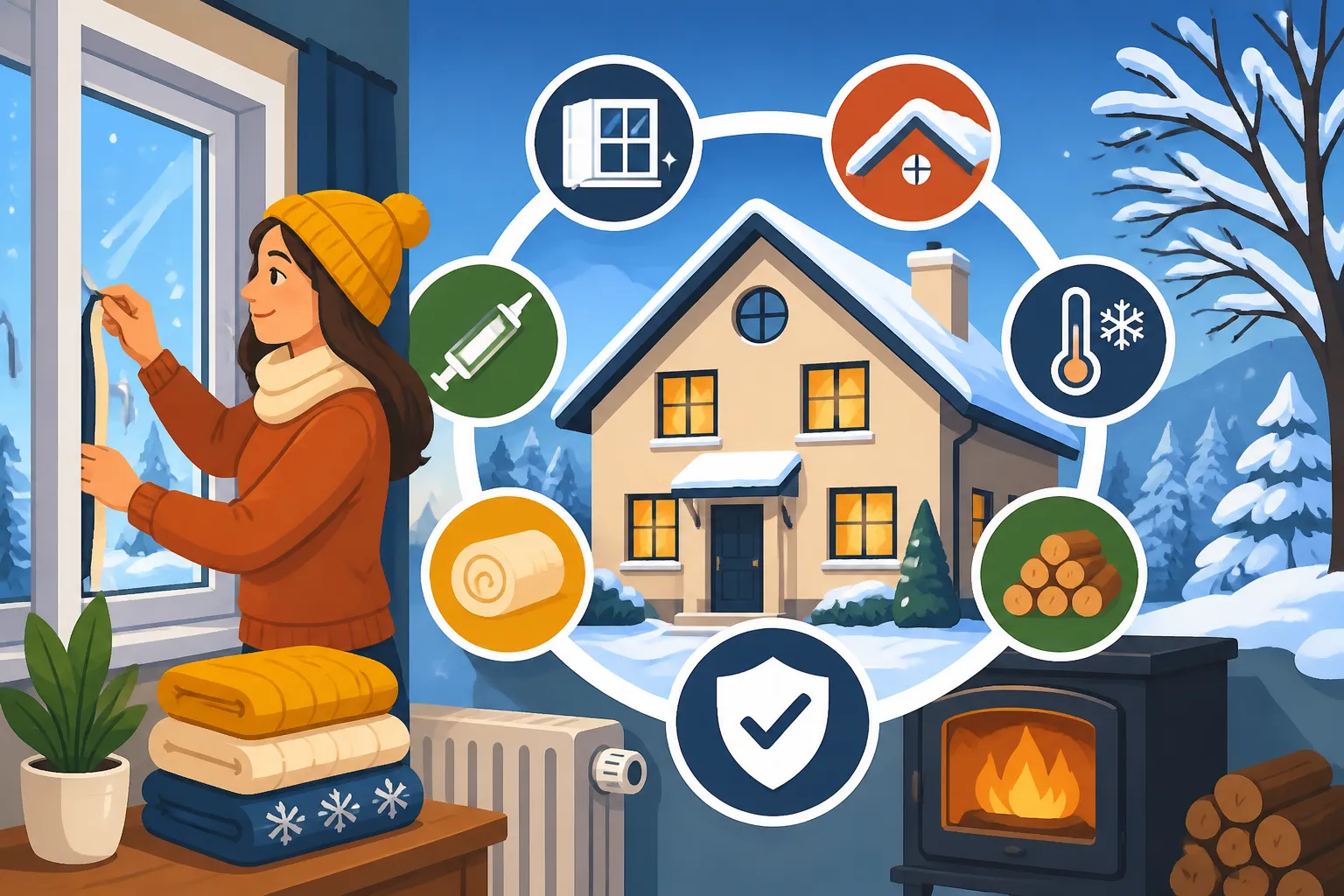
Start by doing a thorough draft audit. On a windy day, or with an incense stick, carefully check around all window frames, door frames, and any other external openings. You might be shocked at the air movement you detect! Many older apartments in Serbia feature traditional double-glazed wooden windows, which, while charming, can be notorious for gaps. The rubber seals around these windows often degrade over time. A quick fix is to apply weatherstripping (gumene trake), which you can find at any local hardware store like Uradi Sam or Okov. It's self-adhesive and comes in various thicknesses. For more persistent gaps, especially where the window frame meets the wall, silicone sealant (silikon) can be a godsend. It's a bit messier to apply but creates a much more permanent barrier.
Don't forget your doors! External doors, especially the main entrance to your apartment or house, are often significant sources of drafts. Invest in a door sweep (četka za vrata) that attaches to the bottom of the door, sealing the gap between the door and the floor. For internal doors leading to colder areas (like an unheated hallway or a poorly insulated room), or even external doors that don't have a sweep, draft stoppers (valjci za vrata), those fabric tubes you place at the bottom of the door, are fantastic. You can buy them or even make your own with some old fabric and rice. Many Serbian apartments also have a balcony, and the sliding doors leading to them are often culprits for allowing cold air in. Pay extra attention to sealing these, as they are typically larger surfaces with more potential for leaks. If you're renting, and the windows are truly dire, it's worth discussing potential upgrades with your landlord, as per your rental agreement details. Understanding the deposit and rental agreement process in Serbia can help clarify landlord responsibilities.
Maximizing Insulation and Heat Retention
Once you've sealed off the obvious draft culprits, the next step is to maximize the heat you're already producing. This is where a few strategic additions to your home decor can make a monumental difference. Think of it as giving your home a big, warm hug.
One of the most impactful changes you can make is to your window dressings. Get yourself some heavy, thermal curtains or blinds. These aren't just for aesthetics; they create an insulating layer between your windowpanes and your room, significantly reducing heat loss. During the day, especially if you have south-facing windows and the sun is out, open your curtains wide to let that precious solar warmth stream in. As soon as the sun goes down, or on particularly gloomy days, close them tightly to trap the heat inside. You'll be amazed at how much warmer a room feels with a good set of thermal curtains.
Another often-overlooked area is your floors. Many Serbian apartments, particularly in kitchens and bathrooms, have tiled floors, which can be incredibly cold to the touch in winter. Even wooden floors can feel chilly if there isn't sufficient insulation underneath. Laying down rugs or carpeting can make a huge difference, both in terms of insulating your feet from the cold floor and in adding an extra layer of thermal insulation to the room. Not only do they make your home feel cozier, but they also prevent a significant amount of heat from escaping downwards.
A clever, low-cost trick for maximizing radiator efficiency is to use radiator reflectors. These are simple foil-faced panels that you place behind your radiators. They work by reflecting heat that would otherwise be absorbed by the wall back into the room. You can find these at hardware stores, and they're especially useful for radiators on external walls. Finally, take a quick look at your furniture placement. Make sure sofas, armchairs, or large bookshelves aren't blocking your radiators. You want the heat to circulate freely throughout the room, not get trapped behind an obstacle. If your radiator is obscured, the heat will get absorbed by the furniture instead of warming your living space.
The Paradox of Winter Ventilation
It might seem counterintuitive to open your windows when you're trying to keep warm, but proper ventilation is absolutely crucial during Serbian winters. Skipping this step is a common expat mistake that can lead to unpleasant and unhealthy consequences, namely mold and dampness.
When you're constantly heating your home and keeping windows and doors sealed, moisture from breathing, cooking, showering, and even houseplants gets trapped indoors. This high humidity, combined with the cold external walls, creates the perfect breeding ground for mold (buđ), especially in corners, behind furniture, and in bathrooms. Not only is mold unsightly, but it can also pose significant health risks, particularly for those with allergies or respiratory issues.
The key is "shock" or "burst" ventilation. Instead of leaving a window slightly ajar all day, which actually just cools down your walls and allows heat to continuously escape, aim for short, sharp bursts of ventilation. Open your windows wide for 5-10 minutes, ideally creating a cross-breeze by opening windows on opposite sides of your home. This allows humid, stale air to quickly escape and be replaced by fresh, drier air, without letting your walls get thoroughly chilled. Do this once or twice a day, even when it's freezing outside. It might feel uncomfortable for a few minutes, but it will significantly improve your indoor air quality and help prevent dampness and mold growth. After your ventilation burst, close everything up quickly and your heating system will efficiently bring the temperature back up to comfort levels without much energy loss.
Practical Tips for Staying Warm and Managing Costs
Beyond structural preparations, there are many daily habits and small investments that can make a big difference in your comfort levels and your monthly budget during a Serbian winter.
Layering Up Your Home and Yourself
The Serbian approach to winter often involves a deep understanding of layering, not just for going outdoors, but for being indoors too. This might feel unusual if you're used to T-shirt temperatures inside, but embracing it will make your winter much more pleasant.
Firstly, embrace personal layering. Locals often wear thick socks, sweaters, and even vests inside, especially in homes where the heating is moderate or controlled centrally. Don't be shy about investing in some cozy indoor wear – it's part of the Serbian winter experience! Warm slippers are non-negotiable, especially on tiled or stone floors. You’ll be surprised how much warmer your entire body feels when your feet are toasty.
Secondly, think about layering up your bed. A good duvet (jorgan) is paramount. You might find that typical Serbian duvets are quite thick, and for good reason. Layering with extra blankets (ćebad) can also provide additional warmth. Flannel sheets are a game-changer, offering immediate warmth when you slip into bed. Consider a mattress topper for extra insulation from below if your bed feels particularly cold.
For those extra chilly nights or simply for an added touch of warmth while relaxing, don’t underestimate the power of hot water bottles (termos boca) or electric blankets (električno ćebence). These old-school solutions are incredibly effective at keeping you warm without needing to crank up the room temperature. A hot water bottle tucked into bed a few minutes before you get in can make all the difference, or an electric blanket can turn a cold sofa into a snug haven for reading or watching TV. These small, targeted heating aids are much more energy-efficient than trying to heat an entire room to an uncomfortable degree.
Smart Heating Strategies and Cost Management
With heating being one of the largest components of the cost of living in Serbia for expats, especially if you're on electric heating, employing smart strategies can save you a significant amount of money and stress.
If you are fortunate enough to have a heating system with individual control, like electric or gas heating, mastering your thermostat control is essential. Instead of trying to make your home feel like a tropical paradise, aim for a comfortable, consistent temperature, perhaps around 19-21°C (66-70°F) during the day and slightly lower at night. Drastically fluctuating temperatures require more energy to re-heat a space. Consider investing in a programmable or smart thermostat if your system allows, which can optimize heating schedules and potentially lead to significant savings.
Zone heating is another fantastic strategy. Why heat an entire apartment if you're only using one or two rooms? Close doors to unused rooms (like guest bedrooms or storage areas) and focus your heating efforts on the living areas and bedrooms you actually inhabit. This creates smaller, more manageable spaces to heat efficiently. For homes with multiple heating units, like several electric radiators, only turn on the ones in the rooms you'll be in for an extended period.
Monitoring your utility bills is critical, particularly for electricity. If you're using electric heaters, those bills can skyrocket, especially during peak cold months. Understand how to pay your utility bills in Serbia and keep an eye on your consumption. The Serbian electricity system uses a block tariff, meaning the more you consume, the higher the price per kWh. Being mindful of this can help you adjust your usage. While replacing all your appliances might not be feasible, if you are in the market for new items like refrigerators or washing machines, prioritize energy-efficient models (look for the A+++ ratings) as they will contribute to lower overall energy consumption.
Dealing with Unexpected Winter Woes
Serbian winters, while beautiful, can throw a few curveballs your way. Being prepared for common issues can save you a lot of hassle and potential damage.
Frozen pipes are a real concern during prolonged periods of extreme cold, especially in older buildings or homes with exposed plumbing. If the temperature drops significantly below zero and is forecast to stay there, a preventative measure is to leave a tap (perhaps in a rarely used bathroom or a utility sink) trickling very slightly overnight. The constant movement of water can prevent it from freezing solid. Ensure that any pipes in unheated basements, garages, or outdoor areas are well-insulated. If a pipe does burst, know how to turn off your main water supply immediately to minimize damage, and contact a handyman (majstor) or building management.
Mold and damp issues, as mentioned, are common. If persistent ventilation isn't quite cutting it, consider investing in a dehumidifier. These can effectively pull excess moisture from the air, reducing the conditions mold thrives in. Make sure to regularly empty the water reservoir.
While generally reliable, power outages can occur, especially in more rural areas or during heavy snowstorms that bring down power lines. Always have a backup plan. Keep a reliable flashlight or battery-powered lanterns easily accessible. A power bank for charging your mobile phone is also essential; you don't want to be caught without communication in an emergency. If you travel frequently or need reliable global connectivity, considering an eSIM like Airalo can ensure you stay connected even when local services might be disrupted during extreme weather conditions, giving you peace of mind.
Finally, if you live in a house, or a ground-floor apartment with a private entrance, be prepared for snow removal. While the city services usually clear major roads and pavements, your immediate pathway might be your responsibility. A shovel (lopata za sneg) and some rock salt (so za put) are handy items to have on hand. For apartment dwellers, building management typically handles common areas, but check with your kućni savet (building council) or landlord.
Integrating Tech and Services for a Smoother Winter
Even in a place as traditional as Serbia, there are modern solutions and professional services that can significantly ease the burden of winter preparations and ensure your home remains a haven of warmth.
Leveraging Smart Home Gadgets (Where Possible)
While Serbia might not be at the cutting edge of smart home adoption, many basic smart gadgets can still be incredibly useful, especially if you have an independent heating system.
If you have gas or electric heating with individual thermostats, upgrading to a smart thermostat can be a game-changer. Devices like Google Nest or Ecobee allow you to program heating schedules, control your home's temperature remotely via your phone, and even learn your habits to optimize energy usage. This means you can turn the heat on an hour before you get home, ensuring a warm welcome without wasting energy all day. It's a fantastic way to blend comfort with cost savings.
For persistent issues with dampness and mold, a humidity sensor or a smart hygrometer can provide valuable data. These devices monitor the humidity levels in your home, allowing you to identify problem areas and determine when you need to ventilate or run a dehumidifier. Some smart versions can even be integrated with smart plugs to automatically turn on a dehumidifier when humidity reaches a certain threshold.
Finally, don't underestimate the power of portable electric heaters. While not meant for primary heating, a small, efficient electric heater can be perfect for topping up the warmth in a specific room for a short period, such as a bathroom before a shower, or a home office that tends to be colder than the rest of the apartment. Look for models with ceramic elements and oscillating functions for efficient heat distribution. Just remember to use them sparingly to avoid those shocking electricity bills. Ensure your internet and mobile service in Serbia is reliable for any smart home devices.
Professional Help and Emergency Contacts
Sometimes, DIY solutions just aren't enough, or you encounter a problem that requires an expert touch. Knowing who to call can save you a lot of headaches (and frozen pipes).
For any issues related to window sealing, minor repairs, or checking your heating system (especially electric or gas ones), a good handyman (majstor) is invaluable. Finding a reliable, trustworthy majstor in Serbia is often done through word-of-mouth recommendations. Ask your Serbian friends, colleagues, or even other expats for their go-to contacts. Many majstori are skilled in various trades, from plumbing to electrical work, and can quickly diagnose and fix issues that are beyond your DIY capabilities. If you are renting and encounter major maintenance issues, your real estate agent or landlord should be your first point of contact. Knowing How to Find a Reliable Real Estate Agent in Serbia can be helpful here.
If you live in an apartment building with central heating, any problems related to its function (e.g., cold radiators when they should be hot, leaks) should be reported to your building management (upravnik zgrade) or the municipal heating company (Beogradske Elektrane in Belgrade). They are responsible for the system's maintenance and operation. Don't try to tinker with central heating radiators yourself beyond turning their valves on or off, as this can lead to larger problems.
It's also crucial to have emergency numbers at hand. While hopefully, you won't need them, knowing who to call in a crisis is vital. The general emergency number in Serbia is 112, but you can also directly dial 194 for an ambulance, 193 for the fire department, and 192 for the police. For a deeper understanding of medical emergencies, see Emergency Medical Care in Serbia: What Every Expat Needs to Know. Keep these numbers visible, perhaps on your fridge, along with your landlord's contact details and your majstor's number.
Preparing for Travel During Winter
If you're planning to escape the Serbian winter for a bit, or even embark on a larger move, a little foresight can prevent returning to a disaster.
If you're leaving your home vacant during winter, especially for an extended period, it's generally advisable to leave your heating on at a very low setting. This isn't just about comfort upon your return; it's a critical preventative measure against frozen pipes. A minimal temperature (e.g., 10-12°C or 50-54°F) is usually enough to keep the internal temperature above freezing and prevent pipes from bursting, which can cause catastrophic damage. Inform a trusted neighbor or your building manager that you'll be away, and provide them with an emergency contact number.
For those planning a bigger leap, like buying property in Serbia or relocating entirely, coordinating during winter requires extra planning. If you're undertaking a move, logistics can be more challenging with snow and ice, affecting transport and access. Companies like Sirelo can help you find reliable movers who are experienced in navigating various seasonal conditions, ensuring your belongings are safely transported. Whether you're moving your entire life or just heading out for a short break, being prepared for the winter elements will make the process much smoother.
Ultimately, preparing your home for a Serbian winter is about more than just staying warm; it's about creating a safe, comfortable, and healthy living environment. With a bit of proactive effort and understanding of local conditions, you'll be well-equipped to embrace the colder months with confidence and maybe even a newfound appreciation for a good pair of wool socks.
Disclaimer
The information provided in this guide is intended for general informational purposes only and does not constitute professional advice. While we strive to provide accurate and up-to-date information, circumstances in Serbia can change rapidly, and individual situations may vary. It is always recommended to consult with local professionals, such as real estate agents, legal advisors, or utility providers, for advice tailored to your specific needs. We do not assume any liability for decisions made based on this information.