What Is the Step-by-Step Process to Buy Property in Serbia?
So, you've fallen in love with Serbia – maybe it's the vibrant culture of Belgrade, the serene beauty of Fruška Gora, or the charming streets of Novi Sad – and now you're dreaming of making it truly your own with a piece of property. It's a fantastic goal, but let's be honest, navigating the property market in a foreign country can feel like trying to solve a Rubik's Cube blindfolded. The good news is, while the process might have its quirks and a fair bit of paperwork, it's absolutely achievable for foreigners. This guide is here to walk you through every single step, from that initial spark of an idea to holding the keys to your new Serbian home.
The Initial Dream and the Reality Check: Can Foreigners Even Buy Property in Serbia?
You’re picturing your new life, perhaps sipping coffee on a balcony overlooking the Danube or tending to a garden in a quiet village. That vision is powerful, but before you dive headfirst, it's crucial to understand the legal landscape for foreign property ownership in Serbia. Believe me, skipping this fundamental step can save you a world of headaches later on.
Understanding Your Eligibility as a Foreign Buyer
First things first: can you, as a foreigner, legally own property in Serbia? The short answer is generally yes, but there's an important principle at play: reciprocity. This means that citizens of a foreign country can buy property in Serbia if Serbian citizens have the right to buy property in their country. Most European Union countries, the United States, Canada, the UK, Australia, and many others have this reciprocal agreement in place.
However, there's a significant distinction often overlooked: what kind of property can you buy?
- Apartments and Residential Buildings: For most foreign individuals, buying an apartment or a house (a residential building) is straightforward, provided the reciprocity principle holds. This is the most common path for expats looking to settle down in cities like Belgrade or Novi Sad.
- Land and Agricultural Property: This is where it gets a bit trickier. Generally, foreign individuals are restricted from directly owning agricultural land. There are exceptions, particularly if you register a company in Serbia, which can then own land. If your dream involves a vineyard or a sprawling farm, you'll definitely need specialized legal advice on how to structure that purchase. You can read more about Understanding Property Ownership and the Market in Serbia (2027) to get a broader overview.
My advice? Always check the current reciprocity list, or better yet, consult with a Serbian lawyer specializing in real estate who can confirm your specific eligibility based on your nationality. Things can shift, and you don't want to get halfway through a deal only to hit a bureaucratic wall.
Gathering Your Financial Arsenal: The First Big Step
Alright, so you’ve confirmed you're eligible. Excellent! Now, let’s talk money. Buying property isn't just about having the cash; it's about proving you have it and having it in the right place.
- Proof of Funds: You'll need to demonstrate that you have the necessary funds to complete the purchase. This usually involves bank statements, a letter from your bank, or similar official documentation. The Serbian authorities want to ensure the money comes from legitimate sources, so be prepared for some scrutiny. It’s not uncommon for foreign buyers to feel a little overwhelmed by this, but it’s a standard anti-money laundering procedure.
- Consider a Serbian Bank Account: While you might not need a Serbian bank account to initiate the search, you will certainly need one for the transaction itself and for subsequent utility payments. Setting one up early can smooth things over. Funds will typically need to be transferred to Serbia, often to a notary's escrow account, or directly to the seller's Serbian bank account during the final stages. Having your own local account for these purposes, and for paying various fees and taxes, is a practical step. This process can be a bit opaque for newcomers, so a deeper dive into The Expat Guide to Opening a Bank Account in Serbia might be helpful.
Navigating the Market: Finding Your Perfect Slice of Serbia
Now for the exciting part: the hunt! Serbia's property market offers a diverse range, from bustling city apartments to tranquil rural homes. But how do you find that perfect match, especially when you're new to the local scene?
The Hunt: Online Portals vs. Local Knowledge
Just like anywhere else, Serbia has its popular online platforms for property listings. However, relying solely on them can be a challenge due to language barriers and the sheer volume of options.
- Online Portals: Websites like Halo Oglasi Nekretnine, Nekretnine.rs, or 4zida.rs are the big players. They offer extensive listings across Serbia, often with photos and basic details. While some may have English translation options, many listings are primarily in Serbian, and the nuances can get lost. You can spend hours scrolling, comparing, and getting a feel for prices and locations.
- The Value of Local Real Estate Agents: This is where a good, reputable real estate agent becomes invaluable. For foreigners, a local agent offers more than just listings; they provide crucial insights into neighborhoods, market trends, and often act as a de facto interpreter and cultural guide. They can help you navigate properties that might not even be listed online, leveraging their local networks. Look for agencies that specifically cater to expats or have English-speaking staff. They understand your unique needs and the potential frustrations. A good agent can save you from rookie mistakes and help you understand the true value of a property.
Due Diligence, Serbian Style: What to Look For
Before you even think about putting down a deposit, you must do your homework. This is where many foreign buyers can run into trouble if they’re not careful. Think of it as a deep dive into the property’s history and legal standing.
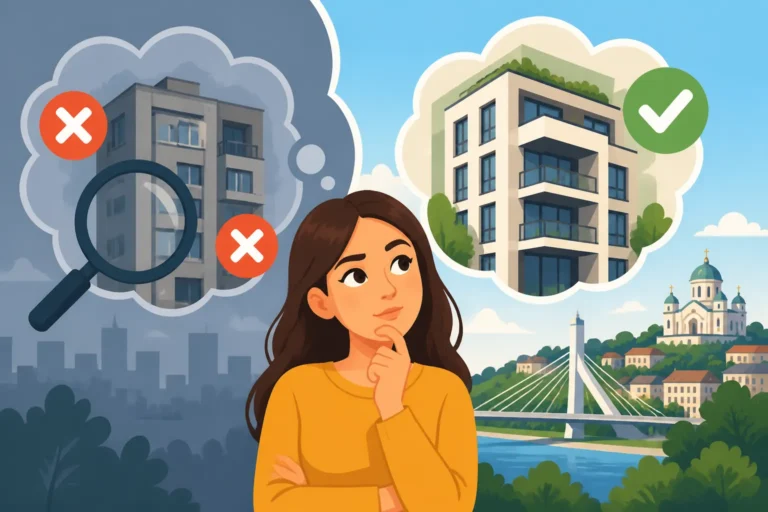
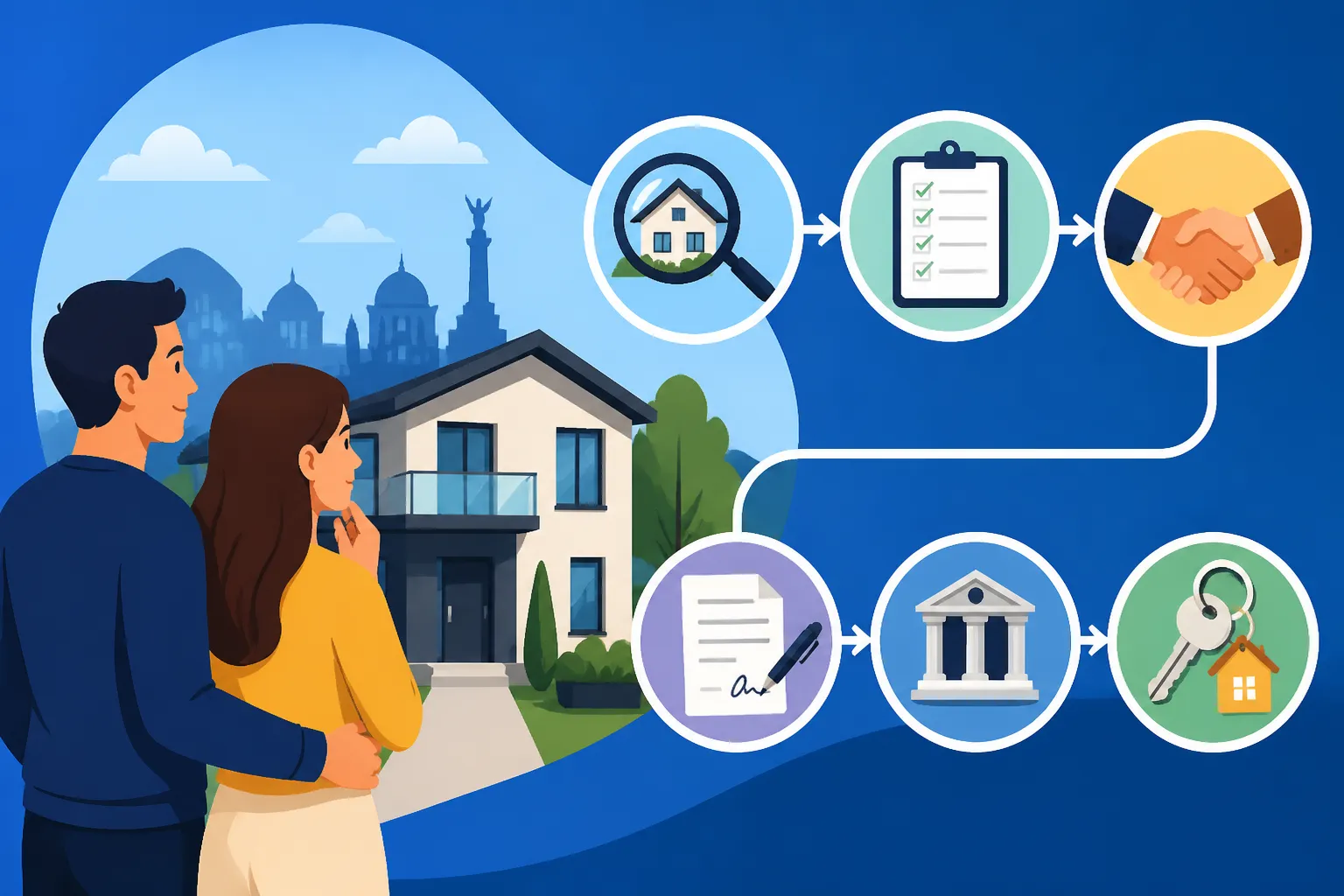
- Property Deeds and Legal Status (List Nepokretnosti): This is the single most important document. It’s the official record from the Cadastre (Republic Geodetic Authority – RGZ) that confirms who the legal owner is, the size and type of property, and critically, if there are any liens, mortgages, or other encumbrances on it. You want a "clean" deed, free of any nasties. Your lawyer (more on them later!) will meticulously check this.
- Construction and Usage Permits (Građevinska i Upotrebna Dozvola): Ensure the property was built legally and has all the necessary permits. This is particularly important for older properties or new constructions. Without proper permits, you could face legal issues down the road, making future renovations or even resale a nightmare.
- Urban Plans (Urbanistički Plan): Especially if you're buying land or a property with expansion potential, check the local urban plan. This document outlines what can and cannot be built in a specific area, future infrastructure projects, and zoning regulations. You don't want to buy a peaceful plot only to find out a multi-lane highway is planned right next to it!
- Existing Debts/Liens: Besides checking the cadastre for official liens, ask about unpaid utility bills or other common charges. While these might not legally transfer to the new owner, they can indicate financial issues with the seller and lead to hassle when you try to transfer utilities.
The Legal Labyrinth: Securing Your Investment
This is the most critical phase, where legal expertise is not just recommended, but essential. Navigating Serbian property law without professional help as a foreigner is akin to sailing without a compass.
Engaging a Trusted Legal Eagle (Lawyer)
I cannot stress this enough: hire a lawyer. And not just any lawyer, but one experienced in real estate transactions involving foreign buyers.
- Why a Lawyer is Non-Negotiable: A good lawyer will be your advocate, translating legal jargon, conducting thorough due diligence (as mentioned above), drafting or reviewing contracts, and ensuring all legal requirements are met. They'll spot potential red flags you would never see. They ensure the seller actually owns what they’re selling, and that you’ll actually own what you’re buying without hidden debts or legal challenges.
- Their Role: Your lawyer will verify the property's legal status, check the seller's identity and authority to sell, negotiate terms, prepare or review the pre-contract and main sales contract, and represent your interests at the notary public.
- Finding an English-Speaking Lawyer: This is crucial. Look for law firms in major cities like Belgrade or Novi Sad that explicitly advertise services for international clients or expats. A lawyer who can communicate clearly in your native language will be invaluable, minimizing misunderstandings and building trust.
The Pre-Contract (Predugovor) and Deposit
Once you’ve found "the one" and your lawyer has given it a preliminary green light, the next step is typically the pre-contract.
- Purpose and Importance: The pre-contract is a legally binding agreement that outlines the key terms of the sale, including the price, payment schedule, deadline for signing the main contract, and consequences if either party backs out. It shows your serious intent to buy and the seller’s commitment to sell.
- Deposit (Kapara): Along with the pre-contract, you'll typically pay a deposit, usually 5-10% of the purchase price. This deposit is usually non-refundable if you, the buyer, withdraw from the sale without a valid legal reason. Conversely, if the seller withdraws, they usually have to return double the deposit. This mechanism ensures commitment from both sides.
- Common Pitfalls: Ensure the pre-contract clearly defines all conditions, especially any outstanding issues that the seller needs to resolve before the final sale (e.g., legalizing an addition, clearing a debt). Your lawyer will make sure these protective clauses are in place.
The Main Sales Contract (Glavni Ugovor) and Notary Public
This is it – the big moment where ownership officially changes hands.
- Notary's Crucial Role: In Serbia, the presence of a public notary (javni beležnik) is mandatory for all real estate transactions. The notary is a public official who verifies the identities of the parties, ensures their legal capacity to enter the contract, confirms the contract's compliance with the law, and certifies the signatures. They are impartial and act as a guardian of legality. The main sales contract will be signed in their office.
- Signing and Verification: Both you and the seller (or your authorized representatives) will sign the main sales contract in front of the notary. The notary will then officially verify the contract. At this stage, the remaining payment for the property is usually made, often transferred directly from the buyer's account to the seller's account, or sometimes via an escrow account held by the notary if agreed upon.
- Registration of Ownership (Uknjižba): Once the main contract is notarized, the notary (or your lawyer) will submit it to the Cadastre (Republic Geodetic Authority). This step is crucial for formally registering you as the new legal owner of the property. Without this, your ownership is not fully recognized in public records. This process can take some time, but once initiated, you're legally protected. You'll definitely want to understand What Documents Do I Need to Buy Property in Serbia? for this stage.
Post-Purchase Realities: Taxes and Utilities
Congratulations, you're a property owner in Serbia! But the journey doesn't quite end there. There are still administrative steps to finalize your new status.
Understanding Property Transfer Tax and Other Fees
Unfortunately, buying property comes with its own set of additional costs beyond the purchase price.
- Property Transfer Tax (Porez na prenos apsolutnih prava): This is typically 2.5% of the market value of the property, as determined by the Tax Administration. It's usually paid by the buyer, though the contract might state otherwise. This tax isn't assessed on the purchase price alone; the Tax Administration has its own valuations, so don't be surprised if their assessment differs slightly from what you paid. Your lawyer will guide you on how and when to pay this. For a comprehensive overview, look into Understanding Property Transfer Tax When Buying in Serbia.
- Notary Fees: Public notaries charge fees for their services, which are based on the value of the transaction. These fees are regulated by law, so they are standardized.
- Lawyer Fees: Your legal counsel will, of course, charge for their indispensable services. This is usually a percentage of the property value or a fixed fee, depending on the complexity and agreement.
- Cadastre Registration Fees: There are also small administrative fees for registering your ownership with the Cadastre.
- Annual Property Tax (Porez na imovinu): Once you own the property, you'll be liable for annual property tax, paid to the local municipality. This tax is typically calculated based on the property's size, location, and age.
Here’s a quick summary of typical costs you might encounter:
| Cost Type | Description | Typical Burden | Average Range (as % of property value) |
|---|---|---|---|
| Property Transfer Tax | Mandatory tax on property sale (market value) | Buyer | 2.5% |
| Notary Fees | Fees for notarizing the sales contract | Buyer (or split) | 0.05% – 0.5% (capped, depends on value) |
| Lawyer Fees | Legal services for due diligence, contract review, representation | Buyer | 1% – 3% (or fixed fee) |
| Cadastre Registration Fee | Fee for registering new ownership with the Republic Geodetic Authority | Buyer | €50 – €150 (fixed fee) |
| Real Estate Agent Fees | Commission for finding the property and facilitating the sale | Buyer and/or Seller | 2% – 3% (from each party, or 4-6% total) |
Setting Up Your Serbian Home: Utilities and Beyond
Now that the legal and financial hurdles are mostly cleared, it's time to make your new place livable.
- Transferring Utility Contracts: This involves changing the names on the accounts for electricity (EPS), water, and central heating (if applicable) from the previous owner to yours. This usually requires a copy of your new property deed and your ID. It can be a bit of a bureaucratic dance, and having a Serbian-speaking friend or your real estate agent help you with the initial steps can be a huge relief. You can learn more about The Expat Guide to Setting Up Utilities (Electricity, Water, Heating) in Serbia.
- Internet and Mobile Services: Getting connected is a top priority for most expats. Serbia has excellent internet infrastructure in urban areas. Providers like Telekom Srbija (MTS), SBB, and Yettel offer various packages for internet, TV, and mobile phones. For immediate connectivity upon arrival or during your house hunting, considering an eSIM from providers like Airalo can be a lifesaver. It allows you to have a local number and data plan without the hassle of a physical SIM card or contract right away. Then, once you’re settled, you can sign up for a more permanent home internet solution.
- Registering Your Address (Prijava Boravka): As a new property owner and likely a resident in Serbia, you will need to register your address with the local police department (MUP). This is a crucial step for your official residency status. It's an administrative formality that confirms your physical address in Serbia and is tied to your temporary or permanent residence permit. Don't forget this! Check out How to Register Your Address (Prijava) with the Police in Serbia for the full details.
Overcoming the Hurdles: Practical Tips for Expats
While the step-by-step process might seem clear on paper, the real-world experience often throws in a few curveballs. Here's how to stay sane and successful.
The Language Barrier and Cultural Nuances
Serbian bureaucracy, much like in many countries, operates primarily in its native tongue.
- Importance of Interpreters or Bilingual Support: Unless you're fluent in Serbian, having an interpreter or a trusted bilingual individual by your side for crucial meetings (especially at the notary or MUP) is non-negotiable. Even if someone speaks English, relying on professional translation for legal documents is paramount to avoid misunderstandings that could have serious consequences.
- Understanding Local Customs in Negotiations: Serbian negotiations can sometimes be less direct than what you might be used to. There's a value placed on personal relationships and patience. Don't rush or appear overly aggressive. Let your agent or lawyer guide you through the local etiquette.
Patience, Persistence, and Professional Help
Buying property in a foreign country is rarely a swift transaction.
- It's a Marathon, Not a Sprint: Be prepared for paperwork, waiting times, and occasional delays. Things rarely happen at lightning speed. Approaching the process with a flexible mindset and a healthy dose of patience will save you a lot of stress.
- Reiterate the Value of Good Advisors: I’ve said it before, but it bears repeating: your lawyer and a good real estate agent are your most important allies. They navigate the complexities, protect your interests, and translate the nuances of the Serbian system. Don't try to cut corners by skipping professional help; it almost always costs more in the long run.
- Moving Logistics: Once your property is secured, the next big hurdle is moving your belongings. Whether it's across borders or just across Belgrade, coordinating international relocation can be a logistical nightmare. Platforms like Sirelo can be incredibly helpful here. They offer resources and help you compare quotes from international moving companies, making the process of bringing your life to Serbia much smoother. From packing to customs clearance, having a reliable mover is key to starting your new chapter stress-free. If you're planning a full relocation, you might find more value in The Complete Guide to Moving to Serbia: Your First 90 Days (2027).
Buying property in Serbia is an exciting adventure, full of potential rewards. While the process demands careful attention to detail and a good dose of patience, with the right professional guidance and a clear understanding of the steps involved, you can absolutely achieve your dream of owning a home in this beautiful country. It's a journey, but it's one that leads to calling Serbia truly your own.
Disclaimer
The information provided in this guide is intended for general informational purposes only and does not constitute legal, financial, or real estate advice. While we strive to keep the information up-to-date and accurate, laws and regulations in Serbia can change. It is essential to consult with qualified local legal professionals, tax advisors, and real estate agents for advice tailored to your specific situation before making any property-related decisions in Serbia.