How Do I Find Short-Term Accommodation in Serbia?
Finding short-term accommodation in a new country like Serbia can feel like a daunting task, especially when you're still getting your bearings. Many of us expats have been there, arriving with a suitcase and a vague idea of where we'll land for a few weeks or months, only to be overwhelmed by the local rental market's unique quirks. This guide is here to walk you through the labyrinth, offering practical, on-the-ground advice for securing a comfortable temporary home while you settle into your Serbian adventure.
Understanding Your Short-Term Accommodation Needs in Serbia
When you first arrive in Serbia, whether for a project, to scout out a potential new life, or just for an extended visit, the thought of committing to a year-long lease can be terrifying. That's where short-term accommodation swoops in to save the day, offering flexibility and a soft landing.
Why Short-Term Accommodation is a Lifesaver
For many of us who've moved here, short-term accommodation wasn't just a convenience; it was a necessity. Think about it: you're new, you probably don't know the city well, and you definitely don't know the landlords or the rental market. Jumping into a long-term lease, complete with signing contracts in Serbian (even with a translator, it's a lot!), paying hefty deposits, and sorting out utilities, can be an immense stressor right after you land.
Short-term options provide that crucial buffer. They give you time to explore different neighborhoods, understand the public transport routes, get a feel for the local vibe, and figure out what truly matters to you in a long-term home. Maybe you thought you wanted to be in the bustling city center, but after a month, you realize you crave the quieter, tree-lined streets of, say, Vračar in Belgrade, or perhaps the laid-back charm of Liman in Novi Sad. This initial flexibility is priceless. It also gives you breathing room to handle other critical administrative tasks, like getting your residence permit or figuring out how to set up internet in your Serbia home, without the added pressure of an immediate, binding long-term commitment.
Defining "Short-Term" in the Serbian Context
"Short-term" can mean different things to different people. In Serbia, it generally refers to anything from a few nights to a few months. For tourists, a few nights or weeks in a hotel or Airbnb is typical. For expats on a reconnaissance mission or waiting for their long-term lease to start, it usually means a month to three or even six months. Anything beyond six months often starts to blur into the "long-term" category, especially for landlords who prefer stable tenants.
It's important to be clear about your intended duration from the outset when communicating with potential landlords or agencies. The pricing structure can change significantly. A place that charges X amount per night might offer a substantial discount for a month-long stay, and an even better rate if you commit to three months. Don't be shy about asking for these longer-stay discounts; they are quite common. Also, be aware that anything over 30 days might trigger different local registration requirements for the landlord, which they might factor into their willingness to rent short-term. For anyone planning to stay for an extended period, understanding how to get a Long-Stay Visa (Type D) for Serbia is a crucial first step, as it will dictate your legal stay beyond the typical tourist visa-free period.
Key Considerations: Budget, Location, and Amenities
Before you even start scrolling through listings, take a moment to outline your priorities. This will save you a lot of time and potential headaches.
- Budget: Be realistic about what you can afford. While the overall Cost of Living in Serbia for Expats is generally lower than in Western Europe or North America, short-term rentals can sometimes feel disproportionately expensive compared to long-term ones, precisely because of their flexibility. A decent one-bedroom apartment in a good area of Belgrade for a month might cost anywhere from 500 to 1000 euros, depending on the season, quality, and exact location. Prices in Novi Sad and Niš tend to be a bit lower.
- Location: This is paramount. Do you need to be near a specific office? Close to an international school for your kids? Or perhaps you just want to be central to cafes and nightlife? Think about your daily routine and what kind of commute you're comfortable with. Belgrade, for instance, has distinct neighborhoods like Stari Grad for historical charm, Dorćol for a hip vibe, Novi Beograd for modern convenience, and Vračar for a mix of residential and trendy spots. Each has its own character and price point. Take a look at The Best Places to Live in Serbia for Expats: A Complete Guide to help narrow down your options.
- Amenities: What are your must-haves? Fast internet is almost always at the top of an expat's list, especially if you're working remotely. Do you need a fully equipped kitchen? Laundry facilities? Air conditioning (a godsend in Serbian summers)? A balcony? Pets allowed? Make a clear list, and don't compromise on the non-negotiables. Remember, asking about amenities like bedding, towels, and basic kitchenware is essential, as these can vary widely.
Popular Platforms and Strategies for Finding Short-Term Rentals
The Serbian short-term rental market has a lot to offer, but knowing where to look and how to navigate it is key. It's not always as straightforward as in other countries, and sometimes the best deals are found through less conventional channels.
Online Rental Portals: Your First Stop
For most people, online platforms are the natural starting point, and for good reason. They offer convenience, photos, and often reviews from previous guests.
- Booking.com and Airbnb: These are the giants, and you'll find a vast array of options, from entire apartments to private rooms, across all major Serbian cities. They are especially good for stays ranging from a few nights up to a month or two. The benefits are clear: secure payment, guest reviews, and relatively standardized listings. However, for longer "short-term" stays (2-6 months), the prices on these platforms can be significantly higher due to service fees and daily rate calculations. Always try to message the host directly through the platform to inquire about longer-term discounts. You might find some flexibility.
- Local Serbian Real Estate Websites: While many of these cater primarily to long-term rentals, some also list short-term or monthly options. Sites like Nekretnine.rs, Halo Oglasi Nekretnine, and 4zida.rs are popular. The challenge here is that listings are almost exclusively in Serbian, and you might need a local friend or a translation tool to help you navigate. The advantage is that you might find properties not listed on international platforms, potentially at a better price point because they avoid international platform fees. These are particularly useful if your "short-term" is closer to 3-6 months.
- Direct Apartment Management Companies: In cities like Belgrade, there are companies specializing in short-term and serviced apartment rentals. A quick Google search for "Belgrade serviced apartments" or "Belgrade short term rentals" will yield several results. These often offer a more hotel-like experience with cleaning services and professional management, making them ideal for business travelers or those who prefer a hands-off approach. They also tend to be more comfortable with slightly longer short-term leases (up to 6 months).
Facebook Groups and Expat Networks: The Word-of-Mouth Goldmine
Never underestimate the power of local expat communities! This is where you'll often find the real gems and invaluable advice that you won't get from an impersonal listing.
- "Expats in Belgrade" / "Expats in Serbia" Groups: Join these groups on Facebook immediately. Many expats leaving Serbia or going on extended holidays often sublet their apartments for a few months. These arrangements can be incredibly beneficial: fully furnished, often with utilities already set up, and a landlord (or sub-landlord) who is usually expat-friendly and understands your needs. You'll also find people posting about available short-term rooms or apartments, or you can post your own request outlining what you're looking for. The community aspect is also a huge plus – you might even find a new friend or two!
- Personal Connections: If you know anyone already in Serbia, leverage those connections. Serbs are incredibly hospitable and well-connected. A local friend might know someone with a spare apartment or a property that's usually rented out short-term. This can often lead to smoother negotiations and a more trustworthy experience.
Serviced Apartments and Aparthotels: Convenience at a Price
For those who prioritize convenience and a hassle-free experience, serviced apartments or aparthotels are excellent choices.
- What they offer: These are essentially fully furnished apartments within a complex, often offering hotel-like services such as regular cleaning, reception, and sometimes even a gym or breakfast. They bridge the gap between a traditional hotel room and a private apartment, providing more space and the ability to cook your own meals, which can be a huge budget-saver.
- When to choose them: They are perfect for business trips, individuals or couples, or short-term assignments where you want minimal fuss. The contracts are usually straightforward, and all utilities are typically included in the price. Brands like Saint Ten Hotel or City Break Apartments in Belgrade, for instance, offer units that feel more like home than a hotel room.
- Cost vs. Benefit: While generally more expensive than a private Airbnb for a similar duration, the inclusive nature (no surprise utility bills!) and amenities can make them a worthwhile investment for a comfortable, stress-free stay. They are also usually equipped for immediate move-in, including everything from kitchen utensils to fresh linens.
Real Estate Agents: For the Longer "Short-Term" Stay
If your "short-term" is leaning more towards 3-6 months and you're having trouble finding something suitable on your own, a local real estate agent can be a good option.
- How they help: Agents have access to a wider range of properties, including those not advertised online. They can also help bridge the language barrier and explain the intricacies of Serbian rental contracts. While many focus on long-term, some agents specialize in or are willing to assist with longer short-term leases, especially if it leads to a potential long-term arrangement.
- Fees: Be prepared to pay a commission, usually equivalent to one month's rent (paid by the tenant) or a percentage of the total rental value. This is a standard practice in Serbia, so factor it into your budget. You might also want to consult a guide on How to Find a Reliable Real Estate Agent in Serbia to ensure you're working with someone reputable.
| Accommodation Type | Best For | Pros | Cons | Typical Duration |
|---|---|---|---|---|
| Airbnb/Booking.com | Short Stays, Flexibility | Wide choice, reviews, secure payment, furnished | Can be expensive for longer stays, variable quality, host dependency | Days to 1-2 Months |
| Serviced Apartments | Business, Convenience | Hotel-like services, professional management, all-inclusive, secure | Higher cost, less "local" feel | Weeks to 6 Months |
| Facebook Expat Groups | Community, Local Deals | Potential for good deals, furnished, expat-friendly, direct contact | Less formal, requires vigilance against scams, can be competitive | 1-6 Months |
| Local Agencies/Websites | Longer Short-Term | Wider local inventory, agent assistance (for a fee), better rates | Language barrier, requires more effort, agent commission, less flexible | 3-6 Months (or longer) |
Practical Tips and Pitfalls to Avoid
Navigating a new country's rental market, even for short-term stays, comes with its unique challenges. A little preparation and awareness can save you a lot of hassle.
Document Preparation and Communication
Before you even start looking, get your paperwork in order and be ready to communicate clearly.
- Passport and Visa/Residence Permit: Always have copies of your passport and any relevant visa or temporary residence permit handy. Landlords are legally required to register your stay with the police (Prijava Boravka), and they will need your details for this. This is especially important if you're staying for more than a few days, so understanding How Do I Register My Address (Prijava) in Serbia? is crucial.
- Proof of Funds: Some landlords, especially for longer short-term stays, might ask for proof that you can pay the rent. This could be a bank statement or a letter from your employer.
- Language Barrier: While many younger Serbs and those in hospitality speak English, older landlords or those in less touristy areas might not. If you're arranging a private rental, having a Serbian-speaking friend or using a translation app for initial communication can be immensely helpful. Don't rely solely on Google Translate for contracts or important discussions; misinterpretations can be costly.
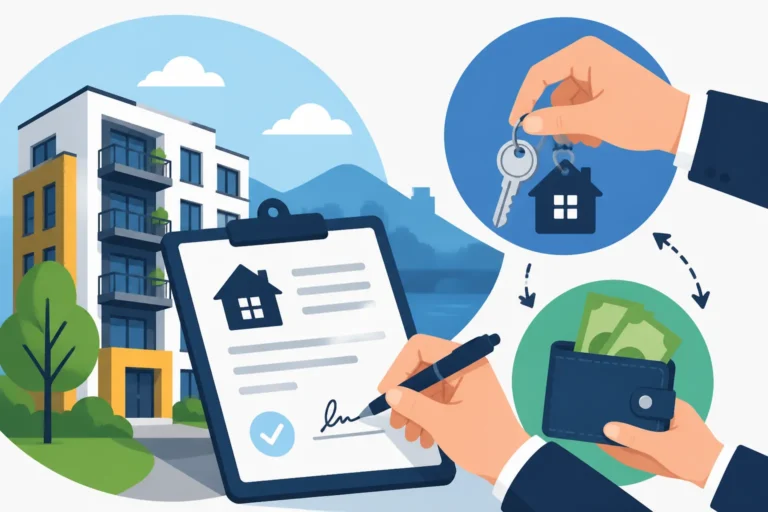
- The "Contract" for Short-Term Stays: For very short stays (days or a few weeks) through platforms like Airbnb, you typically won't sign a separate contract. The platform's terms of service govern the rental. However, for monthly or multi-month stays, even if "short-term," a simple rental agreement is advisable. It might not be as formal as a long-term lease, but it should clearly state the rental period, rent amount, what's included (utilities, internet), and deposit details. This helps protect both parties and helps you understand your Tenant and Landlord Rights in Serbia.
Payment and Deposits
Understanding how payments work is key to avoiding financial surprises.
- Currency: Rent is almost universally quoted in Euros, even though the official currency is the Serbian Dinar (RSD). You will typically pay in Dinars at the mid-market exchange rate on the day of payment. Be aware of this dynamic.
- Deposits: A security deposit is standard, usually one month's rent. For very short stays through platforms, the platform handles deposit collection and refunds. For private rentals, the deposit is paid directly to the landlord. Always get a receipt for your deposit, whether digital or physical. Before leaving, ensure you photograph the condition of the apartment to have proof in case of disputes about the deposit return. This is similar to How Do I Get My Rental Deposit Back in Serbia? for longer-term rentals, but often less formal.
- Utilities Included? For most short-term rentals, especially those booked through Airbnb, Booking.com, or serviced apartments, utilities (electricity, water, heating, internet) are included in the price. Always confirm this explicitly. For longer short-term private rentals (2-6 months), sometimes the landlord might ask you to pay for utilities separately, or they might cap the included amount. Clarify this upfront.
Location, Location, Location: Beyond Belgrade
Serbia is more than just its capital. While Belgrade is undoubtedly the largest hub and has the most short-term options, don't overlook other fantastic cities.
- Belgrade: As mentioned, Belgrade offers diverse neighborhoods. Stari Grad (Old Town) and Dorćol are highly sought after for their central location, historical ambiance, and abundance of cafes and restaurants. Vračar is more residential but upscale, with beautiful architecture. Novi Beograd across the Sava River is modern, with large apartment blocks, business centers, and good public transport links. If you need to be near international schools, you might look at areas like Senjak or Dedinje, though these are generally more expensive.
- Novi Sad: Serbia's second-largest city, Novi Sad, offers a more relaxed pace of life, a beautiful city center, and a vibrant cultural scene. It's often a more affordable option than Belgrade. Neighborhoods like Stari Grad (Old Town Novi Sad) or Grbavica are popular.
- Niš: In the south, Niš is another significant city, known for its rich history and Roman heritage. Accommodation here will generally be the most budget-friendly among the three major cities.
Choosing the right location depends entirely on your purpose for the short-term stay. Consider proximity to your workplace, desired amenities, and overall atmosphere.
Utilities & Connectivity: Staying Connected
Even for a short stay, reliable internet and phone service are non-negotiable for most of us.
- Internet: If utilities are included in your rental, Wi-Fi should be provided. Always ask for the Wi-Fi password upon arrival and test the connection immediately. If you're working remotely, good, stable internet is crucial. Most short-term rentals will have fibre internet, but it's worth a quick check.
- Mobile Connectivity: Getting a local SIM card is very easy and affordable in Serbia. Operators like MTS, A1, and Yettel offer prepaid plans with generous data allowances. You can pick one up at almost any kiosk or their official stores. This is great for local calls, maps, and having your own portable hotspot if needed. For ultimate flexibility, especially if you're country-hopping or just want instant connectivity without fuss, consider an eSIM service like Airalo, which allows you to purchase a data plan for Serbia directly to your compatible phone, often before you even land. This can be a lifesaver for navigating from the airport.
- Managing bills: If you're in a situation where you need to pay for utilities for a longer short-term stay, your landlord will typically guide you. They might handle it themselves and bill you, or give you the relevant payment slips. You can usually pay bills at post offices or through online banking.
Making the Transition Smoother
Once you've secured your short-term spot, you're not just done. There are a few more steps and mindsets that can make your initial time in Serbia much more comfortable and productive.
Settling In: Temporary Necessities and Comforts
Even if it's just for a few weeks, making your temporary space feel a little more like home can do wonders for your well-being.
- Groceries and Essentials: Locate the nearest supermarket (Maxi, Idea, Lidl are common) as soon as possible. Stock up on basic groceries, toiletries, and any cleaning supplies you might need. Don't forget essentials like bottled water, especially if you're not used to local tap water.
- Exploring Your Immediate Neighborhood: Take a walk around your block. Find the closest bakery (pekara for fresh pastries!), pharmacy (apoteka), and a nice cafe. Knowing your immediate surroundings will make daily life much easier and help you feel grounded.
- Adapting to Local Customs: Serbians are generally very friendly, but like anywhere, there are nuances. A simple "Dobar dan" (Good day) or "Hvala" (Thank you) goes a long way. Embrace the local pace; things might not always run with Western European efficiency, and that's often part of the charm.
- Medical Preparedness: While you're settling in, it's wise to locate a nearby pharmacy and know the emergency numbers. For urgent medical needs, dial 194 for an ambulance. Understanding Emergency Medical Care in Serbia: What Every Expat Needs to Know is critical. If your short-term stay might extend, research How to Find an English-Speaking Doctor in Serbia to be prepared.
Planning for the Next Step: From Short to Long-Term
Most short-term stays are just a precursor to something more permanent. Use this time wisely to plan your next move.
- Long-Term Apartment Search: While in your short-term accommodation, you'll have the bandwidth to seriously look for a long-term apartment. You'll know the city better, understand prices, and have a clearer idea of your needs. You can visit apartments, meet landlords in person, and negotiate without the pressure of needing a roof over your head tomorrow. Start by exploring How Much Does It Cost to Rent an Apartment in Belgrade in 2026? to get an idea of the market.
- Budgeting for the Move: If you plan on a more permanent relocation, remember that costs for moving household goods can add up. If your short-term stay is a precursor to a more permanent move, comparing international movers through platforms like Sirelo can help you prepare for eventually bringing all your belongings over.
- Administrative Follow-ups: Your short-term period is also ideal for ticking off other administrative boxes. Perhaps you need to register with the Tax Administration (Poreska Uprava) in Serbia, or decide which bank is best for expats in Serbia to open a long-term account. Don't leave these things until the last minute. The Serbian bureaucracy can be slow, so starting early is always a good idea.
Remember, finding short-term accommodation in Serbia is just the first puzzle piece. Embrace the process, ask questions, and don't be afraid to lean on the expat community for advice. Serbia is a wonderful country, and with a little patience, you'll find your perfect temporary (or even permanent!) home.
Disclaimer
The information provided in this guide is for general informational purposes only and does not constitute legal, financial, or professional advice. While we strive to keep the content up-to-date and accurate, laws, regulations, and market conditions in Serbia can change frequently. Always consult with relevant professionals (e.g., real estate agents, lawyers, immigration consultants, tax advisors) for advice tailored to your specific situation. We do not endorse any specific brands or services mentioned over others, and readers should conduct their own due diligence.