Understanding Building Maintenance Fees for Apartments in Serbia
One of the most perplexing aspects of settling into an apartment in Serbia, especially in bustling cities like Belgrade or Novi Sad, can be the opaque world of building maintenance fees. It's not just about paying your rent and utilities; there's a whole layer of shared costs, often referred to as zajednički troškovi, that can catch newcomers off guard. This guide will meticulously break down what these fees entail, how they're calculated, and how you can navigate them without losing your mind or your dinars.
The Basics of Zajednički Troškovi – What Are They Really?
When you rent or buy an apartment in Serbia, you're not just getting four walls and a roof. You're becoming part of a collective – the building community. And just like any community, there are shared responsibilities and costs to keep the common areas functioning, safe, and pleasant. These are your zajednički troškovi, or common expenses. They're designed to cover everything from the mundane to the essential, ensuring the building as a whole remains habitable. For many expats, this concept isn't entirely new, but the Serbian specifics can be quite different from what you might be used to back home.
More Than Just the Building – What's Included?
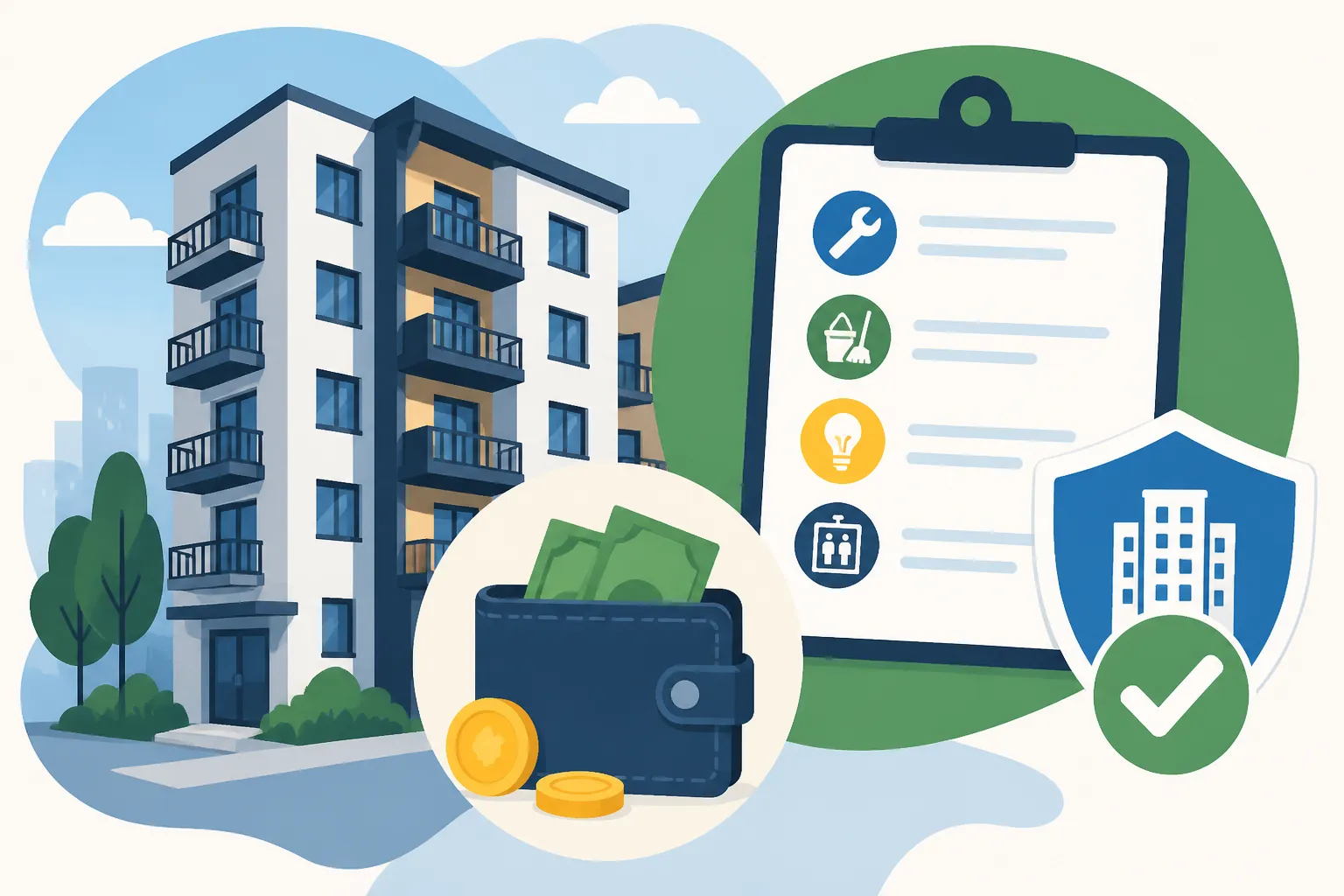
At its core, zajednički troškovi cover the upkeep of all shared spaces within your apartment building. Think of it this way: anything you use or benefit from that isn't exclusively inside your apartment is likely covered by these fees. This typically includes the costs associated with cleaning the stairwells, hallways, and entrance areas. It also extends to the electricity consumed in these common spaces, such as corridor lighting. Beyond that, it encompasses minor repairs to shared infrastructure – a flickering lightbulb in the stairwell, a loose handrail, or a leaky pipe in the basement that affects multiple units.
But it doesn't stop there. Many buildings also have a fund for larger, more infrequent repairs, like roof maintenance, facade touch-ups, or repairs to the building's main water or heating systems. If your building has a shared garden or courtyard, the landscaping and maintenance of these areas will also fall under these common expenses. It's a broad category, and what's included can vary significantly from one building to another, often depending on the age, size, and amenities present.
Who Sets These Fees and How?
The crucial figure in determining and managing these fees is the Upravnik Zgrade, or Building Manager. This can be a professional company hired by the residents, or, in smaller, less complex buildings, it might be one of the residents themselves who volunteers (or is elected) for the role. The building manager is responsible for collecting the fees, organizing necessary maintenance, and generally overseeing the common parts of the building.
The fees themselves are typically set through a decision made by the residents' association (Skupština stanara). This is usually done at a meeting where residents discuss the building's needs, approve a budget, and agree on the monthly contribution from each apartment. This is where things can get a bit tricky for expats who might not speak Serbian or fully grasp the local administrative nuances. Imagine a heated debate about replacing the old intercom system, all happening in rapid Serbian – it can be a lot to take in! Getting a clear explanation of how these decisions are made and what your vote means (if you're an owner) or how they impact your rental contract (if you're a tenant) is vital. If you're looking to rent, asking your potential landlord or real estate agent about the last Skupština stanara meeting or any planned major works can provide valuable insight. For assistance in navigating such discussions, having a reliable local contact or even considering a local SIM from providers like Airalo to ensure constant connectivity for translation apps can make a huge difference.
The Legal Framework: Zakon o stanovanju i održavanju zgrada
Serbia has a specific law that governs residential buildings and their maintenance: the Zakon o stanovanju i održavanju zgrada (Law on Housing and Building Maintenance). This law, enacted in 2016, outlines the rights and responsibilities of both apartment owners and the building management. It defines what constitutes common parts of a building, mandates the election of a building manager, and establishes the framework for how maintenance funds are collected and spent.
Understanding this legal basis is paramount, even if you're just a tenant. It means that these fees aren't just arbitrary charges; they are legally stipulated contributions towards the collective upkeep of the building. The law aims to ensure transparency and accountability, requiring the building manager to keep records of finances and maintenance activities, which should be accessible to residents. While delving into the full text of Serbian law might not be your idea of a fun afternoon, knowing that such a framework exists provides a layer of protection and clarity. It reinforces why these fees are mandatory and how the system is intended to operate, even if the reality can sometimes be a bit more… flexible.
Deciphering Your Monthly Infostan Bill and Other Charges
For anyone living in a major Serbian city, especially Belgrade, the Infostan bill is a monthly ritual. It's a consolidated bill that lumps together many of your household expenses, including some of those building maintenance fees. However, it's not always the only bill you'll receive for these shared costs, and understanding what's what can feel like cracking a secret code.
The Central Role of Infostan in Belgrade and Beyond
In Belgrade, and in many other municipalities across Serbia, Infostan acts as a centralized billing system for various utilities and services. This single bill typically includes your water consumption, central heating (if applicable), garbage collection, and often, a portion of the building's common maintenance fees. This system was designed to simplify payments for residents, bringing multiple charges under one umbrella.
The Infostan portion related to building maintenance usually covers the absolute basics: general cleaning of common areas, minor electrical repairs in hallways, and perhaps a contribution to a general repair fund. The amount you pay through Infostan for these zajednički troškovi is often calculated based on the size of your apartment or a fixed rate per apartment. While convenient, the breakdown on the Infostan bill itself can be somewhat vague, leaving expats wondering exactly what they're paying for. This is where you might need to lean on your landlord, a trusted friend, or a How to Find a Reliable Real Estate Agent in Serbia to help clarify the specific line items.
Beyond Infostan: Additional Fees and Special Assessments
Now, here's where it gets a bit more complex. While Infostan covers some basic zajednički troškovi, many buildings have additional, separate fees managed directly by the building manager or the residents' association. These "beyond Infostan" fees typically cover things that require a larger or more specific budget, such as:
- Professional building manager services: If your building has opted for a professional company to manage it, their fees will be collected separately.
- Elevator maintenance: For buildings with an elevator, there are regular inspection and maintenance costs that are almost always billed outside of Infostan.
- Larger repair funds: If the residents have collectively decided to save for a major renovation, like a new roof or facade repair, these contributions will be separate.
- Security or intercom systems: Upgrades or ongoing maintenance for these systems can also result in additional, distinct charges.
These separate fees are usually collected monthly, often via a direct payment to the building manager or a dedicated bank account for the residents' association. It's not uncommon for expats to be initially surprised by these "extra" bills, as they might have assumed Infostan covered everything. Always clarify with your landlord or agent exactly what other monthly charges exist beyond the standard Infostan when you're looking at How Much Does It Cost to Rent an Apartment in Belgrade in 2026?.
Understanding the Billing Cycle and Payment Methods
The Infostan bill is typically issued around the middle of each month for the services of the previous month (e.g., your January bill arrives in mid-February). It will have a due date, usually towards the end of the month it's issued. Payments can be made in several ways:
- Post offices: This is a very common method. You simply take your bill to any Serbian post office and pay it there. They will stamp your bill as proof of payment.
- Banks: Most banks also accept Infostan payments, often with a small commission.
- Online banking: Many local banks offer online payment options, which is the most convenient for many expats. You'll need a Serbian bank account and internet banking setup.
- Direct debit: Some landlords or building managers might offer a direct debit option, but this is less common for Infostan itself and more for private building fees.
For those separate building maintenance fees not covered by Infostan, the payment method can vary. Some building managers collect cash, which can feel a bit informal to newcomers but is a common practice. Others will provide bank details for direct transfers. It's crucial to get a clear understanding of the payment method and cycle for all fees before you How to Sign a Rental Contract and Pay a Deposit in Serbia. Make sure you get receipts for all payments, especially for cash transactions, to avoid any misunderstandings down the line.
Common Maintenance Fee Components Explained
Let's dive deeper into the specific elements that usually make up your building maintenance fees. It's not just a lump sum; it's an aggregation of various services and contributions, each essential to the smooth operation and longevity of your building.
Essential Services: Cleaning, Lighting, and Minor Repairs
These are the bread and butter of zajednički troškovi. They cover the day-to-day necessities that keep your shared spaces functional and presentable.
- Cleaning: This is perhaps the most visible service. A cleaning crew, or sometimes even a resident, will regularly clean the stairwells, entrance halls, and any other common interior areas. The frequency can vary, but typically it's once or twice a week. Without this, imagine the state of your building's entrance after just a few weeks of Belgrade's dusty summers or snowy winters!
- Common Area Lighting: The electricity consumed for lighting the hallways, stairwells, and sometimes exterior building lights is a collective cost. This ensures safety and accessibility, especially during the darker hours. If a bulb burns out, the building manager arranges for its replacement, and the cost is absorbed by these fees.
- Minor Repairs and Upkeep: This covers small, immediate fixes that pop up. A broken light switch in the hallway, a damaged mail slot, a squeaky entrance door hinge, or even replacing a damaged floor tile in a common area. These aren't huge projects, but they are vital for maintaining the building's quality of life and preventing small issues from becoming larger, more expensive problems.
These costs are generally quite stable month-to-month and form the predictable base of your zajednički troškovi. They're often bundled together, sometimes appearing as a single line item on your Infostan bill or a separate, fixed monthly payment to the building manager.
Emergency Funds and Major Renovations
Beyond the daily grind of cleaning and minor repairs, buildings also need to plan for the inevitable: larger, more costly repairs or unexpected emergencies. This is where an emergency fund or a specific fund for major renovations comes in.
- Emergency Fund: Many well-managed buildings maintain a small reserve fund. This is crucial for addressing sudden, unforeseen issues like a burst main water pipe, an electrical fault affecting the whole building, or urgent roof repairs after a severe storm. Having this fund means the building management can react quickly without having to chase individual contributions during a crisis. These contributions are usually a smaller, fixed amount per apartment each month.
- Major Renovation Funds: For bigger projects – think replacing the entire roof, renovating the facade, installing a new intercom, or upgrading the main heating system – a dedicated fund is often established. Residents agree on a project, a budget, and then a monthly contribution over a set period (e.g., 5-10 years) to accumulate the necessary capital. These can be significant sums, and they are typically discussed and approved at the annual residents' association meeting. While these are usually well-planned, they can sometimes come as a surprise if you're a new tenant and were not informed during your apartment search in Serbia.
Specifics for Buildings with Elevators or Shared Amenities
Some buildings offer additional features that, while convenient, naturally come with their own set of maintenance costs.
- Elevator Maintenance: If your building has an elevator, you can bet there's a specific, usually quite substantial, monthly fee for its upkeep. Elevators require regular professional inspections, safety certifications, and maintenance to ensure they are operating correctly and safely. This is a non-negotiable cost and is almost always separate from your basic Infostan bill. Older buildings with older elevators might even have higher maintenance costs.
- Shared Garages or Parking Areas: Buildings with underground garages or designated shared parking spaces will have fees associated with their maintenance. This includes lighting, cleaning, security systems, and repairs to ramps or gates.
- Intercom and Security Systems: Modern buildings often feature advanced intercom systems, security cameras, or even concierge services. Maintaining these technological installations requires regular servicing, software updates, and potential repairs, all of which contribute to your zajednički troškovi.
- Gardens and Green Spaces: If your building boasts a shared garden, terrace, or courtyard, funds will be allocated for landscaping, watering, and general upkeep to keep these communal green spaces looking their best.
These specific amenity costs are usually clearly itemized in the building's budget and are factored into the overall monthly contribution from residents. When considering an apartment, especially in newer developments, always inquire about all specific amenity-related fees.
The Impact of Building Age, Size, and Location
The amount you pay in building maintenance fees is not arbitrary; it's heavily influenced by several key factors related to the building itself. Understanding these can help you anticipate costs and choose an apartment that aligns with your budget and expectations when moving to Serbia.
Old vs. New Builds: A Tale of Two Fee Structures
The age of a building plays a significant role in its maintenance costs, and often, it's a trade-off.
- Older Buildings (e.g., pre-1990s): These charming, often centrally located buildings in areas like Vračar or Stari Grad in Belgrade come with character, but also potential challenges. Their infrastructure (plumbing, electrical wiring, roofs, facades) is older and more prone to needing significant repairs. While daily cleaning costs might be similar, the contributions to major renovation funds can be higher, or there might be more frequent "special assessments" where residents are asked for an extra lump sum to cover an unexpected, large repair. Furthermore, older buildings might not have modern insulation, leading to higher individual heating costs, which, while not a zajednički trošak, is still a cost to consider. These often feature charming but slow elevators that require more frequent (and expensive) repairs.
- Newer Builds (e.g., post-2000s): Modern apartment complexes, particularly in developing areas like Belgrade Waterfront or New Belgrade, generally have newer infrastructure, which should mean fewer immediate, large-scale repairs. However, newer builds often come with more amenities – shared gyms, underground garages, enhanced security systems, modern elevators, and sometimes even swimming pools or concierge services. While the "bones" of the building might be in better shape, the maintenance of these additional amenities can drive up the monthly fees significantly. The management of these buildings is often outsourced to professional companies, adding another layer of recurring cost. So, while you might avoid a surprise roof repair, you'll likely pay more for the upkeep of a fancy lobby or a heated garage.
How Apartment Size and Common Area Usage Affect Costs
The way maintenance fees are calculated can vary, but apartment size is a common determinant.
- Size-Based Calculation: Many buildings calculate common expenses based on the square footage of your apartment. The logic is that larger apartments usually imply more residents or a greater share in the building's overall footprint, thus a slightly higher contribution to shared costs. So, if you're in a sprawling penthouse, you'll likely pay more than someone in a cozy studio, even if you both use the same elevator. This is a prevalent model, particularly for the portions included in Infostan and for contributions to major renovation funds.
- Per-Apartment Fixed Rate: For very basic services like cleaning or a general administrative fee for the building manager, some buildings opt for a flat rate per apartment, regardless of size. This simplifies billing but can sometimes feel unfair to those in smaller units who might feel they're subsidizing larger ones.
- Usage-Based (Less Common for Building Fees): While individual utility bills for Understanding Water and Central Heating Bills in Serbia might be usage-based, it's rare for general building maintenance fees to be tied directly to your individual usage of common areas. The assumption is that everyone benefits from a clean stairwell or a working elevator, regardless of how many times they use it. However, costs for specific amenities like dedicated garage spots might be individually assigned.
Location, Location, Location: Urban vs. Suburban Differences
Just like with rent or property values, where your building is located in Serbia can subtly impact maintenance fees.
- City Centres (e.g., Belgrade, Novi Sad): Buildings in prime urban locations often have higher property values, and sometimes, the expectation for maintenance and services is also higher. They might have professional management, more frequent cleaning, or more elaborate security systems due to the denser population and higher traffic. Plus, the cost of labor for repairs can be slightly higher in metropolitan areas. Old buildings in city centers, as mentioned, can have significant renovation needs which translate to higher contributions.
- Suburban or Smaller Towns: Buildings outside the main city hubs, or in smaller towns, might have slightly lower maintenance fees due to lower labor costs for cleaning and repairs. They might also have a less formal management structure, with residents taking on more volunteer roles, which can reduce professional management fees. However, some older buildings in these areas might lack a proactive residents' association, meaning necessary repairs are delayed, potentially leading to larger, more expensive problems down the line. It's always a good idea to research the local context and the specific building when looking at apartments in places like Pančevo or even within the less central municipalities of Belgrade.
When you're comparing places to live, understanding these dynamics can help you budget more accurately. An apartment that seems cheaper in rent might have hidden maintenance costs that equalize the overall monthly outlay.
Navigating Disputes and Ensuring Transparency
Let's be honest: living in a community, even a vertical one, inevitably leads to disagreements. Building maintenance fees are a common source of friction, particularly when transparency is lacking. As an expat, you might feel particularly vulnerable, but you do have rights and avenues for addressing concerns.
Communicating with Your Building Management (Upravnik Zgrade)
The Upravnik Zgrade is your first and most important point of contact for anything related to common building issues. Whether it's a question about your latest bill, a concern about a repair, or a suggestion for improving a common area, they are the person (or entity) to approach.
- Initial Contact: Start by trying to communicate directly. If your building manager is a resident, they might be easily accessible. If it's a professional company, they should have an office or at least a dedicated phone number and email address. Always be polite and bring specific questions or concerns.
- Language Barrier: This is where things often get tricky for expats. Many building managers, especially resident volunteers, might not speak English. This is where having a local friend, a Serbian-speaking colleague, or even utilizing a reliable translation service comes in handy. Remember the importance of staying connected with services like Airalo that allow you to use data for translation apps. Don't be afraid to ask your landlord for help translating or mediating.
- Getting Information: Under Serbian law, the building manager is obligated to provide residents with information regarding the building's finances, including income and expenditure from maintenance fees. If you're an owner, you have a direct right to this. As a tenant, your right is usually exercised through your landlord, who can then request the information.
What to Do If You Disagree with the Fees
Finding an unexpected charge or feeling that a fee is unfair can be frustrating. Here’s a step-by-step approach:
- Request a Detailed Breakdown: Before anything else, ask for a clear, itemized breakdown of the fees. This should specify what each portion of your payment is for. Sometimes, simple clarification can resolve the issue.
- Refer to Meeting Minutes: If the fees relate to a major decision (e.g., a renovation fund), ask for the minutes of the residents' association meeting where the decision was made. These minutes should detail the discussion, the approved budget, and the voting results.
- Engage the Residents' Association: If you're an owner and still disagree, or if your landlord (as an owner) is also concerned, the issue can be raised at a residents' association meeting. Collective action is often more effective than individual complaints.
- Legal Recourse (Last Resort): For significant disputes, especially concerning non-transparent spending or refusal to provide documentation, legal avenues exist. The Law on Housing and Building Maintenance provides mechanisms for addressing grievances. However, this is usually a last resort and can be a lengthy, costly process, particularly if you don't have strong evidence. It's vital to seek proper legal advice in such situations. This ties into the broader topic of Understanding Tenant and Landlord Rights in Serbia, which can provide more context for your position.
The Importance of Building Meetings and Resident Participation
While perhaps not the most exciting way to spend an evening, participating in or at least staying informed about building meetings is crucial.
- Decision-Making Hub: The residents' association meeting (Skupština stanara) is where all important decisions about the building's maintenance, budget, and future projects are made. Your voice (or your landlord's, on your behalf) matters here.
- Transparency and Accountability: Active participation fosters transparency. When residents are engaged, it's harder for mismanagement or unclear spending to occur. It allows you to ask questions directly, review proposed budgets, and hold the building manager accountable.
- Community Building: Beyond the financial aspects, these meetings are also opportunities to get to know your neighbours and become part of the local community. Understanding the collective mindset and the building's specific issues can help you feel more settled and informed. It’s also where you might find out about upcoming projects that could affect your peace and quiet, or even temporary interruptions to services like water or heating.
Tips for Expats: Managing and Understanding Your Building Fees
As an expat, you have a unique set of challenges when it comes to navigating the Serbian administrative landscape. Building maintenance fees are no exception. Here are some practical tips to help you stay on top of things.
Language Barriers and Finding Reliable Information
The biggest hurdle for many newcomers is the language. Most official documents, bills, and communications from building management will be in Serbian.
- Learn Basic Serbian Phrases: Even a few key phrases related to housing and bills can make a difference. Words like račun (bill), platiti (to pay), problem (problem), upravnik (manager) will be invaluable.
- Google Translate and Other Apps: Keep your phone handy! Apps like Google Translate are incredibly useful for translating documents or real-time conversations. However, remember that nuances can be lost, so use them as a primary tool but seek human confirmation for critical information.
- Befriend a Local: This is perhaps the most effective strategy. A trusted Serbian friend or colleague can be an invaluable resource, helping you understand documents, make phone calls, or even accompany you to meetings.
- Utilize Your Landlord or Agent: If you're renting, your landlord or real estate agent (if you used one) should be your primary resource. They know the building, the management, and the system. Don't be shy about asking them to clarify every single charge and explain how payments work. A good landlord will understand and assist. If you’re moving internationally, services like Sirelo can provide general moving assistance and connect you with local resources that might offer translation or administrative support.
Budgeting for Unexpected Building Costs
Serbia, like any country, can throw a few curveballs. While you might have a clear idea of your monthly rent and How Much Is the Average Utility Bill for an Apartment in Serbia?, those "unexpected" building costs can mess with your budget.
- Ask About Renovation Plans: When looking at an apartment, specifically ask if any major renovations are planned for the building in the near future (e.g., roof, facade, elevator). If so, inquire about the expected special assessments or increased fees.
- Factor in a Buffer: Always budget a small buffer for unforeseen costs. A common emergency might be a sudden increase in a fund contribution for an urgent repair, or a special assessment for something truly unexpected.
- Understand Your Lease: If you're renting, ensure your lease clearly states who is responsible for which building fees. Typically, zajednički troškovi are the tenant's responsibility, but special assessments for major capital improvements are usually the landlord's, as they add value to their property. Make sure this distinction is clear in your rental contract.
Leveraging Digital Tools and Local Support
While the Serbian system can sometimes feel a bit old-school, there are modern tools and communities that can help.
- Online Banking: Once you have a Serbian bank account, set up online banking. This makes paying Infostan and other separate building fees much easier than queuing at the post office. Many banks also have mobile apps, which are incredibly convenient.
- Expat Groups: Join expat groups on social media platforms (Facebook, Telegram, WhatsApp) specific to Serbia or Belgrade. These communities are often a goldmine of information, where other expats share their experiences, recommendations for English-speaking services, and advice on navigating administrative hurdles. Someone might have just dealt with a similar building issue!
- Professional Assistance: For significant investments like buying property, or if you're really struggling with complex building issues, don't hesitate to seek professional help. A local lawyer specializing in property law or an administrative assistant can provide invaluable guidance and ensure you're compliant and protected. They can even help you understand What Documents Do I Need to Rent an Apartment in Serbia? and how they relate to the various fees.
Understanding building maintenance fees in Serbia might seem like a daunting task, but with a bit of patience, proactive questioning, and the right support, you'll soon get the hang of it. Remember, you're not alone in this journey.
Disclaimer
The information provided in this guide is for general informational purposes only and does not constitute legal, financial, or professional advice. While we strive to provide accurate and up-to-date content, administrative rules and regulations in Serbia can change. It is always recommended to consult with local professionals, such as lawyers, real estate agents, or financial advisors, for advice tailored to your specific situation. We are not responsible for any actions taken based on the information provided herein.