How Do I Renew My Car Registration in Serbia?
Ah, the annual Serbian car registration renewal – a bureaucratic dance that often leaves even the most seasoned expat feeling a bit dizzy. You've navigated the initial hurdles of getting your vehicle on the road, perhaps even purchased one here, and now you face the yearly pilgrimage to various offices, hoping you haven't forgotten a single stamp or uplatnica. This guide is here to walk you through every step, demystify the process, and hopefully save you a few headaches (and maybe a few trips back and forth) as you renew your car's registration in Serbia.
Understanding the Annual Ritual of Car Registration in Serbia
Every year, like clockwork, it's time to renew your car's registration here in Serbia. For many of us, it feels like a necessary evil, a hurdle that demands patience and meticulous attention to detail. But understanding why it's mandatory and what exactly is involved can make the process a little less daunting. It's not just about getting a new sticker; it's about ensuring road safety, environmental compliance, and fulfilling your civic duties.
Why Renewal is Mandatory and What Happens If You Don't
Let's be clear from the get-go: renewing your car registration in Serbia isn't optional. It's a strict legal requirement for every vehicle on the road. The system is designed to ensure that all cars are roadworthy, properly insured, and that all necessary taxes and fees are paid to contribute to the upkeep of the infrastructure we all use. Think of it as Serbia’s way of keeping its roads (and its citizens) safe and sound.
If you let your registration lapse, you're looking at some serious consequences. First and foremost, driving an unregistered vehicle is illegal. You could face hefty fines, have your vehicle impounded, and potentially even lose your driver's license for a period. Imagine being pulled over by the police, only to discover your registration expired last week – that’s a conversation no one wants to have in Serbian, especially if your language skills aren’t quite fluent yet. Furthermore, if you’re involved in an accident with an unregistered vehicle, your mandatory third-party liability insurance might be invalid, leaving you personally responsible for all damages, which can be financially catastrophic. It’s a mess, and one that’s easily avoided by tackling the renewal process head-on.
Key Documents You'll Need and Why They're a Pain to Gather
Alright, let’s talk about the paperwork. This is often where the frustration really sets in for us expats. The Serbian administrative system, while steadily digitizing, still loves its stamps and original documents. It's not enough to simply have the information; you need it on the right piece of paper, in the right format. Gathering everything can feel like a scavenger hunt, but it's crucial for a smooth renewal.
Here's a breakdown of what you'll typically need to prepare:
- Your Personal ID: This means your valid passport and, crucially, your Serbian residence permit (boravišna dozvola). If you're wondering how to get or renew that, make sure you've explored resources like The Complete Guide to Serbia Visas and Immigration for Expats (2027). The MUP (Ministry of Interior) needs to verify you're legally residing in the country.
- Old Registration Certificate (Saobraćajna Dozvola): This is the existing document for your vehicle. Don't lose it!
- Proof of Ownership: This is usually your purchase agreement or invoice. If you've just bought the car, this will be particularly important.
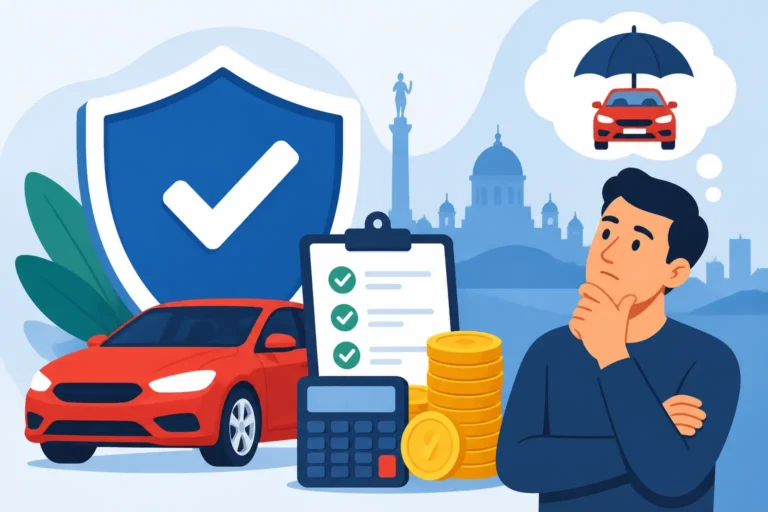
- Valid Insurance Policy (Polisa Obaveznog Osiguranja): You'll need proof of current third-party liability insurance, which you'll typically arrange right before or during the renewal process itself. For more on this, check out Understanding Car Insurance and Registration in Serbia.
- Proof of Technical Inspection (Potvrda o Tehničkom Pregledu): This is paramount. Your car needs to pass a yearly technical inspection to ensure it’s roadworthy. We’ll delve into this in the next section.
- Proof of Paid Taxes and Fees: This includes road tax, environmental charges, and administrative fees. These are often paid via multiple
uplatnice, those little payment slips that can feel like a puzzle.
The pain point here, as many of us have experienced, is that if even one document is missing or incorrect, you’ll be sent away to rectify it, often meaning another trip (or three!) across town. It's a system that truly tests your patience, but knowing exactly what's required ahead of time can significantly reduce the back-and-forth.
The Step-by-Step Process for Renewing Your Serbian Car Registration
So, you've gathered your documents (or at least you know which documents you need to gather). Now, let's break down the actual process. It's generally a four-step dance, and each step needs to be completed correctly for the whole thing to go smoothly.
Step 1: The Obligatory Technical Inspection (Tehnički Pregled)
This is where it all starts. Before you can even think about insurance or paying fees, your car absolutely must pass a technical inspection. This isn't just a quick glance; it's a comprehensive check of your vehicle's safety features and environmental compliance. You need to take your car to a licensed "tehnički pregled" (technical inspection) centre. These are plentiful and often found alongside car repair shops or petrol stations in larger cities like Belgrade or Novi Sad. Just look for the prominent "Tehnički Pregled" sign.
During the inspection, technicians will scrutinize everything from your brakes, lights, and steering to your tires, suspension, and exhaust emissions. They'll also check your car's physical condition for any damage or modifications. It's important that your car is clean and in good working order. Don't show up with a burnt-out headlight or worn-out tires, or you'll be told to fix it and come back. Modern inspection centres in Serbia are quite thorough, and the data from your inspection is immediately uploaded to a central database, so there's no fudging the results. Once your car passes, you'll receive a confirmation certificate, which is one of those crucial documents you'll need for the next steps.
Step 2: Sorting Out Your Mandatory Insurance (Obavezno Osiguranje)
With a fresh technical inspection certificate in hand, your next stop is to arrange or renew your mandatory third-party liability insurance. This insurance, known as obavezno osiguranje, covers damages you might cause to other vehicles or property in an accident. It's a legal requirement to have this coverage to drive in Serbia.
You have several reputable insurance providers to choose from, such as DDOR Osiguranje, Dunav Osiguranje, and Generali Osiguranje, among others. Many technical inspection centres have an insurance broker on-site, making it incredibly convenient to get a quote and purchase your policy right after your inspection passes. Alternatively, you can visit any insurance company branch directly or even arrange it online with some providers. Shop around a little if you have the time, as prices can vary slightly. They will issue you a policy, which will also be crucial paperwork for the final registration step. If you're curious about all the ins and outs of driving here, our guide on Driving in Serbia: Licences, Registration and Rules for Expats (2027) covers many related topics.
Step 3: Paying the Fees and Taxes (Don't Forget the Municipality!)
Now comes the part that can feel like a bureaucratic treasure hunt: paying all the associated fees and taxes. This is often the most confusing step for expats because it typically involves several separate payments to different government bodies. These usually include:
- Road Tax (Porez na Upotrebu Motornih Vozila): This is an annual tax based on your vehicle's engine size and age.
- Environmental Fee (Naknada za Zagađenje Životne Sredine): A smaller fee that contributes to environmental protection efforts.
- Administrative Fees: Various smaller charges for the registration process itself.
- Registration Plate Tax: Only if you are getting new plates (e.g., due to damage, loss, or a new vehicle).
You'll usually receive pre-filled payment slips, or uplatnice, from the technical inspection centre or registration agency. Each uplatnica specifies the amount and the recipient (e.g., municipal budget, republic budget). You can pay these at any post office (Pošta Srbije), commercial bank, or sometimes even through online banking if you have a Serbian bank account set up for bill payments. Make sure you get a stamped receipt for every single payment, as these receipts are your proof and are required for the final registration step. Missing even one receipt will send you back to the payment counter. For a broader understanding of how taxes work here, you might find The Complete Guide to Taxes in Serbia for Expats (2027) a helpful resource. If you're specifically interested in how to handle various payments in Serbia, including taxes, articles like How Do I Pay My Income Tax in Serbia? can offer more general guidance.
Step 4: The Final Visit to the Registration Point (MUP or Licenced Agency)
You've passed the inspection, secured your insurance, and meticulously paid all the fees. Congratulations! You're now ready for the final stage: submitting everything and getting your new registration documents. You have two main avenues for this:
- Directly at the MUP (Ministry of Interior): You can go to the local MUP branch that handles vehicle registration. This is usually the cheapest option, as you avoid agency fees. However, be prepared for potentially long queues, especially during peak times, and the process will be entirely in Serbian. You'll hand over all your gathered documents and proofs of payment, and they will verify everything. If all is in order, they'll issue you a new registration sticker for your windshield and potentially update your registration card.
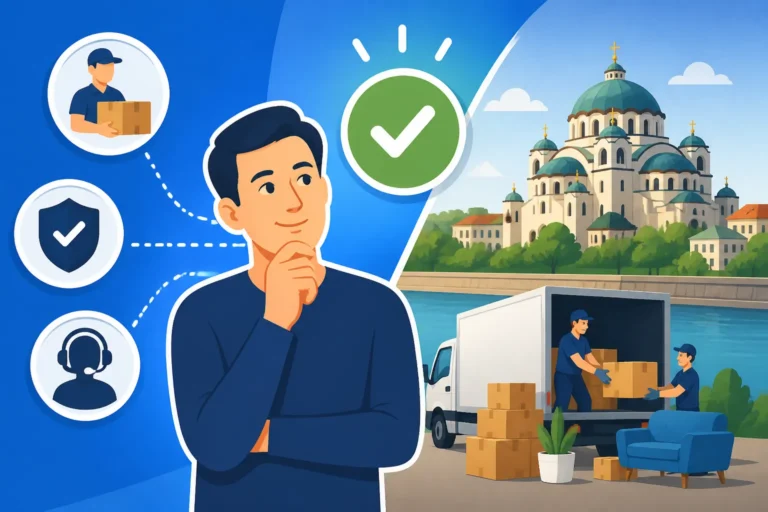
- Through a Licenced Registration Agency: This is often the preferred route for many expats, despite the additional fee. These agencies specialize in car registration, have direct access to the MUP system, and can handle all the paperwork for you. They’ll gather your documents, ensure everything is correct, manage the payment slips, and submit them to the MUP on your behalf. They act as an intermediary, saving you immense time and the frustration of navigating the MUP system in a foreign language. Many expats find the convenience well worth the cost, as agencies often provide English-speaking assistance. They will typically call you when your new sticker and documents are ready for pick-up. This option makes the entire process of How to Register and License a Car in Serbia much smoother.
The choice really depends on your budget, time, and comfort level with Serbian bureaucracy. Either way, once this step is complete, your car is officially renewed for another year!
Common Hurdles and Expat Tips for a Smoother Renewal
Living in Serbia as an expat means you’re constantly learning to navigate new systems, and car registration is no exception. It’s easy to feel overwhelmed, but with a bit of foresight and some insider tips, you can make the process less painful.
Language Barriers and Bureaucratic Maze Navigation
Let’s be honest, bureaucracy in any country can be a nightmare, but when you add a language barrier, it feels like an Olympic sport. Serbian administrative offices, while increasingly used to foreigners, are primarily Serbian-speaking environments. The forms, the verbal instructions, the questions – it can all quickly become confusing.
One of the biggest tips is to bring a Serbian-speaking friend or colleague if you decide to go the MUP route yourself. Even if they just sit with you and help translate key phrases, it makes a world of difference. Alternatively, utilize Google Translate on your phone for quick questions, but remember it’s not perfect. Many expat groups online can also offer advice or recommend agencies that are particularly expat-friendly. This is precisely why licensed registration agencies are so popular among foreigners; they bridge this language gap and handle the intricacies of the process for you, often having English-speaking staff. It’s a worthwhile investment to avoid unnecessary stress and delays.
The Importance of Timing and Avoiding Last-Minute Stress
The Serbian administrative machine, like many others, doesn’t appreciate last-minute rushes. If your registration expires, you face immediate legal consequences. My advice? Start the process at least three to four weeks before your current registration expires. This gives you ample buffer time to:
- Schedule and complete your technical inspection. If your car fails, you'll need time for repairs and a re-inspection.
- Resolve any issues with your documents (e.g., if something is missing or incorrect).
- Navigate potential queues at payment points or the MUP.
- Allow for processing time if you use a registration agency.
You absolutely do not want to find yourself scrambling in the final days, potentially unable to drive your car legally. It creates unnecessary pressure and often leads to mistakes. Plan ahead, mark your calendar, and give yourself plenty of breathing room.
What to Do If Your Car Fails Technical Inspection
It happens. Maybe a headlight is out, your brakes are a bit too worn, or your emissions are higher than allowed. If your car fails the technical inspection, don't panic. The good news is that they will tell you exactly what needs to be fixed.
You'll typically be given a short period (e.g., a few days to a week, though it's best to confirm the exact period with the inspection center) to make the necessary repairs. Take your car to a trusted mechanic, get the issues sorted, and then return to the same technical inspection centre for a re-inspection. Usually, if you return within the specified timeframe and only need to re-check the failed items, the re-inspection fee is minimal or even waived. If you take too long, or need a full re-inspection, you might have to pay the full fee again. So, address the issues promptly!
Here’s a handy checklist to help you stay organized during the car registration renewal process:
| Step | Action | Documents/Proof Needed | Estimated Time Required | Status |
|---|---|---|---|---|
| 1. Technical Inspection | Schedule and take your car for a full inspection. | Old Registration Certificate | 1-2 hours (if no issues) | |
| 2. Repair & Re-inspect (if needed) | Address any identified issues; return for re-inspection. | Repair invoices (optional but good to have) | Varies (repairs + re-inspection) | |
| 3. Obtain Insurance | Purchase or renew your mandatory third-party liability insurance. | Passed Technical Inspection Certificate, Old Reg. Cert. | 30 mins – 1 hour | |
| 4. Pay Fees & Taxes | Pay all required road tax, environmental fees, and administrative charges at a bank/post office. | Uplatnice (payment slips) |
30 mins – 1.5 hours | |
| 5. Final Registration | Submit all documents to MUP or a licensed agency. Collect new sticker/card when ready. | All documents from Steps 1-4, Personal ID | 1-3 hours (MUP) / 1-2 days (Agency) |
Special Cases and Considerations for Expats
While the general process remains the same for everyone, there are a few nuances and options that expats might find particularly relevant, especially given our unique circumstances of living in a foreign country.
New Plates, Change of Address, or Ownership Transfer
Most renewals will simply involve a new sticker for your current registration card. However, there are instances where you might need new physical license plates or have other changes to report:
- New Plates (Nove Registarske Tablice): You'll typically get new plates if your old ones are damaged, lost, stolen, or if you've recently purchased a used car and transferred ownership (though often the plates stay with the car unless changing regions). When you initially How to Buy a Car as a Foreigner in Serbia, this is often a part of the process. If you need new plates during renewal, the registration agency or MUP will inform you and calculate the additional fee.
- Change of Address (Promena Adrese): If you've moved residences within Serbia, you are legally required to update your address on your vehicle registration. This is usually done at the MUP, and you'll need proof of your new registered address (e.g., your updated residence permit or
prijava prebivališta). It's always best to keep all your official documents consistent. - Ownership Transfer (Prenos Vlasništva): If you are renewing a car that you've recently purchased, or if you're selling a car and the buyer is handling the renewal, the process involves a more complex ownership transfer step before renewal. This involves notary public certification of the sales contract and payment of property transfer tax. This is beyond a simple renewal, but it’s a good reminder that Understanding Car Insurance and Registration in Serbia has deeper dives into vehicle management.
Each of these scenarios adds a layer of complexity, so if any apply to you, it's highly recommended to communicate this clearly with your chosen registration agency or consult the MUP directly well in advance. Our guide The Complete Guide to Moving to Serbia: Your First 90 Days (2027) also touches on the initial administrative tasks foreigners face, and keeping vehicle documents up-to-date is definitely one of them.
Using a Registration Agency for Convenience
I can’t stress this enough: for many expats, using a licensed registration agency is a game-changer. They exist precisely to streamline this often-frustrating bureaucratic process. While they charge a fee for their services (which typically ranges from 2,000 to 5,000 RSD, though this can vary), the value they provide in terms of time saved, stress avoided, and language barriers overcome is often invaluable.
These agencies often operate like a one-stop shop. You bring them your car for inspection (or they arrange for it), provide your documents, and they handle everything from insurance quotes to paying the numerous fees and submitting your paperwork to the MUP. They'll even notify you when your new sticker and updated registration card are ready for pick-up. For those of us juggling work, family, and the general complexities of expat life, handing off this annual chore to someone who knows the system inside out is a huge relief. It frees you up to focus on other things, like maybe finally tackling How Do I Get a Serbian Driver's Licence?, if you haven't already.
Ultimately, renewing your car registration in Serbia is a process that demands diligence, but it’s entirely manageable. By understanding the steps, preparing your documents, and knowing when to seek professional help, you can ensure your vehicle stays legal and road-ready for another year.
Disclaimer
The information provided in this guide is for general informational purposes only and does not constitute legal or professional advice. While we strive to keep the information up-to-date and accurate, regulations and procedures in Serbia can change frequently. It is always recommended to consult with official government sources, a legal professional, or a licensed registration agency for the most current and specific advice regarding your individual situation. We assume no responsibility for any loss or inconvenience caused by reliance on this information.