Do I Need a Car to Get Around in Serbia?
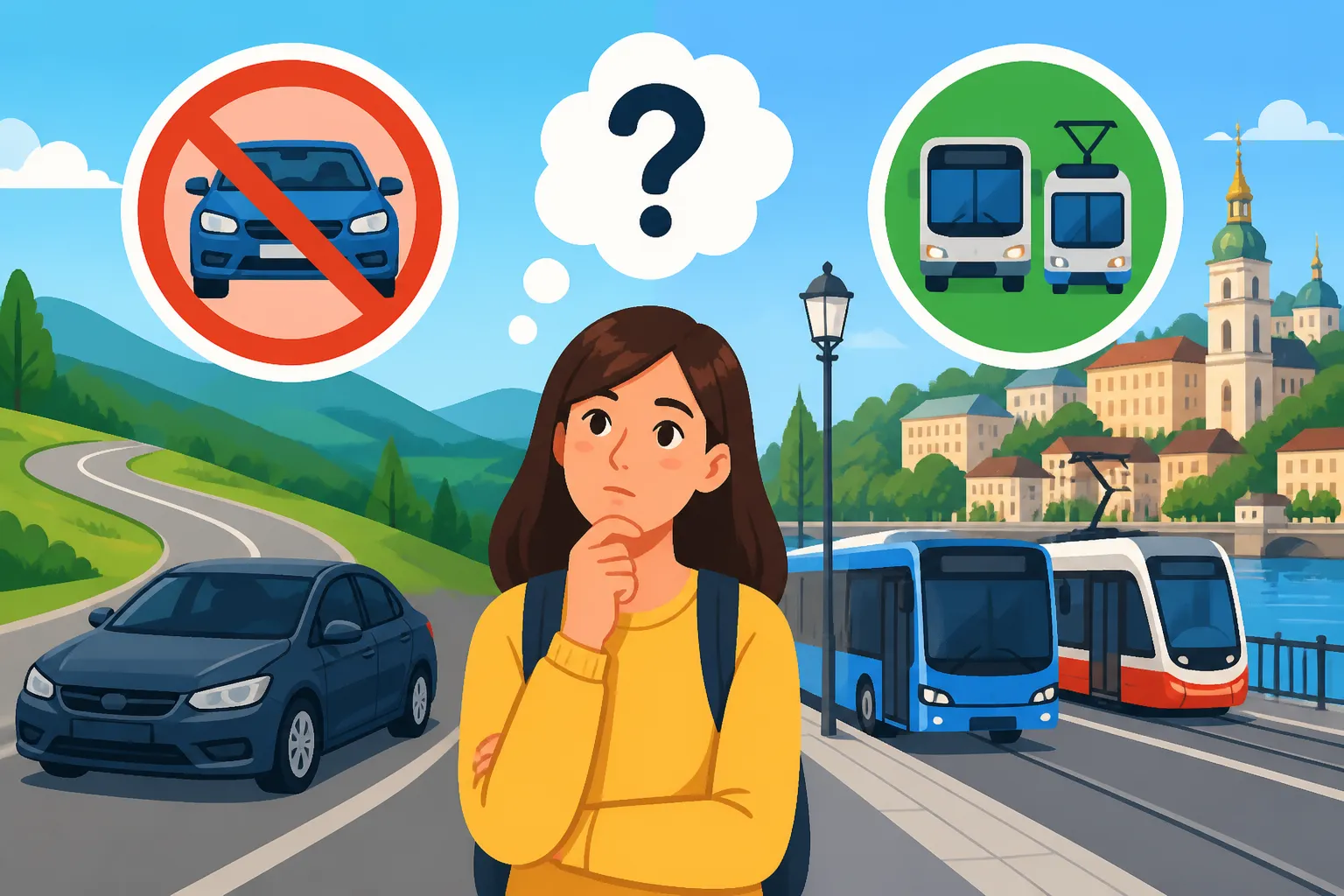
Let's face it, when you first land in a new country like Serbia, one of the biggest questions that pops into your head, especially if you're used to driving everywhere, is whether you actually need a car to get around. The thought of navigating unfamiliar roads, deciphering local traffic laws, and dealing with parking can be daunting. This comprehensive guide will walk you through the various transportation options available in Serbia, helping you decide if buying or bringing a car is truly essential for your expat life here.
Navigating Serbia's Urban Landscape: Public Transport and Alternatives
When you first arrive in Serbia's larger cities, you'll quickly realise that public transport forms the backbone of daily life for most residents. While it might not always be the most luxurious experience, it's generally reliable, affordable, and incredibly extensive, particularly in the capital.
Belgrade's Bustling Network
Belgrade, being the largest city, boasts the most comprehensive public transport system. You'll find a mix of buses, trams, and trolleybuses crisscrossing the city, connecting virtually every neighbourhood. It's an experience, to say the least – often crowded during peak hours, sometimes running a little behind schedule, but it absolutely gets you where you need to go. Learning the routes and understanding the ticketing system (the famous BusPlus card, or newer options like direct card payments on vehicles) is a rite of passage for every new expat. You can dive deeper into how to use public transport in Belgrade, which is invaluable for getting started.
The sheer volume of lines means that even if one bus is delayed, another is likely right behind it, or there's an alternative route to your destination. For instance, getting from New Belgrade to the city centre is a breeze with numerous bus lines, while trams are perfect for navigating the historical parts of Stari Grad and Vračar. While it can feel overwhelming initially, armed with a good app (like Moovit or Google Maps), you'll quickly become a pro at finding your way. Understanding the Belgrade Bus, Tram and Trolleybus Networks is key to mastering your commute without a personal vehicle.
Beyond the daily commute, Belgrade's public transport allows you to explore the city's vibrant cultural scene, from museums and galleries to restaurants and cafes, all without the headache of parking. Imagine catching a tram to Kalemegdan Fortress, or a bus to the bohemian Skadarlija, enjoying the sights without a single thought about where to leave your car. This freedom from parking woes and traffic jams often outweighs the convenience of a personal vehicle for many city dwellers.
Novi Sad and Niš: A Simpler Approach
Outside of Belgrade, cities like Novi Sad and Niš offer somewhat simpler, yet still effective, public transport systems. Novi Sad, often considered more relaxed, primarily relies on a network of buses that cover the city quite well. Distances are generally shorter here, making walking and cycling more viable options for many, especially if you live relatively close to the city centre or your workplace. The bus system is less complex than Belgrade's, making it easier for newcomers to grasp quickly.
Niš, too, operates a straightforward bus network that connects its main districts and surrounding areas. Like Novi Sad, it's a city where you can often walk to many destinations, and the need for a car for daily errands or commuting within the city itself is significantly reduced. Public transport here is also very affordable, adhering to the general Serbian standard of low-cost public services. For those settling in these charming cities, relying on local buses and your own two feet is a perfectly viable and often preferred mode of transport.
The charm of these smaller cities often lies in their walkability. From the historic core of Novi Sad to the bustling markets of Niš, many attractions and essential services are within a reasonable strolling distance. This not only saves you money on transport but also offers a wonderful way to immerse yourself in the local culture and discover hidden gems you might miss from behind a car window.
Taxis, Ride-Hailing, and Micro-Mobility
Even if public transport is robust, there are always those times when you need something more direct, or perhaps a bit more comfortable, especially late at night or when carrying groceries. This is where taxis and modern ride-hailing options come in handy. Traditional taxis are plentiful in all major Serbian cities. While some stories of overcharging might exist, generally, most taxis operate on a meter, and reputable companies like Pink Taxi, Naxis Taxi, or Lux Taxi in Belgrade are reliable. Always ensure the meter is on or negotiate a price before starting your journey if you suspect otherwise.
Beyond traditional taxis, ride-hailing apps like Yandex Go and CarGo have become incredibly popular, especially among expats. These apps offer transparent pricing, often track your route, and remove the language barrier, making them a stress-free alternative. They're usually cheaper than hailing a street taxi and provide a modern convenience that many foreigners appreciate. Just remember to have a local SIM card or an eSIM from providers like Airalo to ensure you have data for booking your ride!
For shorter distances, particularly in warmer months, micro-mobility options are emerging. E-scooters and shared bike schemes are popping up in Belgrade and Novi Sad, offering a fun and efficient way to zip around. While these services are still somewhat nascent compared to Western European capitals, they represent a growing trend towards sustainable urban transport. For expats who enjoy an active lifestyle, these can be fantastic for exploring the city or simply getting to your destination quickly without relying on public transport or a car.
Exploring Beyond the Cities: Intercity Connections
While urban centres are well-served, getting between cities and exploring Serbia's stunning countryside introduces a different set of considerations. Here, the options are still diverse, but the need for a personal vehicle might become more appealing depending on your travel style and desired destinations.
The Backbone: Bus Travel Across Serbia
For intercity travel, buses are unequivocally the king in Serbia. The bus network is incredibly extensive and connects virtually every town and village across the country, often with multiple daily departures. From Belgrade, you can easily reach Novi Sad, Niš, Subotica, Kragujevac, and countless other destinations. The main bus stations in cities like Belgrade's BAS (Beogradska Autobuska Stanica) are bustling hubs of activity.
Bus tickets are reasonably priced, and while the buses themselves can range from modern coaches to older models, they are generally comfortable enough for most journeys. Online booking platforms exist, but often it’s just as easy to buy a ticket directly at the station, sometimes even from the driver for smaller routes. For popular destinations like Novi Sad, buses run almost every 15-30 minutes, making spontaneous day trips entirely feasible without a car. This widespread, affordable service makes owning a car purely for intercity travel often unnecessary for most expats.
Consider a weekend trip to a spa town like Vrnjačka Banja or a historical site in the interior; you'll find direct bus lines connecting you. While these journeys might take a bit longer than driving yourself, they free you from the stresses of navigation, fuel stops, and parking upon arrival. Plus, you get to enjoy the scenic routes and observe local life unfolding outside your window, a unique perspective often missed when you're focused on the road.
Rail Travel: Scenic, But Limited
Train travel in Serbia offers a more relaxed, often scenic experience, but it's important to be realistic about its limitations. The rail network is not as developed or extensive as the bus system, and journey times can sometimes be considerably longer due to older infrastructure. However, there have been significant investments, such as the high-speed rail line connecting Belgrade and Novi Sad, which has dramatically cut travel times between these two major cities.
This new "Soko" train service between Belgrade and Novi Sad is a game-changer, offering modern, comfortable, and fast travel, making it an excellent option for commuters or day-trippers between these two hubs. For other routes, while slower, the trains can offer a charming, old-world feel, passing through picturesque landscapes that buses often bypass. For instance, the Belgrade-Bar railway (though most of it is in Montenegro) is famous for its breathtaking views.
If you enjoy a more leisurely pace and are not in a hurry, train travel can be a delightful way to explore certain parts of Serbia. However, for sheer coverage and frequency, especially to smaller towns, buses remain the superior choice. If you're a train enthusiast, it’s worth checking the specific routes and schedules, but don't expect it to be your primary mode of intercity transport.
Car Rentals and Ride-Sharing for Adventures
If the idea of exploring Serbia's national parks, monasteries nestled in remote hills, or picturesque villages off the main routes appeals to you, then renting a car becomes a highly attractive option. This provides the ultimate flexibility to stop wherever you like, deviate from planned routes, and access places not easily reachable by public transport. Rental car agencies are readily available in major cities and at Belgrade Nikola Tesla Airport.
Renting allows you to enjoy the benefits of having a car for specific trips without the long-term commitments and costs of ownership. Daily rates are generally reasonable, though they can increase during peak tourist seasons. Remember to familiarise yourself with local driving rules and road conditions, which can vary significantly between main highways and rural roads. Driving in Serbia: Licences, Registration and Rules for Expats (2026) offers a deep dive into what you need to know before hitting the road.
For a shared adventure or even a longer one-way trip, informal ride-sharing groups (often found on social media platforms) can also be an option, though these require a bit more trust and language skills. Ultimately, for those who crave independence and wish to truly delve into Serbia's lesser-known treasures, a rental car or even joining a tour with dedicated transport is often the best compromise between independence and avoiding car ownership.
The Big Question: When a Personal Car Becomes More Than a Luxury
Deciding whether to own a car in Serbia is a deeply personal choice, heavily influenced by your lifestyle, location, and daily needs. While many expats thrive without one, there are certainly situations where a personal vehicle transitions from a convenience to a near necessity.
Scenarios Where a Car is a Game Changer
Let's be realistic: while public transport is good, it doesn't solve every problem. If you live in a more rural area outside the main cities, public transport can be sparse and infrequent. For example, if you've chosen a village lifestyle near Novi Sad, having a car might be essential for regular grocery runs, doctor's appointments, or school commutes. This is where the charm of rural living meets the practical need for independent transport.
Families with young children often find a car indispensable. Imagine juggling strollers, car seats, and multiple bags of groceries on a crowded bus or tram. The convenience of simply packing everyone into your own vehicle, especially for school runs, weekend excursions to parks, or visiting relatives, is undeniable. Schools in particular, especially international ones in Belgrade like the International School of Belgrade or the British International School, might not always be on direct public transport routes from every residential area.
Furthermore, if your job requires frequent travel to different locations, site visits outside the city, or irregular hours, relying on public transport or taxis can quickly become impractical and expensive. Sales professionals, field engineers, or those working in industries with remote sites will likely find a car to be a crucial tool for their profession. For those considering buying, understanding How to Buy a Car as a Foreigner in Serbia is a vital first step.
The Hidden Costs and Realities of Car Ownership
Owning a car, no matter where you are, comes with a myriad of costs beyond the initial purchase. In Serbia, these include fuel (petrol prices fluctuate but are comparable to many European countries), maintenance, and mandatory annual registration and insurance. You'll need to budget for regular servicing, potential repairs, and seasonal tyre changes, which are legally required. How much is car insurance in Serbia? It varies significantly based on vehicle type, driver's age, and history, but it's a recurrent cost you cannot avoid.
Parking can be a significant headache, particularly in central Belgrade or Novi Sad. Finding a free spot is often akin to winning the lottery, and paid parking zones (zones with different time limits and tariffs) are widespread. Monthly garage rentals are an option, but they add another substantial cost. Dealing with traffic, especially during rush hour in Belgrade, can also be incredibly stressful and time-consuming, negating some of the "convenience" a car offers.
For new arrivals, the bureaucratic process involved in registering a car, dealing with Serbian paperwork, and potentially exchanging your foreign driver's licence can be a hurdle. You'll need to understand How to Register and License a Car in Serbia, which involves several steps and multiple government offices. It’s not impossible, but it demands patience and persistence, much like many administrative tasks here.
Balancing Convenience and Practicality
So, do you need a car? For most expats living in Belgrade or Novi Sad, especially those without children and with regular working hours, the answer is often no. The combination of efficient public transport, readily available ride-hailing services, and the sheer walkability of city centres makes car ownership a luxury, not a necessity. The money saved on car payments, fuel, insurance, maintenance, and parking can be better spent on exploring Serbia's culture, dining out, or even investing in more comfortable housing. Check out The Complete Guide to Cost of Living in Serbia for Expats (2026) to see how these savings can impact your overall budget.
However, if your life involves commuting to less accessible areas, frequent family trips, or a job that demands mobility, a car quickly shifts from a "nice-to-have" to a "must-have." For those who love weekend getaways to remote national parks like Tara or Fruška Gora, or exploring quaint villages, the freedom a car provides is unparalleled. For such journeys, renting a car when needed, rather than owning one, is a common and often more economical solution. Sirelo, for instance, can assist with the logistics of moving your belongings, including potentially a vehicle, if you do decide to bring your own from abroad, simplifying a complex relocation.
Here’s a quick overview to help you weigh your options:
| Aspect | No Personal Car (Reliance on Public/Other) | With Personal Car (Ownership) |
|---|---|---|
| Daily Commute | Pros: Affordable, extensive in cities, no parking stress, less traffic frustration, eco-friendly. | Pros: Door-to-door, comfortable, schedule flexibility. |
| Cons: Crowded at peak times, potential delays, less convenient for multiple stops or heavy items. | Cons: Traffic, parking difficulties/costs, fuel costs, maintenance. | |
| Intercity Travel | Pros: Extensive bus network, affordable, relaxed (no driving stress), high-speed train for Belgrade-Novi Sad. | Pros: Ultimate flexibility, access to remote areas, ability to carry more luggage. |
| Cons: Less flexible schedules, limited train network, no direct access to very remote spots. | Cons: Fatigue on long drives, road conditions vary, higher travel costs (fuel, tolls). | |
| Family & Kids | Pros: Manageable for single children or older kids, taxi/ride-hailing for convenience. | Pros: Essential for multiple kids, strollers, car seats, school runs, family outings. |
| Cons: Challenging with infants/toddlers, strollers on public transport, juggling multiple items. | Cons: Higher insurance costs for family vehicles, safety concerns on unfamiliar roads. | |
| Cost & Maintenance | Pros: Significant savings on purchase, insurance, fuel, parking, repairs. | Pros: Asset ownership. |
| Cons: Occasional taxi/rental costs add up if used very frequently. | Cons: High recurring costs (fuel, insurance, registration, maintenance), depreciation. | |
| Flexibility | Pros: Free from driving stress, can relax/read on commute. | Pros: Spontaneous trips, personalized itineraries, no waiting for public transport. |
| Cons: Dependent on schedules, limited access to very remote or off-hour destinations. | Cons: Navigation challenges, potential for breakdowns, traffic stress. |
Ultimately, your need for a car boils down to your personal circumstances and desired lifestyle in Serbia. If you embrace city living, public transport and ride-hailing are likely sufficient. If you envision exploring every nook and cranny of this beautiful country, or if your family or work demands it, then a car moves from a luxury to a pragmatic choice. Before making a big decision, spend some time getting to know your neighbourhood and the public transport options available, and take a few weekend bus trips to see how you feel about relying on them. You might be pleasantly surprised at how well you can manage without your own set of wheels!
Disclaimer
The information provided in this guide is intended for general informational purposes only and does not constitute legal, financial, or professional advice. While we strive to ensure accuracy and timeliness, regulations and circumstances in Serbia can change. Always consult with relevant local authorities or professionals for specific advice tailored to your situation.