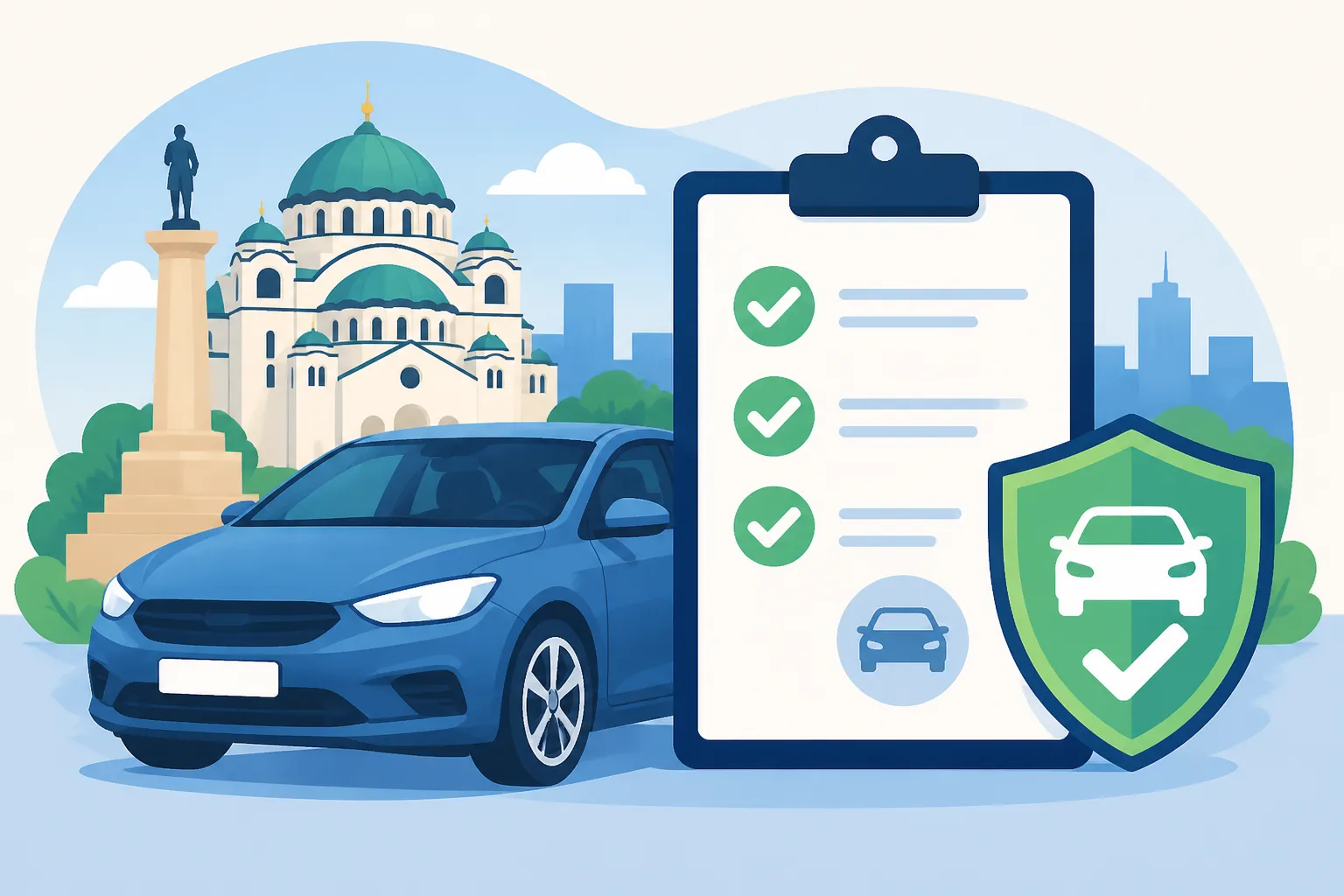
Understanding the Vehicle Inspection and Registration in Serbia
Ah, the joys of owning a car in Serbia as an expat! You've successfully navigated setting up your life, found a place, maybe even tackled some of the initial residency hurdles, and now you want to drive. But then you hit the administrative wall of vehicle inspection and registration. It feels like a never-ending cycle of forms, queues, and specific requirements that no one fully explains. This guide will meticulously break down the entire process, from the mandatory technical inspection to getting your shiny new plates, making sure you understand every step and what to expect.
The Initial Hurdle: Why Serbian Vehicle Registration Feels Like a Maze
If you're an expat, you've probably already come to terms with the fact that bureaucracy in Serbia can be, shall we say, a learning experience. It's a land of stamped papers, specific office hours, and processes that often rely more on local knowledge and word-of-mouth than clearly written guides. Vehicle registration is certainly no exception to this rule. It’s not just a quick stop at the DMV; it’s a multi-step journey involving specialized centres, specific timelines, and a fair bit of patience.
Understanding the Bureaucratic Landscape
Serbia's vehicle registration system is designed with a strong emphasis on road safety and accurate record-keeping, which is great in principle. However, for a newcomer, the sheer number of authorities involved and the sequence of steps can be overwhelming. You'll interact with designated technical inspection stations (where your car is thoroughly checked), the Ministry of Interior (MUP) for actual registration and issuing documents, and various banks or post offices for paying fees. Each entity has its own set of rules, documents, and procedures, and they don't always communicate seamlessly with each other. This disjointed approach means you are often the one bridging the gaps, carrying papers from one place to the next.
Common Expat Frustrations and Expectations
Let's be real, you're not alone if you've found yourself scratching your head, holding a stack of papers, and wondering what on earth comes next. Expats often face unique challenges. First, there's the language barrier; while more people speak English in larger cities like Belgrade or Novi Sad, when you're deep in an administrative process, official communication is almost always in Serbian. This means relying on helpful friends, a good translator, or an agent (more on that later). Secondly, the expectation of a streamlined, digital process, common in many Western countries, often doesn't align with the reality here. While some steps are becoming more digitized, many still require physical presence and paper documents. Thirdly, understanding the nuances of requirements, especially if you're importing a vehicle, can be incredibly tricky. It's easy to miss a seemingly minor detail that can send you back to square one. Don't let these frustrations deter you, though. With the right information, you can get through it.
The Crucial First Step: Vehicle Inspection (Tehnički Pregled)
Before your vehicle can even think about getting registered or having its registration renewed, it needs to pass a technical inspection, known as "tehnički pregled." This isn't just a cursory glance; it's a comprehensive check to ensure your car is roadworthy and meets all Serbian safety and environmental standards. Think of it as the gatekeeper to getting on the road legally.
What the Technical Inspection Entails
The technical inspection is a detailed examination of your vehicle's condition. Inspectors will meticulously check everything from your brakes, steering, and suspension to lights, tires, and exhaust emissions. They'll also verify the chassis number (VIN) and engine number against your documentation to ensure there are no discrepancies. A particularly important aspect is the environmental emissions test, which has become stricter over the years. If your vehicle produces excessive pollutants, it will fail, and you'll need to address the issue before re-inspection.
One of the more rigorous changes introduced in recent years is the photographic documentation requirement. Every vehicle undergoing inspection is photographed from multiple angles, and these images are digitally stored, preventing fraudulent inspections or overlooking obvious defects. This process generally takes between 30 to 60 minutes, depending on the type of vehicle and the station's efficiency. The goal is to catch any potential safety hazards or non-compliance issues before the car gets back on the road.
Finding a Certified Inspection Centre
You can't just go anywhere for your technical inspection. You need to visit a certified "tehnički pregled" station. These are private businesses licensed by the Ministry of Interior (MUP) to perform inspections. You'll see them scattered throughout cities and towns, often advertising their services prominently. Look for signs that say "Tehnički Pregled" or "Registracija Vozila" (as many also offer assistance with the registration process itself).
In larger cities like Belgrade, you’ll find numerous options. It's often a good idea to ask local expat groups or Serbian friends for recommendations for a reliable and (potentially) English-friendly station. Some stations might even offer a slight discount or a more efficient service if you become a regular customer, especially for annual renewals. It's generally a good practice to book an appointment in advance, although some smaller centres might accommodate walk-ins, particularly during off-peak hours.
Preparing Your Vehicle for Inspection
To avoid unnecessary delays or a failed inspection, it’s wise to give your vehicle a quick once-over before heading to the inspection station. This means checking:
- Lights: Headlights, tail lights, brake lights, turn signals, hazard lights – all must be fully functional.
- Tires: Ensure they have adequate tread depth and are properly inflated.
- Brakes: While they'll do a full brake test, make sure your handbrake is working effectively.
- Wipers and Washer Fluid: Essential for visibility.
- Horn: Must be working.
- Safety Equipment: You are legally required to have a first-aid kit, a reflective safety vest, a warning triangle, and a spare tire or tire repair kit (or run-flat tires if your car has them) in your vehicle. These items are often checked during the inspection.
- Documents: Have your previous registration certificate, insurance policy (if renewing), and any relevant ownership documents ready.
Sometimes, if your car is older or has known issues, a pre-inspection visit to a trusted mechanic might be a smart move. They can identify and fix minor issues that could lead to a failed inspection, saving you time and the hassle of a re-inspection. Remember, if you fail the initial inspection, you usually have a short window (often 3-5 days) to rectify the issues and return for a free re-inspection of the corrected items. Otherwise, you'll need to pay for a full new inspection.
Navigating the Registration Process (Registracija Vozila)
Once your vehicle has successfully passed its technical inspection, you're ready to tackle the actual registration. This is where you officially inform the state that your vehicle is legally allowed on Serbian roads. This process differs slightly depending on whether it's your first time registering the car in Serbia or if you're just renewing an existing registration.
Required Documents for Registration
This is often the trickiest part for expats, as the list can feel extensive and specific. Make sure you have originals and copies of everything. Here's a general checklist, though it's always best to double-check with your chosen registration agent or MUP directly, especially for complex cases:
- Proof of Technical Inspection: The certificate confirming your vehicle passed the tehnički pregled.
- Vehicle Registration Certificate (Saobraćajna Dozvola): If you're renewing, you'll need the existing one. If it's a new import, you'll need the original foreign registration documents.
- Proof of Ownership: This could be a purchase agreement, invoice, or customs declaration if you imported the vehicle. This is critical for new registrations.
- Proof of Identity: Your valid Serbian residence permit (lična karta for Serbian citizens, or your passport with residence stamp for expats). Don't forget to link to our guide on How to Get Temporary Residence (Boravak) in Serbia (2027) for more on this.
- Proof of Address (Prijava Boravka): This confirms your registered address in Serbia.
- Mandatory Car Insurance Policy (Polisa Osiguranja): You must have valid third-party liability insurance. More on this later.
- Proof of Paid Fees: Receipts for all taxes and administrative fees.
- Power of Attorney (Punomoćje): If someone is registering the vehicle on your behalf.
- Customs Declaration (Carinska Deklaracija): If you've imported the vehicle from outside Serbia.
- Confirmation of deregistration from foreign plates: If applicable.
For new registrations, especially for imported vehicles, you might also need a document called "Potvrda o Usaglašenosti," which confirms the vehicle's conformity with Serbian technical standards. This is typically obtained from an authorized representative of the car manufacturer in Serbia or a certified agency. This step is often overlooked by newcomers and can lead to significant delays.
The Registration Workflow: Step-by-Step
The exact workflow can vary slightly, but generally, it follows these steps:
- Technical Inspection: As discussed, this is the first and non-negotiable step. Get your "tehnički pregled" certificate.
- Insurance: Purchase your mandatory third-party liability car insurance. This can often be done at the technical inspection station itself or a nearby insurance broker. It’s integrated into the system, so the MUP will see that you have active insurance. If you're looking for more details on insurance, check out Understanding Car Insurance and Registration in Serbia.
- Pay Fees: Head to a bank or post office with the payment slips (ugradnica). The inspection station will usually provide you with pre-filled payment slips detailing all the necessary taxes and administrative fees. Make sure to keep all the payment receipts.
- Submit Documents to MUP/Registration Agency: This is the core step. You can go directly to the MUP (Ministry of Interior) department responsible for vehicle registration in your area, or, more commonly and recommended for expats, use a specialized "agencija za registraciju vozila" (vehicle registration agency). These agencies act as intermediaries, handling all the paperwork, dealing with the MUP, and often making the process much smoother for a small fee. They speak Serbian, know the system inside out, and can spot missing documents before you waste time in MUP queues. Many technical inspection stations also offer this agency service, creating a convenient one-stop shop.
- Receive Documents and Plates: If all your documents are in order, the MUP (or the agency on your behalf) will issue your new registration certificate (saobraćajna dozvola), the registration sticker (registraciona nalepnica) to be placed on your windshield, and your new Serbian license plates (if it's a new registration or if your old ones are damaged). This typically takes a few hours if done through an agency, or sometimes a day or two if directly through MUP during busy periods.
Understanding Your Serbian Registration Plates and Stickers
Serbian license plates follow a specific format: a two-letter regional code (e.g., BG for Belgrade, NS for Novi Sad), followed by a three or four-digit number, a hyphen, and then two letters (e.g., BG 123-AB). These are issued for the vehicle and are not tied to the owner.
The registration sticker, a small sticker with a QR code, must be placed on the lower right-hand corner of your windshield (from the driver's perspective). This sticker proves your vehicle's registration is current and valid. It contains key information about your vehicle and the expiry date of your registration. Police will often check for this sticker, so make sure it's visible and up-to-date. Without it, you could face fines.
Costs, Fees, and Annual Obligations
Understanding the financial side of vehicle registration in Serbia is crucial for budgeting. There are several components to the total cost, and these are annual obligations if you plan to keep your car registered.
Breakdown of Registration Fees and Taxes
The total cost of vehicle registration is not a single fee but a sum of several taxes and charges. These typically include:
- Technical Inspection Fee: This is a fixed fee charged by the inspection station, generally ranging from 3,000 to 6,000 RSD, depending on the vehicle type and location.
- Mandatory Car Insurance Premium: This is usually the largest component of the cost. The price varies significantly based on your vehicle's engine size, age, and your claim history. For more on this, you might find our guide, How Much Is Car Insurance in Serbia?, useful.
- Road Tax (Porez na Upotrebu Motornih Vozila): This tax depends on your vehicle's engine size (cubic capacity) and age. Older vehicles with smaller engines generally pay less.
- Administrative Fees (Administrative Takse): Various smaller fees charged by the MUP for issuing the registration certificate, plates, and sticker.
- Ecological Tax (Ekološka Taksa): A minor fee contributing to environmental protection.
- Public Road Usage Fee (Naknada za Korišćenje Javnih Puteva): Another small fee for road maintenance.
- Agency Fee (if applicable): If you use a registration agency, they will charge a service fee, usually between 2,000 and 5,000 RSD. This fee is often well worth it for the convenience and peace of mind, especially for expats.
As of early 2024, the total cost for a typical sedan (e.g., 1.6L engine, 8-10 years old) could range from 25,000 to 45,000 RSD annually, with the insurance component being the primary variable. For larger, newer vehicles, it can be significantly more. Our guide How Much Does It Cost to Register a Car in Serbia? offers more specific breakdowns.
Mandatory Car Insurance in Serbia
Third-party liability insurance is not just recommended; it's a legal requirement to register your vehicle in Serbia. This insurance covers damages you might cause to another vehicle or property in an accident, as well as injuries to other people. It does not cover damage to your own vehicle.
You can purchase this mandatory insurance from various insurance companies in Serbia. Popular choices include Generali Osiguranje, DDOR Novi Sad, Dunav Osiguranje, and Wiener Städtische. While the basic third-party liability is standardized, prices can vary slightly between providers. Many expats also opt for additional comprehensive (kasko) insurance, which covers damage to your own vehicle, theft, and other incidents, but this is optional and significantly more expensive.
Annual Renewal Process and Reminders
Vehicle registration in Serbia is valid for one year. You must renew it annually, and the process is essentially the same as the initial registration:
- Technical Inspection: Get your vehicle inspected.
- Renew Insurance: Purchase or renew your mandatory insurance.
- Pay Fees: Pay all the annual taxes and administrative fees.
- Submit Documents: Take all relevant documents and receipts to the MUP or a registration agency.
- Receive New Sticker: You'll receive a new registration sticker for your windshield; you retain your existing plates and registration certificate unless there are changes (e.g., change of address).
It’s crucial not to let your registration expire. Driving with an expired registration is illegal and can result in significant fines, impoundment of your vehicle, and even points on your driver's license. Many technical inspection stations and agencies offer reminder services, and your insurance provider might also send you a notification as the expiry date approaches. Keeping track of this date is your responsibility.
Special Considerations for Expats and Foreign Vehicles
As an expat, you often encounter unique situations, especially when bringing a vehicle from abroad or dealing with temporary stays. Serbia has specific rules to cover these scenarios.
Registering an Imported Vehicle as a Foreigner
Importing a vehicle into Serbia is a process that requires careful attention to detail. It's not as simple as driving it over the border. Our guide Can I Import My Car to Serbia? dives into this extensively, but here’s a summary:
- Customs Clearance: This is the big one. If your vehicle is coming from outside the CEFTA agreement zone (or EU for that matter, though different rules apply), you'll need to pay import duties and VAT. This involves significant paperwork and often requires the services of a customs agent. The value of your car for customs purposes can sometimes be a point of contention.
- Conformity Document: As mentioned earlier, your vehicle must meet Serbian technical standards. You'll need a "Potvrda o Usaglašenosti" (Certificate of Conformity) from an authorized representative of the manufacturer in Serbia or a certified institution like AMSS (Auto-moto savez Srbije). This ensures the car's specifications match what's allowed on Serbian roads.
- Deregistration from Original Country: Your vehicle must be officially deregistered in its country of origin before it can be fully registered in Serbia. You'll need proof of this.
- Temporary Serbian Plates: While awaiting full registration, you might be able to get temporary Serbian plates (probne tablice) to move the vehicle, but these have limited validity.
The entire import and initial registration process for a foreign vehicle can be lengthy and costly. Many expats find it easier to sell their car abroad and purchase a used vehicle already registered in Serbia, or a new one from a local dealership. If you're planning a big move, services like Sirelo can help you find reliable international moving companies that can also advise on vehicle shipping and customs, which might ease the process.
Temporary Registration for Non-Residents
If you are a non-resident or a tourist staying for an extended period but not yet officially a resident, you might not be able to fully register a vehicle in your name in Serbia in the traditional sense. However, there are options for driving in Serbia:
- Driving a Foreign-Registered Car: Tourists and non-residents can drive their foreign-registered vehicles in Serbia for up to 6 months within any 12-month period, provided the vehicle has valid foreign registration, insurance (Green Card is usually sufficient), and the driver has a valid international driving permit or an eligible foreign license (our guide How to Exchange or Use a Foreign Driver's Licence in Serbia covers this extensively). After 6 months, the car must leave the country or undergo temporary import procedures, which are complex.
- Renting a Car: This is often the simplest solution for shorter stays or if you don't want the hassle of owning a car. Rental cars are already registered and insured in Serbia.
- Purchasing a Local Car (with caveats): If you purchase a car in Serbia but are not a resident, you might need to register it under the name of a trusted Serbian resident (friend, family) or a company if you own one in Serbia. This comes with its own legal and practical implications, so proceed with caution and seek legal advice.
Dealing with Foreign Driver's Licences and International Permits
While technically not part of vehicle registration, your driver's license is paramount for legally operating any vehicle in Serbia.
- International Driving Permit (IDP): It is generally recommended to carry an IDP alongside your national driver's license, especially if your license is not in Latin script or is not from a country with a bilateral agreement with Serbia.
- Converting Your License: If you become a temporary resident (boravak holder), you are typically allowed to drive on your foreign license for a certain period (often up to six months, sometimes longer depending on bilateral agreements) from the date of obtaining your Serbian residence. After this, you are generally expected to convert your foreign license to a Serbian one. This is a separate bureaucratic process but a vital one for long-term expats. Don't forget to check out How Do I Get a Serbian Driver's Licence? for all the details.
The world of vehicle inspection and registration in Serbia can certainly test your patience, but it’s a navigable path with the right information. By understanding each step, gathering your documents meticulously, and not shying away from using local agencies to help, you'll soon be cruising Serbia's roads with confidence. Remember to regularly check for updates to regulations, as these can change.
Disclaimer
The information provided in this guide is for general informational purposes only and does not constitute legal, financial, or professional advice. While we strive to keep the information up-to-date and accurate, regulations regarding vehicle inspection and registration in Serbia can change frequently. Always consult with official government sources, legal professionals, or authorized registration agencies for the most current and specific advice tailored to your individual situation.