What Is the Best Way to Get Around Belgrade Without a Car?
Arriving in Belgrade can feel like stepping into a vibrant, bustling labyrinth, especially when you’re used to navigating cities with your own set of wheels. The thought of getting around this dynamic city without a car might seem daunting, conjuring images of endless walks, missed connections, or getting lost in translation. But trust me, as someone who’s been here for years, I can tell you that Belgrade is surprisingly manageable, and even enjoyable, without a personal vehicle, once you understand its rhythm and systems. This guide will walk you through all the best ways to get around Serbia's capital, ensuring you stay connected and on the move.
Public Transport: Your Daily Lifeline in Belgrade
Belgrade’s public transport system, while sometimes a bit chaotic, is truly the backbone of getting around the city for locals and expats alike. It’s extensive, covers virtually every corner, and once you get the hang of it, surprisingly efficient for most daily commutes. Forget the stress of parking or navigating Serbian traffic; let the city move you.
Buses, Trams, and Trolleybuses: The Backbone
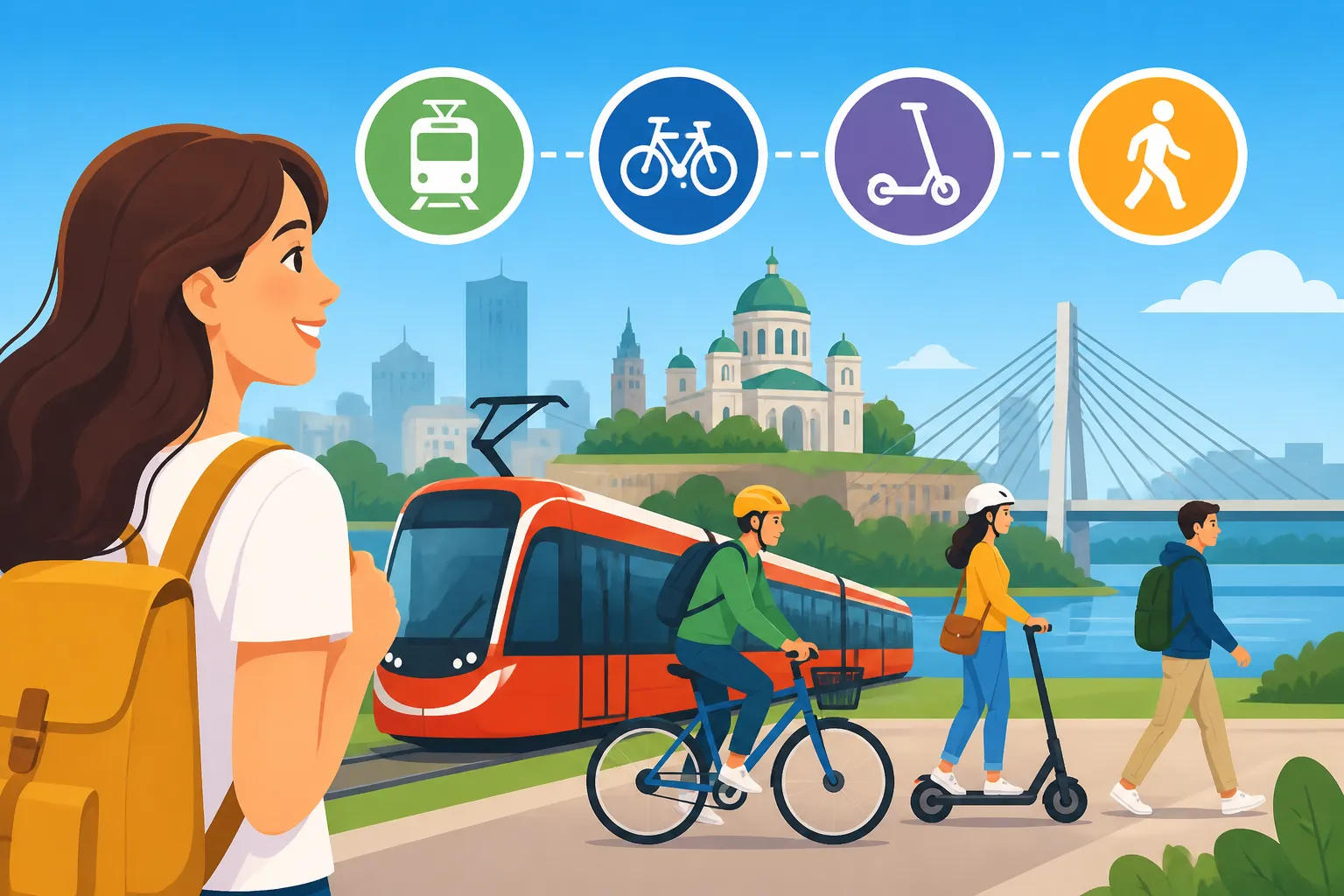
The public transport network in Belgrade consists primarily of buses, trams, and trolleybuses, operated by GSP Beograd. You’ll see them everywhere, a constant stream of yellow, red, and blue vehicles. Buses are by far the most widespread, reaching into residential areas and connecting different municipalities. Trams mostly crisscross the central areas and New Belgrade, offering a scenic (though sometimes bumpy) ride. Trolleybuses, identifiable by their overhead power lines, serve specific routes, often connecting main squares and residential districts.
Navigating these can be a bit of an art form, especially during peak hours, roughly 7-9 AM and 4-6 PM, when they can get incredibly crowded. During these times, personal space is a luxury, so be prepared to squeeze in! While it might feel overwhelming at first, understanding the Belgrade Bus, Tram and Trolleybus Networks is essential. The key to making the most of it is to be patient, keep an eye on your belongings in crowded conditions, and remember that everyone else is just trying to get where they need to go too. Don't be shy about asking if a bus goes to a certain destination; most locals are happy to help, even if language is a barrier. Just point to a location on your phone or a map.
Navigating the System: Apps and Tickets
Gone are the days of trying to decipher paper maps or relying solely on bus stop schedules, which can sometimes be…aspirational. For modern navigation, your smartphone is your best friend. Apps like Moovit and Google Maps are incredibly reliable in Belgrade, offering real-time tracking, estimated arrival times, and the best routes from your current location to your destination. They’ll tell you which line to take, where to transfer, and how long the journey should approximately last. Download them before you even step foot outside your accommodation.
When it comes to tickets, Serbia uses the BusPlus system. This isn't just a simple paper ticket; it's a reloadable card. You have a few options:
- Personalised Card: This is typically for residents and offers monthly passes, which are the most economical if you’re using public transport frequently. You’ll need to apply for this at a designated BusPlus office, often requiring your ID and proof of residence.
- Non-Personalised Card: This is perfect for tourists or those who use public transport less often. You buy the physical card for a small fee (a few hundred dinars) and then top it up with credit. You can purchase these at kiosks (marked 'trafika' or 'novine') all over the city. Just ask for a "BusPlus kartica" and specify how much credit you want to add.
- One-Day/Three-Day/Five-Day Tickets: These are available on the non-personalised card and offer unlimited rides within the validity period. Great for intense sightseeing days!
Once you’re on the bus, tram, or trolleybus, it's crucial to validate your ride. Tap your BusPlus card on the reader located near the doors as you enter. You’ll hear a beep, and the screen will show your remaining balance. Failing to validate can lead to a fine if a ticket inspector catches you, and they do conduct frequent checks, especially on busy lines. It’s much easier to just tap and go. Remember, knowing how to use public transport in Belgrade properly will save you headaches and cash.
Ride-Sharing and Taxis: When Convenience Calls
Sometimes, public transport just isn't cutting it. Maybe you're running late, carrying heavy luggage, or simply want a comfortable, direct ride home after a long day or night out. This is where taxis and ride-sharing services step in, offering a more personalised and often quicker alternative.
Official Taxis: Hailing and Reputable Companies
Belgrade has a substantial fleet of taxis. Hailing one on the street is common, especially in central areas. However, there's a crucial distinction to be made: official vs. unofficial. Unfortunately, like many big cities, Belgrade has a few unscrupulous drivers who prey on foreigners, especially around major transport hubs like the airport or the bus/train stations. They might quote exorbitant prices or claim their meter is broken.
To avoid this, always look for official taxis. They are typically white, have a "TX" designation on their license plate (e.g., BG TX 123), and display their company name and a taxi sign on the roof. They should also have a visible price list inside the car and use a working meter. Reputable companies include:
- Pink Taxi: Easily recognisable by their pink logo. You can call them, use their app, or hail one.
- Lux Taxi: Another well-established company with a good reputation.
- Beogradski Taxi: A reliable option, often found around main squares.
If you’re taking a taxi from Nikola Tesla Airport (BEG), the safest and most transparent option is to go to the official "Taxi Info" desk inside the arrivals hall. Tell them your destination, and they will give you a voucher with a fixed price for your zone. Hand this voucher to the taxi driver, and there will be no negotiation needed. This method truly removes any guesswork or potential for overcharging.
Ride-Hailing Apps: Modern Solutions
For many expats, ride-hailing apps have become the preferred method for ease, transparency, and often better pricing. The dominant player in Belgrade is CarGo. It functions very much like Uber or Bolt, which some might be familiar with from other parts of the world.
Here’s how CarGo works:
- Download the App: Available on both iOS and Android.
- Register: You’ll need a local Serbian phone number to register. This is where an eSIM from a provider like Airalo can come in handy if you're newly arrived and haven't sorted out a local SIM yet. It allows you to get a local number quickly for app registrations and connectivity.
- Enter Destination: Type in where you want to go.
- See Fixed Price: The app will immediately show you the fixed price for your journey. No surprises!
- Choose Vehicle Type: Options range from standard cars to larger vehicles if you're travelling with more people or luggage.
- Confirm & Track: Confirm your ride, and you can track your driver's arrival on the map.
- Payment: You can link a credit card to the app, or choose to pay in cash directly to the driver.
CarGo offers a fantastic sense of security and convenience. You know the price upfront, you can share your journey details with friends, and you avoid any language barriers or haggling. While CarGo is the most prevalent, Bolt also operates in Belgrade, offering a similar service and another option if one is experiencing higher demand. These services are particularly useful for late-night excursions when public transport options dwindle, or if you're heading to an area not easily accessible by bus or tram.
Walking and Cycling: The Eco-Friendly Options
Belgrade is a city that truly reveals its charm when explored on foot or by bike. While not every street is perfectly paved or flat, embracing these modes of transport allows you to soak in the atmosphere, discover hidden gems, and get some exercise.
Exploring Belgrade on Foot: Neighbourhoods and Scenery
Walking is undoubtedly the best way to experience Belgrade's vibrant energy. The city centre, encompassing areas like Stari Grad, Dorćol, and Vračar, is highly walkable. Knez Mihailova Street, the main pedestrian thoroughfare, is a delight for strolling, people-watching, and admiring the architecture. From there, you can easily walk to Kalemegdan Fortress, offering breathtaking views of the Sava and Danube rivers.
However, be prepared for some hills. Belgrade is built on several hills, and you’ll quickly discover why it's called a "city of contrasts" not just culturally, but topographically! Walking up to Sveti Sava Temple in Vračar, for instance, is a rewarding but slightly uphill trek. Sidewalks can vary in condition; some are smooth and wide, others might be uneven with cobblestones (especially in older areas like Skadarlija). Always wear comfortable shoes! Walking is also a great way to discover the best neighbourhoods for expats in Serbia, helping you get a feel for the local vibe.
For a leisurely and scenic walk, head to the Zemun Quay along the Danube, or explore Ada Ciganlija, Belgrade’s "sea," which boasts kilometres of walking and cycling paths around a lake.
Cycling in Belgrade: Paths and Rentals
Cycling is steadily gaining popularity in Belgrade, especially with improved infrastructure in certain areas. While it’s not yet as bike-friendly as some Western European capitals, dedicated bike paths are expanding, particularly along the riverfronts of the Sava and Danube, in New Belgrade, and around Ada Ciganlija. These paths offer fantastic, flat routes away from car traffic, perfect for a leisurely ride.
If you don't own a bike, there are several ways to rent one:
- Belgrade Bicycle Share (BG Bike): This public bike-sharing system has docking stations across the city, particularly in central areas and New Belgrade. You typically register, pay a small subscription fee, and then pay per hour of use. It’s an easy way to grab a bike for a short trip.
- Private Rental Shops: Many shops around Ada Ciganlija offer bike rentals for the day, allowing you to explore the island at your own pace. You can also find them in other parts of the city, especially in the summer months.
- Electric Scooters: While not cycling, electric scooters (e-scooters) are also a growing alternative, with several rental apps operating in the city. They are quick, fun, and ideal for short to medium distances, especially in areas with good scooter-friendly paths.
When cycling in Belgrade, always be aware of your surroundings. While dedicated paths exist, sometimes you’ll need to share the road with cars or pedestrians. Helmets are not mandatory but are highly recommended for safety.
Other Transportation Methods and Considerations
Beyond the main forms of transport, there are a few other options and critical considerations that can make your car-free life in Belgrade even smoother.
Trains and Intercity Buses: Beyond Belgrade
While this guide focuses on getting around within Belgrade, it's worth noting options for when you want to venture outside the city limits. Serbia’s intercity bus network is extensive and generally reliable. The main Belgrade Bus Station (BAS) near the city centre offers connections to virtually every town and city in Serbia, as well as international destinations. This is often the preferred mode of transport for domestic travel.
The train network is undergoing significant modernisation. Belgrade Centre (Prokop) is the main railway station, offering routes to Novi Sad and other cities. The high-speed train to Novi Sad, for instance, is a comfortable and quick way to reach Serbia’s second-largest city. For a deeper dive into the train schedules and routes, it's best to check the Serbian Railways website or consult at the station itself.
Essential Apps and Connectivity
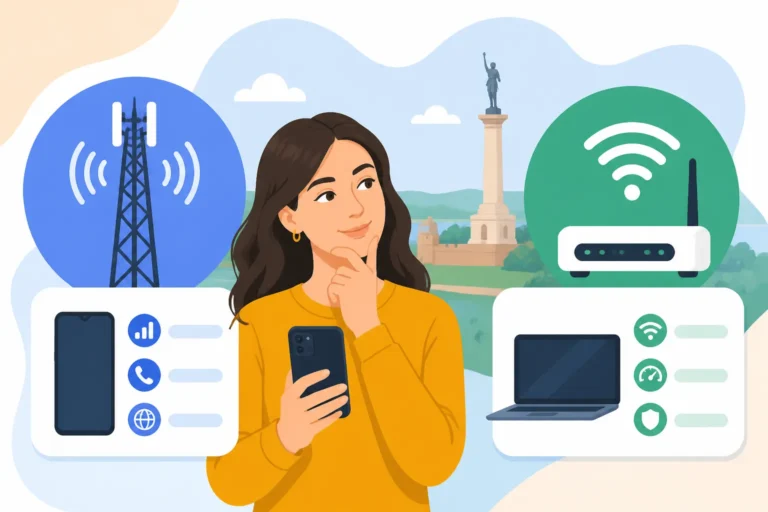
Living car-free, especially as an expat, means relying heavily on your smartphone for navigation, communication, and information. This makes reliable mobile data connectivity absolutely paramount. Imagine being lost in a new neighbourhood with no internet to check maps or call a taxi – not fun!
If you’ve just arrived in Serbia and haven’t sorted out a local SIM card yet, using an eSIM service can be a lifesaver. Providers like Airalo offer international eSIMs that you can activate instantly, giving you data and a local number to get started. This means you can download your transport apps, register for CarGo, and stay connected from day one. Later, you can explore How to Set Up a Mobile Phone Plan in Serbia with one of the local providers like MTS, Yettel, or A1.
Beyond transport apps, consider downloading a translation app (like Google Translate), as English proficiency can vary outside of tourist areas. Having access to online banking apps for How to Pay Your Utility Bills in Serbia, or managing your finances is also crucial, as is keeping tabs on How to Register My Address After Moving to Serbia or checking out options for How to Set Up Internet in My Serbia Home.
Moving Furniture and Larger Items
Even without a car, life happens, and sometimes you need to move larger items. Perhaps you've found a great deal on furniture for your apartment, or you're using a relocation service like Sirelo to help you move your belongings into your new home. For smaller moves within the city, CarGo often has larger vehicle options (like vans) that you can book through their app. For more substantial needs, such as moving an entire apartment, dedicated moving companies are readily available. They usually have their own fleets of vans and trucks and can handle everything from packing to transport. You can easily find these services with a quick online search or by asking for recommendations in expat groups.
Navigating Belgrade without a car is not just feasible, it's often the most authentic and enjoyable way to experience the city. It pushes you to engage with the local rhythm, discover hidden corners, and appreciate the city's unique charm at a more personal pace.
| Transportation Method | Pros | Cons | Ideal Use Cases | Estimated Cost (per trip) |
|---|---|---|---|---|
| Buses, Trams, Trolleybuses | Wide coverage, affordable, frequent (especially in day) | Can be crowded, subject to traffic delays, less flexible routes | Daily commute, exploring diverse neighbourhoods, budget-friendly travel | ~90 RSD (if using a BusPlus card) |
| CarGo/Bolt | Fixed prices, door-to-door, transparent (tracking), convenient for luggage | Requires smartphone and data, potential wait times during peak demand | Late nights, bad weather, airport transfers, carrying luggage, direct routes | 350-1000+ RSD (depending on distance/demand) |
| Official Taxis | Can be hailed easily, door-to-door | Potential for overcharging if not careful, less transparent than apps | Quick availability, emergencies, when app services are busy | 350-1200+ RSD (metered or fixed from airport) |
| Walking | Free, intimate city experience, discover hidden gems, healthy | Time-consuming for long distances, challenging on hills/uneven sidewalks | Exploring city centre, short distances, sightseeing specific areas | Free |
| Cycling | Eco-friendly, healthy, faster than walking, good for riverfronts | Limited dedicated paths, can be challenging in traffic, bike rentals required | Recreational rides along rivers/Ada Ciganlija, short commutes in New Belgrade | Free (own bike) / 200-500 RSD (rental per hour/day) |
Disclaimer
The information provided in this guide is for general informational purposes only and is subject to change. While we strive to keep the content up-to-date and accurate, regulations, prices, and services in Serbia can evolve. Always verify current details with official sources or service providers before making decisions.