How to Register and License a Car in Serbia
Oh, the joy of car ownership in a new country! Or should I say, the adventure of car ownership, especially when you’re dealing with a system that has its own unique rhythm, a rhythm that often feels like two steps forward, three steps sideways, and then a sudden stop for coffee. If you’ve just moved to Serbia and are wondering how on earth you’re going to get your wheels registered and licensed, breathe deep, my friend. You’re not alone in feeling a bit overwhelmed. This guide is here to walk you through the labyrinthine process of registering and licensing a car in Serbia, helping you navigate the paperwork, the queues, and the uniquely Serbian way of doing things, so you can finally hit the open road with peace of mind.
Understanding the Serbian Vehicle Registration System
When you first arrive in Serbia, everything feels new and exciting. Then, you start encountering the administrative tasks, and that initial glow can sometimes dim a little, can't it? Registering a car is one of those big ones. It’s not just a simple trip to the DMV; it’s a multi-stage process involving several different entities, each with its own set of rules and expectations.
The Initial Shock: Bureaucracy and Patience
Let's be frank: Serbian bureaucracy can be a beast. It's often slow, sometimes confusing, and frequently requires you to bring a document you didn't even know existed. You might be used to highly efficient, digital systems from your home country, and arriving here, you'll find that personal interaction, paper documents, and a healthy dose of patience are still very much the order of the day. You’ll be told to go from one office to another, collect stamps, make copies, and then maybe, just maybe, return to the first office. It's a rite of passage for many expats, and car registration is right up there with securing your residence permit. Expect to spend a fair bit of time on this, and honestly, the best advice I can give you is to approach it with a Zen-like calm. Fighting it just adds to your stress!
The language barrier can also add another layer of frustration. While many younger people in larger cities like Belgrade speak English, you might encounter officials at smaller police stations or technical inspection points who don't. Having a Serbian friend or a professional translator accompany you can make a world of difference. It smooths over misunderstandings and ensures you’re providing exactly what’s needed, which, believe me, changes everything. This experience alone highlights why many expats feel like they're constantly figuring things out from scratch. It’s part of the journey, but it doesn't make it any less taxing.
Key Institutions Involved
Getting your car registered and licensed isn't a one-stop shop. You'll be dealing with at least three main players, and understanding their roles will save you a lot of headache.
First up, you have the Technical Inspection Stations (Tehnički Pregled). These are private companies licensed by the state to perform mandatory vehicle inspections. Your car needs to pass a rigorous check every single year before you can even think about renewing your registration. They'll verify everything from your brakes to your emissions, your lights, tires, and even the smallest scratches or cracks on your windshield. Without a valid technical inspection certificate, you're going nowhere with registration.
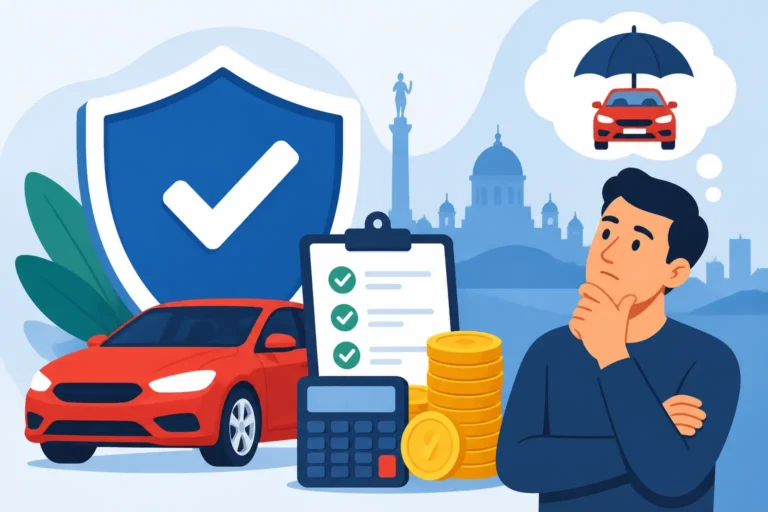
Next, you'll engage with various Insurance Companies. Before you can register your vehicle, you must have mandatory traffic liability insurance (Obavezno Osiguranje). This is non-negotiable. You can purchase this from any licensed insurance provider in Serbia. They’ll issue you a policy that’s valid for one year, and this document is essential for the final step.
Finally, the grand finale happens at the Ministry of Interior (MUP) police stations (or specifically, their Traffic Administration departments). This is where you submit all your accumulated documents, pay the various government fees and taxes, and finally receive your new Serbian license plates and the coveted traffic permit (Saobraćajna Dozvola) and registration sticker. This is the government body that officially registers your vehicle and issues the license. Sometimes, there are designated offices within the MUP for vehicle registration, so make sure you find the right one for your municipality. For instance, in Belgrade, you'd head to a MUP office that handles vehicle registration, such as the one in Ljermontova street, or another local branch depending on your registered address.
Essential Documents for Car Registration
Gathering the correct documents is often the most time-consuming part of the process. Trust me when I say, don't leave home without absolutely everything listed below, and then some. It’s always better to have too many papers than too few.
The Paper Trail: What You Absolutely Need
This is where the real fun begins – assembling your stack of official papers. Any missing or incorrectly formatted document can send you right back to square one, often after hours of waiting in a queue.
For Yourself, the Owner:
- Valid Personal Identification: Your passport is a must, and crucially, you'll need your Serbian Temporary Residence Permit (Privremeni Boravak) or Permanent Residence Permit (Stalni Boravak). The registration will be linked to your residency status. For more insights on this, you might find our guide on How to Get Temporary Residence Boravak in Serbia incredibly useful.
- Proof of Address (Prijava Boravka / Beli Karton): This is your official registration of address, often referred to as the "Beli Karton." It's critical as your vehicle registration will be tied to your registered address in Serbia. Make sure it's current and valid.
- Tax Identification Number (PIB): If you’re self-employed or have had other tax obligations, you might already have this. If not, you’ll need to apply for one at the Tax Administration (Poreska Uprava). This is your personal tax ID. You can learn more about this in our article on How to Get a Tax ID (PIB) as a Foreigner in Serbia.
For Your Vehicle:
- Proof of Ownership: This is paramount.
- If buying a new car in Serbia: You'll need the original invoice (račun) from the dealership.
- If buying a used car in Serbia: You'll need the sales contract (Ugovor o kupoprodaji) that has been notarized by a public notary (javni beležnik). This contract details the sale, the buyer, seller, and vehicle specifics.
- If importing your own car: This is where it gets complex. You'll need the original foreign vehicle registration documents, proof of purchase (bill of sale or ownership certificate from your home country), and a customs declaration (carinska deklaracija) confirming all duties and taxes have been paid upon import. This process alone can be a significant undertaking, and it’s important to understand Understanding Property Ownership and the Market in Serbia (2027) for broader context.
- Homologation Certificate: For imported vehicles, this is a document proving that your vehicle meets Serbian technical standards. This is done through certified institutions like the Faculty of Mechanical Engineering in Belgrade or by the Agency for Traffic Safety (Agencija za bezbednost saobraćaja). It’s not a quick process, and it involves a detailed inspection of your vehicle’s specifications to ensure compliance with local regulations.
- Technical Inspection Certificate: As mentioned, this is issued by a "Tehnički Pregled" station and confirms your car is roadworthy. It’s mandatory for both initial registration and annual renewal.
A common mistake expats make is thinking their foreign documents are sufficient. While they are a starting point, many will require official translation into Serbian by a sworn court translator (sudski tumač). Sometimes, these translations may also need an apostille, especially if coming from a country that is part of the Hague Apostille Convention. Always double-check this requirement with the MUP or your chosen technical inspection station beforehand to avoid delays.
Proof of Insurance and Technical Inspection
These two items are your gatekeepers to the MUP office. No insurance, no registration. No valid technical inspection, no registration. It's that simple.
Mandatory Traffic Insurance (Obavezno Osiguranje): This covers third-party liability for any damages you might cause in an accident. You can purchase this insurance at numerous locations. Many major banks in Serbia like Banca Intesa or Raiffeisen Bank offer insurance services, or you can go directly to insurance companies such as DDOR Novi Sad, Dunav Osiguranje, or Generali Osiguranje. The price will depend on your vehicle’s engine size (kilowatts), your age (younger drivers often pay more), and the type of vehicle. You'll get a physical policy document which you must bring to the MUP. It’s also wise to consider supplemental comprehensive insurance (Kasko Osiguranje), especially for newer or more valuable cars, though it's not mandatory. Understanding your options is key, as covered in Health Insurance in Serbia: RFZO, Private and International Options Explained.
The Technical Inspection (Tehnički Pregled): This is an annual check-up for your car. The inspection has become significantly stricter in recent years, particularly regarding emissions, lights, and general vehicle condition. You can find many authorized technical inspection stations in any city or town. Just look for signs that say "Tehnički Pregled." They will conduct a thorough check, often taking 30-60 minutes, and then issue you a certificate if your vehicle passes. This certificate details your car’s information, its roadworthiness, and its validity period. If your car fails, you'll be given a list of issues to fix, and you'll have a grace period (usually a few days) to make repairs and return for a re-inspection, often at a reduced fee. Some stations also offer to handle the payment of fees and deliver the plates to you, for an additional charge – a service many expats find valuable to save time and hassle.
Step-by-Step Car Registration Process
Alright, you’ve gathered your documents, you’ve taken a deep breath, now let’s walk through the actual steps. This is where your patience and perhaps a Serbian-speaking friend will truly come in handy.
The Technical Inspection – Your First Hurdle
This is almost always the very first step. You can't get insurance or register your vehicle without a valid technical inspection certificate that’s less than 30 days old.
- Finding a Station: In larger cities like Belgrade, you'll see numerous "Tehnički Pregled" stations. Many are integrated with car repair shops, but some are standalone. You can usually just drive up, but sometimes an appointment might be helpful during peak hours, especially towards the end of the month when everyone is rushing to renew their registration. A quick Google Maps search for "tehnički pregled Beograd" will give you plenty of options.
- What to Expect: When you arrive, they’ll ask for your vehicle’s existing registration (if any), your ID, and usually your residence permit. They'll then drive your car into the inspection bay. The process involves:
- Visual Inspection: Checking for external damage, proper functioning of all lights (headlights, brake lights, indicators), condition of tires, mirrors, and windshield.
- Underbody Check: Looking for rust, leaks, and condition of suspension components.
- Brake Test: Using rollers to measure brake efficiency.
- Emissions Test: Connecting a device to your exhaust to measure pollutant levels. This has become much stricter, and older diesel cars, in particular, often struggle to pass if not well-maintained.
- Identification: Verifying the chassis number (VIN) and engine number match your documents.
- The Outcome: If your car passes, you'll receive a detailed report and the coveted Technical Inspection Certificate. You'll typically pay around 6,000-8,000 RSD for this service, depending on the station and vehicle type. If you fail, you'll need to address the issues and come back. This is where having a reliable internet connection can be super helpful, perhaps with an eSIM from Airalo, to quickly look up nearby repair shops or diagnostic advice if you're stuck!
Securing Your Mandatory Insurance
With a shiny new technical inspection certificate in hand, your next stop is the insurance company.
- Where to Buy: As mentioned before, you can go to one of the many insurance company branches across Serbia (like DDOR, Dunav, Generali, Uniqa), or often through larger bank branches. Some technical inspection stations also have agreements with insurance companies and can issue policies on the spot, streamlining the process.
- Required Documents: You’ll need your personal ID (passport and residence permit), the car's ownership documents, and the fresh technical inspection certificate. They'll input your vehicle's data and calculate the premium.
- Understanding the Cost: The cost of mandatory liability insurance varies but generally ranges from 15,000 RSD to 30,000+ RSD per year, depending largely on engine size and your personal driving history (though this isn't always fully utilized for expats without a Serbian driving record). You’ll receive an insurance policy document, which is valid for one year. This document also often includes details for the "Green Card" (Zelena Karta), which is an international motor insurance card allowing you to drive in certain other countries. Make sure to ask for it if you plan to travel outside Serbia with your car.
The Police Station Visit: Application and Payment
This is the final administrative hurdle to clear, and it's where all your patience and collected documents will be put to the test.
- Locating the Right Office: Head to the MUP Traffic Administration office in your municipality. In larger cities, these can be busy places. Arrive early if you want to beat the queues.
- The Application: You'll present your entire dossier of documents:
- Your passport and residence permit.
- Proof of address (Beli Karton).
- Car ownership documents (invoice, notarized contract, or customs declaration + foreign registration).
- Homologation certificate (for imported vehicles).
- Technical Inspection Certificate.
- Mandatory Traffic Insurance Policy.
- The previous traffic permit and license plates (if renewing or transferring ownership of a Serbian-registered vehicle).
You might also fill out an application form there.
- Payment of Fees: This is probably the most complex part, purely due to the number of different fees. You won't pay these directly at the MUP counter. Instead, you'll be given a series of payment slips (uplatnice) for different taxes and fees, which you then need to pay at a post office (Pošta Srbije) or a bank. Often, there’s a post office or bank branch conveniently located nearby, but sometimes you'll need to walk a bit. The fees generally include:
- Registration Fee: For the service of registering your vehicle.
- Road Tax (Porez na Upotrebu Motornih Vozila): This annual tax depends on your engine size and vehicle age. Older cars and larger engines generally incur higher taxes.
- License Plates: For the physical plates.
- Traffic Permit (Saobraćajna Dozvola): For the plastic card document itself.
- Registration Sticker (Registraciona Nalepnica): This is the sticker that goes on your windshield, showing your registration expiry date.
The total cost for these fees can range from 15,000 RSD to well over 50,000 RSD, depending heavily on your vehicle's engine size and age. Once paid, you bring back the stamped payment slips (proof of payment) to the MUP office.
- Issuance: If all documents are in order and all fees are paid, you will eventually be issued your new Serbian license plates, a new (or updated) traffic permit card, and the registration sticker. Congratulations, you are now legally able to drive your car in Serbia! This journey from application to receiving your documents can sometimes take a few hours in one go, or if there's a problem, require multiple visits.
Special Considerations for Expats
As an expat, you often encounter unique situations that local citizens don't, especially when it comes to importing a vehicle or understanding local purchase dynamics.
Importing a Foreign-Registered Car
Bringing your beloved car from your home country to Serbia is often a sentimental decision, but it’s crucial to understand the substantial administrative and financial hurdles.
- Customs Clearance and Duties: This is the big one. Serbia is not part of the EU, so customs duties apply to vehicles imported from non-EU countries. Even from EU countries, specific procedures apply. You will need to formally import the car, pay customs duties (carina) and Value Added Tax (VAT/PDV). The amount depends on the car's age, engine size, and market value. This process is handled by a customs agent, whom you will need to hire. It's not something you can usually do yourself. They will guide you through the necessary paperwork with the Serbian Customs Administration (Uprava Carina).
- Homologation: Once customs cleared, your car must undergo homologation. This is the technical verification to ensure your vehicle complies with Serbian safety and environmental standards. It's done by specialized institutions. This inspection is very detailed and can sometimes uncover issues that need addressing (e.g., changes to lights, emissions systems) before a certificate is issued. Without this certificate, your car cannot be registered. This step alone can add several weeks and significant costs to the process.
- Timeline and Costs: Be prepared for this process to be lengthy and expensive. Between customs, duties, VAT, homologation fees, and the actual registration, it's not uncommon for the total cost to exceed the value of an older car. Many expats, after exploring this route, decide it's often more economical to sell their car abroad and purchase a vehicle locally. If you're wondering about shipping your car, a reputable international moving company like Sirelo might offer services that handle the logistics, though you'd still be responsible for the duties and local processes.
Buying a Car in Serbia as a Foreigner
Purchasing a car locally, whether new or used, often turns out to be a simpler and more cost-effective option for expats.
- New Cars: Buying a new car from an authorized dealership is straightforward. They will typically handle most of the initial registration paperwork for you, saving you a huge headache. You'll sign a purchase agreement, pay the price (often in RSD), and they'll prepare the invoice and other necessary documents. This removes much of the customs and homologation complexity.
- Used Cars: This is a popular choice due to affordability.
- Private Seller: If buying from a private individual, ensure the car has valid existing registration. You'll need to draft a sales contract (Ugovor o kupoprodaji), which must be notarized by a public notary (javni beležnik) to be legally binding. The notary will verify the identities of buyer and seller and the legitimacy of the transaction. You'll also need to transfer ownership through the Tax Administration (Poreska Uprava) to pay the property transfer tax (porez na prenos apsolutnih prava) before you can register it in your name.
- Dealership/Used Car Lot: Buying from a used car dealership can offer some peace of mind, as they often take care of the ownership transfer tax process for you, and sometimes even the notarization of the sales contract. They also usually offer a limited warranty.
- Vehicle History: For used cars, always insist on seeing the service history, check for outstanding fines or liens, and if possible, get an independent mechanic to inspect the vehicle. The phrase "what you see is what you get" doesn't always apply, especially in a new environment where you're not familiar with all the local nuances.
Renewing Your Car Registration Annually
Once you've gone through the initial registration, you'll need to do it all again every year, but it's generally a much smoother process.
- The Yearly Cycle: Your car registration is valid for one year. You will receive an SMS reminder (if your number is registered) or an email from the MUP a few weeks before your registration expires. Don't ignore it!
- Repeat the First Steps: Annually, you'll need to:
- Get a Technical Inspection: Just like the first time, your car must pass its yearly check-up.
- Renew Your Mandatory Insurance: Purchase a new policy for the upcoming year.
- Return to the MUP: With your renewed technical inspection certificate and insurance policy, along with your traffic permit and personal ID, you'll go back to the MUP office. You'll again pay the various government fees and taxes (road tax, registration fee, sticker fee). They will then issue you a new registration sticker to place on your windshield, confirming your car is registered for another year. The physical license plates and traffic permit card usually remain the same unless they are damaged or lost, or if you change your personal details significantly (e.g., move to a different municipality).
Common Pitfalls and Tips for a Smoother Process
Even with a detailed guide, navigating the Serbian system can throw curveballs. Here's how to anticipate and handle some common issues.
Navigating Language Barriers and Unclear Information
One of the biggest frustrations for expats is the language barrier. While official MUP websites do have some information in English, the forms themselves, and many officials you'll interact with, will primarily use Serbian.
- Bring a Serbian Speaker: This cannot be stressed enough. Whether it's a friend, a colleague, or a hired translator, having someone fluent in Serbian by your side will drastically reduce stress and misunderstanding. They can clarify requirements, ask the right questions, and help you fill out forms correctly.
- Be Prepared with Translations: Any foreign documents you present (like your original vehicle ownership papers if importing) must be translated by a sworn court translator. Don't try to use Google Translate for official documents; it won't be accepted.
- Double-Check Everything: Don't assume. If something is unclear, politely ask for clarification. It's better to spend an extra few minutes asking questions than to be turned away after waiting for hours because of a small detail. I've personally seen expats turned away from the MUP for not having a specific copy of a receipt, despite having the original. Always ask for exactly what you need.
Unexpected Costs and Delays
Bureaucratic processes rarely run perfectly, and Serbia is no exception. Budgeting for contingencies is crucial.
- Budget for More Than Just Fees: Aside from the official fees, factor in costs for notarizations, translations, customs agent fees (if importing), and potential minor repairs your car might need to pass the technical inspection. A spare tire, a working fire extinguisher, and a first-aid kit are also mandatory in Serbia, and the technical inspection will check for these. If you need new tires, that's another cost.
- The "Srpsko Vreme" Factor: Things can take longer than expected. "Srpsko vreme" (Serbian time) is a real thing, sometimes meaning a more relaxed approach to deadlines or waiting times. Don't schedule anything critical immediately after an expected completion time for your car registration. Give yourself a buffer. Long queues are common, especially in bigger cities or during busy periods (e.g., end of the month for renewals).
- Be Patient and Polite: Getting frustrated or angry won't speed things up and might actually make it harder. A calm, polite demeanor, even when facing delays or perceived illogical requests, usually yields better results. Remember, the person helping you is just doing their job within the confines of the system.
Maintaining Your Vehicle Legally
Getting your car registered is a huge accomplishment, but it's just the start of responsible car ownership in Serbia.
- Regular Servicing: Keep your car well-maintained. Not only is it safer, but it will also ensure you pass your annual technical inspection without issues. There are many reputable mechanics across Serbia, and parts are generally affordable.
- Understanding Local Traffic Laws: Familiarize yourself with Serbian traffic laws. For instance, headlights must be on at all times, even during the day. Winter tires are mandatory from November 1st to April 1st (if there is snow, ice or black ice on the road). Parking regulations can be strict, especially in city centers. Also, keep your original registration permit and insurance documents in your car at all times, as traffic police may ask to see them.
- Consequences of Non-Compliance: Driving an unregistered or uninsured vehicle carries severe penalties, including hefty fines, confiscation of your vehicle, and even criminal charges in some cases. Don't risk it. Always ensure your documents are up-to-date.
Navigating the local rules and keeping everything organized can be a lot. Remember, while the process can be challenging, it's absolutely doable. With the right preparation and a good attitude, you’ll be cruising the beautiful roads of Serbia in no time! For more information on driving, check out our guide on How to Use My Foreign Driver's Licence in Serbia.
Required Documents for Car Registration in Serbia: A Quick Overview
To give you a quick checklist, here’s a table summarizing the main documents you'll need. Always remember to bring originals and a few copies, just in case!
| Document Category | Specific Documents | Notes |
|---|---|---|
| Owner's Identification | Passport (valid) | Original, valid passport. |
| Serbian Temporary/Permanent Residence Permit | Original residence permit card. | |
| Proof of Address (Prijava Boravka / Beli Karton) | Valid and current registration of your Serbian address. | |
| Tax Identification Number (PIB) | Your personal Serbian tax ID. | |
| Vehicle Ownership | Sales Contract (Ugovor o kupoprodaji) (for used cars) | Original, notarized by a public notary. |
| Original Invoice (for new cars) | From the dealership. | |
| Foreign Vehicle Registration / Proof of Ownership (for imported cars) | Original foreign documents, often requiring sworn translation and potentially apostille. | |
| Customs Declaration (Carinska Deklaracija) (for imported cars) | Proof of paid customs duties and VAT. | |
| Homologation Certificate (for imported cars) | Issued by a certified Serbian institution confirming compliance with local standards. | |
| Vehicle Condition & Insurance | Technical Inspection Certificate (Uverenje o Tehničkoj Ispravnosti Vozila) | Issued by an authorized "Tehnički Pregled" station, must be less than 30 days old. |
| Mandatory Traffic Insurance Policy (Polisa Obaveznog Osiguranja od Odgovornosti) | Issued by a Serbian insurance company, valid for one year. | |
| Previous Registration (if applicable) | Previous Traffic Permit (Saobraćajna Dozvola) | If renewing or transferring ownership of an already Serbian-registered vehicle. |
| Previous License Plates | If transferring ownership or needing new plates for any reason. | |
| Payment Slips | Paid uplatnice (for various fees) | Proof of payment for registration fee, road tax, plates, traffic permit, sticker, etc., paid at a post office or bank. |
| Additional (Good to have) | Serbian-speaking friend or translator | Invaluable for navigating complex discussions and ensuring accuracy. |
| Copies of all documents | Keep a few sets of copies of everything. |
Disclaimer
The information provided in this guide is for general informational purposes only and does not constitute legal, financial, or professional advice. While we strive to keep the content accurate and up-to-date, regulations in Serbia can change frequently. Always consult with official government sources, legal professionals, or relevant authorities (such as the MUP or Tax Administration) for the most current and specific information pertaining to your individual situation. Reliance on any information in this guide is solely at your own risk.