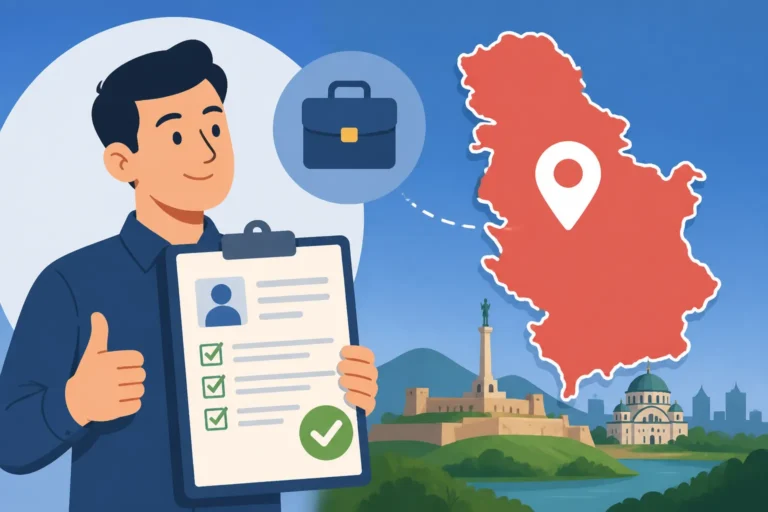
Working in Serbia’s Tech, IT and Outsourcing Sectors: The Expat Guide (2027)
The whispers about Serbia's burgeoning tech scene? They're not just whispers anymore; they're a full-blown roar, drawing in tech talent from all corners of the globe. But moving to a new country, especially one with its own unique administrative quirks and cultural nuances, can feel like trying to debug a complex system blindfolded. This comprehensive guide is here to demystify working in Serbia's vibrant tech, IT, and outsourcing sectors, providing you with the roadmap you need to seamlessly integrate and thrive.
Serbia's Tech Allure: Why Expats Are Flocking Here
Let's be real: when you first think of European tech hubs, places like Berlin, Amsterdam, or even Lisbon probably come to mind. Serbia? Perhaps not immediately. But for those in the know, this Balkan gem has rapidly transformed into one of Europe's most exciting, and often overlooked, tech powerhouses. It’s a dynamic, fast-growing environment, but it does come with its own set of challenges that only an expat who’s been through it can truly appreciate.
The Booming Digital Landscape and Growth Areas
For years, Serbia has been quietly nurturing a talented pool of engineers and developers, building a strong foundation that's now paying dividends. We're talking about a country where IT exports are consistently breaking records, significantly contributing to the national economy. This isn't just a fleeting trend; it's a strategic national focus, backed by government initiatives to foster innovation and digital transformation. You'll find a strong emphasis on everything from traditional software development and IT services to cutting-edge fields like artificial intelligence, blockchain, and game development. Think about it: a place where the cost of living is significantly lower than Western Europe, yet the talent and quality of work are on par or even exceed expectations. This economic reality means your expat salary, even if it's not Silicon Valley level, often stretches much further here, allowing for a fantastic quality of life.
The growth isn't just about big numbers; it's about the tangible opportunities for skilled foreigners. Companies are actively seeking international talent to bring diverse perspectives and expertise. If you've been feeling like a cog in a giant machine elsewhere, you might find a real chance to make a significant impact here, to be part of building something truly special. The sense of community among tech professionals, both local and international, is palpable. There are often initiatives to help integrate new foreign hires, understanding that moving to a new country involves more than just a new job. This ecosystem is thriving, and you can be a part of it.
Major Tech Hubs and Their Unique Flavors
While Belgrade, the capital, naturally takes the crown as the largest tech hub, it's far from the only game in town. Imagine a bustling city that never sleeps, with co-working spaces tucked into historic buildings and tech meetups happening every other night – that's Belgrade. It's home to the biggest companies, the most international presence, and the widest range of opportunities. The energy is infectious, and you'll find a melting pot of cultures. However, the cost of living, particularly rent, tends to be higher here than elsewhere in the country, which is something to factor into your calculations.
Then there's Novi Sad, often called "Serbia's Athens" for its vibrant cultural scene and youthful energy thanks to its excellent university. Novi Sad is rapidly emerging as a significant tech center, particularly for smaller and mid-sized companies, as well as a strong startup community. The pace of life is a bit slower, the city is more walkable, and the Danube river provides a stunning backdrop for weekend escapes. You might find a more tight-knit expat community here, and the atmosphere often feels a little less overwhelming than Belgrade's urban sprawl. Salaries might be slightly lower, but so is the rent, balancing things out nicely.
And let's not forget Niš in the south. While smaller, Niš is gaining traction, especially in the outsourcing sector. Its university is a strong source of local talent, and the city offers a much lower cost of living, which can be incredibly appealing for those looking to maximize their savings or simply enjoy a more relaxed pace. The tech scene here is still developing compared to its northern counterparts, but it's growing steadily, and you might find unique opportunities in companies looking to expand or establish a presence in a more cost-effective location. Each city offers a different slice of Serbian life, so it's worth considering what kind of environment truly suits your personal and professional aspirations.
Deciphering the Serbian Tech Ecosystem
Understanding the nuances of Serbia's tech ecosystem is key to finding your niche. It's not a monolithic industry; there are distinct sectors and company cultures that expats need to be aware of. Navigating this landscape effectively can save you a lot of time and frustration, especially when you're just getting your feet wet in a new country.
Key Industries: Software Development, IT Services, and Outsourcing
When we talk about Serbia's tech sector, we're largely discussing a robust foundation in software development and IT services. This ranges from developing bespoke applications for international clients to maintaining complex enterprise systems. Many Serbian companies have built a stellar reputation for delivering high-quality solutions, often at a more competitive price point than their Western European counterparts. This means opportunities are plentiful across various programming languages and platforms, whether you're a seasoned backend developer, a frontend wizard, or a full-stack generalist.
The outsourcing sector, in particular, has been a massive growth driver. Many international companies, from established giants to nimble startups, choose to outsource parts of their IT operations or entire development teams to Serbia. This creates a fascinating environment where you might be working for a Serbian company, but your daily tasks and projects are entirely for a client in Germany, the UK, or the US. This exposure to international projects and standards can be a huge draw for expats looking to broaden their experience without necessarily relocating to a more expensive Western country. Beyond traditional outsourcing, product development is also gaining significant traction, with a growing number of Serbian startups and companies creating their own innovative products for the global market. You'll also find smaller, more specialized agencies focusing on things like cybersecurity, data science, or mobile app development, each with its own unique culture and requirements.
Top Companies and Startup Culture for Foreigners
You'll find a healthy mix of well-established Serbian tech companies, international powerhouses with local branches, and a buzzing startup scene. Companies like Endava, Levi9, HTEC Group, and Schneider Electric DMS NS (in Novi Sad) are prominent names that often have a significant international presence and are accustomed to hiring and integrating expats. These larger players usually offer structured career paths, competitive benefits, and a more corporate environment, which can be reassuring when you're new to the country. They often have dedicated HR teams and resources to help with the immigration process, which is invaluable.
However, the startup scene is where a lot of the excitement, innovation, and sometimes, the best cultural fit for some expats, can be found. Belgrade and Novi Sad are particularly fertile ground for new ventures, driven by a vibrant entrepreneurial spirit. While working for a startup might mean less structured processes and potentially lower initial salaries, it often offers greater autonomy, a chance to wear many hats, and a direct impact on the company's growth. The startup community is very interconnected, often sharing co-working spaces and attending the same events. For foreigners, this can be an excellent way to quickly build a local network and feel truly integrated. You might find companies that are entirely English-speaking, given their global aspirations, making the transition even smoother. Whether you prefer the stability of a larger firm or the agile environment of a startup, Serbia’s tech landscape offers diverse opportunities.
Your Job Search Strategy in the Serbian Tech Sector
Embarking on a job hunt in a new country can feel like navigating a maze blindfolded. The Serbian tech sector is vibrant, but it has its own unwritten rules and preferred pathways. To truly get a foothold here, you need to understand where to look and how to present yourself effectively. Trust me, a generic approach won't cut it, and tailoring your strategy is crucial for success. For a broader perspective on the job market, you might want to read our guide on The Expat Guide to Finding a Job in Serbia (2027).
Where to Look: Online Portals, Recruiters, and Networking
Forget simply blasting out resumes to every company you can find on LinkedIn. While professional networking sites are a good starting point, they're just one piece of the puzzle. Locally, job boards like Infostud.com and Startit.rs are incredibly popular and often have exclusive listings for tech roles. Startit.rs, in particular, is a hub for the Serbian tech community, not just for job postings but also for news, events, and community discussions. It’s worth checking regularly. Don't overlook specialized tech recruitment agencies in Belgrade and Novi Sad, many of whom have a strong understanding of the expat market and can directly connect you with companies looking for foreign talent. Agencies like Adecco and Manpower are active here, but smaller, local tech-focused recruiters often have deeper insights into specific niches.
Networking, however, remains king. Attending tech meetups, conferences, and workshops is not just about learning; it's about making connections. Belgrade's 'Startit Center' and Novi Sad's 'ICT Cluster' regularly host events that attract a diverse crowd of developers, entrepreneurs, and recruiters. Even if you're not actively looking, showing up, listening, and engaging can open doors you didn't even know existed. Many jobs are filled through referrals and personal connections long before they ever hit a public job board. Participating in online communities, both global and local Serbian tech forums on platforms like Discord or Slack, can also yield valuable insights and leads. You'd be surprised how often a casual conversation online can turn into a job interview.
Crafting a Winning CV and Interview Preparation
A CV that shines in your home country might fall flat in Serbia if it's not adapted. While the global tech industry values skills and experience, Serbian employers often appreciate a clear, concise CV, typically no longer than two pages, focusing on relevant experience and technical skills. Be sure to highlight any international experience or projects, as this can be a significant advantage. If you're applying for a role that requires specific certifications, make sure they are prominently displayed. Crucially, unless the job description specifies otherwise, submit your CV in English. For detailed advice, our post How to Adapt Your CV for the Serbian Job Market can provide further insights.
When it comes to interviews, expect a blend of technical assessments and cultural fit discussions. Technical interviews can range from coding challenges on platforms like HackerRank to in-depth discussions about architectural decisions and problem-solving approaches. Be prepared to talk through your thought process. Soft skills are highly valued, particularly teamwork, communication, and adaptability. Serbian workplaces, while increasingly international, still value strong interpersonal relationships. Showing genuine interest in the company, its projects, and the local culture can go a long way. Do your homework on the company, be prepared with intelligent questions, and always follow up with a polite thank-you note. Remember, while English is widely spoken in the tech sector, showing some effort to learn basic Serbian phrases can be a massive icebreaker and demonstrates your commitment to integrating. Consider checking out platforms like iTalki to get a head start on those conversational basics.
Navigating Legalities: Work Permits, Taxes, and Contracts
One of the biggest headaches for any expat is the bureaucratic maze of immigration and employment. Serbia is no exception, but armed with the right information, you can navigate these waters much more smoothly. This is where your patience will truly be tested, but with perseverance, it's entirely manageable.
The Single Permit: Your Essential Document for Employment
Gone are the days of separate work and residence permits. Serbia introduced the "Single Permit" (Jedinstvena dozvola) system in late 2023, streamlining the process for foreign workers. This means you apply for both your temporary residence and work permit through a single application to the Ministry of Interior (MUP). While this sounds simpler, it doesn't necessarily mean it's faster. The process still requires meticulous documentation and can take several weeks, sometimes months, depending on your nationality and the MUP's workload.
Your employer typically initiates this process by submitting a request to the National Employment Service (NES) for an assessment of the labour market. Essentially, they need to prove that there isn't a readily available Serbian national with the required skills. Once that's cleared, you (or your employer on your behalf) can submit the Single Permit application. Key documents usually include your passport, a valid visa (if required for your nationality), proof of accommodation in Serbia, a local bank account statement showing sufficient funds, health insurance, and educational/professional qualifications. Keep in mind, official documents often need to be apostilled and translated by a certified court interpreter in Serbia. Do not underestimate the need for accurate translations. For a deep dive into the process, check out The Expat Guide to the Single Permit for Work and Residence in Serbia (2027). Ensure you apply for the Single Permit while you are legally in Serbia, or if you need a Type D visa, apply from your home country.
Understanding the Tax System and Your Obligations
Serbia operates with a relatively attractive flat personal income tax rate of 10%. However, it’s not quite as simple as just 10% off the top. On top of this, you’ll be contributing to mandatory social security (pension, health, and unemployment insurance), which is a significant chunk. These contributions are calculated on a base salary, and the total burden for both employee and employer can be around 30-40% of your gross salary. As an expat, understanding exactly how these deductions impact your net income is critical for budgeting and managing your finances effectively.
Your tax residency status is also crucial. Generally, if you spend more than 183 days in Serbia within a 12-month period, you'll be considered a tax resident. This means your worldwide income could be subject to Serbian tax, though Serbia has Double Taxation Agreements (DTAs) with many countries to prevent you from being taxed twice on the same income. Navigating these DTAs and understanding your specific obligations can be complex, especially if you have foreign-sourced income or investments. It's often advisable to consult with a local accountant or a tax expert who specializes in expat taxation. Companies like Taxes for Expats offer services specifically designed to help foreigners manage their tax liabilities across different jurisdictions. For more detailed information on the Serbian tax system, our guide on Understanding Income Tax and the Flat 10% Rate in Serbia (2026) can be very helpful.
Decoding Employment Contracts and Labour Rights
Serbian labour law, while protective of employees, can be a bit daunting to understand for foreigners. Most employment contracts will be indefinite-term (permanent) after an initial probationary period, which is typically 3 to 6 months. Fixed-term contracts are also common, especially in project-based work, but usually cannot exceed 24 months without specific justification. It's vital to read your contract thoroughly and, if possible, have it reviewed by a Serbian lawyer, especially if you're not comfortable with legal Serbian. Pay close attention to clauses regarding working hours, vacation days (you're entitled to a minimum of 20 working days per year), notice periods for termination, and intellectual property rights.
Working hours are generally 40 hours per week, with specific provisions for overtime. Employers are usually quite good about adhering to these, especially in the tech sector, which tends to be more internationally aligned. You'll also be covered by social security and health insurance once employed, which means access to the public healthcare system. While public healthcare is accessible, many expats opt for private health insurance for faster appointments and English-speaking doctors. Understanding your rights and obligations from the outset will prevent misunderstandings down the line. Our detailed guide on Understanding Serbian Labour Law and Worker Rights (2027) provides an excellent overview.
Building a Professional Network and Cultural Integration
Moving to a new country isn't just about the job; it's about building a life. For many expats, feeling isolated is a real concern. Fortunately, Serbia's tech community is quite open and welcoming, but you do need to make an effort to connect. Integration isn't just about learning the language; it's about understanding the subtle social cues and finding your people.
Engaging with Local Tech Communities and Events
The Serbian tech scene is incredibly vibrant and boasts a strong sense of community. This is where you'll find your tribe, get to know local professionals, and often, discover new job opportunities before they're advertised. Belgrade and Novi Sad, in particular, have a packed calendar of tech meetups, workshops, conferences, and hackathons. Platforms like Meetup.com are fantastic for finding events based on your specific interests, whether it's Python, AI, blockchain, or UX/UI design. Major annual events like the SEE-IT Summit, Infotech, and WeAreDevelopers are excellent opportunities to network with a wider audience, including international speakers and companies.
Don't just attend these events; participate. Ask questions, introduce yourself, and exchange contact information. Many of these gatherings are informal, often held in local pubs or co-working spaces, making them perfect for relaxed interaction. The Startit Centers in Belgrade and Novi Sad are epicenters for these activities, offering a combination of co-working spaces, educational programs, and community events. Furthermore, online communities, LinkedIn groups, and local tech-focused Slack or Discord channels are invaluable resources for staying informed and connecting with peers. Engaging actively will not only broaden your professional horizons but also help you build a strong social circle, which is just as important for your overall well-being as an expat.
Overcoming Language Barriers and Embracing Workplace Culture
While English is the lingua franca of the Serbian tech sector, especially in larger international companies and startups, knowing some basic Serbian phrases will immensely improve your daily life and endear you to your local colleagues. Imagine ordering coffee in Serbian or greeting your colleagues in their native tongue – it makes a huge difference. Serbs are generally very appreciative of foreigners who make an effort to learn their language. Platforms like iTalki can connect you with Serbian tutors, allowing you to learn at your own pace. Even just a few key phrases can unlock smoother interactions at the grocery store, with administrative staff, or when simply navigating the city.
In terms of workplace culture, you'll find a blend of traditional hierarchies and more modern, flat structures, especially in younger tech companies. Serbs value direct communication, but also personal relationships. Don't be surprised if work conversations occasionally veer into personal topics; it's often a way to build rapport. Teamwork is highly emphasized, and lunch breaks are often a social affair. While professionalism is expected, there's often a more relaxed atmosphere compared to some Western European countries. Be prepared for a warm, sometimes passionate, approach to work and life. Punctuality is appreciated, but flexibility can also be a characteristic of the local work rhythm. Adapting to these cultural nuances is a continuous journey, but one that enriches your experience and makes you a more effective and happier professional in Serbia.
Remuneration and Career Advancement in Serbian Tech
Let's talk numbers and prospects. One of the primary attractions for expats in Serbia's tech sector is the favourable balance between competitive salaries and a significantly lower cost of living compared to Western Europe. However, managing your financial expectations and understanding career progression pathways is crucial for long-term satisfaction.
Salary Expectations and the Cost of Living Balance
While Serbian tech salaries might not reach the dizzying heights of Silicon Valley or London, they are increasingly competitive within the region and, more importantly, offer exceptional purchasing power. The average net salary for experienced software developers in Belgrade, for instance, can range from €1,800 to €3,500+ per month, with senior and specialized roles commanding even higher figures. Project managers, data scientists, and DevOps engineers are also in high demand.
To put this into perspective, let's consider the cost of living. Rent for a modern, well-located one-bedroom apartment in Belgrade could be anywhere from €400 to €800, with Novi Sad being slightly more affordable. Groceries, dining out, and transport are considerably cheaper than in most Western European capitals. This means that a salary that might feel modest elsewhere can afford you a very comfortable lifestyle here, with disposable income for travel, hobbies, or savings. You can enjoy frequent meals out, vibrant nightlife, and still save a good portion of your earnings. For a detailed breakdown, see How Much Is the Average Salary in Serbia in 2026?.
Here's a quick overview of average net monthly salaries for common tech roles (approximate, subject to experience and company):
| Role | Entry-Level (€) | Mid-Level (€) | Senior-Level (€) |
|---|---|---|---|
| Junior Software Developer | 800 – 1,200 | 1,200 – 2,000 | 2,000 – 3,000 |
| Senior Software Developer | N/A | N/A | 2,500 – 4,000+ |
| QA Engineer | 700 – 1,100 | 1,100 – 1,800 | 1,800 – 2,500 |
| DevOps Engineer | 1,000 – 1,500 | 1,500 – 2,500 | 2,500 – 4,000+ |
| Project Manager (IT) | 1,200 – 1,800 | 1,800 – 2,800 | 2,800 – 4,000+ |
| UX/UI Designer | 800 – 1,300 | 1,300 – 2,200 | 2,200 – 3,200+ |
| Data Scientist | 1,000 – 1,600 | 1,600 – 2,800 | 2,800 – 4,500+ |
These figures are net (after taxes and contributions) and represent a general range for Belgrade/Novi Sad in early 2026. Actual salaries can vary significantly.
Benefits, Work-Life Balance, and Professional Development
Beyond the base salary, many Serbian tech companies offer a range of benefits designed to attract and retain talent. These often include private health insurance (a big plus for expats!), gym memberships, meal vouchers, professional development budgets for courses and conferences, and sometimes even company-provided laptops or phones. The work-life balance in the Serbian tech sector is generally considered quite good. While deadlines and project pressures are universal, there's often less of a "hustle culture" compared to some other global tech hubs. Many companies promote flexible working hours and remote work options, which became even more prevalent during and after the pandemic. This allows for a more relaxed lifestyle and better integration into your personal interests and local exploration.
Career progression is also a strong point. With the rapid growth of the industry, opportunities for advancement are plentiful. Companies are often keen to invest in their employees through training, mentorship programs, and supporting certifications. Many expats find that they can climb the career ladder faster here than in more saturated markets. Staying up-to-date with the latest technologies and continuously upskilling yourself is key, and Serbian employers generally support this proactive approach. Don't forget that your experience as an expat, bringing an international perspective, is often valued in itself and can open doors to leadership or cross-cultural team roles.
The Entrepreneurial Path: Freelancing and Starting a Business
For many tech professionals, the idea of being their own boss, setting their own hours, and building something from the ground up is incredibly appealing. Serbia has emerged as a surprisingly attractive destination for tech entrepreneurs and freelancers, offering a favourable tax regime and a supportive ecosystem. However, like everything here, it comes with its own administrative peculiarities.
Registering as a Pausal Entrepreneur for Tech Freelancers
One of the biggest draws for self-employed tech professionals in Serbia is the "Pausal Regime" (Paušalno oporezivanje). This is a simplified tax system for small entrepreneurs and freelancers, where your tax and social contributions are calculated as a lump sum based on your industry, location, and a few other factors, rather than on your actual income. It’s designed to be straightforward, reducing the bookkeeping burden significantly. For many remote workers and IT freelancers earning below a certain annual threshold (which is quite generous), this regime can be incredibly tax-efficient.
To register as a Pausal Entrepreneur (Preduzetnik paušalac), you'll need to go through the Serbian Business Registers Agency (APR) and then register with the Tax Administration (Poreska Uprava). The process involves selecting your main activity code (e.g., software development, IT consulting), which will influence your lump-sum tax amount. You'll typically receive a monthly fixed payment order for your taxes and contributions. This predictability is a huge advantage for financial planning. However, it's essential to understand the rules, especially the income threshold, and what expenses you can and cannot deduct. While simplified, it's not entirely hands-off. For comprehensive guidance on this, our article How to Register as an Entrepreneur (Preduzetnik) in Serbia will walk you through the steps. It's advisable to consult with an accountant to determine if the Pausal regime is the best fit for your specific circumstances and projected income.
Setting Up Your Own Tech Company as a Foreigner
If your ambitions extend beyond freelancing to establishing a full-fledged tech company, Serbia also provides an accessible framework for foreigners. The most common legal entity for small to medium-sized businesses is a Limited Liability Company (DOO – Društvo sa ograničenom odgovornošću). Setting up a DOO involves registering with the APR, defining your company's activities, appointing a director, and providing a registered address. The minimum founding capital requirement is symbolically low (typically 100 Serbian Dinars, roughly less than a euro), making it financially approachable.
However, establishing a DOO comes with more complex accounting and tax obligations compared to the Pausal regime. You'll need to maintain proper books, file monthly or quarterly tax returns for VAT (if registered for it) and other contributions, and an annual financial statement. Your company will be subject to corporate income tax. While the process itself is not overly complicated, navigating it without local help can be challenging. Most foreign entrepreneurs engage with accounting firms or legal advisors who specialize in company formation and ongoing compliance. The ecosystem for startups is supportive, with various incubators and accelerators, particularly in Belgrade, that can provide mentorship, office space, and networking opportunities. Understanding the full scope of responsibilities before diving in is key to a successful venture. For tax details, especially as a business owner, our pillar guide The Complete Guide to Taxes in Serbia for Expats (2027) offers a deeper look into the various tax implications.
Disclaimer
The information provided in this guide is for general informational purposes only and does not constitute legal, financial, or immigration advice. While we strive to keep the content accurate and up-to-date, laws and regulations in Serbia can change frequently. It is essential to consult with qualified local professionals, such as lawyers, accountants, or immigration consultants, for advice tailored to your specific situation before making any decisions related to working, living, or doing business in Serbia.