How Do I Get a Work Permit for Serbia?
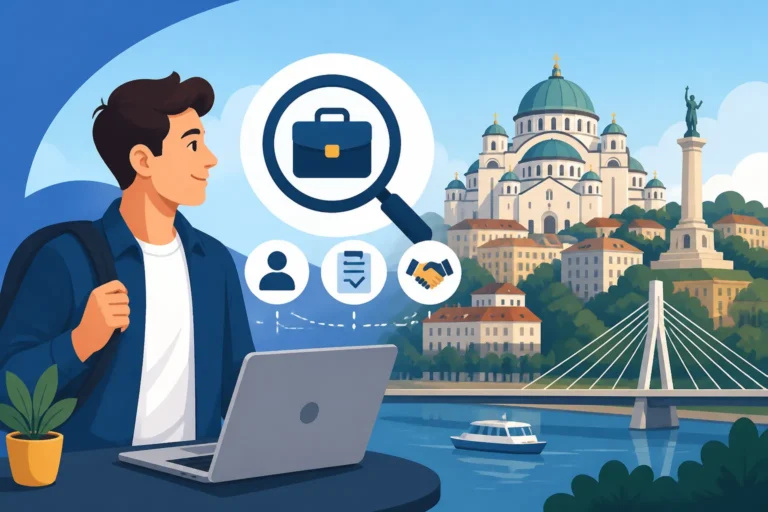
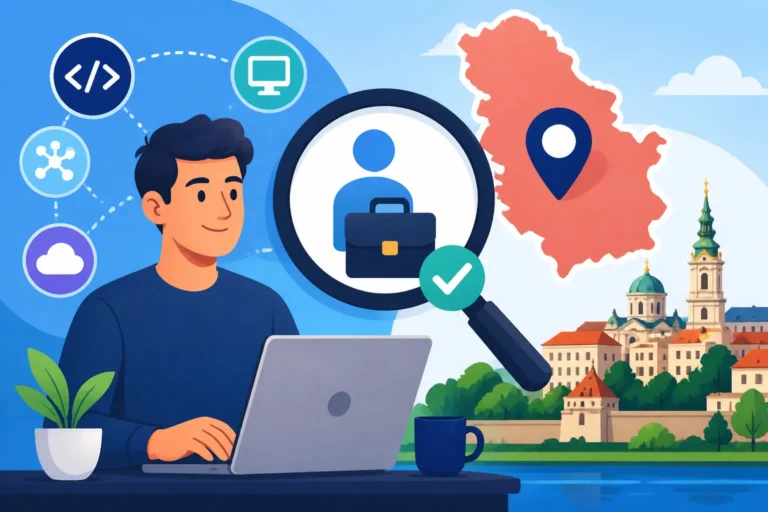
Ah, the Serbian work permit. Just hearing those words can send shivers down the spine of even the most seasoned expat, conjuring images of endless queues, mountains of paperwork, and the ever-present language barrier. But don't you worry, because the system has actually seen some significant changes, aiming to make things a little less daunting. This guide is here to demystify the process of getting your work permit, or more accurately, your Single Permit for work and residence, in Serbia. We'll walk through the steps, highlight the pitfalls, and share some hard-earned expat wisdom to help you navigate it all.
The New Reality: Serbia's Single Permit for Work and Residence
For years, foreigners living and working in Serbia had to contend with a two-pronged administrative beast: a residence permit issued by the Ministry of Interior (MUP) and a separate work permit from the National Employment Service. Trust me, it was as confusing and frustrating as it sounds, often involving duplicate documents and conflicting requirements. Thankfully, Serbia has moved towards a more streamlined approach, consolidating these into one unified "Single Permit."
What Exactly is the Single Permit?
The Single Permit, or Jedinstvena dozvola in Serbian, is a game-changer. It combines what used to be two separate applications—one for your temporary residence (known as privremeni boravak) and one for your work permit (radna dozvola)—into a single process. This means one application, one set of documents (mostly), and one decision from the authorities. The primary goal behind this change, introduced under the Law on Foreigners and the Law on Employment of Foreigners, was to simplify and speed up the immigration process for foreign nationals looking to contribute to Serbia's economy.
Before this change, you'd apply for residence at the MUP, then, once that was approved, take your shiny new residence permit to the National Employment Service to apply for your work permit. It meant twice the waiting, twice the potential for missing documents, and twice the headaches. The new system, while still requiring diligence, aims to cut down on that bureaucratic merry-go-round, making it a much more palatable experience for everyone involved.
Who Needs a Single Permit?
Simply put, if you're a foreign national and you intend to be employed or self-employed in Serbia for more than 90 days within a 180-day period, you will almost certainly need a Single Permit. This applies whether you’re coming to work for a local company, setting up your own business, or even doing freelance work for Serbian clients. It's designed to cover anyone who wishes to legally earn income while residing in the country.
There are a few exceptions, of course. For instance, if you're on a short business trip lasting less than 90 days, or if you're covered by specific international agreements, you might not need one. Also, diplomats and their families have different rules. However, for the vast majority of expats who are eyeing up job opportunities in Belgrade, Novi Sad, or Nis, the Single Permit is your golden ticket. Don't fall into the trap of thinking a tourist visa will cut it for work – it definitely won't, and you'll find yourself in a world of trouble.
Benefits of the Consolidated System
The biggest, most undeniable benefit of the Single Permit is its inherent simplicity. Instead of navigating two distinct government departments, with their own queues, forms, and unique quirks, you now deal with primarily one integrated digital process. This drastically reduces the administrative burden, both for you and for your prospective employer in Serbia.
The aim is for faster processing times, too. While "faster" in bureaucratic terms can still mean weeks, the ideal scenario is that applications move more swiftly through the system now that there’s less back-and-forth between agencies. This means less time in limbo, more certainty for your future in Serbia, and a generally smoother start to your expat life. For employers, it means they can onboard international talent with fewer delays, which is a win-win for everyone trying to grow the Serbian economy with foreign expertise. You can dive deeper into how this works by checking out The Expat Guide to the Single Permit for Work and Residence in Serbia (2027).
The Step-by-Step Application Process for Your Single Permit
While the new system is streamlined, it still requires meticulous attention to detail. The process generally involves a significant role for your employer, as well as crucial responsibilities on your part as the applicant. Understanding this division of labor is key to a successful application.
Employer's Role: The Foundation of Your Application
In most cases, your potential employer in Serbia will be the driving force behind your Single Permit application. They are the ones initiating the process because they need you to work for them! Their journey typically starts with verifying that there are no suitable Serbian citizens or permanent residents available for the specific role you'll be filling. This "labour market test" is a standard requirement in many countries and ensures that foreign workers aren't taking jobs that Serbians could do. However, for highly specialized roles, management positions, or within certain industries (like IT, for example), this test can sometimes be waived or is simply a formality.
Once that hurdle is cleared, your employer will draft an employment contract or a pre-contract. This document is absolutely vital as it defines the terms of your future employment, including your position, salary, and responsibilities. They'll also need to gather a slew of company-specific documents, such as proof of registration, tax identification numbers, and other corporate filings. Crucially, the employer is usually responsible for submitting the bulk of the application through Serbia's e-Government portal. This digital platform is designed to make submissions smoother, though it does require the employer to be registered and familiar with its functionalities. They will often handle the payment of administrative fees as well, which is a nice perk for you!
Your Role as the Applicant: Documents and Requirements
Now, let's talk about your part. Even though your employer initiates much of the process, you have a critical role in providing all the necessary personal documentation. And trust me, getting these right is paramount. Any missing stamp, incorrect date, or non-certified translation can send your application straight back to square one, causing frustrating delays.
Here’s a breakdown of the key documents you'll typically need to prepare:
- Passport Copy: A clear, full copy of your passport, ensuring it's valid for at least three months beyond the intended duration of your stay.
- Proof of Accommodation: This could be a rental contract (signed and notarized, always!) for an apartment in Serbia, or proof of property ownership if you've bought a place. This shows you have a legal address.
- Proof of Sufficient Funds: You'll need to demonstrate that you can support yourself financially in Serbia. This usually means a recent bank statement showing adequate funds, or your employment contract clearly stating your salary.
- Medical Certificate: You'll need to undergo a general medical check-up at a recognized Serbian medical institution. This isn't a huge ordeal, usually just a basic physical to confirm you're not carrying any serious communicable diseases. Your employer or a local contact can guide you to an appropriate clinic.
- Police Clearance Certificate: This is a certificate of no criminal record from your home country. This document is often the trickiest one, as it almost always needs to be apostilled or legalized (depending on whether your country is part of the Hague Apostille Convention) and then officially translated into Serbian by a court-certified translator.
- Educational Diplomas and Professional Qualifications: Copies of your university degrees, professional certificates, or other relevant qualifications related to your job. Like the police certificate, these often need to be apostilled/legalized and translated. For some regulated professions, you may also need to get your foreign qualifications officially recognized in Serbia, a process known as nostrifikacija. You can learn more about this in our guide on How to Get Your Foreign Qualification Recognised in Serbia.
- Employment Contract/Pre-Contract: The signed document from your Serbian employer outlining your job terms.
- Application Form: Usually prepared by your employer, but you'll need to sign it.
- Proof of Paid Administrative Fees: Receipts for the government fees associated with the application.
It cannot be stressed enough: every single document that isn't originally in Serbian must be translated by a court-certified translator in Serbia. These translators are officially recognized by the government, and their stamp is essential. Getting your documents ready might be the longest part of your preparation, so start early!
Submission and Waiting Game
Once all the documents are meticulously gathered, translated, apostilled, and signed, your employer (or sometimes an authorized legal representative) will submit the application, ideally through the e-Government portal. After submission, the waiting game begins. The official processing times have been significantly improved with the Single Permit system, with a stated goal of around 15-30 days. However, in reality, it can still take a few weeks, sometimes even a couple of months, depending on the MUP's workload, the complexity of your case, and whether they request additional information.
During this period, the authorities might ask for supplementary documents or clarifications. It’s important for your employer to keep an eye on the application status and respond promptly to any requests. This period of uncertainty can be tough. I remember one expat friend of mine who had a job offer lined up, but the permit took a bit longer than expected, and he spent weeks feeling like he was in limbo, unable to fully commit to moving or signing a long-term rental contract. Patience, as they say, is a virtue, especially when dealing with bureaucracy. For a broader overview of the process, make sure to read How to Apply for Temporary Residence (Privremeni Boravak) in Serbia.
Important Considerations and Potential Hurdles
Even with the streamlined Single Permit, there are still nuances and potential hurdles that can trip up an unsuspecting expat. Understanding these ahead of time can save you a lot of grief and prevent unnecessary delays.
The Type D Visa vs. Direct Application
This is a critical point that often causes confusion. Whether you need a Type D (long-stay) visa before you even arrive in Serbia depends entirely on your nationality. Citizens of many countries, such as those from the EU, USA, Canada, and Australia, can enter Serbia visa-free and apply for their Single Permit from within the country. This means they can come to Serbia, sign a rental agreement, get their medical check, and start the permit process without leaving.
However, if you're from a country that does require a visa for entry into Serbia, you'll first need to apply for a Type D visa at a Serbian embassy or consulate in your home country (or a country where you have legal residence). This Type D visa allows you to enter Serbia for the purpose of long-term residence and work, and it's essentially your ticket to then apply for the Single Permit once you're on Serbian soil. It's an extra step for some, but a necessary one. Always double-check the latest visa requirements for your specific nationality on the Ministry of Foreign Affairs website before making any travel plans. For those who need it, our guide on How Do I Get a Long-Stay Visa (Type D) for Serbia? provides a detailed walkthrough.
Keeping Your Permit Valid: Renewals and Changes
A Single Permit is not forever. It's typically issued for a period tied to your employment contract, often for one year initially, and can be renewed for up to three years at a time. The crucial thing to remember is to initiate the renewal process well in advance of your permit's expiration date. Serbian authorities appreciate proactive behavior, and leaving it to the last minute is a recipe for stress, or worse, a gap in your legal status. The renewal process involves submitting updated documents, especially your employment contract and proof of funds, and sometimes new medical certificates.
What happens if you change employers while your Single Permit is still valid? This is a common question. Generally, if you change employers, you'll need to go through a new Single Permit application process, or at the very least, an amendment to your existing permit, as the permit is tied to your specific employment. It’s not simply a matter of updating your existing one. Your new employer will need to initiate the process as outlined in the previous section. This can feel like a bit of a reset, but it’s how the system ensures that your work permit remains aligned with your actual employment situation. For comprehensive guidance on extending your stay, refer to How to Renew Your Temporary Residence in Serbia.
Financial and Legal Implications
Once you have your Single Permit, you're officially part of the Serbian workforce, and that comes with financial obligations. As an employee, your employer will be responsible for deducting your income tax and social security contributions (pension and health insurance) directly from your salary. The Serbian tax system is relatively straightforward with a flat 10% personal income tax, but it’s still essential to understand how it all works, especially if you have other income streams or assets abroad. Resources like "Taxes for Expats" can be incredibly helpful for navigating complex international tax situations and ensuring you remain compliant in both Serbia and your home country. We have a detailed guide on The Complete Guide to Taxes in Serbia for Expats (2027), and specific information about mandatory contributions in Understanding Mandatory Health Insurance Contributions in Serbia.
If you're thinking of going down the entrepreneurial route, perhaps as a freelancer or a small business owner, your Single Permit process will be slightly different, focusing on self-employment rather than an employer-sponsored route. You might look into registering under the Pausal (lump-sum) tax regime, which offers simplified taxation for small businesses. Our guide on Self-Employment in Serbia: The Pausal Regime and Going Independent (2027) covers this in detail. Additionally, if you plan to bring your family, you'll need to apply for their dependent residence permits. This is a separate but related process, and you can find more information on How to Add Dependents to Your Health Coverage in Serbia and How to Sponsor Your Spouse and Children for Residence in Serbia.
Common Challenges and Expat Tips for a Smoother Process
Having been through the expat mill myself, I can tell you that even with improvements, the administrative process in any new country, including Serbia, comes with its own set of unique challenges. Being prepared for them mentally, and having a few tricks up your sleeve, can make all the difference.
The Language Barrier and Bureaucracy
Serbia is a beautiful country with incredibly warm people, but navigating its administrative system can be a different story, especially if you don't speak Serbian. While some officials in larger cities like Belgrade might speak English, it's far from guaranteed, and expecting it will likely lead to frustration. The bureaucracy, though improving, can still be slow and occasionally opaque, especially regarding specific document requirements that might not be clearly published in English.
My advice? Never go to a government office alone if you don't speak Serbian. Always have a trusted Serbian speaker with you – whether it's your employer's HR representative, a lawyer specializing in expat affairs, or a good local friend. They can translate, ask the right questions, and understand the nuances that get lost in translation. This is where investing in some Serbian language lessons can also pay dividends. Even basic conversational Serbian can go a long way in showing respect and making simple interactions smoother. Platforms like "iTalki" offer online tutors who can help you grasp the basics from the comfort of your home, making future administrative tasks much less stressful.
Documentation Woes: Apostille, Translations, and Deadlines
This is perhaps the biggest hurdle for most expats. Serbian authorities are sticklers for correct documentation. An apostille (an international certification for documents) is crucial for documents issued abroad, like your police clearance or university diplomas, if your home country is part of the Hague Convention. If not, a full legalization process is required, which is often more complex. Then comes the translation – it must be done by a court-certified translator in Serbia. Not your cousin who speaks Serbian, not a translation service back home, but an official Serbian court translator.
I remember one friend who had to send his university diploma back to his home country twice because of a missing stamp on the apostille, adding months to his application. The lesson here is: check, double-check, and then ask your employer or lawyer to triple-check every single document before submission. Start gathering these documents as early as possible, because obtaining apostilles or police certificates from abroad can take weeks or even months. Missing a deadline for a requested document can reset your application or even lead to its rejection.
Patience is a Virtue (and a Necessity)
Seriously, write this on a sticky note and put it on your fridge. Things might not move at the pace you’re used to, and that’s just part of the expat experience in many countries. While the Single Permit system aims for efficiency, unforeseen delays, processing backlogs, or requests for additional information are always possibilities.
My best advice is to set realistic expectations. Expect it to take longer than you hope, and then be pleasantly surprised if it doesn't! Be proactive in checking in with your employer about the status, but avoid being overly aggressive with officials. A calm, polite approach is always best. Use the waiting time to explore your new city, meet people, and embrace the culture. Don't let the administrative process consume your entire focus. Remember, the reward—living and working in beautiful Serbia—is worth the initial bureaucratic dance. For a deeper understanding of the entire relocation journey, take a look at Understanding How to Move to Serbia Legally from Abroad (2027).
Here's a quick summary of essential documents:
| Document Type | Requirement | Notes |
|---|---|---|
| Passport Copy | Valid for +3 months beyond stay | All pages, clear and readable |
| Proof of Accommodation | Rental contract or property deed | Must be notarized for rentals |
| Proof of Funds | Bank statement or employment contract | Demonstrates self-sufficiency |
| Medical Certificate | Issued by a Serbian medical institution | Standard general check-up |
| Police Clearance Certificate | From home country | MUST be Apostilled/Legalized & Court-Translated |
| Educational/Professional Docs | Diplomas, certificates | MUST be Apostilled/Legalized & Court-Translated |
| Employment Contract | Signed with Serbian employer | Outlines job terms and conditions |
| Application Form | Completed and signed | Often prepared by employer/legal representative |
| Paid Fees Receipts | Proof of administrative fee payment | Usually handled by the employer |
Disclaimer
The information provided in this article is intended for general guidance only and does not constitute legal, financial, or immigration advice. While every effort has been made to ensure accuracy and reflect current regulations as of 2026, laws and procedures can change. It is highly recommended to consult with a qualified Serbian immigration lawyer or your employer's HR department for advice specific to your individual circumstances before making any decisions related to your work permit and residence in Serbia.