What Is the Difference Between a Student Permit and Residence in Serbia?
Moving to a new country like Serbia often comes with a whirlwind of new terms and administrative processes that can feel like deciphering ancient hieroglyphs. One common point of confusion for newcomers, especially those planning to study, is the exact difference between a "student permit" and "residence" in Serbia. It’s easy to get these mixed up, thinking they’re interchangeable, but understanding the nuances is absolutely crucial for a smooth stay and avoiding any future headaches with the MUP. This guide will clarify these terms, making sure you know precisely what each entails for your journey in Serbia.
Understanding the "Student Permit" in Serbia: A Specific Type of Residence
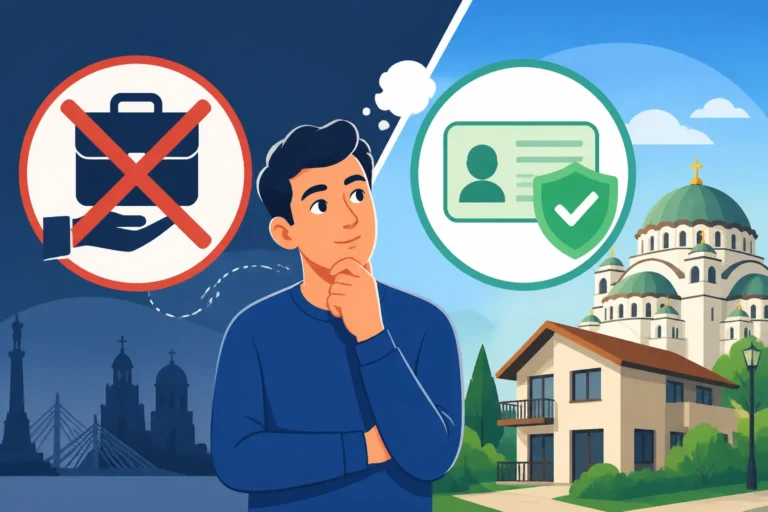
Let's cut through the jargon: in Serbia, what people often refer to as a "student permit" is actually a specific type of temporary residence permit (privremeni boravak) issued for the purpose of studying. It's not a standalone document or a different category altogether; rather, it’s one of the recognized grounds under which you can be granted temporary residency in the country. Think of it like this: "temporary residence" is the big umbrella, and "student residence" is a distinct segment under it.
What Exactly is a Student Residence Permit?
When you successfully apply for a student permit, you are essentially applying for a temporary residence permit in Serbia based on your enrollment in an accredited educational institution. This means the Serbian authorities acknowledge your primary reason for being in the country is academic pursuit. This status allows you to legally reside in Serbia for the duration of your studies, which typically mirrors the academic year or program length. It's your golden ticket to living here without worrying about the 90-day tourist visa limits.
The paperwork involved for this specific type of residence is tailored to prove your student status. This usually includes an acceptance letter from a Serbian university or school, proof of tuition payment or scholarship, and evidence of sufficient funds to support yourself during your studies. Without this particular ground, simply being accepted into a university wouldn't automatically grant you legal long-term stay. It's the official recognition of your student status that unlocks the "temporary residence" door for you.
Eligibility and Purpose of a Student Permit
The eligibility for a student residence permit hinges almost entirely on your academic intentions. You must be enrolled in, or accepted by, a recognized educational institution in Serbia. This could be a language school, a vocational college, an undergraduate program, a master's degree, or even a PhD. The purpose is straightforward: to facilitate your education. It grants you the legal right to stay in Serbia, attend classes, use public services, and integrate into student life.
For many, especially those coming from outside the European Union, obtaining this permit often starts with applying for a Type D (long-stay) visa for study purposes in their home country. This visa then allows you to enter Serbia and subsequently apply for the actual temporary residence permit once you're on the ground. You'll hear about the Type D visa quite a bit as you research The Complete Guide to Serbia Visas and Immigration for Expats (2027). It’s a crucial first step for many, bridging the gap between your home country and formally applying for residence here. The purpose isn't just about showing up for class; it's about fulfilling all legal requirements to reside here as an international student.
Duration and Renewal of Student Residence
A student residence permit is typically issued for the duration of your academic year, up to a maximum of one year at a time. This means if your program is three years long, you won't get a three-year permit upfront. Instead, you'll need to renew it annually. This annual renewal process is a standard part of expat life here, regardless of your residence ground. It means another trip to the MUP (Ministry of Interior), another set of documents (updated proof of enrollment, bank statements, etc.), and another round of administrative fees.
The MUP, or Ministry of Interior, is the main governmental body you'll be dealing with for all matters related to your stay, from initial applications to renewals and address registrations. Their offices can be a maze, and patience is definitely a virtue when navigating their processes. When it comes to renewals, it's vital to start the process well in advance of your current permit's expiration date. Don't wait until the last minute, as processing times can be unpredictable, and you definitely don't want to find yourself in Serbia with an expired residence permit! Planning ahead is key to ensuring you can How to Renew Your Temporary Residence in Serbia without stress.
Deciphering Temporary Residence (Privremeni Boravak): The Broader Umbrella
Now let's zoom out to "temporary residence" itself. In Serbia, "privremeni boravak" is the official term for a temporary residence permit. This is the overarching status that allows any non-Serbian citizen to legally live in the country for more than 90 days within a 180-day period. Crucially, a student permit is simply one specific ground for obtaining this broader temporary residence.
The General Concept of Temporary Residence
Temporary residence is essentially the government's way of saying, "Okay, you're not a tourist, and you have a legitimate reason to stay here long-term, but not permanently yet." It's granted based on a specific, justifiable purpose. Without a valid temporary residence permit, you are generally limited to the visa-free tourist stay, which for most nationalities is 90 days out of any 180-day period. Exceeding this without a permit can lead to fines, deportation, and future entry bans – definitely something you want to avoid!
This concept is foundational to any long-term stay in Serbia. Whether you're here for work, family reunification, property ownership, or, yes, studies, you need to obtain temporary residence. The type of residence permit you get will reflect the ground for your stay. This distinction is vital because your rights and obligations, and the specific documents you'll need, are all tied to that ground. For a comprehensive overview of the different grounds, you can check out Understanding Serbian Residence Permits: Work, Study and Investment (2027).
Other Grounds for Temporary Residence Beyond Study
Beyond academic pursuits, there are numerous other reasons for which you can obtain temporary residence in Serbia. These are the "other segments" under the big "temporary residence" umbrella. Some of the most common grounds for expats include:
- Employment: If you've landed a job with a Serbian company, you'll apply for temporary residence based on employment. This is often combined with a work permit under the new single permit system. This is a very common route for many foreigners moving to the country, and it comes with its own set of detailed requirements, including an employment contract and proof from your employer.
- Family Reunification: If your spouse or a close family member already has Serbian citizenship or permanent residence, you can apply for temporary residence to join them. This route focuses heavily on proving your marital or familial relationship through official documents.
- Property Ownership: Investing in Serbian real estate can also be a basis for temporary residence. While it doesn't automatically grant you residence, it definitely strengthens your case. You'll need proof of ownership, such as a property title deed.
- Starting a Business/Entrepreneurship: Many expats choose to How to Register as an Entrepreneur (Preduzetnik) in Serbia or open a company, using this as their ground for temporary residence. This requires registering your business and demonstrating its viability.
- Scientific Research or Medical Treatment: For those coming for specialized research or long-term medical care, these can also be valid grounds.
Each of these grounds has specific requirements that must be met, and the documentation will differ significantly. For instance, the documents required for How to Get a Residence Permit for Work in Serbia will be vastly different from those for a student permit.
The Importance of Your 'Ground' for Residence
Your chosen "ground" for temporary residence is paramount because it dictates everything: the specific documents you need to submit, the validity period of your permit, and even some of the rights and restrictions attached to your stay. For example, a student residence permit might have limitations on working hours, whereas an employment-based permit grants you full work rights related to your specific job.
This is where the MUP really scrutinizes your application. They want to see clear, undeniable proof that your stated reason for residence is legitimate and that you meet all the criteria for that specific ground. Having all your ducks in a row – translated and notarized documents, bank statements, valid accommodation proof – is not just helpful, it's absolutely essential. This bureaucratic maze can be daunting, so ensuring you have everything correct from the start will save you immense frustration. Companies like Sirelo can sometimes assist with understanding general relocation document requirements, although for specific immigration legalities, a local Serbian lawyer specializing in immigration is always the best bet.
Key Distinctions: Student Permit vs. General Temporary Residence
Now that we’ve established that a student permit is a type of temporary residence, let's look at the practical differences and why understanding this distinction is so important. It’s less about a fundamental difference in legal status and more about the conditions and implications of the specific ground for your residence.
The Legal Framework and Documentation
The legal framework is the same – you are obtaining a "privremeni boravak." However, the evidence required to support your application differs significantly based on whether you're applying as a student or under another ground.
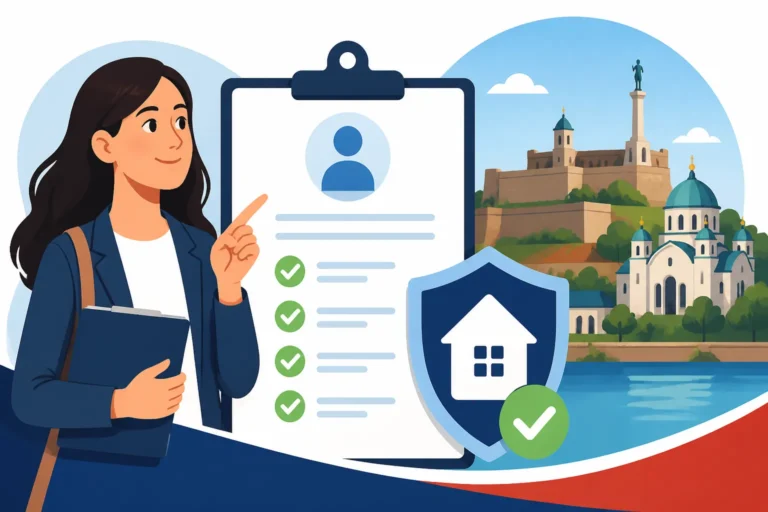
For a student permit, you'll primarily need:
- Proof of Enrollment: An acceptance letter, certificate of enrollment from a Serbian educational institution.
- Proof of Funds: Bank statements showing you have sufficient financial means to support yourself without working (unless specific work rights are granted).
- Accommodation Proof: A notarized rental contract or statement from a host.
- Valid Passport: With at least six months validity beyond your intended stay.
- Health Insurance: This is mandatory for all temporary residence applicants. While you might opt for local options, many expats choose international providers like Cigna Global for comprehensive coverage, especially in the early days.
- Administrative Fees: Proof of payment for the application and biometric card.
For other types of temporary residence, say for employment, the documents would shift to:
- Employment Contract: A valid contract with a registered Serbian employer.
- Work Permit: This often goes hand-in-hand with the residence application and is usually initiated by your employer.
- Company Registration Documents: From your employer.
- Proof of Accommodation, Health Insurance, Passport, and Fees: These generally remain the same across all grounds.
The core distinction here lies in the "justification" documents. The MUP isn't just handing out residence permits; they need to understand why you need to stay in Serbia longer than 90 days, and that "why" is explicitly defined by your chosen ground. Understanding Document and Translation Requirements for Serbia Immigration is a critical read to ensure you have all the necessary paperwork correctly prepared.
Rights, Restrictions, and Future Pathways
While all temporary residence permits grant you the right to legally reside in Serbia, certain specific rights and restrictions can vary depending on the ground.
For Student Permits:
- Study Rights: Your primary right is to attend your chosen educational program.
- Work Restrictions: Historically, student permits came with significant work restrictions. While regulations are evolving, students generally have limited rights to work, often requiring a separate work permit application, or being confined to part-time roles that do not interfere with studies. It’s always best to clarify the current regulations at the time of your application, as violating these can jeopardize your residence. You should definitely investigate Can I Study and Work at the Same Time in Serbia? for the most up-to-date information.
- Future Pathways: A student permit in itself doesn't directly lead to permanent residence faster than other temporary residence types. However, successful completion of studies can certainly open doors to employment-based residence in Serbia if you find a job after graduation.
For Other Temporary Residence (e.g., Employment):
- Full Work Rights: If your permit is based on employment, you have full legal rights to work for your sponsoring employer.
- No Study Restrictions: You are generally free to pursue educational opportunities on the side, provided it doesn't conflict with your primary employment.
- Future Pathways: Maintaining temporary residence for a certain period (typically 3-5 years, depending on the ground and your country of origin's agreements with Serbia) is a prerequisite for applying for permanent residence.
The bottom line is that your residence ground shapes your activities in Serbia. You can't, for example, primarily work on a student residence permit without fulfilling additional legal steps. It's crucial to understand these distinctions to avoid inadvertently breaking immigration rules.
Navigating the MUP and Administrative Maze
Regardless of the ground, navigating the MUP is an experience shared by all expats. The process for How to Apply for Temporary Residence (Privremeni Boravak) in Serbia can be complex, involving multiple visits, potential language barriers, and a need for meticulous documentation.
- Initial Application: Whether for study or work, you'll submit your application packet to the MUP, often in Belgrade or a local police station depending on your registered address.
- Address Registration (Prijava Boravka): This is a fundamental step for all temporary residents, students included. Within 24 hours of arriving in Serbia, or moving addresses, you must How to Register Your Address (Prijava) with the Police in Serbia. This is strictly enforced, and failure to do so can lead to fines or issues with your residence permit.
- Biometrics: After your application is provisionally accepted, you'll be called in for biometrics – fingerprinting and a photo for your residence card.
- Card Collection: Once approved, you return to collect your physical residence card.
The journey through the MUP can test anyone's patience. Prepare for queues, potentially vague instructions, and the need to have every document, even copies, ready. Many expats choose to hire a local agent or lawyer to help them navigate this, especially for their first application. They can clarify Understanding the Cost and Timeline of the Serbia Residence Process and ensure everything is submitted correctly. While it's an added expense, for many, it's worth the peace of mind.
The Practicalities of Applying: What You Need to Know
Applying for any form of temporary residence in Serbia, including a student permit, demands meticulous attention to detail. It's not a process you want to rush or take lightly.
Common Documents and Bureaucracy
Regardless of your ground for temporary residence, there are some documents and bureaucratic steps that are almost universally required:
- Valid Passport: Make sure it has plenty of validity left, ideally more than six months beyond your intended residence period.
- Proof of Funds: You need to show you can support yourself. The exact amount can vary but generally reflects the average cost of living in Serbia. A bank statement from a Serbian bank is often preferred, but foreign bank statements can also be accepted, sometimes requiring translation.
- Proof of Accommodation: A notarized rental agreement (overovljen ugovor o zakupu) is standard. If you’re staying with friends or family, they’ll need to provide a notarized statement (izjava) confirming they are hosting you. This is crucial for your address registration.
- Health Insurance: As mentioned, this is non-negotiable. You’ll need proof of valid health insurance for the entire period of your requested residence. Many expats start with international health insurance like Cigna Global and then explore local options once settled.
- Application Forms: These must be filled out accurately and completely. Don't leave any blanks!
- Photographs: Standard passport-sized photos are required.
- Administrative Fees: There are several fees to pay – for the application itself, for the biometric card, and sometimes for specific checks. These are typically paid at a post office or bank.
- Translations: Any document not in Serbian (like your birth certificate, marriage certificate, or foreign bank statements) must be officially translated into Serbian by a certified court translator. Often, they also need to be apostilled in your home country first if they are official government documents.
It’s truly a marathon, not a sprint, getting all these documents together. Think of it as a treasure hunt where every piece is vital.
Tips for a Smoother Application
Having been through the Serbian administrative wringer myself, here are a few tips to make your application process as smooth as possible:
- Start Early: Do not underestimate the time it takes. Gathering documents, getting translations, and navigating the MUP can take weeks, if not months. Start as soon as you have your university acceptance or job offer.
- Organize Everything: Create a binder or digital folder for all your documents. Keep originals, copies, and translations meticulously organized. The MUP might ask for anything at any time.
- Get Certified Translations: Always use a certified court translator in Serbia. Translations done abroad may not be accepted. You can often find lists of certified translators online or through expat groups.
- Confirm Requirements (and then confirm again): Immigration rules can change, and interpretations can vary between MUP offices or even officers. Double-check the latest requirements on the MUP website or with a reliable immigration lawyer just before you apply. Expat forums can be helpful for anecdotal experiences, but always verify official sources.
- Be Patient and Polite: The MUP can be busy, and the process can be slow. A positive attitude and patience go a long way. Having a basic grasp of Serbian phrases, especially for greetings and key questions, can also be incredibly helpful.
- Consider Professional Help: For your first application, especially if Serbian isn't your strong suit, hiring a local lawyer or agency specializing in immigration can save you immense stress and prevent costly mistakes. They are familiar with all the intricacies and common pitfalls. They can also help with things like getting your utilities set up, which can sometimes feel like another bureaucratic battle. For instance, connecting with companies to The Expat Guide to Setting Up Utilities (Electricity, Water, Heating) in Serbia can be simplified with local assistance.
By understanding that a "student permit" is simply one avenue under the broader "temporary residence" umbrella, and by diligently preparing for the administrative hurdles, you'll be well on your way to enjoying your stay in Serbia without unnecessary stress.
Comparative Overview: Student Permit vs. Other Temporary Residence Grounds
To summarize the practical differences between a Student Permit and other common types of Temporary Residence in Serbia, here's a handy table:
| Feature | Student Permit (Temporary Residence for Study) | Other Temporary Residence (e.g., for Work, Family) |
|---|---|---|
| Legal Status | Specific ground for Temporary Residence | Specific ground for Temporary Residence |
| Primary Purpose | Academic study in an accredited institution | Employment, family reunification, business, etc. |
| Key Documentation | University acceptance/enrollment, tuition proof | Employment contract, marriage certificate, business registration, property deed |
| Work Rights | Limited, often requiring separate work permit or strict part-time conditions | Full work rights for specific employer/business (if applicable) |
| Duration | Typically tied to academic year (max 1 year), renewable annually | Up to 1 year initially, renewable annually based on continued eligibility |
| Financial Proof | Sufficient funds for living expenses without relying on significant work income | Proof of salary, business income, or family support |
| Future Permanent Residence | Requires continuous temporary residence for a set period (e.g., 3-5 years, subject to specific rules) | Requires continuous temporary residence for a set period (e.g., 3-5 years, subject to specific rules) |
| Initial Visa Type | Often Type D (Long-stay) Visa for Study | Often Type D (Long-stay) Visa for Work, Family, etc. |
This table should give you a clear, concise understanding of how these different grounds manifest in practical terms, even though they all fall under the same overarching "temporary residence" status.
Disclaimer
Please remember that immigration laws and procedures in Serbia can change. While I strive to provide the most current and accurate information based on my experience and available data, this guide is for informational purposes only and does not constitute legal advice. Always consult with the official Serbian Ministry of Interior (MUP) website or a qualified immigration lawyer in Serbia for the latest regulations and personalized guidance regarding your specific situation.