How Do I Find an Apartment Near the City Centre in Belgrade?
Ah, Belgrade city centre! The dream for so many of us when we first arrive, picturing ourselves sipping coffee on a charming balcony, just steps away from the bustling Knez Mihailova or the vibrant nightlife of Dorćol. But then reality hits: how on earth do you actually find that perfect spot amidst the maze of unfamiliar names, ancient apartment buildings, and a rental market that often feels like it operates on its own unique Serbian logic? This guide is here to cut through the confusion and help you navigate the process of securing your ideal central Belgrade apartment, with some hard-won expat wisdom thrown in.
Understanding Belgrade's City Centre Vibe and Neighbourhoods
When you say "city centre" in Belgrade, it's not quite as simple as pointing to one spot on a map. Unlike some cities, Belgrade's centre is a collection of distinct neighbourhoods, each with its own character, price point, and pros and cons. Understanding these nuances is key to narrowing down your search and avoiding disappointment.
What "City Centre" Really Means in Belgrade
"City centre" generally encompasses several municipalities and neighbourhoods that are either historically central or have become de facto hubs due to their amenities and connectivity.
- Stari Grad (Old Town): This is the heart of it all. Think Knez Mihailova, Kalemegdan Fortress, Dorćol, and the charming cobbled streets around Skadarlija. Apartments here can be in beautiful, historic buildings, often with high ceilings and a real sense of old-world charm. It's fantastic for walking everywhere, soaking up the culture, and being in the thick of things. However, it can also be pricier, noisier, and parking is a nightmare. Some buildings might be older, meaning less modern insulation or heating systems, so always check.
- Vračar: Often considered the most desirable residential area for many expats and locals alike, Vračar is a bit further out than Stari Grad but still incredibly central. It's known for its leafy streets, beautiful secessionist architecture, and the majestic Saint Sava Temple. Vračar offers a slightly calmer, more upscale vibe than the immediate Old Town, with excellent cafes, restaurants, and parks. It’s still very walkable to most central attractions, and public transport is abundant. Apartments here range from renovated classics to luxurious new builds. The trade-off? Higher rents and sometimes fierce competition.
- Dorćol: Technically part of Stari Grad, Dorćol deserves its own mention. Divided into Gornji Dorćol (upper, closer to Knez Mihailova) and Donji Dorćol (lower, towards the Danube), it's a fantastic blend of old Belgrade charm and new, trendy spots. Donji Dorćol, in particular, has seen a huge revival, attracting artists, digital nomads, and young families with its unique blend of industrial heritage, creative spaces, and riverside cafes. You'll find a mix of older, sometimes unrenovated apartments, and beautifully modernised ones. It's vibrant, a bit gritty, and truly unique.
- Savamala: Once a neglected district by the Sava river, Savamala has transformed into Belgrade's creative and nightlife hub. It’s incredibly central, right by the main train station (though the old one is closed, the new one is moving) and Belgrade Waterfront. You'll find a mix of renovated industrial spaces, art galleries, bars, and a few residential buildings. It’s ideal for those who love an edgy, artistic atmosphere and don't mind the constant buzz. Residential options are fewer and can be a bit more boutique or loft-style.
- Parts of Palilula and Savski Venac: Just bordering Stari Grad and Vračar, these areas can offer a slightly more affordable entry into central living without sacrificing too much on location. Palilula, for instance, has areas like Takovska or near Botanička Bašta (Botanical Garden) that are super central, with a slightly more local feel. Savski Venac encompasses areas like Belgrade Waterfront, which offers luxury modern living at premium prices, but also older, charming streets near the city centre.
Identifying Your Ideal Central Zone
Before you even start scrolling through listings, sit down and think about what "central" means to you. Your perfect central apartment depends entirely on your lifestyle.
- Proximity to Work or University: If you have a specific office or educational institution, plot it on a map. Belgrade's traffic, especially during rush hour, can be brutal, so even a few extra tram stops can add significant time to your commute. Being able to walk or take a short bus ride makes a world of difference.
- Nightlife vs. Quiet Evenings: If you thrive on the buzz of bars and restaurants on your doorstep, Stari Grad or Savamala might be your jam. If you prefer a tranquil evening stroll after a day out but still want options close by, Vračar or quieter parts of Dorćol could be better. Remember, central also often means noise – street noise, cafe chatter, and sometimes late-night revelry. Double-glazed windows are your friend!
- Family-Friendliness and Green Spaces: For those with children, access to parks like Kalemegdan, Tašmajdan, or Karađorđev Park in Vračar is essential. Vračar generally offers more green space and a slightly more residential feel while remaining very central. Consider proximity to schools, both local and international.
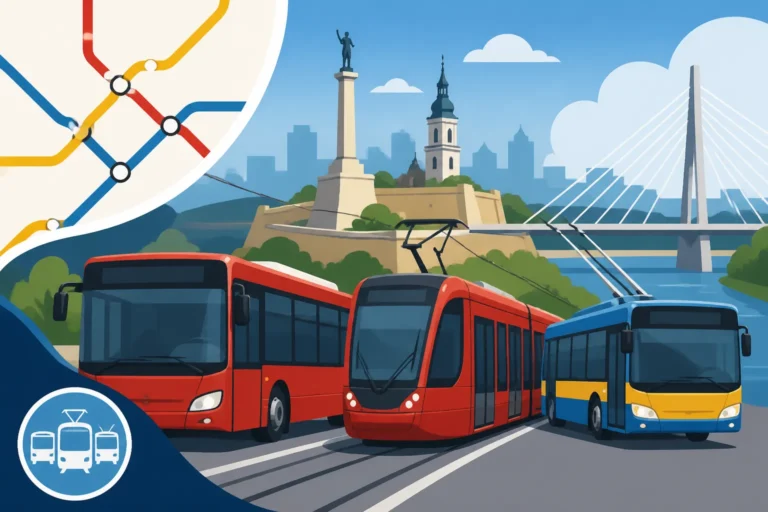
- Public Transport Accessibility: Belgrade's public transport network is extensive, with trams, trolleybuses, and buses covering most areas. However, some central spots are better connected than others. If you plan to rely solely on public transport, check the nearest stops and lines to your potential apartment. Understanding the Belgrade Bus, Tram and Trolleybus Networks is crucial.
- Budget Considerations: Your budget will significantly dictate which central areas are within reach. Generally, Vračar and prime Stari Grad command the highest rents, while areas bordering the centre might offer more space for your money. We'll delve into specific costs soon, but keep this in mind as you explore the different vibes.
Navigating the Belgrade Rental Market for Central Locations
The Belgrade rental market can be a beast, especially for central apartments which are always in high demand. It’s a fast-moving environment, and finding that perfect spot requires diligence, a bit of luck, and knowing where to look and who to trust.
The Online Search: Where to Begin Your Hunt
Before you even land in Serbia, or as soon as you touch down, the internet will be your first port of call. But be warned, it's not always straightforward, and things move quickly.
- Serbian Property Portals: The main players are Nekretnine.rs and Halo Oglasi Nekretnine. These sites list thousands of apartments, primarily through real estate agencies but also direct from owners. You can filter by location, price, number of rooms, and whether it's furnished (namešten) or unfurnished (nenamešten).
- Pros: Wide selection, updated frequently, good for getting a feel for the market.
- Cons: Many listings are in Serbian only, photos can be misleading, and you'll encounter a lot of agency ads (which means agency fees). It can be overwhelming.
- Facebook Groups for Expats: This is a goldmine for many foreigners. Search for groups like "Expats in Belgrade" or "Belgrade Apartments for Rent."
- Pros: Often direct listings from owners or previous tenants, potentially avoiding agency fees. You can ask questions, get recommendations, and connect with other expats. There's a strong sense of community.
- Cons: Less structured search, scams can exist (always verify listings and never pay anything upfront without seeing the apartment and meeting the landlord), and desirable places go incredibly fast. You need to be ready to act quickly.
- Real Estate Agency Websites: Many individual agencies have their own websites. While they feed into the larger portals, sometimes they have exclusive listings. However, unless you're fluent in Serbian, stick to the larger portals or work with an English-speaking agent.
When you're browsing, pay close attention to the details. Is the heating central (centralno grejanje) or electric (struja)? What floor is it on? Is there an elevator? An energy performance certificate is required by law for new builds and major renovations, but older apartments might not have one, which can impact utility costs.
Engaging with Real Estate Agents: A Necessary Evil (Sometimes)
Ah, real estate agents. They’re a ubiquitous part of the rental landscape here, and while some expats swear by them for ease and speed, others lament the associated costs.
- Their Role: Agents can be incredibly helpful, especially if you're not fluent in Serbian or are unfamiliar with the city's geography. They can filter listings based on your criteria, schedule viewings, often drive you around, and crucially, help negotiate and translate the rental contract. They know the market inside out and often have access to properties before they hit public portals.
- Their Fees: This is the sticking point for many. In Belgrade, the standard agent's fee for a tenant is 50% of one month's rent, paid upon signing the contract. This is a one-time fee. So, if your rent is 800 EUR, expect to pay 400 EUR to the agent, on top of your deposit and first month's rent. It can feel like a lot upfront, but for many, the convenience and peace of mind are worth it, especially when navigating the intricacies of a new system.
- How to Find Reputable Ones: Word-of-mouth is best. Ask other expats in those Facebook groups or local forums for recommendations for English-speaking agents. Some agencies cater specifically to foreigners and can provide a smoother experience. Make sure they are registered and have a professional demeanour. When you're looking to find a reliable real estate agent in Serbia, it's really about personal connections and vetting.
- The Language Barrier: This is where an agent can truly shine. Most landlords, especially of older, charming central apartments, might not speak English. Having someone to bridge that communication gap, translate questions about utilities or maintenance, and ensure clarity in the contract is invaluable. Trust me, trying to decipher complex legal terms in a language you're still learning is a headache you don't need.
Practicalities of Renting a Central Apartment in Belgrade
Once you've zeroed in on a few potential spots, it's time to get down to the nitty-gritty. This involves understanding the costs, preparing for viewings, and signing on the dotted line.
Setting Your Budget and Understanding Costs
Beyond the sticker price of rent, there are other financial considerations that can significantly impact your monthly outgoings. It's not just about how much does it cost to rent an apartment in Belgrade in 2026? It's about the full picture.
- Typical Rental Prices (Approximate for Central Areas, as of late 2023/early 2024):
- Studio/Smaller 1-bedroom: 400-700 EUR per month. (Expect higher for prime locations or new builds).
- 1-bedroom (with separate living room/kitchen): 600-1000 EUR per month.
- 2-bedroom: 800-1500+ EUR per month.
- These are general ranges; luxury or newly renovated apartments, especially in Vračar or Belgrade Waterfront, can easily exceed these figures.
- Utilities (Infostan, Electricity, Internet, Heating):
- Infostan: This is a consolidated bill for communal services like water, building maintenance, waste collection, and sometimes central heating. It varies based on apartment size and location, but expect 50-150 EUR for a smaller central apartment. This is generally the landlord's responsibility to pay, but you might reimburse them. Clarify this!
- Electricity (EPS): This is separate. Expect 30-80 EUR a month, more if you rely heavily on electric heaters or air conditioning for heating/cooling.
- Internet & Mobile: Providers like SBB and Yettel (formerly Telenor) are popular. A decent fibre internet package can be 20-40 EUR per month. Getting a local SIM and a mobile plan is very affordable. If you're fresh off the plane, a travel eSIM from a brand like Airalo can get you connected instantly without hunting for a physical SIM, but for long-term, a local plan is best.
- Heating: This can be a big one. Central heating is often included in Infostan and is quite efficient. Electric heating can be more costly, especially in older, poorly insulated buildings during cold winters. Gas heating is less common in central apartments. Always ask to see previous winter bills to get an idea of the costs.
- Deposits: Almost universally, landlords will require a security deposit. This is usually equal to one month's rent, but sometimes two or even three months, especially for highly desirable or luxury properties. This is held to cover any damages or unpaid bills upon your departure and should be returned if the apartment is left in good condition.
The Viewing and Negotiation Process
This is your chance to really scrutinise your potential new home. Don't be shy!
- What to Look For:
- Windows and Insulation: Older buildings often have wooden windows, which can mean drafts and higher heating bills. Double-glazed PVC windows are a huge plus.
- Heating System: As mentioned, verify the type and ask for past bills. A well-insulated apartment with central heating is generally the most comfortable and cost-effective in winter.
- Bathroom/Kitchen: Check for any leaks, mould, or general wear and tear. Are the appliances modern and functional?
- Noise Levels: Visit at different times of day if possible, especially if the apartment faces a busy street or a popular cafe.
- Furniture/Appliances: What exactly is included? Is there an air conditioner? A washing machine? Dishwasher? Clarify what stays and what goes.
- Negotiation Tactics: While landlords might not always budge on rent, especially for sought-after central apartments, there's sometimes room for negotiation. You might try:
- Asking for a small discount if you commit to a longer lease (e.g., 2 years instead of 1).
- Asking for a small repair or upgrade (e.g., a new mattress, a fresh coat of paint in one room).
- Asking for a slightly lower deposit.
- Being ready to make a decision quickly can also work in your favour, as landlords prefer reliable tenants who don't dither.
- Utility Bill Verification: Insist on seeing the utility bills for the past few months, particularly from the winter period. This will give you an accurate picture of the running costs, which is often a shocking surprise for newcomers.
Essential Documents and Contract Signing
The final hurdle before you get the keys! A well-drafted contract is your protection, so don't rush this part.
- Documents You'll Need:
- Passport: For identification.
- Residence Permit (Boravak): If you already have one, otherwise your landlord might need to register you initially on a tourist visa if you haven't received your temporary residence yet. This is crucial as you'll need to register your address (Prijava) for your residence permit application.
- Proof of Funds: Sometimes required, especially if you're a student or don't have a stable employment contract yet.
- The Rental Contract: This is usually a standard Serbian document. If you're using an agent, they will typically handle the drafting.
- Language: Ideally, get a contract in both Serbian and English. If only in Serbian, do not sign it without a trusted translation. Your agent should provide this, or you can hire a certified translator.
- Key Clauses to Scrutinize:
- Rent Amount and Payment Date: Clear as day.
- Deposit Conditions: When and how will it be returned? What constitutes "damage"?
- Lease Duration and Notice Period: Typically 12 months, with a 30-60 day notice period for early termination by either party.
- Utility Responsibilities: Who pays for what? Most often, the tenant pays all utilities directly to the providers or reimburses the landlord.
- Maintenance: Who is responsible for minor repairs vs. major issues?
- Pet Policy: If you have pets, ensure this is explicitly stated and allowed.
- Address Registration (Prijava): This is absolutely vital for expats. The landlord must be willing to register your address with the police for your temporary residence permit. Many landlords are hesitant or unwilling, so make this a non-negotiable point. You simply cannot get or renew your residence permit without a valid prijava. How to Register Your Address (Prijava) with the Police in Serbia is an article you absolutely need to read.
Insider Tips for Expats Seeking Central Belgrade Apartments
Beyond the formal steps, there are some unwritten rules and cultural nuances that can make your apartment hunt smoother (or more frustrating!).
The Importance of a Prijava (Address Registration)
I cannot stress this enough: for expats seeking a residence permit, your landlord's willingness to register your address (called prijava or prijavljivanje boravišta) is paramount.
- Why it Matters: When you apply for or renew your temporary residence permit (boravak), you must provide proof of address. This means your landlord needs to go with you (or provide a notarised statement/lease agreement in specific cases) to the local police station to register your stay.
- Landlord Hesitancy: Some landlords, especially those renting informally or trying to avoid taxes, will be unwilling to do this. This immediately makes the apartment a non-starter for most expats. Don't waste your time. Make it clear from your very first interaction that a proper prijava is a non-negotiable requirement for you.
- Verifying: Once they agree, ensure it actually happens. Keep copies of all registration documents. This process is integral to your legal stay in Serbia.
Understanding Building Age and Amenities
Belgrade's central areas offer a wonderful architectural mix, but with that comes variation in building quality and amenities.
- Older Buildings (Pre-WWII, Socialist Era): These often have high ceilings, thick walls (great for insulation and soundproofing), and sometimes original parquet floors and grand staircases. They ooze character. However, they can also come with outdated plumbing, electrical systems that can't handle too many modern appliances, and no elevators (a real consideration if you're on the fifth floor!). Heating might be electric, which can get expensive, or older central systems.
- Newer Builds (Post-2000s): Found increasingly in central areas, these offer modern conveniences like better insulation, new appliances, often central heating, elevators, and sometimes underground parking. They are usually more energy-efficient and low-maintenance. The downside? They often lack the unique character of older buildings and can be pricier. Belgrade Waterfront is a prime example of modern, high-rise living, albeit at a premium.
- Heating Systems: Reiterate the heating system check. Central heating provided by Beogradske Elektrane is generally efficient and hassle-free, often included in infostan. Electric heaters, air conditioners (for heating), or panel radiators can mean high electricity bills in winter. Gas heating is also an option, but less common in older central apartments.
Beyond the Apartment: Local Infrastructure
Living centrally in Belgrade isn't just about the four walls of your apartment; it's about the convenience of the surroundings.
- Supermarkets & Pharmacies: You'll find a good spread of supermarkets like Maxi, Idea, and Roda, often within walking distance in central areas. Pharmacies are also abundant. This is something often taken for granted until you move to an area without easy access.
- Public Transport: Even if you plan to walk most places, having good public transport links is a lifesaver for those rainy days or when you need to get to other parts of the city. Trams, trolleybuses, and buses crisscross the entire centre. Take some time to understand how to use public transport in Belgrade; it's generally reliable and affordable.
- Local Services: Think about what else you need regularly: dry cleaners, hairdressers, bakeries, cafes, and small local shops. Central areas usually excel in this regard, offering everything you could possibly need right on your doorstep.
- Connectivity: While setting up fixed internet, having a reliable mobile connection is key for maps, translations, and staying in touch. As a new arrival, consider a short-term data solution like an Airalo eSIM before committing to a local provider. When it comes to moving your belongings, if you're coming from abroad, don't forget resources like Sirelo to help compare international moving companies.
Choosing an apartment in central Belgrade is about balancing charm, convenience, cost, and practicality. It's an adventure, and with the right approach, you'll find a place that truly feels like home.
| Neighborhood | Vibe / Character | Pros | Cons | Typical Rent Range (1-bedroom) |
|---|---|---|---|---|
| Stari Grad | Historic, bustling, heart of the city | Walkable to major attractions, lively atmosphere, iconic landmarks | Can be noisy, parking difficult, some older buildings, higher prices | 600 – 1000 EUR |
| Vračar | Upscale, leafy, residential but vibrant | Beautiful architecture, good parks, excellent cafes/restaurants, quieter | Higher rents, can be competitive, slightly further from main pedestrian | 700 – 1200 EUR |
| Dorćol | Trendy, artistic, blend of old and new, riverside access | Unique character, great for creative types, vibrant nightlife, charming | Can be a bit gritty (Donji Dorćol), mixed building quality, parking | 550 – 950 EUR |
| Savamala | Edgy, artistic, nightlife-centric, industrial chic | Cultural hub, vibrant scene, central for transport, modern developments | Can be very noisy, fewer purely residential options, constant change | 600 – 1000 EUR |
Disclaimer
Please note that the information provided in this guide is intended for general informational purposes only and represents advice based on common expat experiences in Serbia. Rental prices, legal requirements, and market conditions can change rapidly. Always consult with official sources, legal professionals, and reputable real estate agents for the most current and accurate information tailored to your specific situation. We are not responsible for any actions taken based on the information provided herein.